
Reviewed · KAMAKURA DAY TRIPS
Kamakura and Yokohama Private Tour with Bilingual Chauffeur
Old temples and seaside views in one day. This private trip strings together Kamakura’s samurai-era sights and Yokohama’s Chinese food culture, with a bilingual chauffeur and guided stops that make the day feel more ordered than a self-planned route. You’ll hit the big icons like the Great Buddha, then choose your pace with options like Enoshima Island and Yokohama Chinatown.
I really like how the route mixes outdoor landmarks with calm Zen spaces. The Kotoku-in Great Buddha sets the tone early, and then the Hokoku-ji bamboo grove gives you that slow-walk reset before you move on to major shrine and temple grounds.
One thing to plan for: key entrances are not included. Admission tickets for Kotoku-in, Hase-dera, Hokoku-ji (Takedera Temple), and Enoshima are extra, so build that into your budget and expect small on-site queues depending on the time of day.
In This Review
- Key highlights at a glance
- Kamakura and Yokohama in one smooth day
- Price and value: what $435.71 per group covers
- The Great Buddha at Kotoku-in: what makes it iconic
- Hokoku-ji bamboo grove: slow down on purpose
- Tsurugaoka Hachimangu: samurai meaning in a shrine setting
- Hase-dera Temple: flowers, views, and a longer stop
- Komachi Street shopping without wasting daylight
- Enoshima Island option: sea air and a change of pace
- Yokohama Chinatown: food, shopping, and a big walk
- The guide matters: Abdul and the art of making history stick
- Comfort and pace: how an 8 to 10 hour private day really feels
- Who this Kamakura and Yokohama tour fits best
- Should you book this private Kamakura and Yokohama tour?
- FAQ
- How long is the Kamakura and Yokohama private tour?
- How many people are in a group?
- Is pickup included?
- Are admission tickets included for the main temples and Enoshima?
- Does the tour include a guide?
- What happens if the weather is bad?
Key highlights at a glance
- Private group of up to 6: less waiting, easier photos, and a route that can flex to your pace
- Bilingual chauffeur + in-person English guide: better context at every stop, not just directions
- Kamakura classics in smart order: Great Buddha, bamboo grove, Tsurugaoka Hachimangu, and Hasedera
- Optional Enoshima + Yokohama Chinatown: pick the seaside mood and the big-food stop
- Air-conditioned car and bottled water: comfort matters when you’re covering 8 to 10 hours
- Free photo/video help: someone’s ready to snap your group shot when you want it
Kamakura and Yokohama in one smooth day
Kamakura is where you go to feel Japan’s older story without needing a lecture. You’ll see the Great Buddha at Kotoku-in, walk through the bamboo at Hokoku-ji, and visit major shrine and temple sites that tie directly to samurai traditions. It’s a day built for both scenery and meaning.
Then you layer on Yokohama, which changes the vibe fast. Instead of only temples and gardens, you get a big dose of city energy at Yokohama Chinatown—food, shopping, and a different cultural rhythm. That contrast is the whole point, and it’s why this kind of private day plan works so well.
This tour is especially good if you like structure but still want choices. The core stops are set, and you can add Komachi Street shopping, Enoshima Island, and Chinatown depending on your mood and how your feet feel.
Coast-and-Buddha days near Kamakura, rated
- Tokyo: Mt. Fuji, Kamakura, Big Buddha, & Lake Ashi Day Trip
★ 4.5 · 867 reviews - Tokyo:Sea of Mount Fuji, Hakone Ropeway, Ōwakudani, Enoshima
★ 4.9 · 84 reviews - Kamakura 8 hr Private Walking Tour with Licensed Guide from Tokyo
★ 5.0 · 80 reviews - Tokyo: Kamakura & Enoshima Day Tour with Pickup & Train Ride
★ 4.1 · 61 reviews
Price and value: what $435.71 per group covers
This is priced at $435.71 per group (up to 6 people). That group rate matters because you’re effectively paying for private transport plus live guidance—useful if you’re not trying to juggle trains, transfers, and multiple ticket buys all day.
Here’s what you’re getting for the money:
- Air-conditioned vehicle and private transportation
- Bottled water
- Fuel charges and parking fee and tool charges (so you’re not stuck settling random costs mid-day)
- Free picture taking or video making assistance if you need it
- In-person English guide, plus a bilingual chauffeur experience
The other side of the value coin is what’s not included: entry admissions for Kotoku-in, Hase-dera, Hokoku-ji, and Enoshima. You’ll budget separately for those, but you avoid the headache of sorting them out yourself and you keep the flow of the day.
At 8 to 10 hours, the timing is long enough to do multiple stops properly, but not so long that you’ll feel like you spent the entire day in a car. It’s built for a full day that still feels intentional.
The Great Buddha at Kotoku-in: what makes it iconic
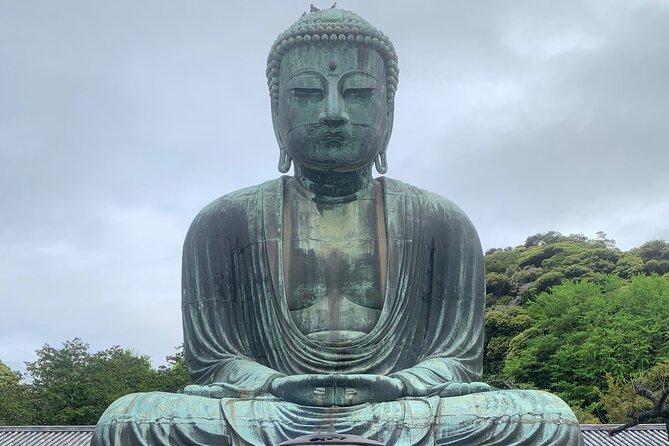
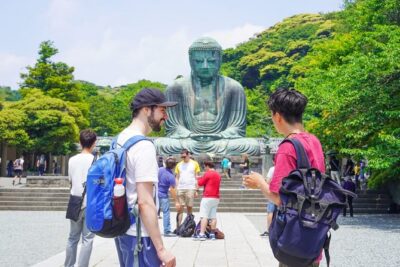
Kotoku-in’s Great Buddha is the type of sight that photographs well, but also hits harder in person. The statue is an outdoor bronze figure of Amida Buddha, about 13.35 meters tall, set on temple grounds. Seeing it in its actual setting is part of the magic—sun, shadows, and the open-air feel of the site.
Expect about 40 minutes for this stop. Since admission is not included, you’ll pay for entry separately. This is also a good moment to remind yourself: you’re not just ticking off a landmark. You’re getting a foundation for the rest of Kamakura, because so many later stops connect to Buddhist beliefs and temple traditions.
Practical tip: wear comfortable shoes and plan for some walking around the grounds before you reach the main viewing area. And if you’re photo-focused, ask your guide or chauffeur to help you time a clean shot with fewer people in frame.
Hokoku-ji bamboo grove: slow down on purpose
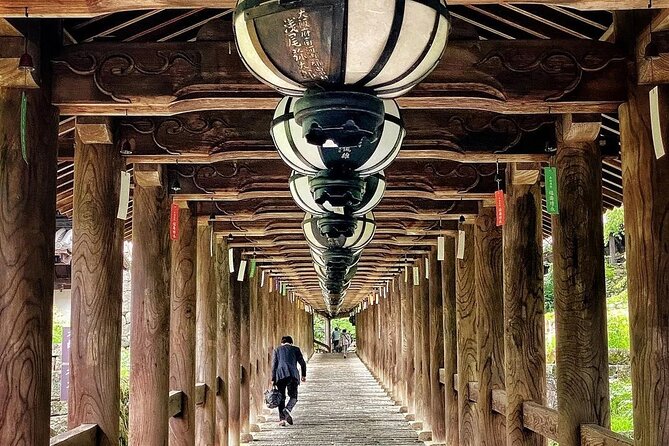
If Kotoku-in is big and grand, Hokoku-ji Temple bamboo grove is the reset. This Zen sanctuary (founded in 1334) is known for its bamboo grove, and that’s exactly the kind of scene that works best when you walk at a human pace. The effect is calming, like your brain gets to exhale for a bit.
You’ll have about 1 hour here. Admission isn’t included, so you’ll handle the entry ticket on-site. The good news is that this stop is straightforward: follow the path, enjoy the atmosphere, and let the bamboo do the storytelling without needing extra effort.
What I like for you here is that it breaks up the day. After temple buildings and shrine significance, the grove gives you a nature-centered pause. It’s also a strong photo stop, especially when the light hits the bamboo stalks at an angle.
Tsurugaoka Hachimangu: samurai meaning in a shrine setting
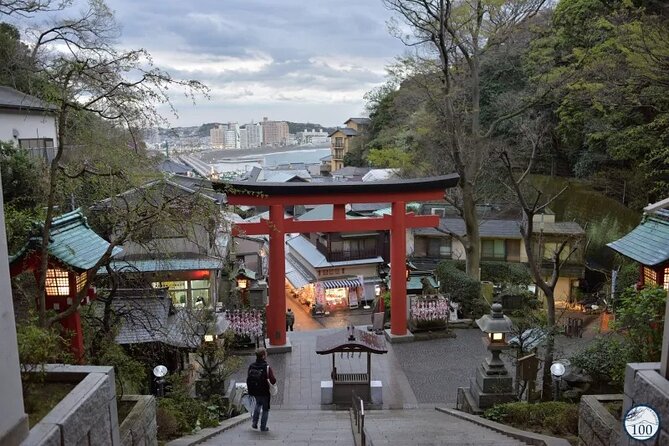
Tsurugaoka Hachimangu is Kamakura’s most important Shinto shrine, and it helps explain why Kamakura mattered historically. It’s dedicated to Hachiman, known as the patron deity of the samurai, and the shrine traces back to 1063. When you hear that context out loud from your guide, the whole visit feels more connected.
Plan on about 1 hour for this stop, and admission is not included. Even if you’re not a shrine expert, you’ll likely notice how the space is organized for ceremony and movement—ways to approach, paths to follow, and viewpoints that align with the shrine’s role.
Practical tip: keep your pace steady and give yourself room to observe. This isn’t a place where you want to rush for photos every 10 seconds. If you do, you’ll miss the quiet details that make it feel like you’re stepping into a different era.
The harbour city next door, reviewed
- Narita Airport: One Way Private Transfer to Tokyo|Yokohama Hotels★ 4.5 · 69 reviews
- Tokyo/Yokohama: Mt. Fuji and Hakone Private Day Tour★ 5.0 · 64 reviews
- Tokyo: Private One-Way Transfers to/from Yokohama Port★ 4.5 · 50 reviews
- Private Car Tour to see Highlights of Kamakura, Enoshima, Yokohama from Tokyo★ 5.0 · 48 reviews
- Private Kamakura plus Yokohama Tour – English Speaking Driver★ 4.5 · 28 reviews
Hase-dera Temple: flowers, views, and a longer stop
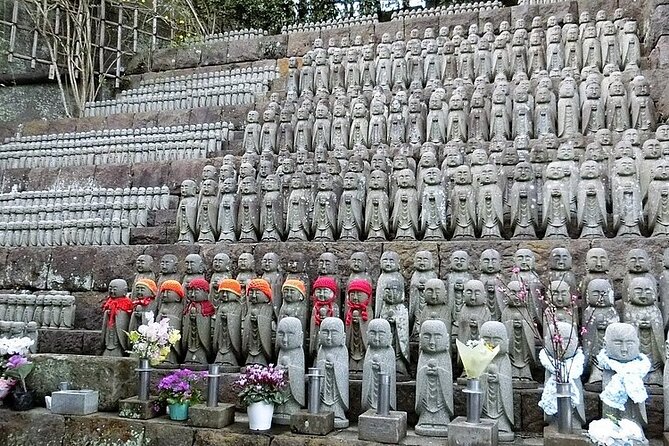
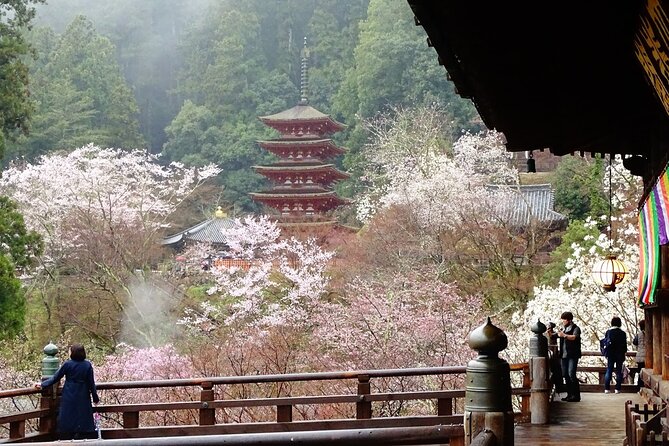
Hase-dera Temple earns its reputation as the Temple of Flowers, and it also gives you something that many temple visits don’t: coastal views. Even if you’re not there in peak bloom, the setting and the way the grounds open out toward the scenery helps the atmosphere click.
You’ll have about 1 hour 30 minutes here, which is a nice amount of time. Admission is not included, so you’ll pay on arrival. That longer time window is important because Hase-dera isn’t only a single photo spot—it’s a grounds experience.
What you can do with that time:
- See the main temple areas at an unhurried pace
- Pause to take in views that change as you move
- Ask your guide to connect what you’re seeing to the temple’s seasonal reputation
If you’re the type who likes a temple stop that also functions as a viewpoint stop, this is where you’ll likely feel the payoff.
Komachi Street shopping without wasting daylight
Komachi Street (Komachi Dori) is an optional shopping street connected to the Tsurugaoka Hachimangu area. You’ll usually budget about 1 hour, and you can treat it like a flexible break in the day.
This is where you pick up small souvenirs, snack as you go, and look for Kamakura-style sweets and local treats. The key is to use this hour well. If you try to shop and eat everything, you’ll end up spending too long under storefront signs.
My advice: decide in advance what you want from this stop. Maybe you’re after a couple of edible gifts, or a single memorable item for yourself. Then walk slowly, browse without pressure, and let the street do its job.
Enoshima Island option: sea air and a change of pace
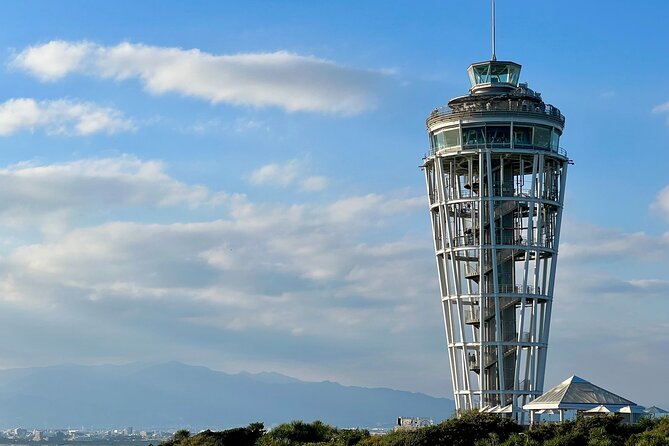
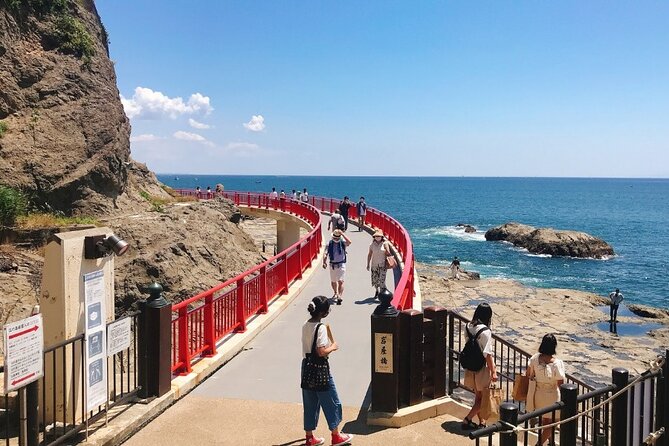
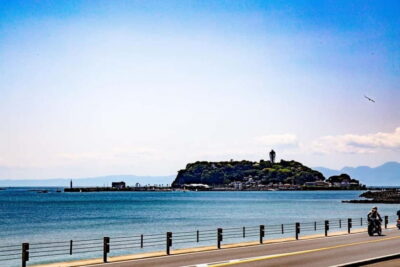
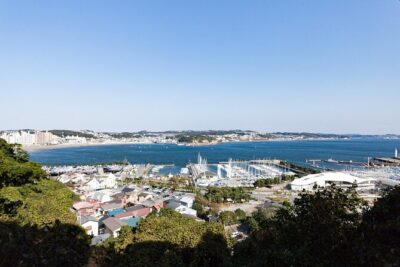
Enoshima Island is a great add-on if you want the day to shift toward sea views and an outdoorsy feeling. The island is known for ocean views, shrines, and a seaside vibe. It also works well after temple-heavy time, because the air and scenery reset your senses.
You’re looking at about 1 hour 30 minutes if you include it, and admission is not included. Enoshima can add walking, so it’s best when your legs are feeling okay. If you’re already tired, skip it and save energy for Chinatown later.
Tip: bring a bit of patience for Enoshima’s layout. You’ll spend time moving between viewpoints and shrine areas, and that’s the point. Just don’t expect everything to be close together like a single city block.
Yokohama Chinatown: food, shopping, and a big walk
The optional Chinatown stop is Yokohama Chinatown, often described as Japan’s largest and one of the most lively. It’s known for Chinese culture, history, and especially food, with over 600 restaurants, shops, and cultural sites. That scale is the reason this stop can feel both exciting and a little overwhelming.
Plan around 1 hour 30 minutes here. Admission is free, which is a relief, but you’ll still want to budget for food. You’ll likely end up making this the day’s most personal choice: what you eat and where you sit (or stand) can make or break your experience.
My practical approach for you:
- Walk in first, then commit to a meal
- If you’re traveling with picky eaters, set a meet-up plan
- Use your guide to help you spot food that fits your comfort level
Also, since this is a private tour, you’re not stuck with one restaurant or one group itinerary. You can make Chinatown work for your tastes.
The guide matters: Abdul and the art of making history stick
One standout theme from this tour is how the guide turns sites into stories. In one experience, Abdul arrived on time and was very courteous, and the big win was clarity. He explained history about the Buddha that many people say they’d never learned before, and he made the information feel fun—not like a lecture.
Even better, he answered questions, including personal ones. That matters because temple and shrine visits can bring up curiosity about faith, etiquette, and meaning. A guide who can handle those conversations makes the day feel more human.
You’ll also appreciate the practical parts: bilingual chauffeur support plus in-person English guidance can reduce friction. It means fewer moments of you wondering what something is or why it matters, and more time actually enjoying the places.
Comfort and pace: how an 8 to 10 hour private day really feels
This tour runs 8 to 10 hours, which is a true day trip. The schedule works best if you treat it like one continuous storyline rather than a checklist. You’ll be moving between several different types of spaces: outdoor Buddha grounds, Zen nature, shrine ceremony areas, and optional seaside and food-focused neighborhoods.
Because it’s private transportation with an air-conditioned vehicle, the between-stops time is easier. You also get bottled water, which sounds small until you’re in the middle of a long day and suddenly grateful.
If you’re someone who hates feeling rushed, this setup usually helps. A private group of up to 6 means you’re less likely to get swept along with a huge crowd, and there’s often room to adjust pacing at each stop.
Who this Kamakura and Yokohama tour fits best
This private tour is a strong match if you want:
- A guided day with structured stops and better context
- Comfort from private transport and air-conditioning
- Optional variety: temples first, then shopping or sea, then Chinatown food
It’s also a good choice for first-timers in the Tokyo area who don’t want to plan routes across multiple neighborhoods. And it works well if your group has mixed interests—someone might love temples, while someone else just wants Enoshima views or Chinatown snacks.
You might skip it if you’re the ultra-independent type and don’t want to budget separate admission tickets. Also, if you dislike long days, consider whether an 8 to 10 hour route is your style.
Should you book this private Kamakura and Yokohama tour?
I’d book it if you want a day that feels organized without feeling stiff. The combination of Kamakura’s major sights—Great Buddha, bamboo grove, Tsurugaoka Hachimangu, and Hase-dera—paired with optional Enoshima and Yokohama Chinatown gives you multiple versions of Japan in one outing.
It’s also worth it when you care about explanations. The guide experience here is a big part of the value, and seeing historical context clearly can turn a photos-only trip into something more memorable.
On the fence? Do this simple math: admission tickets for several sites plus transportation and guide time is what you’re paying for. If that setup matches your travel style, this is a solid private way to do Kamakura and Yokohama in a single day.
FAQ
How long is the Kamakura and Yokohama private tour?
It runs about 8 to 10 hours.
How many people are in a group?
This is a private tour for your group only, with up to 6 people.
Is pickup included?
Pickup is offered, and you’ll travel by air-conditioned private vehicle.
Are admission tickets included for the main temples and Enoshima?
No. Entry/admission for Kotoku-in, Hase-dera Temple, Hokoku-ji Temple, and Enoshima Island are not included.
Does the tour include a guide?
Yes. It includes an in-person English guide, along with a bilingual chauffeur experience.
What happens if the weather is bad?
This experience requires good weather. If it’s canceled due to poor weather, you’ll be offered a different date or a full refund.
More Tour Reviews in Tokyo
- Mt Fuji and Hakone 1-Day Bus Tour Return by Bullet Train
★ 5.0 · 26,383 reviews - 1-Day Tokyo Bus Tour
★ 5.0 · 14,250 reviews - Tokyo: teamLab Planets TOKYO Digital Art Museum Entry Ticket
★ 4.6 · 9,779 reviews - Mt Fuji & Hakone Cruise, Drum Show Bullet Train 1 Day from Tokyo
★ 4.0 · 7,413 reviews - Tokyo: Shinjuku Food Tour (13 Dishes at 4 Local Eateries)
★ 5.0 · 6,603 reviews
The Harbour City Next Door, Rated
- Narita Airport: One Way Private Transfer to Tokyo|Yokohama Hotels
★ 4.5 · 69 reviews - Tokyo/Yokohama: Mt. Fuji and Hakone Private Day Tour
★ 5.0 · 64 reviews - Tokyo: Private One-Way Transfers to/from Yokohama Port
★ 4.5 · 50 reviews - Private Car Tour to see Highlights of Kamakura, Enoshima, Yokohama from Tokyo
★ 5.0 · 48 reviews - Private Kamakura plus Yokohama Tour – English Speaking Driver
★ 4.5 · 28 reviews
More Kamakura and Enoshima Days
- Tokyo: Mt. Fuji, Kamakura, Big Buddha, & Lake Ashi Day Trip
★ 4.5 · 867 reviews - Tokyo:Sea of Mount Fuji, Hakone Ropeway, Ōwakudani, Enoshima
★ 4.9 · 84 reviews - Kamakura 8 hr Private Walking Tour with Licensed Guide from Tokyo
★ 5.0 · 80 reviews - Tokyo: Kamakura & Enoshima Day Tour with Pickup & Train Ride
★ 4.1 · 61 reviews - Kamakura Private & Customizable Tour – All-in-One Experience
★ 5.0 · 49 reviews
Latest Tokyo reviews off our desk






Kamakura Day Trips, compared.
 ★ 4.5Kamakura & Enoshima Day Trip including Temple TicketsFrom $581,375 reviews
 ★ 4.5Mt. Fuji, Kamakura, Big Buddha, & Lake Ashi Day TripFrom $49867 reviews
 ★ 4.5From Tokyo: Kamakura & Enoshima 1-Day Bus TourFrom $66189 reviews
 ★ 5.0Kamakura Historical Walking Tour with the Great BuddhaFrom $98129 reviews
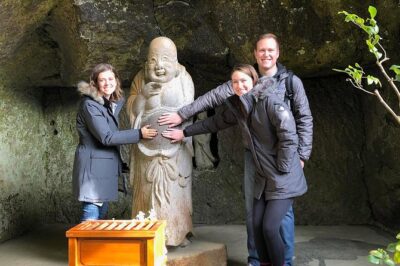 ★ 5.0Kamakura Private Tour: Temples, Nature, and the Great BuddhaFrom $98121 reviews
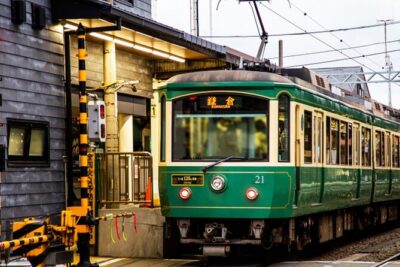 ★ 5.0Kamakura Walking Tour – The City of ShogunFrom $35100 reviews
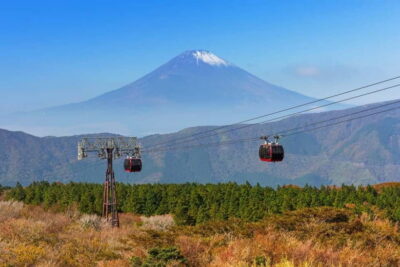 ★ 4.9Sea of Mount Fuji, Hakone Ropeway, Ōwakudani, EnoshimaFrom $5084 reviews
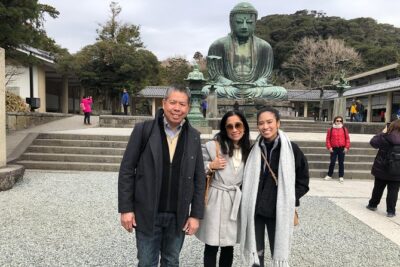 ★ 5.0Kamakura 8 hr Private Walking Tour with Licensed Guide from TokyoFrom $20180 reviews
Browse the lists this tour appears in