
Reviewed · KAMAKURA DAY TRIPS
Kamakura Full-Day Private Tour
Kamakura packs a lot fast. This private full-day tour strings together the biggest ancient stops with an English-speaking professional guide, so you get history and practical pacing without sharing your time with a crowd. I especially liked the way the route stays efficient (public transport helps) and how the guide can tailor the flow to your interests while still hitting the core highlights like Hase-dera, Kotoku-in, and Tsurugaoka Hachimangu. The only real watch-out is the moderate walking, plus tickets and getting around by public transit aren’t included.
Here’s what you’re really buying: a focused day with minimal decision-making. You start at Kamakura Station and end right back there, with about 6 hours 30 minutes on the ground. Just plan on paying admission fees at temples/shrines as needed and bringing your own food and water.
In This Review
- Key highlights worth betting your day on
- Why Kamakura is perfect for a full-day private plan
- Getting there the efficient way: public transport + one starting point
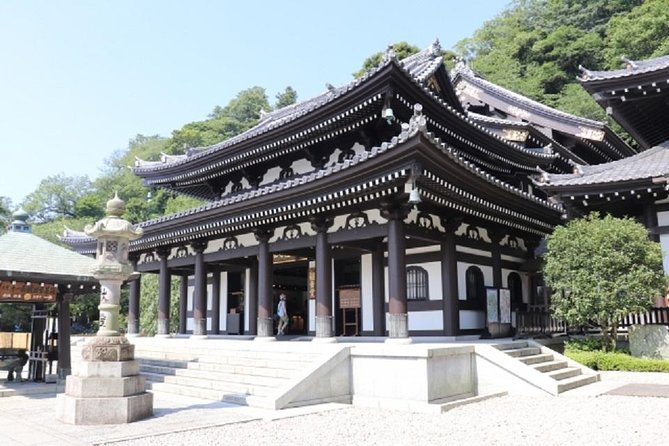
- Hase-dera Temple: flower seasons, viewpoints, and a classic approach
- Kotoku-in and the Great Buddha: an outdoor icon that doesn’t need hype
- Hokoku-ji Bamboo Temple: cool shade and quiet patterning
- Tsurugaoka Hachimangu Shrine: where the city’s story feels centered
- Komachidori street time: snacks and simple shopping without losing the plot
- Guide quality makes the day: names you might hear, stories you’ll feel
- Timing, weather, and what to wear (so you’re comfortable)
- Price and value: what $162.59 buys you in real terms
- Who this Kamakura tour suits best (and who should reconsider)
- Should you book this Kamakura Full-Day Private Tour?
- FAQ
- How long is the Kamakura Full-Day Private Tour?
- Where does the tour start and end?
- Is this a private tour?
- What’s included, and what do I pay for separately?
- What sites are included in the day?
- What kind of walking should I expect?
- What’s the cancellation policy if weather is poor?
Key highlights worth betting your day on
- Private guide, no group pressure: Your guide sets the rhythm, not a tour bus schedule.
- Public-transport route: Efficient travel between major sites without a car plan.
- Flower-and-stone moments at Hase-dera: Seasonal color and classic temple views.
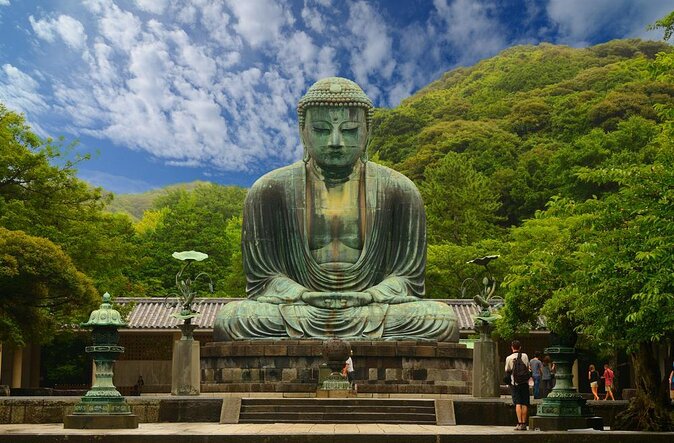
- Kotoku-in’s Great Buddha outdoors: A simple, powerful stop with open-air atmosphere.
- Hokoku-ji bamboo temple: Cool shade and that unmistakable bamboo-garden feel.
- Komachidori street time: A short, useful window for snacks and shopping.
Why Kamakura is perfect for a full-day private plan
Kamakura is one of those places where the geography does most of the work for you. The city is set up so the major temples and shrines cluster in a way that makes a same-day circuit realistic—especially if you’re okay with walking and quick transfers.
What makes this private style appealing is that you don’t have to “keep up” with strangers. You can linger where you care most. If you’re the type who wants photos, I’d slow down at the temple viewpoints. If you’d rather keep moving, you can treat each stop as a guided hit-and-learn session.
Also, this isn’t a museum day. Kamakura is lived-in—shrines in the city center, shops along Komachidori, and temple grounds that shift with the season. With a guide speaking English, you get the meaning behind what you’re looking at, so you’re not just collecting pretty gates and statues.
Coast-and-Buddha days near Kamakura, rated
- Tokyo: Kamakura & Enoshima Day Trip including Temple Tickets
★ 4.5 · 1,375 reviews - From Tokyo: Kamakura & Enoshima 1-Day Bus Tour
★ 4.5 · 189 reviews - Kamakura Historical Walking Tour with the Great Buddha
★ 5.0 · 129 reviews - Kamakura Private Tour: Temples, Nature, and the Great Buddha
★ 5.0 · 121 reviews
Getting there the efficient way: public transport + one starting point
This tour is built around public transportation, and that’s a big part of the value. You’ll still use transit between major stops, but the day doesn’t become a complicated self-planning puzzle.
You’ll meet at Kamakura Station (West Exit), 1-chōme-1-15 Onarimachi, and the tour ends back at the meeting point. That back-to-base setup matters more than it sounds. It helps you avoid late-day navigation stress after a long day walking.
Two practical things to note:
- Public transport isn’t included, so you’ll want a transit-ready mindset (IC card or cash, depending on how you prefer to pay).
- Admission tickets are not included, so carry a little extra budget for entry fees and on-site purchases.
The good news: the tour duration is listed at about 6 hours 30 minutes, and the stops are timed in a way that keeps the day moving while leaving room for the guided story behind each place.
Hase-dera Temple: flower seasons, viewpoints, and a classic approach
Hase-dera is the kind of temple that people remember because it hits multiple senses at once. You’re not just looking at buildings—you’re walking temple grounds that tend to feel different depending on the season. It’s known for flowers in colored seasons, and it’s also historically associated with being a temple of flowers.
During your stop, you get around 1 hour. That’s enough time to do the basics without rushing, and it’s also long enough for the guide to explain what you’re seeing—why certain features matter and how the layout connects to the religious space.
What you’ll likely appreciate most:
- Views and photo angles around the grounds.
- The way seasonal elements change the mood of the place.
- The chance to understand the temple beyond a quick walkthrough.
Possible drawback: Hase-dera involves walking around the complex, and it’s part of a day with multiple stops. If you’re someone who hates stair-heavy temple paths, pace yourself early. Starting strong at Stop 1 can make the rest of the day easier.
Kotoku-in and the Great Buddha: an outdoor icon that doesn’t need hype
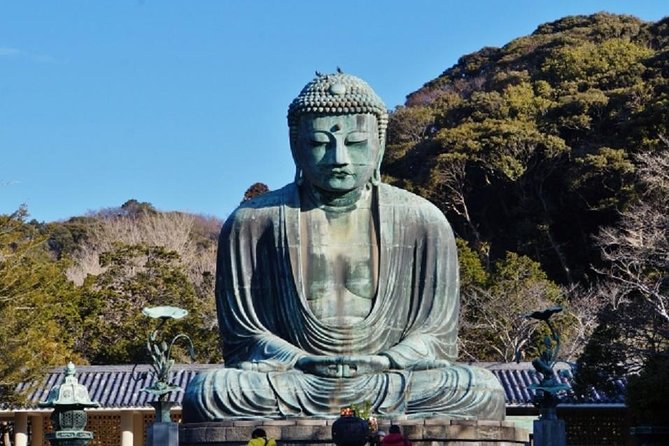
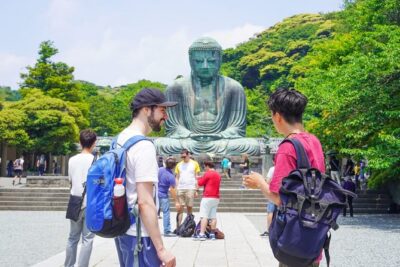
Kotoku-in is famous for a reason: the Great Buddha of Kamakura is an outdoor bronze statue of Amida Buddha. The statue stands about 13.35 meters tall, and it’s one of the best-known outdoor Buddha images in Japan.
Your time here is about 1 hour, which is a sweet spot for an outdoor landmark. Outdoors means you’re not stuck inside where lighting and crowds can dictate your experience. You can step back, look in detail, then reposition without feeling like you’re constantly moving through corridors.
This is also a great place to slow down for a minute and just watch how the space works:
- People circulate around the Buddha area.
- You’ll notice different angles quickly.
- The site tends to feel calm compared to street areas.
One consideration: admission fees aren’t included, so budget for entry at this stop. Also, since it’s an outdoor setting, weather matters. If it’s raining or overly humid, your comfort will depend on what you packed.
Hokoku-ji Bamboo Temple: cool shade and quiet patterning
Hokoku-ji is often nicknamed the bamboo temple, and for good reason. You’ll spend about 1 hour here, focusing on the bamboo garden in the temple precincts.
This stop is less about grand architecture and more about atmosphere. The bamboo creates a cool and mysterious feeling, and you notice it fast. Even when you’re not thinking about it, your body reacts—shade feels cooler, sound changes, and the space feels slower.
Why this stop is a highlight in a day like Kamakura:
- It offers a different texture from the more open shrine streets.
- It’s a change of pace without turning into a detour.
- It gives you a visual “reset” between major religious sites.
Practical note: if you’re sensitive to damp or slippery ground, bamboo areas can be that way when humidity hits or after light rain. Wear shoes that handle uneven paths comfortably.
Readers also shortlisted these Kamakura bookings:
- Kamakura: Private Guided Walking Tour with Local Guide★ 4.8 · 60 reviews
- Kamakura 4hr Private Trip with Government-Licensed Guide★ 5.0 · 58 reviews
- From Tokyo: Kamakura Private Customize Tour by Luxury Van★ 4.6 · 38 reviews
- Buddha, Bamboo & Zen – Bespoke Kamakura Private Walking Tours★ 5.0 · 25 reviews
- Kamakura Bamboo Forest and Great Buddha Private Tour★ 5.0 · 12 reviews
Tsurugaoka Hachimangu Shrine: where the city’s story feels centered
Tsurugaoka Hachimangu is located in the middle of the city and it’s known for long ties to warrior culture. It’s described as venerating the home of gods of war, so expect an atmosphere that feels both ceremonial and historically grounded.
You’ll have about 1 hour at this stop, which works well because a shrine like this isn’t just one photo opportunity. There’s usually enough to wander thoughtfully: understand the setting, follow the flow of the grounds, and learn what key elements represent.
What I like about including this here (instead of treating it as a random add-on) is that it anchors the day. After temples and the bamboo garden, you get a “center point” back in town. It helps the itinerary feel like a coherent story rather than a list.
Possible drawback: This is a major shrine site in a central area, so your walking might feel a bit more urban around the edges. The good part is that the guide can help you keep the day from turning into aimless crossing.
Komachidori street time: snacks and simple shopping without losing the plot
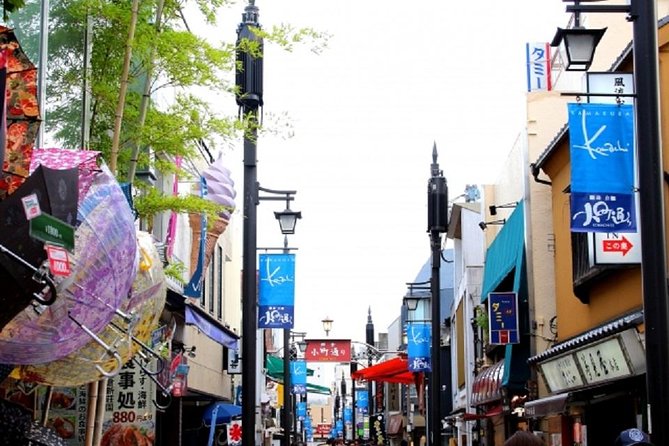
After the shrines and temples, you get a 30-minute window at Kamakura Komachidori. This is the street for food and unique shops, which makes it useful even if you’re not a big shopper.
Thirty minutes is intentional. It’s long enough to:
- grab something easy to eat or sip,
- pick up small souvenirs, and
- browse without turning it into a separate half-day plan.
One smart approach here: decide your budget before you arrive at the street. Komachidori is fun, but snacks and little gifts can multiply quickly once you start looking around.
And since food and drinks aren’t included, this is also your practical moment to fix your energy levels for the remainder of the day.
Guide quality makes the day: names you might hear, stories you’ll feel
One reason this tour earns strong ratings is the human factor. You might meet a guide like Yumi, who’s described as super nice and very knowledgeable, with a focus on making the area feel understandable. Another name that comes up is Harry San, described as kind, interesting, and clearly prepared.
Here’s what that preparation looks like in real-world terms: you don’t just get dates. You get meaning, and you get a guide who can explain what you’re looking at in plain language. In one example, the guide crew includes personal touches—like the mention of o-ma-mo-ri (charms). One guest shared that Catherine-san bought a Driver’s Safety Charm for her car-racer husband in Texas. It’s a small detail, but it shows how the guide helps you notice what locals actually buy and why.
Harry San is also noted for reminiscing about his two-year work in Darwin, which you can take as a sign you’ll likely get a more conversational style than a script read from a phone.
Bottom line: if you care about not just seeing sights but understanding why people treat them with respect, a private guide like this pays off quickly.
Timing, weather, and what to wear (so you’re comfortable)
The tour is listed for about 6 hours 30 minutes, and it includes several 1-hour stops plus 30 minutes on Komachidori. That’s a good rhythm, but you should treat the day like a walking plan, not a sit-and-watch plan.
You’ll want:
- Comfortable walking shoes for temple grounds and bamboo paths.
- Light layers, because temple air can feel cooler than the street.
- A small water plan since food and drinks aren’t included.
Weather matters. The experience states it works best with good weather, and if it’s canceled due to poor weather, you’ll be offered a different date or a full refund. In other words: if clouds or rain are common during your visit window, bring a real rain layer, not just a tiny umbrella you’ll hate holding.
Price and value: what $162.59 buys you in real terms
At $162.59 per person, this isn’t the cheapest way to see Kamakura. But it’s also not “private car all day” pricing. The value comes from the mix:
- Private tour (just your group), with an English-speaking professional guide.
- A route that uses public transport so you’re not paying for a full vehicle plan.
- Multiple major stops in one day: Hase-dera, Kotoku-in, Hokoku-ji, Tsurugaoka Hachimangu, plus Komachidori.
If you were to self-plan, the cost would shift. You’d spend time sorting transit, figuring out which entrances to take, and trying to interpret what you’re seeing once you’re on-site. This tour trades that effort for a guide who can keep the day efficient and help you understand each stop without slowing everything down.
A possible downside in cost terms: since admission fees and public transit aren’t included, your final total can creep up depending on which entries you take and what you snack on. Still, the structure is clear, and you’ll know what to expect before the day starts.
Who this Kamakura tour suits best (and who should reconsider)
This tour fits you well if:
- You want a full-day highlights route without navigating every transfer yourself.
- You like temples and shrines and want the story behind them.
- You prefer a private day where you can adjust pacing.
You might consider another option if:
- You dislike moderate walking. Even with guiding, the day includes multiple grounds and walking stretches.
- You’re on a tight budget and don’t want to pay on-site admission fees.
- You can’t be flexible with weather. The experience requires good conditions.
Also, because it ends back at the meeting point at Kamakura Station, it works nicely if you plan to keep exploring after—cafes, the beach area, or simply strolling city streets with a clearer mental map.
Should you book this Kamakura Full-Day Private Tour?
I’d book it if you want Kamakura to feel organized, meaningful, and not exhausting. The strongest reasons are practical: you get a private English guide, a route that covers major sites in about 6.5 hours, and a pacing that doesn’t drown you in logistics. The itinerary includes variety too—Hase-dera’s seasonal feel, Kotoku-in’s iconic outdoor Buddha, Hokoku-ji’s bamboo atmosphere, and Tsurugaoka Hachimangu as the central anchor, capped with Komachidori for food and small shopping.
Book it with two expectations: you’ll pay some admission fees, and you’ll do moderate walking on temple grounds. If that sounds like your kind of day, this is a strong value way to see a lot of Kamakura without the stress of planning every step.
FAQ
How long is the Kamakura Full-Day Private Tour?
It’s listed at about 6 hours 30 minutes.
Where does the tour start and end?
It starts at Kamakura Station (West Exit area) and ends back at the meeting point.
Is this a private tour?
Yes. It’s a private tour/activity, so only your group participates.
What’s included, and what do I pay for separately?
Included: an English-speaking professional guide and a private tour. Not included: food and drinks, admission fees, and public transportation to/from.
What sites are included in the day?
You’ll visit Hase-dera Temple, Kotoku-in (Great Buddha of Kamakura), Hokoku-ji Temple (bamboo temple), Tsurugaoka Hachiman Shrine, and you’ll also have time at Kamakura Komachidori.
What kind of walking should I expect?
The tour requires a moderate physical fitness level.
What’s the cancellation policy if weather is poor?
You can cancel for a full refund up to 24 hours in advance. The experience requires good weather, and if it’s canceled due to poor weather, you’ll be offered a different date or a full refund.
More Tours in Kamakura
- From Tokyo: Kamakura & Enoshima 1-Day Bus Tour
★ 4.5 · 189 reviews - Kamakura Historical Walking Tour with the Great Buddha
★ 5.0 · 129 reviews - Kamakura Private Tour: Temples, Nature, and the Great Buddha
★ 5.0 · 121 reviews - Kamakura Walking Tour – The City of Shogun
★ 5.0 · 100 reviews - Kamakura: Private Guided Walking Tour with Local Guide
★ 4.8 · 60 reviews
More Tour Reviews in Kamakura
- Tokyo: Kamakura & Enoshima Day Trip including Temple Tickets
★ 4.5 · 1,375 reviews - From Tokyo: Kamakura & Enoshima 1-Day Bus Tour
★ 4.5 · 189 reviews - Kamakura Historical Walking Tour with the Great Buddha
★ 5.0 · 129 reviews - Kamakura Private Tour: Temples, Nature, and the Great Buddha
★ 5.0 · 121 reviews - Kamakura Walking Tour – The City of Shogun
★ 5.0 · 100 reviews
More Kamakura and Enoshima Days
- Tokyo: Kamakura & Enoshima Day Trip including Temple Tickets
★ 4.5 · 1,375 reviews - From Tokyo: Kamakura & Enoshima 1-Day Bus Tour
★ 4.5 · 189 reviews - Kamakura Historical Walking Tour with the Great Buddha
★ 5.0 · 129 reviews - Kamakura Private Tour: Temples, Nature, and the Great Buddha
★ 5.0 · 121 reviews - Kamakura Walking Tour – The City of Shogun
★ 5.0 · 100 reviews
Latest Kamakura reviews off our desk
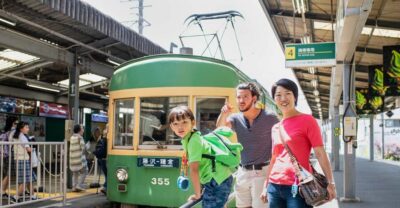

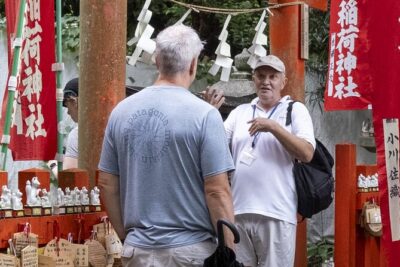
Kamakura Day Trips, compared.
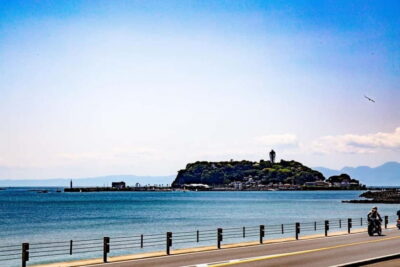 ★ 4.5Kamakura & Enoshima Day Trip including Temple TicketsFrom $581,375 reviews
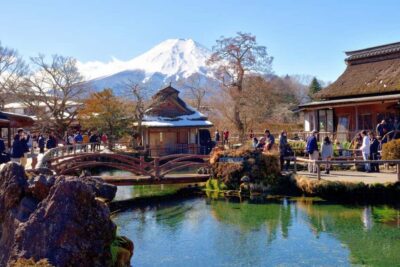 ★ 4.5Mt. Fuji, Kamakura, Big Buddha, & Lake Ashi Day TripFrom $49867 reviews
 ★ 4.5From Tokyo: Kamakura & Enoshima 1-Day Bus TourFrom $66189 reviews
 ★ 5.0Kamakura Historical Walking Tour with the Great BuddhaFrom $98129 reviews
 ★ 5.0Kamakura Private Tour: Temples, Nature, and the Great BuddhaFrom $98121 reviews
 ★ 5.0Kamakura Walking Tour – The City of ShogunFrom $35100 reviews
 ★ 4.9Sea of Mount Fuji, Hakone Ropeway, Ōwakudani, EnoshimaFrom $5084 reviews
 ★ 5.0Kamakura 8 hr Private Walking Tour with Licensed Guide from TokyoFrom $20180 reviews
Browse the lists this tour appears in