
Reviewed · KAMAKURA DAY TRIPS
Kamakura Scenic Bike Tour
One bicycle. Ten spots. A day that stays light. This Kamakura Scenic Bike Tour turns temple-hopping into a calm ride, mixing big-name sights with quieter moments like shrine details and local streets. You’ll glide from the old shogunate story all the way to the Pacific along Yuigahama, with your guide calling out what matters as you go.
I especially like two things: first, the route is genuinely easy cycling (flat and gentle), so you spend your energy on sights, not effort. Second, the stops are paced so each place has enough time for photos, a quick look, and a breather. One thing to consider: even though the ride is easy, several temples have steps and photo angles you’ll need to handle on foot.
In This Review
- Key Points I’d Highlight Before You Go
- Why Kamakura Works So Well on Two Wheels
- Price, Time, and What You Actually Get for $134.38
- Meeting at Kamakura Station, Then Rolling With a Tiny Group
- Stop-by-Stop: Temples, Shrines, Bamboo, and the Great Buddha
- Stop 1: Grave of Minamoto Yoritomo (10 minutes)
- Stop 2: Egaraten Shrine (20 minutes)
- Stop 3: Sugimotodera Temple (20 minutes)
- Stop 4: Hokoku-ji (40 minutes)
- Stop 5: Kotoku-in, Great Buddha of Kamakura (20 minutes)
- Stop 6: Hasedera Temple and Views Toward Yuigahama (25 minutes)
- Stop 7: Goryo Shrine and the Electric Railway Torii Photo (15 minutes)
- Stop 8: Chikaramochiya (10 minutes)
- Stop 9: Kamakura Yuigahama Beach (15 minutes)
- Stop 10: Kamakura City Farmers’ Market (15 minutes)
- The Coastline vs. the Temples: How the Route Feels
- What to Eat and Buy: Market Finds Without Overplanning
- Bike Comfort Tips That Make the Day Easier
- Who This Tour Fits Best (and Who Might Want Something Else)
- Should You Book This Kamakura Scenic Bike Tour?
- FAQ
- FAQ
- How long is the Kamakura Scenic Bike Tour?
- How many people are in the group?
- What is the meeting point for the tour?
- What time does the tour start?
- What does the price include?
- Is food included in the tour?
- What age range is this tour suitable for?
- What happens if the weather is bad?
- Are admissions included for the temples?
Key Points I’d Highlight Before You Go
- Small group (max 5): more personal guidance and less waiting at stops
- Gentle, flat riding: doable for many fitness levels, but you still walk around temples
- Temples and shrine variety: shogunate history, learning shrine lore, bamboo, and the Daibutsu
- Coastline timing: Yuigahama views plus that extra-photo moment near the electric railway torii
- Mobile ticket included: simpler day-of check-in
- Bring easy walking shoes: you’ll be on foot often, even on a bike tour
Why Kamakura Works So Well on Two Wheels
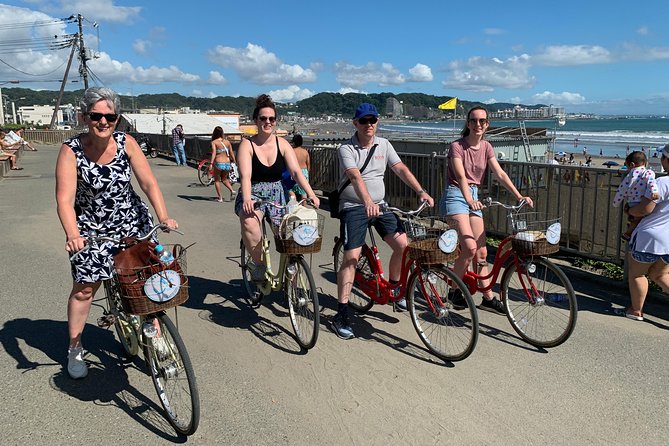
Kamakura is the kind of place that rewards movement. Walking-only days can feel like constant stopping and starting, and you miss how some areas connect. A bike tour helps you cover distance without speeding through everything, so you get the best of both worlds: fresh air and slow sightseeing.
The big win here is balance. You get major landmarks like the Great Buddha area, but you also stop for smaller, more specific moments that usually get skipped when people only follow the most famous route. It is also an age-friendly format, listed for ages 10 to 70, which tells you the overall plan is designed to stay manageable.
Coast-and-Buddha days near Kamakura, rated
- Tokyo: Kamakura & Enoshima Day Trip including Temple Tickets
★ 4.5 · 1,375 reviews - From Tokyo: Kamakura & Enoshima 1-Day Bus Tour
★ 4.5 · 189 reviews - Kamakura Historical Walking Tour with the Great Buddha
★ 5.0 · 129 reviews - Kamakura Private Tour: Temples, Nature, and the Great Buddha
★ 5.0 · 121 reviews
Price, Time, and What You Actually Get for $134.38
At $134.38 per person for about 6 hours, this isn’t a “cheap and fast” shortcut. It’s paying for a professional guide, a bike, and a day structured around multiple paid and free admissions. Several key temple stops include admission tickets, while others are free, which helps you avoid the constant question of what costs extra once you’re there.
You also get a small-group format, which usually means you’re not stuck behind a crowd at every photo spot. And because the route is gentle, the time you spend is mostly sight time, not “how do we get through this climb” time.
What you do need to plan for: food and drinks are not included. There’s a stop where you can enjoy local food, plus a farmers’ market where you can pick up items to bring back, but you’ll pay those separately.
Meeting at Kamakura Station, Then Rolling With a Tiny Group
You meet your guide at Kamakura Station (1-chōme-1-15 Onarimachi, Kamakura) and the tour starts at 9:00am. Ending back at the meeting point keeps logistics simple.
This is a max-5 travelers tour, which changes the feel of the day. With smaller groups, you tend to get smoother stop-and-go. It also helps the guide keep an eye on pacing, especially when you want everyone to get photos without rushing.
If the weather turns, the plan shifts to a walking tour. That’s worth knowing, because you should still show up ready for walking with shoes that are easy on the feet.
Stop-by-Stop: Temples, Shrines, Bamboo, and the Great Buddha
The tour follows a tight sequence of meaningful sites. Here’s what each stop adds, plus what to watch for so you’re not surprised on the day.
Stop 1: Grave of Minamoto Yoritomo (10 minutes)
You begin with the tomb of Minamoto no Yoritomo, the 12th-century general who founded the Kamakura Shogunate. This is a good opening because it sets the tone: Kamakura wasn’t just a seaside getaway. It became a political center, and the temples tie into that long story.
Practical bonus: depending on season, the ride to this stop can include cherry blossom scenery, so you start with something light and pretty.
Readers also shortlisted these Kamakura bookings:
- Kamakura Heritage Bike or Walk Tour with ex-Rickshaw guide★ 5.0 · 11 reviews
Stop 2: Egaraten Shrine (20 minutes)
At Egaraten Shrine, you’ll find the shrine precinct dedicated to Michizane Sugawarano, revered as the god of learning. That “learning shrine” theme pairs nicely with the rest of the day, where you’re hearing why these places mattered over centuries.
If you like manga culture, this stop has a fun twist: around the grounds there’s a picture brush painted mound with Kappas drawn by 154 manga artists. It’s the kind of detail you probably wouldn’t notice on your own, and it adds a modern layer to a traditional site.
Stop 3: Sugimotodera Temple (20 minutes)
Sugimotodera is described as the oldest temple in Kamakura. The star attraction here is visual: stairs covered in green moss leading up toward the precinct. It’s a naturally photogenic route, and the mossy look also signals age and atmosphere.
This is a included-admission stop, so it’s one less thing to manage during the day. The time is short enough that you get a good look without the “too long at one place” feeling.
Stop 4: Hokoku-ji (40 minutes)
This is where the day slows down. Hokoku-ji is famous for its bamboo forest, often treated as a calm reset. You get enough time here to wander and actually absorb the quiet feel, not just snap one photo and move on.
Admission is included, and the longer 40-minute slot matters. Bamboo gardens are one of those places where your eyes appreciate the pacing. If you rush, you miss the atmosphere.
Stop 5: Kotoku-in, Great Buddha of Kamakura (20 minutes)
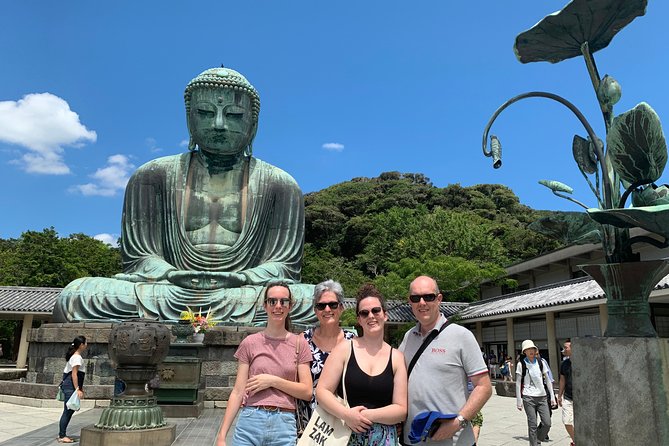
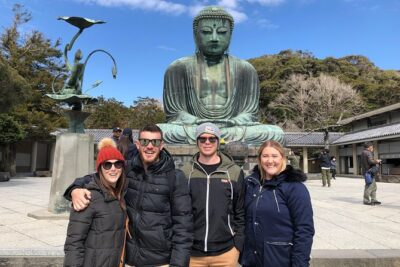
Then you hit the big centerpiece: Kotoku-in (the Great Buddha). This is Kamakura’s famous Daibutsu, and the scale is the point. When you see it, you understand why people keep coming back with cameras.
Admission is included. The time is 20 minutes, so plan on both your first look and a second look from a slightly different angle. If you’re using a smartphone, this is your stop to take a steady shot, because you’ll want something that shows the statue’s height.
Stop 6: Hasedera Temple and Views Toward Yuigahama (25 minutes)
At Hasedera, the viewing deck is the highlight. You’ll see eleven statues of Kannon along with Yuigahama scenery from above. Even if you don’t know all the temple details, the viewpoint helps you connect the inland temples to the coastal environment.
Admission is included here too. If you’re traveling in June, hydrangeas are specifically mentioned, so plan your timing if flowers matter to you.
Stop 7: Goryo Shrine and the Electric Railway Torii Photo (15 minutes)
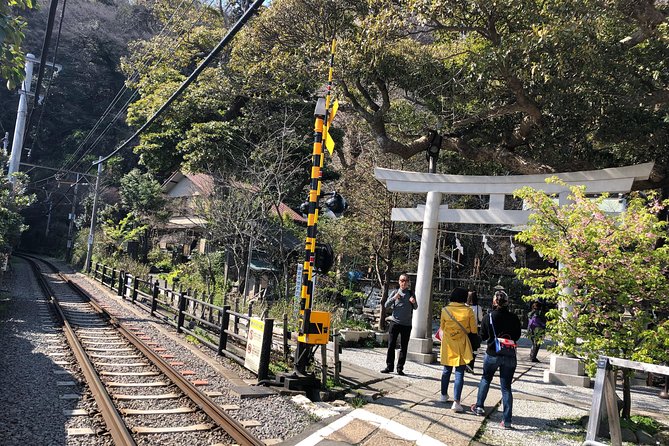
This stop has one of those very specific “only here” moments. Enoshima Electric Railway tracks pass in front of the torii gate. The train runs about once every five minutes, so the timing is built into the experience.
Admission is free. The key here is patience: be ready at the right moment so you catch the train crossing behind the gate. It’s a great photo opportunity, and the brief stop keeps you from waiting too long.
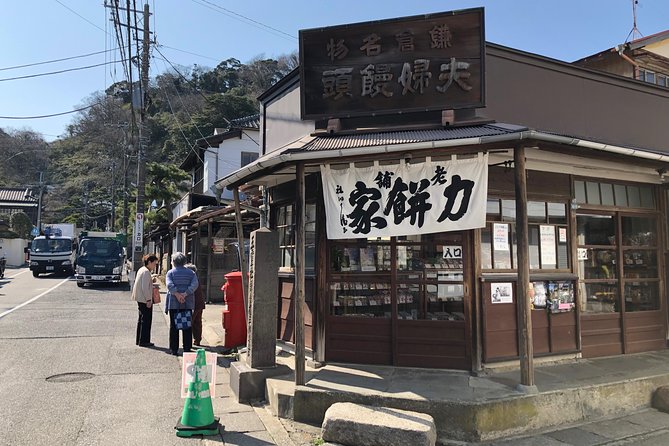
Stop 8: Chikaramochiya (10 minutes)
Chikaramochiya is a quick food-and-view pause. You can enjoy local food while looking toward the Pacific Ocean and sandy beaches in the foreground.
Admission is free. This is not a long stop, so it’s smart to treat it as a reset and quick bite rather than a full meal planning session. Since food and drinks are not included overall, you decide what fits your tastes and budget.
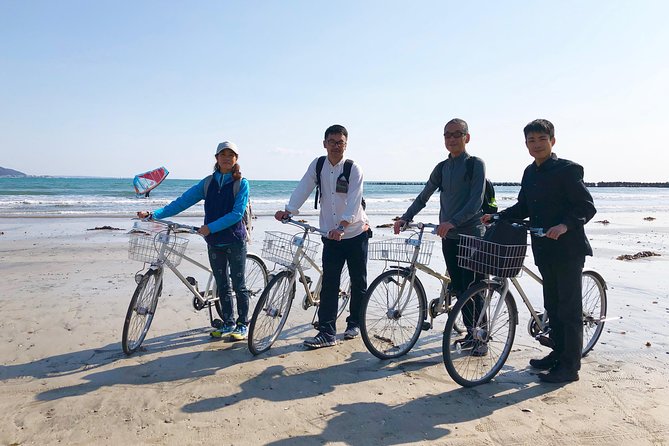
Stop 9: Kamakura Yuigahama Beach (15 minutes)
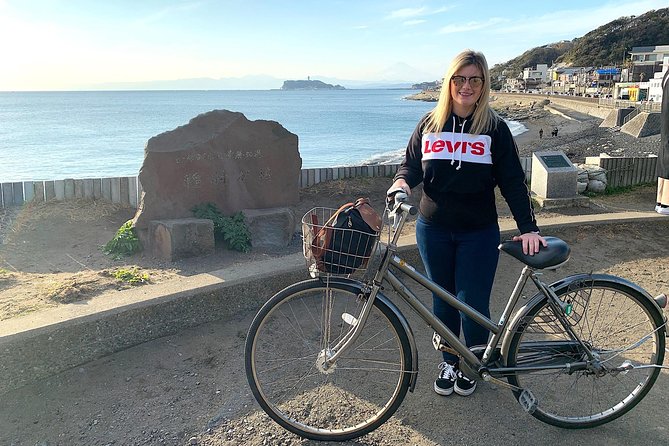
Next you ride the Yuigahama coastline for Pacific ocean views. This is the “let your eyes travel” segment of the day, and it’s exactly why a bike works here: you’re moving along the shore without having to do it at a slow crawl.
Admission is free. With 15 minutes, you can enjoy the view and still stay on schedule for the market.
Stop 10: Kamakura City Farmers’ Market (15 minutes)
The day ends with practical shopping. At the Kamakura City Farmers’ Market, you can buy prepared foods and homemade bread to enjoy later at your hotel.
Admission is free. This stop turns the tour into a two-part win: you get sights now, then you get snacks later that still feel connected to your day.
The Coastline vs. the Temples: How the Route Feels
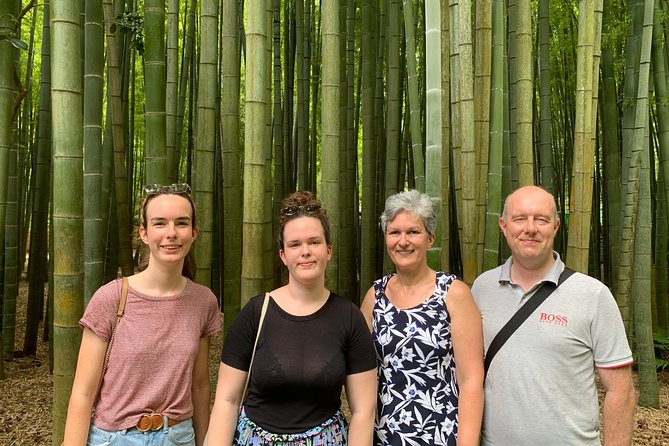
I like how the tour alternates between spiritual stops and open-air sea views. Temples and shrines make you slow down. Coastline segments let your body reset and keep your energy up for the next walk.
You also get at least some time riding through residential areas, which helps the day feel lived-in instead of like a checklist of famous sites. That’s where you often spot the real rhythm of a town—quiet streets, local texture, and everyday life alongside the monuments.
What to Eat and Buy: Market Finds Without Overplanning

Because food and drinks are not included, you’re in control. If you like trying small bites, use the Chikaramochiya stop as your lunch-style moment. If you’d rather graze, make the market your payoff and pick up things you can eat later without rushing during the tour.
A simple approach:
- Bring a little cash or a payment method you trust for the market.
- Decide early whether you want a sit-down meal (this tour doesn’t give much time for that kind of break).
- For bread and prepared foods, plan how you’ll store and transport them back to where you’re staying.
Bike Comfort Tips That Make the Day Easier
The tour is described as gentle and flat, but you still have a day of movement. To avoid sore feet, arrive with shoes that are easy to walk in, and wear clothes you can adjust for the weather.
Also, do yourself a favor with your camera planning:
- Charge your phone fully.
- Make sure your battery can handle photos around the Great Buddha, the mossy steps at Sugimotodera, and that torii-and-train moment.
If it’s hot or humid, start the day slightly conservative. The ride is easy, so you might feel tempted to push pace. Better to save your energy for the walking portions at temples.
Who This Tour Fits Best (and Who Might Want Something Else)
This tour is a good match if you want:
- A small-group day with a guide who can explain what you’re seeing
- A route built for first-timers to Kamakura
- Easy cycling plus meaningful temple and shrine time
- A mix of iconic sites and specific details, like the learning shrine and the manga Kappa artwork
It might not be your best choice if you hate photo stops or you want lots of free time. The itinerary is structured, and each stop is timed for moving through multiple sights in a single morning-to-afternoon block.
It also won’t replace a “deep temple study” day. This is sight-focused and ride-friendly. For most people, that’s exactly the point.
Should You Book This Kamakura Scenic Bike Tour?
If you want Kamakura in one well-paced day without wearing yourself out, I think this is a smart booking. The combination of easy cycling, included temple admissions, and a tiny group makes it strong value for time. And it’s not just about the headline attractions. You get details like the bamboo atmosphere, the torii-and-train photo setup, and the market payoff at the end.
Book it if you like structure with breathing room. Consider skipping or switching plans if you need long free time at each site or you know you struggle with walking around temple stairs and uneven surfaces.
FAQ
FAQ
How long is the Kamakura Scenic Bike Tour?
The tour is about 6 hours.
How many people are in the group?
This activity has a maximum of 5 travelers.
What is the meeting point for the tour?
You meet at Kamakura Station (1-chōme-1-15 Onarimachi, Kamakura, Kanagawa 248-0012, Japan).
What time does the tour start?
The start time is 9:00am.
What does the price include?
The price includes a professional guide and a bike. Mobile ticket is also mentioned.
Is food included in the tour?
Food and drinks are not included.
What age range is this tour suitable for?
The tour is for ages 10 to 70.
What happens if the weather is bad?
If weather conditions are bad, the operator will run a walking tour instead.
Are admissions included for the temples?
Some stops are marked as free, while multiple temple stops are marked as included (for example Sugimotodera, Hokoku-ji, Kotoku-in, and Hasedera).
More Tours in Kamakura
- From Tokyo: Kamakura & Enoshima 1-Day Bus Tour
★ 4.5 · 189 reviews - Kamakura Historical Walking Tour with the Great Buddha
★ 5.0 · 129 reviews - Kamakura Private Tour: Temples, Nature, and the Great Buddha
★ 5.0 · 121 reviews - Kamakura Walking Tour – The City of Shogun
★ 5.0 · 100 reviews - Kamakura: Private Guided Walking Tour with Local Guide
★ 4.8 · 60 reviews
More Tour Reviews in Kamakura
- Tokyo: Kamakura & Enoshima Day Trip including Temple Tickets
★ 4.5 · 1,375 reviews - From Tokyo: Kamakura & Enoshima 1-Day Bus Tour
★ 4.5 · 189 reviews - Kamakura Historical Walking Tour with the Great Buddha
★ 5.0 · 129 reviews - Kamakura Private Tour: Temples, Nature, and the Great Buddha
★ 5.0 · 121 reviews - Kamakura Walking Tour – The City of Shogun
★ 5.0 · 100 reviews
More Kamakura and Enoshima Days
- Tokyo: Kamakura & Enoshima Day Trip including Temple Tickets
★ 4.5 · 1,375 reviews - From Tokyo: Kamakura & Enoshima 1-Day Bus Tour
★ 4.5 · 189 reviews - Kamakura Historical Walking Tour with the Great Buddha
★ 5.0 · 129 reviews - Kamakura Private Tour: Temples, Nature, and the Great Buddha
★ 5.0 · 121 reviews - Kamakura Walking Tour – The City of Shogun
★ 5.0 · 100 reviews
Latest Kamakura reviews off our desk

Kamakura Day Trips, compared.
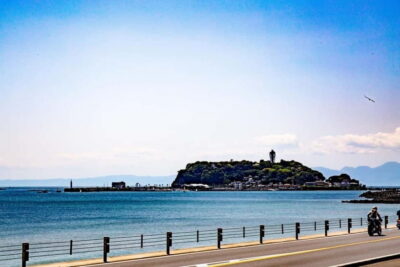 ★ 4.5Kamakura & Enoshima Day Trip including Temple TicketsFrom $581,375 reviews
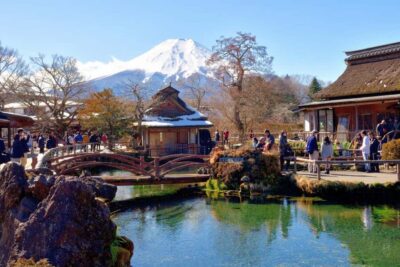 ★ 4.5Mt. Fuji, Kamakura, Big Buddha, & Lake Ashi Day TripFrom $49867 reviews
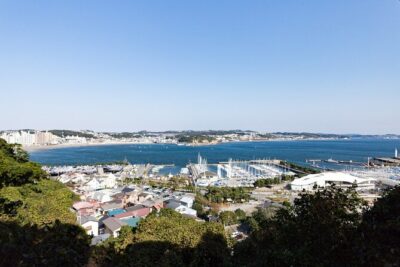 ★ 4.5From Tokyo: Kamakura & Enoshima 1-Day Bus TourFrom $66189 reviews
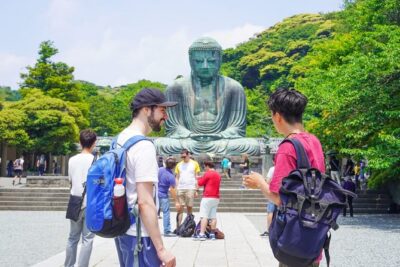 ★ 5.0Kamakura Historical Walking Tour with the Great BuddhaFrom $98129 reviews
 ★ 5.0Kamakura Private Tour: Temples, Nature, and the Great BuddhaFrom $98121 reviews
 ★ 5.0Kamakura Walking Tour – The City of ShogunFrom $35100 reviews
 ★ 4.9Sea of Mount Fuji, Hakone Ropeway, Ōwakudani, EnoshimaFrom $5084 reviews
 ★ 5.0Kamakura 8 hr Private Walking Tour with Licensed Guide from TokyoFrom $20180 reviews
Browse the lists this tour appears in