
Reviewed · KAMAKURA DAY TRIPS
Kamakura Heritage Bike or Walk Tour with ex-Rickshaw guide
Kamakura in four hours, no guesswork. This private bike or walking tour is led by Ichi, an ex-rickshaw guide who knows the streets and stories, and you’ll hit Kotoku-in’s Great Buddha plus bamboo, coast views, and key shrines without feeling rushed. I really like how the pace stays flexible, and how the guide handles the background so your stops make sense fast.
The main thing to think about is weather: this one needs good weather, and the bike option isn’t ideal if you need child-sized bikes (the tour notes it’s not recommended under 13 who can’t ride an adult-sized bike).
In This Review
- What Makes This Kamakura Tour Work So Well
- Price and Value: What $150.24 Really Covers
- Starting at Kamakura Station and Staying on Track
- The Tour Style: Ex-Rickshaw Guide Storytelling That Actually Helps
- Kotoku-in and the Great Buddha: The Start That Sets the Tone
- Tsurugaoka Hachimangu Shrine: Spiritual Center and Big-Time Architecture
- The Grave of Minamoto no Sanetomo and Hojo Masako: A Quick History Hit
- Hokoku-ji: Bamboo Grove Calm and a Matcha Option
- Yuigahama Beach: Seaside Road Time and Seasonal Crowd Reality
- Hasedera Temple: Kannon Views Over the Coast
- Egara Tenjin Shrine: A Quiet Learning Deity Stop
- Bike vs Walk: Which Mode Fits You Best?
- Weather, Rain, and What to Bring
- Who Should Book This Tour (and Who Should Skip It)
- Should You Book This Kamakura Heritage Bike or Walk Tour?
- FAQ
- FAQ
- How long is the Kamakura Heritage Bike or Walk Tour?
- Is this tour private or shared with other groups?
- Can I choose bike or walking during the tour?
- What are the main stops included?
- Are entrance fees included?
- Is green tea included?
- What does the tour cost?
- Where does the tour start and end?
- Is the tour ticket mobile?
- Who should avoid the bike option?
- Is the tour affected by weather?
What Makes This Kamakura Tour Work So Well
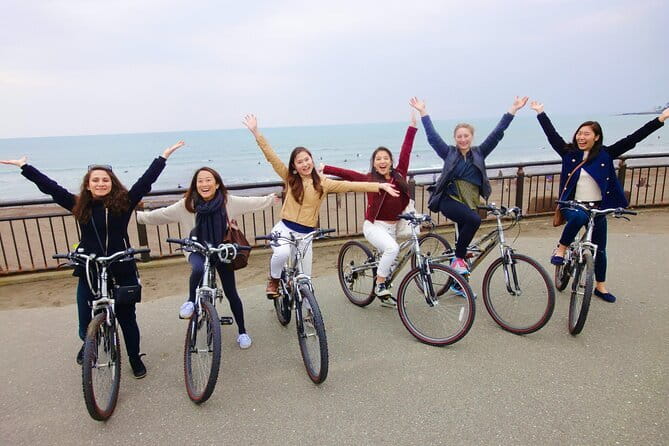
- Private guide, private pace: You’re not stuck with a big-group rhythm, and you can choose bike or walking and switch within the time.
- A street-wise guide: Ichi’s background as a rickshaw driver guide shows up in the way the route flows and the explanations stay clear.
- Iconic stops plus calmer moments: You get the headline sights and also quieter breaks like Hokoku-ji’s bamboo and a seaside road.
- Photo help built in: The guide takes plenty of photos so you’ll actually come away with memories, not just screen-scroll photos.
- Tight route across central to eastern Kamakura: In one half-day, you cover Daibutsu area, shrines, Hase coast views, and Yuigahama.
Price and Value: What $150.24 Really Covers
At $150.24 per person for about 4 hours, this tour isn’t the cheapest way to see Kamakura. But it does include a professional guide, it’s private, and it covers entry fees for key stops like the Great Buddha at Kotoku-in and Hokoku-ji Temple.
For me, the value is in the time you save and the friction you avoid. Kamakura can be easy to walk, but it’s not compact, and doing it solo means you’re constantly checking routes, entrances, and which paths are worth the effort. Here, you get a plan that already strings the main landmarks into a sensible loop—while still letting you move at your pace.
Also, this is “mobile ticket” style, so you’re not stuck with paper. And since it’s private, you won’t waste time waiting for a group that wants to stop longer at every storefront.
Coast-and-Buddha days near Kamakura, rated
- Tokyo: Kamakura & Enoshima Day Trip including Temple Tickets
★ 4.5 · 1,375 reviews - From Tokyo: Kamakura & Enoshima 1-Day Bus Tour
★ 4.5 · 189 reviews - Kamakura Historical Walking Tour with the Great Buddha
★ 5.0 · 129 reviews - Kamakura Private Tour: Temples, Nature, and the Great Buddha
★ 5.0 · 121 reviews
Starting at Kamakura Station and Staying on Track
Your tour begins at Kamakura Station 1-chōme-1-15 Onarimachi, and it ends back near the meeting point. That matters more than it sounds. Kamakura day trips often turn into a scramble just to get transportation sorted, and a loop that returns you where you started makes the whole afternoon easier.
The tour is listed as near public transportation and “most travelers can participate,” but there are a couple of practical limits. The notes say it’s not recommended for younger children under 13 if they can’t ride an adult-sized bike, so if you’re traveling as a family, bring that into your planning early.
The walking part can still feel like a sightseeing day, not a stroll. So if you’re choosing the walking option, set your expectations for steady walking between major temple/shrine areas.
The Tour Style: Ex-Rickshaw Guide Storytelling That Actually Helps
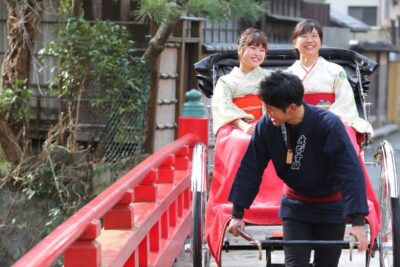
Ichi’s angle is what makes the itinerary feel more than a checklist. His background as a rickshaw driver guide is built for reading streets and guiding people through dense, layered neighborhoods. That often means you get smooth transitions between locations and fewer moments where you wonder what you’re looking at.
The explanations focus on how Kamakura fits into Japan’s political and cultural timeline—especially the shogunate/Bakufu story tied to Kamakura. That’s a big deal because Kamakura can look like a collection of temples if you don’t have context. With a guide who ties the sites together, you’ll understand why these places matter beyond their photos.
And yes, you get help with photos. The tour is designed so the guide can capture moments for you, including a lot of photo stops rather than rushing past the best angles.
Kotoku-in and the Great Buddha: The Start That Sets the Tone
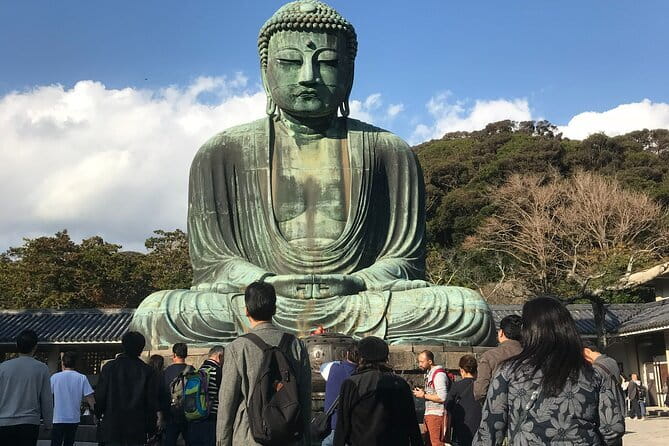
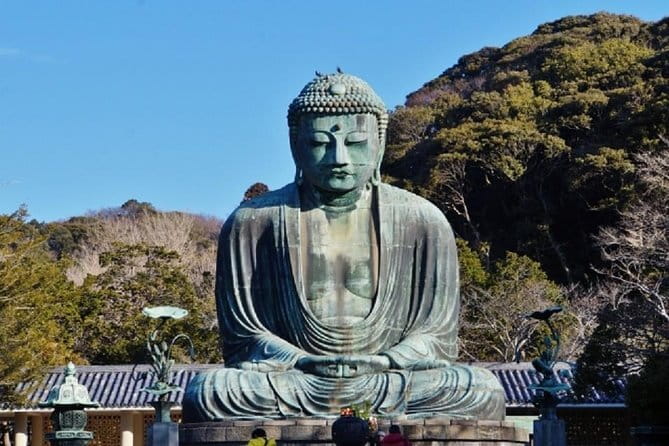
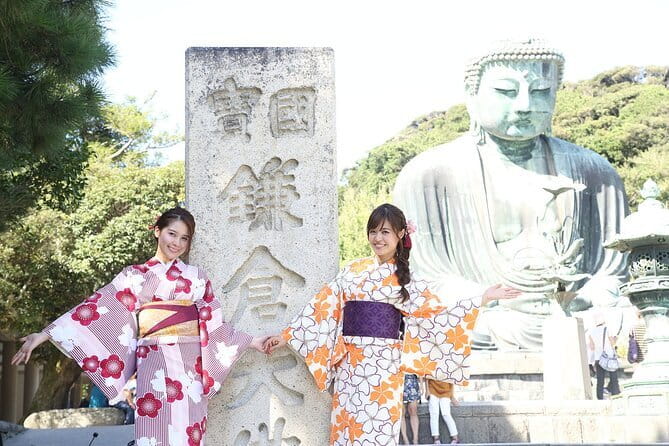
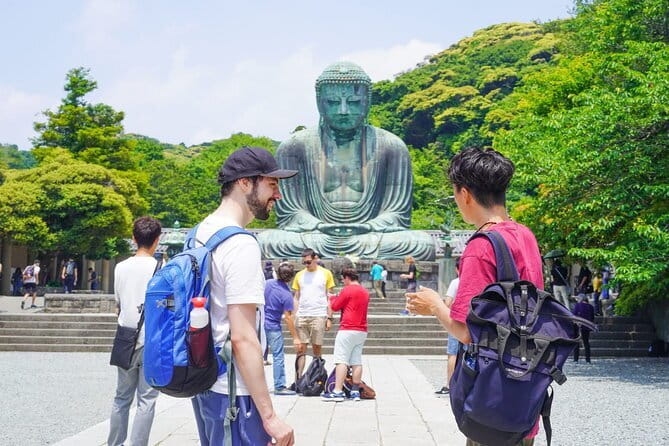
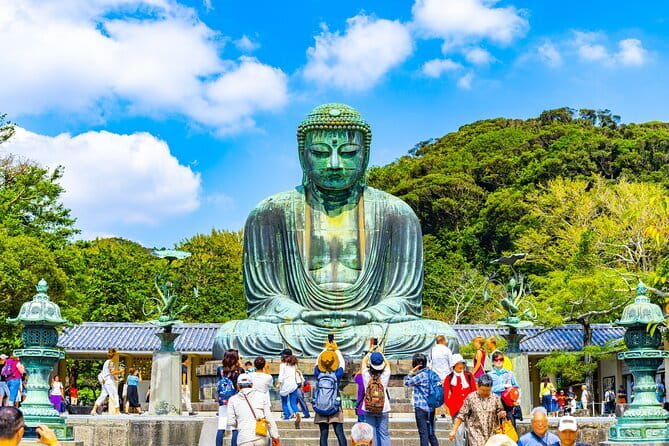
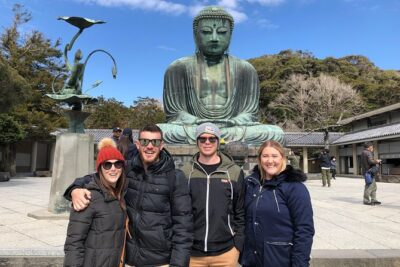
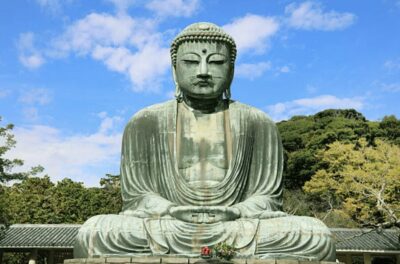
Stop 1 is Kotoku-in (Great Buddha of Kamakura), and it comes with admission included. This is a strong opener because the Great Buddha area does two things at once: it’s one of Japan’s most recognizable Buddhist landmarks, and it anchors the rest of the day in a calm, reverent mood.
Timing here is about 30 minutes, which is enough to appreciate the statue area without turning it into a half-day project. If you’re someone who likes photos, you’ll likely want a few minutes to circle for different viewing angles and let the atmosphere sink in before moving on.
Potential drawback: because this is the headline stop, it can feel busy depending on the day. A private guide helps because you can keep your movement efficient and avoid lingering too long where lines or crowds slow things down.
Tsurugaoka Hachimangu Shrine: Spiritual Center and Big-Time Architecture
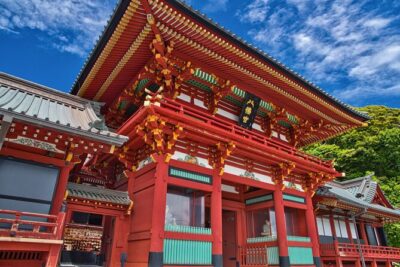
Next up is Tsurugaoka Hachimangu Shrine, with about 30 minutes. The tour notes the admission here is free. This stop works well after the Great Buddha because it shifts from Buddhist monument energy to Shinto shrine rituals and architecture.
The grounds are a great place to slow your pace and watch people. You’ll see the shrine’s role as a spiritual anchor and also understand its historical significance tied to samurai culture.
What you might like most: this is one of those places where a guide’s context turns the walk around the grounds into something you can connect to the rest of the day. It’s not just passing buildings—it’s understanding why this site sits at the center of Kamakura’s identity.
More rickshaw runs through the old town
- Kamakura Rickshaw Tour★ 5.0 · 53 reviews
- Kamakura Heritage Bike or Walk Tour with ex-Rickshaw guide★ 5.0 · 11 reviews
The Grave of Minamoto no Sanetomo and Hojo Masako: A Quick History Hit
Stop 3 is the Grave of Minamoto no Sanetomo and Hojo Masako, with about 10 minutes and free entry. It’s short, but that’s the point. You get a focused historical anchor before you head into quieter, more scenic temple areas.
This is a good place to expect a brief but meaningful story. If you care about the shogunate era, this stop gives you a human anchor to the political power struggles that shaped Kamakura.
If you’re the type who likes long contemplative pauses, 10 minutes might feel brief. But if you want to keep momentum across multiple stops, it’s a smart use of time.
Hokoku-ji: Bamboo Grove Calm and a Matcha Option
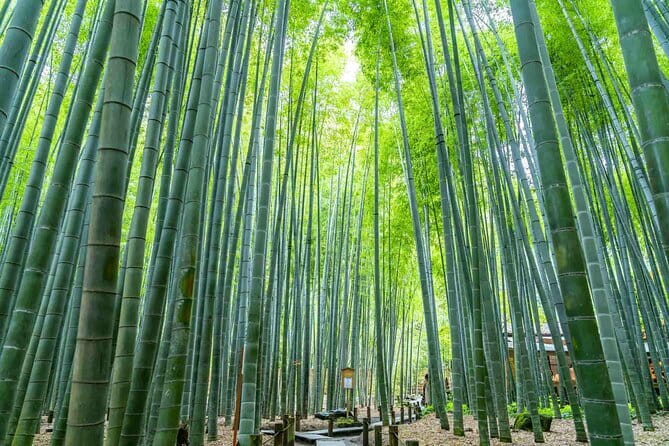
Stop 4 is Hokoku-ji, centered on a bamboo grove atmosphere that’s known for being peaceful. The time here is about 30 minutes, and admission is included. This is where the tour shifts gears toward quieter beauty.
You’ll also get a practical, optional break. The tour notes an optional green tea at a cafe near the temple area (about 500 yen). It’s a simple way to recharge, and it also feels appropriate after the bamboo grove calm.
One consideration: because Hokoku-ji can be a calmer experience compared with the big-name sights, you’ll want to use your time well there. Take a slow walk, give yourself a couple of minutes to step away from the main paths if the grove offers side angles, and don’t rush straight to photos.
Yuigahama Beach: Seaside Road Time and Seasonal Crowd Reality
Then you’ll head to Yuigahama Beach for a relaxing moment by the Pacific, riding or walking along the seaside road. The tour description flags that summer is more crowded, so think of it as a seasonal factor rather than a problem.
This beach stop is valuable because it changes the mood. After temples and shrines, you get open air, sea views, and a different pace—especially if you’re on a bike and rolling along the coast.
If you’re sensitive to crowds, plan your clothing and timing with the season in mind. Early in the day tends to feel easier at many Japanese sightseeing areas, and a private guide can help you keep the stop smooth even when the coast is busy.
Hasedera Temple: Kannon Views Over the Coast
Stop 5 is Hase Temple (Hasedera), about 20 minutes, and listed as free entry. This is a shorter stop, so the focus is likely on the key sights rather than a slow wandering day.
One of the highlights is the impressive 9.18-meter tall wooden statue of Kannon (Goddess of Mercy), plus gardens and coastline viewpoints. Even with limited time, this kind of statue and its setting can feel memorable because it combines scale with a scenic backdrop.
If you’re someone who likes viewpoints, this is a good stop to slow down. Don’t just walk through to the next point. Spend your time where you can actually look out over the coast and let it sink in—this is one of the places where the scenery and the temple feel like one experience.
Egara Tenjin Shrine: A Quiet Learning Deity Stop
Stop 6 is Egara Tenjin Shrine, dedicated to Sugawara no Michizane, the deity associated with scholarship and learning. Time here is about 10 minutes, with admission noted as included.
This final shrine stop is a nice counterbalance: it’s smaller and calmer than some of the headline sights, and it gives the day a grounded, reflective close. It’s also a good checkpoint for understanding Japanese shrine culture beyond the big gates and wide paths.
Practical note: because it’s short, wear comfortable shoes and keep an eye on where you’re meeting back up with the group, so you’re not sprinting at the end.
Bike vs Walk: Which Mode Fits You Best?
This is built for choice. You can pick bike or walking, and the tour also allows you to switch your plan within the tour window. That flexibility is what makes it work for different energy levels—especially if you’re traveling with friends who walk fast but pause longer for photos.
Bike mode is likely the better match if you want to cover more ground without tiring out. A bike also helps you enjoy seaside and in-between street segments without it turning into a leg-burning day.
Walking mode is a solid choice if you want to soak in details at a slower speed. Just be aware that the stops cover central-to-eastern Kamakura, so you’ll still be walking between major areas.
The tour notes the bike option isn’t recommended for younger children who can’t ride an adult-sized bike. If you’re traveling as a family, that’s the one hard limitation to plan around.
Weather, Rain, and What to Bring
The experience requires good weather, which is an important reality check. If rain rolls in, the tour may not run. That said, I like that the guide approach is adaptable—one of the standout themes is that the guide stays helpful even when conditions are less ideal.
So pack like you’ll actually go outside. Bring a light rain layer, a small umbrella if you like them, and something to protect your phone/camera. Closed-toe shoes help, since you’ll be on temple grounds, paths, and shrine areas where surfaces may be uneven.
Also: if you choose the bike option, pay attention to what you’re wearing. You want breathable comfort, and you want to feel stable enough to ride at a sightseeing pace.
Who Should Book This Tour (and Who Should Skip It)
Book it if you want a private, structured half-day that covers Kamakura’s major must-sees and also gives you breathing room at the quieter stops. The guided explanations work especially well if you care about why Kamakura mattered in Japan’s political story, not just where to take pictures.
This is also a great fit if you’re traveling with friends and want one shared plan that still lets people choose bike or walking depending on energy.
Skip it (or rethink it) if you’re traveling with young kids who can’t ride an adult-sized bike, or if your trip has no flexibility and you can’t handle a weather-based reschedule. Also, if you hate being on a fixed timeline at all, this kind of packed route may feel like too much.
Should You Book This Kamakura Heritage Bike or Walk Tour?
Yes, if you want Kamakura to feel easy and meaningful in one afternoon. The value isn’t just the temples—it’s the fact that Ichi’s street-smart guiding ties the stops together and keeps the pace moving without leaving you behind.
If weather is good and you’re okay with a guided loop that returns to Kamakura Station, this is a strong way to see the highlights plus the calmer bamboo-and-sea moments that make Kamakura more than a photo spree.
FAQ
FAQ
How long is the Kamakura Heritage Bike or Walk Tour?
The tour lasts about 4 hours.
Is this tour private or shared with other groups?
It’s a private tour, so only your group participates.
Can I choose bike or walking during the tour?
Yes. You can choose between a bike ride or a walking tour, and you can switch your schedule within the tour time frame to match your pace.
What are the main stops included?
The tour includes Kotoku-in (Great Buddha of Kamakura), Tsurugaoka Hachimangu Shrine, the Grave of Minamoto no Sanetomo and Hojo Masako, Hokoku-ji, Yuigahama Beach, Hasedera Temple, and Egara Tenjin Shrine.
Are entrance fees included?
Fees are included for Kotoku-in (the Buddha) and Hokoku-ji Temple. Other listed stops are shown as free or included as part of the tour.
Is green tea included?
Green tea is optional. There’s mention of about 500 yen for green tea at a cafe near Hokoku-ji Temple.
What does the tour cost?
The price is $150.24 per person.
Where does the tour start and end?
It starts at Kamakura Station 1-chōme-1-15 Onarimachi, Kamakura, Kanagawa, Japan, and ends back at the meeting point.
Is the tour ticket mobile?
Yes, it uses a mobile ticket.
Who should avoid the bike option?
The tour notes it isn’t recommended for young travelers or children under 13 who cannot ride an adult-sized bike.
Is the tour affected by weather?
Yes. The experience requires good weather, and if it’s canceled due to poor weather, you’ll be offered a different date or a full refund.
More Tour Reviews in Kamakura
- Tokyo: Kamakura & Enoshima Day Trip including Temple Tickets
★ 4.5 · 1,375 reviews - From Tokyo: Kamakura & Enoshima 1-Day Bus Tour
★ 4.5 · 189 reviews - Kamakura Historical Walking Tour with the Great Buddha
★ 5.0 · 129 reviews - Kamakura Private Tour: Temples, Nature, and the Great Buddha
★ 5.0 · 121 reviews - Kamakura Walking Tour – The City of Shogun
★ 5.0 · 100 reviews
More Rickshaw Rides in Kamakura
- Kamakura Rickshaw Tour
★ 5.0 · 53 reviews - Kamakura: Private History and Heritage Tour by Rickshaw
★ 4.9 · 7 reviews
More Kamakura and Enoshima Days
- Tokyo: Kamakura & Enoshima Day Trip including Temple Tickets
★ 4.5 · 1,375 reviews - From Tokyo: Kamakura & Enoshima 1-Day Bus Tour
★ 4.5 · 189 reviews - Kamakura Historical Walking Tour with the Great Buddha
★ 5.0 · 129 reviews - Kamakura Private Tour: Temples, Nature, and the Great Buddha
★ 5.0 · 121 reviews - Kamakura Walking Tour – The City of Shogun
★ 5.0 · 100 reviews
Latest Kamakura reviews off our desk
Kamakura Day Trips, compared.
 ★ 4.5Kamakura & Enoshima Day Trip including Temple TicketsFrom $581,375 reviews
 ★ 4.5Mt. Fuji, Kamakura, Big Buddha, & Lake Ashi Day TripFrom $49867 reviews
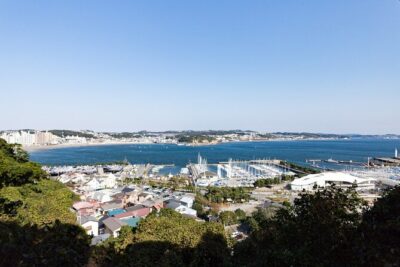 ★ 4.5From Tokyo: Kamakura & Enoshima 1-Day Bus TourFrom $66189 reviews
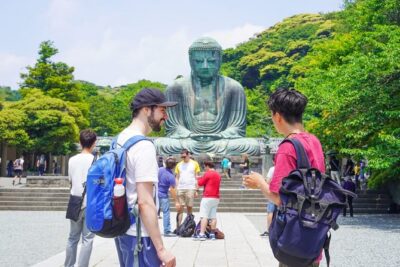 ★ 5.0Kamakura Historical Walking Tour with the Great BuddhaFrom $98129 reviews
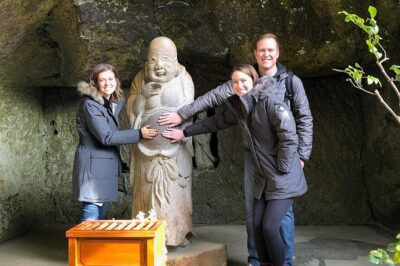 ★ 5.0Kamakura Private Tour: Temples, Nature, and the Great BuddhaFrom $98121 reviews
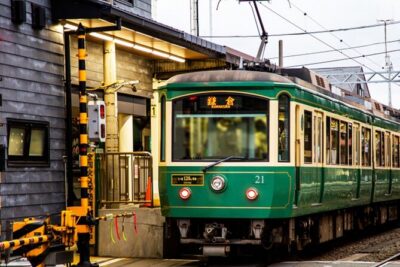 ★ 5.0Kamakura Walking Tour – The City of ShogunFrom $35100 reviews
 ★ 4.9Sea of Mount Fuji, Hakone Ropeway, Ōwakudani, EnoshimaFrom $5084 reviews
 ★ 5.0Kamakura 8 hr Private Walking Tour with Licensed Guide from TokyoFrom $20180 reviews
Browse the lists this tour appears in