
Reviewed · KAMAKURA DAY TRIPS
Kamakura & Yokohama One-Day Tour with English Driver
A long day, but it stays fun. You get a private plan that hits Kamakura’s most famous sights and tops it off in Yokohama with food-focused stops. I like the fast pace with guided context, plus the practical English driver support that makes the logistics feel easy. The main catch is simple: it’s a full 9–10 hours with plenty of walking and extra paid admissions at several stops.
If you want one day that actually feels like you used your time well, this is a strong option. You’ll start early, ride in an air-conditioned vehicle, and get help with timing (and photos if you need it). One drawback to keep in mind: the day includes popular sites, so you should expect crowds, steps, and short stretches where you’ll move from one highlight to the next without long breaks.
In This Review
- Key things I’d clock before you book
- A private Kamakura and Yokohama day that stays organized
- 8:00 am pickup and how the day actually runs
- Kotoku-in and the Great Buddha: bronze, outdoors, and tsunami survival
- Enoshima: sea air, shrines, and Fuji views only when visibility cooperates
- Tsurugaoka Hachimangu: the city-center shrine with war-god roots
- Komachidori street time: quick shopping and snack energy
- Hokoku-ji bamboo grove: cool, shady, and photo-ready
- Hasedera: flowers by season and the temple of layered views
- Yokohama Chinatown: gates, Kanteibyo, and serious snack potential
- Shin-Yokohama Ramen Museum: 1958 nostalgia in a very Japanese way
- Price and value: is $495 per group actually worth it?
- Who this tour fits best (and who should think twice)
- Should you book Dozou Tours for Kamakura and Yokohama?
- FAQ
- What time does the tour start?
- How long is the tour?
- Is pickup included?
- Is this a private tour?
- Does the tour include admission tickets?
- What’s included in the tour price?
- Is there free cancellation?
Key things I’d clock before you book
- Private group up to 6: better flow than squeeze-in group tours, especially for photos and timing.
- Early 8:00 am start with pickup: less morning stress and more time at each stop.
- Kamakura temples plus Enoshima: you don’t just do one type of sightseeing.
- Photo help included: if you care about getting the shot without awkward guessing, that matters.
- Yokohama Chinatown + Ramen Museum: two very different vibes in one afternoon.
- Admission fees not included for key sights: budget extra for temples and the ramen museum.
A private Kamakura and Yokohama day that stays organized
Kamakura and Yokohama are both close to Tokyo, but doing them well on your own takes planning: trains, transfers, and the classic problem of losing time to indecision. This tour solves that with private transportation and an English-speaking driver who keeps you moving.
What I especially like is how the day mixes big-ticket landmarks with smaller, human-scale moments. You get iconic visuals like the Great Buddha of Kamakura, plus calmer stops like the bamboo grove atmosphere at Hokoku-ji. Even the food stops are planned, not left to chance.
The tradeoff is pacing. This is designed as a highlights day, not a slow stroll. If you prefer long unhurried sightseeing, you may find some segments a bit tight—especially where you’re stepping between temples, then into shopping and lunch areas.
Coast-and-Buddha days near Kamakura, rated
- Tokyo: Mt. Fuji, Kamakura, Big Buddha, & Lake Ashi Day Trip
★ 4.5 · 867 reviews - Tokyo:Sea of Mount Fuji, Hakone Ropeway, Ōwakudani, Enoshima
★ 4.9 · 84 reviews - Kamakura 8 hr Private Walking Tour with Licensed Guide from Tokyo
★ 5.0 · 80 reviews - Tokyo: Kamakura & Enoshima Day Tour with Pickup & Train Ride
★ 4.1 · 61 reviews
8:00 am pickup and how the day actually runs
You start at 8:00 am, with pickup offered and a mobile ticket to make check-in smoother. In Japan, the difference between starting early and starting late is huge: you’ll often beat the worst of the morning crowds, and you’re less likely to feel rushed at the best photo spots.
Because the tour is private, the driver can also help adjust how you handle time on-site—within reason. If your group is faster or slower, you’re not stuck watching a big bus group chug along. One guest described a driver named Zee as flexible and able to tailor the route because of walking limits, which is the kind of practical advantage you only notice when you’re in it.
Still, plan for a lot of movement. The temples and island areas include stairs, uneven ground, and sections where you’ll be standing and looking rather than sitting. Comfortable shoes are not optional.
Kotoku-in and the Great Buddha: bronze, outdoors, and tsunami survival
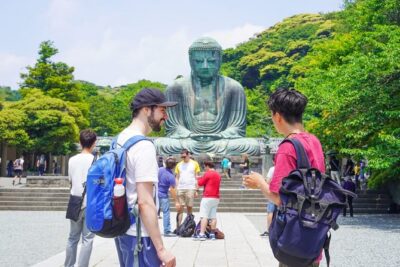
The day begins with Kotoku-in Temple and the famous Great Buddha statue. This is a roughly 13.35-meter bronze statue (big enough that you’ll feel it even from a distance). The coolest detail is why it’s outdoors now: the original hall was washed away by a tsunami in 1498, leaving the Great Buddha exposed on the grounds.
Here’s what that means for your visit:
- You’ll get strong open-air views and easy sight lines for photos.
- Weather matters more here than at indoor stops—sun, wind, and light can change the look of the bronze quickly.
- Since this is one of Kamakura’s top images, you may see crowds, but the sheer scale still makes it feel worth the effort.
Admission for Kotoku-in is not included, so you’ll want to budget for entry ahead of time. If you’re trying to keep your day smooth, look up what you’ll need at the ticket site so you’re not fumbling mid-morning.
Enoshima: sea air, shrines, and Fuji views only when visibility cooperates
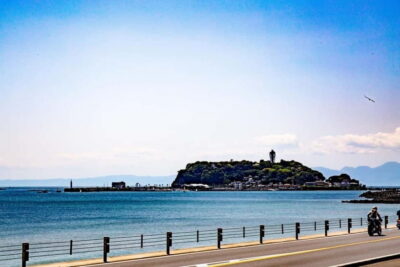
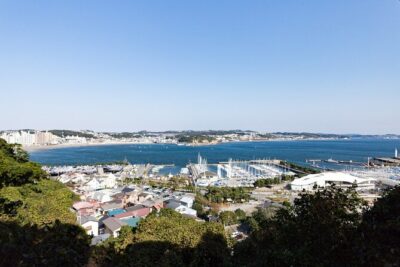
Next you head to Enoshima, the small island just off Kamakura, connected by a bridge. This stop breaks up the temple circuit with sea views, caves, and shrine areas. It’s also the spot where you’ll see the difference between a good day and a perfect day.
What you can hope for:
- Enoshima Shrine buildings dedicated to Benten, a goddess associated with good fortune, wealth, music, and knowledge.
- A mix of harbor areas and a hill-side walking route with more sights for people who don’t mind foot traffic.
- Mount Fuji views on clear days. If visibility isn’t great, you still get the island vibe, just with less drama.
Time-wise, you have about 1 hour here. That’s enough to hit the main sights without turning it into a marathon. If you’re interested in the caves or observation points, prioritize what you care about most and don’t try to do everything.
Admission is free for this stop, which helps with value and keeps your budget predictable.
Tsurugaoka Hachimangu: the city-center shrine with war-god roots
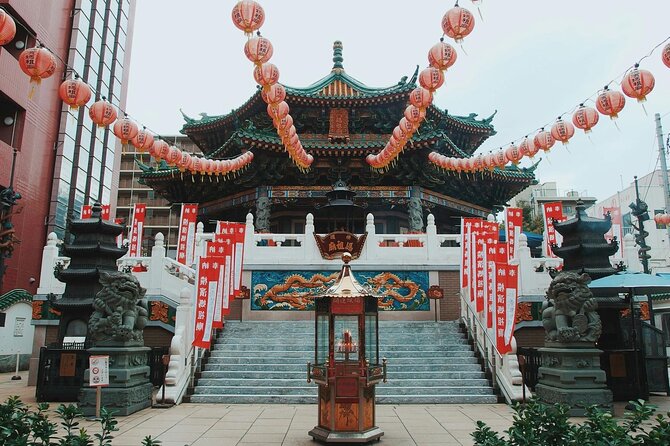
In Kamakura, Tsurugaoka Hachimangu is the anchor in the city center. You’ll find it easy to navigate here, and the setting gives you that sense of historical gravity—this shrine was venerated as a home of the gods of war for centuries.
This is a good stop if you want a little grounding between the big photo moments and the quieter temple atmosphere later. It’s also a nice place to reset your walking rhythm. You’ll typically get enough time to look around without feeling trapped in line after line.
Admission is not included here, so plan on paying at the site. If your budget is tight, this is one of those moments where having a private driver helps: you spend less time figuring things out and more time actually being there.
The harbour city next door, reviewed
- Narita Airport: One Way Private Transfer to Tokyo|Yokohama Hotels★ 4.5 · 69 reviews
- Tokyo/Yokohama: Mt. Fuji and Hakone Private Day Tour★ 5.0 · 64 reviews
- Tokyo: Private One-Way Transfers to/from Yokohama Port★ 4.5 · 50 reviews
- Private Car Tour to see Highlights of Kamakura, Enoshima, Yokohama from Tokyo★ 5.0 · 48 reviews
- Haneda Airport: One Way Private Transfer to Tokyo|Yokohama Hotels★ 4.0 · 28 reviews
Komachidori street time: quick shopping and snack energy
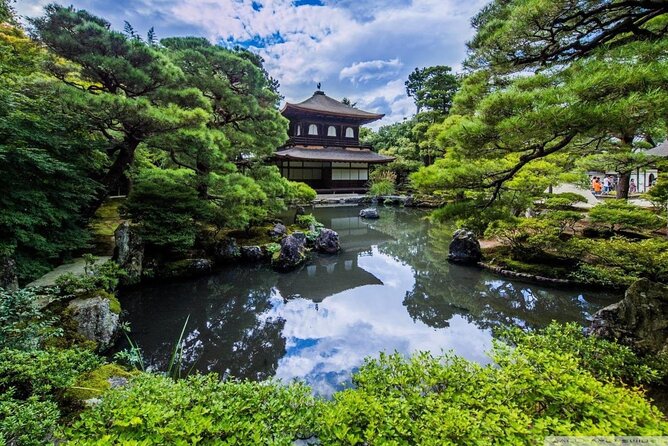
Then comes Kamakura Komachidori, a lively street famous for food and unique shops. You only get about 30 minutes here, so this isn’t for browsing every booth like it’s a weekend market.
Think of it as your chance to:
- grab a snack for the road,
- pick up a small souvenir without overthinking,
- and get that Kamakura street feel before the next temple stop.
With only half an hour, I’d use this time strategically. If you see something you really want, buy it then. If you wait, you may end up with nothing because the tour keeps moving.
Hokoku-ji bamboo grove: cool, shady, and photo-ready
Hokoku-ji (Takedera Temple) is known for its bamboo grove, and the word famous is deserved. The atmosphere here is part of the appeal: shade, movement of leaves, that cool, slightly mysterious feeling you get when the bamboo stands close together.
You’ll have about 1 hour. That’s enough time to:
- walk through the grove slowly,
- pause for photos,
- and notice how different it feels compared with the brighter streets and coastal views earlier in the day.
Admission for Hokoku-ji is not included, so add it to your mental budget. Also, bamboo groves tend to be slippery in wet weather and uneven in places, so watch your step—especially if you’re wearing shoes that don’t grip well.
Hasedera: flowers by season and the temple of layered views
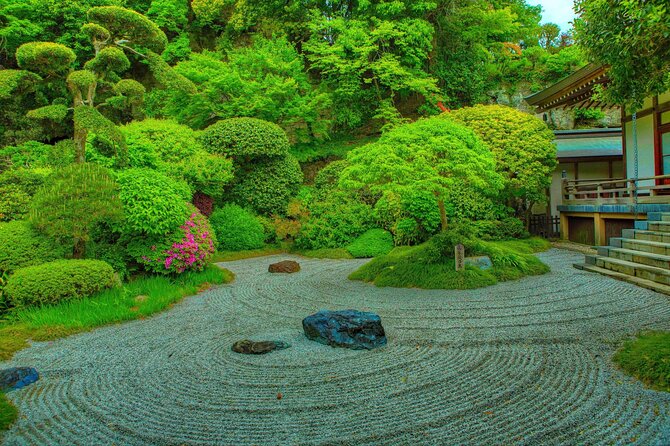
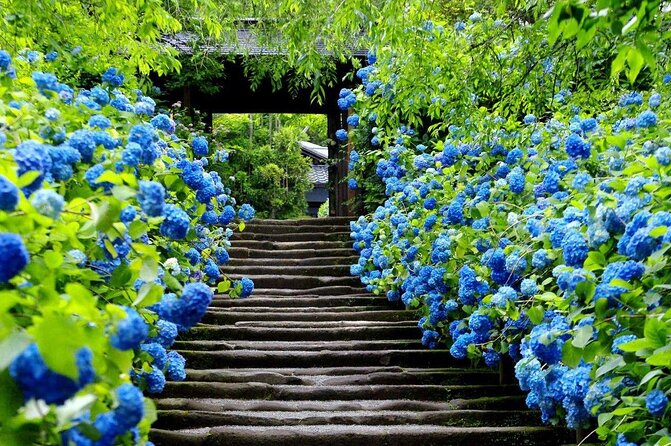
After the bamboo, you’ll go to Hasedera Temple, another major Kamakura highlight. Hasedera is known for flowers changing by season, which is why it’s often treated like a temple of flowers. Even if you’re not there at peak bloom, the grounds are designed for lingering: you get multiple viewpoints, layered paths, and that classic temple-garden feel.
You’ll have about 1 hour. This is where your walking comfort matters most. Expect steps and uneven ground. If anyone in your group has mobility needs, a private setup can make a big difference—one guest specifically noted that the driver adapted to walking limits.
Admission for Hasedera is not included. If you’re keeping costs down, this is one of the stops where you’ll want to decide in advance if you care deeply about this specific site, because it’s a paid add-on.
Yokohama Chinatown: gates, Kanteibyo, and serious snack potential
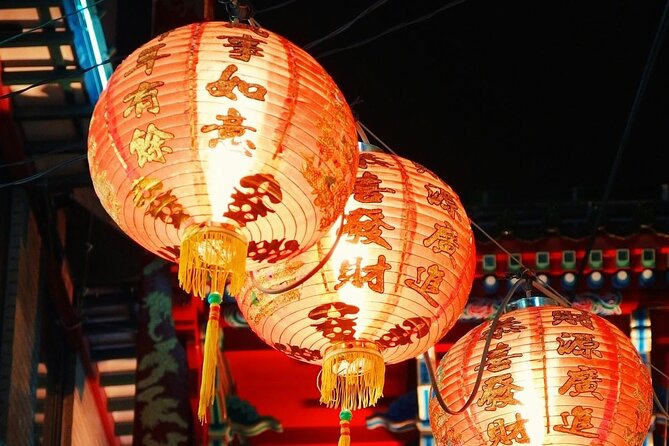
Once you reach Yokohama, the mood changes fast. Yokohama Chinatown is the big one: the area includes colorful streets, Chinese shops, and hundreds of food options. You’ll have about 2 hours here, which is a gift compared with many rushed Chinatown stops.
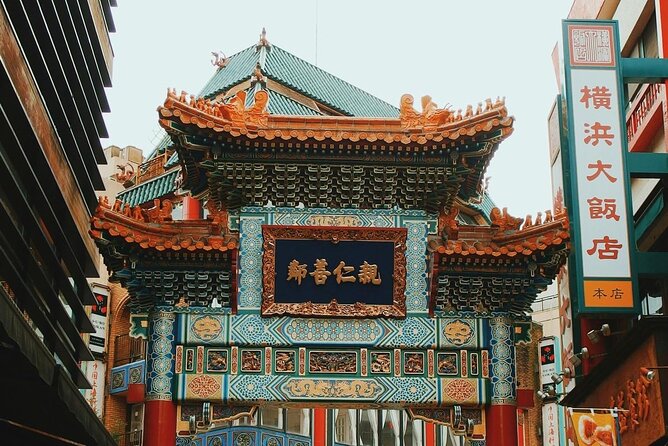
This is the part of the day where you can slow down a bit. Chinatown is not just a background—it’s where you should plan to eat. The central highlight is Kanteibyo, a gaudy-colored temple, and you’ll also notice multiple colorful gates around the entrances and within the area.
Admission is free for Chinatown, so your main costs are food and drinks. If you have dietary needs, Chinatown can still work, but you’ll want to take a little time scanning menus. Two hours gives you enough room to make a decent choice rather than grab the first thing you see.
Shin-Yokohama Ramen Museum: 1958 nostalgia in a very Japanese way
For something totally different, you’ll end up at Shin-Yokohama Ramen Museum. This is a food-themed space built around ramen shops, with nine shops featured in a street-scape style that recreates 1958 Japan. It’s a fun stop even if you’re not a ramen superfan, because it mixes food, design, and a bit of playful history.
You’ll have 1 hour 30 minutes. That’s usually enough to:
- try one bowl or two if you’re hungry,
- wander the themed street areas,
- and grab a dessert or snack without turning it into a food coma.
Admission for the ramen museum is not included, so treat this as your paid splurge of the day. If you’re traveling with people who love food culture, this is often the moment they remember most.
Price and value: is $495 per group actually worth it?
The price is $495 per group for up to 6 people, and the tour is often booked about 60 days in advance. That pricing structure matters. On a per-person basis, the cost can get reasonable if you split the group fare across six people. If you’re traveling as only two or three, it’s pricier, and you’ll want to be sure you’re buying what private guiding gives you: time saved, reduced stress, and someone handling the schedule.
Here’s where the value comes from:
- Private transportation keeps you from juggling train times.
- Pickup and drop-off reduce the friction of starting a long day early.
- Photo help means you don’t have to constantly ask strangers for help.
- The day covers major highlights across two cities without you needing to coordinate anything.
What you’re not getting is included admissions. You’ll still pay for several key sights like Kotoku-in, Hase-dera, Hokoku-ji, and the ramen museum. Enoshima is free, and Chinatown is free, but plan on adding temple and museum ticket costs on top.
If you’re cost-conscious, this tour is worth it when you value convenience and time. If you’re a confident DIY traveler who knows the train system well and wants total control, you might prefer going independently. But for a one-day hit list, private guidance is often the better trade.
Who this tour fits best (and who should think twice)
This tour is a great match if:
- you want a high-effort day without the planning stress,
- you’re traveling with family or friends who appreciate structure,
- you care about major landmarks like the Great Buddha and want context while you see them,
- you want Chinatown and ramen museum time without guessing how to time it.
Think twice if:
- you hate walking and steps,
- you prefer slow travel with long breaks,
- or you’re trying to keep spending strictly low once admissions are added.
Also, because the day runs about 9 hours (roughly 10) with multiple stops, it’s best for people who can handle a full schedule without needing long rest pauses.
Should you book Dozou Tours for Kamakura and Yokohama?
I’d book this if you want a smooth, well-timed highlights day with an English-speaking driver doing the hard part. The combination of Kamakura temples, Enoshima island, and then Yokohama’s Chinatown plus the ramen museum gives you variety without feeling random. The private setup is the real win: it keeps your day moving and gives you help with timing and photos.
I’d skip it only if you’re determined to DIY everything and minimize extra costs, or if your group needs a much slower pace than this kind of highlights plan allows. If your goal is to see the best parts of both cities in one go, this is a strong pick.
FAQ
What time does the tour start?
The start time is 8:00 am.
How long is the tour?
The duration is about 9 hours (approximately 10 hours).
Is pickup included?
Yes, pickup is offered.
Is this a private tour?
Yes. It’s private, and only your group participates. The group size is up to 6.
Does the tour include admission tickets?
No. Entry/admission is not included for several stops, including Kotoku-in (Great Buddha of Kamakura), Hase-dera Temple, and Hokoku-ji (Takedera Temple), and also the Ramen Museum. Enoshima and Yokohama Chinatown are listed as free.
What’s included in the tour price?
You get an air-conditioned vehicle and private transportation, plus the guide support that helps with the day’s timing.
Is there free cancellation?
Yes. You can cancel for a full refund up to 24 hours before the experience’s start time.
More Tour Reviews in Tokyo
- Mt Fuji and Hakone 1-Day Bus Tour Return by Bullet Train
★ 5.0 · 26,383 reviews - 1-Day Tokyo Bus Tour
★ 5.0 · 14,250 reviews - Tokyo: teamLab Planets TOKYO Digital Art Museum Entry Ticket
★ 4.6 · 9,779 reviews - Mt Fuji & Hakone Cruise, Drum Show Bullet Train 1 Day from Tokyo
★ 4.0 · 7,413 reviews - Tokyo: Shinjuku Food Tour (13 Dishes at 4 Local Eateries)
★ 5.0 · 6,603 reviews
The Harbour City Next Door, Rated
- Narita Airport: One Way Private Transfer to Tokyo|Yokohama Hotels
★ 4.5 · 69 reviews - Tokyo/Yokohama: Mt. Fuji and Hakone Private Day Tour
★ 5.0 · 64 reviews - Tokyo: Private One-Way Transfers to/from Yokohama Port
★ 4.5 · 50 reviews - Private Car Tour to see Highlights of Kamakura, Enoshima, Yokohama from Tokyo
★ 5.0 · 48 reviews - Private Kamakura plus Yokohama Tour – English Speaking Driver
★ 4.5 · 28 reviews
More Kamakura and Enoshima Days
- Tokyo: Mt. Fuji, Kamakura, Big Buddha, & Lake Ashi Day Trip
★ 4.5 · 867 reviews - Tokyo:Sea of Mount Fuji, Hakone Ropeway, Ōwakudani, Enoshima
★ 4.9 · 84 reviews - Kamakura 8 hr Private Walking Tour with Licensed Guide from Tokyo
★ 5.0 · 80 reviews - Tokyo: Kamakura & Enoshima Day Tour with Pickup & Train Ride
★ 4.1 · 61 reviews - Kamakura Private & Customizable Tour – All-in-One Experience
★ 5.0 · 49 reviews
Latest Tokyo reviews off our desk






Kamakura Day Trips, compared.
 ★ 4.5Kamakura & Enoshima Day Trip including Temple TicketsFrom $581,375 reviews
 ★ 4.5Mt. Fuji, Kamakura, Big Buddha, & Lake Ashi Day TripFrom $49867 reviews
 ★ 4.5From Tokyo: Kamakura & Enoshima 1-Day Bus TourFrom $66189 reviews
 ★ 5.0Kamakura Historical Walking Tour with the Great BuddhaFrom $98129 reviews
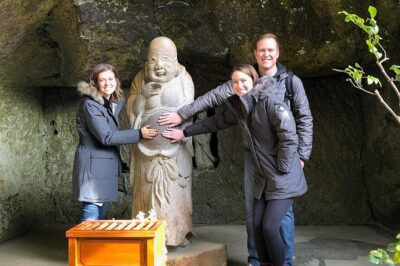 ★ 5.0Kamakura Private Tour: Temples, Nature, and the Great BuddhaFrom $98121 reviews
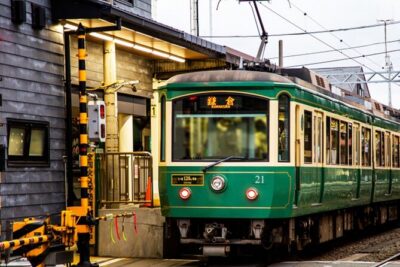 ★ 5.0Kamakura Walking Tour – The City of ShogunFrom $35100 reviews
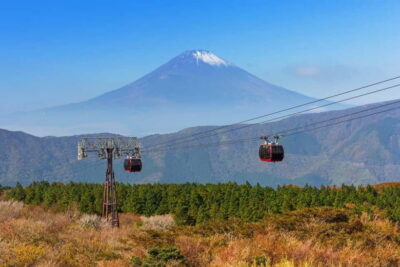 ★ 4.9Sea of Mount Fuji, Hakone Ropeway, Ōwakudani, EnoshimaFrom $5084 reviews
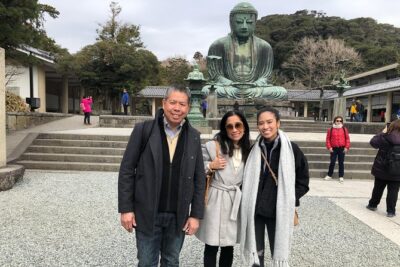 ★ 5.0Kamakura 8 hr Private Walking Tour with Licensed Guide from TokyoFrom $20180 reviews
Browse the lists this tour appears in