
Reviewed · KAMAKURA DAY TRIPS
Kamakura&Enoshima Tour to-and-from Tokyo, Yokohama, up to 12
One day, two historic worlds, zero transit stress. I love the private, flexible pacing between centuries-old temples, and I love that you can swap in your group’s interests without turning it into a checklist. The main thing to consider is that the schedule is still a full day, so expect some walking and plan around seasonal changes to garden stops.
This tour is built for efficiency: you’re using a vehicle to connect Kamakura and Enoshima fast, instead of spending a long stretch on foot. In the car, you can also keep everyone together—especially helpful if you’re traveling with luggage, kids, or grandparents.
You’ll get an English driver-guide who handles the handoffs and timing, plus the big sightseeing anchors: Hokoku-ji, Tsurugaoka Hachimangu, Kotoku-in’s Great Buddha, Hase-dera, and Enoshima. It’s the kind of day that feels like you’re seeing more because you’re spending less time figuring out what’s next.
In This Review
- Key highlights worth caring about
- Kamakura and Enoshima from Tokyo or Yokohama: why a private day makes sense
- Pickup that actually fits your location (Tokyo, Yokohama, Odawara, Maihama)
- Hokoku-ji bamboo temple: the morning tea stop that slows you down
- Tsurugaoka Hachimangu: getting the samurai origin in context
- Kotoku-in and the Great Buddha: short stop, huge presence
- Hase-dera: Kannon enshrined, gardens changing with the season
- Enoshima: lunch, views of Mount Fuji, and the ukiyo-e connection
- Shopping arcades and small souvenirs you’ll actually use
- Food, entry fees, and timing: how to plan the day
- Cost and value: what $878 per group buys you
- Who should book this tour, and who should skip it
- Should you book this Kamakura and Enoshima private tour?
- FAQ
- What pickup locations are available for this Kamakura and Enoshima tour?
- How long is the tour, and are there different start times?
- Is the tour guided in English?
- What’s included in the price?
- Will I have time for lunch?
- Which sites are part of the route?
- Is the tour wheelchair accessible?
- What should I wear or bring?
- What is the cancellation policy?
Key highlights worth caring about
- Hokoku-ji bamboo temple tea stop: a simple break that makes the morning feel calm, not rushed.
- Tsurugaoka Hachimangu + Kamakura’s samurai story: you’ll connect the political origin to the place.
- Kotoku-in Great Buddha photo moment: short visit, big impact.
- Hase-dera’s Kannon setting: gardens and enshrined Buddha with a guided explanation.
- Enoshima views with Mount Fuji (when conditions allow): a classic perspective tied to ukiyo-e.
- A local lunch that isn’t just copy-paste tourist food: seafood or curry-forward options.
Kamakura and Enoshima from Tokyo or Yokohama: why a private day makes sense
Kamakura is a magnet for history, and Enoshima is a magnet for coastal views. Put them together and you get a day that changes tone: from temple quiet to sea breezes and viewpoint energy. The smart move here is doing it by private vehicle, because walking between areas can easily stretch the day out to roughly 1.5 days if you try to do everything on foot.
You’re also choosing convenience without losing culture. The tour isn’t just transport to ticketed attractions; it’s a guided route through places that give Kamakura its identity. That means you get context while you’re standing where the story happened—rather than only getting photos.
The time window is about 9 hours, and the exact start depends on availability. If you’re someone who hates late-day scrambling—train connections, overhead announcements, and getting separated—this format is built for you. You’ll still want comfortable shoes, though. This is sightseeing, not a couch tour.
One more practical note: it’s not suitable for people with motion sickness. You’ll be in a car most of the time, but routes to and around coastal viewpoints can involve turns and short rides that might bother you.
Coast-and-Buddha days near Kamakura, rated
- Tokyo: Mt. Fuji, Kamakura, Big Buddha, & Lake Ashi Day Trip
★ 4.5 · 867 reviews - Tokyo:Sea of Mount Fuji, Hakone Ropeway, Ōwakudani, Enoshima
★ 4.9 · 84 reviews - Kamakura 8 hr Private Walking Tour with Licensed Guide from Tokyo
★ 5.0 · 80 reviews - Tokyo: Kamakura & Enoshima Day Tour with Pickup & Train Ride
★ 4.1 · 61 reviews
Pickup that actually fits your location (Tokyo, Yokohama, Odawara, Maihama)
I like that your pickup options are broad. Depending on where you’re staying, you can select from Tokyo, Yokohama, Odawara, or Maihama. That flexibility matters because Kamakura and Enoshima don’t sit right on top of every rail line in a way that’s easy to stitch together for a group.
Drop-off options match the pickup set, with returns to Tokyo, Odawara, Yokohama, or Maihama. That reduces the friction of ending your day somewhere inconvenient—especially if you’re moving between hotel areas or coming from a cruise.
There’s also a helpful clue for some travelers: the tour mentions suitability for cruise voyagers and a Tokyo-to-Odawara drop-off for people traveling between Tokyo and Kyoto. In plain terms, if you’re routing around a busy itinerary, this saves you from making a Kamakura day train-heavy.
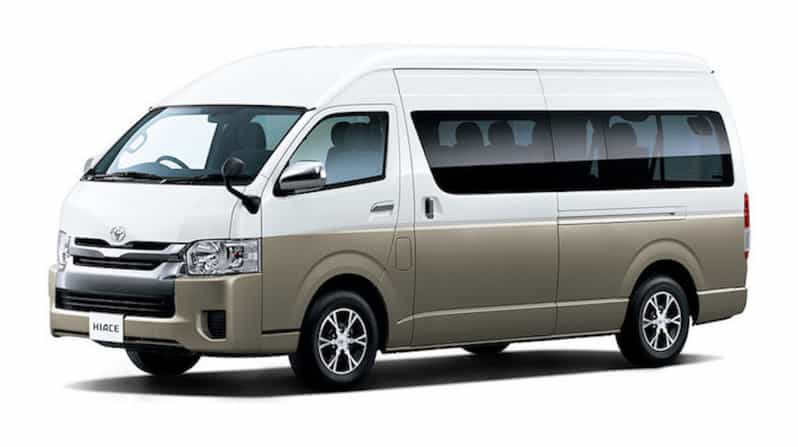
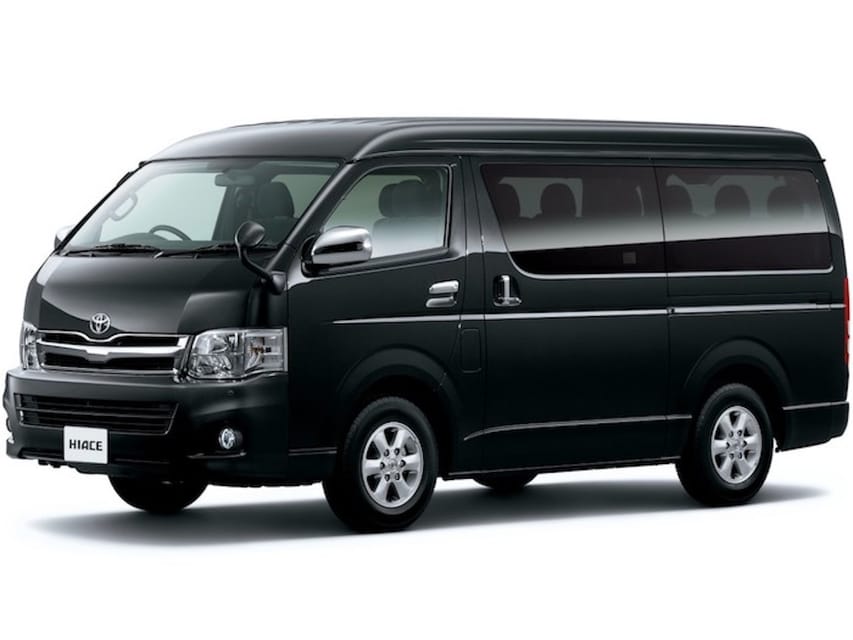
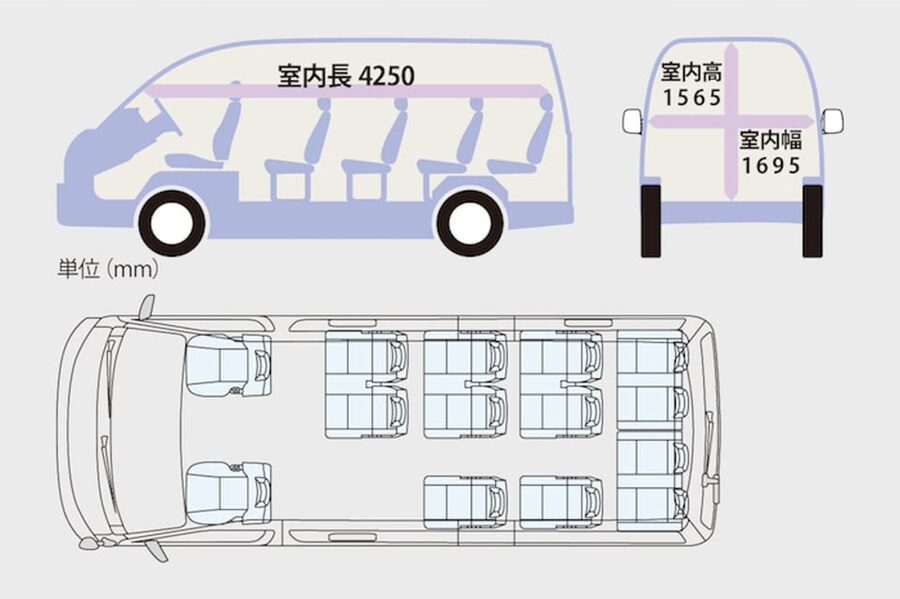
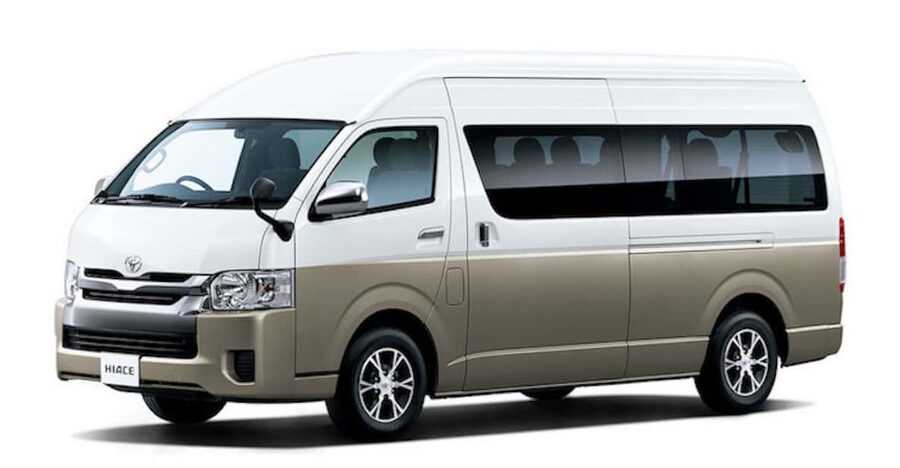
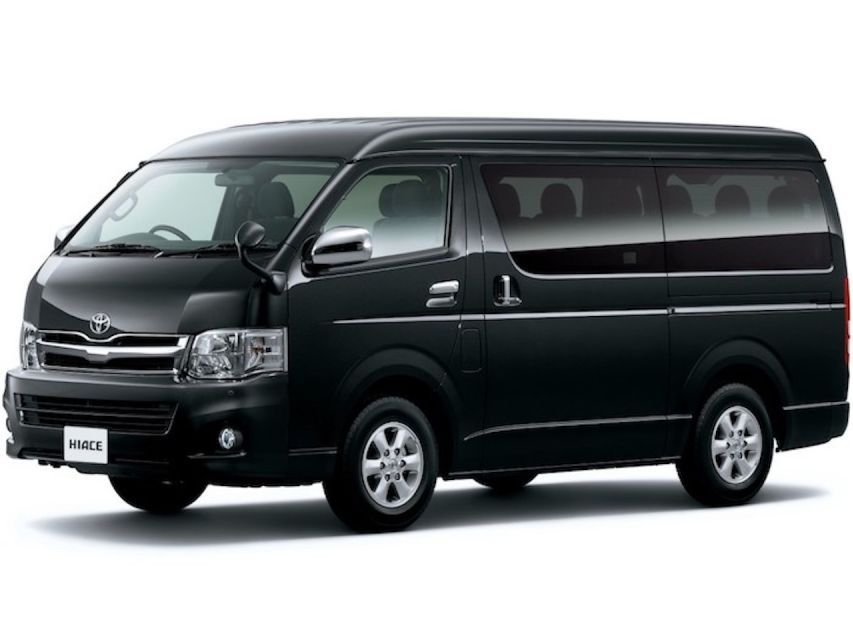
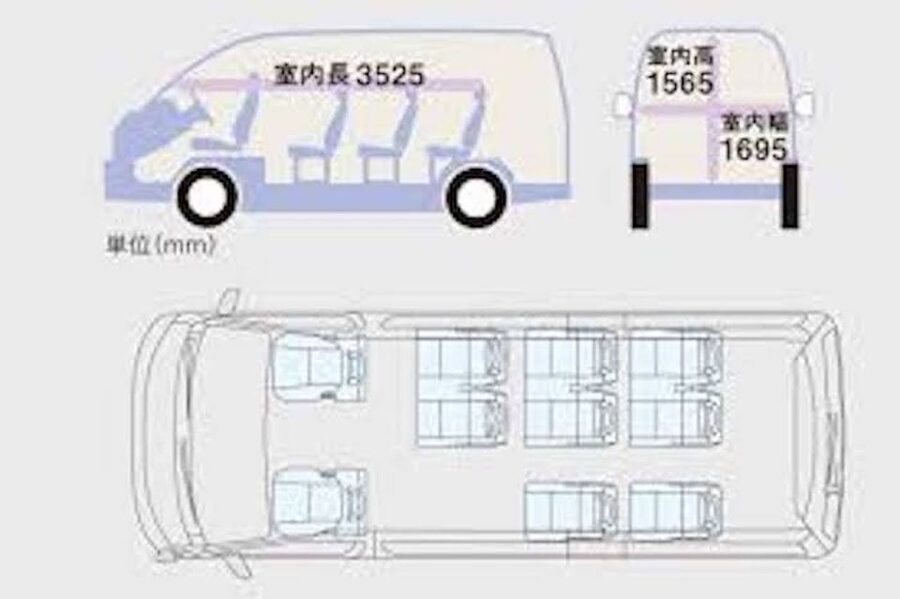
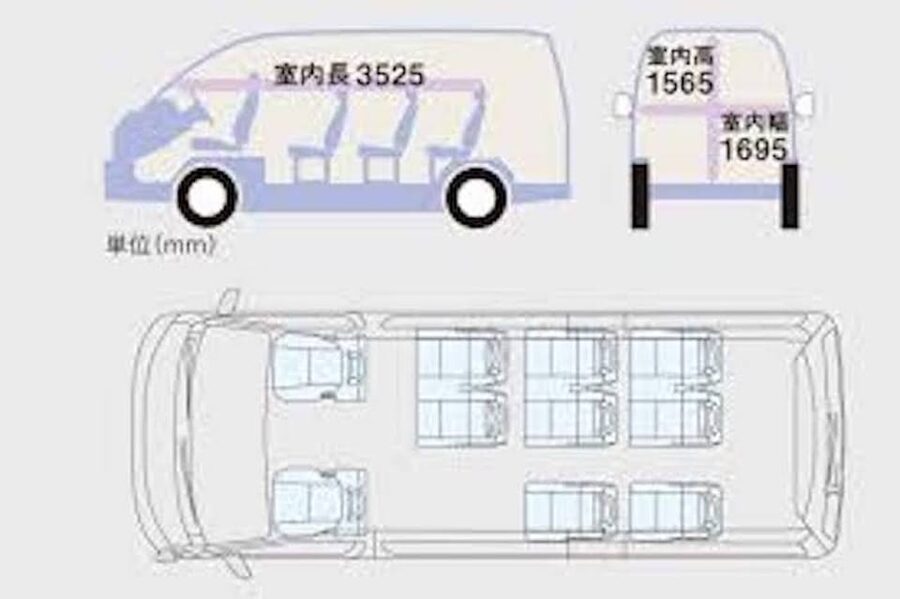
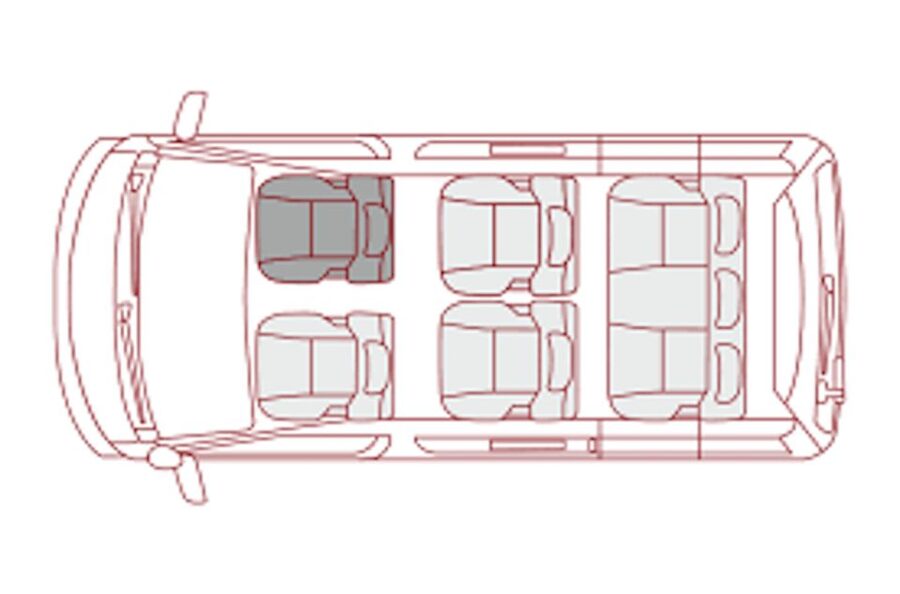
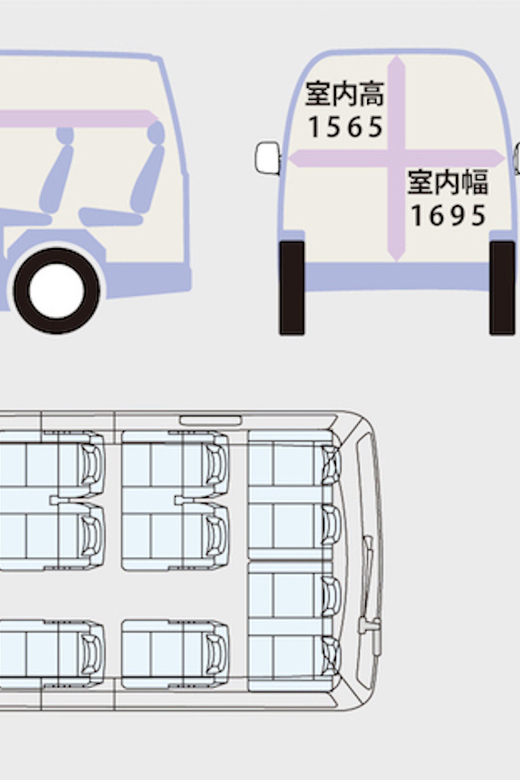
Vehicle choice scales with group size: 3–4 people typically use a minivan, 5–8 use a small minibus, and 9–12 use a mid-size minibus. That’s a small detail, but it affects comfort and luggage space, so it’s good it’s accounted for. If you have many bags, the tour says a size-up request is available.
Hokoku-ji bamboo temple: the morning tea stop that slows you down
The day begins at Hokoku-ji, described as the bamboo temple. It’s the kind of start that works well because it doesn’t throw you into crowds immediately. You get about 45 minutes here with guided time included.
One reason Hokoku-ji is memorable on this route is the chance to enjoy powder tea at the café inside. Even if you’re not a tea expert, that’s a tactile cultural moment. You’re not just looking at plants and architecture; you’re doing a small local ritual that fits the setting.
The guide time matters because it helps you read what you’re seeing. Bamboo temples can look pretty similar from the outside if you don’t know what to notice. With a guide, you’re more likely to connect the temple’s atmosphere to the spiritual tone people seek when they come to Kamakura.
Possible drawback: if your group is the type that wants only the biggest “signature” monuments, Hokoku-ji might feel like a slower start. But it’s a useful tempo reset. It makes the rest of the day feel calmer, not like you’re sprinting from one photo stop to the next.
Also, garden stops can change with the seasons. If bamboo and tea are your priorities, Hokoku-ji is still the first scheduled anchor, so you’re not starting the day with uncertainty.
Tsurugaoka Hachimangu: getting the samurai origin in context
Next up is Tsurugaoka Hachimangu, with about 45 minutes for visit and guided tour. This is one of Kamakura’s key Shinto shrines, and it’s where the story becomes political as well as spiritual.
The tour specifically frames the shrine connection to Minamoto Yoritomo, described as the first shogun of the samurai government. That detail helps you understand why people treat this place as more than a pretty shrine. You’re looking at a site tied to the beginnings of a system of power that shaped Japan for centuries.
You’ll likely notice how the route through the shrine area feels designed for walking and pausing. Guided time helps you slow down instead of just moving from gate to gate. And if your group includes history buffs, this is the moment that usually satisfies them most.
A practical consideration: shrine visits can involve more stairs or uneven paths depending on the area and season. The tour recommends comfortable shoes, and I agree with that here. Even if you don’t think you’ll walk much, temple grounds usually find a way to add steps.
Kotoku-in and the Great Buddha: short stop, huge presence

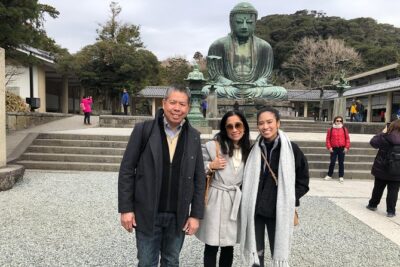
Kotoku-in is scheduled as a 30-minute guided visit, and that timing is intentional. You don’t need hours to feel the scale of what’s here, especially with the Great Buddha at the center of the experience.
This is one of those “stand in front of it and let it hit you” moments. A shorter visit can actually be an advantage: you get the emotional and visual impact without losing the rest of your day to crowd cycles and extra detours.
Guidance is helpful because you’re not just photographing. You’re learning what the site is and why it matters in the Kamakura setting. With a guide, the Great Buddha feels less like a landmark and more like a piece in a larger spiritual landscape.
If your group includes people who dislike long days, Kotoku-in is a great compromise. You can keep them engaged without dragging them through an endless route.
The harbour city next door, reviewed
- Narita Airport: One Way Private Transfer to Tokyo|Yokohama Hotels★ 4.5 · 69 reviews
- Tokyo/Yokohama: Mt. Fuji and Hakone Private Day Tour★ 5.0 · 64 reviews
- Tokyo: Private One-Way Transfers to/from Yokohama Port★ 4.5 · 50 reviews
- Private Car Tour to see Highlights of Kamakura, Enoshima, Yokohama from Tokyo★ 5.0 · 48 reviews
- Private Kamakura plus Yokohama Tour – English Speaking Driver★ 4.5 · 28 reviews
Hase-dera: Kannon enshrined, gardens changing with the season
After Kotoku-in, the tour heads to Hase-dera, with about 45 minutes for visit and guided tour. This is a classic Kamakura stop because it’s associated with Kannon, and the tour highlights that it enshrines the most prestigious Kannon Buddha.
Hase-dera also links well to the “Kamakura is alive with place-specific devotion” feeling. The temple’s role isn’t generic; it’s tied to what people come to pray for and what the grounds mean. A guide helps you connect the enshrined Buddha to what you’ll see around you.
One thing to know upfront: the tour notes that each temple garden has flowers that bloom by season, so the visiting spots might be changed depending on when you go. That’s not a flaw; it’s part of what makes temple sightseeing feel like Japan instead of a theme park. Still, it does mean your exact garden views could vary.
Plan-wise, Hase-dera can mean more walking on temple grounds. Bring shoes that can handle stone steps. If you’re traveling with older adults, this is the place where you’ll want to keep an eye on pace, even though the tour is described as wheelchair accessible.
Enoshima: lunch, views of Mount Fuji, and the ukiyo-e connection
Enoshima is where the day turns coastal. After Hase-dera, you’ll have lunch (about 1 hour) on the island area. The tour notes local specialty flavors like seafood or rice and curry, and that’s exactly what makes lunch worth planning for rather than grabbing a random convenience meal.
Then you get a longer Enoshima guided segment—about 75 minutes—plus time for sightseeing and shrine areas. This is the part of the day most people remember because Enoshima is known for picturesque views, and it’s also described as being depicted in ukiyo-e, the woodblock print style that captured famous scenes.
Mount Fuji views are included as a key expectation from Enoshima. You’re not promised clear skies, of course, but you’re going to the viewpoint areas where Fuji is often visible. Even when weather is less cooperative, the island’s framing of sea and hills tends to still feel special.
Enoshima Shrine is also part of the experience, and the tour mentions shopping arcades leading to shrine areas where you can pick up accessories or small gadgets. I like this kind of stop because it gives you a chance to buy something small that doesn’t weigh you down—especially if you’re traveling with limited luggage space.
One caution: coastal viewpoints can involve steps and uneven ground. If anyone in your group struggles with mobility, you’ll want to use the guide’s judgment on where to linger versus where to move along.
Shopping arcades and small souvenirs you’ll actually use
This tour doesn’t treat shopping as an afterthought. It specifically includes time to enjoy the shopping arcades leading to Enoshima Shrine and pick up accessories or small gadgets.
That matters for two reasons. First, the arcades tend to sell practical items you might not find back in Tokyo neighborhoods. Second, small purchases fit a day trip better than big souvenirs. You’re less likely to end up with a heavy bag at drop-off.
Try to shop with a plan: decide what you want before you browse. If you’re after snacks, check what can be carried easily. If you’re after small electronics or charm-like items, Enoshima is set up for that kind of browse.
The guide can help you move efficiently, especially if your group wants to split interests—say, one person wants more tea-related ideas while another focuses on sea-themed goods. That’s where private flexibility is useful.
Food, entry fees, and timing: how to plan the day
Two important budget notes: entry fees aren’t included, and food and drinks aren’t included. Lunch is scheduled, but you’ll still be paying for what you eat. That’s not unusual in Japan, but it affects value math.
On the plus side, you’re not spending your time trying to locate a decent meal after a long morning. The tour is set up to eat locally, with seafood or rice and curry as common local specialties. That tends to be more satisfying than eating wherever is closest to a station entrance.
Timing is also built around short, guided blocks: 45 minutes for Hokoku-ji, 45 minutes for Tsurugaoka Hachimangu, 30 minutes for Kotoku-in, 45 minutes for Hase-dera, then 1 hour lunch and 75 minutes for Enoshima sightseeing and guide time. That rhythm keeps the day moving, but it also gives you enough pauses to absorb what you’re seeing.
Bring cash or a payment method you’re comfortable with, especially for temple entry fees and lunch. Also bring weather-appropriate clothing. Temple gardens and coastal areas can feel very different depending on rain, wind, or sun.
Cost and value: what $878 per group buys you
The price is listed as $878 per group, up to 12 people. For many groups, the value comes from two things: private transport and an English live guide who stays with you through the key sightseeing anchors.
If you divide it by group size, it gets easier to justify for families or small friend groups. Even for a smaller group, the value is less about “cheap per person” and more about avoiding the stress tax. This is a day trip where trains and transfers can eat time and make coordination harder—especially if you’re moving from Tokyo or Yokohama to multiple sites with different walking demands.
You’re also getting pickup included, with the driver holding a name board in the hotel lobby about 5 minutes before the scheduled pickup time. That’s a small detail, but it reduces that first-day scramble that can otherwise ruin a tight itinerary.
The only real “cost surprise” to plan for is add-ons: entry fees and food. If you budget those, the rest of the day is straightforward.
Who should book this tour, and who should skip it
I think this tour fits best if you want to see Kamakura and Enoshima with less friction. You’ll enjoy it if your group includes mixed interests—temples for some, views and shopping for others—and you don’t want to split up.
It’s also a good fit if you’re traveling with luggage or anyone who needs a smoother door-to-door rhythm. The tour is wheelchair accessible, and private routing usually makes it easier to manage pacing.
Skip it if you’re sensitive to motion. The tour explicitly says it isn’t suitable for people with motion sickness.
Also, if you’re someone who loves long, independent wandering with no guidance, a private day like this may feel structured. That said, the experience is described as flexible and designed to fit your group’s wishes, so you can often steer it toward the parts you care about most.
Should you book this Kamakura and Enoshima private tour?
Book it if you want a guided, time-efficient route that connects samurai-era spirituality and coastal Enoshima views in one day, without the planning headache. The mix of Hokoku-ji tea time, Tsurugaoka Hachimangu’s historical framing, Kotoku-in’s Great Buddha impact, Hase-dera’s Kannon focus, and the ukiyo-e-inspired Enoshima scenery is a well-balanced lineup.
Don’t book it if you’re motion-sensitive or if your group would rather spend two slow days walking and stopping wherever the mood hits. This is built for 9-hour momentum with guided anchors, plus local lunch and shopping.
If you’re deciding right now, my practical advice is simple: budget for temple entry fees and lunch, wear shoes you trust, and choose pickup location based on how easily you’ll get your whole group to the lobby. Do that, and you’ll get a day that feels full without feeling chaotic.
FAQ
What pickup locations are available for this Kamakura and Enoshima tour?
You can choose from several pickup options: Odawara, Tokyo, Yokohama, and Maihama. The tour also offers matching drop-off locations in those same areas.
How long is the tour, and are there different start times?
The duration is about 9 hours. Starting times depend on availability, so you’ll need to check what times are offered for your travel date.
Is the tour guided in English?
Yes. The live tour guide is English-speaking.
What’s included in the price?
Included are the driver-guide, transportation, and the private flexible tour. Entry fees for attractions and food and drinks are not included.
Will I have time for lunch?
Yes. Lunch is scheduled for about 1 hour at Enoshima, and local options like seafood or rice and curry are noted.
Which sites are part of the route?
The main stops include Hokoku-ji, Tsurugaoka Hachimangu, Kotoku-in (Great Buddha of Kamakura), Hase-dera, and Enoshima (including Enoshima sightseeing and Enoshima Shrine areas).
Is the tour wheelchair accessible?
Yes, it is listed as wheelchair accessible.
What should I wear or bring?
Bring comfortable shoes and weather-appropriate clothing.
What is the cancellation policy?
You can cancel up to 24 hours in advance for a full refund.
More Tour Reviews in Tokyo
- Mt Fuji and Hakone 1-Day Bus Tour Return by Bullet Train
★ 5.0 · 26,383 reviews - 1-Day Tokyo Bus Tour
★ 5.0 · 14,250 reviews - Tokyo: teamLab Planets TOKYO Digital Art Museum Entry Ticket
★ 4.6 · 9,779 reviews - Mt Fuji & Hakone Cruise, Drum Show Bullet Train 1 Day from Tokyo
★ 4.0 · 7,413 reviews - Tokyo: Shinjuku Food Tour (13 Dishes at 4 Local Eateries)
★ 5.0 · 6,603 reviews
The Harbour City Next Door, Rated
- Narita Airport: One Way Private Transfer to Tokyo|Yokohama Hotels
★ 4.5 · 69 reviews - Tokyo/Yokohama: Mt. Fuji and Hakone Private Day Tour
★ 5.0 · 64 reviews - Tokyo: Private One-Way Transfers to/from Yokohama Port
★ 4.5 · 50 reviews - Private Car Tour to see Highlights of Kamakura, Enoshima, Yokohama from Tokyo
★ 5.0 · 48 reviews - Private Kamakura plus Yokohama Tour – English Speaking Driver
★ 4.5 · 28 reviews
More Kamakura and Enoshima Days
- Tokyo: Mt. Fuji, Kamakura, Big Buddha, & Lake Ashi Day Trip
★ 4.5 · 867 reviews - Tokyo:Sea of Mount Fuji, Hakone Ropeway, Ōwakudani, Enoshima
★ 4.9 · 84 reviews - Kamakura 8 hr Private Walking Tour with Licensed Guide from Tokyo
★ 5.0 · 80 reviews - Tokyo: Kamakura & Enoshima Day Tour with Pickup & Train Ride
★ 4.1 · 61 reviews - Kamakura Private & Customizable Tour – All-in-One Experience
★ 5.0 · 49 reviews
Latest Tokyo reviews off our desk






Kamakura Day Trips, compared.
 ★ 4.5Kamakura & Enoshima Day Trip including Temple TicketsFrom $581,375 reviews
 ★ 4.5Mt. Fuji, Kamakura, Big Buddha, & Lake Ashi Day TripFrom $49867 reviews
 ★ 4.5From Tokyo: Kamakura & Enoshima 1-Day Bus TourFrom $66189 reviews
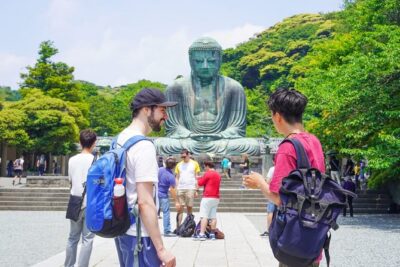 ★ 5.0Kamakura Historical Walking Tour with the Great BuddhaFrom $98129 reviews
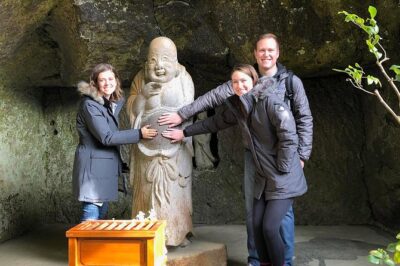 ★ 5.0Kamakura Private Tour: Temples, Nature, and the Great BuddhaFrom $98121 reviews
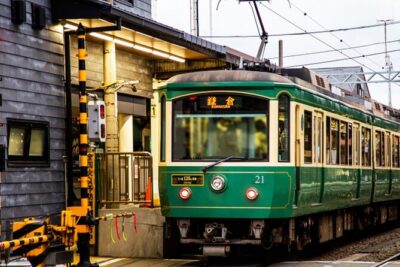 ★ 5.0Kamakura Walking Tour – The City of ShogunFrom $35100 reviews
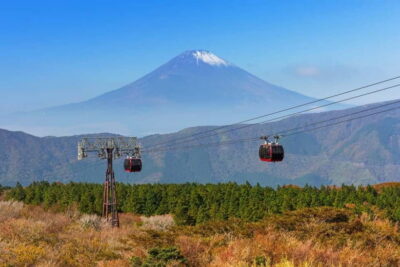 ★ 4.9Sea of Mount Fuji, Hakone Ropeway, Ōwakudani, EnoshimaFrom $5084 reviews
 ★ 5.0Kamakura 8 hr Private Walking Tour with Licensed Guide from TokyoFrom $20180 reviews
Browse the lists this tour appears in