
Reviewed · CRAFT & ARTISAN WORKSHOPS
Make Your Own Bonsai with a Professional Bonsai Artist in Tokyo
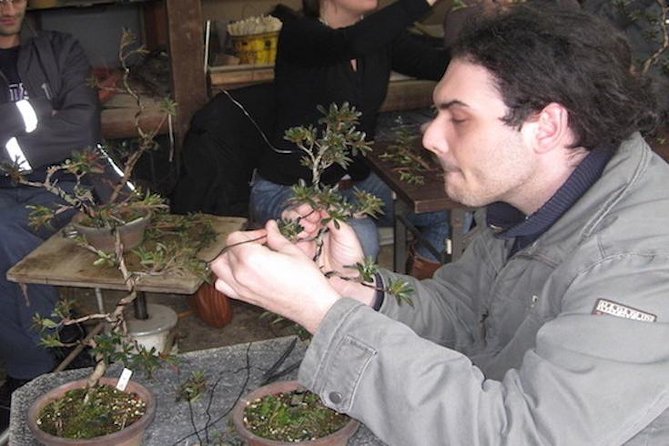
Make a bonsai in Tokyo, not a souvenir. At Shunkaen BONSAI Museum, you get hands-on small-group coaching (up to six) and translator-supported instruction while a bonsai artist guides you step by step.
Do plan for extra costs if you want your tree shipped home, since bonsai shipping fees aren’t included.
In This Review
- Key things to know before you go
- Shunkaen BONSAI Museum: where the lesson starts
- Make Your Own Bonsai: the 2-hour flow in plain terms
- Juniper wiring and shaping basics you can actually use later
- Small group size (up to 6) and translator help
- Meeting master Kunio Kobayashi and the apprentices
- Museum time: more than waiting between steps
- Bringing your bonsai home: what’s included and what costs extra
- Price and value: is $78.83 worth it?
- Getting there and fitting it into your day in Tokyo
- Who should book this bonsai workshop
- Should you book Make Your Own Bonsai at Shunkaen?
- FAQ
- How long is the bonsai-making workshop?
- How many people are in the group?
- Where is the meeting point?
- What’s included in the price?
- Are food and drinks included?
- Is bonsai shipping included?
- Will I have translation help?
- Can I cancel for a refund?
Key things to know before you go
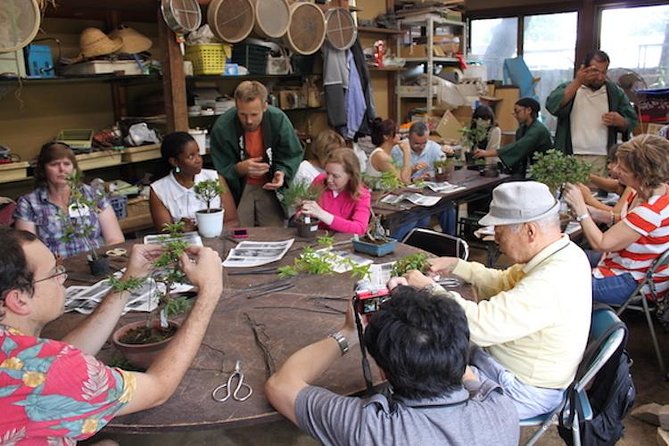
- Small group of up to 6 means real time with the instructor, not a lecture with a few questions at the end.
- Translator support helps you actually understand the what and the why behind bonsai care.
- A museum setting with serious bonsai examples lets you compare styles while you learn techniques.
- Hands-on building focuses on practical skills like shaping and wiring (often demonstrated with a juniper).
- Professional bonsai makers on site include the kind of expertise that makes the lesson feel grounded in real craft.
- Tea and a calm pace make it a nice break from Tokyo speed.
Shunkaen BONSAI Museum: where the lesson starts
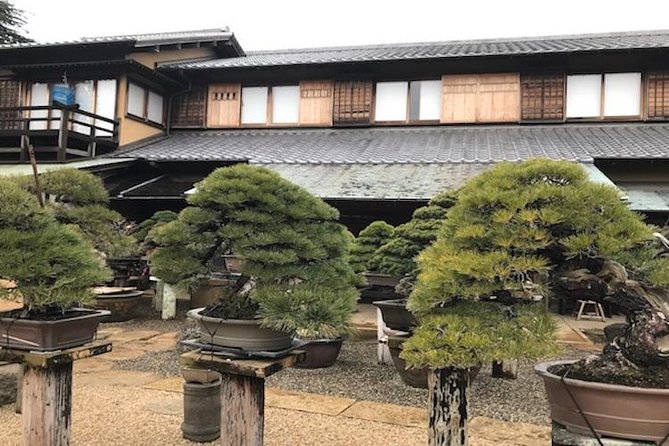
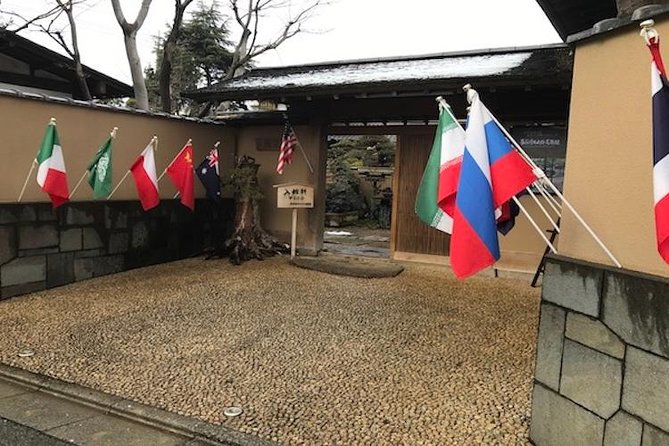
Shunkaen BONSAI Museum is in Edogawa City, which is a little off the usual “grab a train and pop out” tourist route, but it’s still easy to reach with public transport. The area around the museum feels like the right kind of quiet. You’re not just sitting in a classroom. You’re moving through a bonsai museum designed for looking, learning, and taking your time.
What I like about this setting is that it gives you context. Bonsai isn’t just trimming a plant into a shape. It’s a living art form built on patience, technique, and observation. You can see that right away because the museum grounds have lots of trees in different styles, including one described as around 1,000 years old. That kind of scale changes how you think about the work you’ll do in your own session.
One more thing: the lesson takes place alongside museum space, so you’re not stuck only doing one activity. You’re learning while you can reference real examples nearby. It’s a better way to build intuition, especially if you’re new to bonsai.
More hands-on studios our readers booked
- Tokyo Shinjuku Chopsticks Making Class
★ 5.0 · 1,763 reviews - Chopstick Making Workshop in Ginza
★ 4.8 · 1,366 reviews - Kintsugi Experience: Art of Golden Joinery in Tokyo
★ 5.0 · 467 reviews - Tokyo Chopstick Making Workshop with Artisan
★ 5.0 · 466 reviews
Make Your Own Bonsai: the 2-hour flow in plain terms
This is a compact workshop—about 2 hours total—aimed at fitting into a busy Tokyo itinerary. You’ll start at Shunkaen BONSAI Museum (1-chōme-29-16 Niihori, Edogawa City). Admission is included, and you’ll have time both for learning and for seeing the museum collection.
The session is built around a hands-on lesson with a professional bonsai artist. The structure is simple:
- You get shown what you’re making and how your tree should take shape.
- You work with guidance as you create your bonsai.
- You get help adjusting techniques as your tree develops.
- You finish with a better understanding of care basics, not just how to twist wire in the moment.
One underrated value here is that the lesson is capped at six participants. That matters in bonsai. If you’re holding wire and trying to shape a branch while someone else is waiting for help, you waste time. In a small group, you’re less likely to feel rushed, and you’re more likely to get corrections while they still matter.
Also, the workshop includes translator support. If your Japanese is limited, that’s a big deal. Bonsai care is full of small details that don’t translate well with guesswork. Having help means you’re less likely to walk away with half-understood instructions.
Juniper wiring and shaping basics you can actually use later
A common hands-on skill in these classes is learning basics of wiring—often demonstrated on a juniper. Even if your final tree doesn’t end up looking like the museum giants, you’ll still come away with key technique.
Here’s what the lesson does well: it focuses on the early steps. That’s where beginners get stuck. People tend to think bonsai is all about dramatic styling. In reality, good bonsai starts with control: positioning, gentle shaping, and understanding what you’re trying to change.
In the workshop, you’ll be shown how to get started and how to work carefully. The instructors are patient and answer questions, including practical ones. Expect explanations that connect technique to outcomes like branch placement and structure. That’s the difference between copying a shape and learning an approach.
If you’re the kind of traveler who likes a take-home skill, this fits. You won’t just leave with photos. You’ll leave with a mental checklist for what to watch next.
Small group size (up to 6) and translator help
In Tokyo, you can find lots of short cultural activities. This one stands out because the format makes the instruction understandable.
The key is the pairing of two things:
- Small-group size (max 6)
- Tailored instruction with translator support
When your group is small, the instructor can see what you’re doing wrong right away. They don’t have to manage the whole class at once. That turns your questions into something the teacher can address while your hands are still on your bonsai.
The translator element helps you connect steps to reasons. Bonsai isn’t a one-time craft. It’s maintenance. So the explanation matters as much as the action. If you’re worried you’ll feel lost because the lesson is technical, that translator support is exactly what you want.
And yes, the staff seems to keep a friendly, calm energy. Several people highlight that the team is patient and approachable, and it shows in how the session runs.
Meeting master Kunio Kobayashi and the apprentices
One of the most memorable parts of the experience is the chance to learn around real bonsai makers. Master Kunio Kobayashi is mentioned in the experience, along with apprentices who help guide the class and museum walk.
That matters because apprentices aren’t just there to supervise. They’re part of the learning environment—answering questions, sharing stories, and helping with the techniques during the hands-on time.
You also get to see how the museum staff think. They’re not treating bonsai like a product. They treat it like a craft with standards and traditions. When you meet the people behind the collection, you tend to understand the museum differently. You stop viewing it as a place to admire and start viewing it as a place where the art is practiced.
If you enjoy these maker-studio vibes, this is one of the stronger cultural experiences for that. It feels less like a performance and more like a workshop with real continuity.
- Tokyo: Shinjuku Food Tour (13 Dishes at 4 Local Eateries)★ 5.0 · 6,603 reviews
- Tokyo Mt Fuji 5th St & Hakone Cruise Bus Tour w/Bullet Train★ 4.4 · 5,024 reviews
- Flagship 2-Hours Official Street Go-Kart Tour – Tokyo Bay Shop★ 5.0 · 4,974 reviews
- From Tokyo: Mount Fuji Full-Day Sightseeing Trip★ 4.5 · 4,970 reviews
- Tokyo: Hop-On Hop-Off Sightseeing Bus Ticket★ 3.9 · 4,207 reviews
Museum time: more than waiting between steps
The museum visit isn’t filler time. You’ll get time to browse and see many bonsai examples across styles. Some of the grounds are described as having courtyard and elevated viewing areas, which means you see trees from multiple angles instead of only from one flat viewing spot.
That design helps you learn structure. Bonsai style isn’t only about trimming. It’s about how branches read from different viewpoints and how the trunk and canopy work together.
I also like that the museum gives you an atmosphere of calm. It’s a break from the fast, loud parts of Tokyo. You get your hands busy, then you get your eyes busy, then you switch back to hands-on work. That rhythm makes the time fly by.
One detail worth noting: green tea shows up as part of the experience in some cases. Even if you’re not usually a tea person, it fits the tone of the museum: slow down, look carefully, then work carefully.
Bringing your bonsai home: what’s included and what costs extra
You’ll pay for the workshop, and the admission ticket is included. The bonsai-making lesson is included too. What’s not included is the bonsai shipping fee. Transportion costs and food and drinks aren’t included either.
So your big decision is what you want to do with your finished tree:
- If you plan to keep it during your stay in Japan, you may need an extra fee for taking it with you (one person notes this option explicitly).
- If you want it shipped home, budget for shipping costs, because those aren’t covered in the class price.
This is where it helps to think like an adult with a suitcase problem. A bonsai is delicate. It may not be realistic to carry through crowds on your last day, especially if you’re bouncing between multiple cities. If shipping is part of your plan, check how your schedule works before you buy train tickets for the rest of the trip.
Also remember: the workshop is only about two hours. So treat it as a first step toward care, not as a finish-line product. You’ll want to be ready to follow care guidance afterward.
Price and value: is $78.83 worth it?
At about $78.83 per person, this workshop isn’t the cheapest thing you can do in Tokyo. But it’s also not trying to be a “sit and watch” experience.
You’re paying for:
- A professional artist-led lesson
- Translator-supported instruction
- Small-group attention (up to six people)
- A museum entry component included in the session
When the class is small and guided, that cost usually makes sense because your time is protected. You’re not waiting for the instructor to cycle through a big group. You’re also not left to interpret care tips on your own.
Where the value can dip is if you’re not planning to pay any extra fees for shipping or carrying the tree. If you end up with additional costs, the all-in total can rise. Still, the technique you learn and the museum access you get can make it feel like a strong cultural activity rather than a one-off souvenir stop.
My practical take: this is a great buy if you want a hands-on skill and a calm museum experience. If you want only photos and minimal cleanup, you may find it too hands-on.
Getting there and fitting it into your day in Tokyo
The museum is near public transportation, which is exactly what you want in Tokyo. You shouldn’t have to wrestle with complicated logistics to reach it.
That said, it’s in Edogawa City, not right in the thick-center tourist zones. Plan a bit of travel time. The upside is that you’ll often trade central congestion for a quieter setting.
The workshop involves a moderate amount of movement. You’ll be on your feet in the museum area and participating in the class, so wear clothes that let you move comfortably. Closed-toe shoes help too, because you’ll likely spend time handling materials and working at a table or bench.
Timing-wise, it’s built for a busy itinerary. Two hours is long enough to learn and make something, but short enough to still see other Tokyo sights afterward.
Who should book this bonsai workshop
This experience fits best if you are one of these people:
- You like practical workshops where you do real work with your hands.
- You want Japanese culture through a craft, not just through performances or temples.
- You enjoy plant-related learning and you’re curious about care and technique.
- You appreciate a quiet, museum setting with real makers on site.
- You want a small-group class so you can ask questions without shouting over other people.
It may be less ideal if:
- You want a quick photo stop and zero hands-on crafting.
- You’re unwilling to think about extra costs if you want the tree shipped or taken home.
- You prefer very structured step-by-step instruction with no museum browsing time at all. This class mixes making plus viewing.
Should you book Make Your Own Bonsai at Shunkaen?
Yes—if you want a real maker-style experience and you like the idea of learning from bonsai artists and apprentices in a museum setting. The small group size and translator-supported coaching make it feel approachable, even if you’ve never touched bonsai wire before. Add in the chance to encounter master Kunio Kobayashi and the long-view perspective of the museum collection, and you get more than a craft souvenir.
Skip it only if you’re mainly chasing convenience and low cost with no follow-up. The workshop is short, but bonsai isn’t a one-and-done hobby. It’s a living project, and the value comes from that mindset.
If you book it, treat it like a skill lesson. Take your questions seriously. Then enjoy the calm after you finish shaping your own little piece of living art.
FAQ
How long is the bonsai-making workshop?
It lasts about 2 hours.
How many people are in the group?
The experience is limited to a maximum of 6 travelers.
Where is the meeting point?
Meet at Shunkaen Bonsai Museum, 1-chōme-29-16 Niihori, Edogawa City, Tokyo 132-0001, Japan.
What’s included in the price?
The bonsai making lesson is included, and an admission ticket to the museum is included.
Are food and drinks included?
No. Food and drinks are not included.
Is bonsai shipping included?
No. Bonsai shipping fees are not included.
Will I have translation help?
Instruction is tailored with the help of a translator, and an assistant is included if you select that option.
Can I cancel for a refund?
Yes. You can cancel for a full refund up to 24 hours before the experience’s start time. Free cancellation is available, and confirmation is not needed to cancel within that window.
More Tour Reviews in Tokyo
- Mt Fuji and Hakone 1-Day Bus Tour Return by Bullet Train
★ 5.0 · 26,383 reviews - 1-Day Tokyo Bus Tour
★ 5.0 · 14,250 reviews - Tokyo: teamLab Planets TOKYO Digital Art Museum Entry Ticket
★ 4.6 · 9,779 reviews - Mt Fuji & Hakone Cruise, Drum Show Bullet Train 1 Day from Tokyo
★ 4.0 · 7,413 reviews - Tokyo: Shinjuku Food Tour (13 Dishes at 4 Local Eateries)
★ 5.0 · 6,603 reviews
More Artisan Workshops in Tokyo
- Tokyo Shinjuku Chopsticks Making Class
★ 5.0 · 1,763 reviews - Chopstick Making Workshop in Ginza
★ 4.8 · 1,366 reviews - Kintsugi Experience: Art of Golden Joinery in Tokyo
★ 5.0 · 467 reviews - Tokyo Chopstick Making Workshop with Artisan
★ 5.0 · 466 reviews - Tokyo: Shinjuku Chopstick Making Class
★ 4.9 · 440 reviews
Latest Tokyo reviews off our desk




Craft & Artisan Workshops, compared.
 ★ 5.0Tokyo Shinjuku Chopsticks Making ClassFrom $201,763 reviews
 ★ 4.8Chopstick Making Workshop in GinzaFrom $251,366 reviews
 ★ 5.0Kintsugi Experience: Art of Golden Joinery in TokyoFrom $59467 reviews
 ★ 5.0Tokyo Chopstick Making Workshop with ArtisanFrom $26466 reviews
 ★ 5.0Authentic Pure Gold Kintsugi Workshop with Master Taku in TokyoFrom $142217 reviews
 ★ 5.0Calligraphy on Kanji Fan & Scroll with DrinkFrom $53210 reviews
Browse the lists this tour appears in