
Reviewed · TEA CEREMONY & MATCHA
Matcha table tea ceremony experience in Tokyo
Matcha at table beats the usual floor ritual. This table tea ceremony in Meguro lets you learn matcha prep and etiquette with Masumi Matsumoto, a Master Instructor of the Japan Table Tea Ceremony Association, without the usual floor-sitting stress.
I especially like the hands-on flow: you start by enjoying matcha and seasonal wagashi, then you make and serve your own tea with the whisk. One possible drawback is that it’s a short, 2-hour group class, so you’ll want to practice after if you want technique to stick fast.
In This Review
- Key things to know before you go
- Table Tea Ceremony in Meguro: why chair seating matters
- Meet Masumi Matsumoto and learn what table etiquette really means
- The first half: matcha tasting plus seasonal wagashi
- The hands-on second half: whisk technique you can repeat at home
- What’s included (and why it feels fair for the price)
- Getting there in Meguro: logistics that don’t waste time
- Who should book this tea ceremony (and who might skip it)
- What to expect from the atmosphere (it’s not a stiff performance)
- Should you book the matcha table tea ceremony in Tokyo?
- FAQ
- FAQ
- How long is the matcha table tea ceremony experience?
- Where does the experience take place in Tokyo?
- How close is it to public transportation?
- How many people are in the group?
- Do I have to sit on the floor?
- What happens during the first half of the session?
- What happens during the second half?
- Is there free cancellation?
Key things to know before you go
- Chair-based table setup: you sit at a chair, not on the floor.
- Master Instructor-led: instruction is led by Masumi Matsumoto (Japan Table Tea Ceremony Association).
- Small group size (max 5): more chances to get your questions answered.
- Hands-on matcha practice: you’ll whisk and serve your own tea, not just watch.
- Seasonal sweets included: wagashi changes with the seasons.
- Easy meeting point: a 2-minute walk from Toritsudaigaku Station in Meguro-ku.
Table Tea Ceremony in Meguro: why chair seating matters
Tokyo tea ceremonies often come with two big hurdles: the formality and the floor sitting. This table tea ceremony tackles both by keeping you at a table, seated on a chair. That single choice changes the whole experience from intimidating performance to learnable skill.
Meguro-ku is also a nice pocket of Tokyo to slow down in. You’ll be near the Meguro River area, with access to Jiyugaoka (known for sweets) and Nakameguro Park. After your lesson, you can tack on a short neighborhood stroll instead of rushing to the next stop.
More tea rooms our readers rated
- Matcha Making Class in Tokyo with Authentic Japanese Sweets Set
★ 5.0 · 744 reviews - Tokyo: Traditional Tea Ceremony with a Tea Master
★ 5.0 · 528 reviews - Tokyo: Matcha Making Experience with Mochi Sweets in Asakusa
★ 4.9 · 388 reviews - Tokyo: Matcha and Kimono Experience
★ 4.7 · 219 reviews
Meet Masumi Matsumoto and learn what table etiquette really means
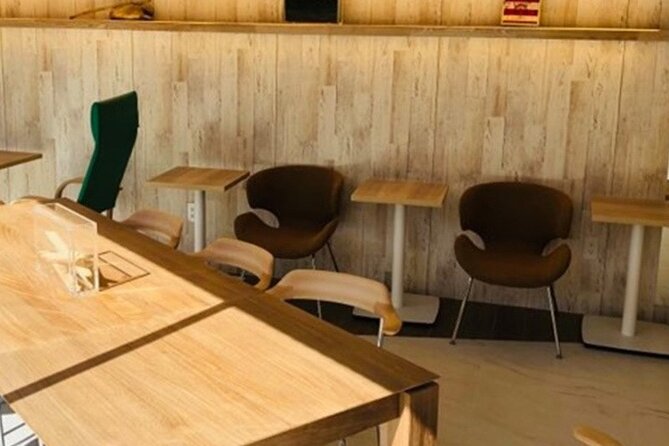
The instructor is Masumi Matsumoto, a Master Instructor with the Japan Table Tea Ceremony Association. That matters because tea ceremony is not only about ingredients. It’s about manners, attention, and the way you move through a ritual calmly and on purpose.
What I like about this format is that you don’t just get instructions. You get context: the lesson includes insight into the history of matcha and what the ceremony is trying to cultivate in daily life—how to hold the cup, how to serve, and how to behave in the tea space.
English instruction is part of the comfort factor too. The teaching is explained clearly, with a friendly approach that keeps beginners at ease while still covering the important details.
The first half: matcha tasting plus seasonal wagashi
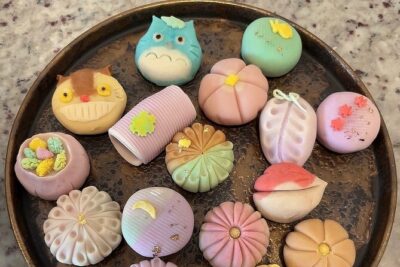
Plan on about the first half being about seeing and tasting first. Before you touch the whisk, you’ll enjoy matcha green tea and seasonal Japanese sweets prepared by the instructor. Since the wagashi changes with the seasons, your experience will reflect what’s currently offered rather than a one-size-fits-all menu.
This is a practical stage for learning. You’re not only sampling flavors; you’re also watching rhythm—how the tea room feels when people slow down, how aromas come through, and how the instructor manages pace and presentation.
If you care about understanding matcha properly, this start helps. You can taste the goal before you practice the method, which makes the later whisking lesson much easier to follow.
The hands-on second half: whisk technique you can repeat at home
Then comes the fun part: you make tea yourself.
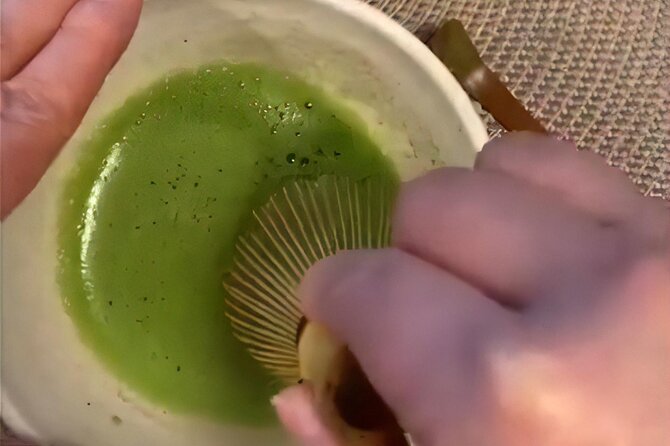
You’ll learn how to use a special matcha tea whisk, and you’ll actually experience making and serving tea. For most people, this is where the class becomes useful in real life. Once you know the basics of whisking and pouring at the right moment, you can recreate a similar cup later at home.
A good way to think about it: the lesson is not trying to turn you into a tea master by the end of 2 hours. It’s giving you a repeatable foundation. The goal is that you leave knowing what to do, what to watch for, and how your technique should feel.
I also like that the session is structured into two distinct halves. It reduces the usual confusion where you’re asked to follow steps while you’re still learning what the tea is supposed to taste like.
What’s included (and why it feels fair for the price)
This experience is $65.04 per person for about 2 hours. On paper, that number can look steep compared to buying matcha at a shop. But this class includes several value boosters:
- A master-level instructor teaching the method and manners.
- A small group (up to 5), which is rare for lessons at this price.
- You get both tasting (matcha plus wagashi) and a practical making/serving component.
- You receive teachable steps for recreating a version at home—especially the whisk technique.
There are also group discounts available, which can improve the value if you’re traveling with others. And you’ll use a mobile ticket, which makes last-minute entry smoother.
If your priority is pure sightseeing, you might feel this is too focused on one activity. If your priority is skill and culture you can take home—this holds up well.
- Tokyo: Shinjuku Food Tour (13 Dishes at 4 Local Eateries)★ 5.0 · 6,603 reviews
- Tokyo Mt Fuji 5th St & Hakone Cruise Bus Tour w/Bullet Train★ 4.4 · 5,024 reviews
- Flagship 2-Hours Official Street Go-Kart Tour – Tokyo Bay Shop★ 5.0 · 4,974 reviews
- From Tokyo: Mount Fuji Full-Day Sightseeing Trip★ 4.5 · 4,970 reviews
- Tokyo: Hop-On Hop-Off Sightseeing Bus Ticket★ 3.9 · 4,207 reviews
Getting there in Meguro: logistics that don’t waste time
You meet at 1-chōme-9-1 Nakane, Meguro City, Tokyo 152-0031, Japan, and it’s easy to reach. The experience location is described as a 2-minute walk from Toritsudaigaku Station.
That proximity matters. A class like this works best when you’re not sprinting across town trying to arrive on time. Since the tour ends back at the meeting point, you don’t have to plan complex routing afterward.
The experience is also near public transportation, and confirmation is expected within 48 hours of booking (subject to availability). If you’re planning a dense day, this helps you keep your schedule from turning into a stress test.
One more practical note: this is booked far in advance on average, so earlier planning tends to pay off.
Who should book this tea ceremony (and who might skip it)
This is a strong fit if you want something interactive that feels genuinely Japanese, but you don’t want the usual floor-sitting pressure. The chair-based table setup is the big reason, especially for anyone with limited flexibility or who simply hates the idea of sitting low for an extended period.
It’s also a good choice for families who want a structured cultural activity. In previous sessions, children have shown interest in the etiquette and spirit of the tea ceremony, and the instruction style is friendly and clear.
You might consider skipping if:
- You only want a quick photo stop and no hands-on practice.
- You prefer self-paced museum-style learning.
- You’re hoping for a long deep-detailed tea tradition course without a time limit.
What to expect from the atmosphere (it’s not a stiff performance)
A common fear with tea ceremony is that it will feel rigid. This table format feels more like a guided lesson than a formal performance. You’ll learn manners and seriousness, but the environment stays welcoming.
The ritual aspect still matters. You may notice a quiet, focused atmosphere once the tea room experience begins—along with the aroma of tea and the calm pacing of the ceremony steps. That’s not just poetic. It’s part of how you absorb the method.
And because the group is small, you’re less likely to feel like a spectator in the corner.
Should you book the matcha table tea ceremony in Tokyo?
I’d book it if you want a practical cultural skill, not just a taste. The combination of Masumi Matsumoto’s instruction, the chair-at-table setup, and the fact that you’ll whisk and serve your own tea makes this feel like more than a single drink experience.
Skip it if you’re purely chasing a bargain or you only want sightseeing. At $65.04 and about 2 hours, it’s best for people who value learning-by-doing.
FAQ
FAQ
How long is the matcha table tea ceremony experience?
It lasts about 2 hours.
Where does the experience take place in Tokyo?
It’s in Meguro-ku, Tokyo. The meeting point is 1-chōme-9-1 Nakane, Meguro City, Tokyo 152-0031, Japan.
How close is it to public transportation?
It’s described as a 2-minute walk from Toritsudaigaku Station.
How many people are in the group?
The experience has a maximum of 5 travelers.
Do I have to sit on the floor?
No. This is a table tea ceremony where you sit on a chair, not on the floor.
What happens during the first half of the session?
You’ll get an explanation of how to enjoy tea, and you’ll enjoy matcha green tea with seasonal Japanese sweets prepared by the instructor.
What happens during the second half?
You’ll make and serve tea yourself using a tea whisk.
Is there free cancellation?
Yes. You can cancel for a full refund up to 24 hours in advance of the start time.
More Tour Reviews in Tokyo
- Mt Fuji and Hakone 1-Day Bus Tour Return by Bullet Train
★ 5.0 · 26,383 reviews - 1-Day Tokyo Bus Tour
★ 5.0 · 14,250 reviews - Tokyo: teamLab Planets TOKYO Digital Art Museum Entry Ticket
★ 4.6 · 9,779 reviews - Mt Fuji & Hakone Cruise, Drum Show Bullet Train 1 Day from Tokyo
★ 4.0 · 7,413 reviews - Tokyo: Shinjuku Food Tour (13 Dishes at 4 Local Eateries)
★ 5.0 · 6,603 reviews
More Tea and Matcha Rooms
- Matcha Making Class in Tokyo with Authentic Japanese Sweets Set
★ 5.0 · 744 reviews - Tokyo: Traditional Tea Ceremony with a Tea Master
★ 5.0 · 528 reviews - Tokyo: Matcha Making Experience with Mochi Sweets in Asakusa
★ 4.9 · 388 reviews - Tokyo: Matcha and Kimono Experience
★ 4.7 · 219 reviews - Tea Ceremony Workshop in Tokyo by the Experienced Instrucor
★ 5.0 · 189 reviews
Latest Tokyo reviews off our desk






Tea Ceremony & Matcha, compared.
 ★ 5.0Matcha Making Class in Tokyo with Authentic Japanese Sweets SetFrom $21744 reviews
 ★ 5.0Traditional Tea Ceremony with a Tea MasterFrom $38528 reviews
 ★ 4.9Matcha Making Experience with Mochi Sweets in AsakusaFrom $22388 reviews
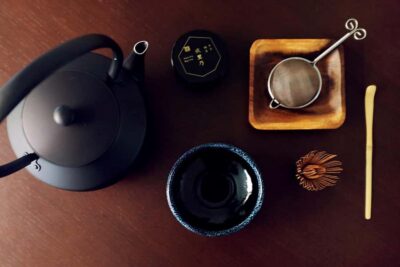 ★ 4.7Matcha and Kimono ExperienceFrom $57219 reviews
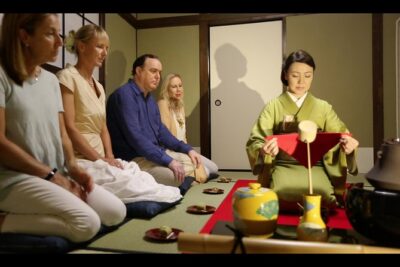 ★ 5.0Tea Ceremony Workshop in Tokyo by the Experienced InstrucorFrom $38189 reviews
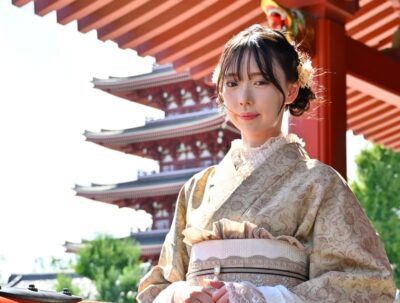 ★ 4.9Asakusa Kimono Dressing and Matcha ExperienceFrom $56173 reviews
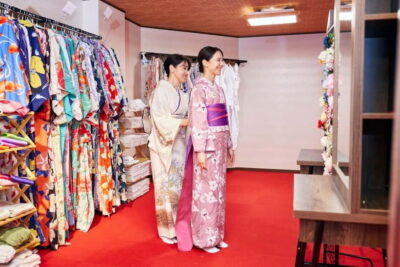 ★ 4.9Asakusa: Kimono Tea Ceremony with Matcha and SweetFrom $66153 reviews
 ★ 5.0Make Traditional Nerikiri Sweets & Matcha experience in ShibuyaFrom $60130 reviews
Browse the lists this tour appears in