
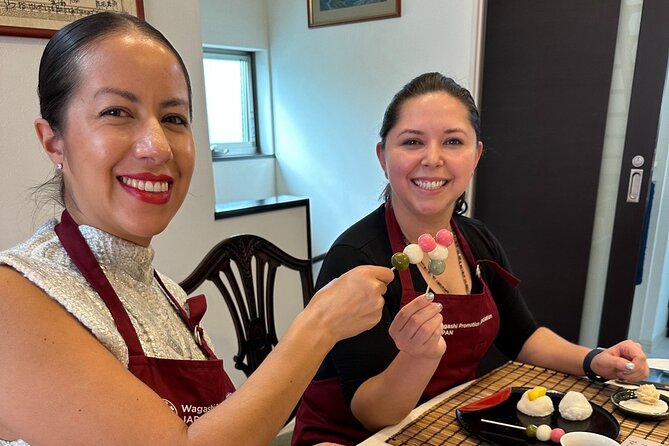
Reviewed · WORKSHOPS
Mochi Sweets Making Class in Tokyo
Mochi tastes better when you make it. This Mochi Sweets Making Class in Tokyo turns a cloudy food-memory into something you can actually repeat, with a hands-on lesson in mochi dough and several classic sweets taught in a cozy private residence.
I like that you get real step-by-step practice, plus a clear downloadable recipe so your kitchen can continue the fun after Tokyo. I also like how much of the lesson is about mochi’s place in Japanese tradition, not just the cooking steps.
One thing to consider: there are two short hair cats in the home, and they stay in the bedroom during the lesson. If you have a strong cat allergy, I would skip this one.
In This Review
- Key Highlights You’ll Actually Feel During the Class
- Why This Tokyo Mochi Class Feels Different From a Typical Food Activity
- The Private Residence Setting in Ota City (and Why It Matters)
- Your Mochi Menu: What You Learn to Make Step by Step
- Strawberry Daifuku (Plus Seasonal Fruit Substitutions)
- Dango Skewers: Several Flavors, One Shaping Challenge
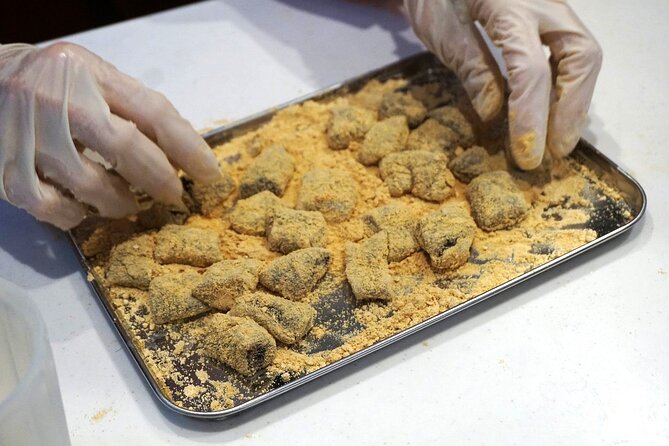
- Warabi-mochi: The Light, Slippery Feel You Associate With Japanese Sweets
- Isobe-mochi: A Clever Classic Linked to Japanese Celebrations
- The Tea Break and Take-Home Box: The Part You’ll Appreciate Later
- What the Downloadable Recipes Actually Help You Do
- Learning Mochi Culture, Not Just Mochi Shapes
- Timing, Meeting Point, and How to Pair It With Local Tokyo Life
- Price and Value: Is $75.12 Worth It?
- Who Should Book This Mochi Sweets Making Class in Tokyo
- Should You Book This Mochi Making Class in Tokyo?
- FAQ
- How long is the Mochi Sweets Making Class?
- How much does the class cost?
- What sweets will I learn to make?
- Do I need to bring anything?
- Is the class vegetarian or vegan-friendly?
- Will I get to taste what I make?
- Do I get photos or videos?
- Where does the class meet?
- Can I cancel for a full refund?
- Are there pets in the home?
Key Highlights You’ll Actually Feel During the Class
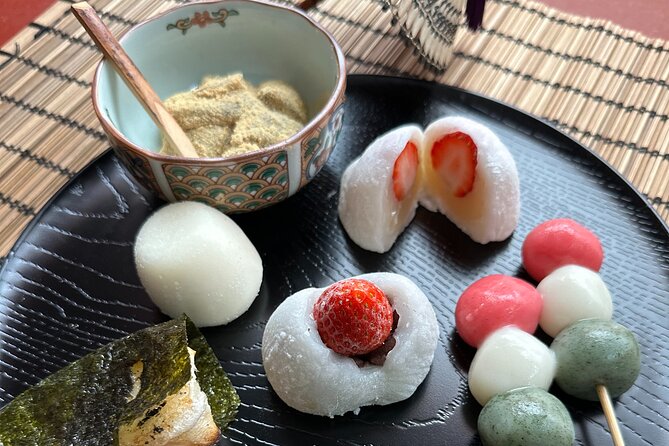
- Multiple mochi styles in one session: daifuku, dango (on skewers), warabi-mochi, and isobe-mochi
- Plant-based approach with vegan options: ingredients are plant-based and easier to source later
- Satoko runs it step-by-step in a relaxed home kitchen, with a pace that fits you
- You taste what you make with Japanese green tea or hojicha, and you get to take more home
- Photos and videos as a keepsake from the class, plus a small gift souvenir
Why This Tokyo Mochi Class Feels Different From a Typical Food Activity
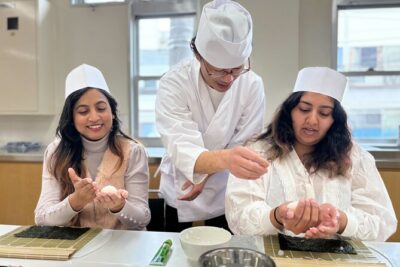
A lot of Tokyo food experiences are mostly watching. This one is mostly doing. In about 1 hour 30 minutes, you’ll work with glutinous rice flour mochi and shape several Japanese sweets, then sit down to taste your creations with tea.
Another reason it works is the balance. You get practical technique (so the mochi doesn’t turn into chewy stress), plus context about why mochi matters in Japan. That cultural angle isn’t extra fluff. It helps you understand what you’re making and how Japanese people eat it.
Readers also shortlisted these Tokyo bookings:
- Matcha Making Class in Tokyo with Authentic Japanese Sweets Set
★ 5.0 · 744 reviews - Tokyo: Matcha Making Experience with Mochi Sweets in Asakusa
★ 4.9 · 388 reviews - Make Traditional Nerikiri Sweets & Matcha experience in Shibuya
★ 5.0 · 130 reviews - Private Mochi Sweets Making class near Shibuya area
★ 5.0 · 93 reviews
The Private Residence Setting in Ota City (and Why It Matters)
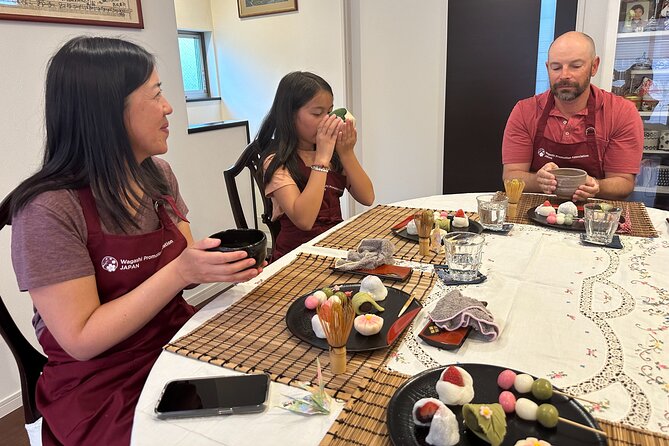
The class happens in a private residence in Ota City, in a quiet residential neighborhood. It’s about 15 minutes by train or car from central Tokyo, so you’re not stuck on a long commute just to do something special.
This home setting changes the vibe. You’re not herded through stations. You’re in a relaxed space where you can learn at your pace, and you’re part of a smaller group only (your group participates).
You’ll also get portrait photos and videos taken during the class. That’s a nice bonus if you want more than just a plate of sweets and a vague memory.
Your Mochi Menu: What You Learn to Make Step by Step
The lesson teaches you mochi using glutinous rice flour. From there, you’ll build a menu of classic sweets. Here’s what’s included and what it means in real terms.
Strawberry Daifuku (Plus Seasonal Fruit Substitutions)
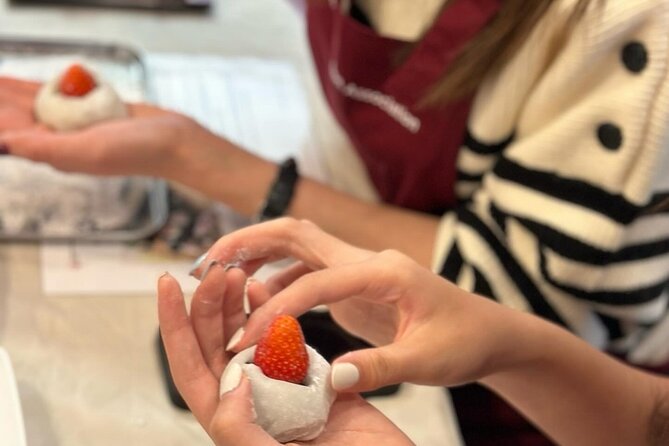
You’ll make strawberry daifuku as the base plan. If strawberries aren’t in season, you’ll use other fruits such as pineapple or kiwi. That matters because it keeps the class realistic while still giving you the daifuku experience.
Daifuku is a great first win because it forces you to handle mochi dough and form it around a filling. It’s also something you’ll recognize when you see it later in shops and depachikas.
Dango Skewers: Several Flavors, One Shaping Challenge
You’ll also make several flavors of dango, the mochi-like balls served on skewers. Dango is simpler than it looks, but it still requires consistency—rolling and shaping so the pieces cook and eat well.
This section is a good part of the class if you want immediate progress. You’ll see results fast, and it feels very doable even if you’ve never cooked Japanese sweets before.
Readers also shortlisted these Tokyo bookings:
- Sushi Making Tokyo Roll and Authentic Japanese Sushi Class★ 5.0 · 3,971 reviews
- Tokyo: Roll and Authentic Sushi Making Class in Asakusa★ 4.9 · 1,957 reviews
- Tokyo Shinjuku Chopsticks Making Class★ 5.0 · 1,763 reviews
- Tokyo: Sushi Making Class in a Happi Coat near a Famous Spot★ 4.9 · 1,377 reviews
- Chopstick Making Workshop in Ginza★ 4.8 · 1,366 reviews
Warabi-mochi: The Light, Slippery Feel You Associate With Japanese Sweets
You’ll make warabi-mochi too. This is the style many people picture when they think of a jelly-like mochi texture. It’s also a reminder that “mochi” isn’t only one thing in Japan.
In practical terms, warabi-mochi teaches you a different handling and expectation of texture than daifuku. That variety is one of the reasons the class gets such strong ratings.
Isobe-mochi: A Clever Classic Linked to Japanese Celebrations
You’ll make isobe-mochi as well. This gives you a broader view of mochi beyond the most common tourist-friendly versions.
The lesson also covers different ways to eat mochi, so you’re not just making shapes. You’re learning how these sweets fit Japanese habits and occasions.
The Tea Break and Take-Home Box: The Part You’ll Appreciate Later
After you cook, you taste everything. You’ll have your mochi creations along with Japanese green tea or hojicha (roasted green tea). This pairing is more than tradition for tradition’s sake. The tea helps reset your palate between different textures and flavors.
You can also take your sweets home in a special box. That matters if you want to share, or if you want a second round after you get back to your hotel and realize you actually did cook enough for more than one person.
What the Downloadable Recipes Actually Help You Do
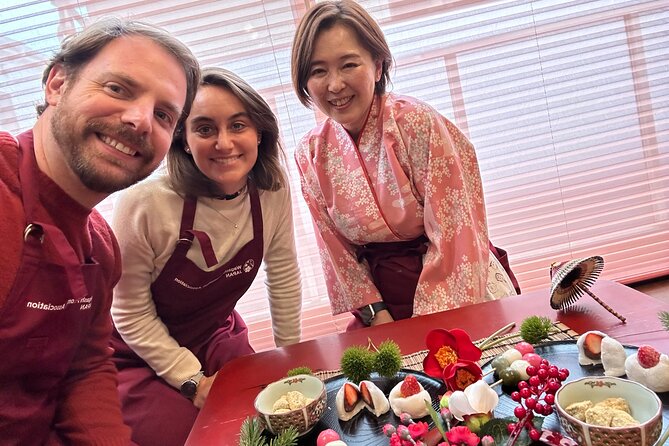
One of the best parts of this class is that you don’t leave with only photos. The recipe is downloadable, and the class is designed so you can recreate it afterward for family and friends.
That’s where the plant-based approach becomes a practical advantage. The ingredients are described as plant-based and easily available in your own country, and vegan options are available. Even if you don’t cook every week, the ingredient list being familiar makes it easier to try again at home.
You’ll also get a downloadable mochi-ice cream recipe. So if you like the idea of mixing classic Japanese textures with something modern and fun, you have a next step ready.
Learning Mochi Culture, Not Just Mochi Shapes
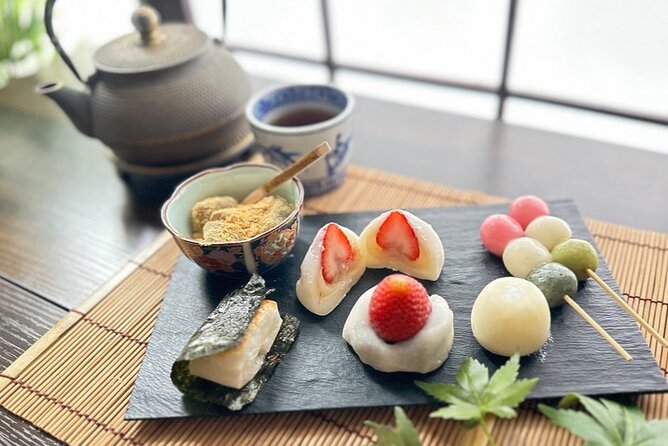
This class includes an introduction to the history of mochi and how it’s connected to Japanese tradition. You’ll also learn various ways to eat mochi.
Why that’s valuable: when you understand the role of mochi in Japanese life, you’ll “read” the sweets better when you see them in shops and festivals. You’ll also know what to aim for when you remake them, because you’re not guessing what the texture and flavor are supposed to represent.
Timing, Meeting Point, and How to Pair It With Local Tokyo Life
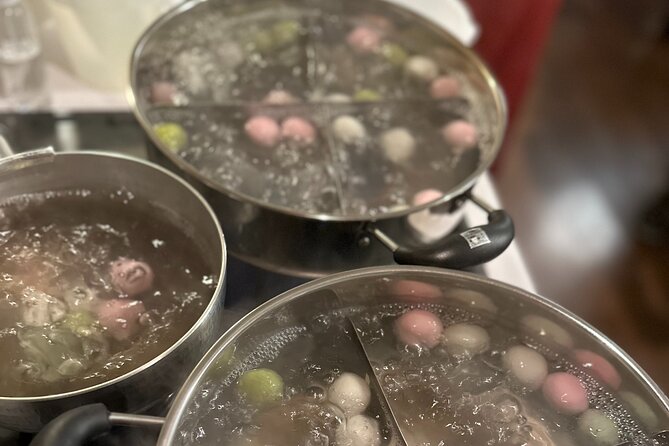
The class runs about 1 hour 30 minutes and ends back at the meeting point. You meet at 20-15 Kitaminemachi, Ota City, Tokyo 145-0073, Japan.
It’s near public transportation, and the location is about 15 minutes from central Tokyo. That short distance is handy. You can fit the class into a morning or early afternoon without losing half a day to transit.
The best part is what you can do around it. Because you’re in a residential neighborhood, you can explore local shops, supermarkets, cafes, a shrine, and a famous public bath before or after your lesson. This is one of those activities that helps you feel daily Japan, not only headline Japan.
Price and Value: Is $75.12 Worth It?
At $75.12 per person, this class isn’t a bargain-bin snack workshop. But it also isn’t just one sweet and a quick demo.
You’re paying for:
- Hands-on instruction making multiple styles of mochi sweets
- Tea tasting with Japanese green tea or hojicha
- Takeaway box so you’re not limited to what fits on-site
- Free rental items like an apron, hand towel, and special wagashi tools
- Photo and video portraits from the class
- A guide plus cultural context about mochi
Add in that there are group discounts and a mobile ticket option, and the overall value becomes easier to see. Also, the class is described as solo and family friendly, so you’re not paying extra for the lesson to be “worth it” in a group-only way.
If you’re the type of traveler who likes to bring skills home (not just souvenirs), this price starts to make sense fast.
Who Should Book This Mochi Sweets Making Class in Tokyo
This is a strong fit if you want a hands-on wagashi experience in Tokyo and you care about learning the method, not only eating the result.
You’ll likely feel at home if you:
- Want to make more than one mochi style in a single session
- Enjoy cooking lessons where you can go step-by-step at your pace
- Prefer activities with cultural context attached to the food
- Need plant-based meals and want vegan options available
It may be a bad fit if:
- You have a strong cat allergy. Two short hair cats are in the home, staying in the bedroom during the lesson.
From the way the class is described, it also works well for families and solo visitors. If you’re traveling with kids, the step-by-step pace is the kind of structure that helps people stay calm and interested.
Should You Book This Mochi Making Class in Tokyo?
I’d book it if you want a Tokyo food experience that gives you technique, variety, and something tangible to take home. The combo of hands-on mochi making, tasting with tea, downloadable recipes, and photos/videos makes it more complete than a lot of dessert-focused classes.
I would pause and reconsider only if cat allergies are an issue for you or if you’re looking for something purely sightseeing-focused with minimal kitchen time.
If you’re on the fence, think of it like this: you’re not just eating mochi in Tokyo. You’re learning how to make it so it can follow you back home.
FAQ
How long is the Mochi Sweets Making Class?
The class lasts about 1 hour 30 minutes.
How much does the class cost?
The price is $75.12 per person.
What sweets will I learn to make?
You’ll learn how to make strawberry daifuku (or other fruits when strawberries are not in season), several flavors of dango (mochi balls on skewers), warabi-mochi, and isobe-mochi. You’ll also be able to download a mochi-ice cream recipe.
Do I need to bring anything?
No. You don’t need to bring anything, and everything is provided for the lesson.
Is the class vegetarian or vegan-friendly?
Yes. The menu is made from plant-based products, and vegan options are available.
Will I get to taste what I make?
Yes. After the lesson, you’ll taste your creations with Japanese green tea or hojicha, and you can take them with you in a special box.
Do I get photos or videos?
Yes. Portrait photos and videos are taken during the class.
Where does the class meet?
The start meeting point is 20-15 Kitaminemachi, Ota City, Tokyo 145-0073, Japan. The activity ends back at the meeting point.
Can I cancel for a full refund?
Yes. There is free cancellation, and you can cancel up to 24 hours in advance for a full refund.
Are there pets in the home?
Yes. There are two short hair cats, and they stay in the bedroom during a lesson. If you have strong cat allergies, this may not be a good fit.
More Workshops in Tokyo
- Sushi Making Tokyo Roll and Authentic Japanese Sushi Class
★ 5.0 · 3,971 reviews - Tokyo: Roll and Authentic Sushi Making Class in Asakusa
★ 4.9 · 1,957 reviews - Tokyo Shinjuku Chopsticks Making Class
★ 5.0 · 1,763 reviews - Tokyo: Sushi Making Class in a Happi Coat near a Famous Spot
★ 4.9 · 1,377 reviews - Chopstick Making Workshop in Ginza
★ 4.8 · 1,366 reviews
More Dessert Tours in Tokyo
- Matcha Making Class in Tokyo with Authentic Japanese Sweets Set
★ 5.0 · 744 reviews - Tokyo: Matcha Making Experience with Mochi Sweets in Asakusa
★ 4.9 · 388 reviews - Make Traditional Nerikiri Sweets & Matcha experience in Shibuya
★ 5.0 · 130 reviews - Private Mochi Sweets Making class near Shibuya area
★ 5.0 · 93 reviews - Japanese Traditional Sweets making and Tea Ceremony
★ 4.7 · 50 reviews
More Tour Reviews in Tokyo
- Mt Fuji and Hakone 1-Day Bus Tour Return by Bullet Train
★ 5.0 · 26,383 reviews - 1-Day Tokyo Bus Tour
★ 5.0 · 14,250 reviews - Tokyo: teamLab Planets TOKYO Digital Art Museum Entry Ticket
★ 4.6 · 9,779 reviews - Mt Fuji & Hakone Cruise, Drum Show Bullet Train 1 Day from Tokyo
★ 4.0 · 7,413 reviews - Tokyo: Shinjuku Food Tour (13 Dishes at 4 Local Eateries)
★ 5.0 · 6,603 reviews
Latest Tokyo reviews off our desk






Workshops, compared.
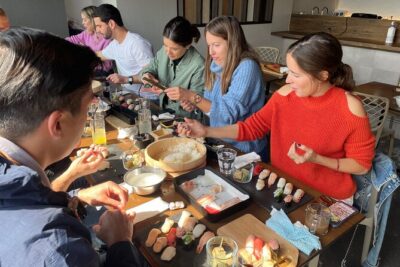 ★ 5.0Sushi Making Tokyo Roll and Authentic Japanese Sushi ClassFrom $593,971 reviews
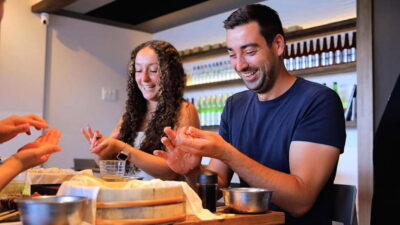 ★ 4.9Roll and Authentic Sushi Making Class in AsakusaFrom $581,957 reviews
 ★ 5.0Tokyo Shinjuku Chopsticks Making ClassFrom $201,763 reviews
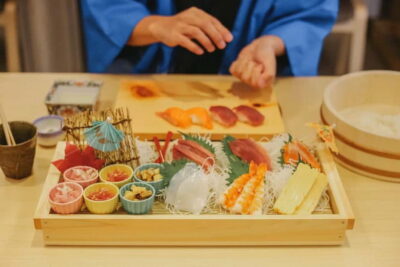 ★ 4.9Sushi Making Class in a Happi Coat near a Famous SpotFrom $421,377 reviews
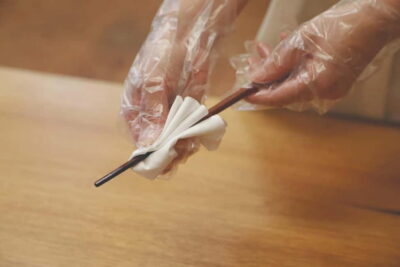 ★ 4.8Chopstick Making Workshop in GinzaFrom $251,366 reviews
 ★ 5.0Tokyo Sushi Making Class in Tsukiji with Professional ChefFrom $491,177 reviews
 ★ 5.0Ramen & Gyoza Cooking Class in Tokyo with Local Supermarket VisitFrom $122823 reviews
 ★ 5.0Matcha Making Class in Tokyo with Authentic Japanese Sweets SetFrom $21744 reviews
Browse the lists this tour appears in