
Reviewed · SUMO TOURNAMENTS & SHOWS
Morning Sumo Practice Viewing in Tokyo
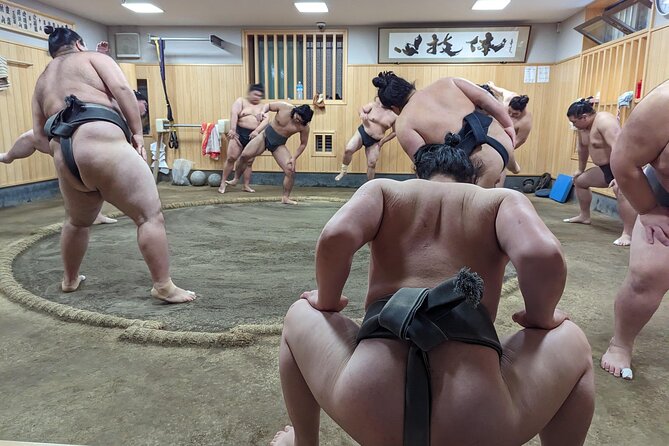
Sumo is better when you see it up close. This early morning Tokyo experience gets you into a working stable for real practice, with an English guide explaining the sport and its Shinto roots. You’ll start around Tokyo Skytree and end at Naruto-beya in Sumida, so it’s also a smart way to see parts of the city with one ticket.
I especially like the stable access. It’s the kind of thing that’s hard to arrange on your own, and your ticket includes donations to the stable as part of the visit. You also get guided attention that keeps you from feeling lost while the action moves fast.
The main drawback is simple: you’ll sit on the floor on cushions. Expect about 2 hours of floor seating with no chairs, and the stable area is not set up like a normal sightseeing stop.
In This Review
- Key takeaways before you go
- Why this 7:30 a.m. sumo session is worth the early start
- From Tokyo Skytree to sumo rules: your morning gets organized fast
- Inside the stable: what you’re really signing up for
- What you’ll likely see during practice
- Photos with wrestlers: what to expect without getting your hopes too high
- Chanko nabe lunch: why the meal matters here
- Guides, etiquette, and how to make the most of the hour-by-hour plan
- Price and value: is $99.08 a fair deal?
- Who should book this morning sumo practice tour?
- Should you book this morning sumo practice tour?
- FAQ
- How long is the morning sumo practice viewing experience?
- Where do I meet, and where does the tour end?
- What is the price per person?
- Is there lunch included?
- Do I need to sit on the floor during the stable viewing?
- Are photo opportunities included?
- Is the tour only in English?
- How big is the group?
- What happens if the weather is bad?
Key takeaways before you go
- Naruto-beya stable viewing in Sumida: you watch morning practice up close, then your tour ends at the stable.
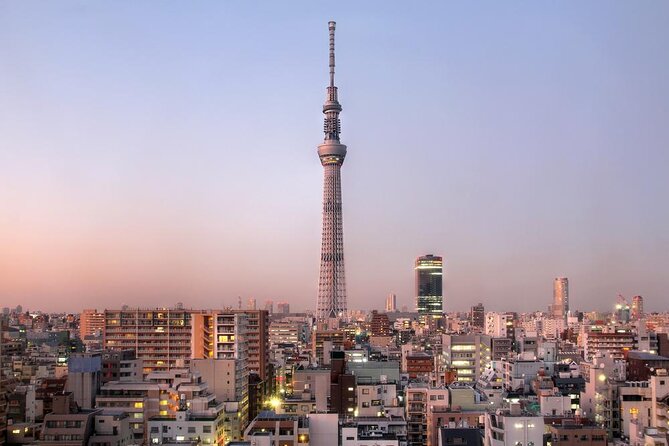
- SkyTree orientation first: start at Tokyo Skytree Station for a briefing and free tower admission before you watch practice.
- English guidance from local certified experts: recent sessions have been led by guides including JOJI, Dawn, Jeff, and Aki.
- Donations and chanko nabe are part of the ticket: you’ll support the stable and refuel with a traditional meal afterward.
- Small group, floor seating: max 10 people, no chairs—plan for about 2 hours sitting on cushions.
Why this 7:30 a.m. sumo session is worth the early start
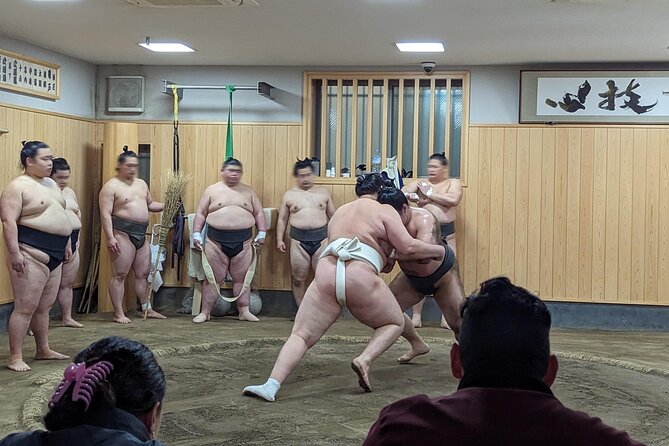
This tour is built around a simple idea: if you want to understand sumo, you should watch it when it’s still getting warmed up. The practice is the real work, not a performance staged for visitors. And because you’re in a stable (not a distant viewing spot), you get a clearer sense of the routine and respect that holds the whole sport together.
Starting at 7:30 a.m. also changes the mood. Tokyo is quieter in the morning, and you move through Sumida with a calmer pace than you would later in the day. Plus, morning access to a stable is one of those rare chances you usually can’t replicate without insider coordination.
The experience runs about 3 hours overall, which is a nice time-box for an early activity. You’re not committing your whole day, and you’re still getting a full taste of stable life plus a traditional meal at the end.
Other ringside bookings readers scored
- Tokyo: Sumo Show and Dining Experience
★ 4.8 · 2,742 reviews - the SUMO show
★ 5.0 · 1,960 reviews - Tokyo Shinjuku Sumo Show & Experience with Photo
★ 5.0 · 1,750 reviews - Tokyo: Sumo Show and Experience in Shinjuku
★ 4.8 · 1,001 reviews
From Tokyo Skytree to sumo rules: your morning gets organized fast
You meet at Tokyo Skytree Station (Oshiage) and begin with a short stop that sets you up for what you’re about to see. Tokyo Skytree itself is included as a free admission stop, and the guide uses the time to get your bearings.
This is more useful than it sounds. Watching sumo practice without context can turn into a blur of bodies and movement. Before you sit down at the stable, you get a quick briefing on the simple rules and what to look for. The goal is to help you spot the purpose behind the training: warming up, engaging in practice bouts, and working on form and timing.
One extra benefit here is that the SkyTree portion is not just a photo break. It’s your chance to learn the basics first, then return to the stable with eyes that actually know what they’re seeing. If you like sports and want to understand the culture behind them, this start makes the whole morning feel more “connected” than random sightseeing.
Inside the stable: what you’re really signing up for
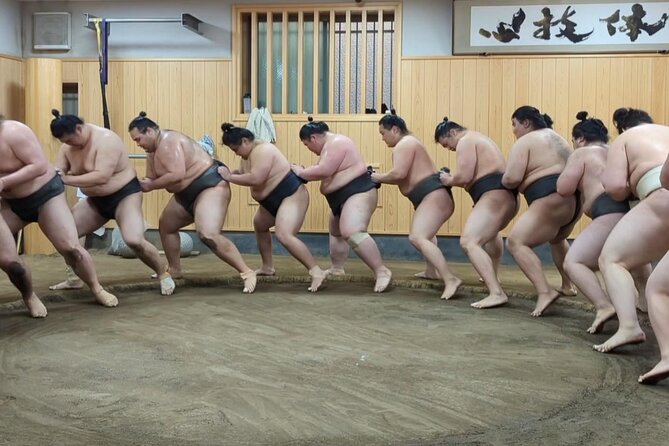
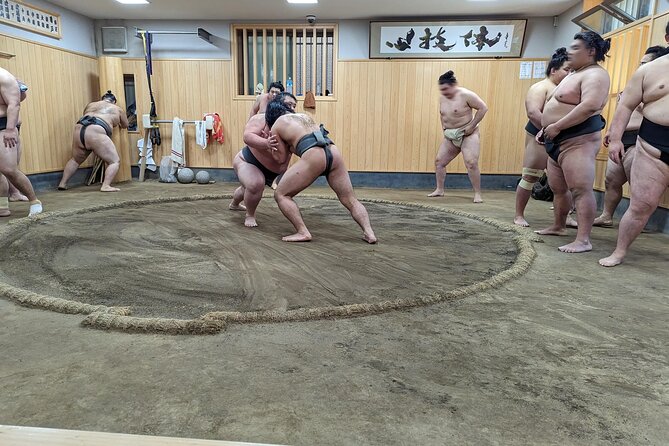
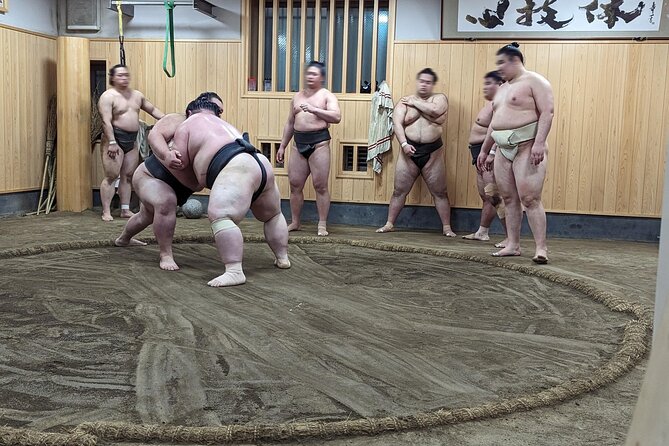
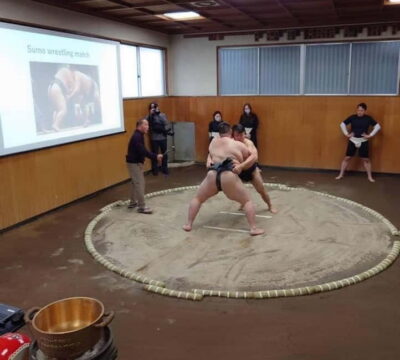
The main event is the stable visit in Sumida, where you watch morning training from inside the stable for about 2 hours. This is the part you can’t easily DIY. Even if you can find the location, getting the timing and access right is another story—organized tours handle that piece.
Because you’ll be sitting on the floor with cushions (no chairs are provided), the viewing is very close and very grounded. You’re not standing in a crowd, far away behind barriers. You’re positioned to see the wrestlers’ movement from near-field distance, which makes the training feel tangible.
Now, here’s the reality check: floor seating for around 2 hours is a workout in itself. If you have knee or back issues, plan for discomfort and bring your own coping strategy (think: whatever helps you sit longer). The flip side is that the closeness gives you a better sense of the wrestlers as athletes in routine, not distant celebrities.
Also, expect limited convenience. One important note from prior experiences is that the stable viewing area is not set up like a typical attraction, including no toilets during the stop. Go prepared so you can focus on the training without interruptions.
What you’ll likely see during practice
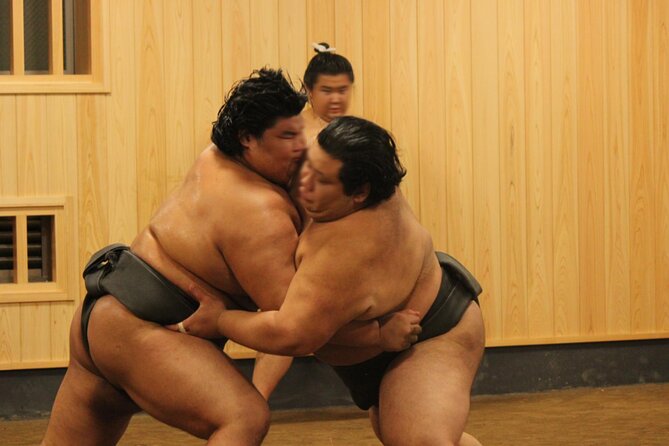
You’ll see wrestlers warming up and engaging in practice bouts. You’ll also hear about how sumo connects to older Japanese traditions, including the sport’s Shinto roots. It’s less about memorizing trivia and more about understanding the mindset: discipline, respect, and ritual all show up in the way training is conducted.
If the guide shares written material, that can make a big difference. Some sessions include handouts and profiles of the wrestlers training that morning, so you’re not just watching generic movement—you can match names and styles to what you’re seeing.
Photos with wrestlers: what to expect without getting your hopes too high
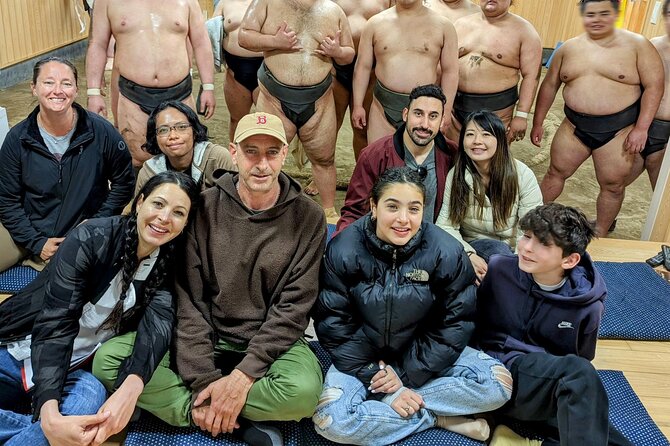
This tour often includes a photo moment. The chance is described as likely, and it usually happens as part of the stable’s welcome to visitors. That means you should bring your camera or phone fully charged and ready, but keep it flexible—stable schedules can be traditional and not always geared for photo timing.
Because you’re in a small group, photo time also tends to feel less chaotic than big attraction lines. You’re not jostling for position with a swarm of people. The structure of the visit helps keep things calm, especially when you’re already sitting close on the floor.
If you want the best odds for photos, arrive with everything ready before you’re called forward. When you’re working with early mornings and a schedule that’s tightly tied to practice, the guide’s timing matters.
Readers also shortlisted these Tokyo bookings:
- Tokyo: Sumo Morning Practice Viewing Tour★ 4.8 · 570 reviews
- Tokyo: Sumo Morning Training Visit★ 4.4 · 370 reviews
- Tokyo: Visit Sumo Morning Practice with English Guide★ 4.7 · 343 reviews
- Tokyo: Sumo Morning Practice Tour at Sumida City★ 4.8 · 308 reviews
- Tokyo Sumo Morning Practice Tour at Stable★ 5.0 · 298 reviews
Chanko nabe lunch: why the meal matters here
Many sumo experiences stop after the practice. This one keeps going. After training, you’ll refuel with chanko nabe, the traditional meal associated with wrestlers.
Chanko nabe matters because it ties sport to lifestyle. You’re not just watching athletes practice—you’re tasting part of their food culture. And since the meal is typically part of the tour package, it removes a common travel hassle: figuring out what to eat near an early stable visit.
It also makes the timing work. You spend the morning focused and watching closely, then you get fed in a way that feels connected to the morning you just had. For food lovers, this alone can justify the early start.
Guides, etiquette, and how to make the most of the hour-by-hour plan
A big reason this tour scores high is the guidance. You get English explanations from a local certified expert guide, and the instruction style is consistently described as structured and practical. In previous sessions, guides such as JOJI, Dawn, Jeff, and Aki are specifically mentioned for making the morning run smoothly and for helping people understand what’s happening as training unfolds.
You should expect the guide to do a few key things well:
- Explain the rules before the practice so you can follow along
- Set expectations about how you’re supposed to sit and watch
- Use simple, hands-on cues so you don’t feel helpless in a new environment
- Sometimes provide handouts or wrestler profiles, which helps the whole thing feel less random
Etiquette is part of sumo culture, and the guide’s job is to help you avoid accidental mistakes. Since the experience requires sitting directly on the floor on cushions, the basic respect piece is built into the format. You’re physically taking part in the stable viewing setup.
Finally, there’s a logistical upside: the group size is capped at 10 travelers. That matters for two reasons. First, it helps you hear the guide. Second, it keeps you from feeling like a number in a large crowd while you’re sitting quietly and watching close.
Price and value: is $99.08 a fair deal?
At about $99.08 per person, this isn’t the cheapest thing you can do in Tokyo. But it also isn’t priced like a standard museum ticket.
Here’s what you’re paying for that affects value:
- Stable access that’s difficult to secure on your own
- A donation included as part of the ticket
- English guiding from a local certified expert
- Free SkyTree admission as part of the morning
- A traditional meal afterward (chanko nabe)
- A small group limit that makes the experience easier to enjoy
The pricing makes sense if you want more than a quick look. You’re buying time, context, and direct access. If you’re the type who likes understanding sports culture and you’ll actually use the rules and background given by the guide, the money goes farther.
One small planning detail: this is commonly booked about 19 days in advance. If you’re traveling near peak dates, don’t wait too long. Early mornings are easier to sell out when the group size is capped.
Who should book this morning sumo practice tour?
You’ll enjoy this most if you fit at least a couple of these:
- You like sports, especially anything with deep ritual and tradition
- You want an experience in Tokyo that feels hands-on and specific, not generic
- You’re comfortable waking up early to get a real look behind the scenes
- You want an English guide who helps you understand what you’re seeing
It may be less ideal if:
- You can’t sit on the floor for about 2 hours (no chairs are provided)
- You strongly prefer a restroom-ready venue during the activity
- You need a late-morning start and are not a morning person
Also keep weather in mind. The experience requires good weather, and if it’s canceled because of poor conditions, you’ll be offered a different date or a full refund. Early-day plans work best when you pack some flexibility.
Should you book this morning sumo practice tour?
If you want one Tokyo experience that feels both authentic and practical, I’d say book it—especially for the stable access plus the simple, guided structure. The early wake-up pays off because you’re seeing training in context, not just taking photos and moving on.
The deal-breaker is usually the floor seating. If you can handle it, you’ll likely come away feeling like sumo makes more sense than it did before. If you can’t, look for an option with chairs or a different format.
In short: this is a high-value morning for sports-and-culture travelers who don’t mind doing it the traditional way—quietly, closely, and early.
FAQ
How long is the morning sumo practice viewing experience?
It runs about 3 hours (approx.).
Where do I meet, and where does the tour end?
You start at Tokyo Skytree Station and the tour ends at Naruto-beya Sumo Stable in Mukōjima, Sumida City.
What is the price per person?
The price is listed as $99.08 per person.
Is there lunch included?
Yes. You’ll refuel with chanko nabe, a traditional wrestlers’ meal.
Do I need to sit on the floor during the stable viewing?
Yes. You must sit on a cushion on a flat floor, and there are no chairs available.
Are photo opportunities included?
There’s likely a photo session with the sumo wrestlers.
Is the tour only in English?
The guiding is in English by a local certified expert guide.
How big is the group?
The tour has a maximum of 10 travelers.
What happens if the weather is bad?
The experience requires good weather. If it’s canceled due to poor weather, you’ll be offered a different date or a full refund.
More Morning in Tokyo
- Tokyo: Sumo Morning Practice Viewing Tour
★ 4.8 · 570 reviews - Tokyo: Sumo Morning Training Visit
★ 4.4 · 370 reviews - Tokyo: Visit Sumo Morning Practice with English Guide
★ 4.7 · 343 reviews - Tokyo: Sumo Morning Practice Tour at Sumida City
★ 4.8 · 308 reviews - Tokyo Sumo Morning Practice Tour at Stable
★ 5.0 · 298 reviews
More Tour Reviews in Tokyo
- Mt Fuji and Hakone 1-Day Bus Tour Return by Bullet Train
★ 5.0 · 26,383 reviews - 1-Day Tokyo Bus Tour
★ 5.0 · 14,250 reviews - Tokyo: teamLab Planets TOKYO Digital Art Museum Entry Ticket
★ 4.6 · 9,779 reviews - Mt Fuji & Hakone Cruise, Drum Show Bullet Train 1 Day from Tokyo
★ 4.0 · 7,413 reviews - Tokyo: Shinjuku Food Tour (13 Dishes at 4 Local Eateries)
★ 5.0 · 6,603 reviews
More Sumo, Ringside and Rated
- Tokyo: Sumo Show and Dining Experience
★ 4.8 · 2,742 reviews - the SUMO show
★ 5.0 · 1,960 reviews - Tokyo Shinjuku Sumo Show & Experience with Photo
★ 5.0 · 1,750 reviews - Tokyo: Sumo Show and Experience in Shinjuku
★ 4.8 · 1,001 reviews - Tokyo Grand Sumo Tournament Viewing Tour with Tickets
★ 5.0 · 692 reviews
Latest Tokyo reviews off our desk






Sumo Tournaments & Shows, compared.
 ★ 4.8Sumo Show and Dining ExperienceFrom $792,742 reviews
 ★ 5.0the SUMO showFrom $891,960 reviews
 ★ 5.0Tokyo Shinjuku Sumo Show & Experience with PhotoFrom $791,750 reviews
 ★ 4.8Sumo Show and Experience in ShinjukuFrom $691,001 reviews
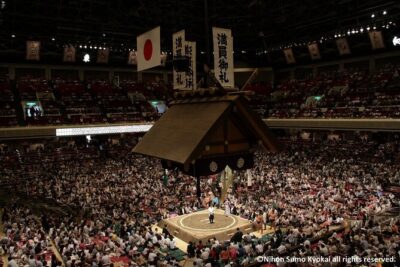 ★ 5.0Tokyo Grand Sumo Tournament Viewing Tour with TicketsFrom $124692 reviews
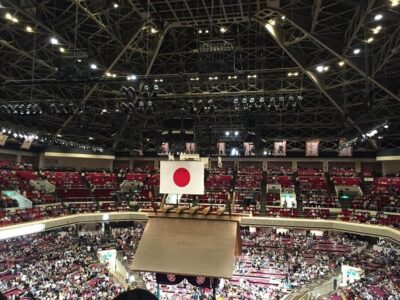 ★ 5.0Tokyo Sumo Wrestling Tournament ExperienceFrom $124660 reviews
 ★ 4.7Luxury Sumo Show Experience & Japanese cuisine & DrinkFrom $103577 reviews
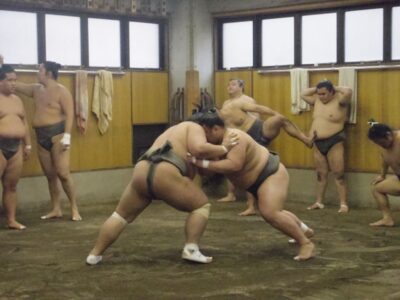 ★ 4.8Sumo Morning Practice Viewing TourFrom $81570 reviews
Browse the lists this tour appears in