
Reviewed · KAMAKURA DAY TRIPS
One Day Private Tour to Kamakura with English Speaking Driver
A day trip to Kamakura feels like a time machine. You’ll glide from Tokyo with an English-speaking driver, then spend focused hours at five standout spots, from bamboo quiet at Hokoku-ji to the bronze Great Buddha at Kotoku-in. It’s a neat way to see Japan’s medieval-samurai legacy without juggling trains or getting your day eaten by transfers.
I especially like the private, up-to-3 format. It keeps the pace human, so you can linger where you care most and still hit every must-see stop. I also like that you get pickup plus an in-vehicle Wi‑Fi hotspot when available, which makes a long morning feel less like a slog.
One consideration: several key temples have separate admission fees (Hokoku-ji, Hase-dera, Kotoku-in). So your final cost depends on what you do at each site and how you budget for tickets and snacks.
In This Review
- Key highlights at a glance
- Kamakura in one day: a smart route with clear payoffs
- From Tokyo pickup to a smooth ride: what comfort really changes
- Hokoku-ji Temple and its bamboo forest calm
- Hase-dera: garden atmosphere plus stair-climbing effort
- Kotoku-in and the Great Buddha: your visual centerpiece
- Tsurugaoka Hachimangu: shrine history tied to samurai roots
- Enoshima: shifting from temples to coast views
- Price and value: is $391 per group a good deal?
- Timing tips for a 10-hour Kamakura day without fatigue
- Who this tour suits best
- Should you book this Kamakura private tour?
- FAQ
- What time does the Kamakura tour start, and how long is it?
- Is this a private tour, and how many people are included?
- Do I need to pay admission fees at the temples?
- Is pickup included?
- Do you provide Wi‑Fi in the car?
- What happens if weather is bad or I need to cancel?
Key highlights at a glance
- Private van comfort: Air-conditioned vehicle, meet-and-greet, and all toll/petrol handled.
- Full day, not a dash: About 2 hours at each main stop within a ~10-hour schedule.
- Hokoku-ji bamboo quiet: A calm break that feels worlds away from Tokyo traffic.
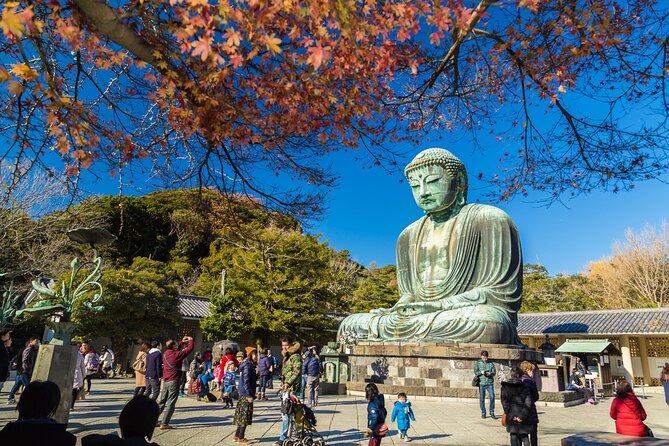
- Kotoku-in Great Buddha: A major visual payoff, with a huge bronze statue as the centerpiece.
- Enoshima coast and viewpoints: Island time with scenery that helps break up the temple circuit.
- Driver energy helps: If you’re paired with driver Hridoy, his enthusiasm and entertaining style can make the ride part of the fun.
Kamakura in one day: a smart route with clear payoffs
Kamakura is one of those places where you can feel layers of Japan’s past without needing a specialist degree. This private day trip is built around that idea: start with temple atmosphere, move to the Great Buddha, then round it out with shrine history and a coastal reset on Enoshima.
The order matters. Hokoku-ji and Hase-dera slow the day down with gardens and walking through temple grounds. Then Kotoku-in gives you the big “wow” moment: the Great Buddha statue. After that, Tsurugaoka Hachimangu brings you back to the samurai-era storyline, and Enoshima gives you a different kind of sightseeing—views, sea air, and a lighter pace.
It’s also a practical format if you’re visiting Tokyo for the first time. You get Kamakura’s highlights without fighting train schedules, station transfers, and crowd bottlenecks.
Coast-and-Buddha days near Kamakura, rated
- Tokyo: Mt. Fuji, Kamakura, Big Buddha, & Lake Ashi Day Trip
★ 4.5 · 867 reviews - Tokyo:Sea of Mount Fuji, Hakone Ropeway, Ōwakudani, Enoshima
★ 4.9 · 84 reviews - Kamakura 8 hr Private Walking Tour with Licensed Guide from Tokyo
★ 5.0 · 80 reviews - Tokyo: Kamakura & Enoshima Day Tour with Pickup & Train Ride
★ 4.1 · 61 reviews
From Tokyo pickup to a smooth ride: what comfort really changes
You start at 8:00 am, and the day is about 10 hours total. That’s a long day, but the structure plus the private transportation helps a lot.
This tour includes private transportation in an air-conditioned vehicle, with toll and petrol/gas covered. There’s also a meet-and-greet, plus a mobile ticket. If you’re trying to keep your stress low, those are not small details. When you travel with a driver, you can spend your mental energy on what you see, not on where to stand, which exit to take, or how to interpret signage while tired.
There’s also a Wi‑Fi hotspot in the vehicle when available. On a long ride from Tokyo, that can help you map out the walking you’ll do next, check weather conditions, or just keep your group connected without burning your phone battery.
And here’s the underrated bonus: because it’s private, you’re not forced to keep pace with strangers. In the experience ratings, people highlight the driver and the flexible schedule. That usually means if your group needs a bathroom stop or you want a few extra minutes at the right viewpoint, you’re more likely to get it.
Hokoku-ji Temple and its bamboo forest calm
Hokoku-ji is your first big emotional shift. You trade Tokyo momentum for a quiet pocket where the bamboo grove does most of the storytelling for you. You’ll spend about 2 hours here, and the key experience is walking under tall bamboo and letting the soundscape slow your breathing.
This is the kind of stop that works even if you’re not a hardcore temple fan. The scene is straightforward: bamboo, temple grounds, and a chance to slow down before the day ramps up.
What to keep in mind: Hokoku-ji has an admission ticket not included, so plan for that cost. Also, bamboo areas often mean shaded spots and paved paths with occasional uneven ground. Wear shoes you’re comfortable walking in for a couple of hours. Your group will get more out of Hokoku-ji if you treat it as a walk, not a photo-only stop.
Tip for getting more out of Hokoku-ji: take a few minutes before you start chasing viewpoints. Just stand still, listen, and let the place set the tone. Then you’ll start noticing small details in the plants and the way the paths curve.
Hase-dera: garden atmosphere plus stair-climbing effort
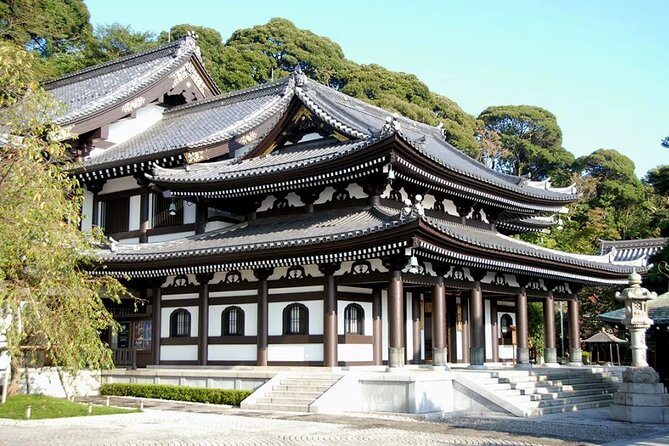
Next is Hase-dera, another temple stop designed to help you feel the pace shift from the city. Expect about 2 hours here, with a focus on temple grounds and garden scenery. The experience is built around ascending stone steps, which matters because the “scene” is partly earned by walking.
You’ll likely notice three things quickly: the effort you’re making, the way the gardens open up as you climb, and the slow, steady feeling as you move through areas of incense and sacred space. If you like temple settings where the paths guide your eye, this is a good match.
Like Hokoku-ji, Hase-dera has an admission fee not included. That’s important for value because it affects your total budget. It also affects how you plan your money for the day. If you’re trying to keep things predictable, set aside a rough amount for entrances at the paid sites before you go.
Potential drawback: stair climbs can be tough if anyone in your group has limited mobility, especially because you’re getting temple-and-garden views by walking up. The tour says most travelers can participate, but if your group member uses mobility aids, it’s smart to think ahead and choose footwear that’s stable.
Kotoku-in and the Great Buddha: your visual centerpiece
Then you hit the iconic moment: Kotoku-in (the Great Buddha of Kamakura). This is the stop most people come for, and it’s easy to see why. You’re looking at a towering bronze statue—over 13 meters tall—and it basically becomes the anchor for everything around it.
You’ll spend around 2 hours here. For many visitors, the best use of that time is not just staring at the Buddha. It’s walking around the grounds, looking for viewpoints where the statue feels even larger, and taking a moment to understand how this kind of landmark fits into Kamakura’s broader medieval story.
Kotoku-in has an admission ticket not included, so again: budget for that. Also, because it’s a major draw, you may want to be ready for crowds depending on the day and time. The private format helps you manage this—you can shift the rhythm within your two-hour window and find a calmer moment to take your time.
Simple advice: don’t schedule this stop as your “we’ll just run through it” moment. It’s the payoff. If you treat it like a checkpoint, you’ll miss what makes it memorable.
Readers also shortlisted these Tokyo bookings:
- Tokyo 6hr Private Tour with Government-Licensed Guide★ 5.0 · 3,902 reviews
- Private Tour to Mt. Fuji and Hakone (Fully Licenced Operator)★ 5.0 · 1,910 reviews
- Tokyo Customized Private Tour (Must See Places in 1 Day)★ 5.0 · 1,499 reviews
- Mount Fuji Full-Day Private Tour from Tokyo (Customizable)★ 4.9 · 1,470 reviews
- Tokyo: Private City Highlights Tour with Local Guide★ 4.8 · 1,433 reviews
Tsurugaoka Hachimangu: shrine history tied to samurai roots
After the Buddha moment, the day turns more historical and political with Tsurugaoka Hachimangu Shrine. This stop is linked to Hachiman, associated with the Shinto god of war and the patron deity of the samurai. That theme matters because Kamakura’s story is often told through the samurai lens—so you’re not just visiting a pretty shrine. You’re following a thread.
Tsurugaoka Hachimangu is free to enter, and you’ll also have about 2 hours here. This is a good place for people who like architectural details, rituals, and the feeling of a site that’s still part of daily spiritual life.
What I like about this stop in a one-day format is that it balances the bronze statue’s scale. Here, the meaning is more human-scale: pathways, shrine buildings, and the way you move through the grounds. It also helps break up your day before Enoshima.
A consideration: since it’s free, it can attract extra casual visitors. The private guide/driver setup helps because you can keep your group’s timing flexible within the planned slot.
Enoshima: shifting from temples to coast views
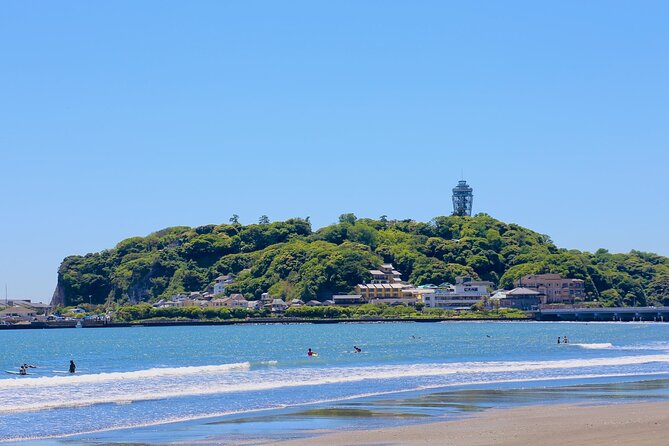
Finally, you get the reset. Enoshima is an island just off Kamakura’s coast, and it’s known for beaches, gardens, and views of Mount Fuji (when conditions are right). You’ll also get about 2 hours here, with no admission ticket required.
This part of the day is valuable because it changes the tone. You go from temple architecture and historical religious space into a lighter, scenic sightseeing mode. The day doesn’t end with another indoor moment; it ends with sea air and a chance to stroll and snack.
What you might enjoy most at Enoshima depends on your mood:
- If you want views, focus on walking to lookouts.
- If you want a calm break, stroll through the island’s streets and gardens.
- If you want activity, time your visit around the shoreline.
One practical note: food and drinks are not included. This is a great moment to stop for snacks, but go easy on planning. Your driver can usually help you find something convenient, but you still need to leave room in your schedule for your group’s appetite.
Potential drawback: because Enoshima can feel like a walking loop with hills and viewpoints, comfortable shoes matter again. It’s not just flat sightseeing.
Price and value: is $391 per group a good deal?
The price is $391.22 per group, up to 3 people. That can sound high if you compare it to public transport, but private day trips are about time, convenience, and control.
Here’s the value math I’d think about:
- You’re booking a private vehicle with an English-speaking driver, plus pickup and meet-and-greet.
- You’re avoiding the mental overhead of train transfers and timed connections.
- You also get Wi‑Fi in the vehicle when available, and air-conditioning for a day that starts early and runs long.
- All tolls and petrol/gas are included.
Now, the catch is that temple admissions aren’t included for three of the stops. So if you add those costs, your total spend rises. Food isn’t included either.
Is it still worth it? For a group of up to three, it often is, because your alternative is either: splitting up to take trains (and losing time and energy), or paying for multiple taxis and still not having the same pacing. If you’re traveling as a pair or small family and you want the day to feel smooth, this price can make sense.
If you’re traveling alone, the value depends on how you feel about self-navigation. In that case, public transport might be cheaper, but you trade away comfort and schedule flexibility.
Timing tips for a 10-hour Kamakura day without fatigue
A day this length works when you treat it like segments, not one continuous march. You’ll be at each main stop for about 2 hours, and that balance is one of the best parts of the plan. It’s long enough to enjoy the site, but short enough that you don’t lose the whole day to one location.
For your group rhythm, I’d do this:
- Start the morning with hydration and a simple breakfast.
- At each paid temple (Hokoku-ji, Hase-dera, Kotoku-in), assume you’ll need a little time for entry plus some walking before you settle into sightseeing.
- Use Enoshima as your food and rest anchor. It’s free and shifts the mood.
Also remember: this tour runs in real-world weather. The experience says it requires good weather, and if it’s canceled due to poor weather you’ll be offered a different date or a full refund. So if you’re booking close to a forecast-heavy season, have a backup day in mind.
Who this tour suits best
This Kamakura experience fits you well if you:
- want a private English-speaking driver and a smooth day plan
- like temple and shrine atmosphere, plus one major landmark like the Great Buddha
- prefer a guided flow rather than sorting train routes on your own
- travel in a small group (up to 3) and want good value per person
It may be less ideal if you:
- want a fully self-paced day with no structure
- hate walking stairs or uneven ground
- are strict about total cost and want to skip paid admissions where possible
Should you book this Kamakura private tour?
I think it’s a strong choice when you want Kamakura highlights with a schedule that feels organized but not rushed. The combination of Hokoku-ji bamboo calm, the Great Buddha centerpiece, samurai-linked shrine context at Tsurugaoka Hachimangu, and Enoshima coast time gives you a well-rounded day without long transfers.
Book it if convenience and comfort matter to you, especially if you’re traveling as a pair or small group and want the day to run smoothly from the 8:00 am start. Just budget for admission tickets at Hokoku-ji, Hase-dera, and Kotoku-in, and plan your shoes for both temple walking and Enoshima viewpoints.
If you want a day that feels like a carefully guided plan you can actually enjoy, this one does the job.
FAQ
What time does the Kamakura tour start, and how long is it?
The tour starts at 8:00 am and runs for about 10 hours.
Is this a private tour, and how many people are included?
Yes. It is a private tour/activity, and the price is per group up to 3.
Do I need to pay admission fees at the temples?
Yes for Hokoku-ji Temple, Hase-dera Temple, and Kotoku-in Temple. Tsurugaoka Hachimangu Shrine and Enoshima are listed as free.
Is pickup included?
Pickup is offered, and the tour also includes a meet-and-greet.
Do you provide Wi‑Fi in the car?
Yes. There is a Wi‑Fi hotspot in the vehicle when available.
What happens if weather is bad or I need to cancel?
You can cancel for a full refund up to 24 hours in advance. If the tour is canceled due to poor weather, you’ll be offered a different date or a full refund.
More Tours in Tokyo
- Mt Fuji and Hakone 1-Day Bus Tour Return by Bullet Train
★ 5.0 · 26,383 reviews - 1-Day Tokyo Bus Tour
★ 5.0 · 14,250 reviews - Tokyo: Shinjuku Food Tour (13 Dishes at 4 Local Eateries)
★ 5.0 · 6,603 reviews - Tokyo Mt Fuji 5th St & Hakone Cruise Bus Tour w/Bullet Train
★ 4.4 · 5,024 reviews - Flagship 2-Hours Official Street Go-Kart Tour – Tokyo Bay Shop
★ 5.0 · 4,974 reviews
More Tour Reviews in Tokyo
- Mt Fuji and Hakone 1-Day Bus Tour Return by Bullet Train
★ 5.0 · 26,383 reviews - 1-Day Tokyo Bus Tour
★ 5.0 · 14,250 reviews - Tokyo: teamLab Planets TOKYO Digital Art Museum Entry Ticket
★ 4.6 · 9,779 reviews - Mt Fuji & Hakone Cruise, Drum Show Bullet Train 1 Day from Tokyo
★ 4.0 · 7,413 reviews - Tokyo: Shinjuku Food Tour (13 Dishes at 4 Local Eateries)
★ 5.0 · 6,603 reviews
More Kamakura and Enoshima Days
- Tokyo: Mt. Fuji, Kamakura, Big Buddha, & Lake Ashi Day Trip
★ 4.5 · 867 reviews - Tokyo:Sea of Mount Fuji, Hakone Ropeway, Ōwakudani, Enoshima
★ 4.9 · 84 reviews - Kamakura 8 hr Private Walking Tour with Licensed Guide from Tokyo
★ 5.0 · 80 reviews - Tokyo: Kamakura & Enoshima Day Tour with Pickup & Train Ride
★ 4.1 · 61 reviews - Kamakura Private & Customizable Tour – All-in-One Experience
★ 5.0 · 49 reviews
Latest Tokyo reviews off our desk






Kamakura Day Trips, compared.
 ★ 4.5Kamakura & Enoshima Day Trip including Temple TicketsFrom $581,375 reviews
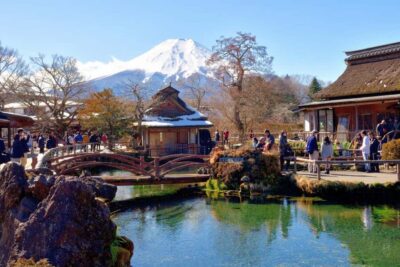 ★ 4.5Mt. Fuji, Kamakura, Big Buddha, & Lake Ashi Day TripFrom $49867 reviews
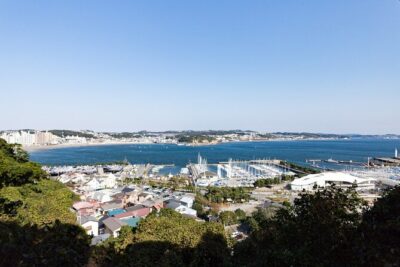 ★ 4.5From Tokyo: Kamakura & Enoshima 1-Day Bus TourFrom $66189 reviews
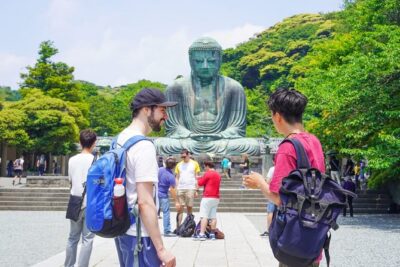 ★ 5.0Kamakura Historical Walking Tour with the Great BuddhaFrom $98129 reviews
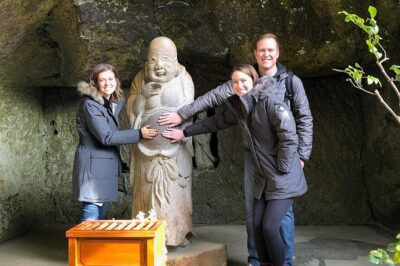 ★ 5.0Kamakura Private Tour: Temples, Nature, and the Great BuddhaFrom $98121 reviews
 ★ 5.0Kamakura Walking Tour – The City of ShogunFrom $35100 reviews
 ★ 4.9Sea of Mount Fuji, Hakone Ropeway, Ōwakudani, EnoshimaFrom $5084 reviews
 ★ 5.0Kamakura 8 hr Private Walking Tour with Licensed Guide from TokyoFrom $20180 reviews
Browse the lists this tour appears in