
Tokyo turns calmer before most people wake. This private early-morning route strings together Tokyo’s big hits before the afternoon stampede, with an early start that makes photos and sightseeing feel way less chaotic. I also like how it’s built around clear, efficient stops, so you’re not wandering around asking where to go next.
The best part is the English-speaking guide, who helps you navigate on the ground and keeps the timing realistic across neighborhoods. Admission to the temples and shrines is included, and there’s even a professional photo moment worked into the day—so you get more than just a checklist.
One consideration: it’s a walking-focused tour with public transportation in between, and food isn’t included. If you don’t like moving for several hours, this won’t feel relaxing.
In This Review
- Key highlights worth planning for
- Why this private early tour works so well
- Meeting point: Hachiko to start in Shibuya
- Shibuya Crossing: photo stop before the noise peaks
- Meiji Jingu: a 1-hour reset in a city forest
- Takeshita Street in Harajuku: quick taste of youth style
- Kanda Shrine: short stop with strong local feel
- Akihabara: electric town, focused time
- Ameyoko (Ameya-Yokocho): Ueno’s lively market energy
- Senso-ji Temple and Nakamise Street: finishing in Asakusa
- What’s included (and what you’ll still pay for)
- Price and value: $97.22 for a guided morning
- Who this tour suits best
- Should you book this private Tokyo early morning tour?
- FAQ
- How long is the private Tokyo early morning tour?
- Is this a private tour?
- What are the main stops on the tour?
- Are temple and shrine admission fees included?
- Will I get photos during the tour?
- Where does the tour start and end?
- Is public transportation included?
- Are food and drinks included?
- Is the tour mostly walking?
- What if I need to cancel, or I’m late to the meeting point?
Key highlights worth planning for
- Early-morning crowd avoidance with stops like Shibuya and Harajuku timed before peak crush
- A private, English-speaking guide to help you get oriented fast
- Temple and shrine admissions included across major stops (like Meiji Jingu and Senso-ji)
- Professional photos taken during the tour, with strong photo opportunities at Shibuya Crossing
- Easy handoff to later plans since the tour ends near Asakusa’s waterfront (and Skytree is nearby)
- A real walk-and-transit itinerary designed for moderate fitness, not a sit-and-see bus ride
Why this private early tour works so well
A 5-hour private tour in Tokyo sounds simple until you try to do it on your own. Tokyo’s neighborhoods can feel close on a map and surprisingly far on the ground. This tour’s value is that it links areas efficiently and times the most photo-demanding spots early.
You get a sensible “morning arc” from west Tokyo (Shibuya) into central Tokyo (Harajuku, Kanda, Akihabara) and finally down to Asakusa for Senso-ji. That last part matters. Asakusa is where Tokyo feels classic and old-school, and starting earlier helps you experience it at a gentler pace.
Readers also shortlisted these Tokyo bookings:
- Tokyo 6hr Private Tour with Government-Licensed Guide
★ 5.0 · 3,902 reviews - Tokyo: Shinjuku Local Bar and Izakaya Guided Walking Tour
★ 4.9 · 1,794 reviews - Tokyo: Private City Highlights Tour with Local Guide
★ 4.8 · 1,433 reviews - Tokyo: Tsukiji Fish Market Guided Walking Tour
★ 4.9 · 1,397 reviews
Meeting point: Hachiko to start in Shibuya
The tour begins at the Hachiko Statue at Dogenzaka in Shibuya (Hachiko area is easy to find once you’re there). You’ll want to show up on time, because late arrivals can miss the start and won’t be able to join.
Tip for your morning: once you meet up, treat this like a guided “flow.” The guide is there to help with navigation, so don’t burn energy sprinting ahead to scout routes. Your job is to stay with the pace and enjoy the ride (and the walking).
Shibuya Crossing: photo stop before the noise peaks
First up is Shibuya Scramble Crossing in front of Shibuya Station, with about 20 minutes here. This is one of the world’s most famous crossings for a reason: when the lights change, the whole intersection becomes a moving river of people.
Early timing is the trick. You still get the full Shibuya energy, but you’re less likely to feel boxed in by crowds. This is also where the tour leans into photography—expect strong photo chances, and professional photos are part of the included plan during the experience.
What to watch for:
- When you first arrive, take a minute to choose your viewing angle before you start photographing.
- If you want classic “everyone-crossing” shots, you’ll get better results letting the guide position you.
Meiji Jingu: a 1-hour reset in a city forest
Next comes Meiji Jingu Shrine, about an hour on-site. This Shinto shrine is dedicated to Emperor Meiji and Empress Shoken, and the setting is the point: a lush-feeling forest atmosphere in the middle of Tokyo.
This stop is valuable because it balances the day. After Shibuya’s intensity, Meiji Jingu gives you quiet space, shade, and a slower rhythm. It’s not just a pretty place; it’s a helpful contrast that makes the rest of the tour feel less rushed.
Practical note: you’re in a walking tour, so wear shoes that are comfortable for paths that can be uneven. Take your time here—this is one of the stops where rushing would be a mistake.
Takeshita Street in Harajuku: quick taste of youth style
Then you head to Takeshita Street in Harajuku for about 20 minutes. It’s known for trendy fashion, small boutiques, and lots of colorful snack-and-sweet energy.
This is a “hit the highlight” stop. You’re not here to shop for hours—you’re here to feel what Harajuku is like and grab a few photos in the busiest style zone. The time limit helps keep the day moving, especially since the tour continues into other districts right after.
If you love street fashion, this is fun. If you’re not into crowds, keep your expectations realistic. You’ll want to walk with your group and avoid getting stuck at one stall longer than planned.
Readers also shortlisted these Tokyo bookings:
- Tokyo 6hr Private Tour with Government-Licensed Guide★ 5.0 · 3,902 reviews
- Private Tour to Mt. Fuji and Hakone (Fully Licenced Operator)★ 5.0 · 1,910 reviews
- Tokyo Customized Private Tour (Must See Places in 1 Day)★ 5.0 · 1,499 reviews
- Mount Fuji Full-Day Private Tour from Tokyo (Customizable)★ 4.9 · 1,470 reviews
- Tokyo: Private City Highlights Tour with Local Guide★ 4.8 · 1,433 reviews
Kanda Shrine: short stop with strong local feel
After Harajuku, you’ll visit Kanda Shrine (Kanda Myojin) for about 20 minutes. It’s a historic Shinto shrine and is associated with deities of prosperity and protection. It’s also known for a mix of traditional and pop-culture interest, including anime-related attention.
The benefit of a shorter stop here is timing. You get the shrine experience without losing the momentum of the morning. For many visitors, this is the kind of place that feels better when you’re not trying to squeeze in shopping right afterward.
If you want a tip that pays off: use this stop to slow down and reset your eyes. The shrine area gives you a calmer visual rhythm before you move into electronics and street markets later.
Akihabara: electric town, focused time
Next is Akihabara for about 30 minutes, often called Tokyo’s electric town. It’s a major hub for anime, gaming, and electronics, with lots of shops selling gadgets, collectibles, and otaku goods.
This time window is smart. Akihabara can eat an entire day if you let it. Here, you get a taste: enough time to understand the vibe, check out a few shop fronts, and pick up a small item if you want—without turning your morning tour into a shopping marathon.
A drawback to know: if you’re an ultra-serious collector, 30 minutes might feel short. This tour is for seeing and tasting multiple Tokyo icons, not for deep shopping dives.
Ameyoko (Ameya-Yokocho): Ueno’s lively market energy
Then you’ll swing over to Ameya-Yokocho (Ameyoko) in Ueno for about 20 minutes. It’s known for a lively street-market atmosphere, with stalls connected to everything from snacks to clothing and souvenirs. It also has the background story of becoming known as a post-war black market before shifting into a more mainstream market area.
This stop works because it gives you that “Tokyo street life” feeling. You’re not just looking at monuments—you’re walking through a neighborhood where people shop and eat. Since food and drinks aren’t included, think of this as your chance to decide what you want to eat later.
If you’re sensitive to crowds, keep your pace steady. Markets can get packed, even early in the day.
Senso-ji Temple and Nakamise Street: finishing in Asakusa
Finally, you arrive at Senso-ji Temple in Asakusa, with about an hour here. It’s Tokyo’s oldest and most famous Buddhist temple, and it’s famous for the Kaminarimon Gate and the shopping street that runs toward the temple (Nakamise).
This is one of the best “end stops” in the whole city because it’s easy to continue your day afterward. The tour finishes near the Tokyo Cruise Asakusa Pier, and you can also find the Tokyo Skytree nearby, depending on how you want to keep exploring.
What makes this ending work:
- You finish with a major sight that rewards slow looking.
- You’re set up for food, souvenirs, and extra wandering right away.
- You’re not stuck going back through multiple neighborhoods before getting a break.
What’s included (and what you’ll still pay for)
Here’s what you’re getting for the tour price:
- A passionate local English-speaking guide
- Admission fees for temples and shrines
- Professional photos taken during the tour
What’s not included:
- Public transportation fare (listed as ¥900 per person)
- Food and drinks
This is where the value math makes sense. If you were to self-plan, you’d spend time figuring out routes and dealing with ticketing/entry logistics for multiple shrine and temple stops. The guide reduces friction, and the admission inclusion means less “wait, do we buy this?” stress when you’re standing at the entrance.
Also, the professional photo piece is a real cost-saver. In Tokyo, getting a good group shot at Shibuya Crossing without constantly asking strangers is harder than it looks.
Price and value: $97.22 for a guided morning
At $97.22 per person, this tour isn’t the cheapest way to see Tokyo. It’s priced for convenience: private guidance, included admissions, and photo help, all wrapped into a structured 5-hour walk-and-transit morning.
It’s often a good value if you fit one of these:
- You want to hit multiple iconic neighborhoods without spending your vacation “working out logistics.”
- You care about a photo-heavy highlight like Shibuya Crossing and want it done without hunting for the perfect spot alone.
- You prefer a private format so your pacing and questions stay with your group.
If your goal is ultra-flexible wandering, you might prefer solo planning. But if you want a plan that runs on time and hits the big Tokyo beats early, this price starts to look reasonable.
A small planning note: it’s commonly booked around 13 days in advance on average. If your dates are tight, don’t wait for the last minute.
Who this tour suits best
This is a great match if you:
- Like structured morning sightseeing
- Want a guide to explain what you’re looking at and help with navigation
- Enjoy a “see it, photograph it, move on” rhythm
- Prefer starting early to avoid the worst crowd pressure
It may not be the best fit if you:
- Hate walking or aren’t comfortable with several hours of movement plus transit
- Want long shopping time in Akihabara or Harajuku
- Expect meals and drinks to be included
The tour also says it’s designed for moderate physical fitness, so comfortable shoes matter more than fancy shoes.
Should you book this private Tokyo early morning tour?
If you’re the type who likes Tokyo mornings and wants to get to the good stuff before the city fills up, I’d book it. The combination of an English-speaking private guide, included shrine and temple admissions, and professional photos makes it a convenience-focused deal, not just a sightseeing bundle.
I’d especially consider it if your time in Tokyo is limited or you’re staying in a way that makes long self-guided hops annoying. Ending in Asakusa is also smart. You finish somewhere you’ll likely want to eat, shop, and keep exploring.
If you love unstructured wandering or you’re only interested in one or two neighborhoods, you can probably do it cheaper on your own. But for a first taste of classic Tokyo + modern Tokyo in one morning, this is a solid way to start.
FAQ
How long is the private Tokyo early morning tour?
It lasts about 5 hours.
Is this a private tour?
Yes. Only your group participates.
What are the main stops on the tour?
You’ll visit Shibuya Crossing, Meiji Jingu Shrine, Takeshita Street, Kanda Shrine, Akihabara, Ameyoko Shopping Street, and Senso-ji Temple.
Are temple and shrine admission fees included?
Yes. Admission fees for temples and shrines are included.
Will I get photos during the tour?
Yes. Professional photos are taken during the tour.
Where does the tour start and end?
It starts at the Hachiko Statue in Shibuya, and it ends at the Tokyo Cruise Asakusa Pier in Asakusa.
Is public transportation included?
No. Public transportation fare is not included and is listed as ¥900 per person.
Are food and drinks included?
No. Food and drinks are not included.
Is the tour mostly walking?
Yes. It’s designed as a walking experience with public transportation and plenty of time on foot, and it calls for moderate physical fitness.
What if I need to cancel, or I’m late to the meeting point?
You can cancel for a full refund up to 24 hours before the experience starts. If you’re late for the meeting time, you won’t be able to join the tour and there’s no refund.
More Guided in Tokyo
- Tokyo 6hr Private Tour with Government-Licensed Guide
★ 5.0 · 3,902 reviews - Tokyo: Shinjuku Local Bar and Izakaya Guided Walking Tour
★ 4.9 · 1,794 reviews - Tokyo: Private City Highlights Tour with Local Guide
★ 4.8 · 1,433 reviews - Tokyo: Tsukiji Fish Market Guided Walking Tour
★ 4.9 · 1,397 reviews - Tokyo 4hr Private Tour with Government-Licensed Guide
★ 5.0 · 1,394 reviews
More Tours in Tokyo
- Mt Fuji and Hakone 1-Day Bus Tour Return by Bullet Train
★ 5.0 · 26,383 reviews - 1-Day Tokyo Bus Tour
★ 5.0 · 14,250 reviews - Tokyo: Shinjuku Food Tour (13 Dishes at 4 Local Eateries)
★ 5.0 · 6,603 reviews - Tokyo Mt Fuji 5th St & Hakone Cruise Bus Tour w/Bullet Train
★ 4.4 · 5,024 reviews - Flagship 2-Hours Official Street Go-Kart Tour – Tokyo Bay Shop
★ 5.0 · 4,974 reviews
More Tour Reviews in Tokyo
- Mt Fuji and Hakone 1-Day Bus Tour Return by Bullet Train
★ 5.0 · 26,383 reviews - 1-Day Tokyo Bus Tour
★ 5.0 · 14,250 reviews - Tokyo: teamLab Planets TOKYO Digital Art Museum Entry Ticket
★ 4.6 · 9,779 reviews - Mt Fuji & Hakone Cruise, Drum Show Bullet Train 1 Day from Tokyo
★ 4.0 · 7,413 reviews - Tokyo: Shinjuku Food Tour (13 Dishes at 4 Local Eateries)
★ 5.0 · 6,603 reviews
Latest Tokyo reviews off our desk






Morning, compared.
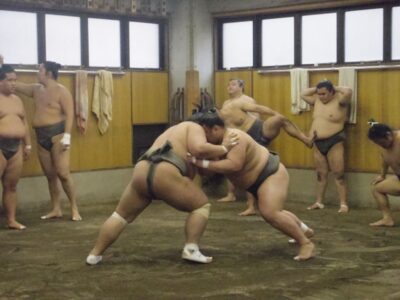 ★ 4.8Sumo Morning Practice Viewing TourFrom $81570 reviews
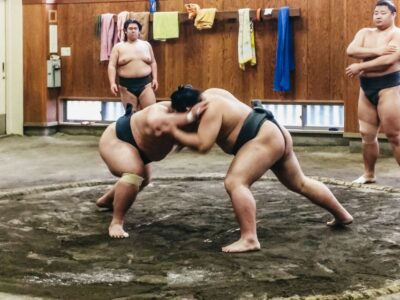 ★ 4.4Sumo Morning Training VisitFrom $77370 reviews
 ★ 4.7Visit Sumo Morning Practice with English GuideFrom $96343 reviews
 ★ 4.8Sumo Morning Practice Tour at Sumida CityFrom $116308 reviews
 ★ 5.0Tokyo Sumo Morning Practice Tour at StableFrom $83298 reviews
 ★ 4.5Tokyo Ryogoku Sumo Morning Practice + Photo Shoot with WrestlersFrom $98277 reviews
 ★ 4.0Watch Sumo Morning Practice at Stable in TokyoFrom $95268 reviews
 ★ 4.6A Half-Day Trip Bus Tour in the MorningFrom $40236 reviews