
Reviewed · SUMO TOURNAMENTS & SHOWS
Watch Sumo Morning Practice at Stable in Tokyo
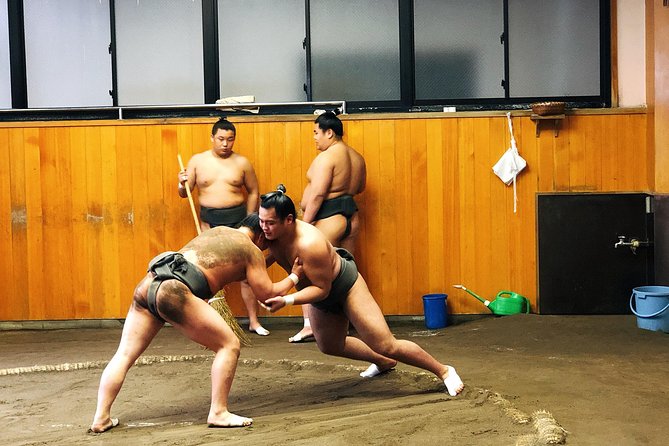
Sumo practice feels almost silent. You’ll watch a working sumo stable in Tokyo as wrestlers warm up, practice technique, and build toward sparring inside the dohyo, in a setup designed for respectful viewing and close access. I especially like how small-group access makes this feel less like a show and more like witnessing real training.
My other favorite part is the end-of-practice photo time with the wrestlers, which turns the morning into something you can actually take home. The main drawback is physical: you’ll sit on the floor for a long stretch, and if your back is sensitive, it can get uncomfortable fast (even though some chairs/stools may be available if you ask). Guides like Hiroko and Ricko can help keep things moving, but they can’t change the basic reality of floor seating.
In This Review
- Key things to know before you go
- Sumo practice basics: what you’re really watching in Tokyo
- Meeting near Ryogoku: the part that makes or breaks your morning
- Inside the stable: warm-ups, technique, and the rhythm of the dohyo
- The big etiquette rules: how to avoid being the annoying person
- Photos with wrestlers: the part that feels personal
- Price and value: is $95.77 worth the early wake-up?
- Timing, tournament seasons, and how long you’ll be seated
- What to pack and how to keep your legs from revolting
- Who should book this sumo morning practice?
- Quick reality check: where people get disappointed
- Should you book this sumo morning practice?
- FAQ
- How long is the sumo morning practice?
- What time does the tour operate?
- Where does the tour take place?
- How many people are in the group?
- What’s included in the price?
- Is food included?
- Do I need to be able to sit on the floor?
- What’s the minimum age?
- How do I get to the stable without getting lost?
- Will I get confirmation after booking?
- What if it changes last minute or the weather is bad?
Key things to know before you go
- Early start is non-negotiable: practice times are morning-only, and the exact end time can shift.
- You sit on the floor: plan for cross-legged or tucked positions for 60–90 minutes.
- Silence matters: no loud talking, no distracting camera flashes/sounds, and minimal movement.
- Tournament months shorten practice: January, May, and September around mid-month can mean 30–40 minutes.
- It’s small and intimate: maximum group size is 10, so pick your spot if you care about sightlines.
- Photos are at the end: if timing runs long, the photo moment can be tight—so stay flexible.
Sumo practice basics: what you’re really watching in Tokyo
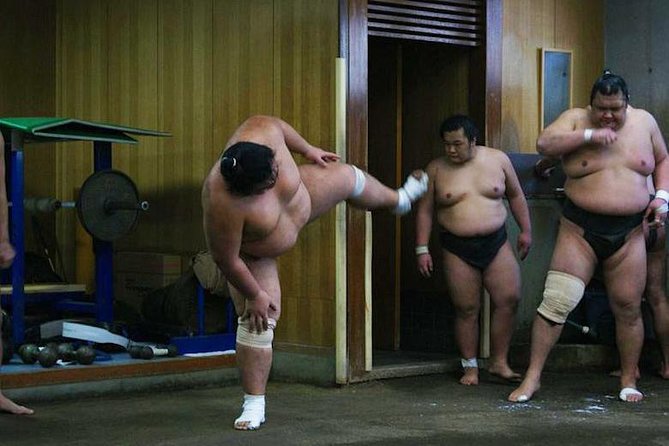
A sumo stable morning isn’t built for entertainment. It’s built for training, respect, and routine. You’ll see wrestlers stretch, tighten up their bodies, practice basic drills, then move into harder contact as the session progresses. The pacing is part of the point: you watch how athletes prepare their bodies and how discipline shows up in small behaviors.
I like that the visit keeps the focus where it belongs. You’re not whisked around like a theme park. You’re seated close, and you pay attention as their warm-up becomes sparring—step by step, not all at once. Even if you only know sumo from big tournament drama, the stable view gives you a clearer sense of what day-to-day work actually looks like.
Also, don’t expect constant commentary. In some cases, you may get a quick intro and that’s it. So if you want more explanation, I’d come with basic context (or be ready to ask your guide if time allows).
Other ringside bookings readers scored
- Tokyo: Sumo Show and Dining Experience
★ 4.8 · 2,742 reviews - the SUMO show
★ 5.0 · 1,960 reviews - Tokyo Shinjuku Sumo Show & Experience with Photo
★ 5.0 · 1,750 reviews - Tokyo: Sumo Show and Experience in Shinjuku
★ 4.8 · 1,001 reviews
Meeting near Ryogoku: the part that makes or breaks your morning
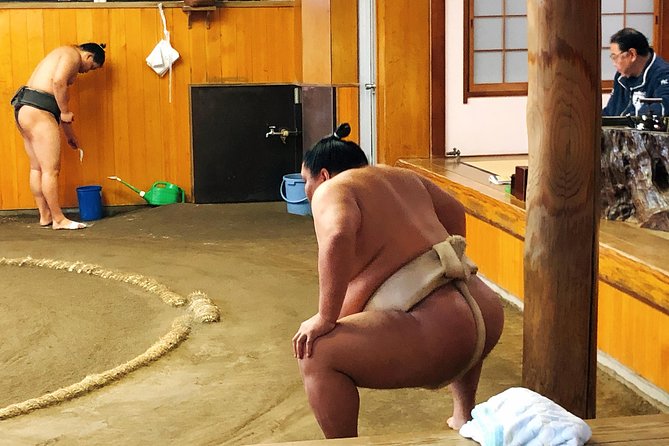
This experience centers on the sumo area around Ryogoku Kokugikan. Your morning starts at a prearranged Tokyo meeting point, then you head to the stable together. The good news: the plan is set up so you shouldn’t get lost.
That said, you still want to think about transportation. One practical tip that keeps coming up: if you’re coming from the Asakusa area, a taxi can save you a long walk and extra stress. If you go by cab, have the destination address in Japanese, because not every driver reads English well. Getting this right matters because you’re starting early and you’ll want your energy for the floor seating.
Aim to arrive early rather than at the exact start minute. Sightlines can be tricky once everyone is seated, and front positions are easier to enjoy. In a small group, where you sit can affect how much you see during the moments that matter most.
Inside the stable: warm-ups, technique, and the rhythm of the dohyo
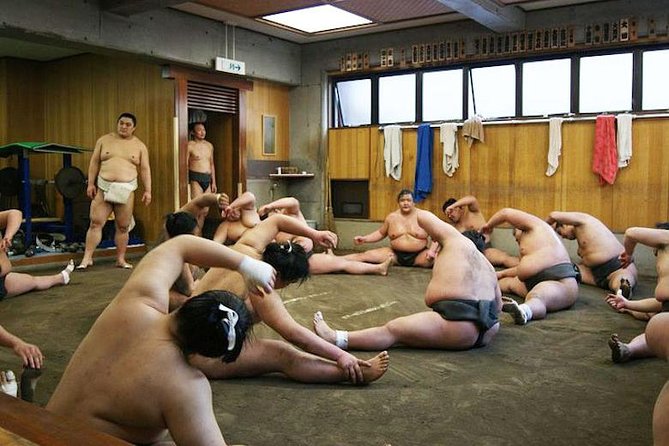
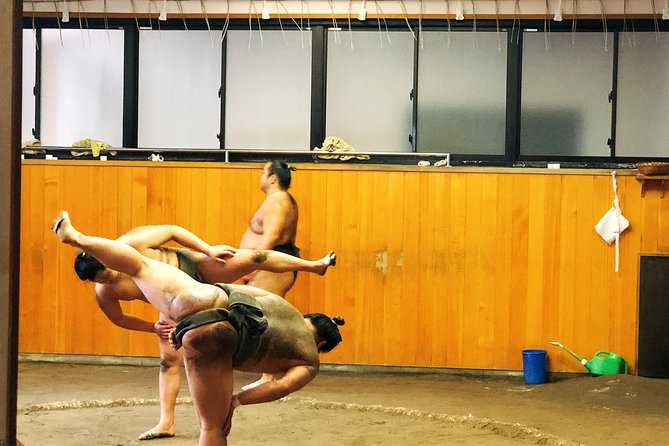
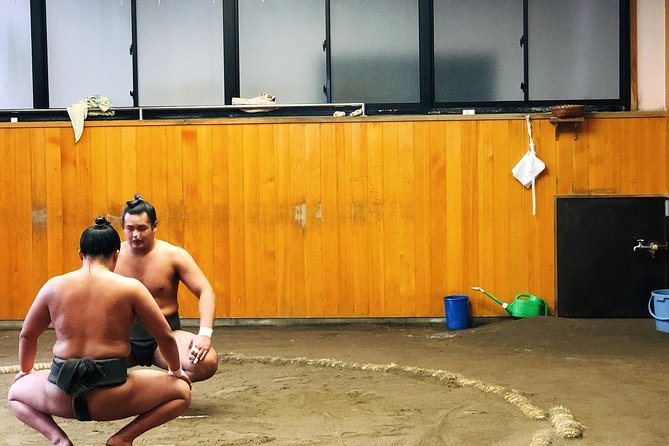
Once you’re inside, you’ll sit down and watch the morning routine unfold. Expect a slow build: first stretching and warm-up movements, then more structured technique practice, and finally the sparring/contact segments. This rhythm is exactly why stable visits are so satisfying: you see the craft, not just the finale.
Here’s what your eyes will likely pick up most:
- Warm-up basics: how wrestlers loosen up and get coordinated before contact.
- Technique repetition: drills and movement patterns that show how they train skills daily.
- Build toward intensity: the session ramps up, and you’ll notice changes in speed and force.
- Tactical seriousness: even when there’s some banter, the overall tone stays disciplined.
If you care about camera shots, you’ll get some time for that, but don’t treat it like a photo event. You’re there to watch. Keep your camera ready, but follow stable rules about sound, flashes, and disruptions.
Also, plan for the “real” experience to be longer than you think. Typical practice length is 60 to 90 minutes, but it can shorten in tournament months.
The big etiquette rules: how to avoid being the annoying person
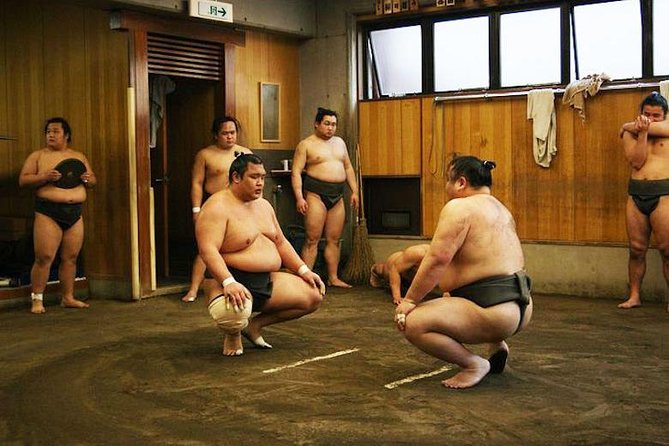
Sumo culture rewards quiet attention. You’ll be expected to act like you’re in a training space, not a viewing gallery. That means:
- Don’t eat during the practice.
- Keep talking to a minimum and avoid loud reactions.
- Don’t use intrusive camera settings like bright flashes or distracting sounds.
It may sound strict, but that silence is part of what makes the experience feel authentic. When everyone settles into respectful stillness, you start to notice the details: timing, footwork, and how wrestlers reset between sequences.
One more practical thing: your body becomes part of the experience. You’ll sit on the floor for an extended time. Some chairs/stools may be available on request, but don’t count on comfort like you’d have in a stadium. If you have back issues, plan ahead.
Photos with wrestlers: the part that feels personal
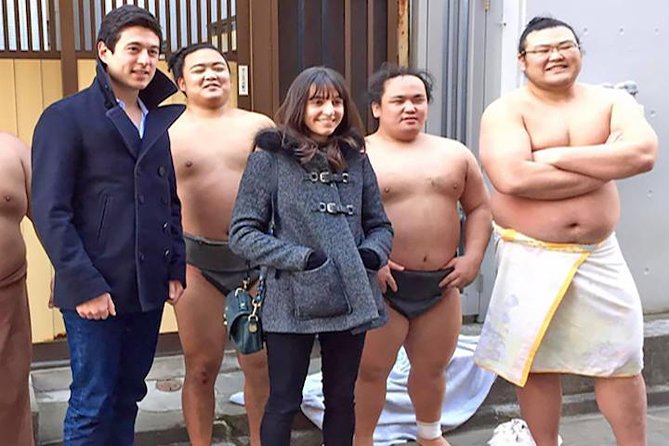
The visit includes photos with sumo wrestlers at the end. That’s a great closer because the morning can feel “almost scientific” at first—just technique and intensity—then suddenly you’re getting a tangible memory.
Two realities to keep in mind:
- Photo time happens after the practice, so you need to stay through the full schedule.
- Timing can shift. Practice end times vary day to day, so your photo slot may be tight if the session runs longer than expected.
If you’re traveling with kids or friends who need a payoff, this is often the moment that turns a good morning into a memorable one.
Readers also shortlisted these Tokyo bookings:
- Tokyo: Sumo Morning Practice Viewing Tour★ 4.8 · 570 reviews
- Tokyo: Sumo Morning Training Visit★ 4.4 · 370 reviews
- Tokyo: Visit Sumo Morning Practice with English Guide★ 4.7 · 343 reviews
- Tokyo: Sumo Morning Practice Tour at Sumida City★ 4.8 · 308 reviews
- Tokyo Sumo Morning Practice Tour at Stable★ 5.0 · 298 reviews
Price and value: is $95.77 worth the early wake-up?
At $95.77 per person, this isn’t a low-cost add-on. So the question is: what are you buying?
You’re paying for three things:
- Access to a training stable during morning practice (not something you casually stumble into).
- Close viewing in a small group capped at 10.
- A included photo moment with wrestlers at the end.
You’re not paying for a themed performance, food, or a long sightseeing loop. And that’s important for your expectations. This experience can feel “simple” compared to guided tours that fill every minute with walking and storytelling. But that simplicity is the value. You’re watching professional athletes work, and you’re seeing the serious preparation that comes before competition.
Also, the ticket is delivered as a mobile ticket, and there may be group discounts. If you’re booking for a small party, check how discounts apply and whether you can keep your group small enough to preserve the intimate viewing vibe.
Timing, tournament seasons, and how long you’ll be seated
Most days, the practice window you’re aiming for is morning, with operating time listed as 8:00 AM to 10:00 AM during several date ranges. The exact ending time can vary, and the duration can be between 60 to 90 minutes.
Here’s the key curveball: during sumo tournament season in Tokyo (around January, May, and September, roughly mid-month), practice is shorter—often 30 to 40 minutes—and that’s not unusual even though the price stays the same.
So you should decide what matters more to you:
- If you want the full long training flow, pick dates outside tournament-heavy periods.
- If you want a shorter sit with a focused taste of practice, tournament months can still work well.
Either way, you’re still sitting on the floor. Shorter practice helps, but it doesn’t fix the core comfort issue.
What to pack and how to keep your legs from revolting
This is the part I wish more people planned for. Many people underestimate how long they can be stuck in a fixed position.
I’d bring:
- Layers (mornings can be cold, and you may sit still for a while).
- Something to protect knees/hips if you’re sensitive (you’ll want to be careful with what you bring and how it’s handled in a stable setting).
- A calm mindset about stillness.
If you’re thinking, I’ll just sit and power through—do it on purpose. That means stretching a bit beforehand and choosing positions you can maintain. The session may feel repetitive in the best way: repeated drills, repeated setups, repeated focus. When you accept that it’s training, the repetition stops feeling boring and starts feeling real.
Who should book this sumo morning practice?
This tour is a strong fit if you:
- Like cultural experiences that are quiet and respectful, not loud and staged.
- Want to see athletes working up close rather than walking through tourist landmarks.
- Are comfortable sitting on the floor for an hour or more.
- Travel with people who enjoy discipline-focused activities.
It may frustrate you if you:
- Need lots of narration and constant explanation.
- Can’t handle floor seating comfortably.
- Expect a “standing-and-moving” setup like a typical attraction.
- Want food included (it’s not).
The good news: the stable atmosphere can win over people who arrive unsure. When sparring ramps up, the power is hard to ignore.
Quick reality check: where people get disappointed
The most common friction points tend to be predictable:
- Comfort and view: thin flooring and hard contact with your body can make the experience feel longer than it is. Where you sit also matters a lot.
- Too little guidance: some mornings feel more “watch only” than “teach and tour.”
- Photo timing: if the practice runs long, photo time can feel rushed.
You can reduce all of those issues by being ready: arrive early, choose your spot carefully, and set expectations that this is training observation first, commentary second.
Should you book this sumo morning practice?
If you’re the kind of traveler who likes real routines—morning prep, strict rules, and watching how professionals practice—then yes, book it. The value comes from access, closeness, and the quiet authenticity of a training stable in Tokyo.
But if you’re hoping for a comfortable, guided, chatty experience with minimal stillness, this isn’t the best match. Your legs will be part of the deal. If you can handle that, you’ll likely find this one of the most Japan-shaped mornings you do in the city.
One last smart move: consider booking dates outside major tournament stretches if you want the longer 60–90 minute rhythm. If timing is your priority and you can accept shorter practice, tournament dates can still deliver the core idea.
FAQ
How long is the sumo morning practice?
It typically runs between 60 and 90 minutes. During Tokyo tournament season (around January, May, and September in mid-month), practice can be about 30 to 40 minutes.
What time does the tour operate?
The published morning window is 8:00 AM to 10:00 AM for the listed date ranges.
Where does the tour take place?
The tour is centered on a sumo stable in Tokyo, with Ryogoku Kokugikan listed as a stop associated with the experience area.
How many people are in the group?
The maximum group size is 10 travelers.
What’s included in the price?
You get the entrance fee for the sumo practice and photos with sumo wrestlers at the end.
Is food included?
No. Food and beverages are not included.
Do I need to be able to sit on the floor?
Yes. The activity requires sitting for long periods on the floor, and it may be difficult if you have back or mobility issues.
What’s the minimum age?
The minimum age is 13 years.
How do I get to the stable without getting lost?
You meet your guide at a prearranged Tokyo meeting point, and the route is handled so you don’t need to navigate on your own. Having the venue address in Japanese can help if you take a taxi.
Will I get confirmation after booking?
Confirmation is received within 48 hours of booking, subject to availability.
What if it changes last minute or the weather is bad?
Changes are not allowed within 3 days of the experience, and if the event is canceled due to poor weather, you’ll be offered a different date or a full refund.
More Morning in Tokyo
- Tokyo: Sumo Morning Practice Viewing Tour
★ 4.8 · 570 reviews - Tokyo: Sumo Morning Training Visit
★ 4.4 · 370 reviews - Tokyo: Visit Sumo Morning Practice with English Guide
★ 4.7 · 343 reviews - Tokyo: Sumo Morning Practice Tour at Sumida City
★ 4.8 · 308 reviews - Tokyo Sumo Morning Practice Tour at Stable
★ 5.0 · 298 reviews
More Tour Reviews in Tokyo
- Mt Fuji and Hakone 1-Day Bus Tour Return by Bullet Train
★ 5.0 · 26,383 reviews - 1-Day Tokyo Bus Tour
★ 5.0 · 14,250 reviews - Tokyo: teamLab Planets TOKYO Digital Art Museum Entry Ticket
★ 4.6 · 9,779 reviews - Mt Fuji & Hakone Cruise, Drum Show Bullet Train 1 Day from Tokyo
★ 4.0 · 7,413 reviews - Tokyo: Shinjuku Food Tour (13 Dishes at 4 Local Eateries)
★ 5.0 · 6,603 reviews
More Sumo, Ringside and Rated
- Tokyo: Sumo Show and Dining Experience
★ 4.8 · 2,742 reviews - the SUMO show
★ 5.0 · 1,960 reviews - Tokyo Shinjuku Sumo Show & Experience with Photo
★ 5.0 · 1,750 reviews - Tokyo: Sumo Show and Experience in Shinjuku
★ 4.8 · 1,001 reviews - Tokyo Grand Sumo Tournament Viewing Tour with Tickets
★ 5.0 · 692 reviews
Latest Tokyo reviews off our desk






Sumo Tournaments & Shows, compared.
 ★ 4.8Sumo Show and Dining ExperienceFrom $792,742 reviews
 ★ 5.0the SUMO showFrom $891,960 reviews
 ★ 5.0Tokyo Shinjuku Sumo Show & Experience with PhotoFrom $791,750 reviews
 ★ 4.8Sumo Show and Experience in ShinjukuFrom $691,001 reviews
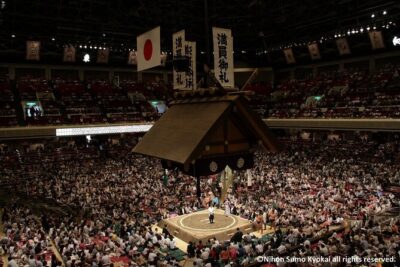 ★ 5.0Tokyo Grand Sumo Tournament Viewing Tour with TicketsFrom $124692 reviews
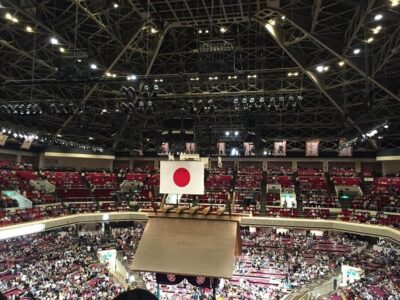 ★ 5.0Tokyo Sumo Wrestling Tournament ExperienceFrom $124660 reviews
 ★ 4.7Luxury Sumo Show Experience & Japanese cuisine & DrinkFrom $103577 reviews
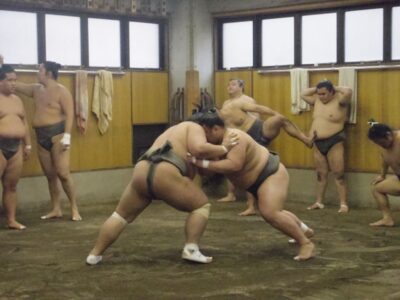 ★ 4.8Sumo Morning Practice Viewing TourFrom $81570 reviews
Browse the lists this tour appears in