
Reviewed · KAMAKURA DAY TRIPS
Private Tour Kamakura Yokohama Day Trip English speaking driver
Fuji shows up after temples. This private Kamakura and Yokohama day trip is interesting because it layers ancient Zen and Buddhist sites with real shopping streets and Yokohama waterfront energy, all with a private route. I love how the day runs with an English-speaking driver who handles timing and logistics, and I love the mix of iconic highlights like Daibutsu plus quieter garden moments. One possible drawback is that entry fees are not included, so you’ll need to budget extra on top of the tour price.
You’ll spend about 10 hours in an air-conditioned vehicle, starting in Kamakura and then moving to Yokohama for Chinatown and Sankeien Garden. Along the way you’ll see major landmarks like Hōkoku-ji (Bamboo Temple), Hase-dera (famous for a massive wooden Kannon statue), Kotoku-in (the Great Buddha), and Tsurugaoka Hachimangu Shrine. It’s a lot, but that’s the point: you get a full day of contrasts without wrestling trains and transfers.
In This Review
- Key reasons this Kamakura Yokohama day trip works
- Private pickup and the calm of a 10-hour route
- Hōkoku-ji bamboo garden: Zen calm and Shaka Nyorai
- Hase-dera and the massive wooden Kannon statue
- Kotoku-in Great Buddha: the Daibutsu that dominates the scene
- Tsurugaoka Hachimangu Shrine: ponds tied to the Taira and Minamoto
- Komachidori street time: shopping and sweet-shop breaks
- Yokohama Chinatown: a 160-year-old food-and-street stop
- Sankeien Garden: a 1906 silk trader’s traditional world
- Yuigahama seaside park: photos with Mount Fuji across the ocean
- Price and logistics: what $399 per group really buys
- Who this Kamakura and Yokohama private tour suits best
- Should you book this private English-speaking day trip?
- FAQ
- What sites are included in the Kamakura and Yokohama day trip?
- How long is the tour?
- Is hotel pickup included?
- Are temple and garden entry fees included?
- How much does the tour cost?
- Is this a private tour or shared tour?
- What is the cancellation policy?
Key reasons this Kamakura Yokohama day trip works
- Private pickup rhythm: You avoid public-transport stress on a long day.
- Kamakura’s top temple hits: Bamboo Temple, the Great Buddha, and a major Zen-era shrine stop.
- Yokohama Chinatown time: About 160 years old, with today’s roots tied to Guangzhou.
- Sankeien Garden (1906): A traditional garden designed by silk trader Tomitaro Hara.
- Photo-friendly sea finish: Yuigahama area views with Mount Fuji across the ocean.
- Guide flexibility: In real-world use, drivers like Sunny and Mr Vicky adjust to what you want to slow down for.
Private pickup and the calm of a 10-hour route
This is built for people who want a day that feels controlled, not chaotic. The tour price is set per group (up to 6), and you get private transportation with fuel, tolls, and taxes handled. That matters because Kamakura and Yokohama can be fast to cover by car, but fiddly if you try to time buses and rail connections yourself.
You’ll also get a mobile ticket, which helps reduce the friction of day-of check-in. And since it’s private, you’re not stuck following a big group pace while you’re trying to read temple signage, find the best photo angles, or just catch a breath.
The tradeoff is simple: 10 hours is a long day. Plan for walking at shrines and garden paths, and wear shoes you trust, especially if you’ll be doing lots of Komachidori street wandering.
Coast-and-Buddha days near Kamakura, rated
- Tokyo: Mt. Fuji, Kamakura, Big Buddha, & Lake Ashi Day Trip
★ 4.5 · 867 reviews - Tokyo:Sea of Mount Fuji, Hakone Ropeway, Ōwakudani, Enoshima
★ 4.9 · 84 reviews - Kamakura 8 hr Private Walking Tour with Licensed Guide from Tokyo
★ 5.0 · 80 reviews - Tokyo: Kamakura & Enoshima Day Tour with Pickup & Train Ride
★ 4.1 · 61 reviews
Hōkoku-ji bamboo garden: Zen calm and Shaka Nyorai
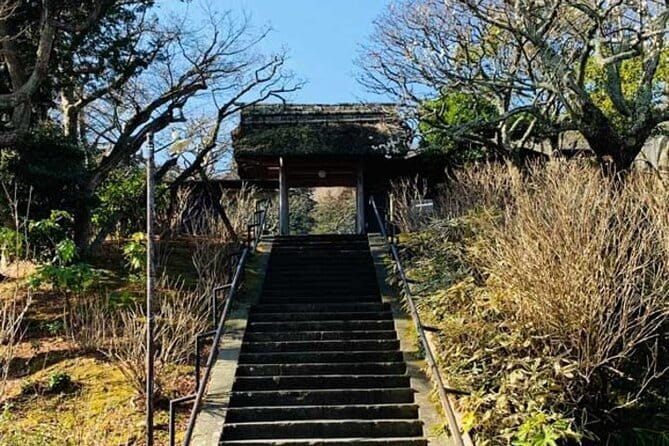
Hōkoku-ji is known as the Bamboo Temple, and you can see why once you’re in the garden atmosphere. It sits in the Kenchō-ji school of the Rinzai sect of Zen Buddhism, so the mood is focused and quiet rather than showy.
The big draw here is that bamboo garden feeling, plus the temple’s principal image: a statue of Gautama Buddha, called Shaka Nyorai. You’ll get about an hour, which is enough time to slow down, look around, and take a few photos without feeling rushed.
Two practical notes. First, entry is not included, so expect to pay at least at some of the stops. Second, bamboo garden visuals look best when the light is soft, so don’t assume the sharpest results are at the first moment you arrive.
Hase-dera and the massive wooden Kannon statue
Hase-dera, often called Hase-kannon, is one of Kamakura’s most famous temple stops for a reason: it houses a massive wooden statue of Kannon. That image is a major part of why people come, because it gives the temple a strong center of gravity, visually and spiritually.
This temple has an interesting religious history too. It originally belonged to the Tendai sect, then became an independent temple of the Jōdo-shū. In other words, it’s not just scenery; it’s a place with layers, where the way the temple evolved shapes how you experience it today.
You’ll have around two hours, which is helpful because temple grounds often take time: you may want to pause for views, step into halls if they’re open, and read what you can. If you’re sensitive to crowd noise, Hase-dera’s pacing can feel more manageable because the stop is longer.
Kotoku-in Great Buddha: the Daibutsu that dominates the scene
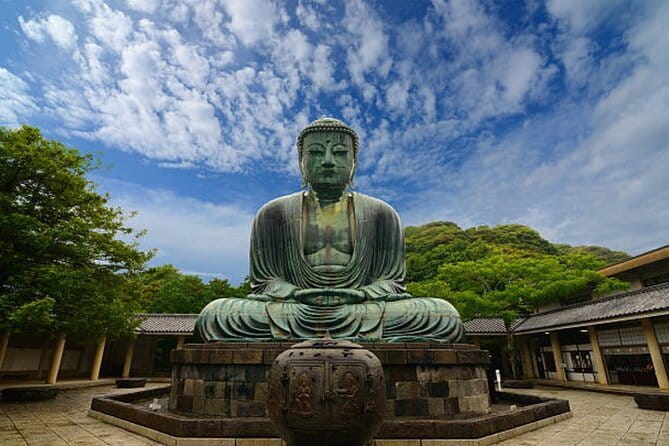
Kotoku-in is the Kamakura Great Buddha temple, and the main event is exactly what you think it is: the huge Daibutsu. Even if you’ve seen Buddha statues before, the scale here changes the feeling. It’s less about a quick picture and more about sitting with how big it is and how the grounds frame it.
This temple belongs to the Jōdo-shū sect, and its mountain name is Taiizan. It’s also known by another temple name, Shōjōsen-ji. That extra naming detail matters because you’ll often see references in signs and maps, and knowing that reduces confusion.
Expect about an hour for Kotoku-in. That’s usually enough for photos, a walk around the area, and a calm look at the statue. One consideration: because it’s a top highlight, you can get busy, so aim to arrive with a mindset of moving patiently rather than racing.
Tsurugaoka Hachimangu Shrine: ponds tied to the Taira and Minamoto
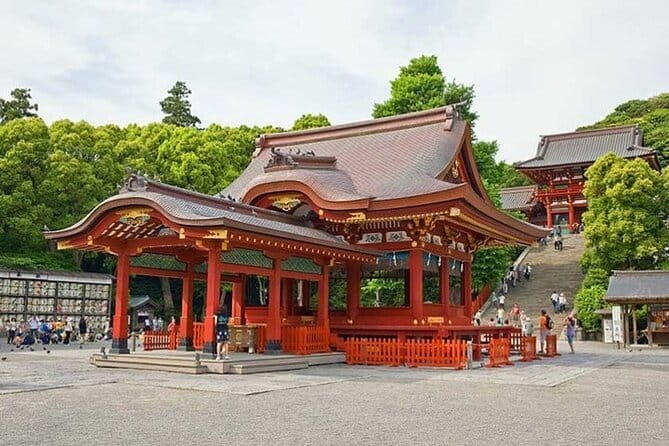
At Tsurugaoka Hachimangu, you’re stepping into a cultural center of Kamakura. This shrine is also tied to important festivals and has two museums, which means it’s not only about rituals and prayer spaces.
The most distinctive features for many visitors are the two ponds that represent the Taira and Minamoto clans. Even if you don’t go deep into clan history, seeing the ponds side-by-side gives you a quick, visual way to understand how the shrine encodes story in design.
You’ll get around an hour here. That’s a fair window if you want both the main shrine area and a bit of wandering without cutting it too close for later Yokohama stops. If you’re interested in museums, you might use part of this hour to prioritize what looks most relevant to you.
The harbour city next door, reviewed
- Narita Airport: One Way Private Transfer to Tokyo|Yokohama Hotels★ 4.5 · 69 reviews
- Tokyo/Yokohama: Mt. Fuji and Hakone Private Day Tour★ 5.0 · 64 reviews
- Tokyo: Private One-Way Transfers to/from Yokohama Port★ 4.5 · 50 reviews
- Private Car Tour to see Highlights of Kamakura, Enoshima, Yokohama from Tokyo★ 5.0 · 48 reviews
- Haneda Airport: One Way Private Transfer to Tokyo|Yokohama Hotels★ 4.0 · 28 reviews
Komachidori street time: shopping and sweet-shop breaks
Komachidori is the lively pedestrian walkway in Kamakura, lined with apparel, souvenirs, and snack-friendly stops. This is the moment where the day stops feeling like a list of monuments and turns into a real neighborhood walk.
You’ll have about an hour, which is long enough to browse, grab something small, and still keep your energy for the move to Yokohama. If you like matcha sweets or simple local treats, plan to make this your timing anchor rather than leaving it for the end of the day when legs are tired.
One practical heads-up: if you have a special diet, you may need extra care here. In my experience with this kind of route, it’s easy to assume every street has the same options, but that’s not always true once you factor in vegetarian needs.
Yokohama Chinatown: a 160-year-old food-and-street stop
After Kamakura, you’ll shift to Yokohama and visit Chinatown. This area is about 160 years old, and today the population is roughly 3,000 to 4,000, with many residents coming from Guangzhou. That background helps explain why the street feels like its own world, not just a theme park.
You’ll get around two hours, which works well because Chinatown is best experienced slowly. You’ll likely want time for a snack, a sit-down meal, and a walk through the smaller lanes without feeling like you’re on a timer.
Admission is listed as free for this stop, which is nice value-wise. Just remember you’ll still spend money here if you eat. Plan your meal strategy so you’re not paying for both lunch and dinner in the same two-hour window.
Sankeien Garden: a 1906 silk trader’s traditional world
Sankeien Gardens is where the day gets its reset button. This is a traditional Japanese-style garden in Yokohama’s Naka Ward that opened in 1906, created by Tomitaro Hara, a silk trader also known by the name Sankei Hara.
A garden visit sounds easy on paper, but it’s often the most memorable part of a long sightseeing day. You’ll get about an hour, and that’s usually enough time to follow paths, catch small view corridors, and appreciate how the garden uses space and pacing.
In real use, I’ve found this is also a good place for a quiet break. One guide experience I saw included a matcha tea moment that fit the calm garden mood without turning the day into a shopping spree.
If you’re the type who likes gardens but hates rushing, Sankeien is one of the better slots to have on your schedule. If you’re more into temples than outdoor walks, this still delivers because it gives you a different kind of Japanese artistry.
Yuigahama seaside park: photos with Mount Fuji across the ocean
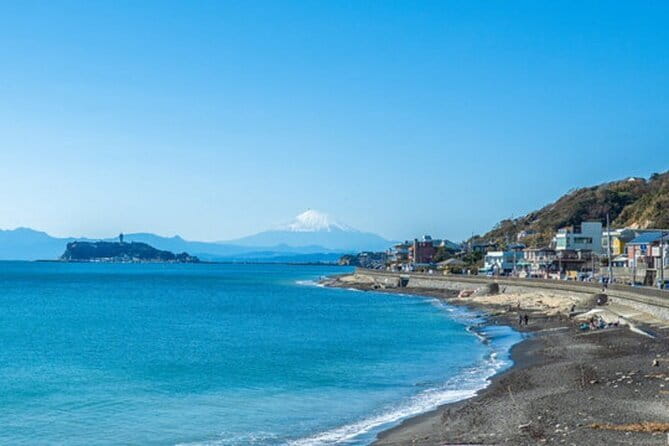
Your last major stop is in the Yuigahama area at Kamakura Seaside Park. The big reason people love this finish is the photo potential: you can line up shots with Mount Fuji in the distance across the ocean.
This isn’t a museum stop or a long guided lecture. It’s about air, views, and a bit of letting the day cool down. You’ll have about an hour, which is enough to take pictures, walk along the shore, and decide whether you want to keep exploring nearby on your own after the tour ends.
One thing to remember: Fuji visibility can depend on weather and season. So treat this as a bonus moment rather than a guaranteed postcard. Even on less perfect days, the seaside air usually helps you end the trip feeling lighter than when you started.
Price and logistics: what $399 per group really buys
At $399 per group for up to 6 people, the value comes from control. You’re paying for private transportation, an air-conditioned vehicle, and the practical extras like fuel charges, tolls, and taxes. For small groups, it can be cheaper than you expect once you factor in the hassle of trains plus multiple taxi hops plus time.
Here’s the math that helps you decide. If your group fills all 6 seats, you split $399 across 6 people, which drops the per-person tour cost a lot. If you’re traveling as 2, the tour price per person rises, so your decision depends more on whether you want the convenience and pacing that private guides provide.
Then there are admissions. Entry fees are not included for several stops, and your admission fees are estimated at about 1100 JPY per person. That means your total budget is tour price plus per-person entry costs. The good part is that the major stops are clearly specified, so you can plan your spending without guessing.
Also, this is often booked around 55 days in advance. That’s a clue it’s popular for a reason: Kamakura and Yokohama are high-demand day-trip zones, and private English-speaking drivers fill up.
Who this Kamakura and Yokohama private tour suits best
This tour is a great fit if you want a structured day across two cities without the mental overhead. If you’re traveling as a couple, a small family, or a group of friends who want to move efficiently, private transport is the main advantage.
It also works well if you care about iconic landmarks but don’t want to manage ticket timing and routing. The sequence makes sense: you start with Kamakura’s major temple-and-shrine focus, then shift to Yokohama for Chinatown and Sankeien.
If you have dietary restrictions, consider planning ahead. One real-world concern that can come up on this kind of route is that vegetarian options aren’t guaranteed at every stop, and you may need the guide’s help to find something satisfying.
Should you book this private English-speaking day trip?
Book it if you want a high-coverage Kamakura and Yokohama day that stays easy on your feet and your schedule. The private English-speaking driver helps a lot, especially when you want to adjust on the fly or just stop worrying about which station to use next.
I’d skip it if your travel style is slow and you prefer free-form exploration without a timed route. The day is built to hit multiple big sights, so you’ll want to be comfortable with a packed-but-manageable rhythm.
If you’re the kind of traveler who likes the best-of Kamakura hits plus Yokohama’s standout districts, this tour is a strong value when you can split the group price.
FAQ
What sites are included in the Kamakura and Yokohama day trip?
You’ll visit Hokoku-ji, Hase-dera, Kotoku-in (Great Buddha of Kamakura), Tsurugaoka Hachimangu Shrine, Kamakura Komachidori, Yokohama Chinatown, Sankeien Gardens, and Kamakura Seaside Park in the Yuigahama area.
How long is the tour?
The tour is about 10 hours.
Is hotel pickup included?
Pickup is offered, and the tour uses a private air-conditioned vehicle.
Are temple and garden entry fees included?
No. Entry fees for several stops are not included, and your admission fee is estimated at about 1100 JPY per person.
How much does the tour cost?
The price is $399.00 per group, up to 6 people.
Is this a private tour or shared tour?
It’s private. Only your group participates.
What is the cancellation policy?
Free cancellation is available. You can cancel up to 24 hours in advance of the experience for a full refund.
If you want, tell me your group size and travel month, and I’ll suggest the best way to budget admissions and lunch for this exact route.
More Tour Reviews in Tokyo
- Mt Fuji and Hakone 1-Day Bus Tour Return by Bullet Train
★ 5.0 · 26,383 reviews - 1-Day Tokyo Bus Tour
★ 5.0 · 14,250 reviews - Tokyo: teamLab Planets TOKYO Digital Art Museum Entry Ticket
★ 4.6 · 9,779 reviews - Mt Fuji & Hakone Cruise, Drum Show Bullet Train 1 Day from Tokyo
★ 4.0 · 7,413 reviews - Tokyo: Shinjuku Food Tour (13 Dishes at 4 Local Eateries)
★ 5.0 · 6,603 reviews
The Harbour City Next Door, Rated
- Narita Airport: One Way Private Transfer to Tokyo|Yokohama Hotels
★ 4.5 · 69 reviews - Tokyo/Yokohama: Mt. Fuji and Hakone Private Day Tour
★ 5.0 · 64 reviews - Tokyo: Private One-Way Transfers to/from Yokohama Port
★ 4.5 · 50 reviews - Private Car Tour to see Highlights of Kamakura, Enoshima, Yokohama from Tokyo
★ 5.0 · 48 reviews - Private Kamakura plus Yokohama Tour – English Speaking Driver
★ 4.5 · 28 reviews
More Kamakura and Enoshima Days
- Tokyo: Mt. Fuji, Kamakura, Big Buddha, & Lake Ashi Day Trip
★ 4.5 · 867 reviews - Tokyo:Sea of Mount Fuji, Hakone Ropeway, Ōwakudani, Enoshima
★ 4.9 · 84 reviews - Kamakura 8 hr Private Walking Tour with Licensed Guide from Tokyo
★ 5.0 · 80 reviews - Tokyo: Kamakura & Enoshima Day Tour with Pickup & Train Ride
★ 4.1 · 61 reviews - Kamakura Private & Customizable Tour – All-in-One Experience
★ 5.0 · 49 reviews
Latest Tokyo reviews off our desk






Kamakura Day Trips, compared.
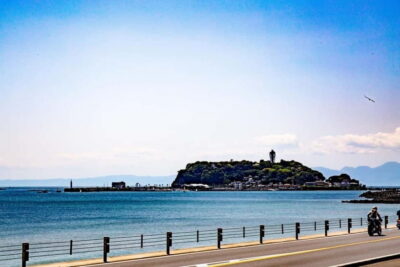 ★ 4.5Kamakura & Enoshima Day Trip including Temple TicketsFrom $581,375 reviews
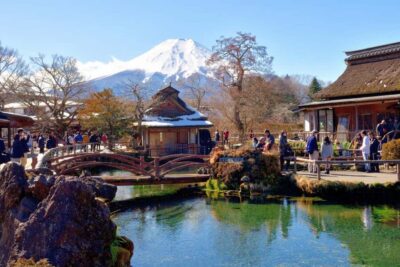 ★ 4.5Mt. Fuji, Kamakura, Big Buddha, & Lake Ashi Day TripFrom $49867 reviews
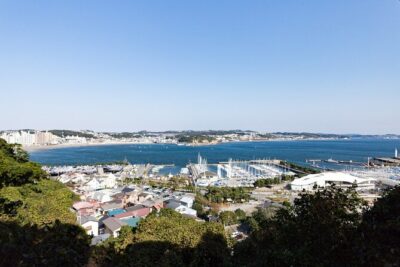 ★ 4.5From Tokyo: Kamakura & Enoshima 1-Day Bus TourFrom $66189 reviews
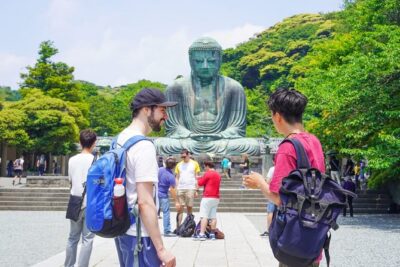 ★ 5.0Kamakura Historical Walking Tour with the Great BuddhaFrom $98129 reviews
 ★ 5.0Kamakura Private Tour: Temples, Nature, and the Great BuddhaFrom $98121 reviews
 ★ 5.0Kamakura Walking Tour – The City of ShogunFrom $35100 reviews
 ★ 4.9Sea of Mount Fuji, Hakone Ropeway, Ōwakudani, EnoshimaFrom $5084 reviews
 ★ 5.0Kamakura 8 hr Private Walking Tour with Licensed Guide from TokyoFrom $20180 reviews
Browse the lists this tour appears in