
Reviewed · TEA CEREMONY & MATCHA
Privately visit local home for relax tea ceremony &music, Tokyo
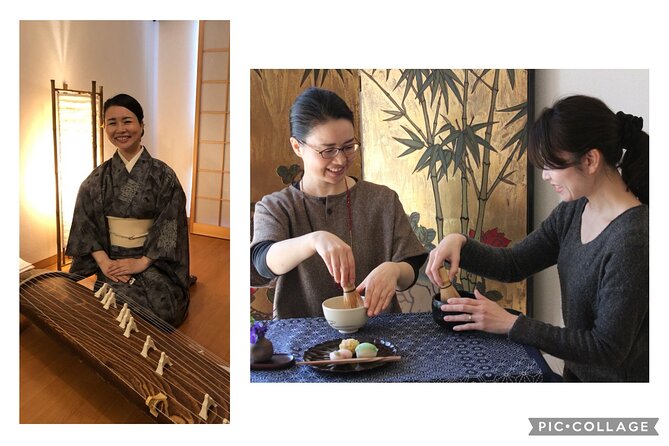
Tea and music, in a real home. This private Tokyo experience feels like visiting a friend: you’ll enjoy a relaxed tea ceremony and a live koto performance in host Noriko’s cozy house, with lots of room for questions about Japanese culture. It’s informal, warm, and built for people who want something more personal than a standard show.
What I like most is how much you actually do. You’ll make your own matcha (with step-by-step guidance), then you’ll get to try playing the koto yourself right after Noriko performs two pieces. I also love the tone: Noriko shares history and context, and you can tell she’s genuinely excited to talk tea, music, and Japan, not just run a scripted activity.
One thing to consider is time. The core visit runs about 2 hours, so it’s not a long, slow cultural immersion, and adding the optional yukata will extend the experience further. If you’re the type who wants extra “hang time,” plan your schedule with that in mind.
In This Review
- Key highlights you’ll care about
- A Private Tea Ceremony at Noriko’s Home Near Shin-Urayasu Station
- Getting There: 20 Minutes From Tokyo, Then a Short Walk
- Tea Ceremony: Matcha With History, Then Your Turn
- First bowl: you watch and understand
- Second bowl: you make your own
- What this really gives you
- Koto Music in a Home Setting: Watch, Then Play a Melody
- Why the “try it” part matters
- Optional Yukata: Cotton Kimono, Dressing Time, and Photos
- Plan around the extra time
- Photos that actually fit the setting
- Price and Value: Why $81 Works for What You Get
- Who Should Book This Private Tea and Koto Experience
- Should You Book This Private Tokyo Tea Ceremony and Koto Visit?
- FAQ
- Where is the meeting point?
- How long does the experience take?
- What do I do during the tea ceremony?
- Do I just watch the koto, or do I play it?
- How much does the yukata option cost and what’s included?
- How far is it from Tokyo Station?
- Is there a refund if plans change?
Key highlights you’ll care about
- A private setup with only your group, so you can ask questions without rushing
- Two-part tea ceremony, including making your own matcha with clear guidance
- Live koto performance plus hands-on playing, so it’s not just watching
- No strict rules, just a welcoming, relaxed atmosphere
- Optional cotton yukata (3,500 yen) with dressing time and simple hairstyle for women
A Private Tea Ceremony at Noriko’s Home Near Shin-Urayasu Station
This is the kind of cultural experience that works because it stays human-sized. You’re not stuck in a formal room with strict etiquette checkpoints. Instead, you’re welcomed into Noriko’s home, hear a bit of context, and then move at a comfortable pace.
The heart of it is the tea ceremony—matcha first, then you make your own bowl. That hands-on part matters. Even if you’re not “good at traditions,” you’ll still get to participate in the motions that make tea ceremony feel special: how to prepare, how to handle the bowl, and how to slow down for the moment.
And then you shift gears to music. The koto isn’t just entertainment here; it’s part of the cultural story you’re experiencing in the house. Noriko performs two pieces, and then you try a melody. That order helps—watching comes first, so when it’s your turn you’re not staring at an instrument with zero idea what you’re aiming for.
More tea rooms our readers rated
- Matcha Making Class in Tokyo with Authentic Japanese Sweets Set
★ 5.0 · 744 reviews - Tokyo: Traditional Tea Ceremony with a Tea Master
★ 5.0 · 528 reviews - Tokyo: Matcha Making Experience with Mochi Sweets in Asakusa
★ 4.9 · 388 reviews - Tokyo: Matcha and Kimono Experience
★ 4.7 · 219 reviews
Getting There: 20 Minutes From Tokyo, Then a Short Walk
Location-wise, this is much easier than it sounds. You meet at Shin-Urayasu Station (JE08). From there, Noriko leads you with a short walk to her home—about a 3–4 minute stroll. The area is close enough to central Tokyo that you can still make a day of it.
You’ll be starting about 20 minutes from Tokyo Station by train, which keeps the trip from eating your whole evening. I like that the schedule doesn’t force you into an all-day commute. You can do Tokyo sightseeing earlier, then come here for something quiet and personal.
Practical tip: if you’re trying to optimize your day, treat this as an evening-style cultural stop. The home setting works best when you arrive relaxed, not rushed, and ready to focus for about two hours.
Tea Ceremony: Matcha With History, Then Your Turn
The tea ceremony begins with a warm welcome from Noriko at the station area, followed by the walk to the house. Once you’re inside, the tone is relaxed. There are no hard, intimidating rules. You’re encouraged to ask questions, and the pacing makes it feel natural even if tea ceremony is totally new to you.
First bowl: you watch and understand
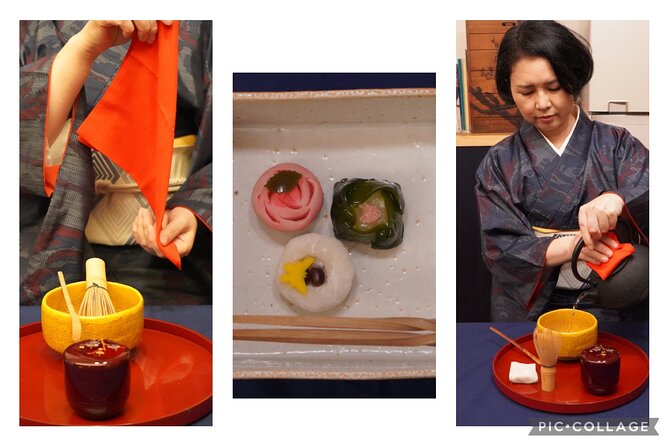
Noriko will prepare the first bowl of matcha. Before that, she shares a bit about the history and meaning behind the ceremony. That brief context is useful because it gives you something to pay attention to while you watch—what you’re seeing is not random tradition, it’s intentional ritual.
Second bowl: you make your own
Then you make the second bowl yourself. Noriko guides you step by step, which is a big deal for beginners. You’re not expected to already know how matcha tools should feel in your hands. You just follow along and focus on doing it properly in the moment.
You’ll enjoy your tea with sweets too. There are two small sweets plus one seasonal sweet included. That seasonal element is the kind of detail that makes the experience feel current and local to the day, not like a one-size-fits-all “performance.”
- Tokyo: Shinjuku Food Tour (13 Dishes at 4 Local Eateries)★ 5.0 · 6,603 reviews
- Tokyo Mt Fuji 5th St & Hakone Cruise Bus Tour w/Bullet Train★ 4.4 · 5,024 reviews
- Flagship 2-Hours Official Street Go-Kart Tour – Tokyo Bay Shop★ 5.0 · 4,974 reviews
- From Tokyo: Mount Fuji Full-Day Sightseeing Trip★ 4.5 · 4,970 reviews
- Tokyo: Hop-On Hop-Off Sightseeing Bus Ticket★ 3.9 · 4,207 reviews
What this really gives you
The best value here isn’t just matcha. It’s the change in rhythm. Tea ceremony is about slowing down, and you get a hands-on reason to do it instead of just being told to. If you’ve ever felt like Japanese culture is happening too fast when you’re sightseeing, this is a nice reset.
Koto Music in a Home Setting: Watch, Then Play a Melody
Next comes the koto. Noriko performs two pieces first. Hearing it live is a different experience than listening to a recording, especially in a quiet, indoor setting where you can pick up the feel of the sound.
Then it’s your turn. You may be surprised by how quickly you can play a melody. The structure works well: you get to understand what the instrument is doing before you try, and the whole process is designed so you leave having made music, not just learned facts.
Why the “try it” part matters
A lot of music activities end at watching. Here, you cross into participation. That small switch turns the koto from something you admire into something you understand. Even if your first notes are simple, you’ll walk away with a real memory of how the koto responds to your touch.
And because the setting is private, it feels more like a lesson in atmosphere than a formal concert. You can ask about what you’re hearing. You can also ask about what makes that instrument special in Japanese culture, since Noriko is ready to explain.
Optional Yukata: Cotton Kimono, Dressing Time, and Photos
You can add a yukata experience if you want to step into the moment. It’s an optional cotton kimono (yukata) add-on for 3,500 yen. You can pay by cash, card, or PayPal.
This option includes dressing, and it does take time. The dressing schedule is different depending on gender: about 10 minutes per man, and for women it’s 20–30 minutes including selection. Women also receive a simple hairstyle. You’ll want to request this when booking so Noriko can plan accordingly.
Plan around the extra time
The tour length extends when you choose yukata. The exact new total isn’t listed, so treat it as “longer than the standard 2 hours.” If you have a tight connection after, give yourself buffer time.
Photos that actually fit the setting
After the activity (and after dressing, if you choose it), Noriko helps you take memorable photos. This is another reason the private home setting is valuable: you get pictures that look natural and specific to this experience, not just generic “in front of a wall” tourism shots.
Price and Value: Why $81 Works for What You Get
At $81 per person for an approximately 2-hour private experience, the price makes sense if you look at what’s included rather than just the label.
You’re paying for:
- a private host in a home setting
- a tea ceremony with history plus your hands-on matcha making
- multiple included sweets with your tea, including a seasonal item
- a live koto performance
- hands-on time trying the koto yourself
- and optional yukata dress-up if you choose it
This isn’t a “drop in, watch once, leave” situation. The hands-on parts—making matcha and playing koto—are exactly what you want for value, because they turn the experience into something you do, not just something you observe.
Also, the experience notes group discounts. If you’re coming with family or friends, it can get even better, since you still get the private-group format.
My practical read: if you’re the kind of traveler who likes authentic cultural activities but hates stiff rules and crowded rooms, this is a strong use of time. If you’re mainly shopping for the cheapest ticket to check off tea ceremony, you might prefer a larger, lower-cost group option elsewhere. But for personal attention and participation, this is priced fairly.
Who Should Book This Private Tea and Koto Experience
This experience is ideal if you:
- want Japanese culture in a casual, welcoming home setting
- enjoy hands-on activities more than passive sightseeing
- like learning from a host who can answer questions
- are curious about the link between tea, aesthetics, and traditional music
- want an experience that feels calmer and more personal than big tours
It may be less ideal if you:
- need a strict schedule to the minute and can’t handle the possibility of extra yukata time
- expect a long, multi-hour deep dive into tea history only, without the practical components
- want something that feels like a full “performance night” with lots of audience seating
If you’re visiting Tokyo and want one memorable, cultural “anchor” that doesn’t feel like a tourist show, this fits nicely.
Should You Book This Private Tokyo Tea Ceremony and Koto Visit?
Yes, you should book it if your goal is participation and personal context. The combination is the draw: matcha you make with guidance, sweets included, then koto music that ends with you playing a melody. Add Noriko’s teaching style—sharing history and responding to questions—and you get a cultural experience that feels thoughtful, not scripted.
Book it soon enough to match your plans. The typical booking pace is about 20 days in advance on average, so don’t wait until the last minute if your dates are fixed.
And if you can, consider the yukata option for the extra atmosphere and photos. Just build in time so you don’t feel rushed.
FAQ
Where is the meeting point?
You’ll meet at Shin-Urayasu Station (JE08). The experience ends back at the meeting point.
How long does the experience take?
It lasts about 2 hours.
What do I do during the tea ceremony?
You’ll start with a relaxed tea ceremony, then you’ll make your own matcha for a second bowl with step-by-step guidance. You’ll also have sweets with your tea.
Do I just watch the koto, or do I play it?
You’ll hear Noriko perform two koto pieces, and then you’ll get a chance to try playing a melody yourself.
How much does the yukata option cost and what’s included?
The optional cotton yukata costs 3,500 yen and includes dressing (and a simple hairstyle for women), plus it extends the experience time. You should request it when booking.
How far is it from Tokyo Station?
It’s about 20 minutes from Tokyo Station, followed by a short walk (about 3–4 minutes) to the home.
Is there a refund if plans change?
Cancellation is free if you cancel at least 24 hours before the experience starts for a full refund. Changes made less than 24 hours before the start time aren’t accepted.
More Tour Reviews in Tokyo
- Mt Fuji and Hakone 1-Day Bus Tour Return by Bullet Train
★ 5.0 · 26,383 reviews - 1-Day Tokyo Bus Tour
★ 5.0 · 14,250 reviews - Tokyo: teamLab Planets TOKYO Digital Art Museum Entry Ticket
★ 4.6 · 9,779 reviews - Mt Fuji & Hakone Cruise, Drum Show Bullet Train 1 Day from Tokyo
★ 4.0 · 7,413 reviews - Tokyo: Shinjuku Food Tour (13 Dishes at 4 Local Eateries)
★ 5.0 · 6,603 reviews
More Tea and Matcha Rooms
- Matcha Making Class in Tokyo with Authentic Japanese Sweets Set
★ 5.0 · 744 reviews - Tokyo: Traditional Tea Ceremony with a Tea Master
★ 5.0 · 528 reviews - Tokyo: Matcha Making Experience with Mochi Sweets in Asakusa
★ 4.9 · 388 reviews - Tokyo: Matcha and Kimono Experience
★ 4.7 · 219 reviews - Tea Ceremony Workshop in Tokyo by the Experienced Instrucor
★ 5.0 · 189 reviews
Latest Tokyo reviews off our desk






Tea Ceremony & Matcha, compared.
 ★ 5.0Matcha Making Class in Tokyo with Authentic Japanese Sweets SetFrom $21744 reviews
 ★ 5.0Traditional Tea Ceremony with a Tea MasterFrom $38528 reviews
 ★ 4.9Matcha Making Experience with Mochi Sweets in AsakusaFrom $22388 reviews
 ★ 4.7Matcha and Kimono ExperienceFrom $57219 reviews
 ★ 5.0Tea Ceremony Workshop in Tokyo by the Experienced InstrucorFrom $38189 reviews
 ★ 4.9Asakusa Kimono Dressing and Matcha ExperienceFrom $56173 reviews
 ★ 4.9Asakusa: Kimono Tea Ceremony with Matcha and SweetFrom $66153 reviews
 ★ 5.0Make Traditional Nerikiri Sweets & Matcha experience in ShibuyaFrom $60130 reviews
Browse the lists this tour appears in