
Reviewed · ASAKUSA & SENSOJI TOURS
Samurai Sword & Sushi Experience with Chef Live Shows in Asakusa
Step out of the elevator like you mean it. This Asakusa experience mixes samurai-style photo ops with a real, interactive sushi-making class.
I like that you are not just watching. You dress up, learn techniques, and then eat a spread that goes way beyond basic nigiri.
My second favorite part is the small group setup. You get direct chef coaching, plus fun add-ons like trivia-style challenges while you make sushi yourself.
One consideration: the tastings can include items like caviar and crab, so if you strongly avoid certain flavors, check what your package includes before you commit.
In This Review
- Key Things to Know Before You Go
- JIN-ASAKUSA in Asakusa: Samurai Armor Meets a Real Sushi Counter
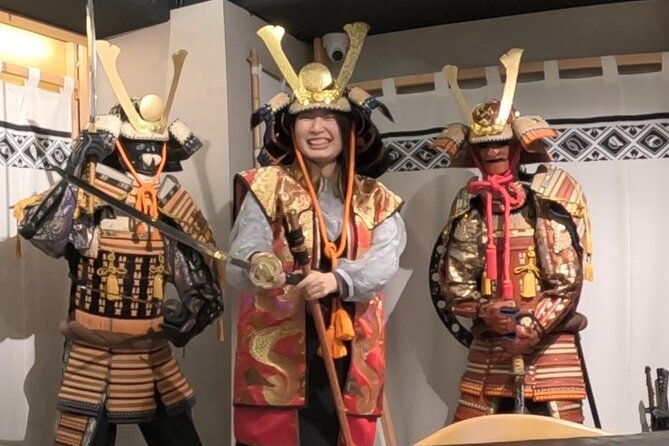
- Dress Like a Shogun: Photo Time Before You Touch the Rice
- Hands-On Nigiri Training With the Chef: How the Technique Actually Works
- The Tasting Menu: 10 Types Plus α, From Tuna to Wagyu, Caviar, and Crab
- Games, English Explanations, and the Small-Group Advantage
- Price and Value for a 2-Hour Tokyo Food Lesson
- Who This Is Best For (and Who Might Skip It)
- Should You Book This Samurai Sword and Sushi Experience in Asakusa?
- FAQ
- How long is the Samurai Sword and Sushi Experience in Asakusa?
- Where does the experience start?
- What’s the group size?
- What is included in the ticket price?
- Are drinks included?
- What kinds of sushi and tastings are part of the experience?
- Is free cancellation available, and how late can I cancel?
Key Things to Know Before You Go
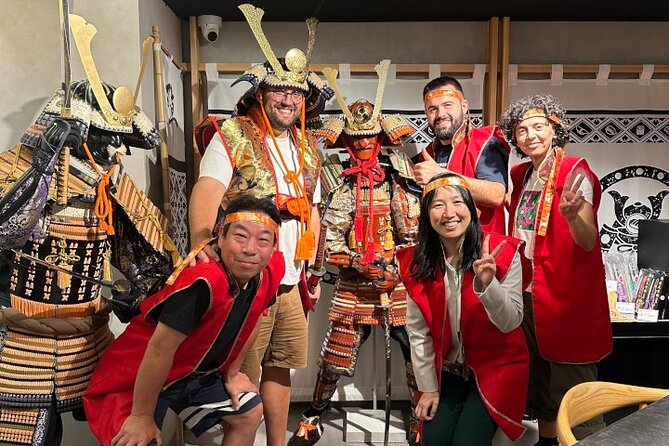
- Samurai armor + swords theming creates a photo-friendly start before the sushi work begins
- Small group (max 12) keeps the class interactive and focused on you
- Chef-led nigiri making with hands-on instruction, not just a demonstration
- Tasting variety (10 types plus α) includes higher-end options like wagyu, caviar, and crab
- Dashimaki cooked in front of you, adding a warm, egg-based element to the meal
- English explanations help beginners follow the steps without guessing
JIN-ASAKUSA in Asakusa: Samurai Armor Meets a Real Sushi Counter
Asakusa is a great base for Tokyo food experiences, and this one has a big advantage: it is very close to both the action and the landmarks. You are about a 1-minute walk from Asakusa Station and roughly 3 minutes from Sensoji Temple. That matters. You can line this up around temple time, shopping, or an evening stroll without eating your whole day in transit.
The meeting point is at JIN-ASAKUSA 陣-浅草, located on the 4F of CREAL浅草スカイビュースクエア. When you head upstairs, you are not walking into a standard cooking school. You step into a samurai-inspired interior with armor, swords, bamboo, and torch-style atmosphere. The place is built to set the mood fast, and it works.
There is also a practical bonus that I always appreciate in Tokyo: the venue setup includes a panoramic Skytree view. You do not need to be a skyline obsessive to enjoy it. It just makes the experience feel more like an event and less like a class you pop into and rush past.
What you should plan for: you will be moving from a themed dressing area into food prep mode. If you wear anything too fussy, you might feel a little awkward during the transitions. Comfortable clothes and easy shoes are your friend here.
More temple mornings in old Asakusa
- Tokyo: Japanese Dance Cabaret Theater Asakusa-Kaguwa Ticket
★ 4.8 · 2,270 reviews - Tokyo: Meiji Shrine, Asakusa, Skytree Bus Tour and Cruise
★ 4.7 · 1,986 reviews - Tokyo: Roll and Authentic Sushi Making Class in Asakusa
★ 4.9 · 1,957 reviews - Tokyo: Asakusa Walking Tour with Sensoji Temple Visit
★ 4.8 · 1,583 reviews
Dress Like a Shogun: Photo Time Before You Touch the Rice
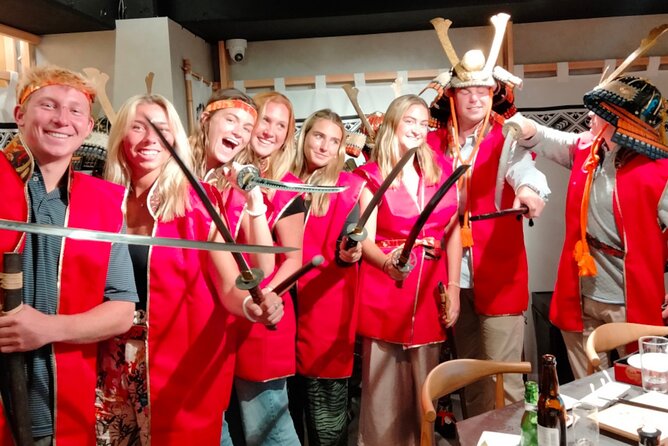
Before you get into the sushi, you get the fun part: you dress in authentic samurai armor. It is not only for photos, either. The armor and sword-filled setting turns the first few minutes into part performance, part cultural costume moment.
This is one of the experiences where I think the photos are not an afterthought. The theming is strong enough that your pictures actually look like Tokyo cosplay meets history. And because you do it right at the start, you get it out of the way before you are hungry and your hands start flying around the rice.
If you are the type who likes taking home something besides just good memories, you will probably love this section. If you hate costumes, you can still enjoy the sushi part, but you should go in expecting the outfit to be a real part of the experience.
Hands-On Nigiri Training With the Chef: How the Technique Actually Works
This is not a sit-down lecture. You get interactive sushi instruction from a sushi chef, with a section where the chef directly guides you while you make sushi yourself. The class is designed for beginners as well as sushi fans. The vibe stays friendly and clear, and the pacing leaves room for questions.
The learning block includes making nigiri and practicing the steps that matter most: shaping the rice correctly and building the topping so it sits properly. You also get to do at least some roll-style work. In the experience details, thick sushi rolls are specifically mentioned in the broader course context, and you may see them during the hands-on tasting flow.
Another thing that makes this feel more like skill-building than entertainment: dashimaki is cooked right in front of you. Dashimaki is a grilled egg dish with dashi flavor, and watching it get made while you are learning sushi adds variety to the meal. It also gives you a quick win. Even if sushi feels intimidating, you still get a hot, savory item as part of the food experience.
Small group size is where the technique coaching becomes real. With a maximum of 12 travelers, you are less likely to feel lost or waiting too long for help. When you are working with rice and precise shaping, that attention helps.
A practical note: sushi is a food where small mistakes feel noticeable. That is also why the chef feedback is valuable. Expect a hands-on approach where you will adjust as you go.
The Tasting Menu: 10 Types Plus α, From Tuna to Wagyu, Caviar, and Crab
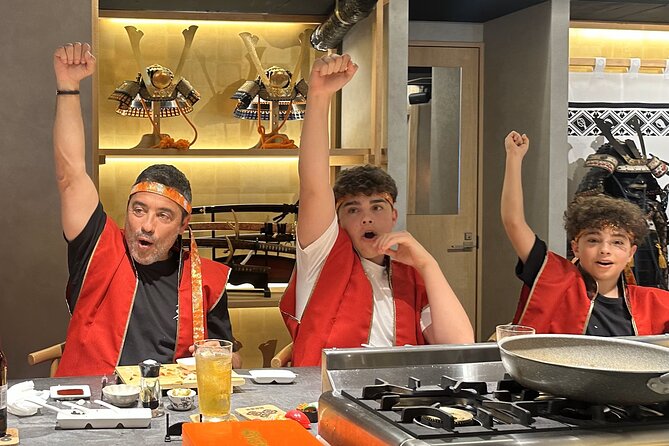
After you learn the basics, you eat like the lesson mattered. The course includes a variety of sushi items: 10 types plus α. You are not stuck with one or two standard pieces. You get a spread that tests different flavors and textures.
High-quality fish is part of the plan, including tuna and salmon, and the course is also described as including premium tastings such as Kobe beef (wagyu). If you usually think of sushi as mostly fish, the wagyu presence is a big “oh, right” moment. It helps you understand that sushi restaurants can showcase different proteins and richness, not just raw seafood.
There are also more adventurous tasting options built in, including caviar and crab. These are not random add-ons. They add a salty pop, a briny texture, and a richness that changes how you experience nigiri. If you like trying foods you might not order casually, this course is set up for that.
And because the meal is included in the ticket price, you are not pacing yourself around extra spending during the eating portion. Your included meal includes the meal costs, service charge, and consumption tax. You still have control over what you do beyond the plan, but at least the core meal is covered.
One detail to remember: additional drinks are not included, aside from water and green tea. So if you want something fizzy or fancy, you may need to budget for it separately.
Games, English Explanations, and the Small-Group Advantage
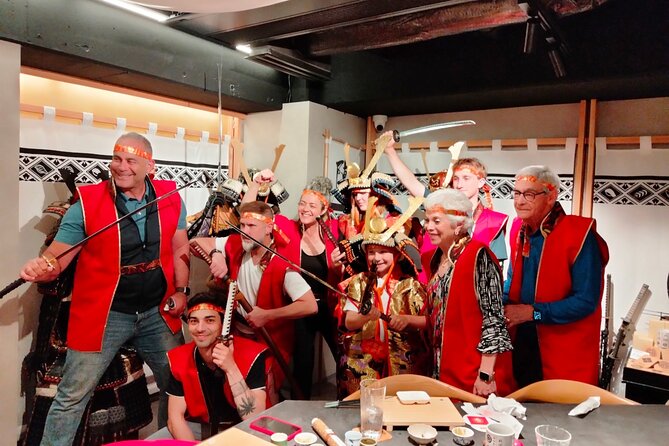
Food classes in Tokyo often fall into two styles: either you watch a lot, or you work too chaotically with little guidance. This one aims for balance, and the small group size supports it.
The experience is described as having an interactive vibe with games and trivia challenges. That matters more than it sounds. It keeps attention from drifting when you are in the middle of learning. Sushi prep can be detail-heavy. Little breaks in the format help you stay sharp and actually absorb what the chef is teaching.
Language is another real-world factor. English explanations are part of the experience, and that is important if you want to learn something you can reproduce later. When the key steps and ideas are explained clearly, you are more likely to remember them on your next trip to your local grocery store back home.
You will also notice a staff presence that feels welcoming and supportive. People in the experience descriptions emphasize friendly, kind instruction and easy-to-follow explanations. That aligns with why small groups work: you have more chance to interact, and you are not just a seat number.
If you are a bit nervous about cooking classes, this setup helps. You get structure, you get guidance, and you get to laugh when rice goes everywhere. Tokyo is not the place to be perfect. It is the place to be curious.
More blade-and-dojo sessions, reviewed
- Tokyo: Samurai Ninja Museum Guided tour and Experience★ 4.6 · 1,010 reviews
- Tokyo: Samurai Sword & Archery Class from Samurai Descendant★ 5.0 · 603 reviews
- Best Samurai Experience in Tokyo★ 5.0 · 458 reviews
- Ninja Experience (Family Friendly) at Samurai Ninja Museum TOKYO★ 5.0 · 441 reviews
- Tokyo: Samurai Entertainment Night Show in Kanda Shrine★ 4.6 · 417 reviews
Price and Value for a 2-Hour Tokyo Food Lesson
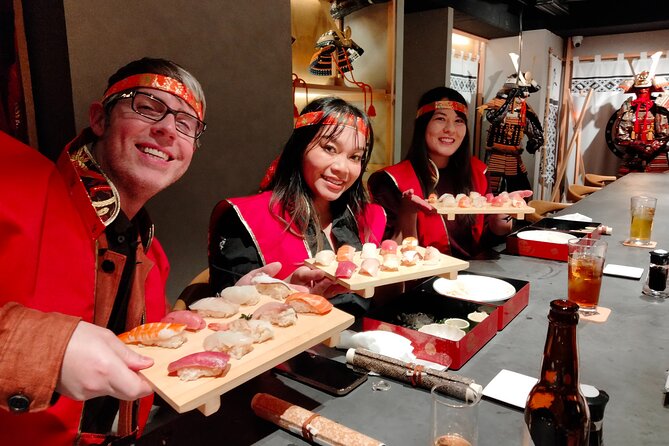
The price is $49.54 per person for about 2 hours. That sounds simple on paper, but here is the real value math: your ticket includes the meal costs, service charge, and consumption tax. So you are not paying extra on top for the food portion you came for.
Also, the experience is doing two things at once: a sushi class plus samurai-themed dressing/photo time. In a city where food tasting alone can add up quickly, bundling the meal with instruction is what makes the ticket feel reasonable.
Where you should be honest with yourself: this is not a multi-day sushi apprenticeship. You will not become a sushi master during one evening. But you will learn enough technique and flow that you can recreate the basics at home, especially the shaping and rice handling ideas.
If you are comparing this to buying sushi at a restaurant only, the trade-off is clear. Restaurant sushi gives you pure eating pleasure. This gives you eating plus learning. If you are the type who enjoys taking skills home, the value improves a lot.
Who This Is Best For (and Who Might Skip It)
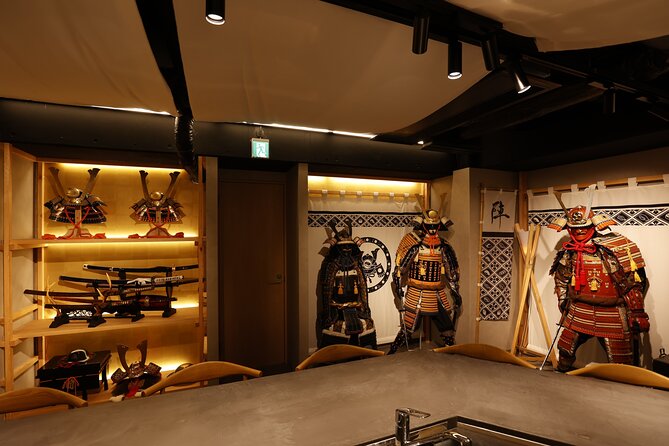
This works especially well for:
- Beginners who want a structured intro to sushi basics
- People who want hands-on food learning instead of watching from a distance
- Couples and small groups looking for an activity that feels more memorable than a standard meal
- Families, since the course is described as engaging for kids and teens and keeps the pace fun
It might be less ideal if:
- You dislike sushi ingredients that show up in the tastings, like caviar and crab
- You are hoping for a quiet, low-energy cooking experience. This one has a game-and-interaction style, so it is not a silent chef workshop
Also, because the theme is strong (samurai armor, swords, photo moment), you should enjoy that style even if you mainly came for the sushi.
Should You Book This Samurai Sword and Sushi Experience in Asakusa?
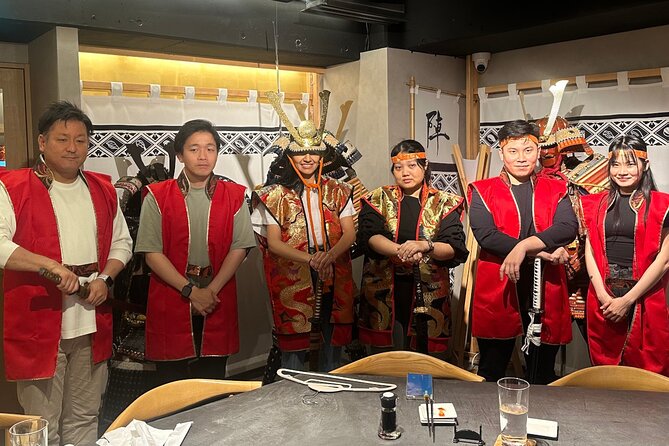
I think you should book it if you want a Tokyo activity that mixes culture, food skill-building, and a fun setting you can actually remember. The small group size, hands-on chef coaching, and the variety of tastings (from tuna and salmon to wagyu, caviar, and crab) make it feel like more than a one-note cooking show.
If you are purely chasing the most peaceful, no-frills meal possible, a traditional sushi restaurant may fit you better. But if you want to leave with technique knowledge, a full plate, and photos that look like Tokyo history meets sushi class, this is a strong choice.
One more tip: come with an appetite. Even if you are not a huge sushi person, the variety and interactive flow make the meal feel lighter than it sounds.
FAQ
How long is the Samurai Sword and Sushi Experience in Asakusa?
It runs for about 2 hours.
Where does the experience start?
You meet at JIN-ASAKUSA 陣-浅草 (4F), in the CREAL浅草スカイビュースクエア building. The experience ends back at the same meeting point.
What’s the group size?
The experience keeps the group small, with a maximum of 12 travelers.
What is included in the ticket price?
The price includes meal costs, service charge, and consumption tax.
Are drinks included?
Water and green tea are included. Other drinks are not included.
What kinds of sushi and tastings are part of the experience?
The course features 10 types plus α, and includes options such as tuna, salmon, Kobe beef (wagyu), caviar, and crab, along with items like dashimaki cooked in front of you.
Is free cancellation available, and how late can I cancel?
Yes, there is free cancellation. You can cancel up to 24 hours in advance for a full refund. If you cancel less than 24 hours before the start time, the amount paid is not refunded.
More Sushi Counters to Book
- Sushi Making Tokyo Roll and Authentic Japanese Sushi Class
★ 5.0 · 3,971 reviews - Tokyo: Roll and Authentic Sushi Making Class in Asakusa
★ 4.9 · 1,957 reviews - Make Sushi and Create Unforgettable Memories in Tokyo
★ 5.0 · 1,413 reviews - Tokyo: Sushi Making Class in a Happi Coat near a Famous Spot
★ 4.9 · 1,377 reviews - Tokyo Sushi Making Class in Tsukiji with Professional Chef
★ 5.0 · 1,177 reviews
More Samurai and Ninja Sessions
- Tokyo: Samurai Ninja Museum Guided tour and Experience
★ 4.6 · 1,010 reviews - Tokyo: Samurai Sword & Archery Class from Samurai Descendant
★ 5.0 · 603 reviews - Best Samurai Experience in Tokyo
★ 5.0 · 458 reviews - Ninja Experience (Family Friendly) at Samurai Ninja Museum TOKYO
★ 5.0 · 441 reviews - Tokyo: Samurai Entertainment Night Show in Kanda Shrine
★ 4.6 · 417 reviews
More Mornings in Old Asakusa
- Tokyo: Japanese Dance Cabaret Theater Asakusa-Kaguwa Ticket
★ 4.8 · 2,270 reviews - Tokyo: Meiji Shrine, Asakusa, Skytree Bus Tour and Cruise
★ 4.7 · 1,986 reviews - Tokyo: Roll and Authentic Sushi Making Class in Asakusa
★ 4.9 · 1,957 reviews - Tokyo: Asakusa Walking Tour with Sensoji Temple Visit
★ 4.8 · 1,583 reviews - Tokyo Asakusa Rickshaw Tour
★ 5.0 · 1,375 reviews
Latest Tokyo reviews off our desk




Asakusa & Sensoji Tours, compared.
 ★ 4.8Japanese Dance Cabaret Theater Asakusa-Kaguwa TicketFrom $492,270 reviews
 ★ 4.7Meiji Shrine, Asakusa, Skytree Bus Tour and CruiseFrom $1221,986 reviews
 ★ 4.9Roll and Authentic Sushi Making Class in AsakusaFrom $581,957 reviews
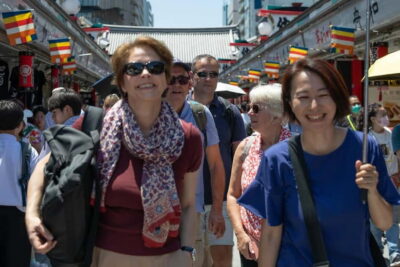 ★ 4.8Asakusa Walking Tour with Sensoji Temple VisitFrom $221,583 reviews
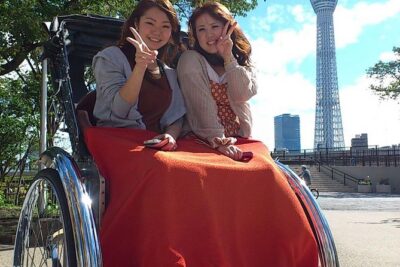 ★ 5.0Tokyo Asakusa Rickshaw TourFrom $421,375 reviews
 ★ 4.5Tokyo Panoramic 1 Day: Meiji Shrine, Asakusa, Odaiba and SKYTREE®From $851,222 reviews
 ★ 5.0Tokyo Go Kart: Asakusa, Skytree, and Akihabara **IDP MUST**From $99988 reviews
 ★ 4.7Asakusa, Skytree & Akhihabara Go-Kart City ExperienceFrom $96761 reviews
Browse the lists this tour appears in