
Reviewed · SUSHI MAKING CLASSES
Small Group Sushi roll and Tempura Cooking Class in Nakano
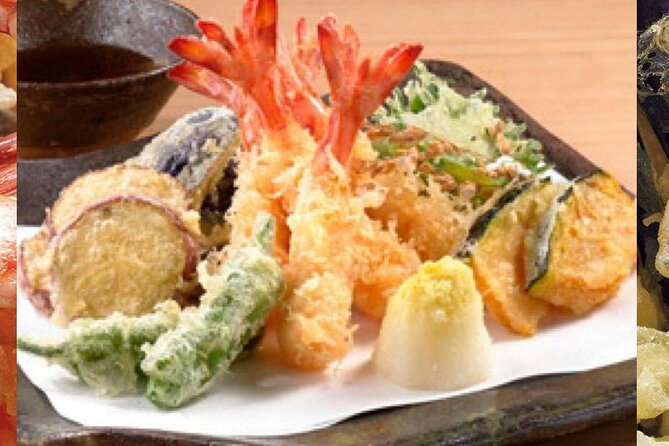
Cooking in a Tokyo home changes how you see sushi and tempura fast. This small-group class in Nakano lets you make three different sushi rolls and fry crispy tempura with hands-on coaching, plus you leave with recipes you can actually repeat at home.
I especially like the way the lesson starts with fundamentals—Japanese ingredients like sushi rice, dashi, and nori—so your rolls and batter don’t feel like guesswork. And I like the intimate pace: you get support while you choose fillings, roll, cut, and plate.
One thing to consider: this is a home-based experience, so you’ll be moving through a kitchen setup and Japanese dining style rather than a restaurant classroom.
In This Review
- Quick Highlights You’ll Care About
- Nakano Sushi and Tempura in a Host’s Home Kitchen
- Getting There: Asagaya Station Area Meets Easy, Local Timing
- What Happens in the First Half Hour: Japanese Ingredients You’ll Actually Use
- Making Three Sushi Rolls: Choosing Fillings and Rolling Like You Mean It
- A Note on Dietary Needs
- Tempura That’s Fluffy and Crispy: Picking Ingredients and Learning Frying
- Setting the Table, Saying Itadakimasu, and Enjoying Your Own Food
- Price and Value: Is $160 Worth It?
- Best for Who? Skill Seekers, Food Nerds, and People Who Love Small Groups
- Possible Drawback: Home Settings Take Flexibility
- Final Call: Should You Book This Nakano Cooking Class?
- FAQ
- What will I cook in this class?
- How long is the experience?
- Where does the class take place?
- Will it be just my group?
- Do I get recipes to take home?
- Can I choose what goes into my sushi and tempura?
- Are dietary restrictions accommodated?
- Is the class near public transportation?
- What should I do when I arrive?
- What’s the cancellation policy?
- How will I receive ticket details?
Quick Highlights You’ll Care About
- Nakano location, host home setting for a truly local-feeling class
- Small-group, private activity so you get real attention while cooking
- Sushi rice + rolling basics first, then you make three rolls with guidance
- Choose your own tempura ingredients, then learn frying for crispy results
- Japanese-style table + Itadakimasu, then you eat what you made
- Recipes to take home, not just a one-time meal
Nakano Sushi and Tempura in a Host’s Home Kitchen
This class is interesting because you’re not learning at a loud counter or watching from the sidelines. You’re in your host’s home, and that changes the whole feel. It’s practical cooking, with the kind of tips you usually only get if you’re helping someone you know.
I also like that it’s built around skills, not just dishes. You learn why sushi rice behaves the way it does, how nori affects rolling, and why dashi matters for the flavor base.
If you enjoy eating out but want your food to get better at home, this type of lesson is a smart next step. It helps you stop guessing and start repeating what works.
More sushi counters to book, ranked
- Sushi Making Tokyo Roll and Authentic Japanese Sushi Class
★ 5.0 · 3,971 reviews - Tokyo: Roll and Authentic Sushi Making Class in Asakusa
★ 4.9 · 1,957 reviews - Make Sushi and Create Unforgettable Memories in Tokyo
★ 5.0 · 1,413 reviews - Tokyo: Sushi Making Class in a Happi Coat near a Famous Spot
★ 4.9 · 1,377 reviews
Getting There: Asagaya Station Area Meets Easy, Local Timing
The class meets at NewDaysJapan, 166-0004 Tokyo in Suginami City, Asagayakita (near JR 阿佐ヶ谷駅), and you return to the same meeting point at the end. That matters because you’re not trying to navigate to some far-off address after a full cooking session.
The duration is about 2 hours 30 minutes, so it fits into a day in Tokyo without stealing an entire evening. Plan to arrive a little early so you can settle in and get ready for the cooking part.
The host, Eri, has a track record for clear pre-class communication and being on time. That’s a big deal in a home-based setting where getting everyone aligned matters.
What Happens in the First Half Hour: Japanese Ingredients You’ll Actually Use
Before you roll or fry anything, you get an explanation of Japanese ingredients you’ll run into again and again. Expect discussion of items like sushi rice, dashi, and nori (seaweed sheet). You’ll also learn what each ingredient contributes to taste and texture.
This matters because sushi and tempura aren’t just recipes. They’re technique. When you understand what nori does, for example, your rolls won’t feel fragile or hard to handle. When you understand dashi, your flavor balance will stop tasting flat.
You’ll also get sushi-focused guidance right away. The class covers tips for making sushi rice tasty and for rolling sushi neatly. If you’ve ever struggled with sticky rice, uneven pressure, or sloppy shapes, this early instruction will help you fix those issues before they start.
Making Three Sushi Rolls: Choosing Fillings and Rolling Like You Mean It
Once the basics are covered, you get hands-on support as you make your sushi rolls. The format here is simple and effective: you learn the method, then you apply it immediately instead of waiting to the end.
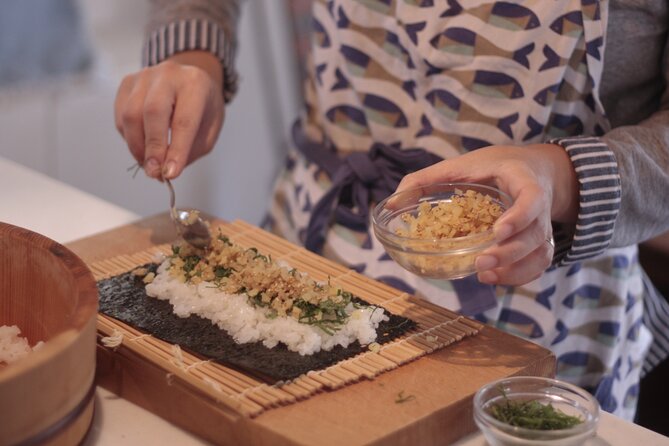
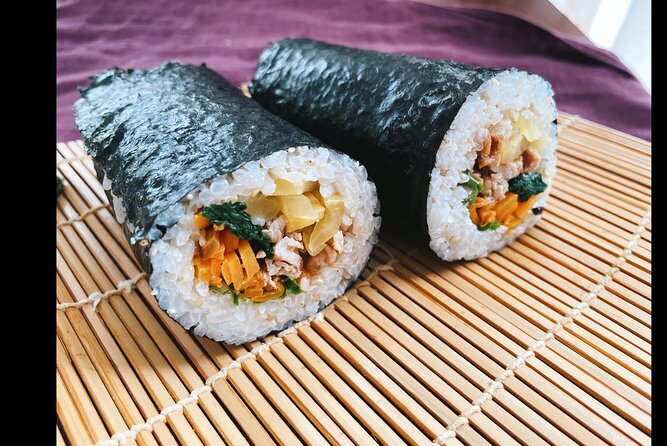
You’ll make three different types of sushi rolls, and you can choose what goes into yours. That choice is one of the best parts of this class because it personalizes the learning. If you like tuna-forward flavors, seafood-style fillings can feel natural. If you prefer something milder, you can still build confidence with the same rolling technique.
You’ll also learn how to roll them nicely. That includes practical tips for getting clean edges and keeping the shape together. And yes—you’ll learn how to cut beautifully too, which is where a lot of sushi-making attempts fall apart.
Even better, the instructor stays with you during the process. The goal isn’t to crank out perfect restaurant rolls. It’s to help you produce rolls that look good, taste right, and feel doable when you try again later.
A Note on Dietary Needs
Adjustments can be made for vegetarian or other dietary restrictions for both sushi rolls and tempura. That makes the class more flexible than many traditional cooking sessions that assume the standard ingredient set.
If you have a specific restriction, bring it up early so the plan can fit your needs from the start.
Readers also shortlisted these Tokyo bookings:
- Ramen & Gyoza Cooking Class in Tokyo with Local Supermarket Visit★ 5.0 · 823 reviews
- Tokyo: Easy Ramen Cooking Experience in Kabukicho, Shinjuku★ 4.6 · 321 reviews
- Ramen and Sushi Cooking Class with Sake Pairing Set in Tokyo★ 5.0 · 291 reviews
- Tokyo: Wagyu and 7 Japanese Dishes Cooking Class★ 4.9 · 273 reviews
- Tokyo Washoku 4-hour Cooking Class: From Market to Table★ 5.0 · 253 reviews
Tempura That’s Fluffy and Crispy: Picking Ingredients and Learning Frying
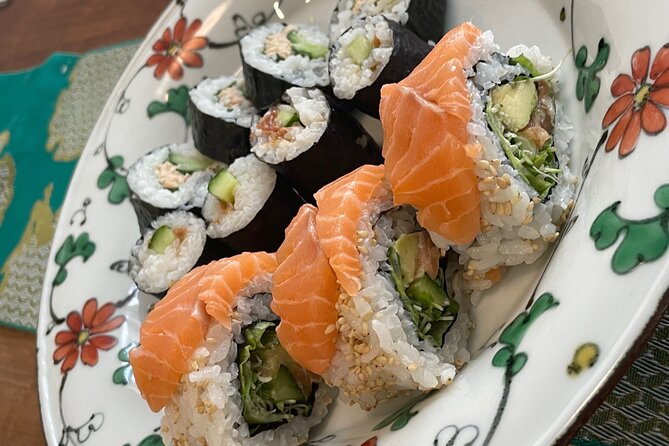
After sushi, the class shifts to tempura—another Japanese favorite, but one that’s easy to mess up if your batter and timing aren’t right.
You’ll get the chance to choose your tempura ingredients, including seafood and vegetables. That’s a fun part because it lets you cook what you’re excited to eat, not just what’s on the menu.
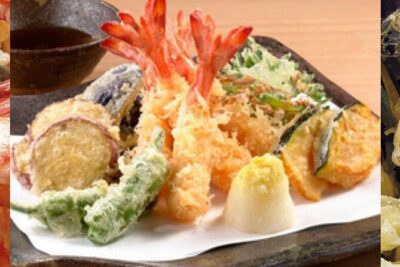
Then you make the tempura with support. The lesson includes guidance for getting the texture right—what people describe as fluffy inside and crispy outside. Tempura batter is one of those things where small changes matter, so having a coach while you work is the difference between okay and genuinely good.
Tempura can also be forgiving in the sense that you can learn through feedback quickly. If something looks too heavy or too pale, you can adjust with help right away.
Setting the Table, Saying Itadakimasu, and Enjoying Your Own Food
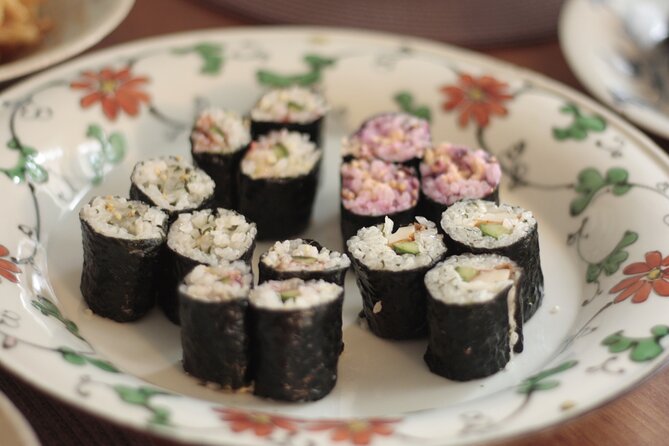
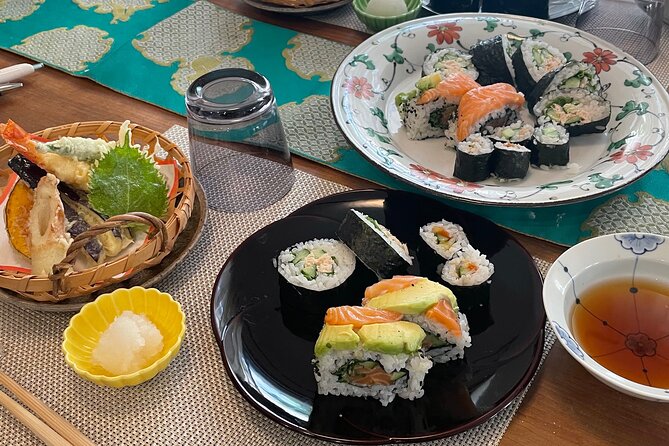
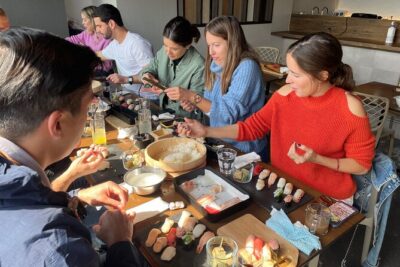
Once your rolls and tempura are ready, you’ll set the table in a Japanese style and say Itadakimasu before eating. This is more than a cute ritual. It helps you slow down and taste with attention, which is exactly what you want after learning technique.
Eating what you made is part of the learning cycle. You’ll notice the differences between what you thought sushi rice should taste like versus how it actually tastes after you build it. You’ll also understand the tempura texture right away—where crispness is coming from and how the batter holds up.
This meal-by-doing-it approach is one reason home-based classes often feel more memorable than restaurant dinners.
Price and Value: Is $160 Worth It?
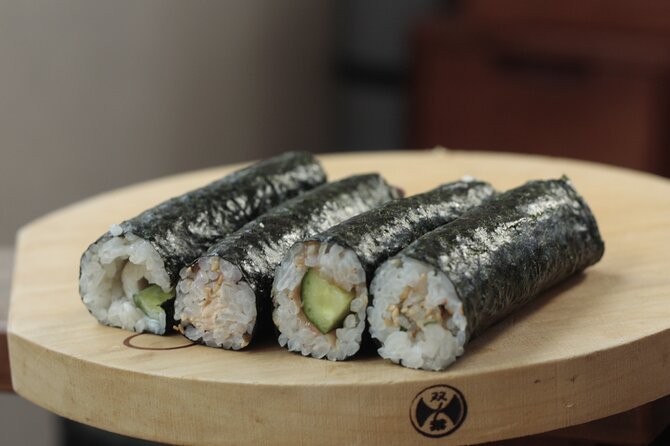
At $160 per person for about 2 hours 30 minutes, this isn’t a budget activity. But it also isn’t overpriced for what you actually get.
Here’s why it can feel like good value:
- You make multiple dishes (three sushi rolls plus tempura).
- You get personal guidance in a home kitchen, not just a group demo.
- You take home recipes, which increases the real payoff because you can practice later.
- It’s private for your group and structured as a small-group experience, which usually means more cooking time and less waiting.
If your goal is a single photo moment, this might not be the best fit. But if your goal is to learn technique you can repeat, the price makes more sense.
Also, Tokyo cooking classes can vary wildly. This one focuses on core skills: sushi rice, rolling, cutting, and tempura frying. Those are exactly the skills you want if you want to cook like a normal person at home, not just order better meals.
Best for Who? Skill Seekers, Food Nerds, and People Who Love Small Groups
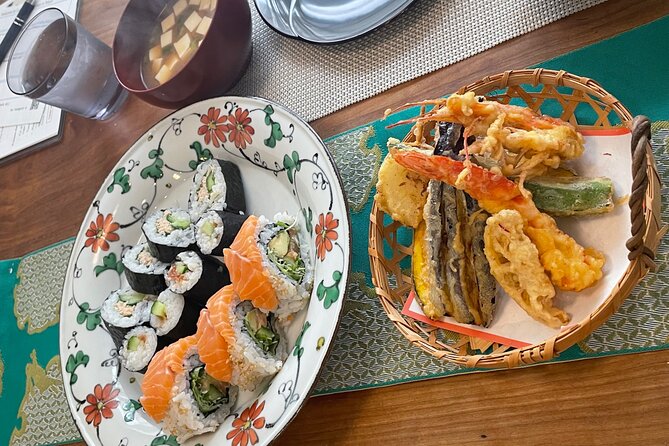
This class is a great fit if you:
- Want to cook sushi and tempura in real hands-on style
- Prefer a small-group, intimate setting over a busy public class
- Like learning the why behind ingredients like dashi and nori
- Want recipes you can use after Tokyo
It’s also a solid choice if you enjoy meeting local hosts and hearing straightforward, practical cooking advice. Eri’s teaching style comes through in the way she welcomes people into her home and stays supportive during the work.
If you’re the type who enjoys taking a restaurant dish and figuring out how to do it yourself, you’ll get a lot out of this.
Possible Drawback: Home Settings Take Flexibility
Because it’s in a host’s home, you should expect a more casual setup than a commercial kitchen. That isn’t a bad thing, but it does mean the experience is more dependent on the flow of a real household space.
Also, the class involves cooking steps that take attention—rolling, cutting, and frying. If you’re not comfortable standing and working for the whole session, you’ll want to plan accordingly.
Finally, you may get the most out of it if you’re open to instruction. This class works best when you treat it like a lesson, not a casual meal only.
Final Call: Should You Book This Nakano Cooking Class?
Book it if you want real sushi-roll skills plus tempura frying that actually turns out crispy, and you care about learning fundamentals like sushi rice and dashi. The small-group, private home-kitchen format is a big part of why it feels worth doing.
Skip it if you only want a quick taste and don’t care about technique, or if the idea of working hands-on for 2.5 hours sounds exhausting. For most food-focused travelers, though, this is one of the more practical ways to bring Tokyo cooking back home.
FAQ
What will I cook in this class?
You’ll learn to make three types of sushi rolls and you’ll make tempura with support, including choosing your own ingredients.
How long is the experience?
It’s about 2 hours 30 minutes.
Where does the class take place?
The cooking class is held in the host’s home in the Nakano area. The meeting point is at NewDaysJapan near JR 阿佐ヶ谷駅.
Will it be just my group?
Yes. It’s described as a private tour/activity, meaning only your group participates.
Do I get recipes to take home?
Yes. You’ll leave with recipes you can use to make the dishes at home.
Can I choose what goes into my sushi and tempura?
Yes. The class allows you to choose what to use for both your sushi rolls and your tempura.
Are dietary restrictions accommodated?
Adjustments can be made for vegetarian and other dietary restrictions for both sushi and tempura.
Is the class near public transportation?
Yes. The meeting area is near public transportation.
What should I do when I arrive?
Meet at the listed start location at NewDaysJapan near the train station, then you’ll begin with ingredient explanations and move into hands-on cooking.
What’s the cancellation policy?
You can cancel for a full refund up to 24 hours in advance. If you cancel within 24 hours of the start time, the amount paid is not refunded.
How will I receive ticket details?
You’ll receive a mobile ticket as part of the booking.
If you want, tell me your dietary needs and your sushi comfort level (first-timer or rolling experience), and I’ll suggest what to focus on during the sushi rice and rolling steps.
More Cooking Classes in Tokyo
- Ramen & Gyoza Cooking Class in Tokyo with Local Supermarket Visit
★ 5.0 · 823 reviews - Tokyo: Easy Ramen Cooking Experience in Kabukicho, Shinjuku
★ 4.6 · 321 reviews - Ramen and Sushi Cooking Class with Sake Pairing Set in Tokyo
★ 5.0 · 291 reviews - Tokyo: Wagyu and 7 Japanese Dishes Cooking Class
★ 4.9 · 273 reviews - Tokyo Washoku 4-hour Cooking Class: From Market to Table
★ 5.0 · 253 reviews
More Tour Reviews in Tokyo
- Mt Fuji and Hakone 1-Day Bus Tour Return by Bullet Train
★ 5.0 · 26,383 reviews - 1-Day Tokyo Bus Tour
★ 5.0 · 14,250 reviews - Tokyo: teamLab Planets TOKYO Digital Art Museum Entry Ticket
★ 4.6 · 9,779 reviews - Mt Fuji & Hakone Cruise, Drum Show Bullet Train 1 Day from Tokyo
★ 4.0 · 7,413 reviews - Tokyo: Shinjuku Food Tour (13 Dishes at 4 Local Eateries)
★ 5.0 · 6,603 reviews
More Sushi Counters to Book
- Sushi Making Tokyo Roll and Authentic Japanese Sushi Class
★ 5.0 · 3,971 reviews - Tokyo: Roll and Authentic Sushi Making Class in Asakusa
★ 4.9 · 1,957 reviews - Make Sushi and Create Unforgettable Memories in Tokyo
★ 5.0 · 1,413 reviews - Tokyo: Sushi Making Class in a Happi Coat near a Famous Spot
★ 4.9 · 1,377 reviews - Tokyo Sushi Making Class in Tsukiji with Professional Chef
★ 5.0 · 1,177 reviews
Latest Tokyo reviews off our desk



Sushi Making Classes, compared.
 ★ 5.0Sushi Making Tokyo Roll and Authentic Japanese Sushi ClassFrom $593,971 reviews
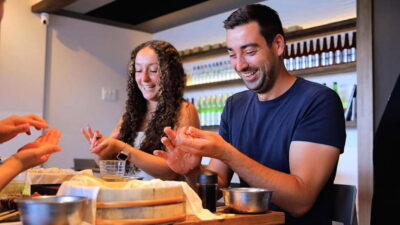 ★ 4.9Roll and Authentic Sushi Making Class in AsakusaFrom $581,957 reviews
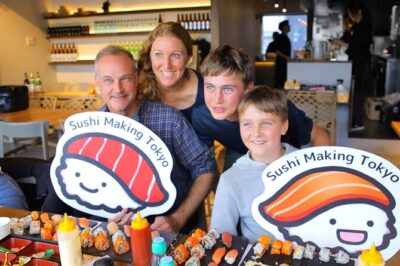 ★ 5.0Make Sushi and Create Unforgettable Memories in TokyoFrom $791,413 reviews
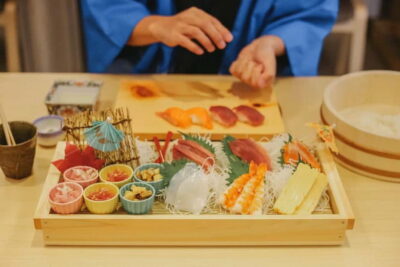 ★ 4.9Sushi Making Class in a Happi Coat near a Famous SpotFrom $421,377 reviews
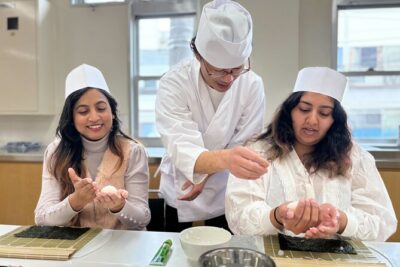 ★ 5.0Tokyo Sushi Making Class in Tsukiji with Professional ChefFrom $491,177 reviews
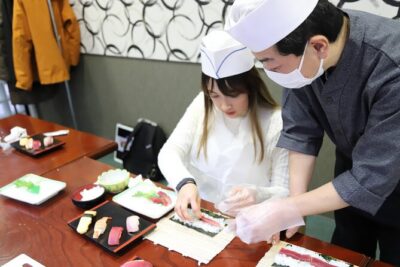 ★ 5.0Tsukiji Fish Market Guided Tour and Sushi Making with Pro ChefFrom $104775 reviews
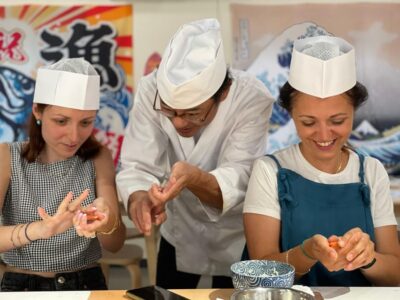 ★ 4.9Tsukiji Fish Market Sushi Making Class with Pro ChefFrom $63506 reviews
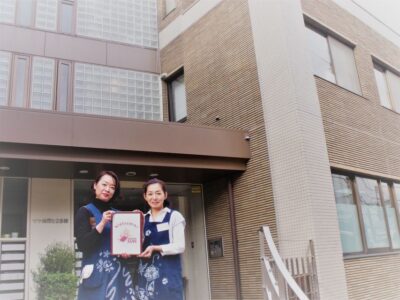 ★ 4.9Sushi Making ClassFrom $67390 reviews
Browse the lists this tour appears in