
Reviewed · CRAFT & ARTISAN WORKSHOPS
Sumi-e (ink painting) experience in Tokyo
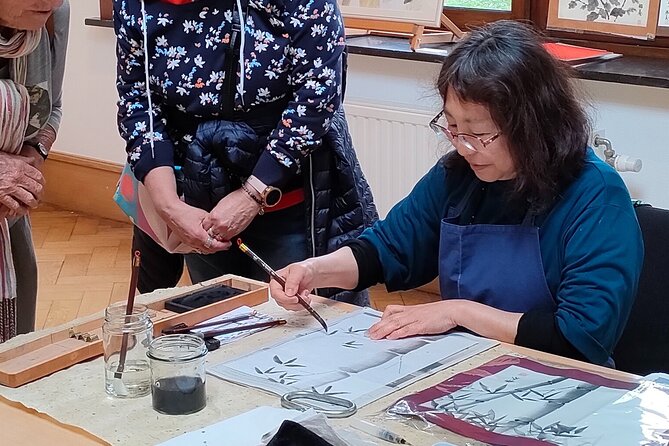
A single bamboo stroke can feel like magic. This Tokyo Sumi-e class turns basic ink skills into something you can actually use. You get step-by-step help, plus instruction on how to look at Sumi-e, not just copy it.
I really like that the lesson is focused and practical. First, you draw a basic bamboo during the tools briefing, so you start producing marks quickly. Second, the instructor doesn’t just teach technique; you also learn how to look at Sumi-e, which is what makes it stick after class.
One thing to consider: you only have about 60 minutes, so you’ll want to arrive on time. If you miss the start, you may be out of luck, and communication can be a bit brisk when someone doesn’t show.
In This Review
- Key takeaways before you book
- Where to Meet and How the Class Really Starts
- The Sumi-e Lesson Plan: Bamboo Ink, Tools, and Real Guidance
- Learning to Look at Sumi-e (The Skill Most People Skip)
- Getting Your Email Choice Right: Ink vs Watercolor vs Pen vs Colored Pencil
- Tools, Timing, and How to Make the Most of 60 Minutes
- Small Group Size: Why Max 9 People Helps Your Strokes
- Price and Value: Is $65.15 Worth It in Tokyo?
- The Main Risk: Late Arrival and Missed Start Times
- Who Should Book This Sumi-e Experience?
- Should You Book This Asagaya Sumi-e Session?
- FAQ
- How long is the Sumi-e experience?
- Where do I meet for the class?
- Is pickup available?
- What’s included in the price?
- What do I need to do after booking?
- How big is the group?
- Can I get a refund if I cancel?
Key takeaways before you book
- Bamboo-first instruction: you practice right away after the tool explanation.
- Learning to look: you’re taught how to view Sumi-e, which improves your drawing fast.
- Small group size: capped at 9 people, so you’re not lost in a crowd.
- Choose your art style by email: ink, watercolor, ballpoint sketches, or colored pencil options exist.
- Short, guided session: about an hour with a Q&A built in.
Where to Meet and How the Class Really Starts
The experience centers on a clear, easy-to-follow start point: JR Asagaya Station. Meet at the ticket gate about five minutes before the scheduled time. Then you’ll take a short walk—about five minutes—to the venue with your group.
Why this matters: in Japanese neighborhoods, station exits can feel like mini mazes. If you’re doing this on your first day in Tokyo, give yourself extra buffer to confirm you’re at the right gate. The class is short, so even a small delay can turn a fun lesson into stress.
Also note the convenience layer. The tour is near public transportation, and the booking includes a mobile ticket. Pickup is listed as offered, but the exact pickup mechanics aren’t spelled out in the details you have here—so if you need it, plan to double-check what’s available for your time slot.
One more practical point: once your reservation is confirmed, you’ll receive an email asking you to choose your desired experience. If you want Sumi-e specifically, do that early so the instructor can prepare the right flow for your session.
More hands-on studios our readers booked
- Tokyo Shinjuku Chopsticks Making Class
★ 5.0 · 1,763 reviews - Chopstick Making Workshop in Ginza
★ 4.8 · 1,366 reviews - Kintsugi Experience: Art of Golden Joinery in Tokyo
★ 5.0 · 467 reviews - Tokyo Chopstick Making Workshop with Artisan
★ 5.0 · 466 reviews
The Sumi-e Lesson Plan: Bamboo Ink, Tools, and Real Guidance
This class is built around a simple idea: learn by doing, not by watching forever. After you gather, the instructor explains the tools and how to use them. Then the session moves straight into drawing a basic Sumi-e bamboo.
That bamboo choice is smart for beginners. Bamboo gives you a strong “starter pattern”: long, clean stems, branching lines, and leaves that don’t require perfect realism. In a one-hour class, that means you’ll feel progress quickly instead of spending the whole time waiting for later.
You’ll also get tips on how to write well with the tools. Even if you don’t think you’re an artistic person, pay attention here. In Sumi-e, a lot of the look comes from the relationship between ink flow, brush pressure, and line control. The instructor’s job is to help you translate that into something you can repeat.
After the bamboo practice, you’ll continue drawing and you’ll have time for a Q&A session. The Q&A is important because Sumi-e questions tend to be very specific: why one stroke looks stronger than another, how to adjust the brush, or how much ink to use. When you can ask in the moment, you waste less time guessing.
And yes, your session ends without dragging. It’s designed as a focused hour, which is ideal if you want culture plus a tangible skill, without turning your afternoon into a full project.
Learning to Look at Sumi-e (The Skill Most People Skip)
Here’s the part I’d call the secret weapon of this experience: you learn how to look at Sumi-e, not just how to make it.
That instruction changes the whole experience. Instead of treating your drawing like a pass/fail test, you start noticing things: balance, negative space, how the ink density shifts, and how a line’s energy communicates movement. You also begin to understand that Sumi-e isn’t about photographic copying. It’s about suggesting form with confident strokes.
In practical terms, this helps you during class. When the instructor points out what to observe, you can adjust your next strokes immediately. It also helps after class, when you’re wandering Tokyo and you spot ink art in shops or galleries. You’ll be able to ask better questions and recognize what the artist was aiming for.
If you’ve ever felt like a painting should look a certain way but couldn’t explain why, this “learning to look” component is exactly what you need. It’s the difference between copying and understanding.
Getting Your Email Choice Right: Ink vs Watercolor vs Pen vs Colored Pencil
Even though you’re here for Sumi-e, the experience framework is flexible. After you book, you’ll choose what you want to do by email. The options listed include:
- Sumi-e (ink painting): bamboo as the basic practice subject; you learn how to look at Sumi-e.
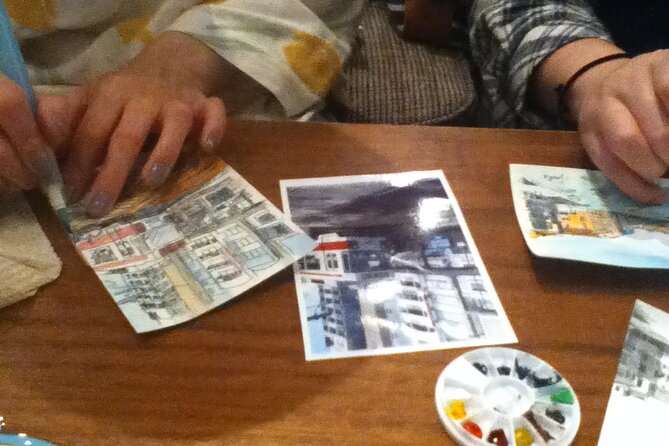
- Watercolor painting: your instructor chooses a photo of Mt. Fuji as the subject, then teaches you how to paint your own favorite scenery.
- Ballpoint pen drawings: you draw a landscape-style scene using a photo chosen by the instructor, and you learn shortcuts for rough finishing.
- Colored pencil drawings: the instructor teaches realistic drawing techniques on postcard-size paper.
This is useful even if you commit to ink from the start. It means the instructor and materials are organized around the art style you select. If you’re traveling with someone who wants something else, you can compare options beforehand so you’re both set up for your session.
One small caution: don’t wait until the last minute to reply to the email. If you prefer a specific option, lock it in early so there’s no last-second scramble.
Tools, Timing, and How to Make the Most of 60 Minutes
The class includes calligraphy tools and a guide. That’s a big value factor because you’re not spending your time hunting for supplies before your lesson. You’re also not guessing what the “right” brush or setup is for ink practice—your instructor provides the tools and the structure.
Timing is tight: about 60 minutes. That means you should arrive ready to start quickly. Here’s how to make that hour work for you:
- Arrive early enough to calm your navigation nerves. Use the meeting point instructions and plan your station route.
- When the instructor demonstrates, watch the stroke sequence first. Then copy the pattern, not the outcome.
- In the Q&A, ask one or two targeted questions rather than broad ones. Specific questions get specific answers faster.
Because the group is capped at 9 people, you’re more likely to get personal attention than in bigger workshops. In a short session, that’s huge. The instructor can correct your line, show you what to change, and keep you from getting stuck on one problem for the entire class.
If you want a chill, no-pressure art experience, this setup fits. If you want a multi-session deep training program, you’ll likely want something longer than an hour. But for a first taste of Sumi-e technique with guidance, this is a strong format.
- Tokyo: Shinjuku Food Tour (13 Dishes at 4 Local Eateries)★ 5.0 · 6,603 reviews
- Tokyo Mt Fuji 5th St & Hakone Cruise Bus Tour w/Bullet Train★ 4.4 · 5,024 reviews
- Flagship 2-Hours Official Street Go-Kart Tour – Tokyo Bay Shop★ 5.0 · 4,974 reviews
- From Tokyo: Mount Fuji Full-Day Sightseeing Trip★ 4.5 · 4,970 reviews
- Tokyo: Hop-On Hop-Off Sightseeing Bus Ticket★ 3.9 · 4,207 reviews
Small Group Size: Why Max 9 People Helps Your Strokes
The class limits the group to a maximum of 9 travelers (in other words, small). In practical terms, small group size changes everything for an ink lesson.
It means:
- You can see the tools and brush technique clearly while the instructor demonstrates.
- You have a better chance of getting feedback on what you just did.
- The instructor can notice if you’re stuck and adjust the pace.
Ink painting is physical and fast. Even a tiny difference in brush pressure or ink amount can change the line. In a larger group, corrections may come too late. Here, the instructor’s attention is less spread out.
Small group also tends to reduce the awkwardness factor. If you’re self-conscious about drawing, you’re still around people, but you’re not in a theater-sized room where everyone feels anonymous.
Price and Value: Is $65.15 Worth It in Tokyo?
At $65.15 per person, this is not a bargain workshop, but it also isn’t priced like a premium private lesson. The value comes from what’s included and how the class is structured.
You’re paying for:
- A guide/instructor
- Calligraphy tools
- A full hour of instruction with a Q&A
- A small group limit (max 9)
You’re not paying for transportation to get there. Traveling expenses aren’t included, so build that into your day plan. Also, pickup is listed as offered, which could help if you’re staying farther away, but you’ll want to confirm what that means for your pickup request.
Whether it’s worth it for you comes down to what you want from Tokyo art. If you want a hands-on activity with real coaching and a quick sense of achievement, the price makes sense. If you just want to watch someone draw, there are cheaper cultural stops. But for learning a technique, you’re getting guidance plus materials plus time—one bundled session.
A useful rule of thumb: if you can do it while your schedule is still open, book it. The experience is often reserved about 18 days in advance, which suggests it fills up for popular times.
The Main Risk: Late Arrival and Missed Start Times
The most important drawback to flag is about showing up on time. One negative experience described disappointment after someone had trouble finding the class and missed it. The point isn’t to scare you; it’s to give you a simple strategy:
- Use the meeting instructions and be there early.
- Confirm you know which exit or gate you’re aiming for at Asagaya Station.
- Treat the five minutes early requirement as real, not optional.
In workshops, missed starts can’t be fixed on the fly, especially when the instructor has a prepared flow for materials and timing. The class is only about an hour, so there isn’t a lot of margin.
If you’re prone to losing track in big stations, do a quick Google Maps check for your route the day before. In Tokyo, that can save you a lot of stress.
Who Should Book This Sumi-e Experience?
This class fits best if you:
- Want a guided introduction to ink painting and brush-based line work
- Like structured lessons where you start drawing quickly
- Prefer small groups and a Q&A instead of a lecture
- Want to learn not only technique, but also how to look at Sumi-e
You might skip it if you:
- Need a very flexible start time, since the session depends on meeting at a specific place and time
- Expect a long, multi-day project. This is an hour.
- Are worried about station navigation. If you’re anxious about finding your way, add extra time.
It’s also a good pick for couples or small groups who want a shared cultural activity that isn’t just sightseeing. Just remember you’ll be choosing your art type by email in advance, so coordinate early.
Should You Book This Asagaya Sumi-e Session?
I’d book it if you want a friendly, focused way to try Sumi-e in Tokyo and you’re comfortable arriving at the meeting point on time. The combo of bamboo practice, tool instruction, and learning how to look at Sumi-e is exactly what turns a casual art try into something that lingers.
Do it if you like the idea of getting coaching within a small group and leaving with better instincts for ink strokes and viewing art. Skip or reconsider only if you know you’ll struggle to find the venue quickly, or you need a schedule with lots of slack.
FAQ
How long is the Sumi-e experience?
It lasts about 60 minutes.
Where do I meet for the class?
You meet at JR Asagaya Station, at the ticket gate, about five minutes before the meeting time.
Is pickup available?
Pickup is offered, but the details of how it works aren’t specified here.
What’s included in the price?
Calligraphy tools and a guide are included.
What do I need to do after booking?
After you book, you’ll be contacted by email to choose your desired experience (ink painting, watercolor painting, or ballpoint pen drawing).
How big is the group?
The class has a maximum of 9 people.
Can I get a refund if I cancel?
No. The experience is non-refundable and cannot be changed for any reason.
If you tell me your travel dates and where you’re staying, I can help you plan arrival time at Asagaya so you don’t feel rushed.
More Tour Reviews in Tokyo
- Mt Fuji and Hakone 1-Day Bus Tour Return by Bullet Train
★ 5.0 · 26,383 reviews - 1-Day Tokyo Bus Tour
★ 5.0 · 14,250 reviews - Tokyo: teamLab Planets TOKYO Digital Art Museum Entry Ticket
★ 4.6 · 9,779 reviews - Mt Fuji & Hakone Cruise, Drum Show Bullet Train 1 Day from Tokyo
★ 4.0 · 7,413 reviews - Tokyo: Shinjuku Food Tour (13 Dishes at 4 Local Eateries)
★ 5.0 · 6,603 reviews
More Artisan Workshops in Tokyo
- Tokyo Shinjuku Chopsticks Making Class
★ 5.0 · 1,763 reviews - Chopstick Making Workshop in Ginza
★ 4.8 · 1,366 reviews - Kintsugi Experience: Art of Golden Joinery in Tokyo
★ 5.0 · 467 reviews - Tokyo Chopstick Making Workshop with Artisan
★ 5.0 · 466 reviews - Tokyo: Shinjuku Chopstick Making Class
★ 4.9 · 440 reviews
Latest Tokyo reviews off our desk




Craft & Artisan Workshops, compared.
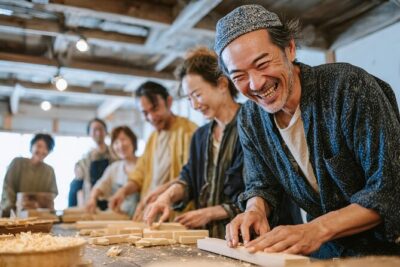 ★ 5.0Tokyo Shinjuku Chopsticks Making ClassFrom $201,763 reviews
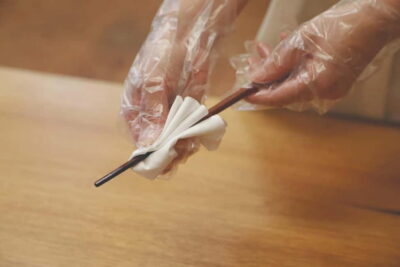 ★ 4.8Chopstick Making Workshop in GinzaFrom $251,366 reviews
 ★ 5.0Kintsugi Experience: Art of Golden Joinery in TokyoFrom $59467 reviews
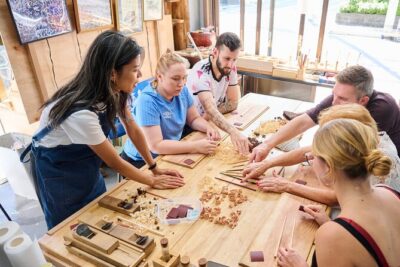 ★ 5.0Tokyo Chopstick Making Workshop with ArtisanFrom $26466 reviews
 ★ 5.0Authentic Pure Gold Kintsugi Workshop with Master Taku in TokyoFrom $142217 reviews
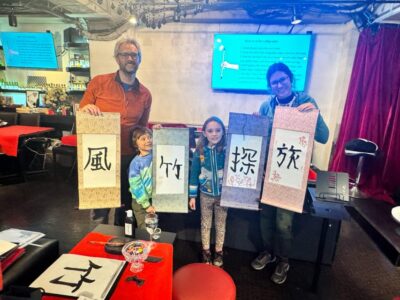 ★ 5.0Calligraphy on Kanji Fan & Scroll with DrinkFrom $53210 reviews
Browse the lists this tour appears in