
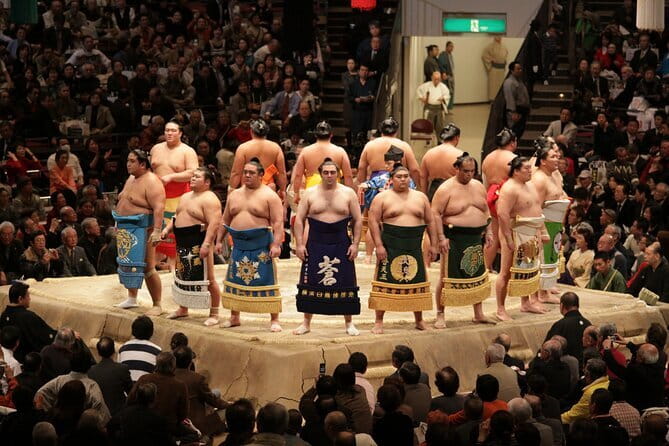
Reviewed · SUMO TOURNAMENTS & SHOWS
Sumo Wrestling Tournament A-Class Seats & ExpertGuide | Tokyo MAY
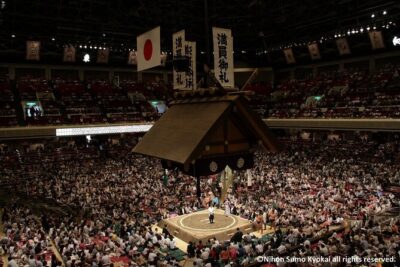
Sumo makes more sense with a guide. This Tokyo experience pairs A-Class seats at Ryogoku Kokugikan with a professional, English-speaking guide who explains what you’re seeing as the tournament heats up. I love the comfort factor: second-floor A-seat seating lets you watch without the kneeling (seiza) routine, so your legs feel human even during a packed afternoon.
I also like the format. It’s a small group (up to 5 people), and the guide stays with you the whole time, answering questions as you move around inside the venue. One possible drawback: these A seats are great for sightlines, but they’re not ringside, and the exact seating spot can’t be chosen ahead of time.
In This Review
- Key things that make this sumo tour worth your time
- Ryogoku Kokugikan A-Class Seats: Panoramic Views Without the Kneeling
- The Small-Group Guide: How Rules and Rituals Click Fast
- The Nakabi Ceremony: A Ritual You’ll Actually See
- Your 14:00–18:00 Match Flow: From Meeting to the Final Bout
- Meeting point and arrival (around 14:00)
- Entering Ryogoku Kokugikan and getting situated
- The main show: 16:00 to about 18:00
- Wrap-up after the final match (about 18:00)
- Included Extras: Guidebook, Photos, and What You’re Actually Paying For
- Logistics You’ll Want to Know Before Your Sumo Day
- Who Should Book This Tour (and Who Might Skip It)
- Should You Book This Tokyo Sumo Tournament A-Class Experience?
- FAQ
- Where do we meet for the tour?
- What time does the tour start and end?
- What seating do we get at Ryogoku Kokugikan?
- Do we need to sit in seiza?
- Can we eat or drink during the matches?
- Will we see the nakabi ceremony?
- When are the main matches?
- Is the tour group small?
- Is transportation included?
- Is re-entry allowed if we leave the arena?
- Are there photos and a guidebook included?
Key things that make this sumo tour worth your time
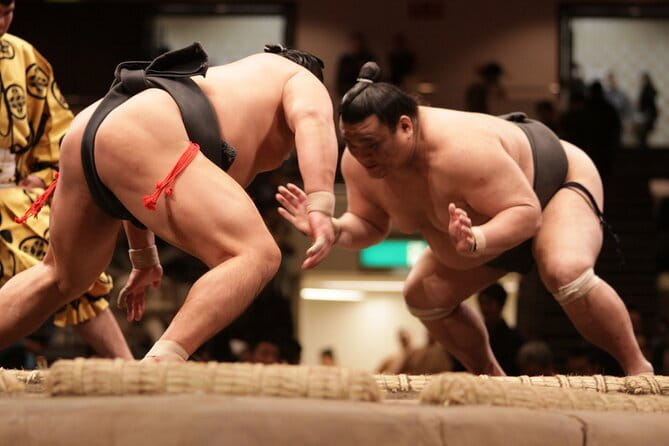
- A-Class, second-floor views: panoramic sightlines across the arena from comfortable chairs
- No seiza required: you can sit normally, which matters once the matches run
- Small-group, stay-with-you guidance: questions are encouraged, not an afterthought
- Nakabi ceremony timing: you’ll watch the pre-match ritual for top wrestlers from your seats
- Prime bout window: the strongest matches land roughly from 16:00 to about 18:00
- Guidebook plus photos: you leave with context, not just memories
Ryogoku Kokugikan A-Class Seats: Panoramic Views Without the Kneeling
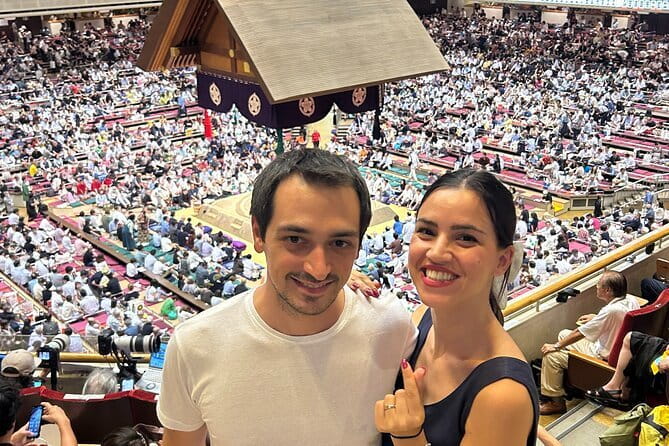
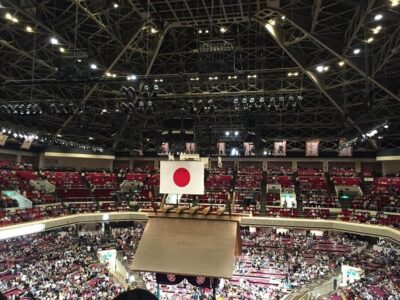
Ryogoku Kokugikan is the sumo arena in Tokyo, and this tour puts you in A-seat chairs on the second floor. Translation: you’re positioned for a wide, “whole arena” feel rather than a tight, floor-level view. That panoramic perspective is actually a big deal once you start to follow what’s happening—who’s entering, who’s waiting, and how the rhythm of the tournament moves.
The comfort setup is another win. Because these are chair seats on the second floor, you don’t have to do the seiza kneeling position. In real life, that means you can stay focused on the bout instead of spending mental energy managing your body.
A couple practical notes you’ll be glad to know:
- Your exact seating area can’t be selected in advance.
- You’re allowed to eat and drink at your seat, which makes it easier to keep your energy up during the busy bout stretch.
- You can move around inside the venue after you arrive, so you’re not locked into one angle the whole time.
Is it “best possible” for close-up drama? No. But for most people, the tradeoff is worth it: you get comfort, broad sightlines, and a guided explanation that helps you understand what you’re seeing without craning or standing the entire time.
Other ringside bookings readers scored
- Tokyo: Sumo Show and Dining Experience
★ 4.8 · 2,742 reviews - the SUMO show
★ 5.0 · 1,960 reviews - Tokyo Shinjuku Sumo Show & Experience with Photo
★ 5.0 · 1,750 reviews - Tokyo: Sumo Show and Experience in Shinjuku
★ 4.8 · 1,001 reviews
The Small-Group Guide: How Rules and Rituals Click Fast
The tour’s real value is not just where you sit—it’s what the guide does with your attention. This is a small group (up to 5 people), and the guide stays with you through the main flow of the afternoon. That matters because sumo has its own logic: rituals before the bouts, tournament structure, wrestler ranks, and the little cues that tell you what’s going on even when you don’t have the language.
In feedback for this experience, the guides are repeatedly praised for clear English and for answering questions on the spot. Names that have shown up in past groups include Yuki (including Yuki Hatagawa), Yoki, Atsushi, Yoko, and Jhon. If your guide is anything like that description, you’ll likely get the kind of explanations that turn sumo from confusing spectacle into something you can follow moment by moment.
What you should expect from the guiding style:
- The guide shares sumo history and core rules in a way that connects to the matches you’re watching.
- You can ask questions throughout, not just at a pre-tour briefing.
- The guide also helps you understand the tournament rhythm—when major bouts tend to happen and what to look for next.
One small “watching strategy” tip that fits the format: once you arrive, take a moment to get your bearings in your seating area. Then let the guide’s explanations guide where your eyes go next—before you know it, you’ll start spotting the patterns that make sumo addictive.
The Nakabi Ceremony: A Ritual You’ll Actually See
Around 15:40, there’s a key pre-bout moment called the nakabi: a ceremony connected to particularly strong wrestlers. This tour plans your schedule so you watch it from your seats, not from somewhere outside or behind a crowd.
Why that matters: sumo isn’t only about the match. It’s also about the build-up—what happens right before the wrestlers step into the ring. The nakabi gives you a “before the drama” window, and with the guide translating what you’re seeing, it feels far less like random pageantry.
If you only ever watch highlights, you might miss how much the ceremony sets the tone. Here, you get it built into the afternoon’s timing.
Your 14:00–18:00 Match Flow: From Meeting to the Final Bout
This is a focused, four-hour block. You’ll be in motion, but the plan is simple: meet, enter, settle, watch the core sequence, then wrap up after the last match.
Meeting point and arrival (around 14:00)
You meet at NewDays Ryogoku No.8, at the West Exit area of JR Ryogoku Station (Sobu Line), around 14:00. The meeting address is listed at the station area outside the ticket gates.
Why that matters: Ryogoku Station is a hub for people heading to the arena. Meeting at a clearly defined convenience-store landmark keeps the handoff smooth, especially if you’re navigating rail lines in Japan that day.
Readers also shortlisted these Tokyo bookings:
- Sushi Making Tokyo Roll and Authentic Japanese Sushi Class★ 5.0 · 3,971 reviews
- Tokyo: Roll and Authentic Sushi Making Class in Asakusa★ 4.9 · 1,957 reviews
- Tokyo Shinjuku Chopsticks Making Class★ 5.0 · 1,763 reviews
- Tokyo: Sushi Making Class in a Happi Coat near a Famous Spot★ 4.9 · 1,377 reviews
- Chopstick Making Workshop in Ginza★ 4.8 · 1,366 reviews
Entering Ryogoku Kokugikan and getting situated
Once everyone arrives, you enter the venue and go to your assigned A-seat. After you’re seated, you’re free to move around. That freedom helps if you want:
- A slightly different view for a particular bout
- To find a spot for photos (when permitted)
- A quick bathroom break without turning it into a whole side quest
Also, the tour is set up so you can relax with food and drinks at your seat. Just note: snacks themselves are not included, so you’ll want to plan to buy anything you want to eat during the event.
The main show: 16:00 to about 18:00
The highlight is roughly 16:00 to around 18:00. Japanese TV broadcasts begin as the strongest wrestlers start their intense matches. This is the part that most people come for: the pace, the stakes, and the skill level all ramp up.
A practical mindset: during this window, try not to split your attention between “figuring it out” and “watching.” Let the guide’s explanations help you interpret each bout quickly. With A-seat panoramic views, you can follow what’s happening without needing to be ringside close.
Wrap-up after the final match (about 18:00)
After the last match, the tour ends around 18:00. It’s not a loose “hang around the arena all evening” situation. You get a compact experience with a clear ending, which is great if you’ve got dinner or another plan later.
One extra venue note that can help: re-entry is possible once a day. If you need to leave briefly during your visit, tell the guide so you can use that option correctly.
Included Extras: Guidebook, Photos, and What You’re Actually Paying For
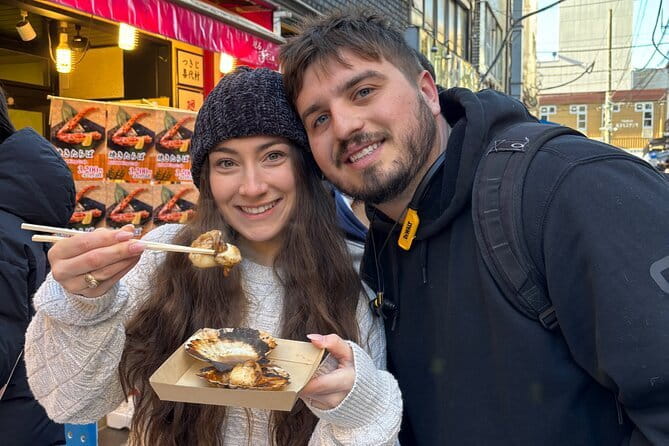
At $190 per person for about 4 hours, you’re not just buying a ticket. You’re buying:
- A Class A tournament ticket
- A professional guide
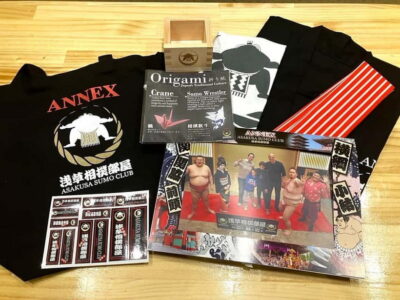
- An original sumo guidebook
- Tour photos
That’s why the price can make sense even if you’ve seen sumo tickets sold elsewhere. The guidebook and photos add value because you’re leaving with context and tangible reminders—especially helpful if you’re going to use the knowledge later to spot stories in the tournament you watch on TV.
What’s not included is also important:
- Private transportation (so you’ll handle your own transit to Ryogoku Station and the arena)
- Snacks (though you can eat and drink at your seat)
So the overall value equation is: comfortable A-seat access plus structured help understanding what’s happening, all inside a short time window.
If you’re deciding whether to do this or wing it on your own, here’s a simple way to compare:
- If you want the matches but don’t want to spend the afternoon figuring out rules and rituals, the guided format pays off.
- If you already know sumo well and want full flexibility, you might not need the guidebook and structured timing.
Logistics You’ll Want to Know Before Your Sumo Day
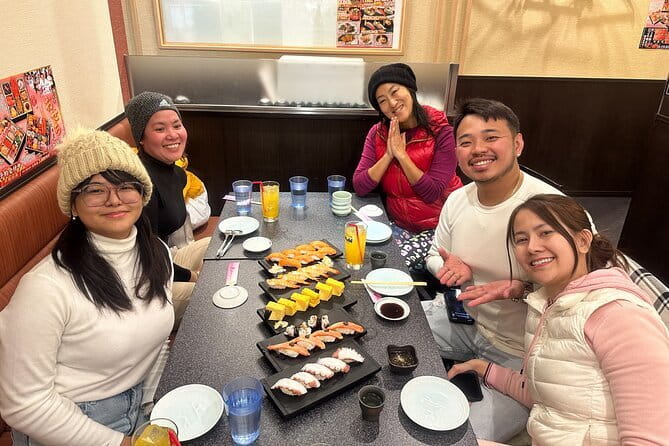
This experience is set up for convenience and flow.
- It’s a private tour/activity for only your group, so you won’t be merged into a larger crowd tour group.
- You’ll get confirmation at booking.
- It’s near public transportation, which is a big help for staying on schedule in Tokyo.
- Most people can participate, and the chair seating helps reduce physical strain compared with kneeling sections.
Also, one detail that can affect your planning: the seating area can’t be specified. That’s normal for arena ticketing, but it explains why this experience emphasizes panoramic second-floor views rather than guaranteeing a specific spot.
If you’re booking close to your dates, keep an eye on timing. This starts at 14:00 and ends around 18:00, so plan dinner and transit with enough buffer afterward. And if plans change, free cancellation is offered up to 24 hours in advance for a full refund.
Who Should Book This Tour (and Who Might Skip It)
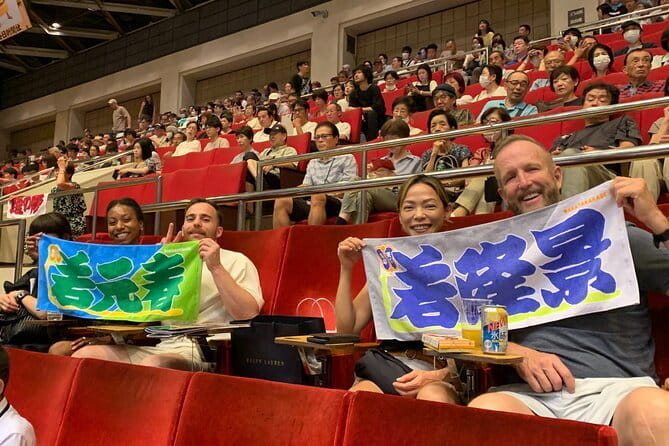
This tour is a great fit if:
- You’re in Tokyo during a sumo tournament and want a guided, high-comfort way to understand what you’re watching.
- You don’t want to guess how tournament timing, ranks, and rituals work.
- You prefer small-group attention rather than a large tour herd.
It may be less ideal if:
- You’re specifically chasing a ringside view. With A-seat seating on the second floor, you’ll get excellent overall views, but it won’t be the closest possible angle.
- You already know sumo rules and ceremonies well and you’d rather spend your time exploring the arena on your own.
Should You Book This Tokyo Sumo Tournament A-Class Experience?
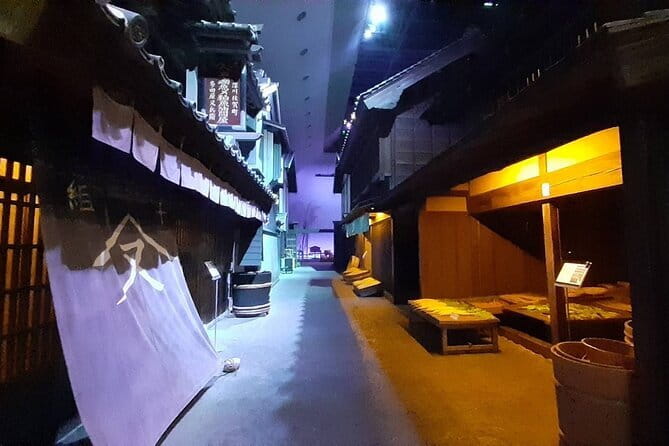
For most people, yes—especially if this is your first or second time seeing sumo in person. The combination of A-Class second-floor comfort, a guide who explains the tournament as it unfolds, and a schedule that lines up with the nakabi ceremony and the strongest bout window makes this feel like a smart use of an afternoon.
If you want to get the most from the day, do two things:
- Arrive on time for the 14:00 meeting so the guide can help you settle without rushing.
- During the 16:00–18:00 peak window, let the guide’s explanations drive what you watch.
Bottom line: you’re paying for the ticket plus translation, structure, and context. For $190, that’s strong value if your goal is not just to watch sumo, but to understand it while you’re there.
FAQ
Where do we meet for the tour?
You meet at NewDays Ryogoku No.8, at the West Exit of JR Ryogoku Station (Sobu Line) at 14:00, outside the ticket gates (Ryogoku No.8, 1F_ 改札外).
What time does the tour start and end?
The tour starts at 14:00 and runs for about 4 hours, ending around 18:00 after the final match.
What seating do we get at Ryogoku Kokugikan?
You get Class A seats (A-seat chairs) on the second floor. The exact seating area can’t be specified.
Do we need to sit in seiza?
No. The second-floor A-seat chairs mean you do not need to sit in the seiza kneeling position.
Can we eat or drink during the matches?
Yes. Eating and drinking at your seat is allowed.
Will we see the nakabi ceremony?
Yes. Around 15:40, the nakabi ceremony begins for particularly strong wrestlers, and you watch it from your seats.
When are the main matches?
The major matches take place roughly from about 15:40 and the highlight continues from 16:00 to around 18:00.
Is the tour group small?
Yes. It’s a small group limited to up to 5 people.
Is transportation included?
No. Private transportation is not included, so you’ll handle getting to Ryogoku Station and the arena.
Is re-entry allowed if we leave the arena?
Re-entry is possible once per day. If you need to leave, you should inform the guide.
Are there photos and a guidebook included?
Yes. The tour includes an original sumo guidebook and tour photos, along with the Class A ticket and a professional guide.
More Workshops in Tokyo
- Sushi Making Tokyo Roll and Authentic Japanese Sushi Class
★ 5.0 · 3,971 reviews - Tokyo: Roll and Authentic Sushi Making Class in Asakusa
★ 4.9 · 1,957 reviews - Tokyo Shinjuku Chopsticks Making Class
★ 5.0 · 1,763 reviews - Tokyo: Sushi Making Class in a Happi Coat near a Famous Spot
★ 4.9 · 1,377 reviews - Chopstick Making Workshop in Ginza
★ 4.8 · 1,366 reviews
More Tour Reviews in Tokyo
- Mt Fuji and Hakone 1-Day Bus Tour Return by Bullet Train
★ 5.0 · 26,383 reviews - 1-Day Tokyo Bus Tour
★ 5.0 · 14,250 reviews - Tokyo: teamLab Planets TOKYO Digital Art Museum Entry Ticket
★ 4.6 · 9,779 reviews - Mt Fuji & Hakone Cruise, Drum Show Bullet Train 1 Day from Tokyo
★ 4.0 · 7,413 reviews - Tokyo: Shinjuku Food Tour (13 Dishes at 4 Local Eateries)
★ 5.0 · 6,603 reviews
More Sumo, Ringside and Rated
- Tokyo: Sumo Show and Dining Experience
★ 4.8 · 2,742 reviews - the SUMO show
★ 5.0 · 1,960 reviews - Tokyo Shinjuku Sumo Show & Experience with Photo
★ 5.0 · 1,750 reviews - Tokyo: Sumo Show and Experience in Shinjuku
★ 4.8 · 1,001 reviews - Tokyo Grand Sumo Tournament Viewing Tour with Tickets
★ 5.0 · 692 reviews
Latest Tokyo reviews off our desk






Sumo Tournaments & Shows, compared.
 ★ 4.8Sumo Show and Dining ExperienceFrom $792,742 reviews
 ★ 5.0the SUMO showFrom $891,960 reviews
 ★ 5.0Tokyo Shinjuku Sumo Show & Experience with PhotoFrom $791,750 reviews
 ★ 4.8Sumo Show and Experience in ShinjukuFrom $691,001 reviews
 ★ 5.0Tokyo Grand Sumo Tournament Viewing Tour with TicketsFrom $124692 reviews
 ★ 5.0Tokyo Sumo Wrestling Tournament ExperienceFrom $124660 reviews
 ★ 4.7Luxury Sumo Show Experience & Japanese cuisine & DrinkFrom $103577 reviews
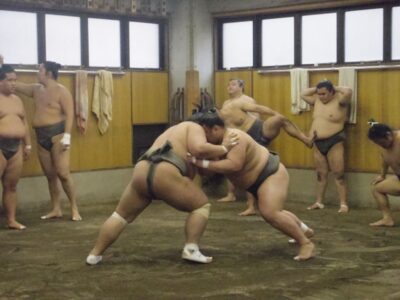 ★ 4.8Sumo Morning Practice Viewing TourFrom $81570 reviews
Browse the lists this tour appears in