
Reviewed · ASAKUSA & SENSOJI TOURS
Tokyo: Asakusa Highlights Walking (OP : Rickshaw Experience)
Rickshaws beat the Tokyo crowds. In Asakusa, this short rickshaw ride plus a guided walking loop lands you at Kaminarimon Gate and Senso-ji with context you can actually use, plus photo stops that make the chaos easier to manage. I love the mix of ride-and-walk so it feels special but still covers the core sights, and I like that the guide explains Japanese culture in English as you go. The only catch: most of your 3 hours is walking, so plan for crowds and a pace that isn’t ideal if you struggle with steps.
The small group stays to 8 people, and you may be able to reserve your rickshaw so you spend less time waiting around. You’ll meet at Asakusa Culture Tourist Information Center and finish back there, which makes planning simple. Just don’t expect a full tour inside the rickshaw—the ride is a focused moment, and the value comes from how the guide strings together landmarks and streets.
In This Review
- Key points to know before you go
- A 20-Minute Rickshaw That Actually Makes Sense in Asakusa
- Where You Start: Asakusa Culture Tourist Information Center
- Stop 1 and Stop 2: Settling In, Then Getting Your Bearings
- Kaminarimon Gate: The Photo Stop You’ll Want to Nail
- Nakamise Shopping Street and the Temptation Factor
- Asakusa Shrine: A Calm Break in the Middle of the Action
- Senso-ji Temple: Where the Guide’s Storytelling Pays Off
- Tokyo Skytree and Sumida Park Views: Not Just Temples and Shops
- Nishi Sando and Hoppy Street: The Streets Between the Headlines
- The Rhythm of the Tour: How the Walking Really Feels
- Small Group Size: Better Control, But Still No Miracle for Crowds
- Price and Value: Is $93 Worth It?
- Photo Opportunities: How to Get Better Shots Without Stress
- Who This Tour Fits Best
- Quick Practical Tips Before You Go
- Should You Book This Asakusa Rickshaw Highlights Walking Tour?
- FAQ
- How long is the Asakusa highlights walking tour?
- How long is the rickshaw ride?
- Where do I meet, and where does the tour end?
- Which landmarks are included in the route?
- Is the tour guide available in English?
- How many people are in the group?
- Is the tour wheelchair accessible?
- Are food and drinks included?
Key points to know before you go
- Reserved rickshaw option to cut down waiting in a popular area
- 20-minute rickshaw ride paired with a structured walking route
- English-speaking local guide focused on culture and what you’re seeing
- Photo stops at Kaminarimon Gate and around Senso-ji Temple
- Tons of street scenery including Nakamise and passes by Nishi Sando and Hoppy Street
- Small group of up to 8 for a more manageable experience in crowds
A 20-Minute Rickshaw That Actually Makes Sense in Asakusa
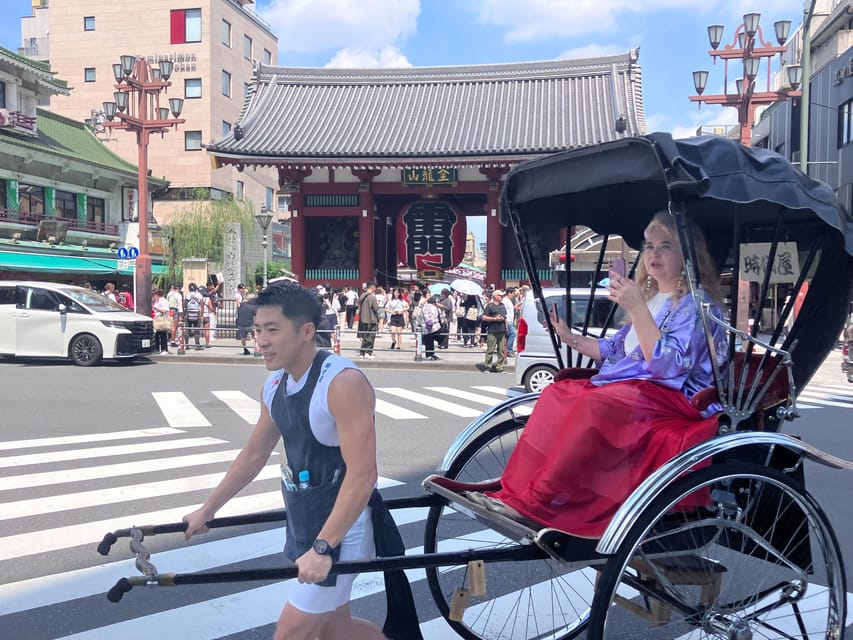
Asakusa is one of those places where it’s easy to get swept up in the scenery—and then realize you’ve walked in the wrong direction. This tour solves that by giving you a set route with a guide, plus a short rickshaw segment that works like a fast, scenic preview.
I like that the ride isn’t dragged out to fill time. Twenty minutes is long enough to get those classic Asakusa views and take photos, but short enough that you still experience the walking streets up close—shops, temple approach lanes, and the rhythm of the neighborhood.
More temple mornings in old Asakusa
- Tokyo: Japanese Dance Cabaret Theater Asakusa-Kaguwa Ticket
★ 4.8 · 2,270 reviews - Tokyo: Meiji Shrine, Asakusa, Skytree Bus Tour and Cruise
★ 4.7 · 1,986 reviews - Tokyo: Roll and Authentic Sushi Making Class in Asakusa
★ 4.9 · 1,957 reviews - Tokyo: Asakusa Walking Tour with Sensoji Temple Visit
★ 4.8 · 1,583 reviews
Where You Start: Asakusa Culture Tourist Information Center
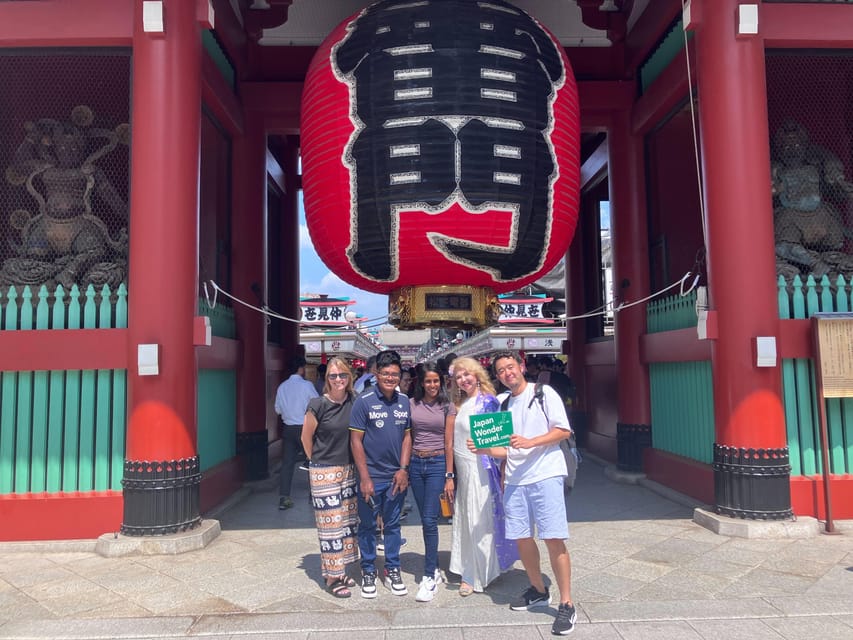
You’ll meet in front of Asakusa Culture Tourist Information Center, and you’ll end back at the same spot. That “back where you started” finish matters here because it keeps you from needing extra navigation right after a busy sightseeing block.
Because the area can be crowded and voices can be hard to hear, I recommend showing up a bit early and staying where your group is supposed to gather. Keep your camera ready—your first organized photo stop isn’t far off once you begin.
Stop 1 and Stop 2: Settling In, Then Getting Your Bearings
The early minutes include a photo stop and guided time at the Asakusa Culture Tourist Information Center. Think of this as your setup period: the guide helps frame what you’re about to see and why it matters.
Then you move on with the tour format you’ll repeat throughout: short guided points, a bit of walking, then a pause for photos or a closer look. That structure is useful if you’re visiting for the first time and want to stop guessing.
Kaminarimon Gate: The Photo Stop You’ll Want to Nail
Kaminarimon Gate is the big headline. You’ll have a dedicated viewing period and then an additional shorter return stop later. Translation: you’ll get more than one chance to catch the gate from a good angle and not just a single quick glance.
Kaminarimon is also where street energy is at its highest, so the guide’s pacing helps. If you’ve ever tried to photograph a landmark in a crowd, you know the trick isn’t just having the camera—it’s knowing when to pause and when to move.
Nakamise Shopping Street and the Temptation Factor
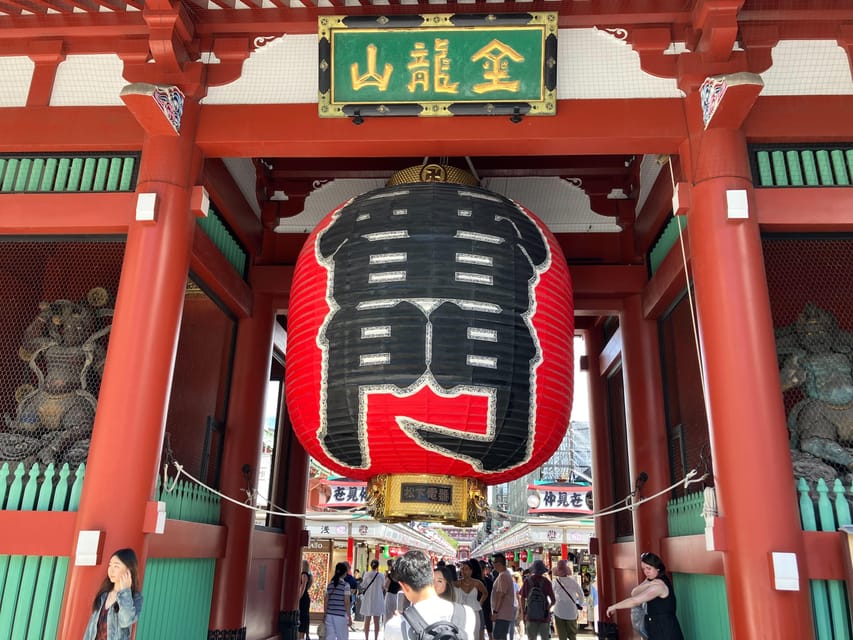
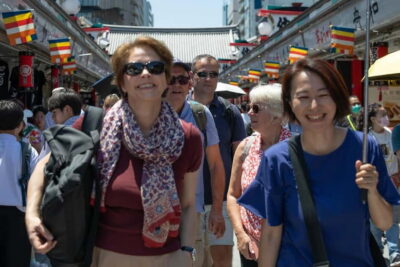
Nakamise Shopping Street is part shopping street, part cultural corridor. You’ll walk and stop with guidance, including time specifically built for visiting while you’re still fresh—not at the end when everyone’s tired and hungry.
This is where you’ll feel the Asakusa theme: souvenirs, snack smells, and that classic approach to the temple area. The walking stops keep you from turning this into a random wander where you miss the most meaningful bits.
Small tip: If you plan to buy anything, do it with your route in mind. You’ll likely want to keep moving so you don’t lose time before the temple portion.
More rickshaw runs through the old town
- Tokyo: Asakusa Sightseeing Tour by Rickshaw★ 4.9 · 195 reviews
- Asakusa, Tokyo: Rickshaw Experience and Highlights Walking tour★ 5.0 · 47 reviews
- Ride a rickshaw wearing a kimono in Asakusa! Enjoy authentic traditional culture!★ 5.0 · 14 reviews
- Sushi Making Tokyo with Traditional Rickshaw Ride Tour in Asakusa★ 5.0 · 12 reviews
- Tokyo: Asakusa tour by rickshaw★ 4.9 · 11 reviews
Asakusa Shrine: A Calm Break in the Middle of the Action
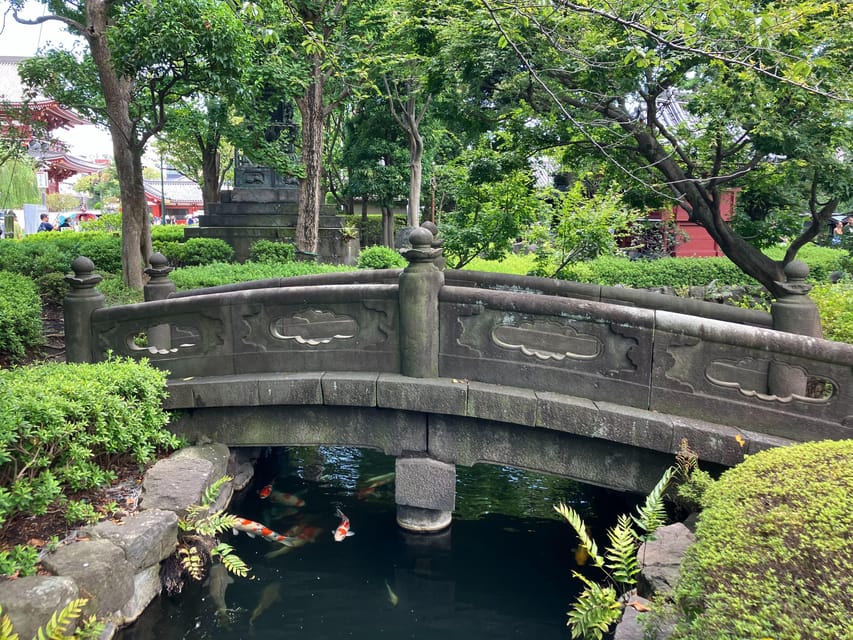
After the big gate and the shopping street, the route shifts to Asakusa Shrine. You’ll get a visit and guided time here, which gives you a breather from the constant foot traffic right near Kaminarimon.
This stop matters because it adds variety. The temple approach and shopping energy are one “feel,” but a shrine visit is another. You get a wider sense of what Asakusa is beyond one signature postcard view.
Senso-ji Temple: Where the Guide’s Storytelling Pays Off
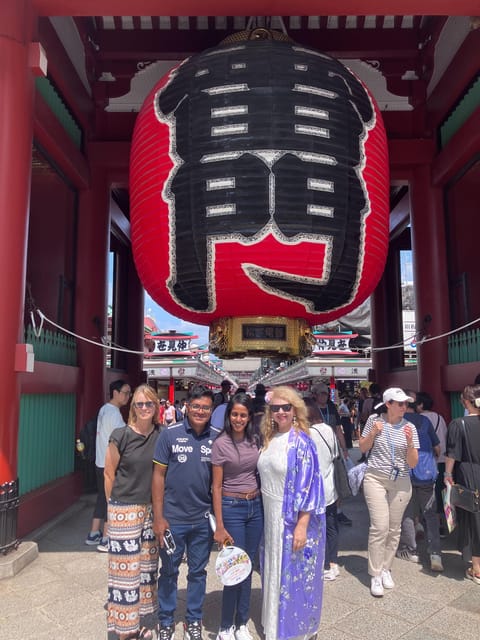
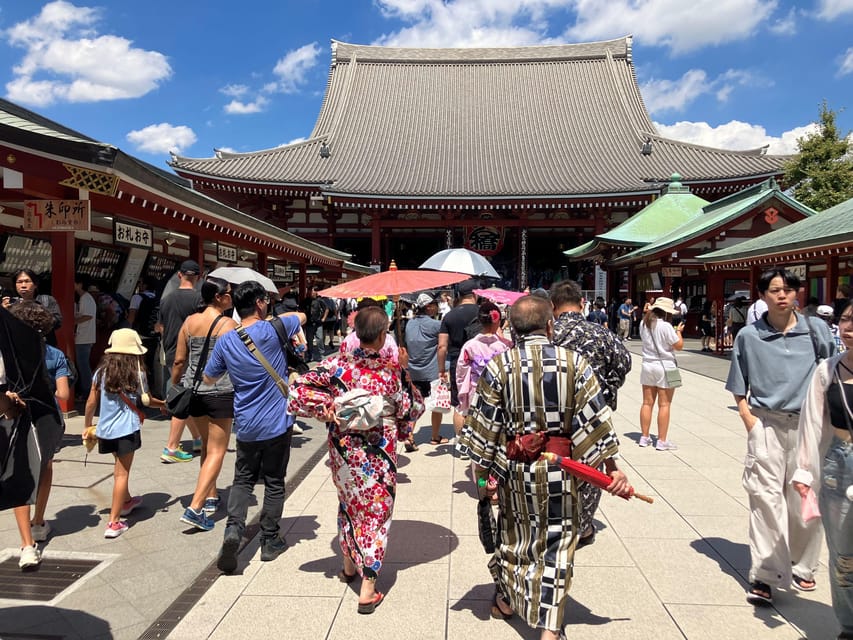
Senso-ji is the reason many people come to Asakusa, but it can still feel overwhelming when you arrive. That’s where the guide earns their keep. You’ll pass by the temple area with explanation of the neighborhood’s historical atmosphere—there’s a sense of older Tokyo here, and the guide helps you notice it.
You’ll also have photo opportunities around key sights including Senso-ji Temple. That’s not just for Instagram. It’s also a way to slow down, confirm you’re seeing what you think you’re seeing, and then move on without frustration.
Tokyo Skytree and Sumida Park Views: Not Just Temples and Shops
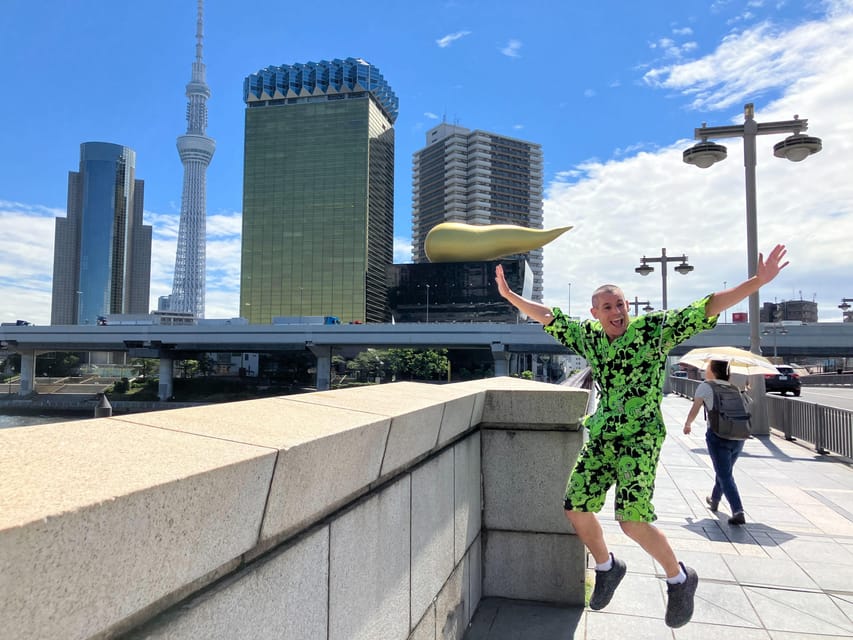
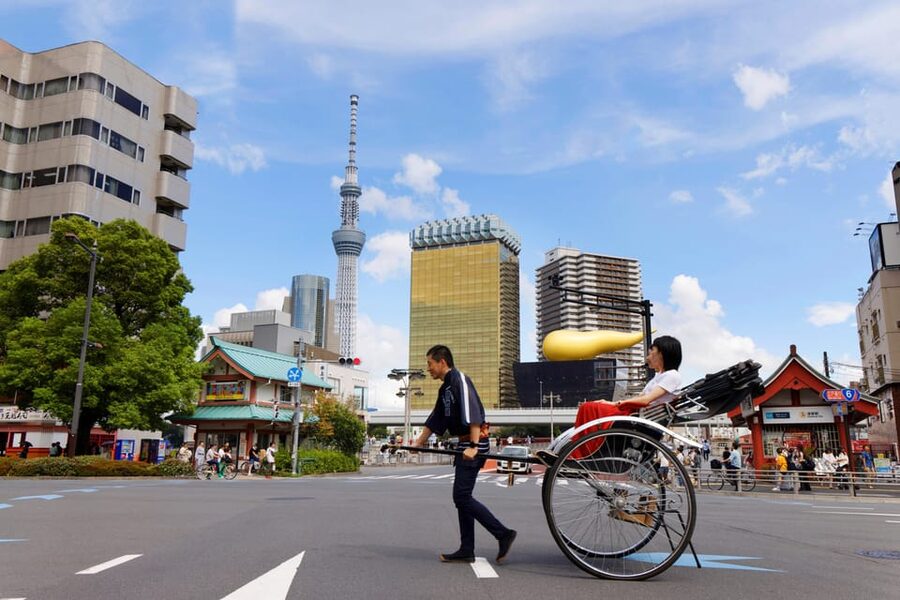
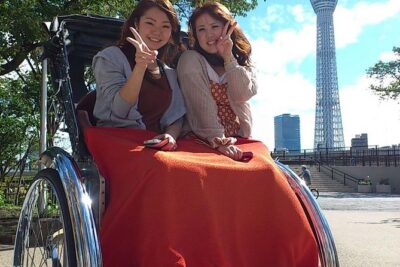
A nice bonus built into the experience is the chance to take in wider city scenery. The ride can include views such as Tokyo Skytree and nearby Sumida Park, which helps balance the “temple street” focus.
This matters because it gives your photos and memories a sense of place: Asakusa isn’t isolated in time. It’s a historic district sitting inside a modern, skyline-filled city.
Nishi Sando and Hoppy Street: The Streets Between the Headlines
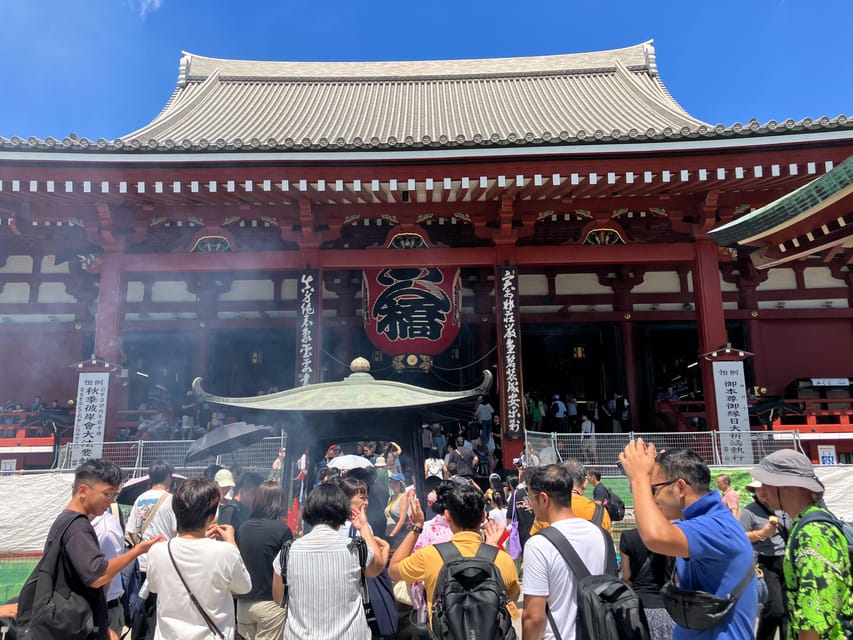
Beyond the big-name landmarks, the tour also strolls by highlights like Nishi Sando Shopping Street and Hoppy Street for an overview of Asakusa’s wonders. These lanes are useful because they show you what the neighborhood feels like in real daily life—less about a single landmark, more about the texture of the district.
You won’t get lost in these side streets because the tour keeps moving. That’s the practical value: you get exposure without sacrificing the main sights.
The Rhythm of the Tour: How the Walking Really Feels
The total duration is 3 hours, but the rickshaw ride is only about 20 minutes. So you should treat this as a walking tour that adds a short rickshaw highlight, not a ride-first experience.
That affects comfort planning. Wear comfortable shoes, because you’ll be on foot through multiple segments and stops. The tour also runs rain or shine, so if you hate wet sidewalks, plan for it.
If you’re sensitive to noise or find it hard to hear your guide in crowded areas, keep your eyes on them and ask questions when you can. One of the most common real-world issues in tours like this is that you can’t hear well when you’re walking through dense crowds.
Small Group Size: Better Control, But Still No Miracle for Crowds
The group is limited to 8 participants, which I like. Smaller groups mean you can usually ask questions without shouting, and the guide can pace the route more carefully than in massive tour buses.
That said, this is Asakusa on a popular schedule. If you’re traveling during a busy season, crowds can still make it feel hectic. The guide can’t change that reality—but a smaller group and reserved rickshaw option help keep the experience from turning into pure waiting.
Price and Value: Is $93 Worth It?
At $93 per person for 3 hours, the value comes from what you’re paying for: a professional local guide, English narration, a structured route with multiple photo opportunities, and a 20-minute rickshaw ride in a key sightseeing area.
If you’re the type who wants to understand what you’re looking at (why Kaminarimon matters, what the Senso-ji approach signals, how these streets fit together), you’ll likely feel the price is fair. The guide’s storytelling turns a checklist into a narrative.
If you already know the Asakusa basics and mostly want photos and freedom, this might feel a bit pricey. Also, if you expected most of the time to be in the rickshaw, you may feel disappointed—because the experience is mostly walking with a short ride highlight.
Photo Opportunities: How to Get Better Shots Without Stress
The tour is built around photo stops, including at Kaminarimon Gate and around Senso-ji Temple. That’s a big deal for travelers who don’t want to spend the whole day trying to time photos while dodging other people.
My practical approach would be:
- shoot first at the stop, then move when the group moves
- keep your camera accessible during walking segments
- don’t get so focused on one angle that you miss the guide’s explanation points
If you’re traveling with a camera or smartphone you care about, you’ll be glad the route is organized around those moments.
Who This Tour Fits Best
This is a great fit if you want:
- a guided route through classic Asakusa landmarks
- an English explanation you can follow without translating everything yourself
- a memorable rickshaw ride that doesn’t take over the whole day
It’s less suitable if you need step-free access. The tour isn’t suitable for people with mobility impairments, wheelchair users, or people over 95 years, since the walking includes stairs.
Children must be accompanied by an adult, and you’ll want to ensure everyone in your group can handle the walking time comfortably.
Quick Practical Tips Before You Go
Bring comfortable walking shoes and a camera. There’s no hotel pickup or drop-off, so plan your arrival at Asakusa Culture Tourist Information Center on your own.
Also note: smoking isn’t allowed during the experience. If you’re sensitive to weather, remember it runs rain or shine, so bring a light layer or rain cover.
Should You Book This Asakusa Rickshaw Highlights Walking Tour?
Book it if you want an efficient, guide-led way to see Kaminarimon Gate, Nakamise Shopping Street, Asakusa Shrine, and the Senso-ji area, with a short rickshaw ride that makes your photos and memories feel special. The small group size helps a lot, and the reserved-rickshaw option can reduce waiting when the area is packed.
Skip or reconsider if you’re mainly looking for long rickshaw time, you’re uncomfortable with steady walking, or you know you’ll tune out in loud crowd conditions. In that case, a more independent temple-and-street plan might feel better.
If you’re in the middle—wanting both structure and a classic Asakusa moment—this is a smart way to spend a few hours without getting lost.
FAQ
How long is the Asakusa highlights walking tour?
The tour lasts about 3 hours.
How long is the rickshaw ride?
The rickshaw ride portion is about 20 minutes in Asakusa.
Where do I meet, and where does the tour end?
You meet in front of Asakusa Culture Tourist Information Center, and the tour ends back at the same meeting point.
Which landmarks are included in the route?
You’ll see Kaminarimon Gate and Nakamise Shopping Street, visit Asakusa Shrine, and pass by the Senso-ji Temple area. The experience also includes viewpoints such as Tokyo Skytree and Sumida Park, and you’ll stroll by Nishi Sando Shopping Street and Hoppy Street.
Is the tour guide available in English?
Yes. The live tour guide speaks English.
How many people are in the group?
The group is limited to 8 participants.
Is the tour wheelchair accessible?
No. It is not suitable for wheelchair users or people with mobility impairments because it involves stairs and walking.
Are food and drinks included?
No. Food and drinks are not included.
More Tour Reviews in Tokyo
- Mt Fuji and Hakone 1-Day Bus Tour Return by Bullet Train
★ 5.0 · 26,383 reviews - 1-Day Tokyo Bus Tour
★ 5.0 · 14,250 reviews - Tokyo: teamLab Planets TOKYO Digital Art Museum Entry Ticket
★ 4.6 · 9,779 reviews - Mt Fuji & Hakone Cruise, Drum Show Bullet Train 1 Day from Tokyo
★ 4.0 · 7,413 reviews - Tokyo: Shinjuku Food Tour (13 Dishes at 4 Local Eateries)
★ 5.0 · 6,603 reviews
More Rickshaw Rides in Tokyo
- Tokyo Asakusa Rickshaw Tour
★ 5.0 · 1,375 reviews - Tokyo: Asakusa Sightseeing Tour by Rickshaw
★ 4.9 · 195 reviews - Asakusa, Tokyo: Rickshaw Experience and Highlights Walking tour
★ 5.0 · 47 reviews - Ride a rickshaw wearing a kimono in Asakusa! Enjoy authentic traditional culture!
★ 5.0 · 14 reviews - Sushi Making Tokyo with Traditional Rickshaw Ride Tour in Asakusa
★ 5.0 · 12 reviews
More Mornings in Old Asakusa
- Tokyo: Japanese Dance Cabaret Theater Asakusa-Kaguwa Ticket
★ 4.8 · 2,270 reviews - Tokyo: Meiji Shrine, Asakusa, Skytree Bus Tour and Cruise
★ 4.7 · 1,986 reviews - Tokyo: Roll and Authentic Sushi Making Class in Asakusa
★ 4.9 · 1,957 reviews - Tokyo: Asakusa Walking Tour with Sensoji Temple Visit
★ 4.8 · 1,583 reviews - Tokyo Asakusa Rickshaw Tour
★ 5.0 · 1,375 reviews
Latest Tokyo reviews off our desk






Asakusa & Sensoji Tours, compared.
 ★ 4.8Japanese Dance Cabaret Theater Asakusa-Kaguwa TicketFrom $492,270 reviews
 ★ 4.7Meiji Shrine, Asakusa, Skytree Bus Tour and CruiseFrom $1221,986 reviews
 ★ 4.9Roll and Authentic Sushi Making Class in AsakusaFrom $581,957 reviews
 ★ 4.8Asakusa Walking Tour with Sensoji Temple VisitFrom $221,583 reviews
 ★ 5.0Tokyo Asakusa Rickshaw TourFrom $421,375 reviews
 ★ 4.5Tokyo Panoramic 1 Day: Meiji Shrine, Asakusa, Odaiba and SKYTREE®From $851,222 reviews
 ★ 5.0Tokyo Go Kart: Asakusa, Skytree, and Akihabara **IDP MUST**From $99988 reviews
 ★ 4.7Asakusa, Skytree & Akhihabara Go-Kart City ExperienceFrom $96761 reviews
Browse the lists this tour appears in