
Reviewed · ASAKUSA & SENSOJI TOURS
Tokyo, Asakusa: Tea Ceremony and Sweets Making Class
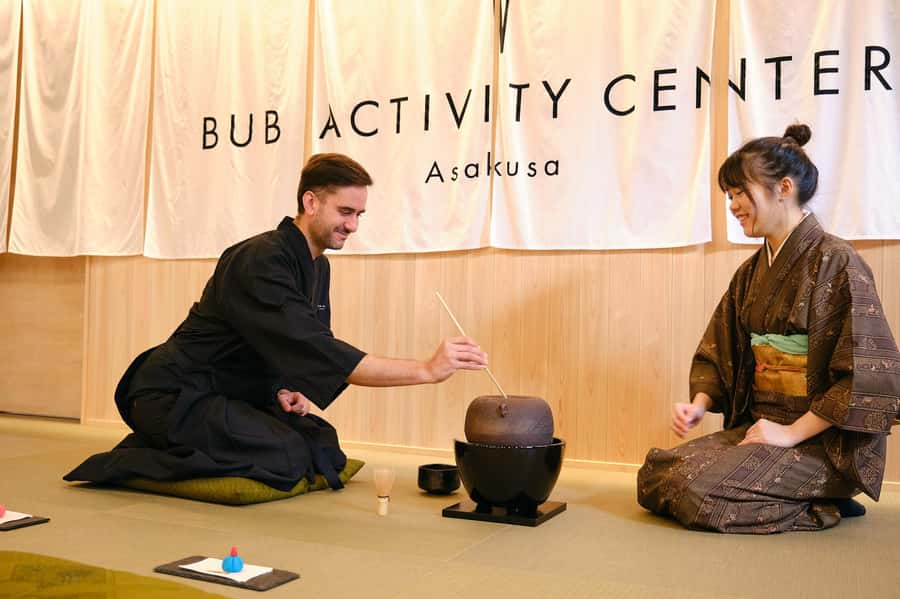
A kimono and matcha in one calm hour. The Asakusa class pairs kimono dressing with hands-on nerikiri wagashi making, then finishes with a quiet matcha ceremony and real conversation with an English-speaking tea expert. You’re not stuck in a loud group scramble, either.
I like that the pace stays gentle from start to sip, and you get time to ask questions instead of just watching. One thing to consider: it’s only 1 hour (15:30–16:30), so it’s more of a focused taste-and-craft session than a long, step-by-step deep lesson.
In This Review
- Key highlights you’ll actually care about
- The real vibe: calm craft time in Asakusa
- Meeting point tip: find the Heiwa Building elevator fast
- Kimono dressing: get comfortable before you get photographed
- Nerikiri wagashi workshop: your design choices become edible art
- Matcha-making and tea ceremony: whisk slowly, then talk
- What’s included for $67, and where the value really comes from
- Who this Asakusa class suits best
- A simple plan for enjoying it without stress
- Should you book this Asakusa tea ceremony and sweets class?
- FAQ
- How long does the experience last?
- Where is the meeting point?
- Is prior experience required for the tea ceremony or wagashi making?
- What languages are supported?
- What’s included in the $67 per person price?
- Is transportation to the venue included?
- Are there food restrictions, and is it suitable for vegans or halal customers?
- Are alcohol or drugs allowed during the class?
Key highlights you’ll actually care about
- Kimono dressing with staff help so you don’t feel lost in the layers
- Nerikiri wagashi art where you pick colors and shapes, not just follow steps
- Matcha whisking and tasting guided by a tea expert during the ceremony
- English conversation built in, so you can ask what you want to understand
- No crowd pressure and no rush energy, just a calm room and careful work
- Vegan and halal-friendly since ingredients and colorings are vegetable-based
The real vibe: calm craft time in Asakusa
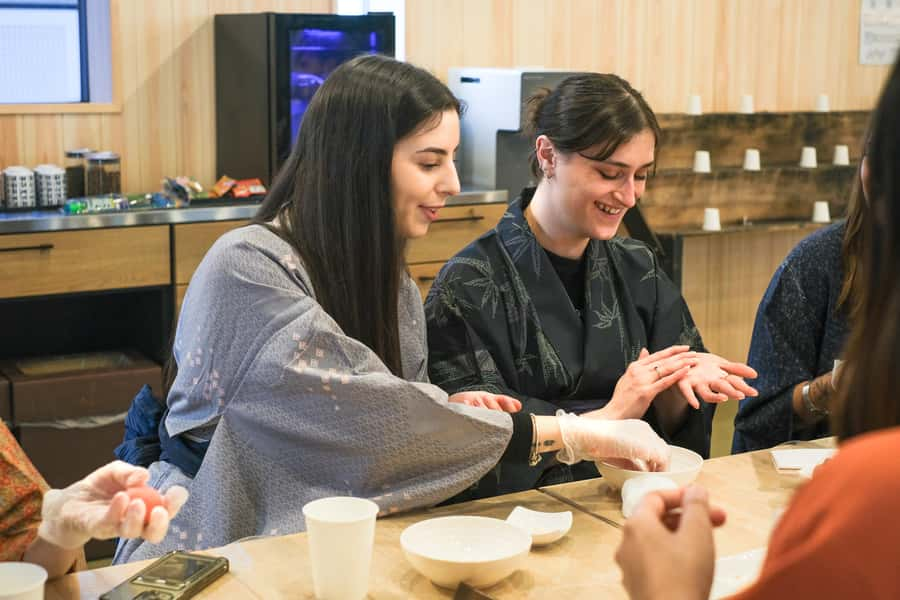
Tokyo can feel fast. This experience is built around the opposite mood: quiet focus, no chaos, and a schedule that doesn’t yank you around. You show up, get into a kimono, make delicate sweets, then slow down for matcha.
What makes it especially appealing is that the activities are connected. The nerikiri wagashi you shape isn’t separate from the tea moment that follows. Even if you’re new to Japanese sweets, you’ll feel like you’re participating in the same culture thread from dressing to taste.
The setting also matters. The class is designed to feel like you’re sharing a small pocket of Japanese tradition, not performing for a crowd. If you want something cultural but not stressful, this hits the mark.
More temple mornings in old Asakusa
- Tokyo: Japanese Dance Cabaret Theater Asakusa-Kaguwa Ticket
★ 4.8 · 2,270 reviews - Tokyo: Meiji Shrine, Asakusa, Skytree Bus Tour and Cruise
★ 4.7 · 1,986 reviews - Tokyo: Roll and Authentic Sushi Making Class in Asakusa
★ 4.9 · 1,957 reviews - Tokyo: Asakusa Walking Tour with Sensoji Temple Visit
★ 4.8 · 1,583 reviews
Meeting point tip: find the Heiwa Building elevator fast
Logistics here are simple, but one detail is crucial. Start by taking an elevator to the 5th floor of the Heiwa Building.
To locate it: the elevator is right to the Lawson store, near ramen, in the same building as karaoke. That’s a lot of landmarks, and that’s on purpose. If you’re the type who hates wandering, this makes it easier to lock onto the right spot.
When you arrive, the activity ends back at the same meeting point. So you don’t have to worry about navigating the rest of the area afterward.
Kimono dressing: get comfortable before you get photographed
The first big part is picking a kimono from a selection and getting help putting it on. This matters more than you might think. Kimono dressing can look intimidating, but you’re not doing it alone.
Staff assist you with the dressing process so you feel graceful and comfortable while you wear it. That comfort piece is key, because the class continues immediately with hands-on wagashi work and a tea session. If you’re adjusting sleeves and trying to sit awkwardly, your enjoyment drops fast.
Another practical plus: photography is part of the experience. You’ll be able to capture elegant memories in your kimono, and getting dressed early means you’re not rushing later with a mismatched outfit.
A quick personal tip: if you’re prone to cold, bring a light layer you can remove. Traditional clothing can feel temperature-sensitive depending on the room.
Nerikiri wagashi workshop: your design choices become edible art
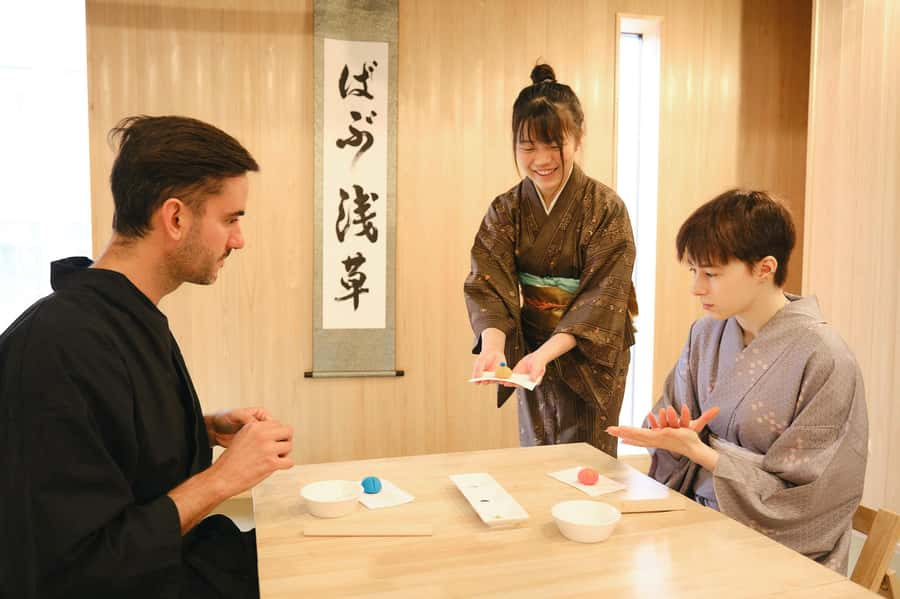
Then you shift from clothing to craft. Next up is making nerikiri wagashi, a type of Japanese sweets that’s shaped with fine detail. The best part is that you choose your preferred colors and shapes, so you’re not just assembling a preset.
Think of it like sculpting with food-grade materials. You’ll create something beautiful as it becomes delicious, and that “I made this” feeling is the point. If you’ve ever wanted souvenirs you can eat instead of stash in a drawer, this is exactly that kind of payoff.
Why it’s valuable: making nerikiri isn’t only about taste. It’s about patience and precision in a small, friendly way. You’re spending your hands-on time shaping something that normally takes real skill to make well.
What to keep in mind: wagashi is delicate. Your finished piece may not be the kind of thing you can treat like a casual snack. Plan to enjoy it as part of the class rather than trying to pack and toss it into your bag.
Matcha-making and tea ceremony: whisk slowly, then talk
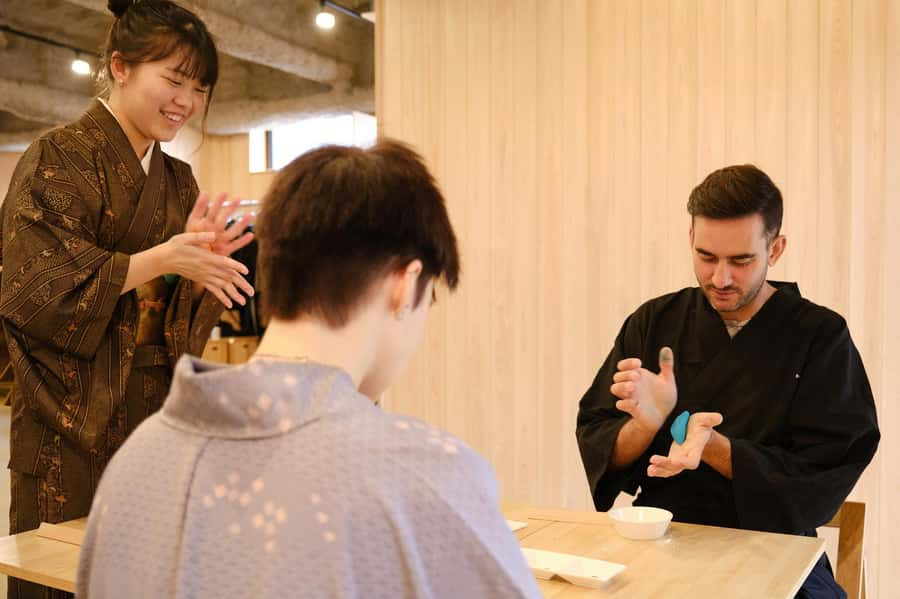
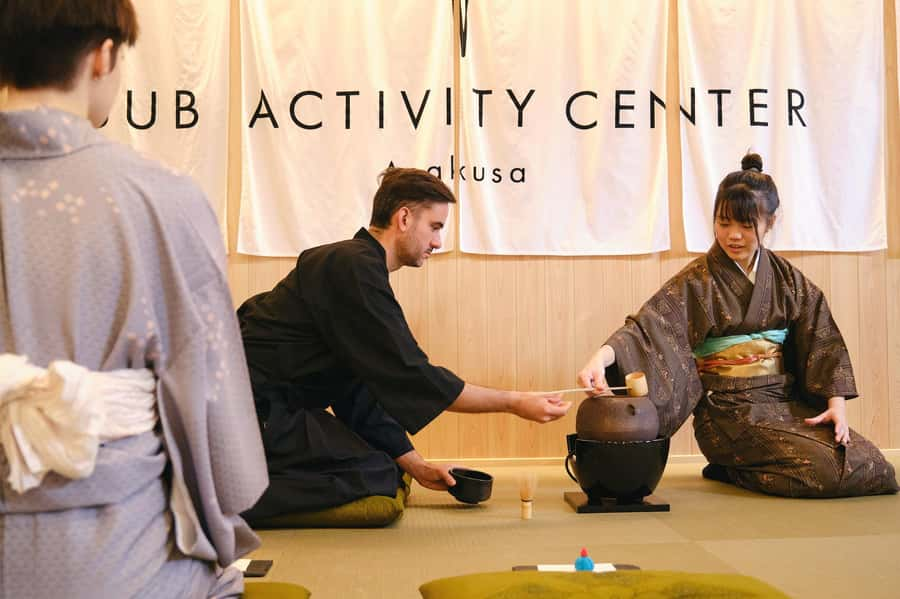
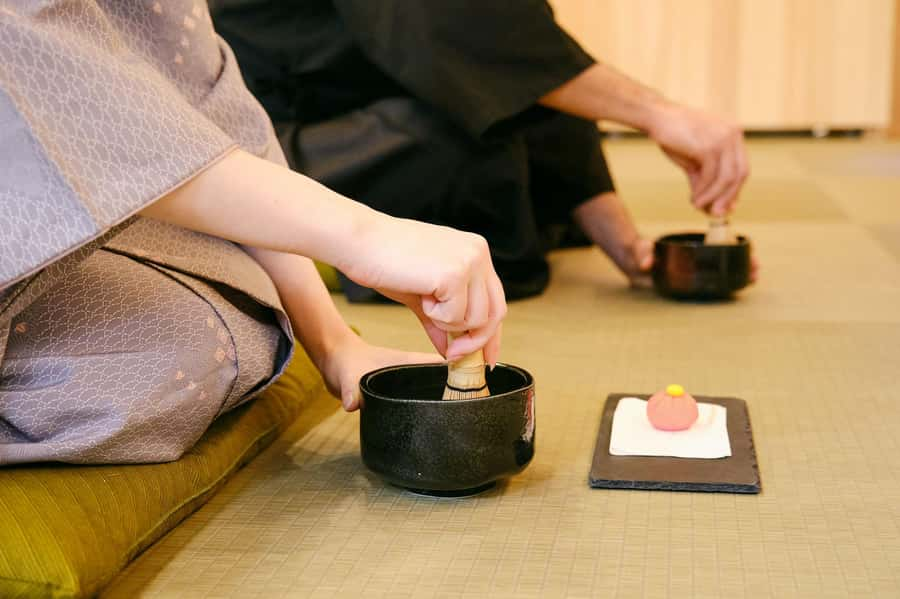
After the wagashi comes the matcha ceremony. You’ll have a serene matcha-making session guided by the tea expert, and you also get a chance for an intimate chat.
This is where the experience turns from craft to culture in a more personal way. You’ll whisk and enjoy the tea while the expert explains what you’re doing and what to pay attention to. Since the guide is English-speaking, you can ask questions without guessing.
A tea ceremony is often misunderstood as rigid. Here, the tone is calmer. It’s not about performing. It’s about learning through doing and tasting, then using the quiet moment to understand what matters in Japanese tea culture.
Also, note what’s included: the matcha tea ceremony is part of the package. That means you don’t have to hunt down a separate tea stop afterward to get the full experience.
More tea rooms our readers rated
- Matcha Making Class in Tokyo with Authentic Japanese Sweets Set★ 5.0 · 744 reviews
- Tokyo: Traditional Tea Ceremony with a Tea Master★ 5.0 · 528 reviews
- Tokyo: Matcha Making Experience with Mochi Sweets in Asakusa★ 4.9 · 388 reviews
- Tokyo: Matcha and Kimono Experience★ 4.7 · 219 reviews
- Tea Ceremony Workshop in Tokyo by the Experienced Instrucor★ 5.0 · 189 reviews
What’s included for $67, and where the value really comes from
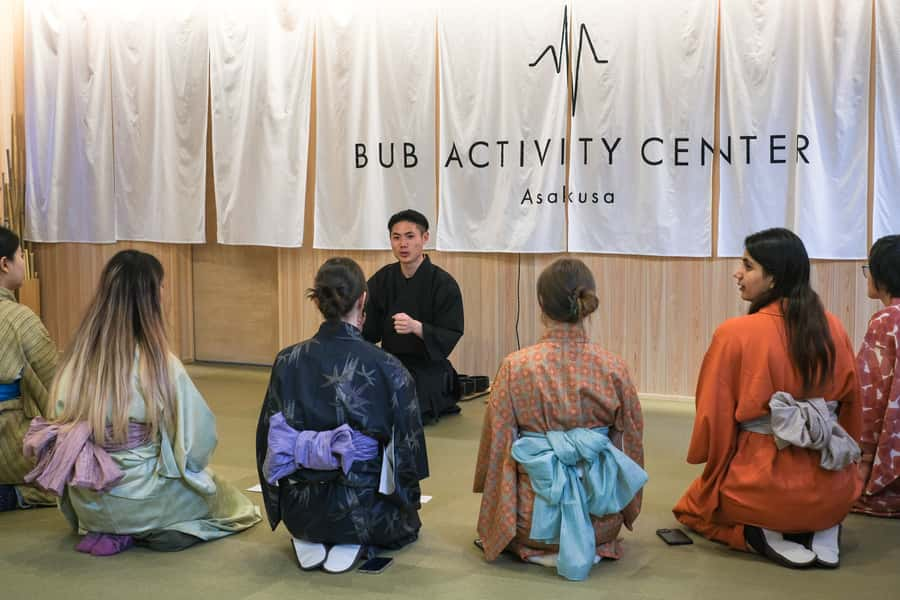
At $67 per person, this isn’t a “cheap quick activity,” but it also isn’t overpriced for what you’re getting. You’re buying four concrete things: kimono dressing, wagashi making, the matcha ceremony, and an English-speaking expert guide.
The value is in the blend:
- You get the full kimono experience, not just a photo pose.
- You get a hands-on sweets workshop where your choices matter.
- You get guided matcha preparation and tasting.
- You get conversation time, which turns the experience from a class into something more meaningful.
What’s not included is also important. Transportation to the venue isn’t included, and meals other than the wagashi aren’t included. That means you should treat the wagashi as your food within the time window, not as a replacement for a full dinner plan.
A practical way to think about it: you’re paying for a guided cultural experience that typically takes multiple steps to piece together on your own. The convenience and time-saved structure are part of the price.
Who this Asakusa class suits best
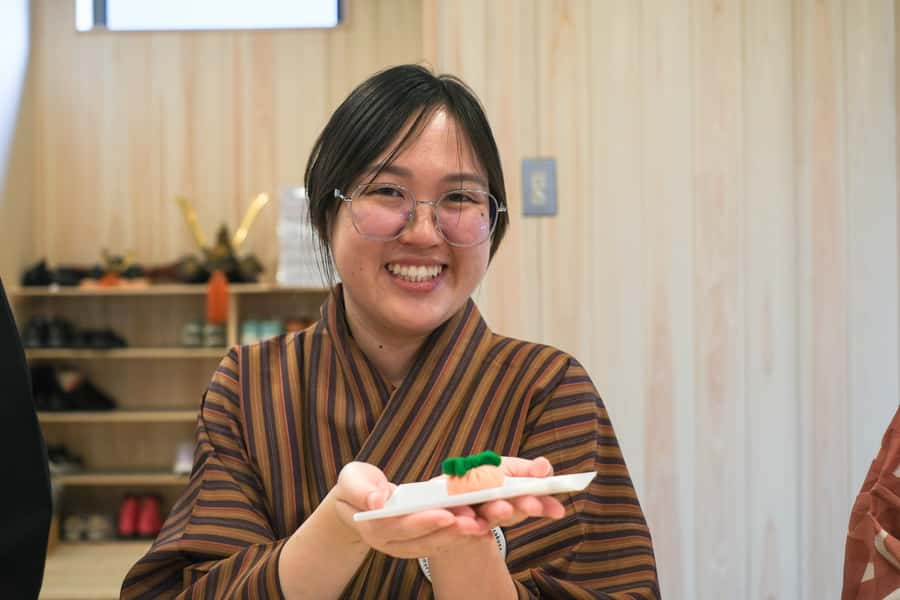
This is a strong match if you want Japanese culture with a calm pace. It’s especially good for people who feel overwhelmed by big tours, and for anyone who likes making things with their hands.
It also works well if you care about dietary needs. The experience is suitable for vegans and halal customers because the colorings and ingredients for the sweets are vegetable-based. If that’s important to you, this is the kind of activity you can book with confidence rather than doing a bunch of guesswork.
No prior experience is necessary. You don’t need to know how to wear a kimono, how to shape nerikiri, or how to whisk matcha. The staff and the tea expert guide you through the process.
If you’re traveling with limited time on your hands, the 1-hour slot (15:30–16:30) can be a win. You still get something memorable without losing your whole afternoon.
One more note: alcohol and drugs aren’t allowed. That’s standard for a class setting, but it helps keep things focused and comfortable.
A simple plan for enjoying it without stress
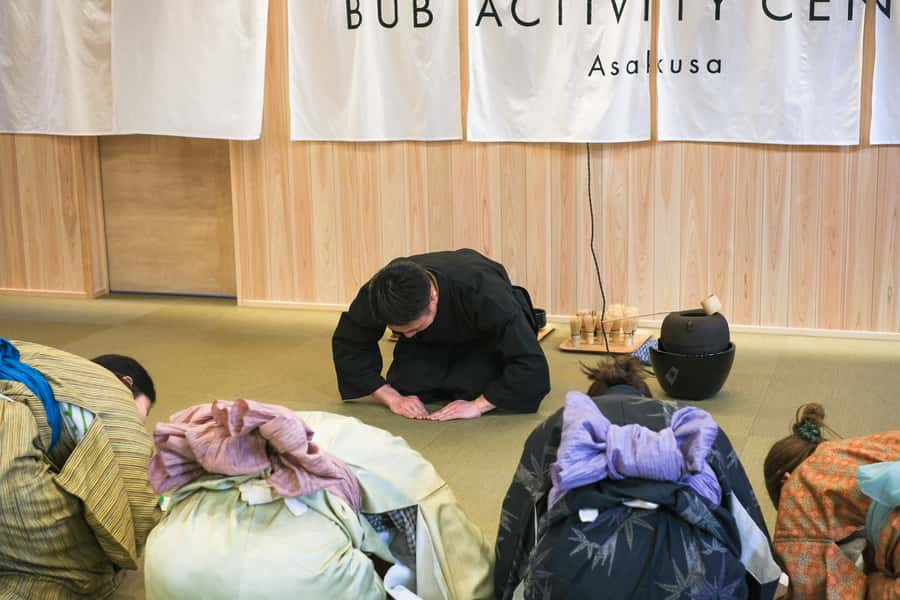
You’ll have the most fun if you treat this like a small ritual. Arrive a few minutes early so you can settle before dressing. Bring comfortable basics you can change into, since you’ll be transitioning into kimono.
During wagashi time, slow down and focus on your choices. The class is designed so you can select colors and shapes, so make those decisions when they’re offered rather than rushing at the end.
For the tea ceremony, take advantage of the English conversation. Ask what to notice in the taste and the process. You’re not just trying matcha—you’re learning how it’s approached in a ceremony format.
Lastly, since the experience ends back at the meeting point, keep your next plan close by. That makes the whole afternoon feel smoother.
Should you book this Asakusa tea ceremony and sweets class?
I’d book it if you want Japanese culture that’s hands-on, photo-worthy, and genuinely calm. The kimono dressing plus nerikiri wagashi combo is a rare pairing, and the matcha ceremony with an English-speaking tea expert turns it into more than just a making session.
I’d think twice if you hate short activities. Because it’s only 1 hour, you won’t get a long, deep curriculum. It’s designed for a focused experience, not a marathon.
Also plan around what’s included. Transportation isn’t part of the price, and you’ll only have the wagashi as your meal during the class, so don’t schedule it as your only food stop unless that’s okay for you.
If those points fit your style, this one is a very solid way to spend an Asakusa afternoon: elegant outfit, edible art, and a quiet cup of matcha.
FAQ
How long does the experience last?
It lasts for 1 hour, from 15:30 to 16:30.
Where is the meeting point?
Start by taking an elevator to the 5th floor of the Heiwa Building. The elevator is right to the Lawson store, near ramen, in the same building as karaoke. The activity ends back at the meeting point.
Is prior experience required for the tea ceremony or wagashi making?
No prior experience is necessary.
What languages are supported?
The experience is guided in English.
What’s included in the $67 per person price?
Included are kimono dressing, wagashi making, the matcha tea ceremony, and an English-speaking expert guide.
Is transportation to the venue included?
No. Transportation to the venue is not included.
Are there food restrictions, and is it suitable for vegans or halal customers?
Yes. It is suitable for vegans and halal customers because the colorings and ingredients for the sweets are vegetable-based.
Are alcohol or drugs allowed during the class?
No. Alcohol and drugs are not allowed.
More Tour Reviews in Tokyo
- Mt Fuji and Hakone 1-Day Bus Tour Return by Bullet Train
★ 5.0 · 26,383 reviews - 1-Day Tokyo Bus Tour
★ 5.0 · 14,250 reviews - Tokyo: teamLab Planets TOKYO Digital Art Museum Entry Ticket
★ 4.6 · 9,779 reviews - Mt Fuji & Hakone Cruise, Drum Show Bullet Train 1 Day from Tokyo
★ 4.0 · 7,413 reviews - Tokyo: Shinjuku Food Tour (13 Dishes at 4 Local Eateries)
★ 5.0 · 6,603 reviews
More Tea and Matcha Rooms
- Matcha Making Class in Tokyo with Authentic Japanese Sweets Set
★ 5.0 · 744 reviews - Tokyo: Traditional Tea Ceremony with a Tea Master
★ 5.0 · 528 reviews - Tokyo: Matcha Making Experience with Mochi Sweets in Asakusa
★ 4.9 · 388 reviews - Tokyo: Matcha and Kimono Experience
★ 4.7 · 219 reviews - Tea Ceremony Workshop in Tokyo by the Experienced Instrucor
★ 5.0 · 189 reviews
More Mornings in Old Asakusa
- Tokyo: Japanese Dance Cabaret Theater Asakusa-Kaguwa Ticket
★ 4.8 · 2,270 reviews - Tokyo: Meiji Shrine, Asakusa, Skytree Bus Tour and Cruise
★ 4.7 · 1,986 reviews - Tokyo: Roll and Authentic Sushi Making Class in Asakusa
★ 4.9 · 1,957 reviews - Tokyo: Asakusa Walking Tour with Sensoji Temple Visit
★ 4.8 · 1,583 reviews - Tokyo Asakusa Rickshaw Tour
★ 5.0 · 1,375 reviews
Latest Tokyo reviews off our desk






Asakusa & Sensoji Tours, compared.
 ★ 4.8Japanese Dance Cabaret Theater Asakusa-Kaguwa TicketFrom $492,270 reviews
 ★ 4.7Meiji Shrine, Asakusa, Skytree Bus Tour and CruiseFrom $1221,986 reviews
 ★ 4.9Roll and Authentic Sushi Making Class in AsakusaFrom $581,957 reviews
 ★ 4.8Asakusa Walking Tour with Sensoji Temple VisitFrom $221,583 reviews
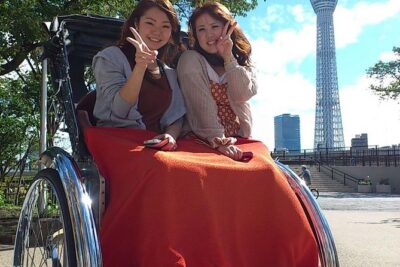 ★ 5.0Tokyo Asakusa Rickshaw TourFrom $421,375 reviews
 ★ 4.5Tokyo Panoramic 1 Day: Meiji Shrine, Asakusa, Odaiba and SKYTREE®From $851,222 reviews
 ★ 5.0Tokyo Go Kart: Asakusa, Skytree, and Akihabara **IDP MUST**From $99988 reviews
 ★ 4.7Asakusa, Skytree & Akhihabara Go-Kart City ExperienceFrom $96761 reviews
Browse the lists this tour appears in