
Reviewed · SAMURAI & NINJA CLASSES
Tokyo: Elite Ninja Samurai Hands-on Mission Insights, 90 min
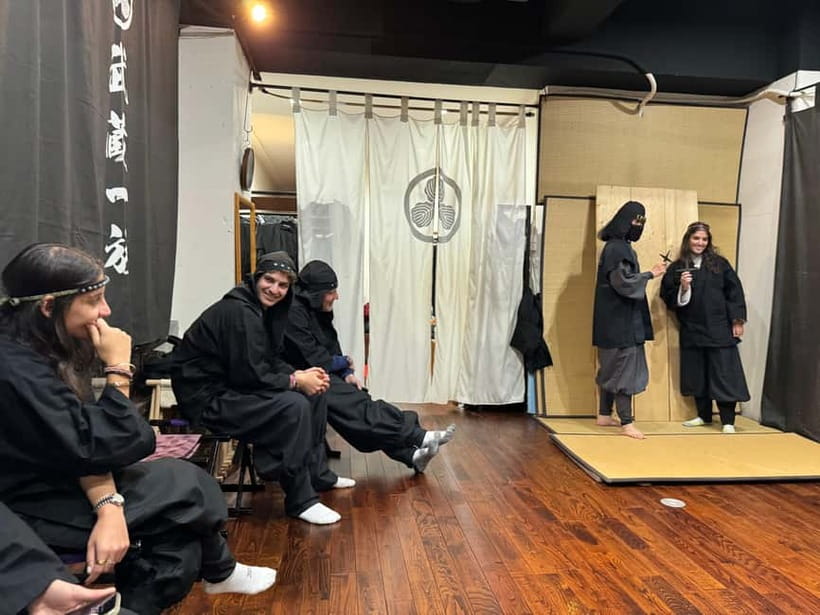
Tokyo turns training into a mission. This 90-minute hands-on session in Asakusa has you in a clan ninja outfit while learning real techniques inside a traditional, private dojo. I like that the class is practical from minute one, with photo time at the end so you can actually remember what you tried.
My favorite part is the real-time interpretation plus the fact that the instructors are high-ranked martial artists (black belt 6th Dan or higher). You also get to use handcrafted clan tools, not just watch a performance. The main drawback to consider is time: 1.5 hours is enough to learn the basics, not enough to master weapons like you would in a longer program.
In This Review
- Key things to know before you go
- A 90-Minute Ninja Samurai Mission in Asakusa
- The Tokugawa-Era Clan Story Behind the Movements
- What You Wear and What You Use (Including Your “Mission” Gear)
- Your Hands-On Training Plan: Stealth, Stars, Blowguns, Sword, Kujikiri
- 1) Opening meditation and instructor demonstration
- 2) Stealth steps
- 3) Shuriken throwing
- 4) Blowgun shooting
- 5) Kunai or short sword practice (bokken)
- 6) Short meditation and kujikiri
- 7) Photo time
- Why the Real-Time Translation Changes Everything
- Finding the Musashi Ninja Clan Dojo: Matsugaya, 3rd Floor
- Price and Value: Is $116 a Good Deal for 90 Minutes?
- Who Should Book This Ninja Samurai Experience (And Who Might Not)
- Should You Book This Ninja Samurai Hands-On Session?
- FAQ
- How long is the Tokyo ninja samurai hands-on mission?
- What techniques are included in the training?
- What’s included in the price?
- What languages are available during the session?
- Where do I meet for the experience?
- Is there an extra fee for spectators?
- Can children join this experience?
- Do I need to provide my height in advance?
- Are there any restrictions on who can participate?
Key things to know before you go
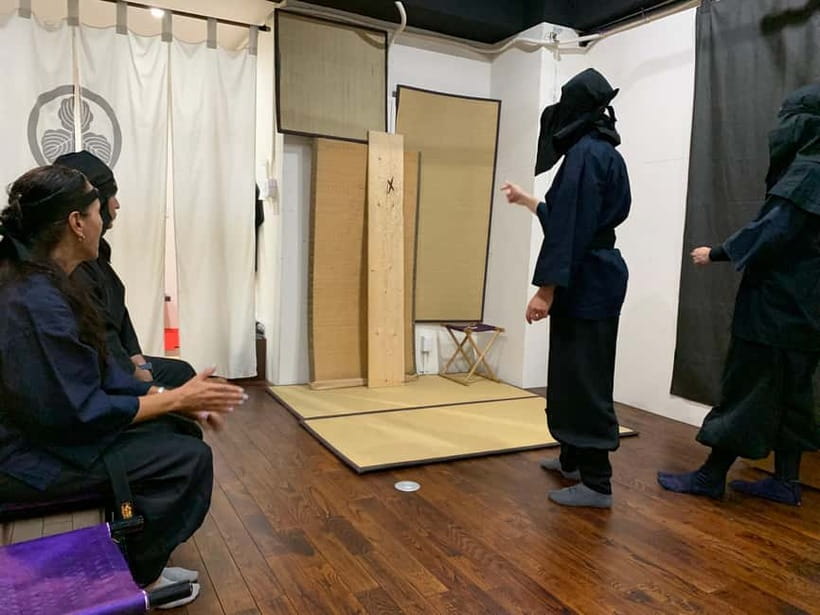
- Asakusa dojo training in a traditional, private space, with a welcoming atmosphere
- Five technique blocks you practice: stealth steps, shuriken throwing, blowgun shooting, short sword movements, and kujikiri
- Real-time English/Japanese support from nationally licensed interpreters
- Clan-made equipment focus, including ninja-star and sword practice tools provided for class
- Built-in calm moments, with opening meditation and a short meditation at the end
- Photos included, so you can capture your mission look and poses
A 90-Minute Ninja Samurai Mission in Asakusa
This is not a big museum stop. It’s a hands-on training session built around five basic ninja/samurai skills, taught in a tight 1.5-hour window. You’ll start in a calm mood (opening meditation), then move quickly into instruction, practice, and a final short meditation before photos.
What makes it especially appealing is the setting and structure. The session happens at the Musashi Ninja Clan Shinobi Samurai Honjin Dojo of Asakusa in Matsugaya, Taito-ku, and you’re in a private dojo environment rather than a crowded studio. That matters because the whole point is learning by doing without feeling rushed or self-conscious.
Also, the theme is consistent: you’re not only learning movements, you’re getting the clan mindsets behind them. The experience frames the training as a mission for peace and disciplined conduct, not just cool stunts.
More blade-and-dojo sessions, reviewed
- Tokyo: Samurai Ninja Museum Guided tour and Experience
★ 4.6 · 1,010 reviews - Tokyo: Samurai Sword & Archery Class from Samurai Descendant
★ 5.0 · 603 reviews - Best Samurai Experience in Tokyo
★ 5.0 · 458 reviews - Ninja Experience (Family Friendly) at Samurai Ninja Museum TOKYO
★ 5.0 · 441 reviews
The Tokugawa-Era Clan Story Behind the Movements
The training doesn’t float in the abstract. It comes with a storyline that connects ninja traditions to real historical periods.
The clan traces its start to 1582, when their ancestors escorted Tokugawa Ieyasu. From there, the clan served the Tokugawa Shogunate for 265 years, ending around the Meiji Restoration in 1868. After that shift, the clan became independent so they could keep their identity as shinobi.
You’ll also hear a key detail about the broader world of shinobi: there were two types, shinobi samurai and shinobinomono. The shinobi samurai were of samurai lineage, and they trained local people to become shinobinomono. That distinction helps you understand why the training you do isn’t only about stealth. It’s also about disciplined roles—how a person thinks, moves, and carries responsibility.
If you’re the type who likes your activities with context, this is a good fit. You get the story, then you physically try the techniques.
What You Wear and What You Use (Including Your “Mission” Gear)
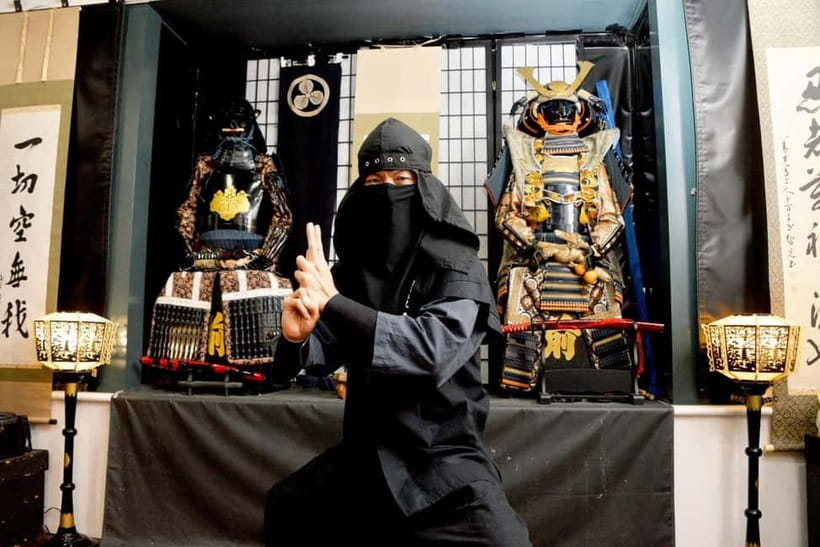
You’ll wear your ninja outfit during the session, and that alone changes how you move. It’s a simple thing, but it helps you take the training seriously.
The experience includes:
- Ninja outfit rental
- Bokken wooden sword rental
- Ninja star (shuriken) rental
And they ask you to inform them of your height so they can have the outfit ready. That’s a small detail that can make your first few minutes smoother. If the outfit doesn’t fit, your form will feel awkward right away.
There are also clear rules about behavior. Intoxication and alcohol/drugs are not allowed, and chewing gum is also off-limits. Plus, it’s stated as not suitable for pregnant women—so plan accordingly.
One more practical note: the instructions mention handing over gear and tools as part of the class setup, so you should come ready to follow directions closely. This is hands-on training, and the focus is on correct technique while you practice.
Your Hands-On Training Plan: Stealth, Stars, Blowguns, Sword, Kujikiri
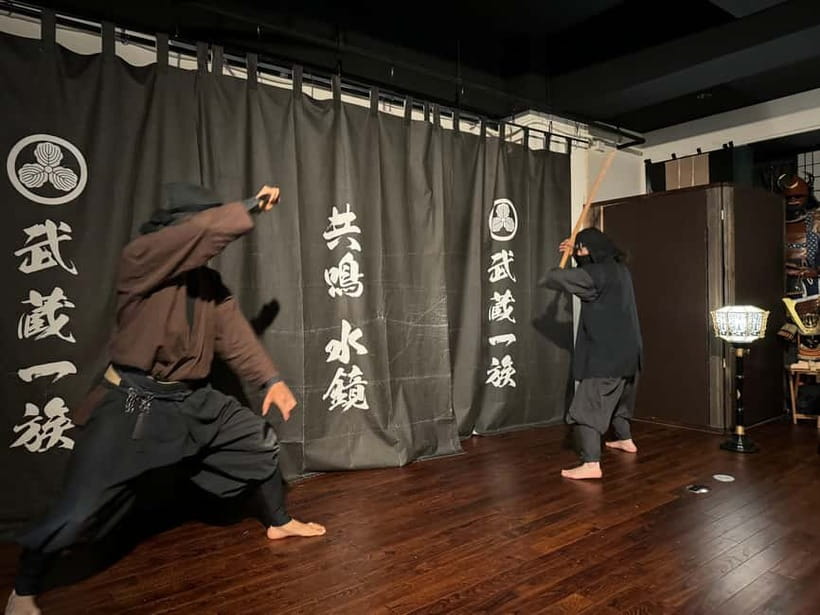
The itinerary is built as a sequence of skills, with short mental resets built in. Here’s what the 90 minutes are designed to cover.
1) Opening meditation and instructor demonstration
You begin with opening meditation, then you watch the instructor demonstrate before you try. This matters because it sets the standard for timing, posture, and how the movements connect to the larger mission mindset.
Readers also shortlisted these Tokyo bookings:
- Sushi Making Tokyo Roll and Authentic Japanese Sushi Class★ 5.0 · 3,971 reviews
- Tokyo: Roll and Authentic Sushi Making Class in Asakusa★ 4.9 · 1,957 reviews
- Tokyo Shinjuku Chopsticks Making Class★ 5.0 · 1,763 reviews
- Tokyo: Sushi Making Class in a Happi Coat near a Famous Spot★ 4.9 · 1,377 reviews
- Chopstick Making Workshop in Ginza★ 4.8 · 1,366 reviews
2) Stealth steps
Next come stealth steps. The goal isn’t fancy choreography. It’s learning how to move quietly and carefully, which ties directly into how stealth training is taught in traditional systems: control first, speed later.
If you’ve ever wondered how stealth works beyond silence, this is where it starts. The session is designed to have you work your body into that kind of controlled motion.
3) Shuriken throwing
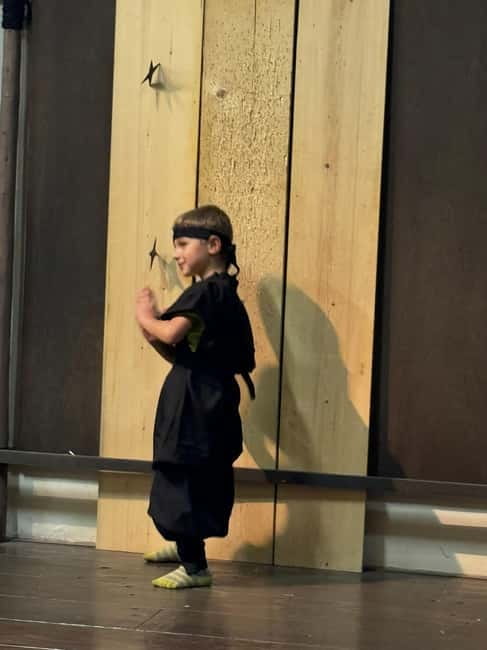
Then you move to shuriken throwing. You’ll be using the provided ninja-star rental. This is typically the technique that makes people smile, because you get instant feedback from trying.
The value here is not only throwing itself. It’s practicing discipline: stance, focus, and follow-through. The instructor demonstration plus real-time interpretation helps you understand what you’re supposed to do and why.
4) Blowgun shooting
After that, you switch to blowgun shooting. This one tends to feel different from throwing because it’s about steadiness and controlled breathing rather than raw arm motion.
Even if you’re not naturally good at aiming, the structure gives you a chance to learn how the session frames technique and consistency.
5) Kunai or short sword practice (bokken)
You then do short sword practice, described as kunai or short sword practice in the plan. In the included gear list, the sword tool is a bokken, so you’ll be training with a wooden practice sword.
The important thing is that short sword movements are taught as part of an overall mission logic, not as isolated slashes. The class format is set up so you can link the movement to a mindset: readiness, control, and purpose.
6) Short meditation and kujikiri
The final technique block includes short meditation and kujikiri. Kujikiri is presented as part of the training structure with that calm reset. That gives the whole session a beginning-middle-end rhythm: you learn, you practice, then you bring your focus back down before photos.
7) Photo time
You finish with photo time, which is more useful than it sounds. It gives you permission to enjoy what you just learned and document the look. That also helps you remember the techniques you tried, especially if you’re bouncing between Tokyo experiences.
Why the Real-Time Translation Changes Everything
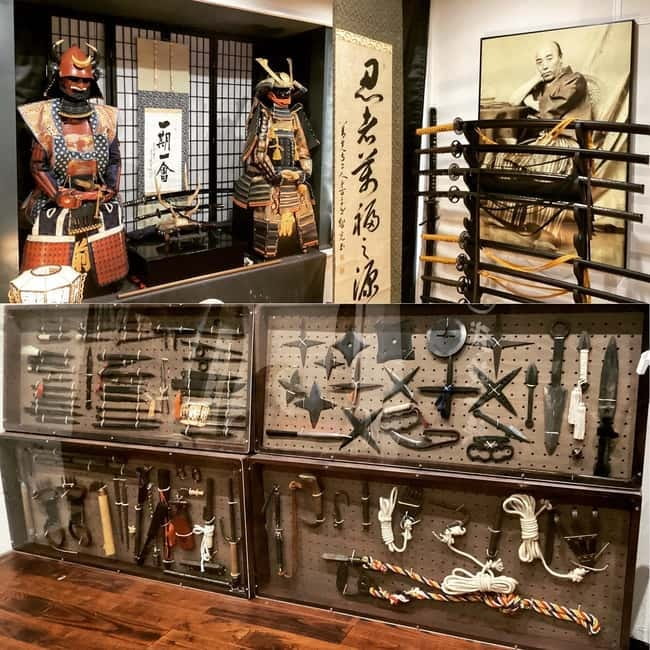
This experience is offered with instructors (English and Japanese) and real-time interpretation. The interpreters are described as nationally licensed, and that matters.
When you’re doing technique training, words matter. A translator who can keep up in real time helps you understand not just the how, but also the intent behind the movement. It’s the difference between copying motions and actually learning the logic the class is trying to teach.
The class also states that instructors hold black belt 6th Dan or higher. That signals that the instruction is meant to be grounded in real martial practice, not just costume play.
And based on the overall feedback tone of the experience, the goal lands: people leave feeling they got both knowledge and fun. You’ll likely appreciate the friendly, welcoming atmosphere in the dojo, especially if you’re nervous about participating.
Finding the Musashi Ninja Clan Dojo: Matsugaya, 3rd Floor
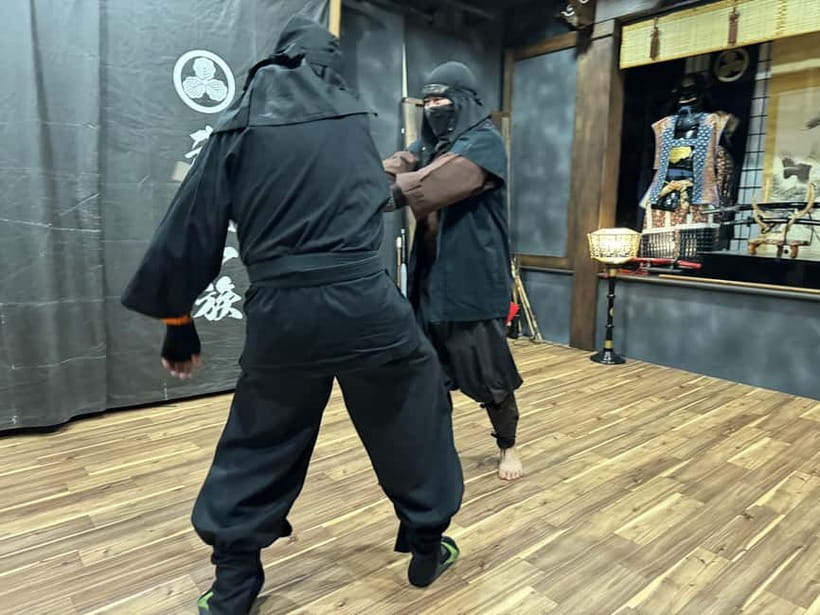
Getting there is part of the adventure, but you’ll want to know exactly where to go in case Tokyo streets feel like a maze that always has one more turn.
Meeting point: Musashi Ninja Clan Shinobi Samurai Honjin Dojo of Asakusa.
Address: 3fl, 3-Chome-1-13 Matsugaya, Taito-ku, Tokyo (台東区松が谷3-1-13)
Here are the practical landmarks that help you lock it in:
- The dojo is on the 3rd floor of a 5-story beige building.
- It’s between a Japanese knife store named Takanojin and a coffee shop called Sensing Touch of Earth.
- The 1st floor entrance is next to a Japanese cafe bar named Kiraku.
- Across the street, look for a large beetle on the second floor of a building. There’s a knife store named Musashi Japan, but that store is not the place you’re going—use the building location details to find the dojo.
- The area is Matsugaya, known for kitchenware wholesale.
- The Skytree is about 634 meters to the east. Walking north from there on the left sidewalk can help you orient.
- The intersection near Kappabashi Dogugai Street and Kappabashi Hondori Street has a traffic light with Kappabashi signage, which helps you confirm you’re in the right neighborhood.
Nearest stations:
- Asakusa Station (Tsukuba Express): 6 min on foot
- Tawaramachi Station (Subway Ginza Line): 8 min on foot
This area is full of shops, so give yourself a little buffer. Once you find the beige building and the first-floor storefront neighbors, it becomes straightforward.
Price and Value: Is $116 a Good Deal for 90 Minutes?
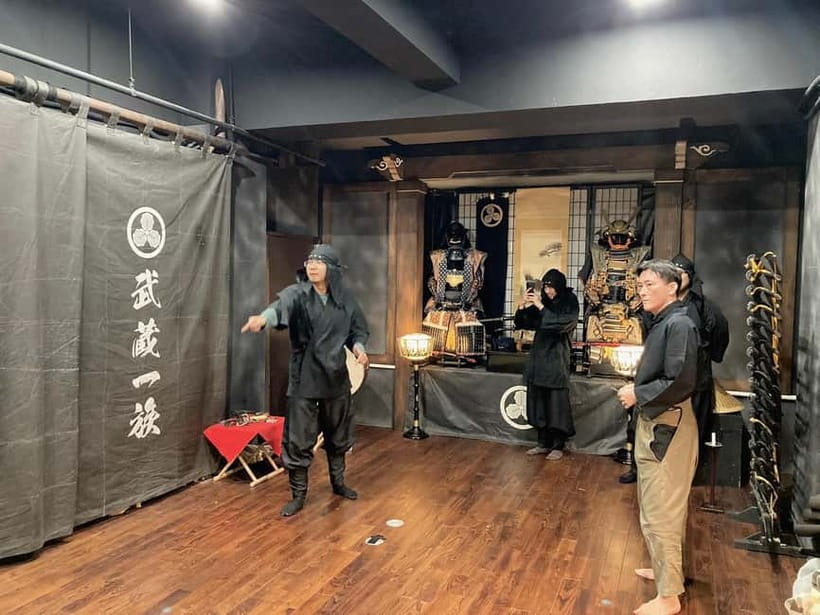
At $116 per person, this isn’t the cheapest thing you can do in Tokyo. But it can be good value if you want a hands-on class with real equipment and interpretation—not just a one-time show.
Here’s where the value comes from:
- You get three pieces of included gear: ninja outfit rental, bokken rental, and ninja star rental.
- You practice five technique areas, including stealth steps plus ranged practice like shuriken and blowgun shooting.
- The session includes mental training elements (opening and short meditation) and ends with photo time, so it feels like a complete mini-mission.
- You’re paying for instruction quality too: instructors are described as black belt 6th Dan or higher, and interpreters are nationally licensed with real-time interpretation.
What to watch:
- You only get 1.5 hours. If what you want is months of weapon training, this won’t replace a course. It’s a taste plus fundamentals.
- There may be an extra spectator fee of 2500 yen per person if someone comes with you. If you’re traveling with a friend who just wants to watch, that spectator cost is worth budgeting.
Overall, I think it’s fairly priced for a Tokyo experience that combines costume, practice, and interpretation inside a real training space.
Who Should Book This Ninja Samurai Experience (And Who Might Not)
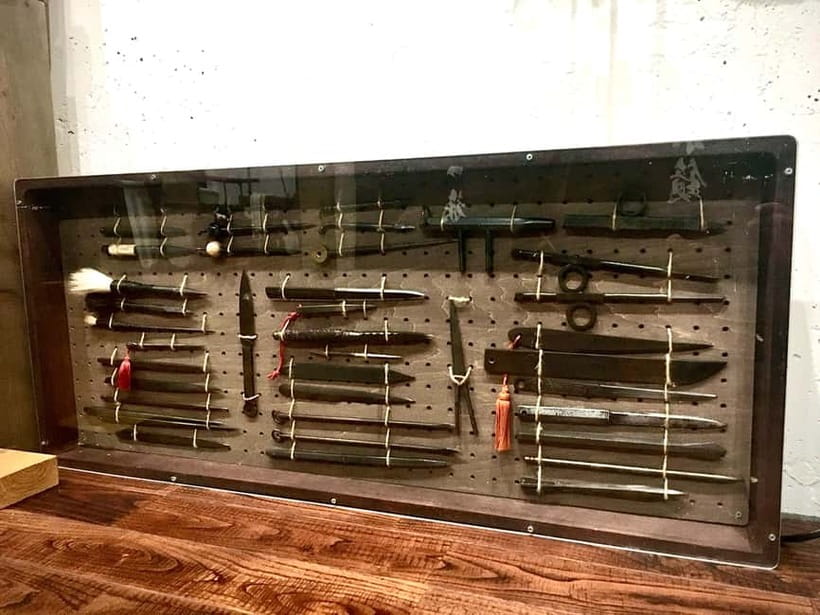
This fits best if you want more than a photo-op.
You’ll probably like it if:
- You enjoy activities where you actually practice skills, not just watch.
- You care about historical framing and want the Tokugawa-to-Meiji timeline explained alongside the techniques.
- You want English/Japanese support that keeps up with real-time instruction.
You might want to skip or choose something else if:
- You’re pregnant (the experience states it’s not suitable).
- You don’t want to follow rules about no alcohol/drugs and no chewing gum.
- You’re looking for advanced mastery rather than basics.
It can also work for families in a specific way: children under 12 can take part when they have a participating guardian.
Should You Book This Ninja Samurai Hands-On Session?
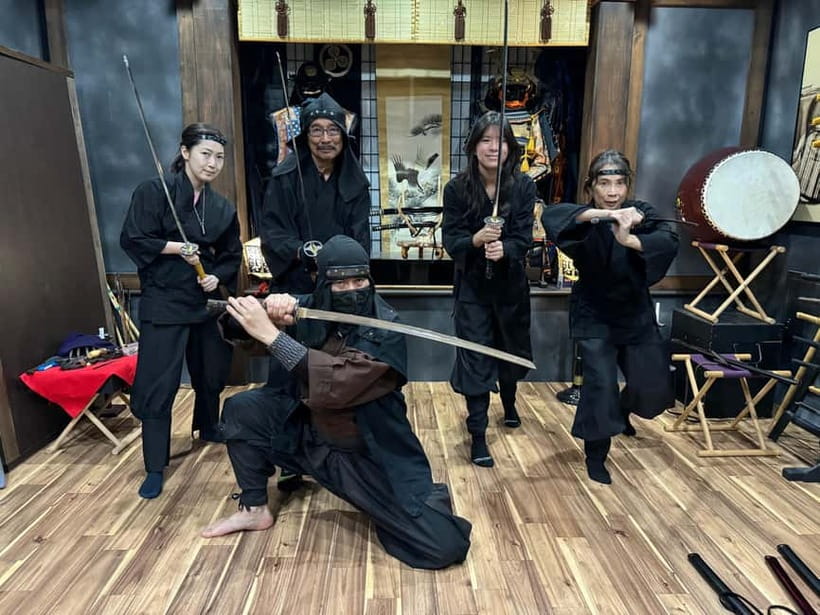
I’d book it if you’re in Tokyo and want one experience that mixes history, discipline, and practical practice in a short time. The strongest reasons are the structured five-technique plan, the real-time interpretation, and the fact that you’re using provided gear in a private dojo setting.
If you’re mostly chasing a cheap thrill, this may feel like too much. But if you want a focused 90-minute mission where you learn how stealth, throwing, shooting, and sword movements connect to a mindset, it’s a smart choice.
FAQ
How long is the Tokyo ninja samurai hands-on mission?
It lasts 1.5 hours.
What techniques are included in the training?
You learn five basic techniques: shuriken throwing, stealth steps, blowgun shooting, short sword movements, and kujikiri.
What’s included in the price?
The experience includes ninja outfit rental, bokken wooden sword rental, and ninja star rental.
What languages are available during the session?
Instruction and real-time interpretation are available in English and Japanese.
Where do I meet for the experience?
The meeting point is Musashi Ninja Clan Shinobi Samurai Honjin Dojo of Asakusa, at 3fl, 3-Chome-1-13 Matsugaya, Taito-ku, Tokyo.
Is there an extra fee for spectators?
Yes. A spectator fee of 2500 yen per person should be paid upon entering the dojo if a spectator comes along.
Can children join this experience?
Children under 12 can take the experience when they have a participating guardian.
Do I need to provide my height in advance?
Yes. You should inform them of every participant’s height so they can have the outfit ready.
Are there any restrictions on who can participate?
The experience is not suitable for pregnant women, and intoxication, alcohol, drugs, and chewing gum are not allowed.
More Workshops in Tokyo
- Sushi Making Tokyo Roll and Authentic Japanese Sushi Class
★ 5.0 · 3,971 reviews - Tokyo: Roll and Authentic Sushi Making Class in Asakusa
★ 4.9 · 1,957 reviews - Tokyo Shinjuku Chopsticks Making Class
★ 5.0 · 1,763 reviews - Tokyo: Sushi Making Class in a Happi Coat near a Famous Spot
★ 4.9 · 1,377 reviews - Chopstick Making Workshop in Ginza
★ 4.8 · 1,366 reviews
More Tour Reviews in Tokyo
- Mt Fuji and Hakone 1-Day Bus Tour Return by Bullet Train
★ 5.0 · 26,383 reviews - 1-Day Tokyo Bus Tour
★ 5.0 · 14,250 reviews - Tokyo: teamLab Planets TOKYO Digital Art Museum Entry Ticket
★ 4.6 · 9,779 reviews - Mt Fuji & Hakone Cruise, Drum Show Bullet Train 1 Day from Tokyo
★ 4.0 · 7,413 reviews - Tokyo: Shinjuku Food Tour (13 Dishes at 4 Local Eateries)
★ 5.0 · 6,603 reviews
More Samurai and Ninja Sessions
- Tokyo: Samurai Ninja Museum Guided tour and Experience
★ 4.6 · 1,010 reviews - Tokyo: Samurai Sword & Archery Class from Samurai Descendant
★ 5.0 · 603 reviews - Best Samurai Experience in Tokyo
★ 5.0 · 458 reviews - Ninja Experience (Family Friendly) at Samurai Ninja Museum TOKYO
★ 5.0 · 441 reviews - Tokyo: Samurai Entertainment Night Show in Kanda Shrine
★ 4.6 · 417 reviews
Latest Tokyo reviews off our desk






Samurai & Ninja Classes, compared.
 ★ 4.6Samurai Ninja Museum Guided tour and ExperienceFrom $271,010 reviews
 ★ 5.0Samurai Sword & Archery Class from Samurai DescendantFrom $193603 reviews
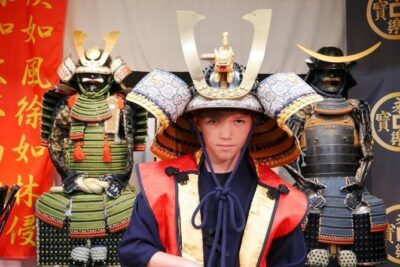 ★ 5.0Best Samurai Experience in TokyoFrom $65458 reviews
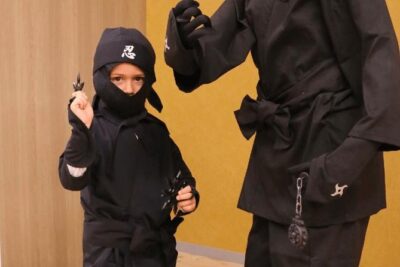 ★ 5.0Ninja Experience (Family Friendly) at Samurai Ninja Museum TOKYOFrom $47441 reviews
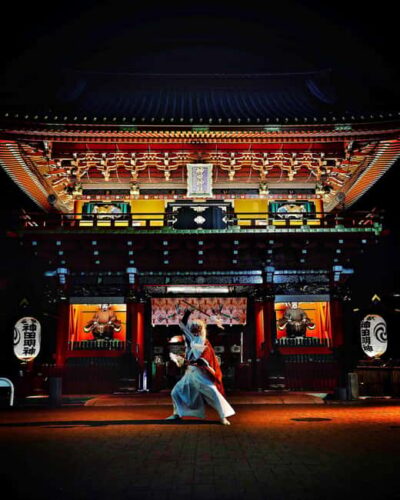 ★ 4.6Samurai Entertainment Night Show in Kanda ShrineFrom $41417 reviews
 ★ 4.2Ninja Kabuki PerformanceFrom $29330 reviews
 ★ 5.0Tokyo Sword Experience – includes Museum Ticket/Ninja ExperienceFrom $84314 reviews
 ★ 4.8Samurai Ninja Museum Asakusa: Samurai Sword Lesson & TourFrom $63306 reviews
Browse the lists this tour appears in