
Reviewed · MORNING
Tokyo Ikebukuro Morning Tour Dive into Japanese Culture
Start your Tokyo morning with real local flavor. This 4-hour Ikebukuro walk is built around Japanese everyday culture: you dress in a kimono, sample small bites as you go, then slow down for a tea ceremony and temple stamps. Add in a 1,000-yen gift certificate you can use while eating on the street, and it’s a morning that feels like Tokyo you can actually use—not just look at.
I especially like how the tour pairs a classic neighborhood shopping street with a hands-on cultural souvenir: you’ll get a goshuincho stamp book and use it at the temple. I also like the personal touch during kimono dressing—one of the coolest perks is that the team will help style your hair too, including adding accessories that can make short hair look extra polished.
The one thing to consider is comfort: a kimono comes with multiple layers, so you’ll want to plan for a warmer, more structured outfit during your 4 hours of walking.
In This Review
- Key things that make this tour worth your morning
- Kimono morning in Ikebukuro: the tone-setter
- Your included extras: kimono, 1,000 yen, goshuincho, and a tea pause
- Sugamo Jizo-dori Shopping Street: snack time with a local rhythm
- Togenukijizo Kogan Temple: your goshuincho in hand
- Tea ceremony in kimono: matcha moments that slow the day
- Pace, group size, and how it feels in real time
- Price and value: what $128.77 buys you in 4 hours
- When this tour is a great match (and when it isn’t)
- FAQ
- Where is the meeting point for the tour?
- What time does the tour start?
- How long is the experience?
- What main stops are included?
- Is admission required for the stops?
- What’s included with the tour besides the walking?
- Is this tour private?
- Should you book this Ikebukuro morning tour?
Key things that make this tour worth your morning
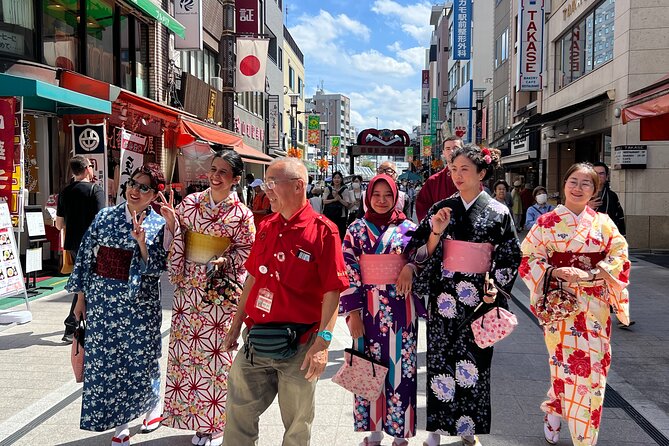
- Kimono dressing and styling help including hair accessories, so you don’t feel stuck figuring it out
- 1,000-yen food gift certificate to snack as you walk in Sugamo
- Sugamo Jizo-dori Shopping Street where the focus is local specialties, not sightseeing photos
- Togenukijizo Kogan Temple for temple stamps in your own goshuincho book
- Tea ceremony in kimono for a slower, more thoughtful break from the street
- Private group experience, so the pace can stay calm and focused for just your party
Kimono morning in Ikebukuro: the tone-setter
Tokyo mornings can be fast, and that can work against you. This tour flips the script by starting the day with a gentle pace and a costume you can’t fake. You meet at 池袋東口観光案内所 (Ikebukuro East Tourist Information) at 9:00 am, then get kitted out in a kimono before stepping into daily life around Ikebukuro and nearby Sugamo.
What I like most about this setup is how it changes your posture and attention. Wearing a kimono makes you slow down on purpose. You naturally look closer—at shop signs, seasonal treats, and tiny details that you’d normally race past on the way to a major landmark.
Readers also shortlisted these Tokyo bookings:
- Tokyo: Sumo Morning Practice Viewing Tour
★ 4.8 · 570 reviews - Tokyo: Sumo Morning Training Visit
★ 4.4 · 370 reviews - Tokyo: Visit Sumo Morning Practice with English Guide
★ 4.7 · 343 reviews - Tokyo: Sumo Morning Practice Tour at Sumida City
★ 4.8 · 308 reviews
Your included extras: kimono, 1,000 yen, goshuincho, and a tea pause
This tour doesn’t just give you a few photo stops. It includes a bundle of practical extras that shape the experience.
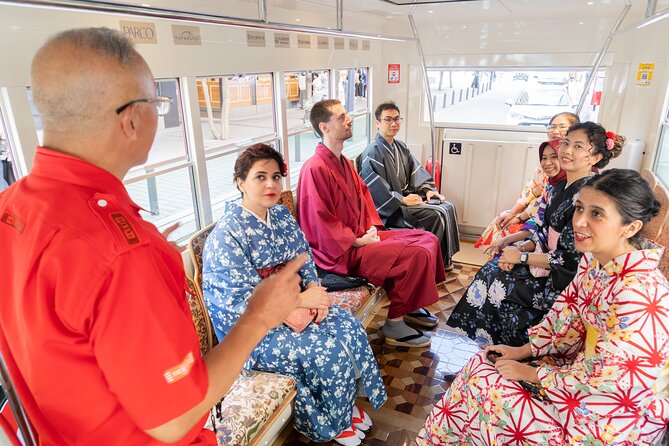
First, you’ll get help with a kimono (and yes, you should expect multiple layers). People are often surprised by how structured it feels at first. That’s normal. The good news is you’re not doing this solo: the dressing team will help you get ready, and the styling support can go beyond the basics. If you have short hair, you may be treated to matching hair accessories, which makes the overall look feel finished rather than improvised.
Second, you’ll receive a souvenir goshuincho stamp book. Goshuincho is the personal stamp book used for temple and shrine keepsakes. The tour’s focus is simple: you’ll use your own book during the temple stop, so your souvenir isn’t just handed to you—it’s earned.
Third, there’s a 1,000-yen gift certificate you can use to eat while walking. That matters because it shifts the food plan from guesswork to confidence. Instead of wondering what to buy and where, you can follow the route and let the street’s specialties guide your choices.
Finally, you’ll attend a tea ceremony wearing your kimono. You get a cultural moment that feels separate from the shopping street pace—more sitting, more quiet, and more attention to etiquette.
Sugamo Jizo-dori Shopping Street: snack time with a local rhythm
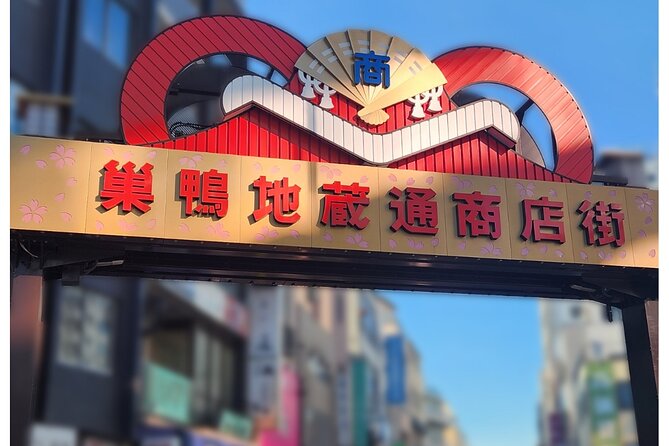
The first stop is Sugamo Jizo-dori Shopping Street, and the point here is to taste as you go. You’ll spend about 30 minutes in this area with a ticket that’s free, and the tour timing is designed to keep the snack experience short, fun, and manageable while you’re still in your morning kimono.
Sugamo is one of those places where the street itself does the storytelling. The shops are set up for walking—small offerings, quick purchases, and food you can eat on the move. The “taste your way through local specialties” angle is exactly what you should expect: light bites, local items, and the kind of food that’s more about local habits than restaurant menus.
Practical tip: keep your stomach open. The route includes tasting, and you’ll likely want to use the 1,000 yen credit here or during the walking-food flow. If you’re picky, tell your guide what you avoid early—your kimono and the walking pace make it better to decide calmly than to stall later.
A drawback to note: thirty minutes sounds small, and it is. The tradeoff is you get a focused hit of flavor rather than a long crawl. If you want to shop for hours, you may prefer to come back later on your own after the tour ends.
Togenukijizo Kogan Temple: your goshuincho in hand
Next up is Togenukijizo Kogan Temple, also a 30-minute stop with free admission. This is the part where your goshuincho becomes the star of the show.
At this temple stop, you can receive temple stamps in your own goshuincho stamp book. That’s valuable because it turns a souvenir into a ritual. You’re not just collecting a stamp randomly—you’re doing it as part of a guided sequence, with the right timing and context for where you are.
What makes this stop especially nice is that it balances the earlier street-food energy. You move from eating mode to respect-and-observation mode. Even if you don’t know the etiquette, the structure of the tour helps you get it right without overthinking.
One consideration: temples ask for a bit of stillness. If you’re expecting constant motion after the street snack stop, plan for a calmer, slower pocket of time here.
Tea ceremony in kimono: matcha moments that slow the day
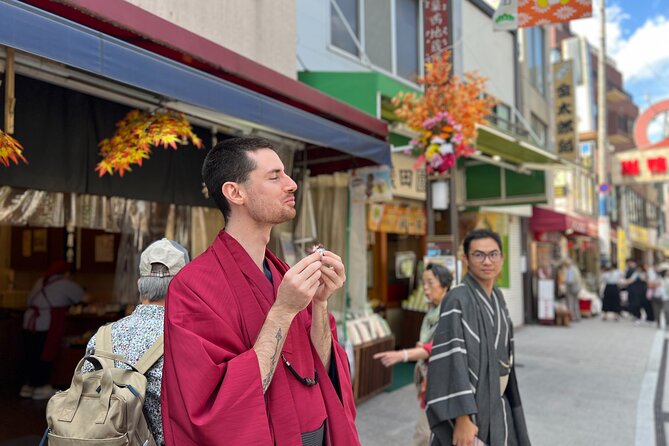
The tea ceremony isn’t listed as a separate timed itinerary item in the basic outline you’re given, but it is a core part of the experience. You’ll do it while wearing the kimono, and it’s one of the best-rated parts of the day.
Why this matters: walking tours can blur together. A tea ceremony is a reset button. You sit, you pay attention, and you experience something guided rather than something you wander into alone.
In practice, this often means you’ll get a real taste of matcha and a structured moment that helps you understand what you’re doing, not just watch someone pour tea. People also tend to remember how the kimono changes the feeling of the ceremony—more formal, more intentional, and less casual than having matcha at a counter.
The main drawback is also simple: you’ll be in kimono for the full flow. If you run hot easily, you’ll want to pick light inner layers (even if the kimono takes over). If you’re fine with layered clothing, this segment is one of the most memorable parts of the tour.
- Tokyo: Shinjuku Food Tour (13 Dishes at 4 Local Eateries)★ 5.0 · 6,603 reviews
- Tokyo Mt Fuji 5th St & Hakone Cruise Bus Tour w/Bullet Train★ 4.4 · 5,024 reviews
- Flagship 2-Hours Official Street Go-Kart Tour – Tokyo Bay Shop★ 5.0 · 4,974 reviews
- From Tokyo: Mount Fuji Full-Day Sightseeing Trip★ 4.5 · 4,970 reviews
- Tokyo: Hop-On Hop-Off Sightseeing Bus Ticket★ 3.9 · 4,207 reviews
Pace, group size, and how it feels in real time
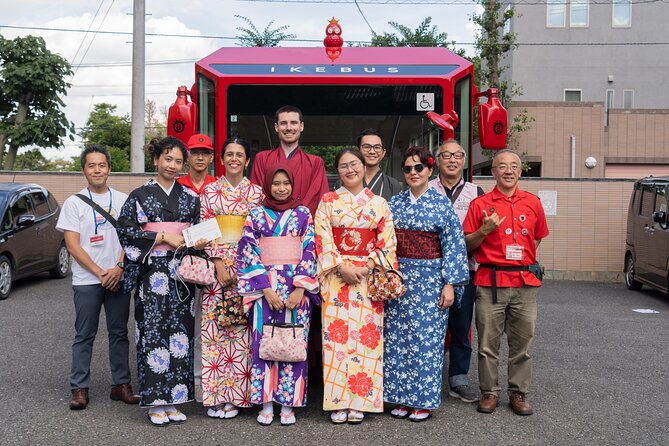
This is a private tour/activity, meaning only your group participates. That’s a big deal in Tokyo, where shared tours can feel crowded or rushed. Private usually helps with timing, questions, and photo moments—especially when you’re wearing a kimono and coordinating with a guide.
Also, the tour runs about 4 hours. That’s long enough to feel like you made a real dent in the morning, but short enough that the day doesn’t get hijacked. The end of the tour returns you to the meeting point, 池袋東口観光案内所, so you don’t have to figure out how to connect onward while dressed in kimono.
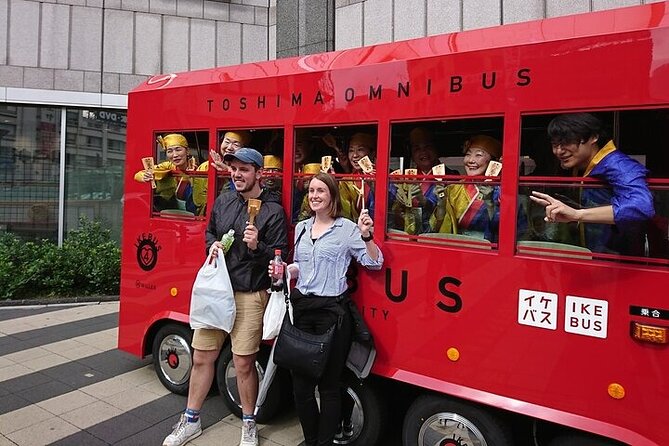
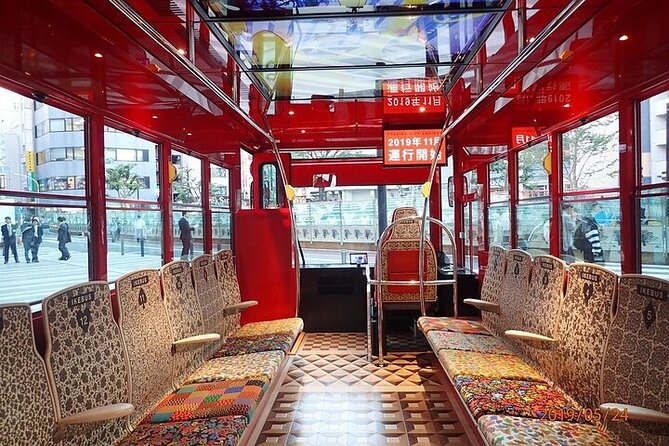
One detail that might show up depending on how the day is arranged: some people describe a private bus from Ikebukuro as part of their morning. Even if your movement between areas is on foot, the overall design is still walk-and-stop, not marathon sightseeing.
Price and value: what $128.77 buys you in 4 hours
At $128.77 per person for about 4 hours, this isn’t a bargain-price street stroll. But it also isn’t an expensive add-on layered on top of a normal walking tour. You’re paying for a real set of included components:
- Kimono experience, including dressing help
- Goshuincho stamp book as a souvenir you keep
- Temple stamping opportunity tied to the goshuincho
- Tea ceremony
- Food support via a 1,000-yen gift certificate
- A route through Sugamo Jizo-dori and Kogan Temple, with free admission tickets noted for the stops
When tours charge like this, the real question is whether the included cultural items feel substantive. Here, they do. Instead of paying mostly for a guide’s commentary, you’re paying for guided access to experiences that require setup and materials—kimono, the stamp book ritual, and the tea ceremony structure.
If you’re the kind of traveler who likes doing one or two meaningful activities well, this price can feel fair. If you only want the street atmosphere and don’t care about kimono, stamps, or tea, you might find a simpler neighborhood walk offers similar scenery for less money.
When this tour is a great match (and when it isn’t)
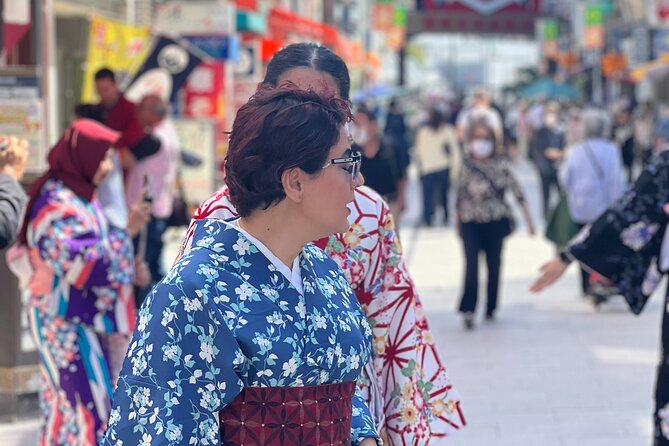
This experience fits best if you want Tokyo culture through everyday textures: shopping streets, temple keepsakes, and a tea moment rather than a long list of landmark stops.
You’ll likely enjoy it if:
- You want to try kimono and don’t want to figure out the logistics alone
- You care about cultural souvenirs like goshuincho stamps
- You’re open to a calm morning rhythm: snack, walk, temple, tea
- You prefer a private group pace over crowded group tours
You might skip it if:
- You hate wearing layered clothing for any length of time
- You want hours of free time to shop deeply on your own
- You’re purely chasing famous mega-attractions and don’t care about neighborhood culture
FAQ
Where is the meeting point for the tour?
You start at 池袋東口観光案内所 (Ikebukuro East Tourist Information), 1-chōme-20-10 Higashiikebukuro, Toshima City, Tokyo 170-0013, Japan.
What time does the tour start?
The start time is 9:00 am.
How long is the experience?
It lasts about 4 hours.
What main stops are included?
The tour includes Sugamo Jizo-dori Shopping Street and Togenukijizo Kogan Temple, with the experience ending back at the meeting point.
Is admission required for the stops?
Admission ticket is listed as free for both stops.
What’s included with the tour besides the walking?
You get a 1,000-yen gift certificate to eat while walking, plus a goshuincho stamp book souvenir for collecting temple stamps.
Is this tour private?
Yes. It is a private tour/activity, and only your group participates.
Should you book this Ikebukuro morning tour?
If you want a Tokyo morning that blends neighborhood life with real cultural rituals, I’d book it. The combination of kimono dressing, street tasting with a food credit, a goshuincho stamp opportunity, and a tea ceremony gives you more than just a walk—you leave with tangible keepsakes and a day that feels like a practiced local routine.
Just be honest with yourself about comfort and timing. The kimono involves layers, and the day is focused and structured in about four hours. If that sounds like your kind of morning, this is a strong, value-based way to see Ikebukuro and Sugamo beyond the obvious routes.
More Morning in Tokyo
- Tokyo: Sumo Morning Practice Viewing Tour
★ 4.8 · 570 reviews - Tokyo: Sumo Morning Training Visit
★ 4.4 · 370 reviews - Tokyo: Visit Sumo Morning Practice with English Guide
★ 4.7 · 343 reviews - Tokyo: Sumo Morning Practice Tour at Sumida City
★ 4.8 · 308 reviews - Tokyo Sumo Morning Practice Tour at Stable
★ 5.0 · 298 reviews
More Tours in Tokyo
- Mt Fuji and Hakone 1-Day Bus Tour Return by Bullet Train
★ 5.0 · 26,383 reviews - 1-Day Tokyo Bus Tour
★ 5.0 · 14,250 reviews - Tokyo: Shinjuku Food Tour (13 Dishes at 4 Local Eateries)
★ 5.0 · 6,603 reviews - Tokyo Mt Fuji 5th St & Hakone Cruise Bus Tour w/Bullet Train
★ 4.4 · 5,024 reviews - Flagship 2-Hours Official Street Go-Kart Tour – Tokyo Bay Shop
★ 5.0 · 4,974 reviews
More Tour Reviews in Tokyo
- Mt Fuji and Hakone 1-Day Bus Tour Return by Bullet Train
★ 5.0 · 26,383 reviews - 1-Day Tokyo Bus Tour
★ 5.0 · 14,250 reviews - Tokyo: teamLab Planets TOKYO Digital Art Museum Entry Ticket
★ 4.6 · 9,779 reviews - Mt Fuji & Hakone Cruise, Drum Show Bullet Train 1 Day from Tokyo
★ 4.0 · 7,413 reviews - Tokyo: Shinjuku Food Tour (13 Dishes at 4 Local Eateries)
★ 5.0 · 6,603 reviews
Latest Tokyo reviews off our desk






Morning, compared.
 ★ 4.8Sumo Morning Practice Viewing TourFrom $81570 reviews
 ★ 4.4Sumo Morning Training VisitFrom $77370 reviews
 ★ 4.7Visit Sumo Morning Practice with English GuideFrom $96343 reviews
 ★ 4.8Sumo Morning Practice Tour at Sumida CityFrom $116308 reviews
 ★ 5.0Tokyo Sumo Morning Practice Tour at StableFrom $83298 reviews
 ★ 4.5Tokyo Ryogoku Sumo Morning Practice + Photo Shoot with WrestlersFrom $98277 reviews
 ★ 4.0Watch Sumo Morning Practice at Stable in TokyoFrom $95268 reviews
 ★ 4.6A Half-Day Trip Bus Tour in the MorningFrom $40236 reviews