
Reviewed · CRAFT & ARTISAN WORKSHOPS
Tokyo Japanese Calligraphy Experience with a Master Artist
Shodo turns your attention into ink and silence. This hands-on Tokyo class teaches you Japanese calligraphy with a master artist in a calm studio setting. You’ll use brush, ink, and paper under English guidance, so you’re not just watching—you’re making strokes and building a real feel for the craft.
What I like most is the human scale of the experience: it’s capped at 10 travelers, and you get one-on-one coaching as you practice. Second, the instruction is grounded in an actual working calligrapher—Eizuru Matsumura teaches from basics to creative work, and he’s been practicing since he was 31. One consideration: the session length is listed as about 1 hour 30 minutes, so plan to stay flexible if your practice time feels shorter than you imagined.
In This Review
- Key Points at a Glance
- A Calm Studio Lesson in Shodo at 球鶴書道教室
- Getting There: Umeyashiki Station to the Calligraphy School
- What You’ll Do During the 90-Minute Shodo Session
- A likely outcome you’ll love
- Meet the Master Instructor: Eizuru Matsumura’s Teaching Style
- English Help That Doesn’t Feel Like a Rushed Translation
- Price and Value: Is $92.24 Worth It?
- The one potential mismatch to watch
- Who This Shodo Class Fits Best (and Who Might Skip It)
- Practical Tips Before You Go
- Should You Book This Tokyo Shodo Experience?
- FAQ
- Where does the class meet in Tokyo?
- How long is the shodo experience?
- What’s included in the price?
- Can a child take part?
- How big is the group?
- Is hotel pickup available?
Key Points at a Glance
- Small-group shodo practice (max 10) with coaching as you go
- Master instruction by Eizuru Matsumura with a range from beginner to creative styles
- Tools included (brush, ink, paper) plus an English guide
- A calm studio vibe that supports focus and slower thinking
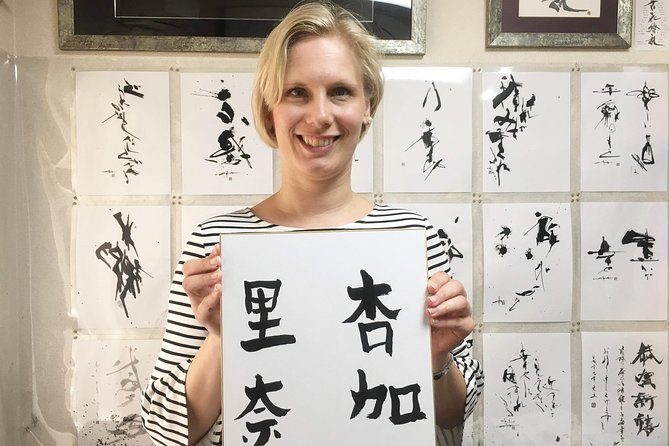
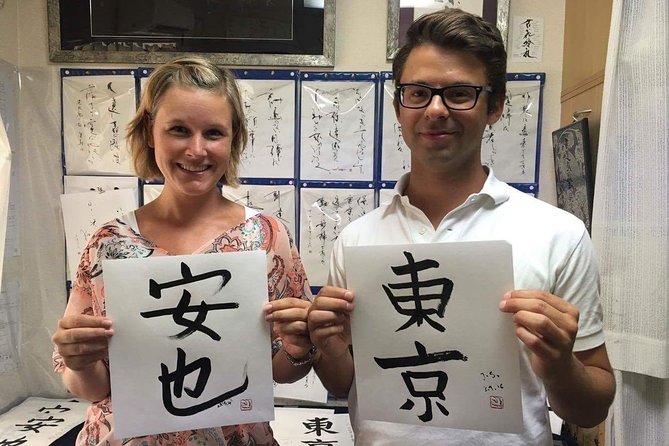
- You keep what you write as a souvenir to take home
- Great for first-timers since the class covers basics and builds toward your own characters
A Calm Studio Lesson in Shodo at 球鶴書道教室
Tokyo has no shortage of cultural activities, but shodo is different. It doesn’t rely on speed or multitasking. The whole point is controlled movement—how you hold the brush, how you load ink, how you commit to each stroke. In this class, you’re guided into that mindset right away, sitting in a quiet studio environment where gentle music and focused instruction help you slow down.
The name of the school you’ll visit is 球鶴書道教室, and the vibe there matters. Calligraphy works best when you’re not rushing, and a studio setting is exactly what supports that. Instead of a lecture-heavy format, you’ll be using brush strokes on paper from the start, then gradually refining what you make.
The other big win is the teaching level. Your instructor is calligrapher Eizuru Matsumura, who doesn’t just do calligraphy as a hobby—he’s also an artist, a workshop and event lecturer, and has appeared in TV programs. He also created the official logo for the Kyokushin Karate World Tournament pamphlet, which hints at how he thinks about design and style in real-world contexts. That kind of professional background is what makes a beginner feel guided, not lost.
More hands-on studios our readers booked
- Tokyo Shinjuku Chopsticks Making Class
★ 5.0 · 1,763 reviews - Chopstick Making Workshop in Ginza
★ 4.8 · 1,366 reviews - Kintsugi Experience: Art of Golden Joinery in Tokyo
★ 5.0 · 467 reviews - Tokyo Chopstick Making Workshop with Artisan
★ 5.0 · 466 reviews
Getting There: Umeyashiki Station to the Calligraphy School
Meeting point is Umeyashiki Station (2 Chome-28 Kamata, Ota City, Tokyo 144-0052). The school is about a five-minute walk from Umeyashiki Station on the Keikyu Line, which is a relief if you’re not traveling with a car.
In practice, this matters more than it sounds. Tokyo can be confusing when you’re managing trains, transfers, and directions all at once. Many people do these classes as their “one thing” on a day when they want something peaceful, so having an easy station-to-studio transfer is a big part of the value.
Also, there’s an English guide, and several guides/interpreters are described as proactive and prepared. For example, one review specifically noted how Michiko San met the person at Umeyashiki station, and another mentioned Yoko guiding from the rail station to the master’s studio and back again. If you’re the kind of traveler who likes to show up and be taken care of, this setup is a good match.
What You’ll Do During the 90-Minute Shodo Session
Your session is scheduled for about 1 hour 30 minutes, and you should expect the class to be structured around hands-on practice rather than long explanations. The format is simple in concept: you’ll learn shodo (Japanese calligraphy) and then practice using traditional tools: brushes, ink, and paper.
Here’s what that typically means for you as a participant:
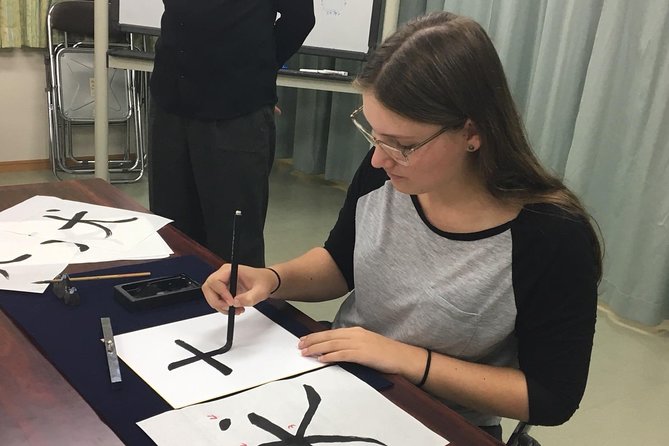
- You start with core technique. You’ll work on fundamentals like brush control and stroke intent. Calligraphy isn’t only about drawing a shape—it’s about movement quality, which is why it’s so calming for many people.
- You practice Japanese characters in an artistic style. You’re not just copying symbols. You’ll practice using an age-old art form that was once indispensable to nobles and samurai. That historical connection gives the strokes weight, even if your goal is personal, not academic.
- You get guidance that makes corrections practical. A teacher who can see what your hand is doing is what turns confusion into progress. Reviews repeatedly mention the master’s patience and kindness, which is what you want when you’re learning something where tiny details matter.
The calm part is real here. One of the strongest themes in the feedback is that people found it contemplative—like focusing on something steady while everything else in travel noise fades. That’s not accidental. When the studio environment is quiet and the activity is physical and repetitive (in a good way), it turns into a mental reset.
A likely outcome you’ll love
By the end, you typically leave with calligraphy work you can keep. A review explicitly noted that they got to keep their work as a nice souvenir. If you’re the type who wants a take-home item that’s not just a generic postcard, this is exactly the kind of experience that delivers.
Meet the Master Instructor: Eizuru Matsumura’s Teaching Style
The instructor matters a lot in skill-based experiences, and this one has a strong advantage. Your master calligrapher is Eizuru Matsumura. He has been practicing since he was 31, and he teaches from basic to creative calligraphy through the school’s instruction range.
From the reviews, the teaching style that comes up again and again is patience. People describe the master as kind, patient, and funny, with the ability to guide you through creating something you’re proud to show afterward. That combo is important: calligraphy has a “feel” component, and if the teacher only corrects harshly, beginners freeze. But when the teaching is supportive, you learn faster and enjoy it more.
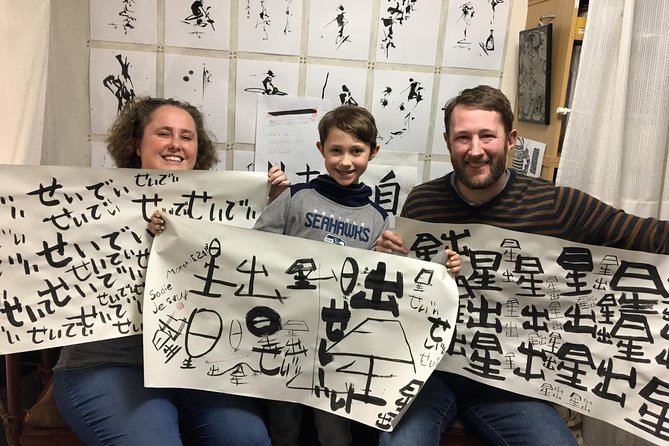
There are also signs this isn’t a one-size-fits-all class. One review described a 9-year-old doing work on their name and also completing the activity successfully. That tells you the instructor can adapt the session so younger participants can produce something meaningful without being treated like a spectator.
One more thoughtful detail: one participant’s birthday was recognized, and the group sang happy birthday with a gift given as well. That’s the kind of small human touch that doesn’t cost the tour much, but it turns the class into a memory, not just an activity.
- Tokyo: Shinjuku Food Tour (13 Dishes at 4 Local Eateries)★ 5.0 · 6,603 reviews
- Tokyo Mt Fuji 5th St & Hakone Cruise Bus Tour w/Bullet Train★ 4.4 · 5,024 reviews
- Flagship 2-Hours Official Street Go-Kart Tour – Tokyo Bay Shop★ 5.0 · 4,974 reviews
- From Tokyo: Mount Fuji Full-Day Sightseeing Trip★ 4.5 · 4,970 reviews
- Tokyo: Hop-On Hop-Off Sightseeing Bus Ticket★ 3.9 · 4,207 reviews
English Help That Doesn’t Feel Like a Rushed Translation
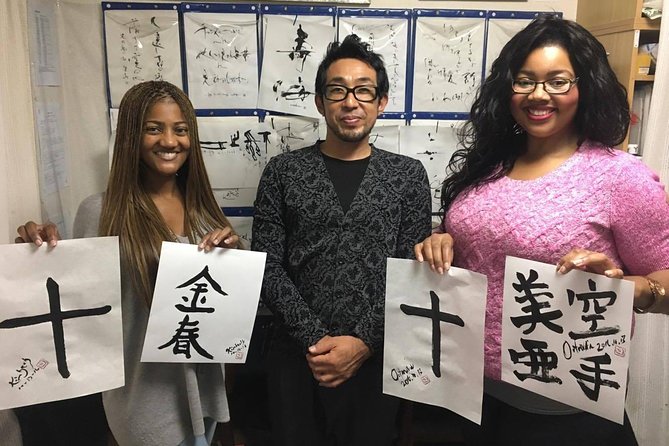
This experience includes an English guide, and the way interpreters are described makes a real difference. Several reviews mention that the interpreter helped with practical navigation—like meeting at the station and guiding you to the studio—and also helped during the class so you could follow instruction.
For you, that means two things:
- You spend less energy decoding directions. In Tokyo, even a short walk can become stressful when you’re trying to confirm which exit to use or where the street turns.
- You can focus on technique. Translation should serve the hands-on part, not distract from it. When the interpreter is prepared (Michiko San and Yoko are both cited in reviews), you get instruction clearly enough to put it into practice right away.
This is especially helpful if you haven’t studied Japanese. Calligraphy is visual and physical, so you don’t need language to move your brush. But you do want guidance when the teacher is telling you how to adjust pressure, angle, or timing.
Price and Value: Is $92.24 Worth It?
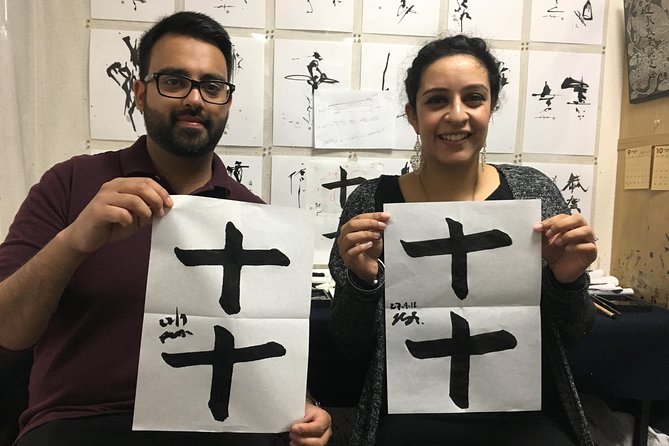
At $92.24 per person for about 1.5 hours, this is not a cheap “hands-on sampler.” But value isn’t only about cost—it’s what you get for that cost.
Here’s what you receive based on the tour details:
- Professional guidance from the calligraphy master
- All necessary equipment (brushes, ink, paper)
- English support
- A small group setting (max 10 travelers)
When you price in “equipment + trained instruction + a keeper souvenir,” it lands in a reasonable range for Tokyo. A common frustration with classes in big cities is that you pay for instruction but still end up buying supplies or struggling with language. Here, supplies are included, and the English guide is part of the package.
Also, the setting is quiet and focused, which is part of the value. If you want an experience that helps you decompress during a trip, this kind of structured calm is hard to replicate on your own.
The one potential mismatch to watch
There’s a practical consideration: the duration is listed as approximate. If your booking details show a longer time option elsewhere, don’t assume you’ll automatically get that extra length. The session you’re joining is described as 1 hour 30 minutes (approx.), so I’d mentally plan for that amount of practice time rather than expecting a longer workshop.
Who This Shodo Class Fits Best (and Who Might Skip It)
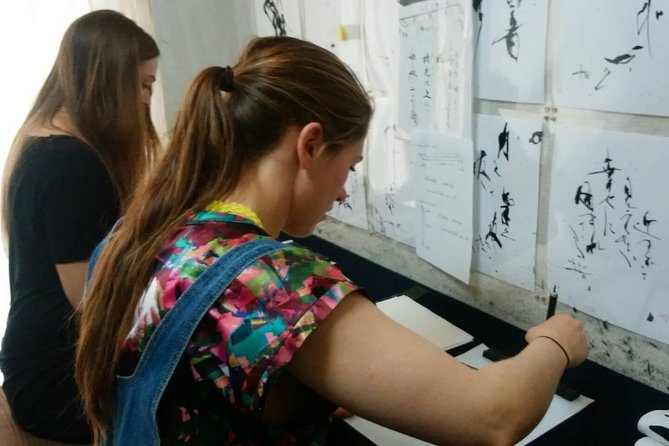
This is one of those activities that works across a wide skill range. Most travelers can participate, and the minimum age is 7 years, with children needing an adult. The class is designed so beginners can follow along while the master still has room to refine technique for more experienced students (or people who pick things up quickly).
You’ll probably enjoy this most if:
- You like hands-on activities more than museum-style browsing
- You want something calming in the middle of a busy Tokyo itinerary
- You want a take-home souvenir that’s personal
- You enjoy slower focus—attention to small movements and details
You might want to reconsider if:
- You’re looking for a high-energy activity with lots of sightseeing during the time slot
- You only want a brief “try it once” experience and don’t care about practice time
- You’re very time-sensitive and hate anything that can feel approximate
Practical Tips Before You Go
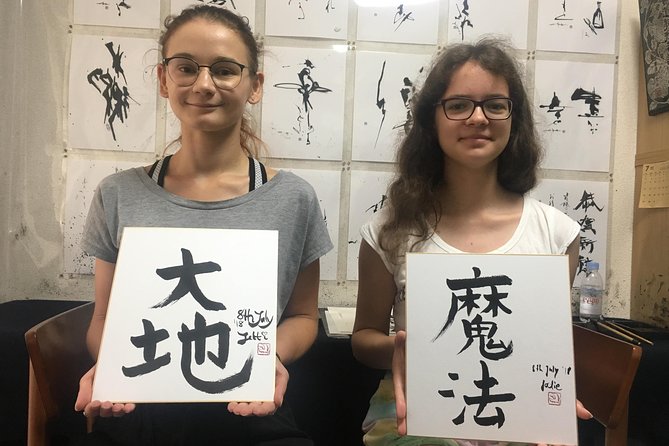
These are the small choices that make the class smoother.
- Plan your day around calm timing. This experience is about controlled movement and focus, not rushing between landmarks.
- Wear comfortable clothing. You’re writing with a brush and leaning in close to paper, so choose something you can move in easily.
- Eat beforehand if you get hungry easily. Food and drinks are not included, so having a plan helps you enjoy the session without distraction.
- Use the station as your anchor. Since the studio is a short walk from Umeyashiki Station, give yourself a little buffer to find the route without stress.
Also, there’s an option for hotel pick up with an added cost mentioned as 6,000 yen. If you’re staying nearby and comfortable navigating public transit, you may not need that extra step.
Should You Book This Tokyo Shodo Experience?
If you want a real cultural skill lesson in Tokyo—not just a photo-op—this one is a strong choice. The combination of master instruction (Eizuru Matsumura), included equipment, and English support is exactly what makes the class feel genuinely teachable for beginners. The small group size (max 10) and the repeatedly noted patience from the instructor are what turn “I can’t draw” into “I made something.”
I’d especially recommend booking this if you want a calmer experience that you can carry home—literally—because you get to keep what you write. Just don’t over-plan on the clock: the session time is approximate, so treat it as a focused 90-minute practice block, not an all-day workshop.
FAQ
Where does the class meet in Tokyo?
The meeting point is Umeyashiki Station, 2 Chome-28 Kamata, Ota City, Tokyo 144-0052, Japan. The activity ends back at the meeting point.
How long is the shodo experience?
The duration is about 1 hour 30 minutes.
What’s included in the price?
Included are a professional guide, all necessary equipment, and an English guide. Food and drinks are not included.
Can a child take part?
Children must be accompanied by an adult, and the minimum age is 7 years.
How big is the group?
The class has a maximum of 10 travelers.
Is hotel pickup available?
Hotel pickup is not included. The info provided says you would add 6,000 yen for hotel pick up if you want that service.
More Tour Reviews in Tokyo
- Mt Fuji and Hakone 1-Day Bus Tour Return by Bullet Train
★ 5.0 · 26,383 reviews - 1-Day Tokyo Bus Tour
★ 5.0 · 14,250 reviews - Tokyo: teamLab Planets TOKYO Digital Art Museum Entry Ticket
★ 4.6 · 9,779 reviews - Mt Fuji & Hakone Cruise, Drum Show Bullet Train 1 Day from Tokyo
★ 4.0 · 7,413 reviews - Tokyo: Shinjuku Food Tour (13 Dishes at 4 Local Eateries)
★ 5.0 · 6,603 reviews
More Artisan Workshops in Tokyo
- Tokyo Shinjuku Chopsticks Making Class
★ 5.0 · 1,763 reviews - Chopstick Making Workshop in Ginza
★ 4.8 · 1,366 reviews - Kintsugi Experience: Art of Golden Joinery in Tokyo
★ 5.0 · 467 reviews - Tokyo Chopstick Making Workshop with Artisan
★ 5.0 · 466 reviews - Tokyo: Shinjuku Chopstick Making Class
★ 4.9 · 440 reviews
Latest Tokyo reviews off our desk






Craft & Artisan Workshops, compared.
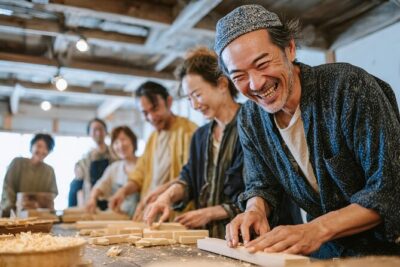 ★ 5.0Tokyo Shinjuku Chopsticks Making ClassFrom $201,763 reviews
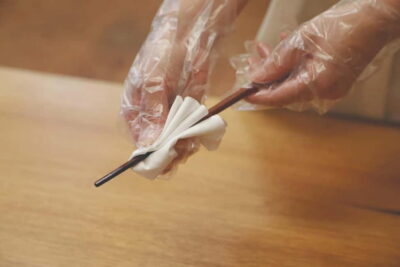 ★ 4.8Chopstick Making Workshop in GinzaFrom $251,366 reviews
 ★ 5.0Kintsugi Experience: Art of Golden Joinery in TokyoFrom $59467 reviews
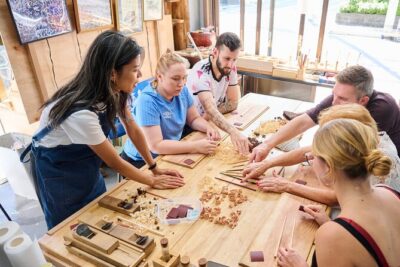 ★ 5.0Tokyo Chopstick Making Workshop with ArtisanFrom $26466 reviews
 ★ 5.0Authentic Pure Gold Kintsugi Workshop with Master Taku in TokyoFrom $142217 reviews
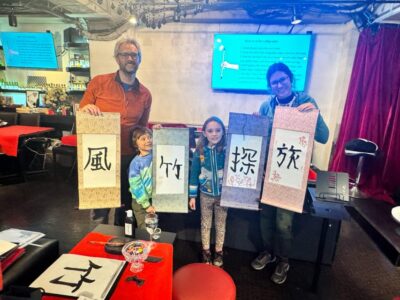 ★ 5.0Calligraphy on Kanji Fan & Scroll with DrinkFrom $53210 reviews
Browse the lists this tour appears in