
Reviewed · CRAFT & ARTISAN WORKSHOPS
Tokyo: Learn Traditional Origami with a Local
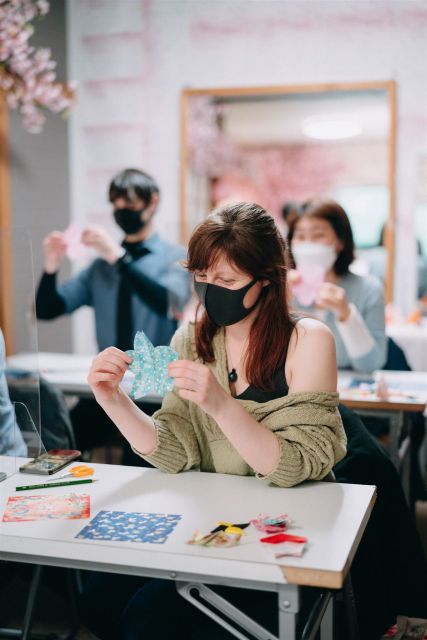
A quiet hobby can turn into a great Tokyo memory fast. This origami lesson with Manami Watanabe combines patient, step-by-step instruction with the meanings behind classic shapes, so you’re not just making paper art.
What I really like is how you get both the craft and the context: cultural stories woven into each fold, plus help that keeps you on track even if you’ve never held a crease tool before. One watch-out: the class is mainly built for beginners, and you can’t customize the designs on site, so advanced folders may find some options a bit easy.
In This Review
- Quick hits you’ll notice fast
- Why a Tokyo-native origami teacher changes the whole class
- Picking your 3 to 5 designs without getting lost
- The paper and tools: traditional feel, modern variety
- What you learn when Manami explains the stories of cranes, frogs, and more
- The 90-minute flow: how the session typically feels
- Getting to FEEP Shinjuku Higashi-guchi on a busy Tokyo day
- Price value check: $58 for materials, patience, and meaning
- Who should book (and who should think twice)
- Should you book this Tokyo origami lesson? My decision guide
- FAQ
- How long is the Tokyo traditional origami class?
- Where do I meet for the class?
- What is included in the price?
- Can I choose which origami designs I make?
- What language is the instruction in?
- Are there any restrictions on who can attend or what is allowed?
Quick hits you’ll notice fast
- Manami Watanabe (English): A Tokyo-area instructor practicing since age 3, with calm, clear guidance.
- 3 to 5 pieces in 90 minutes: You pick from different designs and can usually leave with several finished creations.
- Beginner-first teaching: Step-by-step help and room for questions, including for kids and mixed groups.
- Traditional + modern paper: Choose your sheet for each shape, from classic looks to newer styles.
- Stories behind the shapes: You learn why designs matter, including symbols like the Japanese origami crane.
- Bring-home friendly setup: You get a small bag for your work, plus tools like scissors and pens.
Why a Tokyo-native origami teacher changes the whole class

Origami lessons can turn into either frustration (if the steps are too fast) or boredom (if it’s only technical). This one hits a better balance because your instructor is Manami Watanabe, from East Tokyo, and she’s been in origami since she was 3. That long practice matters. It’s the difference between knowing folds in theory and knowing how to teach them to a room of people with different hands, different patience levels, and different backgrounds.
You also benefit from her teaching style. The class is in English, and it’s built around guidance you can follow in real time, not a worksheet you decode later. Many past sessions emphasize how respectful and careful Manami is when correcting fold lines—small fixes that make the final shape look right instead of just “sort of works.”
More hands-on studios our readers booked
- Tokyo Shinjuku Chopsticks Making Class
★ 5.0 · 1,763 reviews - Chopstick Making Workshop in Ginza
★ 4.8 · 1,366 reviews - Kintsugi Experience: Art of Golden Joinery in Tokyo
★ 5.0 · 467 reviews - Tokyo Chopstick Making Workshop with Artisan
★ 5.0 · 466 reviews
Picking your 3 to 5 designs without getting lost
In the session, Manami starts by showing origami options across skill levels. You choose designs that interest you, and the goal is usually to make 3 to 5 shapes during the 90 minutes. That’s a sweet spot. It’s enough to feel productive, but not so many that you rush your creases.
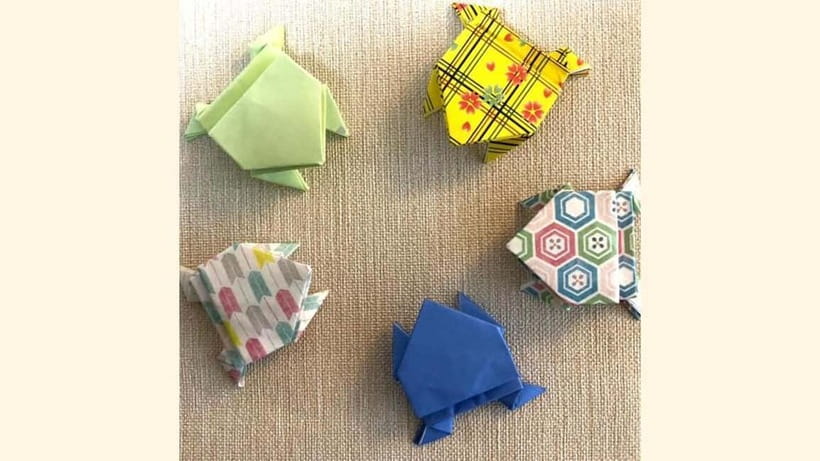
Common choices described in the sessions include a crane, jumping frog, lotus flower, open box, and even a samurai helmet. You might not get every design every time, but the pattern is consistent: you get several options, and you can select based on what you feel like making that day.
Here’s the practical reality: this class is designed for beginners mainly. The upside is you won’t be abandoned mid-step. The trade-off is that if you already fold confidently or have strong crafting talent, you may find some options too easy. Also, you can’t request a custom set of designs on site—your selections come from what’s available during your session.
The paper and tools: traditional feel, modern variety
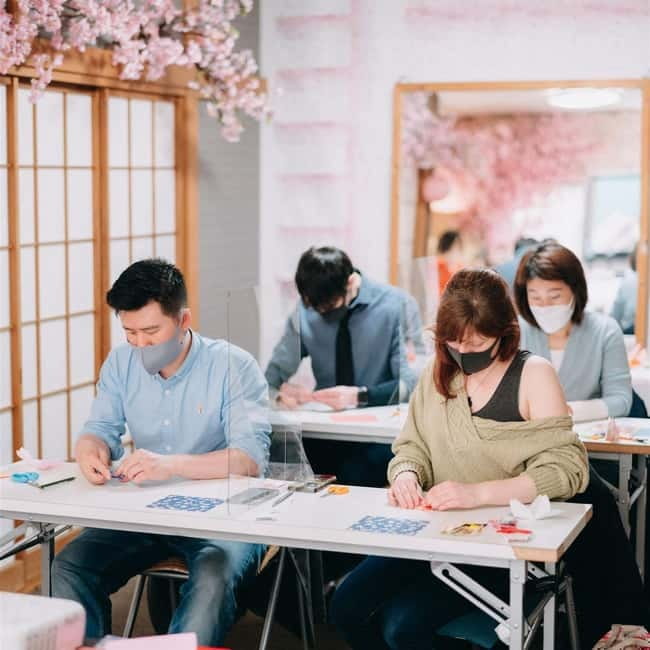
One of the most satisfying parts of origami is the moment your chosen paper decides how the finished model looks. Here, you don’t just get a single generic sheet. You’ll have a variety of traditional and modern origami paper, with different patterns and textures.
You’ll also have the tools you need: scissors and pens are included. That matters more than it sounds. Pens are helpful for details, and having scissors ready means you can handle any trimming steps without scrambling.
You get materials to take home your work too. There are small bags specifically for guests to bring their creations back. If you’ve ever tried to transport delicate paper models, you know why this is worth mentioning. A bag reduces the chance of smudges, crushed corners, and accidental squishing on the train ride home.
Finally, you’ll have water and some snacks. It keeps the class comfortable, especially for longer folding sessions where your hands start feeling it.
What you learn when Manami explains the stories of cranes, frogs, and more
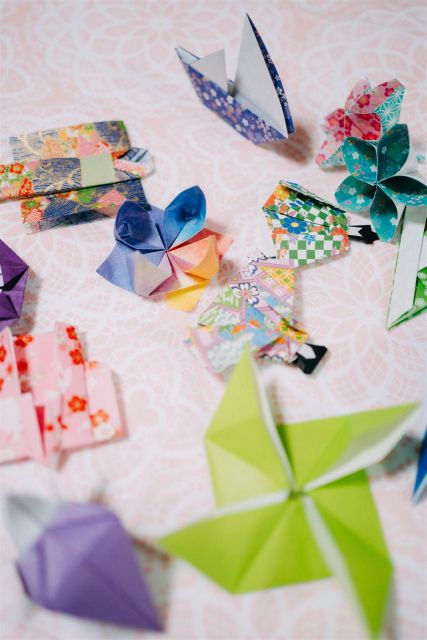
Origami isn’t only about geometry—it’s also about meaning, and Manami treats it that way. As you complete each piece, she shares history and cultural significance linked to the design. One example called out clearly is the origami crane, which is widely recognized in Japan as a symbol with cultural importance.
What makes this useful for you is that the stories aren’t just trivia. They give your finished model a “reason to exist” beyond aesthetics. When you understand what a crane represents, the paper feels less like a craft project and more like a tiny cultural message you can keep on a shelf.
You’ll also likely get personal and family-style context, because Manami’s teaching is connected to her childhood and family memories as well as her own practice. That’s why people often mention conversation feeling natural, not forced. You can ask questions, and the pacing is designed so you can keep up without feeling rushed.
And yes, you’ll be able to capture memories with selfies of your finished creations. It’s a small thing, but it helps turn a calm workshop into something you’ll actually remember on the flight home.
The 90-minute flow: how the session typically feels

This is a 90-minute class, and it’s structured to keep momentum without losing clarity. A typical flow looks like this:
First, Manami showcases the origami designs available that day, including options that vary by difficulty. Then you pick what you want to make and choose the paper for each shape.
Next comes folding—step-by-step, with constant checking. The emphasis isn’t on you performing perfectly from memory. It’s on you following the sequence of folds and getting support when you hit a confusing moment. Past participants highlight how patient Manami is, especially with kids and people who are brand new.
As you finish each piece, the session shifts from hands-on folding to meaning-making: Manami shares the significance behind the shapes. That timing is smart. You’re not asked to learn the culture first and fold later. You’re folding while the context lands.
By the end, you should leave with multiple completed models, packed into the small bags provided. The overall vibe is calm. Paper folding gives you something to focus on, and the teaching style keeps you from spiraling into frustration when a crease line isn’t quite right.
- Tokyo: Shinjuku Food Tour (13 Dishes at 4 Local Eateries)★ 5.0 · 6,603 reviews
- Tokyo Mt Fuji 5th St & Hakone Cruise Bus Tour w/Bullet Train★ 4.4 · 5,024 reviews
- Flagship 2-Hours Official Street Go-Kart Tour – Tokyo Bay Shop★ 5.0 · 4,974 reviews
- From Tokyo: Mount Fuji Full-Day Sightseeing Trip★ 4.5 · 4,970 reviews
- Tokyo: Hop-On Hop-Off Sightseeing Bus Ticket★ 3.9 · 4,207 reviews
Getting to FEEP Shinjuku Higashi-guchi on a busy Tokyo day
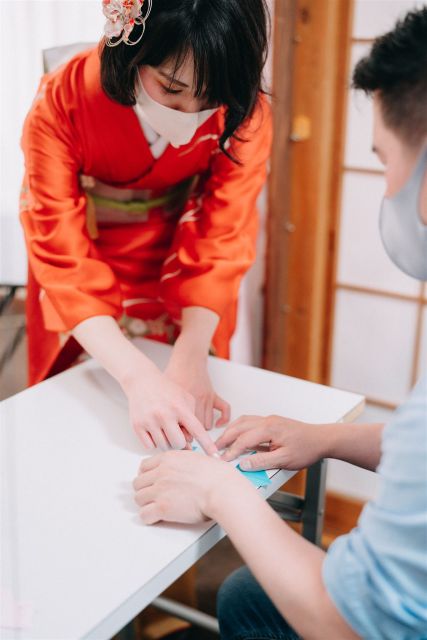
Tokyo logistics can be chaotic, so plan for an easy buffer. Your meeting point is FEEP Shinjuku Higashi-guchi, located in the Shinseido Bldg. 5F at Shinjuku 3-29-11, Shinjuku-ku, Tokyo.
The nearest station listed is Shinjuku-sanchome (M09, F13, S02). It’s also accessible from the east gate of JR Shinjuku station. Once you’re at the building, look for the FEEP entrance. It’s a shared workspace with many meeting booths, and the entrance is locked.
Important practical tip: message Manami once you reach the 5th floor. That prevents delays and keeps you from wandering the building trying to guess which door is correct.
If you’re the type who gets turned around in dense station areas, I’d recommend arriving early enough to find your way at a relaxed pace. Several people specifically noted getting lost trying to locate the meeting point, and having that extra time solves the problem fast.
Price value check: $58 for materials, patience, and meaning
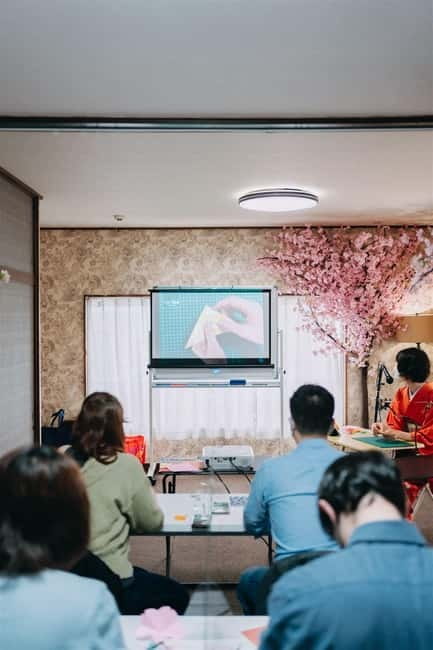
$58 for 90 minutes may sound like a lot if you’re thinking only in terms of craft supplies. But this class offers more than paper and instructions.
Here’s the value breakdown that makes the price feel more reasonable:
- Instruction in English from Manami, with hands-on step-by-step guidance.
- Multiple designs to choose from, with the realistic expectation of making 3 to 5 shapes during the time.
- Paper variety included: traditional and modern sheets so your choices affect the final look.
- Tools included: scissors and pens.
- You leave with finished models in small bags, ready to transport home.
- Cultural explanations as you fold, which turns the activity into an actual learning moment rather than a one-off souvenir.
That said, there’s one fair concern: some people do feel the class is pricey for what it is. If you only want one quick model or you already know the folds well, you might not feel the same value. But if you want a structured experience with a supportive teacher and cultural context, the price fits the package.
Who should book (and who should think twice)
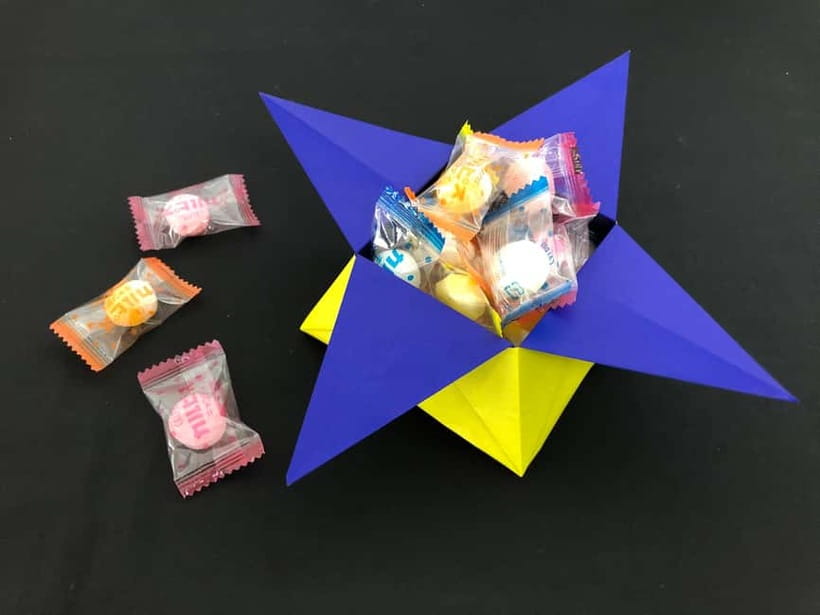
This works well for a wide mix of people. It’s designed for solo travelers, couples, families, and big tour groups. That variety shows up in the class experiences described, including groups of adults and sessions that include kids.
Best fit:
- Beginners who want clear steps and encouragement.
- People who enjoy calm activities during busy Tokyo days.
- Travelers who want more than a craft—they want the why behind the shape.
- Families with kids who are old enough to handle folding time.
Know the limits. Kids under age 7 aren’t allowed. Also, the activity notes that if elderly guests need special care, you should let the provider know in advance because they may need to change the venue. Wheelchair accessibility is listed as available, but if you have specific needs, it’s smart to message ahead so nothing surprises you.
Finally, if you’re experienced at origami, you may find the options too easy and you can’t swap in custom designs on site. In that case, consider whether you want a gentle, story-focused session or whether you’re looking for a more advanced challenge.
Should you book this Tokyo origami lesson? My decision guide
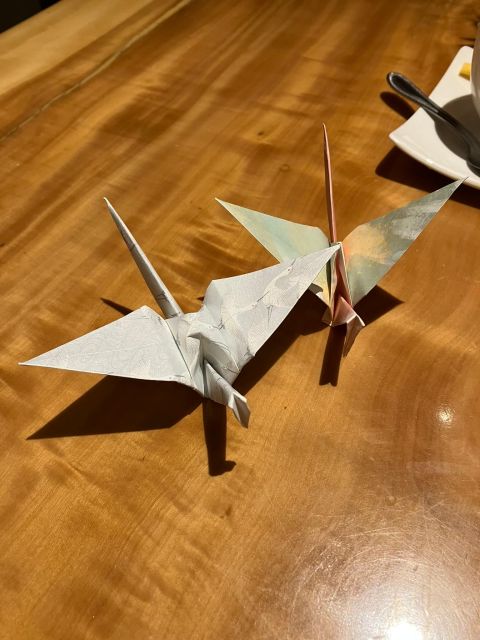
I’d tell you to book this when you want a guided, beginner-friendly craft with cultural context and you’d rather fold with a real teacher than learn from a book. It’s also a great choice if you like the idea of making several different models in one sitting, then bringing them home in a transport-friendly bag.
Don’t book it if you:
- already fold confidently and want advanced techniques,
- need a custom set of designs,
- or are traveling with kids under 7.
If you go, bring your curiosity, ask questions early, and take your time on the first creases. In origami, the model often starts working the moment your first fold lines up right—and Manami’s teaching is built to help you get there.
FAQ
How long is the Tokyo traditional origami class?
The class lasts 90 minutes.
Where do I meet for the class?
You meet at FEEP Shinjuku Higashi-guchi, Shinseido Bldg. 5F, Shinjuku 3-29-11, Shinjuku-ku, Tokyo. The nearest station listed is Shinjuku-sanchome (M09, F13, S02), and it’s also accessible from the east gate of JR Shinjuku station.
What is included in the price?
The class includes origami paper (traditional and modern), scissors, pens, small bags to bring your works back, plus water and some snacks.
Can I choose which origami designs I make?
Yes. Manami will showcase origami designs of different skill levels, and you can select patterns that interest you. You typically make 3 to 5 shapes during the session.
What language is the instruction in?
The instructor teaches in English.
Are there any restrictions on who can attend or what is allowed?
Kids under 7 years old are not allowed. Alcohol and drugs are not allowed.
If you want, tell me your group makeup (ages and any origami experience), and I’ll help you pick which types of designs are most likely to feel rewarding in a 90-minute beginner-friendly class.
More Tour Reviews in Tokyo
- Mt Fuji and Hakone 1-Day Bus Tour Return by Bullet Train
★ 5.0 · 26,383 reviews - 1-Day Tokyo Bus Tour
★ 5.0 · 14,250 reviews - Tokyo: teamLab Planets TOKYO Digital Art Museum Entry Ticket
★ 4.6 · 9,779 reviews - Mt Fuji & Hakone Cruise, Drum Show Bullet Train 1 Day from Tokyo
★ 4.0 · 7,413 reviews - Tokyo: Shinjuku Food Tour (13 Dishes at 4 Local Eateries)
★ 5.0 · 6,603 reviews
More Artisan Workshops in Tokyo
- Tokyo Shinjuku Chopsticks Making Class
★ 5.0 · 1,763 reviews - Chopstick Making Workshop in Ginza
★ 4.8 · 1,366 reviews - Kintsugi Experience: Art of Golden Joinery in Tokyo
★ 5.0 · 467 reviews - Tokyo Chopstick Making Workshop with Artisan
★ 5.0 · 466 reviews - Tokyo: Shinjuku Chopstick Making Class
★ 4.9 · 440 reviews
Latest Tokyo reviews off our desk




Craft & Artisan Workshops, compared.
 ★ 5.0Tokyo Shinjuku Chopsticks Making ClassFrom $201,763 reviews
 ★ 4.8Chopstick Making Workshop in GinzaFrom $251,366 reviews
 ★ 5.0Kintsugi Experience: Art of Golden Joinery in TokyoFrom $59467 reviews
 ★ 5.0Tokyo Chopstick Making Workshop with ArtisanFrom $26466 reviews
 ★ 5.0Authentic Pure Gold Kintsugi Workshop with Master Taku in TokyoFrom $142217 reviews
 ★ 5.0Calligraphy on Kanji Fan & Scroll with DrinkFrom $53210 reviews
Browse the lists this tour appears in