
Reviewed · ASAKUSA & SENSOJI TOURS
Tokyo: Making a Lantern Workshop in Asakusa with a Craftsman
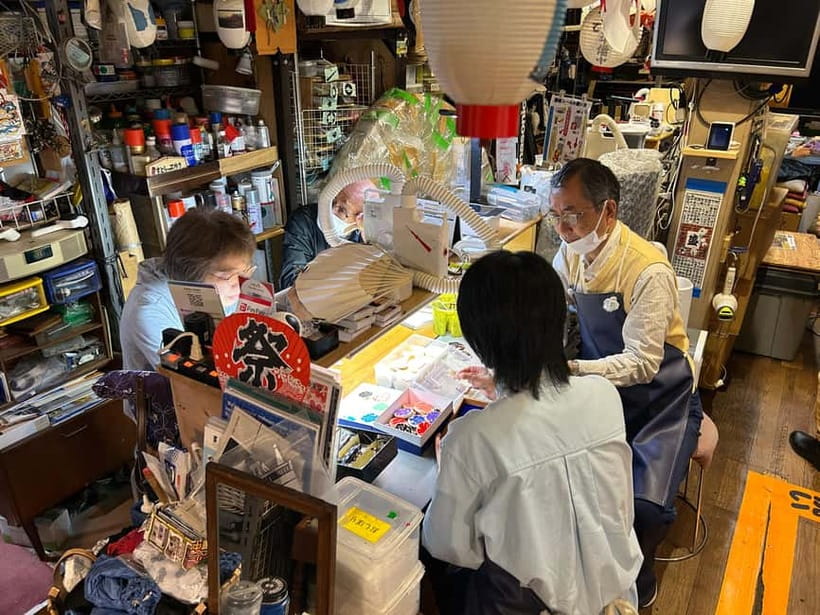
A Tokyo lantern workshop feels like time travel. I love stepping into a 100+ year-old chochin atelier and learning from a real lantern master, working with washi paper and traditional tools. If you get the English support crew like David Park, and a guide such as Rinka or Noriko, the whole thing stays friendly and easy to follow.
One practical heads-up: the meeting point changes during official 2026 Grand Sumo Tournament weeks, so match your booking date to the right address.
In This Review
- Key highlights worth marking on your map
- Step into Asakusa’s lantern atelier and make it real
- Finding the right address: Yokokawa vs Ryogoku Kokugikan during sumo season
- What happens in the 2-hour session (and how to use the time well)
- A quick time-management tip
- The craft lesson: working with bamboo and washi paper
- Bamboo frame work: the structure you can feel
- Was.hi paper: thin, but forgiving if you follow the steps
- You’re learning a process, not copying a picture
- Color, decoration, and a little ink in the mix
- Taking your lantern home: a souvenir that’s worth the effort
- Value check: when the price feels fair
- Price, timing, and who should book this lantern class
- Duration and scheduling
- Languages and translation
- Who gets the best experience
- Should you book the Tokyo lantern workshop in Asakusa?
- FAQ
- How long is the Tokyo chochin lantern workshop?
- How much does the lantern-making experience cost?
- Where is the meeting point?
- Does the venue change during the Grand Sumo Tournament?
- Is prior experience required?
- What materials are included?
- What age is the workshop suitable for?
- What should I bring?
- Is it available in English?
- Can I take my completed lantern home?
- What should I wear?
Key highlights worth marking on your map
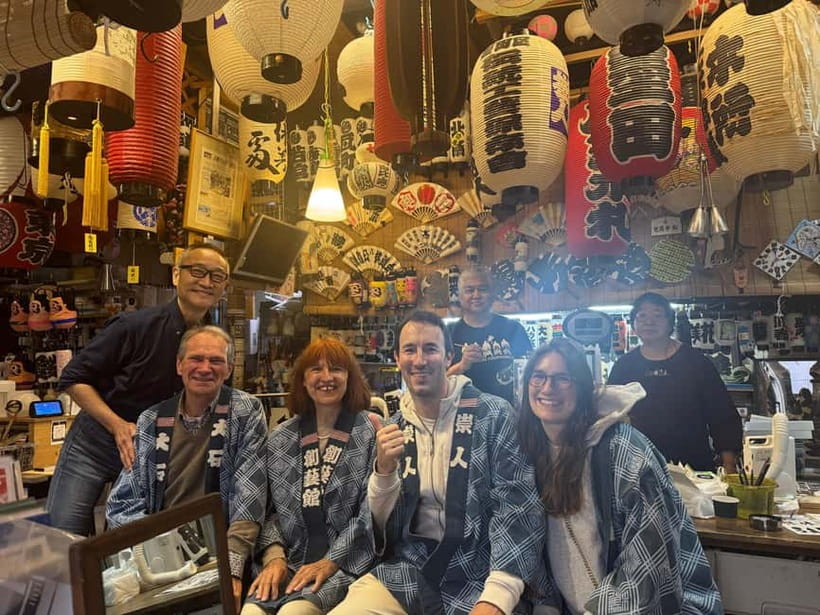
- 100+ year-old lantern atelier in Sumida City with a true craftsman’s home base feel
- Chochin master instruction on paper lantern making, not a script you can skip
- Real materials: bamboo frame work and washi paper you can actually see and handle
- Your finished lantern to take home, plus an optional on-site purchase of a professionally made lantern
- Designed for ages 6+ and works well for solo travelers, couples, and families
Step into Asakusa’s lantern atelier and make it real
This workshop is one of those Tokyo activities that changes the way you look at the city. Asakusa and Sumida City are full of visual culture—lamps, paper, light—but here you don’t just watch. You make a Japanese chochin lantern yourself, using materials that feel proper, not like craft-store substitutes.
I like that it’s taught in a personal, workshop-style setting. The whole point is learning from a chochin master artisan, and that comes through in how the craft is explained: where lanterns come from, what the shape means, and why the process matters. The atmosphere is warm and welcoming, which matters because you’re going to be doing careful hand work for a couple of hours.
Also, this isn’t only a souvenir factory. You’re working with bamboo and washi paper, and the tools are traditional enough that you can see how the craft is built. That gives your lantern more meaning than a quick postcard-style activity.
One more plus for practical travelers: the workshop is close to Tokyo Skytree (Oshiage Station). That makes it easier to slot into a day without turning your itinerary into a transit marathon.
More temple mornings in old Asakusa
- Tokyo: Japanese Dance Cabaret Theater Asakusa-Kaguwa Ticket
★ 4.8 · 2,270 reviews - Tokyo: Meiji Shrine, Asakusa, Skytree Bus Tour and Cruise
★ 4.7 · 1,986 reviews - Tokyo: Roll and Authentic Sushi Making Class in Asakusa
★ 4.9 · 1,957 reviews - Tokyo: Asakusa Walking Tour with Sensoji Temple Visit
★ 4.8 · 1,583 reviews
Finding the right address: Yokokawa vs Ryogoku Kokugikan during sumo season
Tokyo can be wonderfully organized, until a big event changes everything. During official 2026 Grand Sumo Tournament periods, the workshop shifts to a different venue near Ryogoku Kokugikan. That doesn’t make it “worse,” but it can change the vibe and surroundings.
Here’s what you need to check before you go:
- Regular workshop location: Yokokawa, Sumida City (near Skytree/Oshiage).
- Special venue during sumo: Ryogoku Kokugikan area, specifically the 1st floor at Yokoami, Sumida City.
And the 2026 sumo dates that trigger the venue change are:
- January 11–25, 2026
- May 10–24, 2026
- September 13–27, 2026
So your “do this first” move is simple: confirm your booking date, then confirm the meeting address for that date. This is the one detail I’d rather not see you waste time on.
What happens in the 2-hour session (and how to use the time well)
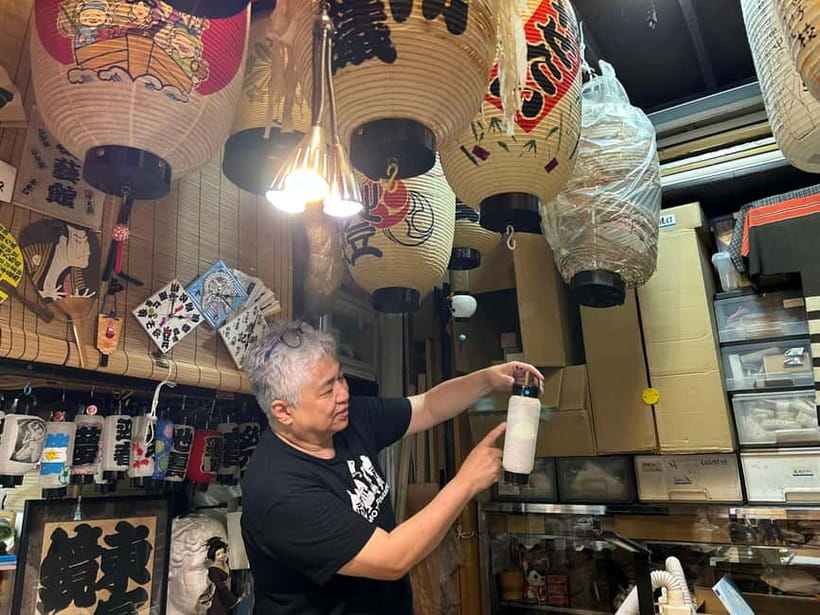
The workshop runs about 2 hours, and the pacing is set up so you can finish with a complete lantern to take home. You don’t need prior experience, which helps a lot—this is about learning the craft process, not testing skill.
A typical flow looks like this:
- Arrive and get oriented
You’ll meet at the workshop location for your date. An English-speaking guide or interpreter is there to translate and keep things clear, even if your Japanese is minimal. Many visitors find this part easy because the instruction is hands-on and practical, not lecture-heavy.
- Learn what chochin lanterns are
You start with an explanation of the origins and meaning of chochin. Even if you’ve seen Japanese lanterns in photos, this is where the craft becomes more than decoration. You begin to understand why the materials and the shape matter.
- Build the lantern using authentic materials
Then you move into the hands-on portion: working with washi paper and the bamboo structure. The guide and the artisan’s team help you manage the steps so your lantern looks intentional, not accidental.
- Add your details and finish
Your time ends with your finished lantern. Depending on the class moment, you may also spend time on decoration such as painted or ink elements—just know that the workshop may involve ink/paint, so clothing can get stained.
- Pack and take it home
You take home your completed lantern as part of the experience. The workshop is designed around you leaving with something intact and display-worthy.
A quick time-management tip
If you’re coming from walking around Tokyo all day, this is a good “hands” activity. It gives your body a break from constant sightseeing while still keeping you busy. Plan it earlier rather than last thing at night if you want daylight to enjoy your lantern after you finish.
The craft lesson: working with bamboo and washi paper
This is the heart of the experience, and it’s why the workshop feels like real Japanese craftsmanship instead of generic arts-and-crafts.
Readers also shortlisted these Tokyo bookings:
- Sushi Making Tokyo Roll and Authentic Japanese Sushi Class★ 5.0 · 3,971 reviews
- Tokyo: Roll and Authentic Sushi Making Class in Asakusa★ 4.9 · 1,957 reviews
- Tokyo Shinjuku Chopsticks Making Class★ 5.0 · 1,763 reviews
- Tokyo: Sushi Making Class in a Happi Coat near a Famous Spot★ 4.9 · 1,377 reviews
- Chopstick Making Workshop in Ginza★ 4.8 · 1,366 reviews
Bamboo frame work: the structure you can feel
Lanterns aren’t only paper. The frame is part of the design, and learning how it supports the shape helps you see why chochin lanterns are made this way. When you handle the bamboo and work through the steps, you’re not just assembling—you’re learning how the craft holds together.
Was.hi paper: thin, but forgiving if you follow the steps
Washi paper is the standout material here. It’s sturdy enough to work with, but thin enough that you feel every decision you make—alignment, smoothing, and careful handling. That’s why instruction matters: small corrections keep your lantern looking neat.
The guide and artisan walk you through what to do next, and you’ll have all the materials you need: bamboo, washi paper, glue, and brushes. That means you don’t have to play “where do I buy craft supplies” on your trip.
You’re learning a process, not copying a picture
The craft team is there to guide you, which is great for first-timers. But the goal isn’t to stamp out identical lanterns. Your lantern will reflect your choices in color and decoration, which is what makes it a meaningful souvenir.
Color, decoration, and a little ink in the mix
Your lantern comes out colorful, and that’s the fun part you’ll probably remember after the details fade. You’ll use your materials and work through the steps to create a personal design.
One practical thing: the class may involve ink/paint. Wear clothes you don’t mind getting stained. This isn’t about being messy—it’s just that craft work can leave marks, and you’ll be happier if you’re dressed for it.
Some visitors also spend time on calligraphy or ink-based decoration. Even if you don’t write anything yourself, you’ll likely see how ink transforms the lantern from a paper object into something with character. That’s a big part of what makes the craft feel Japanese, not just decorative.
If you want the souvenir to be ready-to-gift, ask on-site about options. There’s also an optional chance to purchase a professionally made lantern made by the master artisan on site—useful if you want a second item with “master-level” finishing.
Taking your lantern home: a souvenir that’s worth the effort
At $96 per person for a 2-hour workshop, you’re paying for more than materials. You’re paying for access to a real atelier and instruction from people who do this work by hand.
What you get back is tangible:
- Your completed lantern to take home
- A craft you understand, so the souvenir feels earned
- A story you can tell that isn’t just I made something in Tokyo
Because you’re carrying an object made of paper and bamboo, you should treat it like something delicate. When you finish, the workshop prepares you to take your lantern away safely, and you’ll want to plan how you’ll transport it on public transit or on foot.
Value check: when the price feels fair
This price tends to feel fair if you fall into one of these categories:
- You like doing, not just taking photos
- You want a “Tokyo memory” that’s more personal than a magnet or snack
- You’re traveling with kids (it’s suited for ages 6+) and want an activity that stays interesting
- You’re a solo traveler looking for a welcoming setting where you won’t feel awkward
It may feel less worth it if you only want a quick stop and don’t want to work with your hands at all. But if you can handle careful craft steps, it’s a strong deal for what you get.
Price, timing, and who should book this lantern class
Let’s talk logistics without making it painful.
Duration and scheduling
The workshop is 2 hours. That’s long enough to learn, make, and finish your own lantern, but short enough to fit around other Tokyo plans. If you’re planning to be around Skytree/Oshiage anyway, it’s a great activity slot.
Languages and translation
The workshop supports Japanese and English. An English-speaking guide or interpreter is included, and that matters because lantern craft has lots of small “do this, not that” steps.
Who gets the best experience
You’ll likely enjoy this most if you:
- Want a hands-on cultural activity in Asakusa/Sumida City
- Like meeting artisans and learning how traditions are actually practiced
- Travel with friends or family who enjoy creative work
- Are curious about Japanese craftsmanship and want more than a museum-style explanation
Even if you’re traveling alone, this works well because the instruction is structured and the setting feels welcoming. Guides such as Rinka or Noriko (in English support roles) are the kind of people who help the class feel natural instead of intimidating.
Should you book the Tokyo lantern workshop in Asakusa?
Book it if you want a Tokyo souvenir with actual craft behind it. You’ll make your own chochin using authentic materials like bamboo and washi paper, and you’ll do it with guidance from a lantern master in a traditional workshop setting. The time (2 hours) is the right size, and the output (a finished lantern you can take home) makes it feel like money well spent.
Skip it only if you hate hands-on work or you’d rather do sightseeing-only days. Also, if you’re traveling during the Grand Sumo Tournament dates in 2026, don’t forget the meeting point shift—you’ll want to match your booking date to the correct address so you start smoothly.
FAQ
How long is the Tokyo chochin lantern workshop?
The workshop lasts about 2 hours.
How much does the lantern-making experience cost?
The price is $96 per person.
Where is the meeting point?
The meeting point depends on your booking date. Outside official Grand Sumo Tournament periods, it’s at the regular Yokokawa location in Sumida City. During official tournament periods, it’s at the Ryogoku Kokugikan area (1st floor).
Does the venue change during the Grand Sumo Tournament?
Yes. During official 2026 Grand Sumo Tournament periods, the workshop is held at a special venue near Ryogoku Kokugikan, and the meeting point changes.
Is prior experience required?
No prior experience is needed. You’ll be guided through the process.
What materials are included?
All materials are included, including bamboo, washi paper, glue, and brushes.
What age is the workshop suitable for?
It’s suitable for ages 6 and up. Children under 6 years old are not suitable.
What should I bring?
You should bring a passport or ID card.
Is it available in English?
Yes. There is English support, with Japanese and English available through the guide or interpreter.
Can I take my completed lantern home?
Yes. Your completed lantern is included, and you take it home after the workshop.
What should I wear?
The workshop may involve ink or paint, so wear clothes you don’t mind getting stained.
More Workshops in Tokyo
- Sushi Making Tokyo Roll and Authentic Japanese Sushi Class
★ 5.0 · 3,971 reviews - Tokyo: Roll and Authentic Sushi Making Class in Asakusa
★ 4.9 · 1,957 reviews - Tokyo Shinjuku Chopsticks Making Class
★ 5.0 · 1,763 reviews - Tokyo: Sushi Making Class in a Happi Coat near a Famous Spot
★ 4.9 · 1,377 reviews - Chopstick Making Workshop in Ginza
★ 4.8 · 1,366 reviews
More Tour Reviews in Tokyo
- Mt Fuji and Hakone 1-Day Bus Tour Return by Bullet Train
★ 5.0 · 26,383 reviews - 1-Day Tokyo Bus Tour
★ 5.0 · 14,250 reviews - Tokyo: teamLab Planets TOKYO Digital Art Museum Entry Ticket
★ 4.6 · 9,779 reviews - Mt Fuji & Hakone Cruise, Drum Show Bullet Train 1 Day from Tokyo
★ 4.0 · 7,413 reviews - Tokyo: Shinjuku Food Tour (13 Dishes at 4 Local Eateries)
★ 5.0 · 6,603 reviews
More Mornings in Old Asakusa
- Tokyo: Japanese Dance Cabaret Theater Asakusa-Kaguwa Ticket
★ 4.8 · 2,270 reviews - Tokyo: Meiji Shrine, Asakusa, Skytree Bus Tour and Cruise
★ 4.7 · 1,986 reviews - Tokyo: Roll and Authentic Sushi Making Class in Asakusa
★ 4.9 · 1,957 reviews - Tokyo: Asakusa Walking Tour with Sensoji Temple Visit
★ 4.8 · 1,583 reviews - Tokyo Asakusa Rickshaw Tour
★ 5.0 · 1,375 reviews
Latest Tokyo reviews off our desk






Asakusa & Sensoji Tours, compared.
 ★ 4.8Japanese Dance Cabaret Theater Asakusa-Kaguwa TicketFrom $492,270 reviews
 ★ 4.7Meiji Shrine, Asakusa, Skytree Bus Tour and CruiseFrom $1221,986 reviews
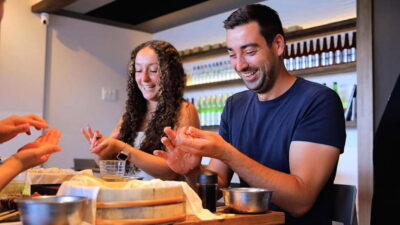 ★ 4.9Roll and Authentic Sushi Making Class in AsakusaFrom $581,957 reviews
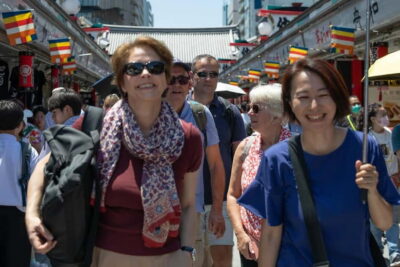 ★ 4.8Asakusa Walking Tour with Sensoji Temple VisitFrom $221,583 reviews
 ★ 5.0Tokyo Asakusa Rickshaw TourFrom $421,375 reviews
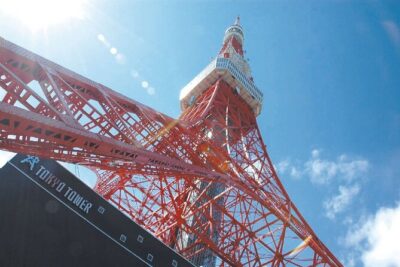 ★ 4.5Tokyo Panoramic 1 Day: Meiji Shrine, Asakusa, Odaiba and SKYTREE®From $851,222 reviews
 ★ 5.0Tokyo Go Kart: Asakusa, Skytree, and Akihabara **IDP MUST**From $99988 reviews
 ★ 4.7Asakusa, Skytree & Akhihabara Go-Kart City ExperienceFrom $96761 reviews
Browse the lists this tour appears in