
Reviewed · TEA CEREMONY & MATCHA
Tokyo: Matcha Tasting and Making Experience
Matcha can be tea science in a cup. This 90-minute Tokyo experience is a practical, small-group lesson on how matcha is grown, what different regions taste like, and how to make your own ousucha with a bamboo whisk.
I especially liked two parts: the side-by-side tasting (small portions of multiple matchas so you can compare fast) and the fact that your teacher, Chisei, is a former Kyoto tea farmer who grew tea for six years. One consideration: it’s designed for general guests, so if you’re looking for hours of formal ceremony practice, plan for a short, skills-and-taste focused class.
In This Review
- Quick Takeaways
- Tokyo Matcha Tasting and Making: Why This 90 Minutes Works
- Meet Your Teacher: The Kyoto Tea Farmer Angle (Chisei)
- Getting Oriented in Asakusa: Finding the Henn na Hotel Meet-Up
- Welcome Drink + Matcha Background While You’re Fresh
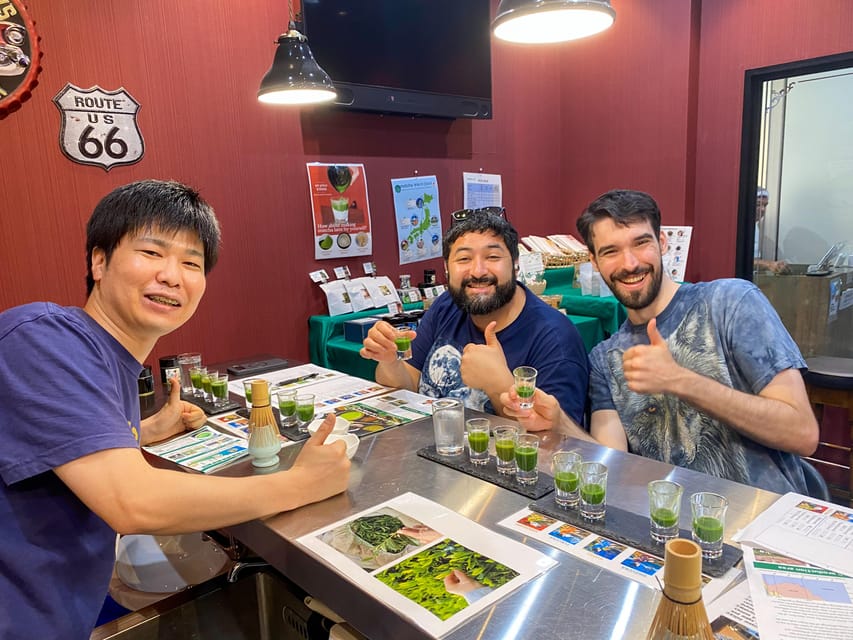
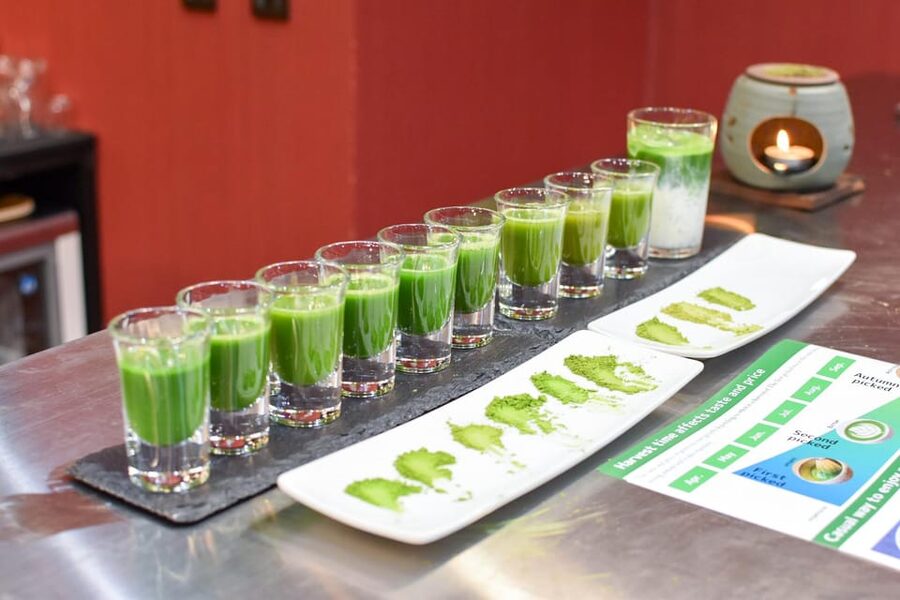
- The Tasting Flight: How You Compare 10 Matchas From 5 Areas
- Ceremonial Grade vs. Matcha Labeled Products
- How to Decide What You Like
- Whisking Your Own Matcha: Making Ousucha With a Bamboo Tool
- Why This Part Is Worth Your Time
- Matcha Latte + Hojicha Latte + Sweets: The Smart Finish
- Price and Value: Is $63 a Good Deal?
- Small Group Size (Up to 5): Why It Matters in Taste Lessons
- Who Should Book This Matcha Class in Tokyo?
- Should You Book This Matcha Tasting and Making Class?
- FAQ
- How long is the Tokyo matcha tasting and making experience?
- How many matcha types do I taste, and from how many production areas?
- Is the class taught in English?
- Is this a small-group activity?
- What do I make during the experience?
- What drinks and sweets are included?
- Where is the meeting point?
Quick Takeaways
- 10 matchas from 5 production areas give you a real feel for regional differences
- Color, fragrance, then taste—you don’t rush the senses
- Former Kyoto tea farmer Chisei shares how cultivation and processing affect flavor
- Hands-on whisking so you learn how to make matcha at home
- Matcha latte + hojicha latte + sweets help you keep the experience fun, not just educational
Tokyo Matcha Tasting and Making: Why This 90 Minutes Works
In a city full of food tours, a matcha class can easily feel like a lecture with a sip at the end. This one avoids that. The format is built around tasting, comparing, and then doing—so you leave with both understanding and a method you can repeat later.
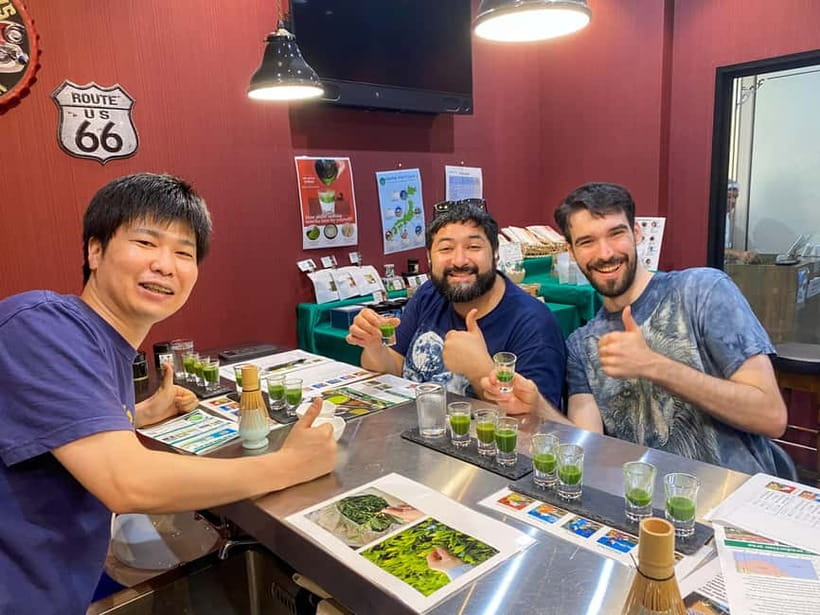
You’re in a small group (up to 5 participants), which matters more than people think. It’s easier to ask questions when the table isn’t a line of strangers. And since the whole thing is only 90 minutes, the pace stays focused: welcome drink, tasting comparison, your own whisking, then latte and sweets.
At $63 per person, the value depends on what you want. If you’d otherwise spend money on a couple of matcha desserts, this is stronger because you’re paying for the guided tasting lineup, instruction, and hands-on practice—not just a single drink.
More tea rooms our readers rated
- Matcha Making Class in Tokyo with Authentic Japanese Sweets Set
★ 5.0 · 744 reviews - Tokyo: Traditional Tea Ceremony with a Tea Master
★ 5.0 · 528 reviews - Tokyo: Matcha Making Experience with Mochi Sweets in Asakusa
★ 4.9 · 388 reviews - Tokyo: Matcha and Kimono Experience
★ 4.7 · 219 reviews
Meet Your Teacher: The Kyoto Tea Farmer Angle (Chisei)
What makes this class feel grounded is the instructor’s background. Chisei is a former tea farmer from Kyoto, and he grew tea for six years. That changes the whole tone: you’re not just getting facts about matcha—you’re getting how a real tea grower thinks about flavor, aroma, and consistency.
You also get the lesson in an approachable way. The class is explicitly for general guests learning Japanese tea, and the English instruction keeps it accessible. In other words, you’re not expected to already know the difference between ceremonial and everyday grades. You just get taught how to notice it.
From the reviews, the thing that stands out is the way Chisei explains. People highlighted that his knowledge feels practical and that he’s able to communicate his expertise clearly and with charm. That’s exactly what you want in a short experience: teach me what matters, fast, and make it easy to remember later.
Getting Oriented in Asakusa: Finding the Henn na Hotel Meet-Up
This class meets at a cafe inside the Henn na hotel Asakusa Tawaramachi. You’ll want to enter the hotel and go up to the 2nd floor.
There’s a FamilyMart on the 1st floor, which makes it easier to confirm you’re in the right place. Since transportation to the location isn’t included, I’d treat this as a “show up ready” experience: arrive a little early, use the hotel lobby as your landmark, and then settle in.
It’s a good setup for first-timers in Asakusa because you’re not hunting through back alleys. You’re meeting in a straightforward hotel location, then moving upstairs to the tasting and class area.
Welcome Drink + Matcha Background While You’re Fresh
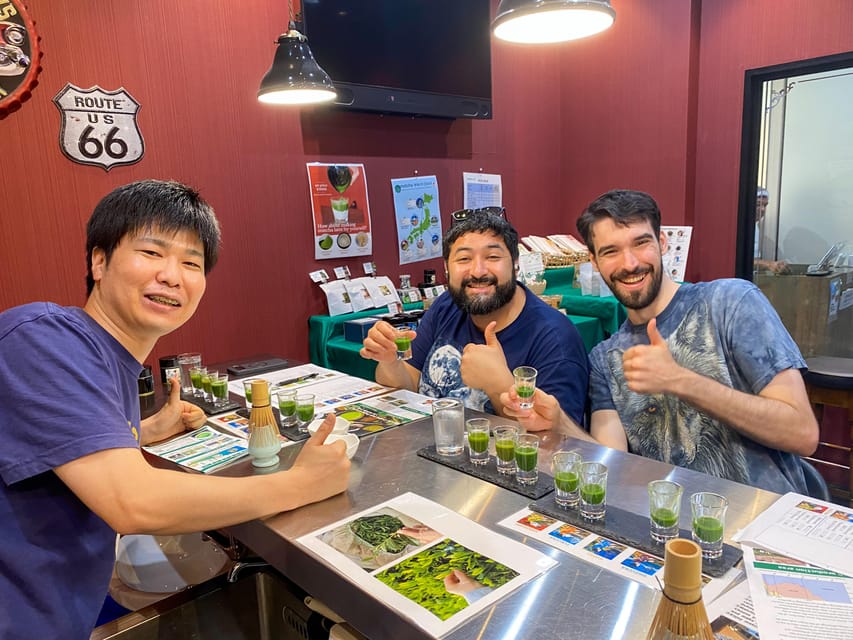
The session starts with a welcome drink. While you’re sipping, Chisei explains matcha’s history and production—specifically the kind of background that helps your tasting make sense.
This matters because matcha isn’t just green tea powder in a cup. The way it’s grown, processed, and prepared changes what you taste: thickness, bitterness, sweetness, and even how fragrant the leaves feel once whisked.
A smart touch here is that the history doesn’t feel like trivia. The class builds toward the tasting comparison and then your own making experience. So the lesson lands as context, not as homework.
The Tasting Flight: How You Compare 10 Matchas From 5 Areas
The main event is the matcha tasting. The experience is structured so you can compare properly instead of gulping one cup and hoping you remember the rest.
You get a tasting lineup that covers 5 representative production areas. You’ll taste 10 different types of matcha, and the guided comparison phase serves 8 kinds of matcha in small portions at once.
Here’s what you’re taught to do:
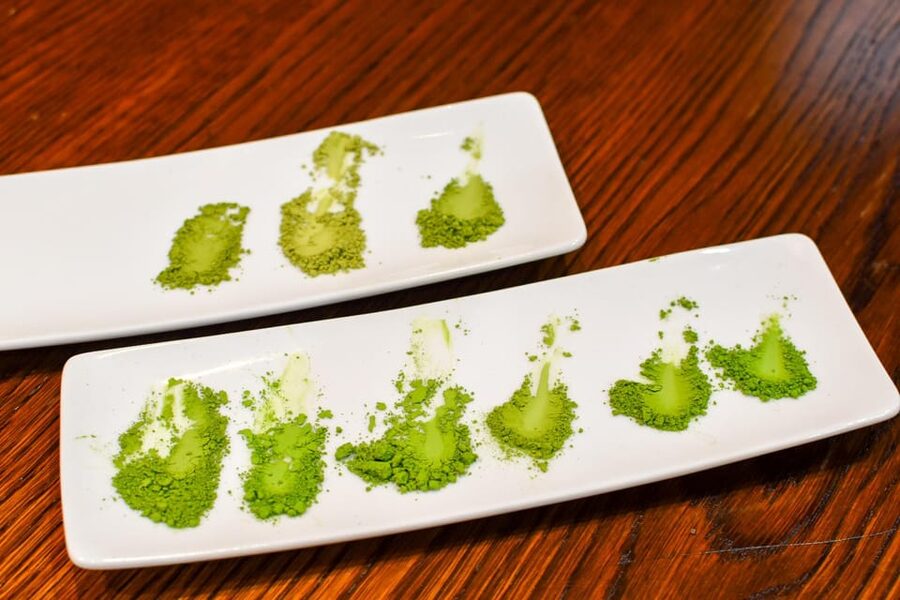
- Look at the color first
- Smell before you sip
- Then taste, noticing bitterness, sweetness, and overall balance
That “color → fragrance → taste” sequence is a simple method, but it’s powerful. Green can mean different things depending on processing and grade. Aroma can clue you into freshness and how the leaves were handled. And taste tells you the final story.
Readers also shortlisted these Tokyo bookings:
- Tokyo: Shinjuku Food Tour (13 Dishes at 4 Local Eateries)★ 5.0 · 6,603 reviews
- Tokyo Tsukiji Fish Market Food and Culture Walking Tour★ 5.0 · 3,184 reviews
- Tokyo: Shinjuku Food Tour (15 Dishes and 4 Eateries)★ 4.9 · 2,033 reviews
- Best of Shinjuku: Izakaya Food Tour (4 Stops, 14+ Tastings)★ 5.0 · 1,863 reviews
- Tokyo: Tsukiji Fish Market Food and Walking tour★ 5.0 · 1,724 reviews
Ceremonial Grade vs. Matcha Labeled Products
One detail I liked is how the teacher differentiates the lineup. In the comparison phase, 6 of the offerings are ceremonial grade. The other 2 are sold as matcha around the world but aren’t defined as matcha in the same way.
That gives you a real-world lesson: labels don’t always guarantee the same standard. You don’t need to memorize technical definitions to benefit. You just taste the difference and understand why “matcha” isn’t automatically one uniform product.
How to Decide What You Like
A practical part of the class is that you aren’t just tasting for fun—you’ll choose later. After the comparison, you pick the matcha you like best for the making part.
If you’re the type who always orders the safest option, this is a chance to learn your preferences fast. Pay attention to whether you prefer smoother, milk-friendly matcha or ones that show more traditional bitterness and depth (even if you don’t use fancy words).
Whisking Your Own Matcha: Making Ousucha With a Bamboo Tool
After tasting, you shift from consumer mode to maker mode. This is where the experience gets satisfying.
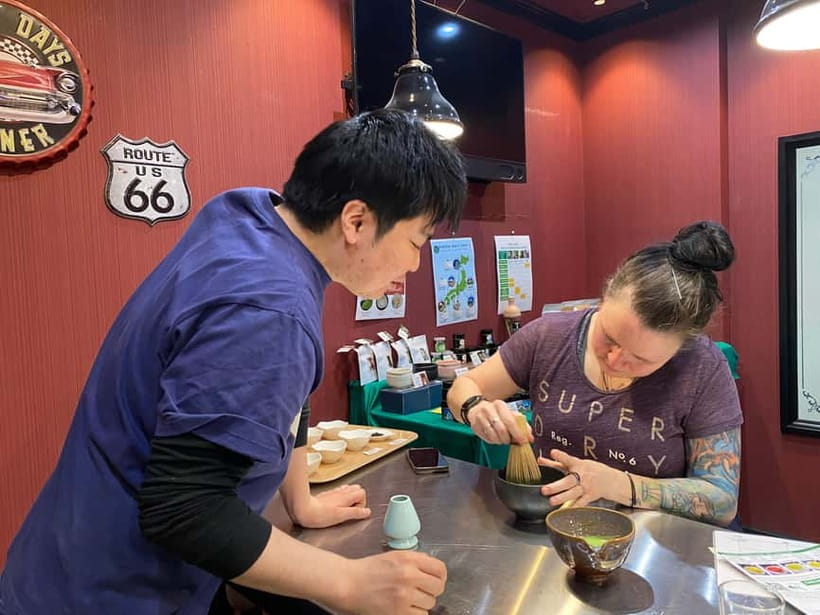
You choose your favorite matcha from what you tried, then you make it yourself using a bamboo tea whisk. You’ll end with ousucha (matcha) that you prepared, not a drink that arrived already finished.
Why This Part Is Worth Your Time
A lot of food classes give you a “step-by-step” but you never actually practice the steps. Here, you’re doing the real work. That means you’re learning the difference between:
- Powder that clumps if it isn’t whisked properly
- A thinner cup versus a frothier one
- How the same matcha can feel different when prepared by hand
And because it’s a bamboo whisk, you learn the classic tool. That helps you replicate it later at home without reinventing your method.
The class also emphasizes that once you complete the experience, you’ll still be able to make matcha at home. That’s the goal: not just a one-time taste, but the ability to do it again when you want.
Matcha Latte + Hojicha Latte + Sweets: The Smart Finish
After the tasting and the whisking lesson, the class doesn’t keep pushing straight matcha. Instead, you enjoy drinks and sweets:
- Matcha latte
- Hojicha latte
- Matcha sweets
They use an original blend of matcha designed to work well with milk. That’s a key detail, because milk changes the matcha experience. It rounds off harshness, softens bitterness, and brings out a creamier flavor.
Hojicha latte is a nice contrast too. Hojicha is typically roasted, so it tends to feel warmer and less vegetal than matcha. Even if you don’t usually like one style, this gives your palate a break and keeps the class enjoyable at the end.
The sweets help you finish in a more dessert-friendly mode. If you’ve ever had matcha that tasted too bitter for your taste, pairing it with something sweet and dairy-forward is often the solution. This class basically hands you that approach.
Price and Value: Is $63 a Good Deal?
For $63 per person, you’re getting a lot packed into 90 minutes:
- A welcome drink
- Tasting of 10 matchas across 5 production areas
- A guided comparison phase with 8 types served in small portions
- Hands-on matcha making with a bamboo whisk
- Matcha latte, hojicha latte, and matcha sweets
The value isn’t only in the number of drinks. It’s in the guided comparisons and the practical making instruction. Without that, you’d be stuck buying matcha blindly—hoping the next cup matches your taste.
If you’re the kind of traveler who enjoys learning how ingredients are made (not just eating the results), this price makes sense. If you only want one drink and a quick photo, you might feel the cost is higher than what you wanted. But for anyone who wants a real matcha education plus the ability to whisk your own at home, this is a strong use of time in Tokyo.
Small Group Size (Up to 5): Why It Matters in Taste Lessons
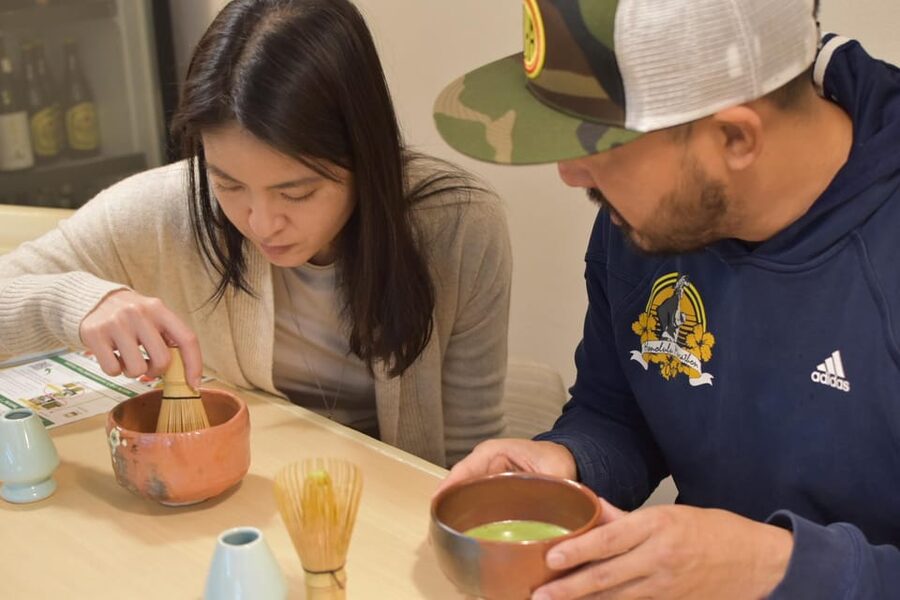
A class limited to 5 participants is a big deal for two reasons.
First, tasting lessons are subtle. You can’t properly compare if you’re distracted, rushed, or unable to ask what a certain flavor might mean. Second, hands-on making needs attention. When you’re whisking your own cup, a teacher has to make sure you’re doing it correctly enough to get a decent result.
Chisei’s style seems to land well here. Reviews mention that he shares his practical knowledge in a charming way. That combination—expert background plus personal attention—is exactly why small groups work better than big ones for this kind of activity.
Who Should Book This Matcha Class in Tokyo?
I’d steer you toward this experience if:
- You like food and drink learning that still feels hands-on
- You want to compare matcha by origin and grade type
- You’d like a repeatable skill for home (bamboo whisk + basic method)
- You’re curious about what’s behind the taste, not only what it costs
- You enjoy a gentle pace, with latte and sweets to keep it fun
It may be less ideal if:
- You’re looking for a full traditional ceremony experience that runs longer
- You want to skip tastings and go straight to one “best” matcha
- You’re expecting a take-home kit (the class guarantees you can make matcha at home, but there’s no mention of a kit included)
Should You Book This Matcha Tasting and Making Class?
If you want an experience that blends instruction, comparison, and practice, I think it’s an easy yes. The strongest reason to book is the structure: multiple matchas from multiple production areas, taught with a clear method for judging color and aroma, followed by hands-on whisking using a bamboo whisk.
Chisei’s Kyoto background (six years of growing tea) adds credibility, and the small group format makes it feel personal instead of rushed. Pair that with the finish—matcha latte, hojicha latte, and matcha sweets—and you get both education and enjoyment without it turning into a long lecture.
FAQ
How long is the Tokyo matcha tasting and making experience?
It lasts 90 minutes.
How many matcha types do I taste, and from how many production areas?
You taste 10 different matcha types from 5 different production areas. The comparison phase serves 8 types in small portions at once.
Is the class taught in English?
Yes, the instructor provides the experience in English.
Is this a small-group activity?
Yes. The group is limited to 5 participants.
What do I make during the experience?
You make matcha yourself using a bamboo tea whisk, and you prepare ousucha (matcha).
What drinks and sweets are included?
You get a welcome drink, matcha latte, hojicha latte, and matcha sweets.
Where is the meeting point?
It’s at the cafe in Henn na hotel Asakusa Tawaramachi. Enter the hotel and come to the 2nd floor (FamilyMart is on the 1st floor).
More Food & Drink in Tokyo
- Tokyo: Shinjuku Food Tour (13 Dishes at 4 Local Eateries)
★ 5.0 · 6,603 reviews - Tokyo Tsukiji Fish Market Food and Culture Walking Tour
★ 5.0 · 3,184 reviews - Tokyo: Shinjuku Food Tour (15 Dishes and 4 Eateries)
★ 4.9 · 2,033 reviews - Best of Shinjuku: Izakaya Food Tour (4 Stops, 14+ Tastings)
★ 5.0 · 1,863 reviews - Tokyo: Tsukiji Fish Market Food and Walking tour
★ 5.0 · 1,724 reviews
More Tour Reviews in Tokyo
- Mt Fuji and Hakone 1-Day Bus Tour Return by Bullet Train
★ 5.0 · 26,383 reviews - 1-Day Tokyo Bus Tour
★ 5.0 · 14,250 reviews - Tokyo: teamLab Planets TOKYO Digital Art Museum Entry Ticket
★ 4.6 · 9,779 reviews - Mt Fuji & Hakone Cruise, Drum Show Bullet Train 1 Day from Tokyo
★ 4.0 · 7,413 reviews - Tokyo: Shinjuku Food Tour (13 Dishes at 4 Local Eateries)
★ 5.0 · 6,603 reviews
More Tea and Matcha Rooms
- Matcha Making Class in Tokyo with Authentic Japanese Sweets Set
★ 5.0 · 744 reviews - Tokyo: Traditional Tea Ceremony with a Tea Master
★ 5.0 · 528 reviews - Tokyo: Matcha Making Experience with Mochi Sweets in Asakusa
★ 4.9 · 388 reviews - Tokyo: Matcha and Kimono Experience
★ 4.7 · 219 reviews - Tea Ceremony Workshop in Tokyo by the Experienced Instrucor
★ 5.0 · 189 reviews
Latest Tokyo reviews off our desk






Tea Ceremony & Matcha, compared.
 ★ 5.0Matcha Making Class in Tokyo with Authentic Japanese Sweets SetFrom $21744 reviews
 ★ 5.0Traditional Tea Ceremony with a Tea MasterFrom $38528 reviews
 ★ 4.9Matcha Making Experience with Mochi Sweets in AsakusaFrom $22388 reviews
 ★ 4.7Matcha and Kimono ExperienceFrom $57219 reviews
 ★ 5.0Tea Ceremony Workshop in Tokyo by the Experienced InstrucorFrom $38189 reviews
 ★ 4.9Asakusa Kimono Dressing and Matcha ExperienceFrom $56173 reviews
 ★ 4.9Asakusa: Kimono Tea Ceremony with Matcha and SweetFrom $66153 reviews
 ★ 5.0Make Traditional Nerikiri Sweets & Matcha experience in ShibuyaFrom $60130 reviews
Browse the lists this tour appears in