
Reviewed · MEIJI SHRINE TOURS
Tokyo: Meiji Jingu, Yoyogi Park & Takeshita Street Tour
Tokyo in three hours, without the rush. You get Meiji Jingu under towering trees, plus a quick hit of youth fashion on Takeshita Street. One drawback to plan for: it is a walking tour, and it is not suitable for pregnant women, people with mobility impairments, people with respiratory issues, or anyone with high blood pressure.
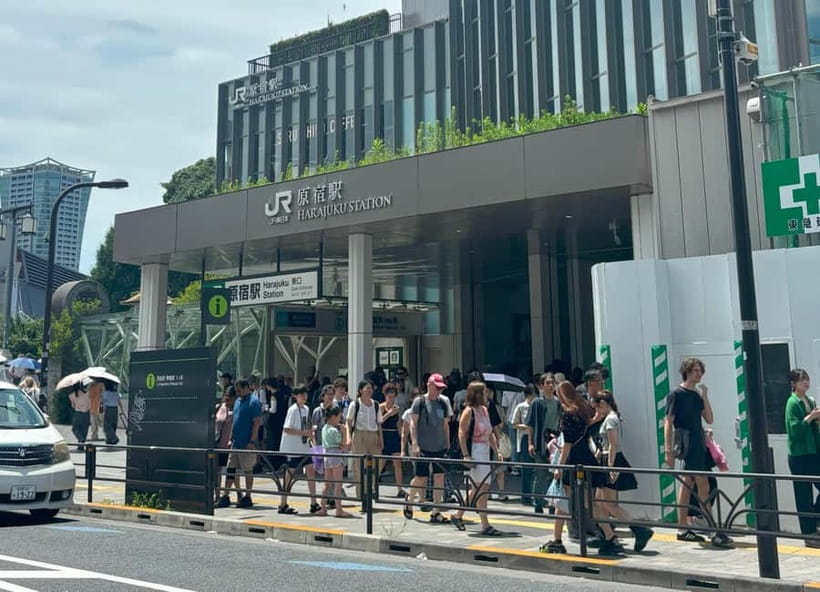
I like the way this tour keeps you moving without feeling rushed. You meet at JR Harajuku Station West Exit, find your TripGuru guide wearing a shirt or holding a sign, and then you’re off for 3 hours of guided sights. If you want the Meiji Jingu museum stop, budget an extra 1,000 yen, since that entrance fee isn’t included.
In This Review
- Key things to love about this Harajuku to Omotesando route
- Why Harajuku, Meiji Jingu, Yoyogi Park, and Omotesando make a smart 3-hour plan
- Getting started at JR Harajuku Station West Exit (and why timing matters)
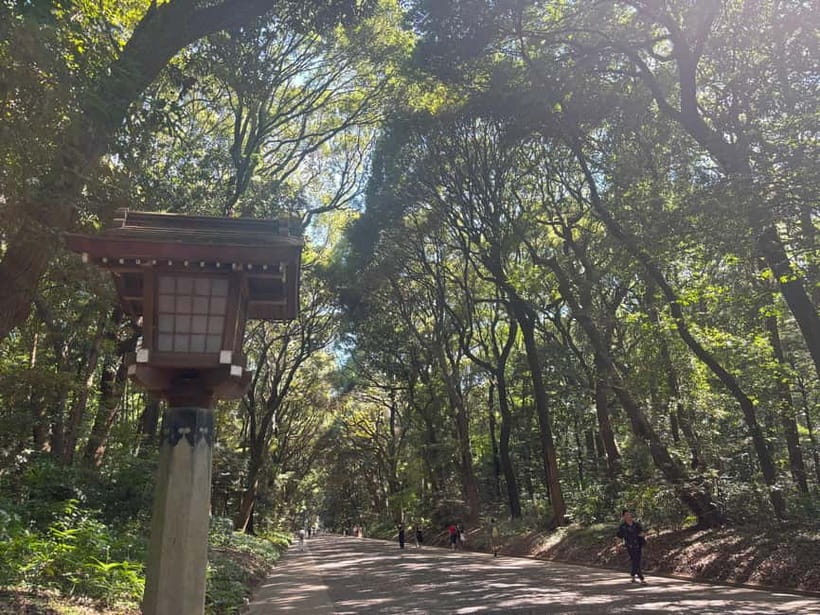
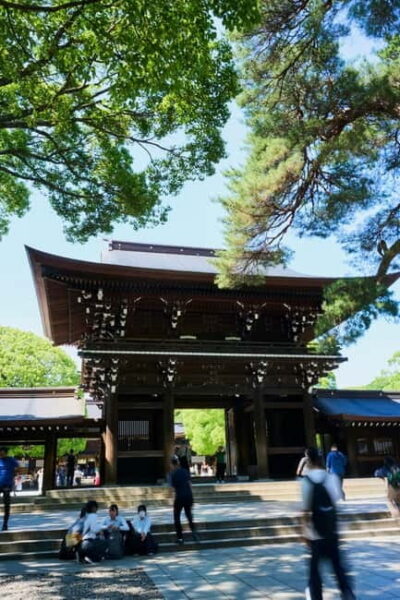
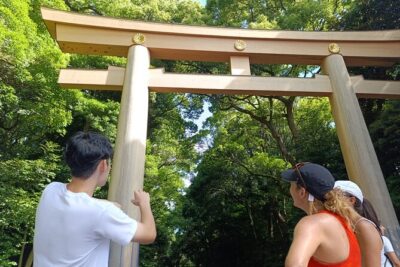
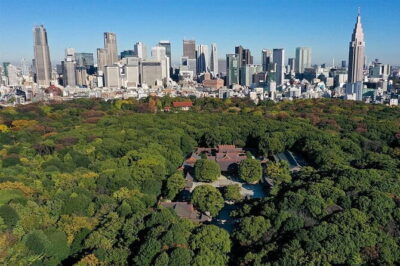
- Meiji Jingu: a sacred forest you can actually feel in an afternoon
- Yoyogi Park: the short green pause that keeps the day from feeling heavy
- Takeshita Street: Harajuku’s pop-culture shopping lane, explained so you don’t miss the point
- Omotesando Avenue: style, architecture, and a calmer ending than you’d expect
- Guide quality is the real value add (names you might hear)
- Price and value: is $36 fair for 3 hours in central Tokyo?
- What to bring for a comfortable walk (and fewer regrets)
- Who should book this tour, and who should skip it
- Should you book this Tokyo walking tour?
- FAQ
- How long is the Tokyo Meiji Jingu, Yoyogi Park & Takeshita Street Tour?
- How much does the tour cost, and what’s included?
- Is the Meiji Jingu museum included?
- Where do I meet the guide?
- What if I arrive late?
- Is the tour guide available in English?
- Is this tour private or small-group?
- What should I bring for the tour?
- What is the cancellation policy?
Key things to love about this Harajuku to Omotesando route
- Meiji Jingu first: the forest approach gives you instant quiet in the middle of Tokyo
- Yoyogi Park reset: a short green pause that balances the street energy
- Takeshita Street with context: you see the pop-culture shopping without getting lost in it
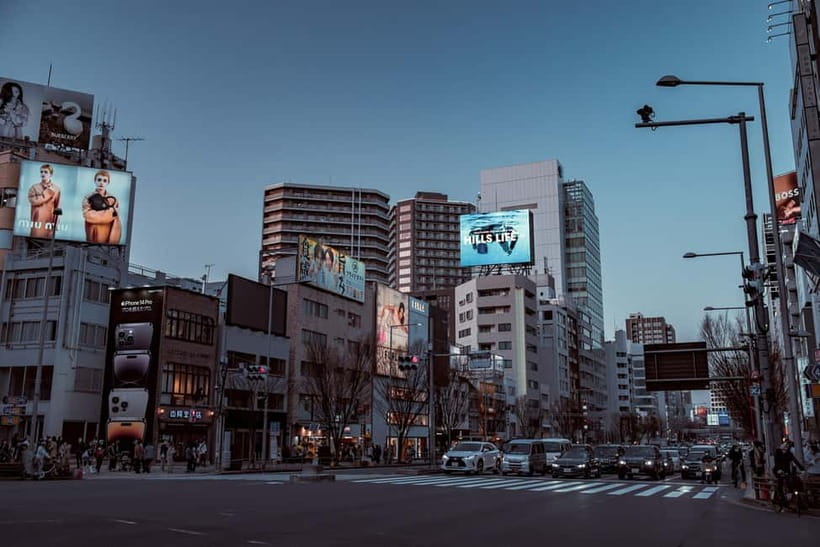
- Omotesando Avenue finish: modern Tokyo, good storefronts, and easier walking than you’d expect
- Small-group feel: many guides lean into questions and flexibility, not a rigid script
Why Harajuku, Meiji Jingu, Yoyogi Park, and Omotesando make a smart 3-hour plan
Tokyo can feel like two different cities stitched together: one that whispers in sacred woods, and one that shouts with neon-bright fashion. This tour does both, and it does it fast enough to work on a first visit, without you spending the whole day figuring out train exits and street layouts.
The magic is in the order. Starting at Harajuku puts you close to the action. Then Meiji Jingu gives you a mental reset—walking through the shrine grounds is like stepping through a screen door into a calmer world. After that, you roll straight into Yoyogi Park, which works as a breathing space before the energy spikes again on Takeshita Street.
Finally, you end on Omotesando Avenue. If you’ve ever wished Tokyo could be both trendy and graceful at the same time, this is where that idea becomes real. It is a stylish, modern stretch—often compared to Tokyo’s Champs-Élysées—so you finish with a “wow, I get it now” feeling instead of ending in a crowded maze.
More quiet hours at Meiji Shrine
- Tokyo: Meiji Shrine, Asakusa, Skytree Bus Tour and Cruise
★ 4.7 · 1,986 reviews - Tokyo Panoramic 1 Day: Meiji Shrine, Asakusa, Odaiba and SKYTREE®
★ 4.5 · 1,222 reviews - Tokyo: Meiji Shrine Walking Tour — Shinto & Imperial System
★ 4.9 · 266 reviews - Tokyo: Meiji Jingu Shrine and Shinto Culture Walking Tour
★ 5.0 · 245 reviews
Getting started at JR Harajuku Station West Exit (and why timing matters)
You meet at JR Harajuku Station West Exit. This matters more than people think, because Harajuku is busy and exits multiply fast. Plan to arrive at least 10 minutes early, because guides only wait a maximum of 10 minutes before starting.
You’ll recognize your guide by a TripGuru shirt or a TripGuru sign. That simple detail saves you from wandering around scanning faces, which is the kind of “adventure” you want to avoid on a tight 3-hour schedule.
Once the group assembles, the pace stays brisk but manageable. You are moving between four distinct areas: shrine, park, street shopping, and a modern boulevard. If you like photo stops and short explanations, this timing works well. If you need long breaks or step-by-step sightseeing at a slower rhythm, you might feel the schedule compress.
Meiji Jingu: a sacred forest you can actually feel in an afternoon
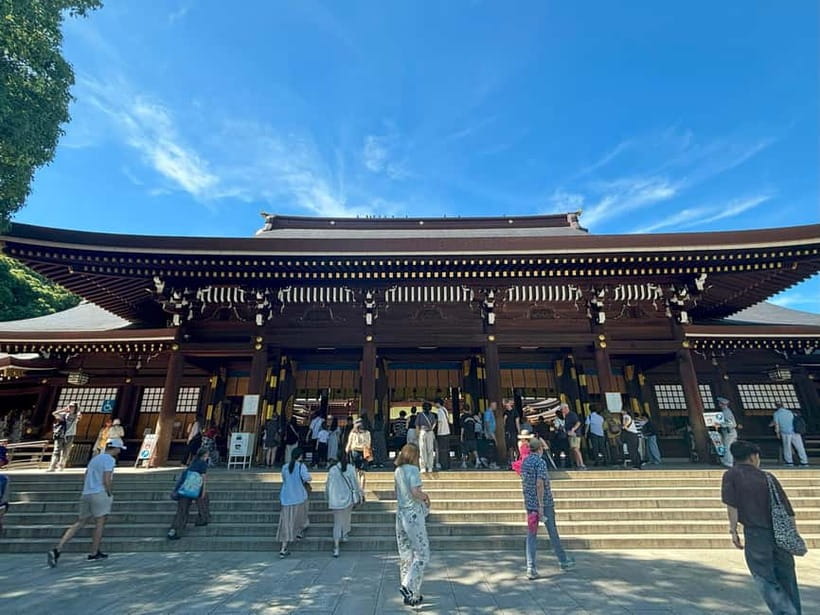
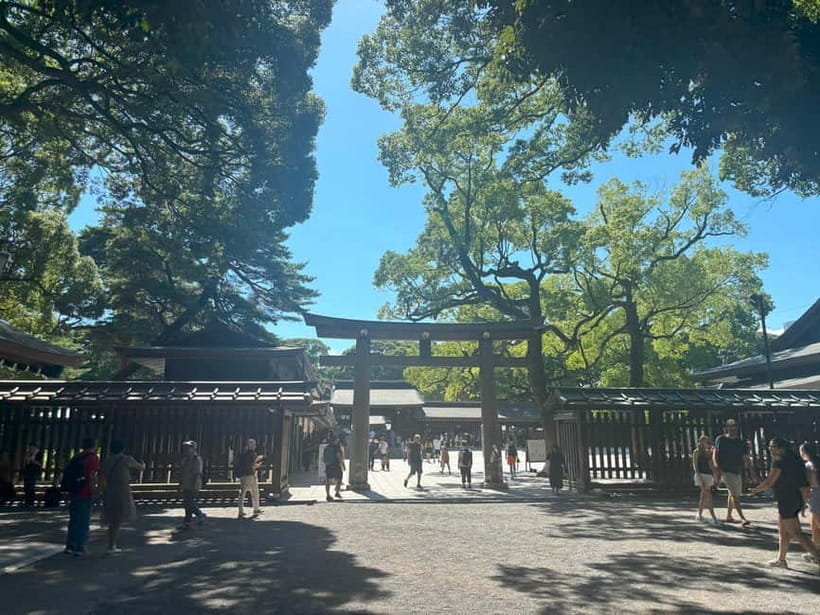
Meiji Jingu is the headline stop for a reason. You spend about 1.5 hours here with a guided visit and sightseeing time. The big payoff is the change in atmosphere. Even if you’re seeing Tokyo for the first time, the shrine grounds make it clear that Japan’s spiritual spaces are not just museum pieces.
What I like about the guide-led approach is that you don’t have to guess what you’re looking at. Shinto customs, the meaning behind certain rituals, and how people behave inside the space can be confusing if you’re going in cold. With a good English-speaking guide, it clicks quickly—so your time feels intentional, not like you’re just walking past things.
You also have an optional add-on: the Meiji Jingu museum. The entrance fee is 1,000 yen per person and is not included in the tour price. If you want more context on the shrine’s story, it’s a worthwhile choice. If you’d rather spend that time looking around outdoors and catching the mood in the forest, skip it and stay outside.
Practical tip: the shrine area is peaceful, but it’s still outdoors. Wear comfortable shoes and keep your water handy.
Yoyogi Park: the short green pause that keeps the day from feeling heavy
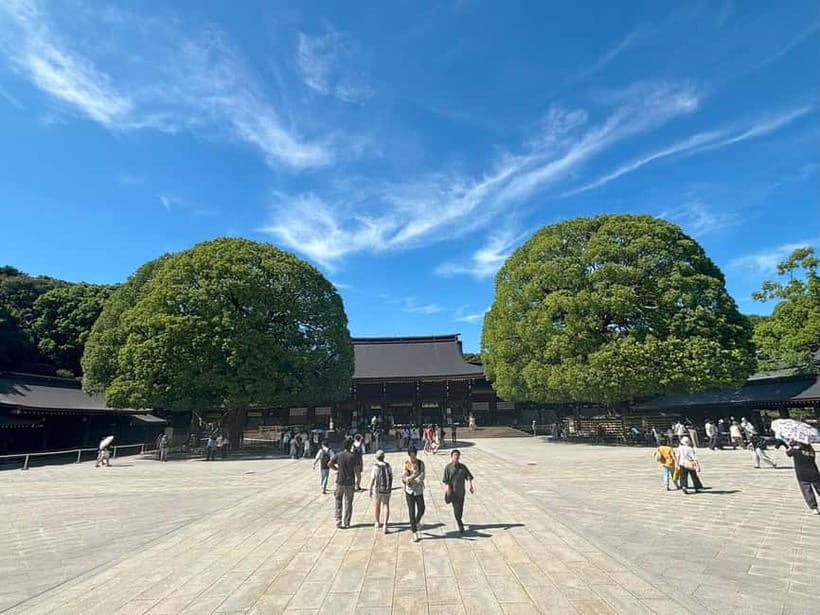
After Meiji Jingu, the tour shifts to Yoyogi Park for about 30 minutes. It’s a simple stop on paper. In real life, it’s the balance point.
This is where you walk from “quiet attention” to “casual Tokyo life.” You get greenery and open space without the commitment of a full afternoon in a park. It’s also a useful buffer. By the time you reach Takeshita Street, you don’t feel frazzled—you’re ready to enjoy the contrast instead of just enduring it.
If you’re the type who likes people-watching (but also likes a break from crowds), this stop hits the sweet spot. You can reset your brain, re-check your map for the next leg, and take photos without fighting for footing every second.
Takeshita Street: Harajuku’s pop-culture shopping lane, explained so you don’t miss the point
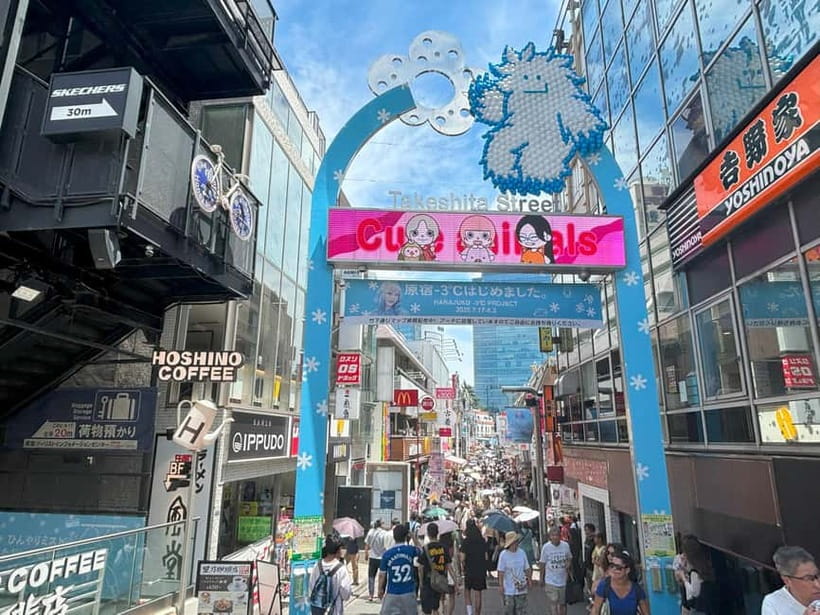
Takeshita Street is where Tokyo’s youth culture shows up in full color. On this tour you get about 1 hour here, with guided sightseeing and time for shopping.
Here’s what I think makes the difference between enjoying Takeshita Street and suffering through it: direction. Without context, it’s easy to treat it like just another souvenir corridor. With a guide, you’re more likely to notice what’s happening—why certain shops are there, what kinds of items are popular, and how the whole place fits into Harajuku’s identity.
Also, street-level shopping is best when you’re efficient. The guided time helps you avoid aimless drifting. You can still browse at your own speed, but you’re not wandering for an hour just to find out you didn’t know what you wanted.
You might even get smart detours to places that don’t show up as obviously on your first Google search—some guides have been known to add stops like small local-artist promotion spots. That part depends on your guide and your group, so treat it as a bonus, not a promise.
And yes, you will smell snacks at some point. Keep moving, but if you do grab a bite, remember meals aren’t included.
- Tokyo: Shinjuku Food Tour (13 Dishes at 4 Local Eateries)★ 5.0 · 6,603 reviews
- Tokyo Mt Fuji 5th St & Hakone Cruise Bus Tour w/Bullet Train★ 4.4 · 5,024 reviews
- Flagship 2-Hours Official Street Go-Kart Tour – Tokyo Bay Shop★ 5.0 · 4,974 reviews
- From Tokyo: Mount Fuji Full-Day Sightseeing Trip★ 4.5 · 4,970 reviews
- Tokyo: Hop-On Hop-Off Sightseeing Bus Ticket★ 3.9 · 4,207 reviews
Omotesando Avenue: style, architecture, and a calmer ending than you’d expect
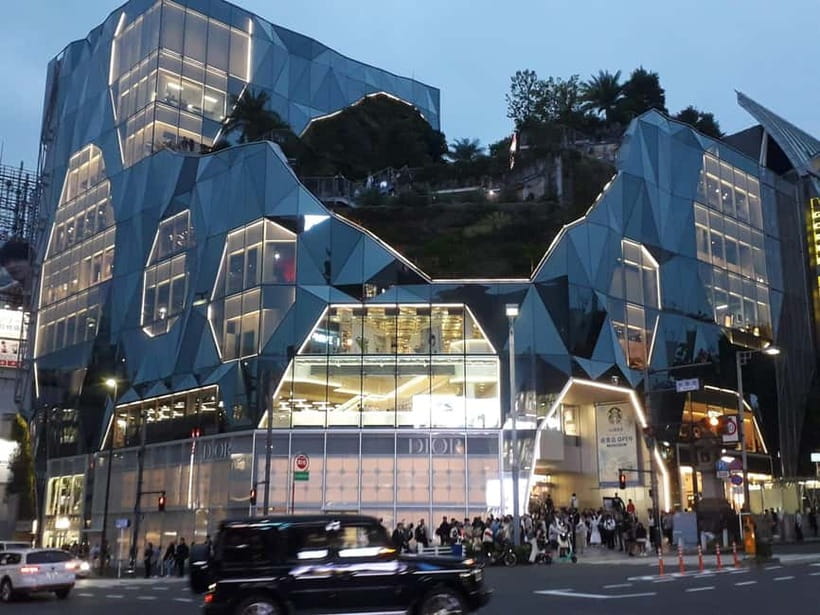
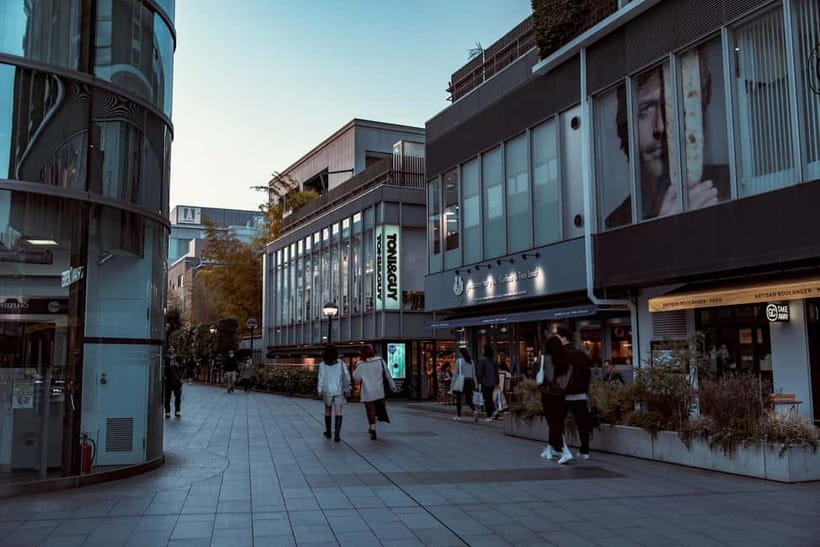
The tour’s final stretch is about 30 minutes on Omotesando Avenue. Think sleek, modern, and more fashion-forward in a grown-up way than Takeshita’s “anything goes” vibe.
Omotesando is often called Tokyo’s Champs-Élysées, and the comparison isn’t just marketing talk. The avenue has a polished look, with boutiques and architectural variety that makes walking feel more like sightseeing than shopping errands.
Why this ending matters: it gives you a cleaner exit from the day. Takeshita Street can be dense. Omotesando feels like a release valve—still stylish, but with more room to move, think, and photograph.
If you’ve got energy left after the tour, this area is also a good spot to keep exploring on your own. It’s a natural transition from “guided highlights” to “I found what I like.”
Guide quality is the real value add (names you might hear)
The tour’s big advantage is the English-speaking guide, and the reviews paint a consistent picture: friendly, professional, and genuinely able to explain what you’re seeing.
I’ve seen examples of guides like Chit Ng Li, Ritsuko, and Aska mentioned for being engaging and for making the facts feel fun, not like a lecture. When a guide has that blend of clear explanations and good humor, your time in a place like Meiji Jingu improves fast. You’re not just looking—you understand what you’re looking at.
Another highly praised aspect is how small-group formats can give you freedom. That can mean asking extra questions, choosing what to focus on, and not feeling like you’re being dragged through a checklist. Even when the schedule is tight, a good guide makes it feel like your afternoon, not their itinerary.
Price and value: is $36 fair for 3 hours in central Tokyo?
At $36 per person for a 3-hour guided walking tour, the value comes from two things: you’re paying for a fluent guide plus a route that strings together very different Tokyo neighborhoods without you needing to plan every turn.
What makes the math feel reasonable:
- You’re getting guided time across multiple major areas (Meiji Jingu, Yoyogi Park, Takeshita Street, Omotesando).
- You’re not spending your visit deciphering where to go next.
- It’s designed for a short window—handy if you only have one afternoon for this part of Tokyo.
What costs extra:
- The Meiji Jingu museum entrance fee, at 1,000 yen per person, isn’t included.
- Meals and beverages are on you.
So yes, $36 is a good deal for a structured highlight tour—especially if you’re visiting for the first time and you want less guesswork. If you’re the type who already loves self-guided walking and reads everything on signs, you could do this on your own. But the guide helps you get meaning out of the stops, not just photos.
What to bring for a comfortable walk (and fewer regrets)
This is a walking-heavy plan, so pack for comfort. The essentials listed for this tour are smart:
- Comfortable shoes
- Sunglasses
- Umbrella
- Sunscreen
- A reusable water bottle
If you skip one of these, you’ll feel it fast. Tokyo weather can shift, and shade matters. Also, Hats and umbrellas aren’t just for looks. They keep your day pleasant enough that you can enjoy the shrine calm and the street energy instead of thinking about heat or glare.
Who should book this tour, and who should skip it
This tour is a strong fit if you want a balanced Tokyo snapshot in a short time:
- first-time visitors who want both traditional and modern Tokyo in one afternoon
- people who like street-level shopping but still want context
- anyone who values an English guide that explains what they’re seeing
It is not suitable for:
- pregnant women
- people with mobility impairments
- people with respiratory issues
- people with high blood pressure
If you fall into any of those categories, don’t force it. A tour like this is compact, and the walking pace is part of the experience.
Should you book this Tokyo walking tour?
Book it if you want an easy, guided way to connect Tokyo’s shrine calm to Harajuku’s style scene, then land on an elegant boulevard for your finale. The time split is well thought out, and the guide is the difference between a random stroll and a meaningful one—especially in Meiji Jingu.
Skip it if you hate walking, need lots of downtime, or prefer very loose self-exploration with zero structure. Also, if you strongly want museum time and want lots of extra indoor stops, this tour’s short format might feel tight.
If your goal is a confident, story-driven afternoon—this one is a solid choice.
FAQ
How long is the Tokyo Meiji Jingu, Yoyogi Park & Takeshita Street Tour?
It lasts 3 hours.
How much does the tour cost, and what’s included?
The price is $36 per person and includes an English-speaking guide and 3 hours of guided walking.
Is the Meiji Jingu museum included?
The tour does not include the Meiji shrine museum entrance fee, which is 1,000 yen per person.
Where do I meet the guide?
Meet at JR Harajuku Station West Exit. Look for a guide wearing a TripGuru shirt or holding a TripGuru sign.
What if I arrive late?
Be at the meeting point at least 10 minutes early. The guide will wait a maximum of 10 minutes before proceeding.
Is the tour guide available in English?
Yes. The tour guide is English-speaking.
Is this tour private or small-group?
It offers private or small groups available.
What should I bring for the tour?
Bring comfortable shoes, sunglasses, an umbrella, sunscreen, and a reusable water bottle.
What is the cancellation policy?
You can cancel up to 24 hours in advance for a full refund.
More Tours in Tokyo
- Mt Fuji and Hakone 1-Day Bus Tour Return by Bullet Train
★ 5.0 · 26,383 reviews - 1-Day Tokyo Bus Tour
★ 5.0 · 14,250 reviews - Tokyo: Shinjuku Food Tour (13 Dishes at 4 Local Eateries)
★ 5.0 · 6,603 reviews - Tokyo Mt Fuji 5th St & Hakone Cruise Bus Tour w/Bullet Train
★ 4.4 · 5,024 reviews - Flagship 2-Hours Official Street Go-Kart Tour – Tokyo Bay Shop
★ 5.0 · 4,974 reviews
More Tour Reviews in Tokyo
- Mt Fuji and Hakone 1-Day Bus Tour Return by Bullet Train
★ 5.0 · 26,383 reviews - 1-Day Tokyo Bus Tour
★ 5.0 · 14,250 reviews - Tokyo: teamLab Planets TOKYO Digital Art Museum Entry Ticket
★ 4.6 · 9,779 reviews - Mt Fuji & Hakone Cruise, Drum Show Bullet Train 1 Day from Tokyo
★ 4.0 · 7,413 reviews - Tokyo: Shinjuku Food Tour (13 Dishes at 4 Local Eateries)
★ 5.0 · 6,603 reviews
More Meiji Shrine Hours, Rated
- Tokyo: Meiji Shrine, Asakusa, Skytree Bus Tour and Cruise
★ 4.7 · 1,986 reviews - Tokyo Panoramic 1 Day: Meiji Shrine, Asakusa, Odaiba and SKYTREE®
★ 4.5 · 1,222 reviews - Tokyo: Meiji Shrine Walking Tour — Shinto & Imperial System
★ 4.9 · 266 reviews - Tokyo: Meiji Jingu Shrine and Shinto Culture Walking Tour
★ 5.0 · 245 reviews - Tokyo: Meiji Shrine and Shinto Culture Walking Tour
★ 5.0 · 225 reviews
Latest Tokyo reviews off our desk

Meiji Shrine Tours, compared.
 ★ 4.7Meiji Shrine, Asakusa, Skytree Bus Tour and CruiseFrom $1221,986 reviews
 ★ 4.5Tokyo Panoramic 1 Day: Meiji Shrine, Asakusa, Odaiba and SKYTREE®From $851,222 reviews
 ★ 4.9Meiji Shrine Walking Tour — Shinto & Imperial SystemFrom $23266 reviews
 ★ 5.0Meiji Jingu Shrine and Shinto Culture Walking TourFrom $19245 reviews
 ★ 5.0Meiji Shrine and Shinto Culture Walking TourFrom $18225 reviews
 ★ 5.0Meiji Shrine Walking Tour — Shintoism & Imperial SystemFrom $21209 reviews
 ★ 5.0Tokyo Morning Tour: Asakusa, Meiji Shrine and Tsukiji Fish MarketFrom $157128 reviews
 ★ 5.0Tokyo Morning Tour : Meiji Shrine, Asakusa and Fish MarketFrom $72102 reviews
Browse the lists this tour appears in