
Reviewed · CRAFT & ARTISAN WORKSHOPS
Tokyo: Name Seal & Pouch or Tote Bag Making Experience
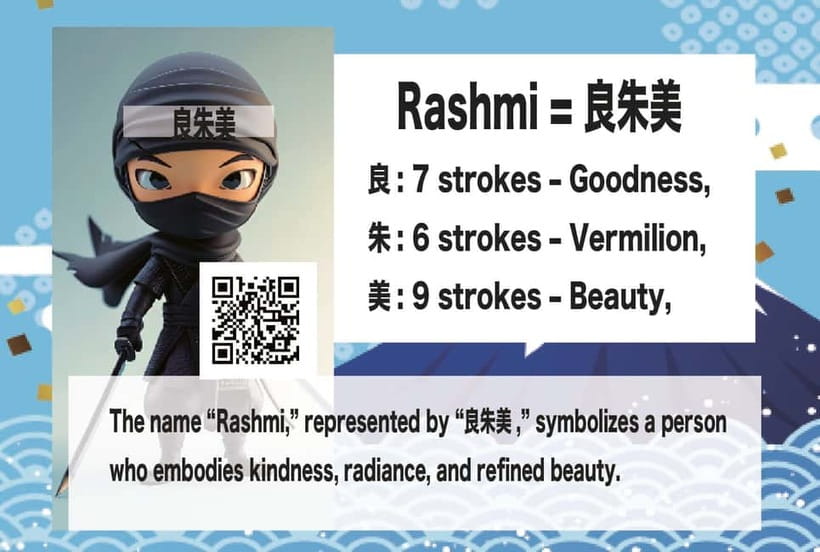
A custom name seal turns Tokyo into something personal fast. I love that you leave with a real inkan-style stamp plus a matching pouch or tote you customized with your Japanese name. The second big plus is how hands-on the class feels, with English guidance and calligraphy practice while your seal is made. One thing to consider: if you’re choosing Kanji, you’ll need to plan ahead, because your stamp takes extra production time.
In Roppongi, this is a short class that feels purposeful, not rushed. You pick your characters (Kanji or Hiragana), choose the seal style and bag design, and then the workshop team helps shape your final look. It’s also small—limited to 5 participants—so questions don’t get lost in the crowd.
In This Review
- Key things that make this Tokyo seal-making experience worth your time
- Why an inkan name seal class in Roppongi feels more meaningful than a typical craft
- Picking Kanji vs Hiragana: what changes and how to choose
- Kanji stamps (square, 24mm)
- Hiragana stamps (round, 12mm)
- Your bag will match your choice of characters
- The pouch or tote: how the design choices work (and what you’ll really get)
- Custom name pouch (silver or gold)
- Custom name tote (and its design system)
- What the 30–40 minute class feels like inside the studio
- Step 1: set your choices (so your time goes smoothly)
- Step 2: create and practice while production happens
- Step 3: make a personalized postcard
- Step 4: take home your stamp plus your bag
- Getting there: Roppongi Station Exit 7 and a simple walking route
- By train (Toei Oedo Line)
- By taxi
- Price and value: what $29 buys you in real terms
- Who this is best for (and who might feel it’s not a fit)
- You’ll probably love it if you:
- Consider skipping or adjusting expectations if you:
- Practical tips so your seal looks right (before you even arrive)
- Should you book the Tokyo custom name seal experience?
- FAQ
- What will I create in this Tokyo experience?
- How do I choose between a Kanji or Hiragana stamp?
- Do I need to provide my name and design in advance?
- What can I customize on the tote bag?
- Is the group small?
- How long does the class take?
- Where is the meeting point and how do I get there?
Key things that make this Tokyo seal-making experience worth your time
- You get to choose Kanji or Hiragana, including a square Kanji stamp (24mm) or a round Hiragana stamp (12mm)
- Personal meaning matters when choosing Kanji characters, with staff guidance based on your name’s sound/meaning
- You personalize more than one item, a name seal plus a matching pouch or tote with your name
- Calligraphy is part of the wait, so your time doesn’t feel passive while your custom stamp is being produced
- Your bag design options are specific, Mt. Fuji, pine tree, kiri-mon floral leaf, or a Maiko girl
- It’s fast and small-group, designed for about 30–40 minutes per person in the studio
Why an inkan name seal class in Roppongi feels more meaningful than a typical craft
Tokyo is full of souvenirs. This one works differently because it’s rooted in something people still use. In Japan, inkan (seal stamps) show up in both business and daily life, and that cultural weight is part of what makes a custom stamp feel like more than decoration.
The magic here is that you’re not just picking a pre-made item. You’re building a seal that carries your name in Japanese characters. If you go the Kanji route, the experience includes guidance on selecting auspicious characters based on meaning and sound, which helps your stamp feel intentional rather than random.
I also like that the final bundle is practical in the way souvenirs rarely are. You’ll take home the name stamp itself, plus a personalized pouch or tote, so your new Japanese “identity” shows up in everyday use. That matching set is satisfying: one name, two objects, one theme.
The only real trade-off is time. Custom-made items take production time, and Kanji needs more of it. If you’re tight on schedule, plan for the full 30–40 minutes per person and expect some sessions to run closer to the longer end when the studio is busy.
More hands-on studios our readers booked
- Tokyo Shinjuku Chopsticks Making Class
★ 5.0 · 1,763 reviews - Chopstick Making Workshop in Ginza
★ 4.8 · 1,366 reviews - Kintsugi Experience: Art of Golden Joinery in Tokyo
★ 5.0 · 467 reviews - Tokyo Chopstick Making Workshop with Artisan
★ 5.0 · 466 reviews
Picking Kanji vs Hiragana: what changes and how to choose
Before you go, you’ll decide how you want your name represented: Kanji or Hiragana. This decision affects both the stamp style and how much planning you need.
Kanji stamps (square, 24mm)
If you choose Kanji, you’ll get:
- A square type stamp (24mm) using Kanji characters
- Support from staff to select beautiful and auspicious characters based on meaning and your name’s sound
Kanji is the choice I’d make if you want your seal to look bold and classic and you enjoy the extra layer of meaning. Just remember: Kanji character work takes time, so you’ll need to provide key choices in advance.
Hiragana stamps (round, 12mm)
If you choose Hiragana, you’ll get:
- A round type stamp (12mm) using Hiragana
- A simpler path when you prefer an easier-to-read phonetic style
Hiragana can be a good option if you want your name to look approachable and consistent with how it sounds, without the extra step of selecting Kanji characters.
Your bag will match your choice of characters
Whether you choose Kanji or Hiragana for the stamp, your pouch or tote is also personalized with your name using the same style of characters. That means you’re building a cohesive set, not mixing visual languages at random.
- Tokyo: Shinjuku Food Tour (13 Dishes at 4 Local Eateries)★ 5.0 · 6,603 reviews
- Tokyo Mt Fuji 5th St & Hakone Cruise Bus Tour w/Bullet Train★ 4.4 · 5,024 reviews
- Flagship 2-Hours Official Street Go-Kart Tour – Tokyo Bay Shop★ 5.0 · 4,974 reviews
- From Tokyo: Mount Fuji Full-Day Sightseeing Trip★ 4.5 · 4,970 reviews
- Tokyo: Hop-On Hop-Off Sightseeing Bus Ticket★ 3.9 · 4,207 reviews
The pouch or tote: how the design choices work (and what you’ll really get)
The experience includes a custom name pouch or tote bag, both personalized using your Japanese name. The big difference is how much design control you get, and what’s included.
Custom name pouch (silver or gold)
If you choose the pouch, you’ll pick:
- A pouch color: gold or silver
- Your name in Kanji or Hiragana on the pouch
You’ll leave with a clean, compact keepsake that’s designed to actually hold small things.
Custom name tote (and its design system)
If you choose the tote bag, you get more visual options. For Kanji stamps, you can select one of four bag designs:
- Mt. Fuji
- Pine tree (Matsu)
- Floral leaf (Kiri-mon)
- Girl (Maiko)
You also get decoration choices for the tote:
- You can choose three decorations such as cherry blossoms or stars
- If you want more than three decorations, extra charges apply
One smart way to approach the tote: pick a design that matches how you want the tote to feel. Mt. Fuji and pine tree read more calm and classic. Kiri-mon floral leaf feels elegant and symbolic. The Maiko girl option is more playful and instantly recognizable.
What the 30–40 minute class feels like inside the studio
You’ll meet at Roppongi Hanko at Shodocafe7557 in the Crest Roppongi building (2F). From there, the whole class is built around a simple flow: decide your design choices, write and practice calligraphy, then wait while your custom stamp is produced.
Step 1: set your choices (so your time goes smoothly)
For Kanji stamps, the process requires planning. You’ll be asked in advance for:
- Your name (for Japanese character translation)
- The bag design option (one of the four listed)
- Pouch/tote color choice if relevant (gold or silver for the pouch)
If you’re traveling with multiple people, you’ll also want everyone’s names ready so the staff can prepare accurately.
Step 2: create and practice while production happens
The workshop is not just a factory for stamps. The guide teaches calligraphy, and during the time your items are being made, you’ll get encouragement to practice writing your name in the style you chose.
This matters because you’re not only taking home something pretty—you’re learning a skill. Even a short class can change how you see Japanese writing, and it gives you something to show someone back home without needing extra explanation.
Step 3: make a personalized postcard
While you wait, you’ll also create a personalized postcard featuring calligraphy art. This is a small extra, but it turns your visit into something you can use later. It’s also a nice way to keep your hands busy while the custom parts are prepared.
Step 4: take home your stamp plus your bag
By the end, you should have:
- Your custom name seal stamp (square Kanji 24mm or round Hiragana 12mm)
- Your custom name pouch or tote bag
- Your personalized postcard
The studio is set up for English-speaking guidance, and the class is small enough that you should feel comfortable asking questions, especially if you want help selecting characters or fine-tuning your final look.
Getting there: Roppongi Station Exit 7 and a simple walking route
This is a practical location question, because Roppongi can feel busy and confusing when you’re new to the area.
By train (Toei Oedo Line)
- Take the Toei Oedo Line and get off at Roppongi Station
- Use Exit No. 7
- Cross the pedestrian crossing toward FamilyMart and keep to the right
- Walk toward the National Art Center, Tokyo along museum street
- Look for a large crane sign on the left
- The studio is on the 2nd floor of the Crest Roppongi building
If you prefer not to navigate on foot, you can also search Shodocafe7557 in Google Maps.
By taxi
Show the driver:
- Shodocafe7557 in Crest Roppongi building, near the National Art Center Tokyo
Then confirm the address:
- 7-9-3 Roppongi, Minato-ku, Tokyo – Crest Roppongi Building 2F
Price and value: what $29 buys you in real terms
At $29 per person, this experience is good value because you’re not paying just for time—you’re paying for custom outputs.
Here’s what your money is covering:
- A custom name stamp made for your selected character system (Kanji or Hiragana)
- Your pouch or tote personalized with your name
- Character translation guidance and design help (especially for Kanji)
- A personalized postcard with calligraphy art
- An English-speaking guide in a small-group format
A key point: the stamp and bag are custom-made. That shifts the cost from a generic souvenir class into a personalized craft with a longer “life” after the activity. You can keep using the pouch or tote, and the stamp itself becomes a lasting memory you can hold in your hand for years.
If you’re comparing value, focus on the combination: stamp + named bag + calligraphy practice + postcard. Many craft classes give you one item. This one stacks the experience into a small, tight time window.
Who this is best for (and who might feel it’s not a fit)
This is a strong choice if you want something distinctly Japanese that isn’t just sightseeing photos.
You’ll probably love it if you:
- Want a souvenir that’s personal, not generic
- Like calligraphy or want a guided way to learn basic writing
- Are traveling as a couple, family, or small group (it’s limited to 5)
- Prefer experiences with English support and clear instructions
Consider skipping or adjusting expectations if you:
- Are on an extremely tight schedule and can’t afford custom production time (Kanji needs more lead time)
- Want a long, in-depth cultural lecture rather than a hands-on making session
- Don’t want to plan choices in advance (especially Kanji stamp details and bag design)
Also note the studio is wheelchair accessible, so mobility shouldn’t be a barrier.
Practical tips so your seal looks right (before you even arrive)
This class rewards preparation. Do these things and you’ll feel calm when you walk in.
- Decide early whether you want Kanji or Hiragana for your name.
- For Kanji stamps, provide your name and the bag design option in advance. Also include the pouch color (gold or silver) if you chose the pouch.
- If you’re making a tote, plan your decoration choices. You get three decorations included, so pick cherry blossoms or stars thoughtfully.
- If you’re traveling with kids or family members, do the character decisions ahead of time. The calligraphy practice is part of the fun, but reducing decision-making keeps the class running smoothly.
One more small thing: bring patience. Custom work takes time, and the workshop is built around that rhythm. The calligraphy practice and postcard are there to keep you engaged while your items are being made.
Should you book the Tokyo custom name seal experience?
Book it if you want a short, guided craft with real cultural roots—and you like the idea of leaving with a matching ink-style seal stamp and a personalized pouch or tote. It’s also a great fit for small groups because the class stays focused and English guidance is built in.
Skip it if you hate planning ahead or you’re unwilling to work within the production-time reality of custom Kanji. In that case, consider a simpler souvenir option elsewhere.
If you’re on the fence, I’d make the decision based on one question: do you want your Tokyo souvenir to be something you’ll actually use, not just display? If yes, this one has a strong case.
FAQ
What will I create in this Tokyo experience?
You’ll create a personalized Japanese name seal stamp (inkan-style) and personalize either a pouch or a tote bag with your name in Kanji or Hiragana. You’ll also make a personalized postcard with calligraphy art while you wait.
How do I choose between a Kanji or Hiragana stamp?
You choose the character style when booking. Kanji stamps are square (24mm), and Hiragana stamps are round (12mm). For Kanji, staff help select auspicious characters based on the meaning and sound of your name.
Do I need to provide my name and design in advance?
For Kanji stamps, yes. You need to provide your name plus the selected bag design (from Mt. Fuji, Pine Tree, Floral Leaf Kiri-mon, or Maiko Girl) in advance. You also provide pouch color (gold or silver) if you choose the pouch.
What can I customize on the tote bag?
For the tote bag, you’ll choose one of four designs (for Kanji stamps): Mt. Fuji, Pine Tree, Floral Leaf Kiri-mon, or Maiko Girl. You’ll also choose three decorations such as cherry blossoms or stars.
Is the group small?
Yes. The experience is a small group with a limit of 5 participants.
How long does the class take?
Plan on about 30–40 minutes.
Where is the meeting point and how do I get there?
You’ll meet at Roppongi Hanko at Shodocafe7557 in the Crest Roppongi building, 2F. By train, take the Toei Oedo Line to Roppongi Station and use Exit No.7, then walk toward the National Art Center along museum street.
More Tour Reviews in Tokyo
- Mt Fuji and Hakone 1-Day Bus Tour Return by Bullet Train
★ 5.0 · 26,383 reviews - 1-Day Tokyo Bus Tour
★ 5.0 · 14,250 reviews - Tokyo: teamLab Planets TOKYO Digital Art Museum Entry Ticket
★ 4.6 · 9,779 reviews - Mt Fuji & Hakone Cruise, Drum Show Bullet Train 1 Day from Tokyo
★ 4.0 · 7,413 reviews - Tokyo: Shinjuku Food Tour (13 Dishes at 4 Local Eateries)
★ 5.0 · 6,603 reviews
More Artisan Workshops in Tokyo
- Tokyo Shinjuku Chopsticks Making Class
★ 5.0 · 1,763 reviews - Chopstick Making Workshop in Ginza
★ 4.8 · 1,366 reviews - Kintsugi Experience: Art of Golden Joinery in Tokyo
★ 5.0 · 467 reviews - Tokyo Chopstick Making Workshop with Artisan
★ 5.0 · 466 reviews - Tokyo: Shinjuku Chopstick Making Class
★ 4.9 · 440 reviews
Latest Tokyo reviews off our desk






Craft & Artisan Workshops, compared.
 ★ 5.0Tokyo Shinjuku Chopsticks Making ClassFrom $201,763 reviews
 ★ 4.8Chopstick Making Workshop in GinzaFrom $251,366 reviews
 ★ 5.0Kintsugi Experience: Art of Golden Joinery in TokyoFrom $59467 reviews
 ★ 5.0Tokyo Chopstick Making Workshop with ArtisanFrom $26466 reviews
 ★ 5.0Authentic Pure Gold Kintsugi Workshop with Master Taku in TokyoFrom $142217 reviews
 ★ 5.0Calligraphy on Kanji Fan & Scroll with DrinkFrom $53210 reviews
Browse the lists this tour appears in