
Reviewed · MORNING
TOKYO , No1 Yokozuna Stable Morning Practice in Ryogoku
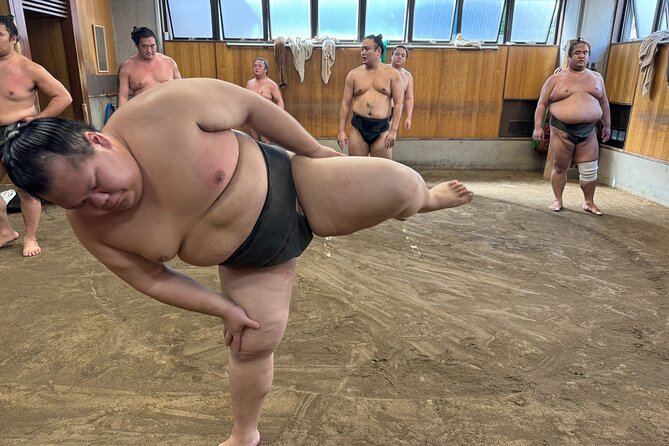
Morning sumo smells like history. This tour gives you a rare chance to watch Yokozuna-level training at a prestigious stable led by a grand champion, and I like that the guide adds clear context so you know what you’re seeing. Another big plus is how it keeps you in one focused area—Ryogoku—with a short morning schedule that feels efficient. The main drawback to consider: you have to be on time for the early meeting, and your time at the paid museum stop is brief.
You’ll also get a small-group feel, with a maximum of 14 people. In past trips, guides such as Rothko and Ryoko have been praised for making the morning understandable without turning it into a lecture, which matters when you’re trying to follow the action.
The practical side is good, too: you receive a mobile ticket, the stable admission is included, and you get a small gift from the stable. The one trade-off is that meals and transportation aren’t included, so you’ll want to plan what you’ll do after the tour.
In This Review
- Key highlights you should care about
- Early start in Ryogoku: meeting at the West Exit (7:45 a.m.)
- The sumo stable experience: quiet observation with real training energy
- Why watching a Yokozuna-led stable is different
- Nominosukune Shrine: the sumo deity stop you’ll actually remember
- Ryogoku Kokugikan and the Sumo Museum: quick atmosphere, smart context
- Sumida Hokusai Museum: Edo art for sumo fans and everyone else
- Ryogoku Edo Noren: snack time in an old-station style setting
- Timing, group size, and why the morning schedule works
- Price and value: what $110 buys you (and what it doesn’t)
- Who this tour fits best
- Final call: should you book No1 Yokozuna Stable Morning Practice in Ryogoku?
- FAQ
- What time does the tour start?
- How long is the tour?
- What’s the price per person?
- Is the sumo stable admission included?
- Do I need to pay for the Sumida Hokusai Museum?
- Can I take photos during the practice?
- What’s the group size limit?
- What happens if the tour is canceled?
- Is transportation included?
Key highlights you should care about
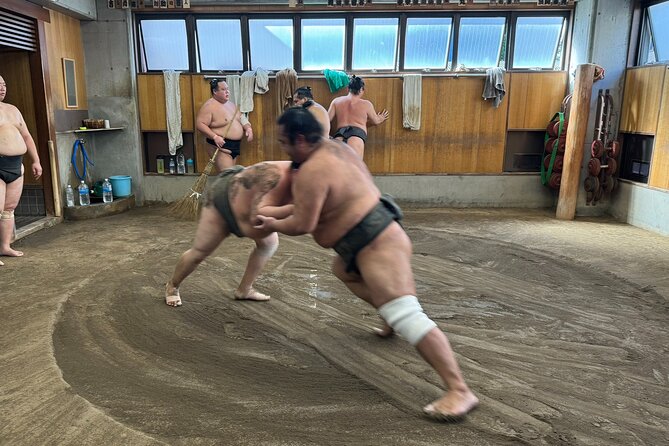
- Close-up morning practice at a Yokozuna-led stable with a quiet, Shinto-informed training atmosphere
- Small group format (up to 14 people) that keeps the walk-and-watch rhythm smooth
- Ryogoku landmarks in one morning: Nominosukune Shrine and the Kokugikan area
- Sumida’s Edo art connection at the Sumida Hokusai Museum (ticket not included)
- A short stop for Edo-style food at Ryogoku Edo Noren near the old-station setting
Early start in Ryogoku: meeting at the West Exit (7:45 a.m.)
This tour starts early—at 7:45 a.m.—because the whole point is morning practice, when sumo training happens before the city fully wakes up. Meet your guide in front of the 7-Eleven right after you exit the West Exit of JR Ryogoku Station. That sounds simple, but it’s the kind of meeting point where a few minutes of hesitation can throw off your whole morning.
From Ryogoku Station, you’ll head to the stable first, with a brief sumo introduction from your guide. That matters. Even if you know the basics of sumo, you’ll get a quick map of how the morning flows—what you’re about to see, and how to watch it respectfully. This is also where I like the tour’s pacing: short walk, quick setup, then straight into the main event.
A small, practical tip: wear something comfortable for standing and moving at early morning pace. You’ll be watching closely, and you don’t want your feet doing the complaining part of the program.
Readers also shortlisted these Tokyo bookings:
- Tokyo: Sumo Morning Practice Viewing Tour
★ 4.8 · 570 reviews - Tokyo: Sumo Morning Training Visit
★ 4.4 · 370 reviews - Tokyo: Visit Sumo Morning Practice with English Guide
★ 4.7 · 343 reviews - Tokyo: Sumo Morning Practice Tour at Sumida City
★ 4.8 · 308 reviews
The sumo stable experience: quiet observation with real training energy
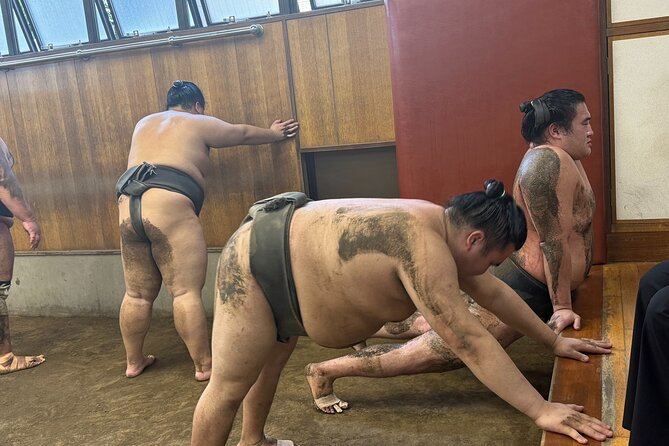
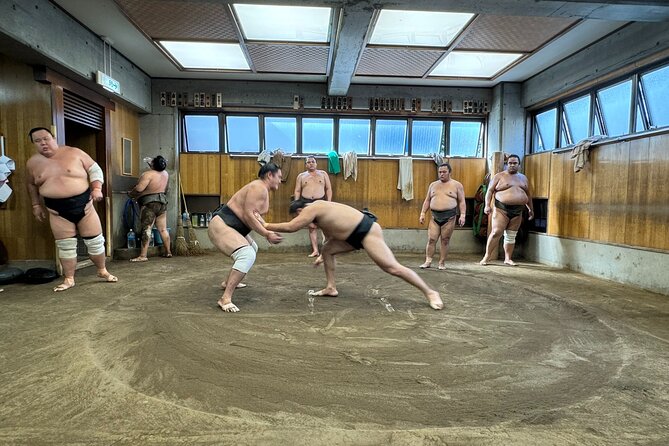
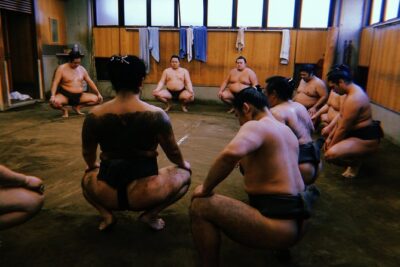
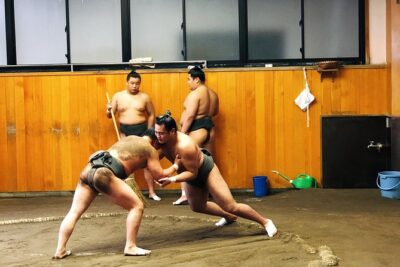
The heart of this tour is the morning practice at the stable. You’ll observe the wrestlers training up close, and the session is described as being based on Shinto traditions. That’s your clue that this isn’t just sports viewing. It’s ritual, discipline, and routine—so your role is to watch quietly and with respect.
What you’ll likely notice fast is how focused the training feels. There’s an order to what’s happening, and you’ll understand it better with your guide nearby. The guide’s job isn’t to distract from the action—it’s to help you interpret it so you can actually make sense of what you’re seeing while staying out of the way.
One of the strongest elements here is proximity. The tour info points out that if you’re lucky, you may have a chance to take photos with a wrestler. I’d treat that as a bonus, not a guarantee, but it’s a nice possibility—especially on a morning when you’re already getting the closest look most visitors ever manage.
Also, the tour is built to keep you from feeling rushed into a checklist. You have about 1 hour 30 minutes at the stable. That’s a helpful amount of time: long enough to observe patterns, short enough that you stay sharp.
Why watching a Yokozuna-led stable is different
The standout selling point is that the stable is led by a Yokozuna, and the tour frames it around the rare world of grand champions. You’re not watching sumo as a distant TV product. You’re watching the training environment of athletes tied to the very top of the sport’s history.
When you’re in that setting, it changes how you pay attention. You start noticing the details: timing, intensity, and the way wrestlers warm up and work through their routines. Even if you’re brand-new to sumo, you’ll pick up the discipline fast because the morning is structured around practice, not performance.
This is also where the “no talking during the practice” vibe matters. You’ll get the best experience if you lean into that calm. Don’t fight for noise. Let the morning do its work.
Nominosukune Shrine: the sumo deity stop you’ll actually remember
After the stable, the tour shifts from training grounds to spiritual context at Nominosukune Shrine. This stop is about more than pretty shrine architecture. It connects sumo to its Shinto roots, specifically through Nominosukune, the shrine’s dedication to the sumo deity.
You’ll also see stone monuments of past Yokozuna in the shrine grounds. That detail gives you a physical timeline—names and legacies carved into place, tied to the sport’s ranking culture.
There’s even a specific tradition highlighted here: it’s said to be a custom for newly promoted Yokozuna to perform their first ring-entering at the shrine. So when you look around, you’re not just seeing a landmark. You’re seeing where a key ceremonial moment happens for the sport’s highest rank.
This is a good time to slow down, take a few photos if allowed, and let the story click: sumo is athletic training, yes—but it’s also belief, identity, and ceremony.
Ryogoku Kokugikan and the Sumo Museum: quick atmosphere, smart context
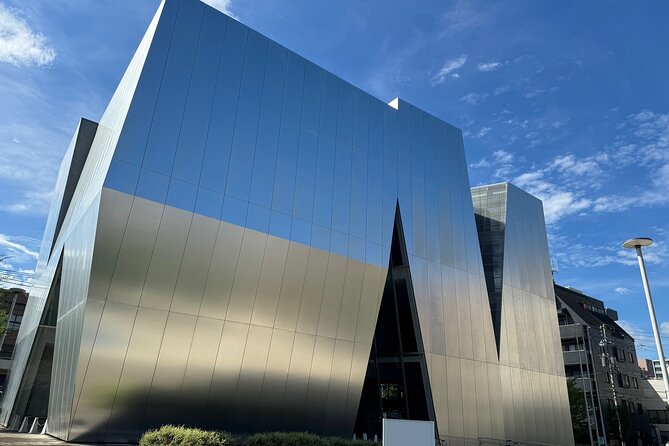
Next up is the Ryogoku Kokugikan area, the famous national sumo arena. The tour keeps this as a walk-past moment. If you have the right timing, you’ll catch the surrounding energy that makes this place feel like the center of sumo life.
It’s also worth knowing the tour notes that the Grand Sumo Tournament happens three times a year. That’s useful context because it helps you understand why Ryogoku matters even when there’s no tournament going on. The city neighborhood is geared toward the sport’s schedule.
The Sumo Museum may be included depending on time. The tour description says it’s free, and it notes closures on weekends and a partial schedule phrase that’s cut off. So treat it like: plan for a quick look if it’s open, but don’t assume you’ll have a long museum moment.
Even if your visit is brief, this stop helps you connect what you just watched (morning practice) to what you might see later in a tournament setting (the arena).
- Tokyo: Shinjuku Food Tour (13 Dishes at 4 Local Eateries)★ 5.0 · 6,603 reviews
- Tokyo Mt Fuji 5th St & Hakone Cruise Bus Tour w/Bullet Train★ 4.4 · 5,024 reviews
- Flagship 2-Hours Official Street Go-Kart Tour – Tokyo Bay Shop★ 5.0 · 4,974 reviews
- From Tokyo: Mount Fuji Full-Day Sightseeing Trip★ 4.5 · 4,970 reviews
- Tokyo: Hop-On Hop-Off Sightseeing Bus Ticket★ 3.9 · 4,207 reviews
Sumida Hokusai Museum: Edo art for sumo fans and everyone else
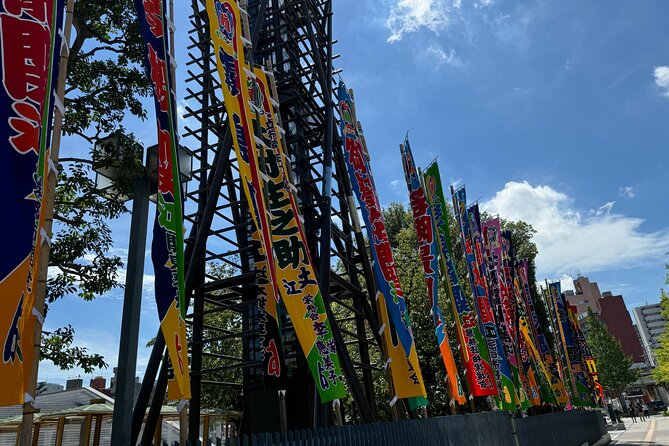
Then comes a change of pace: the Sumida Hokusai Museum. This is where the tour broadens beyond sports into Edo-period art, connected to Katsushika Hokusai, one of Japan’s best-known ukiyo-e artists.
Hokusai was born in what’s now Sumida Ward, and the tour frames it as a near-lifetime connection to the area. That local tie is the point. You’re seeing art that’s rooted in the same neighborhood story as Ryogoku.
Admission for this museum is not included. The tour info lists a fee of ¥400 JPY for the museum. That’s very manageable if you’re already in the area, but it does mean the tour has a small extra cost beyond the headline price.
Time here is short—around 5 minutes in the itinerary—so don’t expect a full museum experience. This stop works best if you want a focused taste: you get the link to Hokusai and Edo creativity, then you move on.
Ryogoku Edo Noren: snack time in an old-station style setting
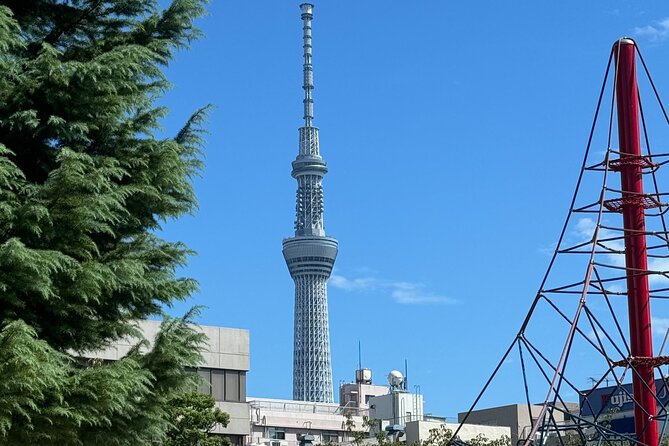
The final stop on the walk is Ryogoku Edo Noren, described as an open-ceiling food area in the historic old Ryogoku Station building. The idea here is Edo-style flavors in a setting that feels connected to the neighborhood’s past.
The tour positions this as a chance to enjoy a variety of foods in that styled space. Admission is listed as free, but food and drinks aren’t included, so you’ll pay what you order. Think of this as your “wrap-up bite” after training and shrine walks.
This is also where you’ll benefit from having energy management. If you planned a big lunch right after, you might want to go light. If you skipped breakfast, you’ll probably want to use this stop as your bridge meal.
Timing, group size, and why the morning schedule works
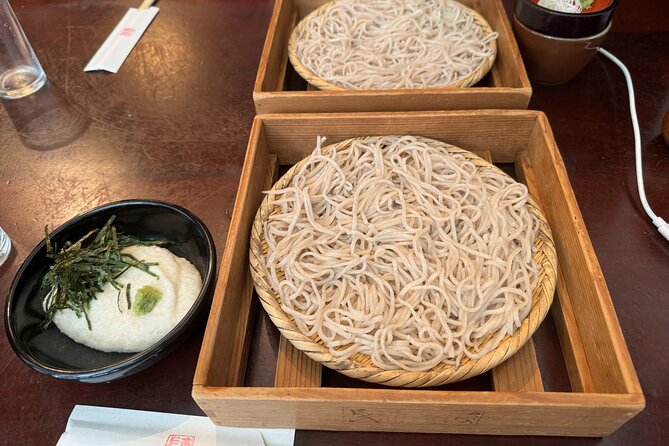
The whole tour runs about 2 hours 30 minutes. That may sound short for a day that includes several stops, but in practice it works for this kind of experience.
Morning practice is time-sensitive. If you oversleep or show up late, you miss the point. By keeping the total time tight, the tour protects the main event and avoids turning sumo into a long walking marathon.
It also helps that the group cap is 14 travelers. Small groups mean less crowd pressure at the stable and smoother movement through the neighborhood. You’re less likely to feel like you’re being herded.
The tour is typically booked about 18 days in advance on average, which tells me there’s enough demand that you shouldn’t wait for a last-minute decision if you have specific dates in August or September.
Price and value: what $110 buys you (and what it doesn’t)
At $110 per person, you’re paying for access plus interpretation—not just for sightseeing.
What you’re getting included:
- Sumo stable admission
- A small gift from the stable
- Guided stops across Ryogoku and Sumida areas
What isn’t included:
- Transportation fees
- Lunch and beverages
- Sumida Hokusai Museum admission (¥400)
- Tips
So is it good value? For me, it makes sense if you specifically care about the stable morning practice. Stable access in general can be the hard part; the tour handles the scheduling and the respectful, informed viewing setup. The rest of the morning—shrine context, Kokugikan area, and an Edo-art stop—acts like smart packing of related themes into one short program.
If you’re mainly there for photography and don’t care about context, the paid museum stop and guided time might feel like extra. But if you want the story behind what you’re seeing, this price starts to look like a fair trade.
Who this tour fits best
This is a strong match if you:
- Want a close-up sumo training experience rather than a distant viewing approach
- Like early-morning culture activities
- Appreciate Shinto-linked traditions, not just sport mechanics
- Prefer a small group with a guide who can keep things clear
It’s also a great fit for Japan first-timers who want one very memorable cultural slice that isn’t just shopping and landmark photos.
If you hate early starts or you want a slow, leisurely pace, you might feel rushed. This one is built for momentum.
Final call: should you book No1 Yokozuna Stable Morning Practice in Ryogoku?
If your main goal is to see sumo training in a real stable environment, I’d say yes. The tour’s value is tightly focused: you get a structured morning around the stable first, then you add Ryogoku landmarks and Edo art context without turning it into a day-long production.
My advice: go in with the right mindset. Be punctual. Keep your voice low during practice. Use the shrine stop to connect the sport to its spiritual roots. And treat the Hokusai museum as a short taste, not a full museum visit.
If you want, tell me your travel dates and whether you’re more into sumo, history, or art—I can suggest the best way to pair this morning with the rest of your Tokyo day.
FAQ
What time does the tour start?
The tour starts at 7:45 a.m. Meet your guide in front of the 7-Eleven after exiting the West Exit of JR Ryogoku Station.
How long is the tour?
It runs for about 2 hours 30 minutes.
What’s the price per person?
The price is $110.00 per person.
Is the sumo stable admission included?
Yes. Sumo stable admission is included, and it includes a small gift from the stable.
Do I need to pay for the Sumida Hokusai Museum?
Yes. Admission to the Sumida Hokusai Museum is not included, and it’s listed at ¥400 JPY.
Can I take photos during the practice?
The tour information says that if you’re lucky, you may be able to take photos with a wrestler. It’s encouraged to watch quietly and respectfully.
What’s the group size limit?
The tour has a maximum of 14 travelers.
What happens if the tour is canceled?
You can cancel for a full refund if you cancel at least 24 hours before the experience’s start time. The tour may also be canceled if a minimum traveler count isn’t met, in which case you’ll be offered another date/experience or a full refund.
Is transportation included?
No. Transportation fees are not included, and the tour ends back at the meeting point.
More Morning in Tokyo
- Tokyo: Sumo Morning Practice Viewing Tour
★ 4.8 · 570 reviews - Tokyo: Sumo Morning Training Visit
★ 4.4 · 370 reviews - Tokyo: Visit Sumo Morning Practice with English Guide
★ 4.7 · 343 reviews - Tokyo: Sumo Morning Practice Tour at Sumida City
★ 4.8 · 308 reviews - Tokyo Sumo Morning Practice Tour at Stable
★ 5.0 · 298 reviews
More Tour Reviews in Tokyo
- Mt Fuji and Hakone 1-Day Bus Tour Return by Bullet Train
★ 5.0 · 26,383 reviews - 1-Day Tokyo Bus Tour
★ 5.0 · 14,250 reviews - Tokyo: teamLab Planets TOKYO Digital Art Museum Entry Ticket
★ 4.6 · 9,779 reviews - Mt Fuji & Hakone Cruise, Drum Show Bullet Train 1 Day from Tokyo
★ 4.0 · 7,413 reviews - Tokyo: Shinjuku Food Tour (13 Dishes at 4 Local Eateries)
★ 5.0 · 6,603 reviews
Latest Tokyo reviews off our desk






Morning, compared.
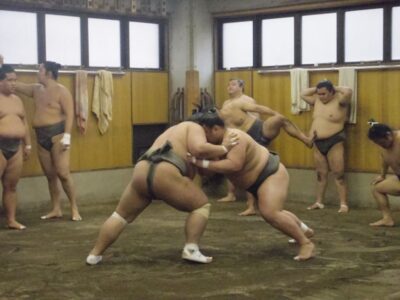 ★ 4.8Sumo Morning Practice Viewing TourFrom $81570 reviews
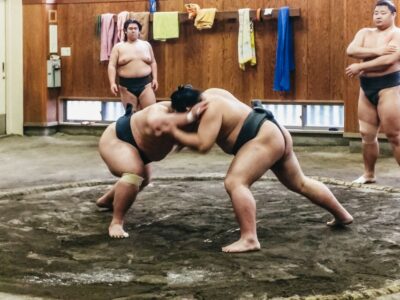 ★ 4.4Sumo Morning Training VisitFrom $77370 reviews
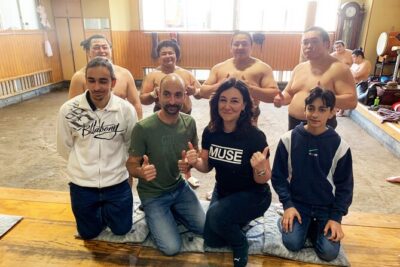 ★ 4.7Visit Sumo Morning Practice with English GuideFrom $96343 reviews
 ★ 4.8Sumo Morning Practice Tour at Sumida CityFrom $116308 reviews
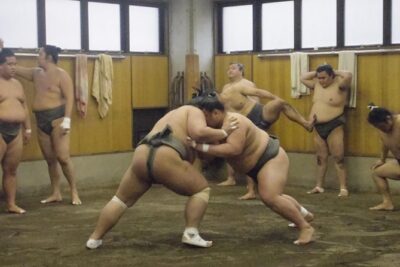 ★ 5.0Tokyo Sumo Morning Practice Tour at StableFrom $83298 reviews
 ★ 4.5Tokyo Ryogoku Sumo Morning Practice + Photo Shoot with WrestlersFrom $98277 reviews
 ★ 4.0Watch Sumo Morning Practice at Stable in TokyoFrom $95268 reviews
 ★ 4.6A Half-Day Trip Bus Tour in the MorningFrom $40236 reviews