
Meiji Jingu meets Harajuku in two hours. I like how this short walk stitches together two Tokyo moods: Shinto peace under towering trees and the street-style buzz of youth fashion around Takeshita Street. Meiji Jingu gives you the quiet start, while Harajuku delivers the pop-culture punch.
I really value the guidance here, especially the way some guides like Taka-san focus on proper shrine customs, so you know how to act with respect. If you only want modern life talk, there’s one trade-off: after Meiji Jingu, the Harajuku portion can feel more like walking through shopping streets than a deep lesson on today’s Japan.
If you’re short on time but still want both sides of Tokyo, this is a smart use of your afternoon.
In This Review
- Key Takeaways Before You Go
- A Quick Plan: Meeting at Harajuku, Finishing at Omotesando Hills
- Meiji Jingu: Shinto Calm in a City Forest (and What to Do There)
- Takeshita Street: Pop Culture Up Close Without Missing the Context
- Omotesando Hills Finish: A Softer Landing After the Crowd
- Price and Value: What $36 Buys in Two Hours
- Tour Fit: Who This Works Best For
- What I’d Do Differently Next Time (Small But Useful Stuff)
- Should You Book This Tokyo Pop Culture & Tradition Tour?
- FAQ
- Where does the tour start?
- How long is the tour?
- What’s included in the price?
- What are the main stops?
- What languages are available?
- Is the tour wheelchair accessible?
Key Takeaways Before You Go
- Two Tokyo worlds, one tight route: Meiji Jingu calm, then Harajuku street energy, then a classy finish at Omotesando Hills.
- Shrine etiquette gets attention: you’ll learn how to visit Meiji Jingu with respect, not just sightseeing.
- Harajuku is for snacks and people-watching: think sweets and street stops while your guide keeps context clear.
- Omotesando Hills is a clean off-ramp: you end in an area where stopping for coffee or shopping is easy.
- Guide language options: English, Japanese, Spanish, Chinese, and French, so you can match your comfort level.
A Quick Plan: Meeting at Harajuku, Finishing at Omotesando Hills
This tour is designed for efficiency without feeling rushed. You start at NewDays 原宿, right by the Omotesando Exit of Harajuku Station, and your guide will be holding a sign. It’s a helpful start point because Harajuku can be confusing for first-timers, and having a real, clear meeting landmark reduces stress.
Then you walk a simple line: Meiji Jingu first, Takeshita Street second, and 表参道ヒルズ (Omotesando Hills) at the end. That matters because it gives you a built-in “where do I go next?” answer. After the tour, you can keep wandering Omotesando for a coffee, window-shop designer storefronts, or just decompress from the crowds.
The total time is 2 hours, so you should treat this as a focused sampler. It’s not trying to cover all of Harajuku or all of shrine history. The value comes from doing the right highlights in the right order.
More quiet hours at Meiji Shrine
- Tokyo: Meiji Shrine, Asakusa, Skytree Bus Tour and Cruise
★ 4.7 · 1,986 reviews - Tokyo Panoramic 1 Day: Meiji Shrine, Asakusa, Odaiba and SKYTREE®
★ 4.5 · 1,222 reviews - Tokyo: Meiji Shrine Walking Tour — Shinto & Imperial System
★ 4.9 · 266 reviews - Tokyo: Meiji Jingu Shrine and Shinto Culture Walking Tour
★ 5.0 · 245 reviews
Meiji Jingu: Shinto Calm in a City Forest (and What to Do There)
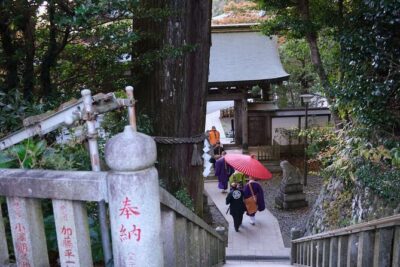
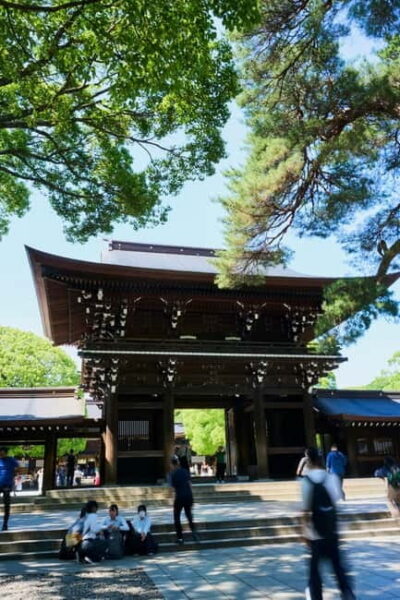
Meiji Jingu is the kind of place that makes your Tokyo brain slow down. You enter a man-made forest setting that feels protective, like the city noise gets filtered out before it reaches you. That contrast is part of what makes the tour work: you get a reset first, so Harajuku later feels even louder and more fun.
During the shrine portion (about 1 hour), your guide shares stories tied to Emperor Meiji and Empress Shoken, and explains Shinto beliefs and rituals at a pace that you can actually follow. I like this setup because it changes the experience from looking at buildings to understanding why people behave the way they do.
One of the most praised parts is the way guides handle respectful visiting. For example, Taka-san was singled out for explaining proper customs, which is exactly what you want here. If you’re new to Shinto, you’ll benefit from being told when to pause, what your posture should be, and how not to treat a sacred space like a photo backdrop.
Practical tip: wear shoes you can walk in. The forest paths and shrine approach are easy-going, but you’ll still rack up steps over the full loop.
Takeshita Street: Pop Culture Up Close Without Missing the Context
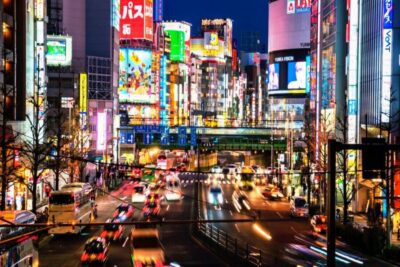
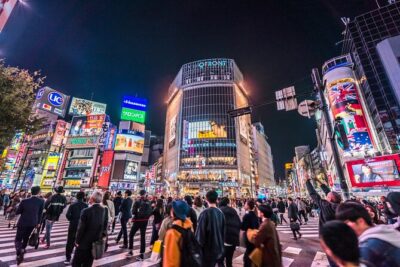
After the shrine quiet, the tour shifts gears hard—in a good way. Takeshita Street (about 1 hour) is where you see Harajuku at its most playful: fashion experiments, sweets, and the kawaii-energy that makes this neighborhood feel like Tokyo’s youth front page.
The best part of having a guide here is the context. A common complaint about Harajuku is that it can turn into aimless wandering. With this tour, your guide isn’t just pointing at shops. They help you understand the cultural backdrop behind the area’s style and the reasons it became known for what it is.
Also, this is where your tour becomes a sensory experience. You’ll be surrounded by street snacks and colorful treats, and the guide can steer you toward what to look for. Since food and drinks aren’t included, you’ll still need to pay your own way, but you can walk in with a plan instead of guessing.
Practical tip: decide what you want before you reach the densest stretch. If you want one snack and a few photos, commit early. If you want to shop, keep your browsing light until you reach the side streets, where it can feel more human-scale than the main crush.
Omotesando Hills Finish: A Softer Landing After the Crowd
You end at 表参道ヒルズ (Omotesando Hills), and I like this because it’s a smart finish point. Harajuku can be chaotic in a fun, energetic way, but your legs and patience can run down quickly. Omotesando gives you a smoother landing.
This area is known for its tree-lined avenue and modern architecture, and it’s also the kind of neighborhood where you can transition from sightseeing to something else—like grabbing a coffee, checking out designer boutiques, or simply taking a longer walk without feeling like you’re stuck in a theme-park queue.
Think of Omotesando Hills as your “end-of-tour buffer.” If you have time after the tour, you’re already in the right zone to keep your day moving. If you need a breather, this finish helps you slow down without starting over from scratch.
Price and Value: What $36 Buys in Two Hours
At $36 per person for 2 hours, the headline value is simple: you’re paying for a guided, efficient route with a mix of places you’d otherwise spend longer sorting out on your own.
Here’s what’s included: the tour guide fee. Not included: food and drinks. That means you should budget a little extra for snacks on Takeshita Street and any beverages you want during or after.
In my view, the best value is in the shrine portion. Meiji Jingu isn’t hard to see on your own, but etiquette details and background stories are what turn it into a real experience instead of a photo stop. When a guide explains customs well—like the feedback around Taka-san—you’re getting something you can’t easily read off a sign in the moment.
Also, the short duration matters. If you’re doing other Tokyo neighborhoods that day, paying $36 to cover the right highlights can be cheaper than spending an hour figuring out train exits, walking routes, and what to prioritize.
- Tokyo: Shinjuku Food Tour (13 Dishes at 4 Local Eateries)★ 5.0 · 6,603 reviews
- Tokyo Mt Fuji 5th St & Hakone Cruise Bus Tour w/Bullet Train★ 4.4 · 5,024 reviews
- Flagship 2-Hours Official Street Go-Kart Tour – Tokyo Bay Shop★ 5.0 · 4,974 reviews
- From Tokyo: Mount Fuji Full-Day Sightseeing Trip★ 4.5 · 4,970 reviews
- Tokyo: Hop-On Hop-Off Sightseeing Bus Ticket★ 3.9 · 4,207 reviews
Tour Fit: Who This Works Best For
This is a great fit if you:
- want a first-time Tokyo sampler with both tradition and trend
- are juggling a packed schedule and need something that clocks in at 2 hours
- like your guide to explain what you’re seeing, not just lead you from point A to point B
- want a route that works well even with kids, since the Harajuku portion especially tends to feel fun and accessible
This tour may not be your best match if you:
- came specifically for lots of talk about modern Japan and daily life
- prefer deep dives on one site instead of a quick two-stop blend
That second point is worth keeping in mind. One guide can be more shrine-focused than city-life focused, and this tour is still built around two main walking segments.
What I’d Do Differently Next Time (Small But Useful Stuff)
If you book this, I’d plan your day around comfort and curiosity rather than rushing for everything.
- On the shrine side, treat Meiji Jingu like a place to slow down. Leave space to actually watch what people do and follow the guide’s cues.
- On the Harajuku side, don’t try to taste everything. Choose one or two snack stops and spend the rest of your time looking for outfits, hairstyles, and the small street details your eyes catch between storefronts.
- After you finish at Omotesando Hills, give yourself a reason to stay. Coffee or light shopping is an easy follow-up because you’re already in the right neighborhood.
If you’re the type who likes structure, this tour will feel calming. If you prefer total freedom, you might still enjoy it, but it helps to go in with the right expectation: it’s a guided taste, not a DIY-free pass.
Should You Book This Tokyo Pop Culture & Tradition Tour?
Book it if you want a fast, guided way to experience the two sides of Tokyo—Meiji Jingu (Shinto tradition and rituals) and Harajuku (youth style, sweets, and street culture)—and you like ending somewhere pleasant like Omotesando Hills.
Skip it if you’re chasing one thing only—either pure shrine depth or pure modern-city commentary—and you’d rather spend more time in a single neighborhood.
My practical decision rule: if you can say yes to both calm and chaos (in the same day), this is a strong value at $36 for a guided 2-hour walk.
FAQ
Where does the tour start?
It starts in front of NewDays 原宿, near the Omotesando Exit of Harajuku Station. Your guide will be holding a sign.
How long is the tour?
The tour duration is 2 hours.
What’s included in the price?
The price includes the tour guide fee. Food and drinks are not included.
What are the main stops?
You visit Meiji Jingu, then walk through Takeshita Street in Harajuku, and the tour ends at Omotesando Hills (表参道ヒルズ).
What languages are available?
The live tour guide is available in English, Japanese, Spanish, Chinese, and French.
Is the tour wheelchair accessible?
Yes, the tour is listed as wheelchair accessible.
More Tours in Tokyo
- Mt Fuji and Hakone 1-Day Bus Tour Return by Bullet Train
★ 5.0 · 26,383 reviews - 1-Day Tokyo Bus Tour
★ 5.0 · 14,250 reviews - Tokyo: Shinjuku Food Tour (13 Dishes at 4 Local Eateries)
★ 5.0 · 6,603 reviews - Tokyo Mt Fuji 5th St & Hakone Cruise Bus Tour w/Bullet Train
★ 4.4 · 5,024 reviews - Flagship 2-Hours Official Street Go-Kart Tour – Tokyo Bay Shop
★ 5.0 · 4,974 reviews
More Tour Reviews in Tokyo
- Mt Fuji and Hakone 1-Day Bus Tour Return by Bullet Train
★ 5.0 · 26,383 reviews - 1-Day Tokyo Bus Tour
★ 5.0 · 14,250 reviews - Tokyo: teamLab Planets TOKYO Digital Art Museum Entry Ticket
★ 4.6 · 9,779 reviews - Mt Fuji & Hakone Cruise, Drum Show Bullet Train 1 Day from Tokyo
★ 4.0 · 7,413 reviews - Tokyo: Shinjuku Food Tour (13 Dishes at 4 Local Eateries)
★ 5.0 · 6,603 reviews
More Meiji Shrine Hours, Rated
- Tokyo: Meiji Shrine, Asakusa, Skytree Bus Tour and Cruise
★ 4.7 · 1,986 reviews - Tokyo Panoramic 1 Day: Meiji Shrine, Asakusa, Odaiba and SKYTREE®
★ 4.5 · 1,222 reviews - Tokyo: Meiji Shrine Walking Tour — Shinto & Imperial System
★ 4.9 · 266 reviews - Tokyo: Meiji Jingu Shrine and Shinto Culture Walking Tour
★ 5.0 · 245 reviews - Tokyo: Meiji Shrine and Shinto Culture Walking Tour
★ 5.0 · 225 reviews
Latest Tokyo reviews off our desk

Meiji Shrine Tours, compared.
 ★ 4.7Meiji Shrine, Asakusa, Skytree Bus Tour and CruiseFrom $1221,986 reviews
 ★ 4.5Tokyo Panoramic 1 Day: Meiji Shrine, Asakusa, Odaiba and SKYTREE®From $851,222 reviews
 ★ 4.9Meiji Shrine Walking Tour — Shinto & Imperial SystemFrom $23266 reviews
 ★ 5.0Meiji Jingu Shrine and Shinto Culture Walking TourFrom $19245 reviews
 ★ 5.0Meiji Shrine and Shinto Culture Walking TourFrom $18225 reviews
 ★ 5.0Meiji Shrine Walking Tour — Shintoism & Imperial SystemFrom $21209 reviews
 ★ 5.0Tokyo Morning Tour: Asakusa, Meiji Shrine and Tsukiji Fish MarketFrom $157128 reviews
 ★ 5.0Tokyo Morning Tour : Meiji Shrine, Asakusa and Fish MarketFrom $72102 reviews
Browse the lists this tour appears in