
Reviewed · KAMAKURA DAY TRIPS
Tokyo Small Group: Enoshima & Kamakura, Hotel Pickup Option
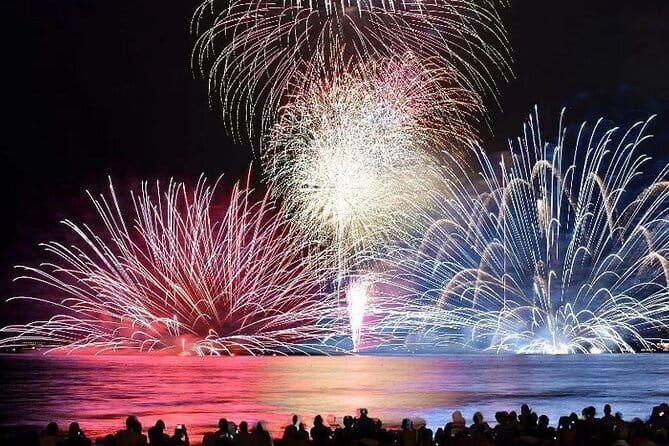
Coastlines, shrines, and a seaside train day. This small-group tour strings together Enoshima and Kamakura highlights in one relaxed schedule, with an air-conditioned ride and a driver-guide handling the timing. If your date lines up, you can also add the Atami fireworks for a big payoff.
I especially like the comfort factor: you’re in an air-conditioned vehicle instead of wrangling transfers on crowded local buses. I also like how the day includes the Enoden seaside ride area around the Kamakura Kōkōmae crossing, so you get the fun of a local train moment without planning it yourself.
One thing to consider: extra sights can cost more (like Hase-dera and optional Enoden/Sea Candle tickets), and the Atami fireworks stop is only available on specific dates, with the whole experience depending on good weather.
In This Review
- Key takeaways before you go
- A day of Enoshima and Kamakura highlights, without the Tokyo headache
- Hotel pickup and a driver-guide: how you keep the day easy
- Enoshima Island: shrines, ocean views, and optional Sea Candle time
- Kamakura by Enoden: the Slam Dunk crossing stop you can’t plan wrong
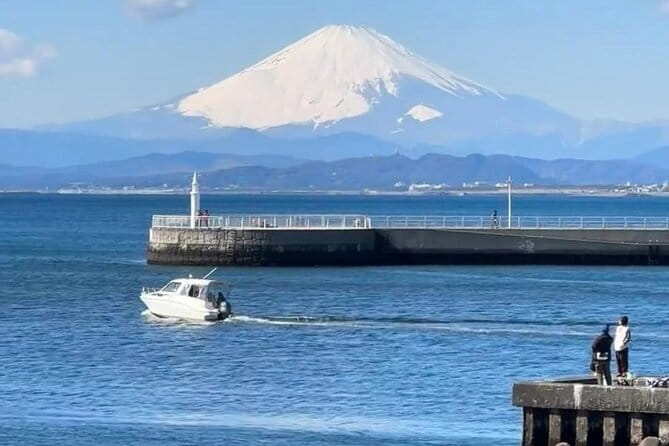
- Shichirigahama Beach: a calm break with Fuji as a bonus
- Komachidori street time: shopping, snacks, and a walk toward Tsurugaoka
- Tsurugaoka Hachimangu Shrine: the Kamakura anchor
- Hase-dera Temple Kannondo: gardens plus serious viewpoints
- The Atami fireworks option: Heiwa-dori to the seaside show
- Small group of nine: why the vibe feels different
- Is $150 good value for Enoshima, Kamakura, and possible fireworks?
- Who should book this one-day Kamakura and Enoshima tour
- Should you book it
- FAQ
- Is hotel pickup included?
- How many people are in the group?
- What entrance fees are included?
- What costs extra during the day?
- Is the Enoden train ride included?
- How does the Atami fireworks option work?
Key takeaways before you go
- Max 9 passengers means you’ll spend more time looking at sights and less time negotiating meeting spots.
- Guide is also the driver, which cuts down on logistics and keeps the day moving.
- Enoshima includes free core access, while the Enoshima Sea Candle is optional.
- Kamakura hits the classics: Tsurugaoka Hachimangu main hall plus Komachidori shopping street.
- Atami fireworks are date-dependent, with the show running 20:20–20:40 on listed festival dates.
A day of Enoshima and Kamakura highlights, without the Tokyo headache
This is the kind of day trip that helps when you want that Kamakura beach-and-temple feeling but you don’t want to build a full itinerary from scratch. The route is designed as a smooth chain: start with Enoshima Island’s shrine and ocean scenery, then move into Kamakura for the big cultural stops and a walk down Komachidori, then finish with Hase-dera’s temple views. If your calendar matches, you’ll tack on Atami’s seaside fireworks show afterward.
What makes this format work is the pacing. The stops are long enough to actually enjoy each place, but not so long that the day drags. Even the more “famous-photo” moments come with breathing room, which matters when you’re on foot around shrines, streets, and coastal areas.
Coast-and-Buddha days near Kamakura, rated
- Tokyo: Mt. Fuji, Kamakura, Big Buddha, & Lake Ashi Day Trip
★ 4.5 · 867 reviews - Tokyo:Sea of Mount Fuji, Hakone Ropeway, Ōwakudani, Enoshima
★ 4.9 · 84 reviews - Kamakura 8 hr Private Walking Tour with Licensed Guide from Tokyo
★ 5.0 · 80 reviews - Tokyo: Kamakura & Enoshima Day Tour with Pickup & Train Ride
★ 4.1 · 61 reviews
Hotel pickup and a driver-guide: how you keep the day easy
The tour is built around comfort from the start. You meet at Tokyo Station (1 Chome-9 Marunouchi) and, if you pick the hotel pickup option, you can leave Tokyo with less stress than doing your own routing. Inside, you ride in an air-conditioned vehicle, which is a big deal in summer or on warmer spring days.
The guide being the driver is also practical. It means you’re not stuck figuring out platform changes, which line to take, or where to regroup once you walk into a shrine or shopping street. When you’re traveling with a small group, clear timing is everything, and this setup is meant to reduce the friction.
Also note the limits. The maximum group size is nine, and oversize luggage isn’t recommended. Plan to travel light so you’re not juggling bags during boarding and stop-and-go transitions.
Enoshima Island: shrines, ocean views, and optional Sea Candle time
Enoshima Island is one of those places where the scenery does half the work for you. The tour gives you about 1 hour on the island, with the core experience covered (admission ticket listed as free). You’re there for a mix of culture and coastline.
The star spiritual stop is Enoshima Shrine, a complex of three Shinto shrines dedicated to Benzaiten, the goddess associated with good fortune, music, and art. Even if you’re not a deep shrine person, this is the kind of place that helps you understand why people come to Enoshima again and again.
For ocean views, the island is known for the Enoshima Sea Candle: a 360-degree observation tower. It’s listed as optional, so you can decide on the spot whether you want the extra ticket time versus walking the scenic paths and stopping for food. There are also Iwaya Caves, natural formations tied to local legend, plus shops and cafes along the way.
If you care about food, Enoshima is where you’re likely to see shirasu (whitebait) show up in dishes. You won’t be “dragged” into any meal, but the island’s seafood culture is part of the appeal.
Quick practical tip: the tour describes Mount Fuji views as possible on clear days. That’s a reason to keep your expectations realistic and your camera ready, not a reason to assume you’ll see it every time.
Kamakura by Enoden: the Slam Dunk crossing stop you can’t plan wrong
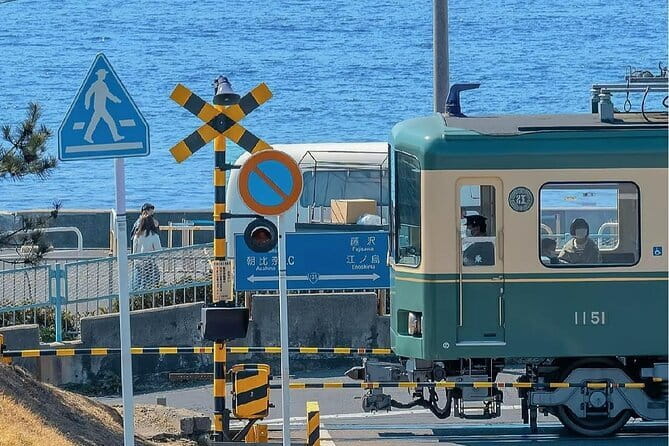
This tour builds a fun photo moment into the day: the Enoden area around Kamakura Kōkōmae (often called the Slam Dunk crossing). The stop is around the Kamakura Station Old Station Clocktower / Kamakura High School Front station area, and you get about 30 minutes.
Here’s why this stop is valuable even if you’re not into anime. The Enoden is a seaside line, and the crossing location is popular because the train frames the coast and Sagami Bay. It’s a great example of Japanese place-making: a simple transit spot becomes a view-worthy scene.
You also get a chance to ride the Enoden line as part of this segment, with the ticket fee listed as optional (200 JPY). If you’re aiming to experience it rather than just watch from the platform area, plan on that extra cost.
To make this stop work for you: arrive ready to move quickly. This is a short window, so decide in advance whether you want to focus on the train ride itself or the best view points.
Shichirigahama Beach: a calm break with Fuji as a bonus
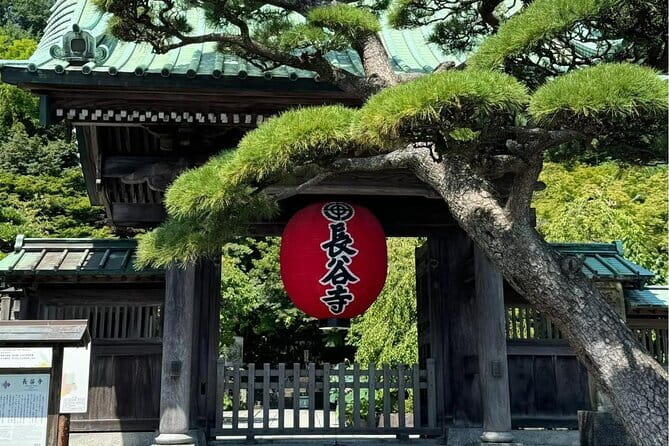
After the Enoden segment, you get a beach stretch at Shichirigahama Beach with about 30 minutes. The best part here is the reset. You’re moving from stations and shrine streets to sea air and open views, which helps break up a long day.
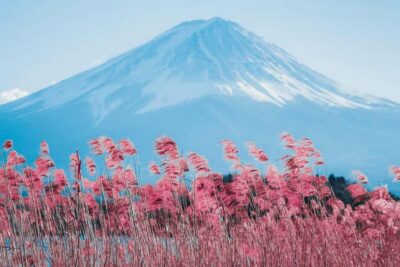
Mount Fuji is mentioned as something you might spot on clear days, and the coast is described as a place where surfers and families share the shoreline vibe. Even with limited time, a beach stop gives you a moment to slow down, stretch your legs, and just watch the rhythm of the water.
Also, this is the part of the day where you’ll feel the weather more. If it’s windy or chilly, you’ll want a layer. The good news is you’re not expected to do any long hikes here—just enjoy the coastal walk and views in a short session.
- Tokyo: Shinjuku Food Tour (13 Dishes at 4 Local Eateries)★ 5.0 · 6,603 reviews
- Tokyo Mt Fuji 5th St & Hakone Cruise Bus Tour w/Bullet Train★ 4.4 · 5,024 reviews
- Flagship 2-Hours Official Street Go-Kart Tour – Tokyo Bay Shop★ 5.0 · 4,974 reviews
- From Tokyo: Mount Fuji Full-Day Sightseeing Trip★ 4.5 · 4,970 reviews
- Tokyo: Hop-On Hop-Off Sightseeing Bus Ticket★ 3.9 · 4,207 reviews
Komachidori street time: shopping, snacks, and a walk toward Tsurugaoka
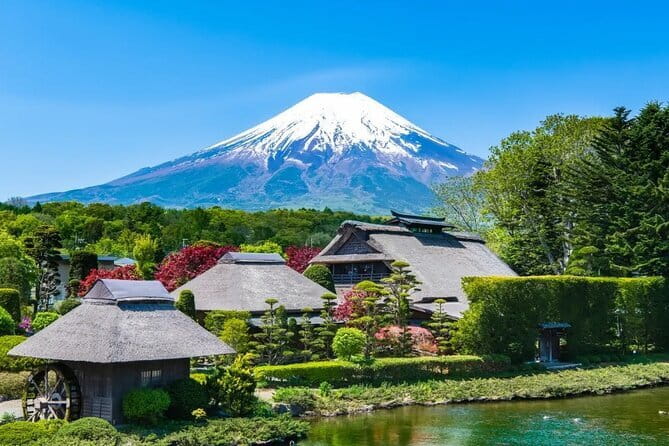
Komachidori is Kamakura’s central pedestrian shopping street, and the tour gives you about 1 hour here (admission free). The point isn’t high-end retail. It’s the practical joy of wandering: snack stops, souvenir browsing, and that “old town plus modern flavors” feeling.
You’ll find things like freshly made rice crackers and matcha treats, and you can also look out for Kamakura’s famous croquettes. This is the ideal place to grab a quick bite so your next temple stop feels more comfortable.
Komachidori also places you close to Tsurugaoka Hachimangu Shrine, which makes the transition feel natural. You’re not jumping across town between unrelated areas—you’re moving through a travel corridor that locals use too.
Tsurugaoka Hachimangu Shrine: the Kamakura anchor
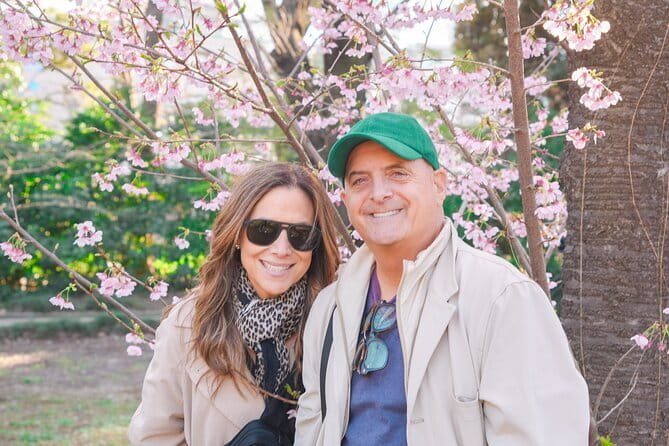
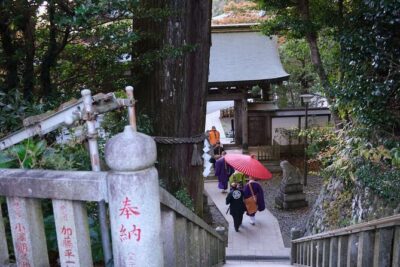
Tsurugaoka Hachimangu Shrine is described as Kamakura’s most iconic and historically significant shrine, dedicated to Hachiman, the patron deity of samurai warriors. You get about 1 hour here, and admission to the Main Hall is free on this tour.
The setting is part of the experience: you approach via a grand walkway with torii gates, and the shrine is on an elevated terrace. The tour also notes seasonal cherry blossoms, which is a reminder that even a “fixed” monument changes feel through the year.
Inside, you can pray for good fortune and explore the shrine museum (the Treasure Hall is listed as optional with a 200 JPY fee if you want more). For many visitors, this stop is the best “why Kamakura matters” moment of the day because it connects the city’s story to something you can physically see and walk through.
Be ready for a bit of walking along the approach. If you’re the type who rushes photos, slow down here. This is the place where a calm pace pays off.
Hase-dera Temple Kannondo: gardens plus serious viewpoints
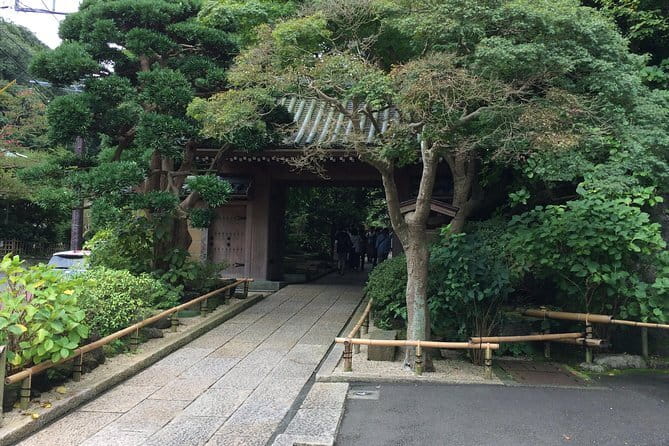
Hase-dera Temple (Kannondo) is where the day turns scenic and slightly quieter. The temple is on the slopes, and the viewpoint is a key part of why people come. You get about 40 minutes, and the temple entry ticket is not included (400 JPY).
The highlight is the Kannon-do Hall, which houses an 11-faced statue of Kannon, the Goddess of Mercy. The tour also emphasizes the gardens, which shift with the seasons—hydrangeas in summer, autumn foliage, and plum blossoms in winter. Even if you visit outside peak bloom time, the hillside setting and traditional buildings make this stop feel like a break from shopping streets.
Because it’s on slopes, you’ll feel elevation and stairs more than at the flatter coastal areas. If you want to keep your energy for later, wear comfortable shoes and pace yourself. This isn’t presented as a long trek, but the terrain is definitely part of the story.
The Atami fireworks option: Heiwa-dori to the seaside show
If your date is one of the listed Atami Fireworks Festival days, you’ll get an extra evening segment. This is the “finish strong” part of the day.
First you explore Atami Heiwadori Shotengai (about 3 hours). Then you head to Atami Beach to watch fireworks between 20:20 and 20:40, with the show described as reflecting on the sea.
Heiwa-dori is in front of Atami Station and is known for food and shops, so you get time to snack or browse before the fireworks. Since this stop is only available on specific dates, double-check your booking date against the list provided for festival availability.
One important consideration: the tour says it requires good weather, and if fireworks are canceled on the day of departure due to force majeure (government regulations, weather, or other reasons), the paid fees can’t be refunded. That’s the main downside of going for the fireworks add-on: it’s fun when it works, but less flexible if conditions turn.
Small group of nine: why the vibe feels different
You feel the small-group difference immediately. With a max of nine passengers, your guide has an easier time keeping track of the group and adjusting pacing. That matters on a day built around multiple locations, including coastal stops where you may need to coordinate where people gather.
This is also the reason the day tends to feel relaxed. Instead of bouncing between independent tickets and roaming maps, you’re moving in a guided rhythm: quick orientation, short blocks of exploration, and then back onto the vehicle to the next stop.
If you like Japan but don’t want to spend your limited vacation time figuring out transit micro-decisions, this is a strong fit.
Is $150 good value for Enoshima, Kamakura, and possible fireworks?
Let’s talk value in the real way: what you’re paying for is not just admissions. You’re paying for time saved and stress reduced.
At $150, you’re getting:
- an air-conditioned vehicle for a long day
- a guide who also drives (so coordination is handled)
- small-group size (max nine)
- free entry to the Tsurugaoka Hachimangu Shrine Main Hall
- fireworks inclusion if you select the Atami option and your date is eligible
You should also expect a few optional or extra costs:
- Hase-dera Temple admission is 400 JPY (not included)
- Enoden Line experience ticket is optional (200 JPY)
- Enoshima Sea Candle is optional
- Tsurugaoka Hachimangu Treasure Hall is optional (200 JPY)
So is it worth it? For most visitors, yes, if you want the highlights packed into one day without planning around ticket timing and transit. If you’re the type who hates any add-on costs and wants everything fully included, you may feel the extras more than some.
Who should book this one-day Kamakura and Enoshima tour
This tour fits best if you:
- want an easy day trip from Tokyo with pick-up as an option
- care about seeing Enoshima and Kamakura without spending hours mapping routes
- like a mix of shrine culture, seaside views, and a classic shopping street
- might want the Enoden train ride experience and don’t want to coordinate it yourself
- are traveling with limited time and prefer a guided structure
It may be less ideal if:
- you dislike optional ticket add-ons
- you’re visiting during a period where you really want to guarantee fireworks (because weather rules apply)
- you have very limited mobility, since Hase-dera is on slopes and Tsurugaoka involves an approach walkway
The tour also states seniors over 80 are not recommended, so take that seriously.
Should you book it
I’d book this if your goal is a satisfying Kamakura and Enoshima day that feels organized, comfortable, and built for first-timers. The combination of Enoshima Shrine, a Kamakura shopping-to-shrine walk, and the seaside Enoden moment is a strong use of time. Add the Atami fireworks if your travel dates match and you’re okay with the reality that weather can affect the show.
If your dates don’t line up for fireworks, you’re still left with a solid day: coast views, major shrine time at Tsurugaoka, and a calmer end at Hase-dera.
FAQ
Is hotel pickup included?
Hotel pickup is included only if you select the hotel pickup option. The tour’s stated meeting point is Tokyo Station (1 Chome-9 Marunouchi), and the tour ends back at the meeting point.
How many people are in the group?
The tour has a maximum group size of nine travelers.
What entrance fees are included?
Tsurugaoka Hachimangu Shrine Main Hall admission is included (free). Other items listed as free include stops like Enoshima Island, Shichirigahama Beach, Komachidori, and Tsurugaoka Hachimangu as noted for this tour.
What costs extra during the day?
Hase-dera Temple admission is not included (400 JPY). The Enoden Line experience ticket (200 JPY) is listed as optional. The Enoshima Sea Candle ticket is optional, and the Tsurugaoka Hachimangu Treasure Hall admission (200 JPY) is also optional.
Is the Enoden train ride included?
The Enoden Line experience ticket fee is listed as optional (200 JPY), so you’ll have the chance to do it, but it’s not automatically bundled as an included ticket.
How does the Atami fireworks option work?
The Atami fireworks stop is only available on specific festival dates listed by the tour. The fireworks are scheduled from 20:20 to 20:40. The tour also notes that if fireworks are canceled due to force majeure factors on the day of departure, the paid fees are not refundable.
More Tour Reviews in Tokyo
- Mt Fuji and Hakone 1-Day Bus Tour Return by Bullet Train
★ 5.0 · 26,383 reviews - 1-Day Tokyo Bus Tour
★ 5.0 · 14,250 reviews - Tokyo: teamLab Planets TOKYO Digital Art Museum Entry Ticket
★ 4.6 · 9,779 reviews - Mt Fuji & Hakone Cruise, Drum Show Bullet Train 1 Day from Tokyo
★ 4.0 · 7,413 reviews - Tokyo: Shinjuku Food Tour (13 Dishes at 4 Local Eateries)
★ 5.0 · 6,603 reviews
More Kamakura and Enoshima Days
- Tokyo: Mt. Fuji, Kamakura, Big Buddha, & Lake Ashi Day Trip
★ 4.5 · 867 reviews - Tokyo:Sea of Mount Fuji, Hakone Ropeway, Ōwakudani, Enoshima
★ 4.9 · 84 reviews - Kamakura 8 hr Private Walking Tour with Licensed Guide from Tokyo
★ 5.0 · 80 reviews - Tokyo: Kamakura & Enoshima Day Tour with Pickup & Train Ride
★ 4.1 · 61 reviews - Kamakura Private & Customizable Tour – All-in-One Experience
★ 5.0 · 49 reviews
Latest Tokyo reviews off our desk

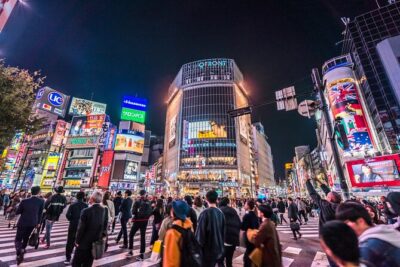
Kamakura Day Trips, compared.
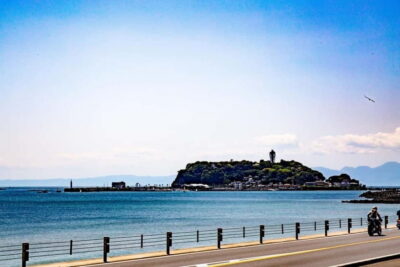 ★ 4.5Kamakura & Enoshima Day Trip including Temple TicketsFrom $581,375 reviews
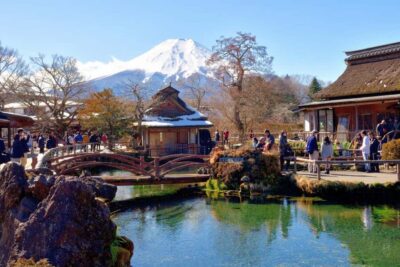 ★ 4.5Mt. Fuji, Kamakura, Big Buddha, & Lake Ashi Day TripFrom $49867 reviews
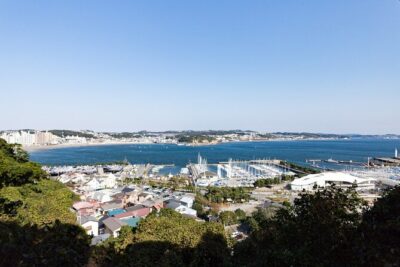 ★ 4.5From Tokyo: Kamakura & Enoshima 1-Day Bus TourFrom $66189 reviews
 ★ 5.0Kamakura Historical Walking Tour with the Great BuddhaFrom $98129 reviews
 ★ 5.0Kamakura Private Tour: Temples, Nature, and the Great BuddhaFrom $98121 reviews
 ★ 5.0Kamakura Walking Tour – The City of ShogunFrom $35100 reviews
 ★ 4.9Sea of Mount Fuji, Hakone Ropeway, Ōwakudani, EnoshimaFrom $5084 reviews
 ★ 5.0Kamakura 8 hr Private Walking Tour with Licensed Guide from TokyoFrom $20180 reviews
Browse the lists this tour appears in