
Reviewed · SUMO TOURNAMENTS & SHOWS
Tokyo Sumo Morning Practice Tour w/ Ring-Side Seat + Photo Shoot
Sumo practice is loud, focused, and real. This Tokyo tour gets you into a working sumo stable for a real morning practice you can see up close, plus a photo shoot that helps you remember it clearly. I love how small the group is, so you’re not lost in a crowd, and I also like that a guide is there to explain what you’re seeing instead of just pointing at bodies.
I also appreciate the practical “how it works” vibe: you meet at Kiyosumi Shirakawa Station, walk with your guide to the heya, then watch training that looks and feels serious. In the reviews, guides like Marie are singled out for making the sport click fast—why certain drills matter, what rank and roles mean, and how to read the flow of practice.
One thing to weigh: stable rules are strict. You’ll need to follow instructions on where you can stand (often limited to tatami areas), photography can be restricted, and you must arrive on time since late arrivals may not be able to join and missed tours aren’t rescheduled.
In This Review
- Key things I’d prioritize before you go
- Morning sumo practice in Tokyo: why this format works
- Getting there: Kiyosumi Shirakawa Station and being early helps
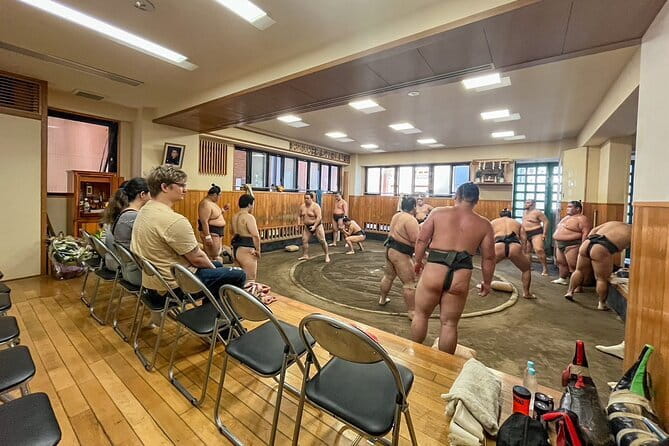
- Stop 1 at the sumo stable: what you’ll actually see
- Stop 2 in Kiyosumi Gardens: the calm finish you’ll appreciate
- The guide’s role: getting answers on the spot
- Photo shoot + ring-side seat: how to plan for pictures
- Value check: is $99.10 worth it?
- Who should book this Tokyo sumo morning tour
- Practical tips so your morning goes smoothly
- Should you book this sumo morning practice tour?
- FAQ
- What time does the Tokyo sumo morning practice tour start?
- How long is the tour?
- Where do I meet the guide?
- Is there an admission fee for entering the sumo practice?
- What’s the minimum age for this tour?
- Is photography allowed during the practice?
- How big is the group?
- Where does the tour end?
Key things I’d prioritize before you go
- Small group limit (max 10) so you can actually see what’s happening at training pace
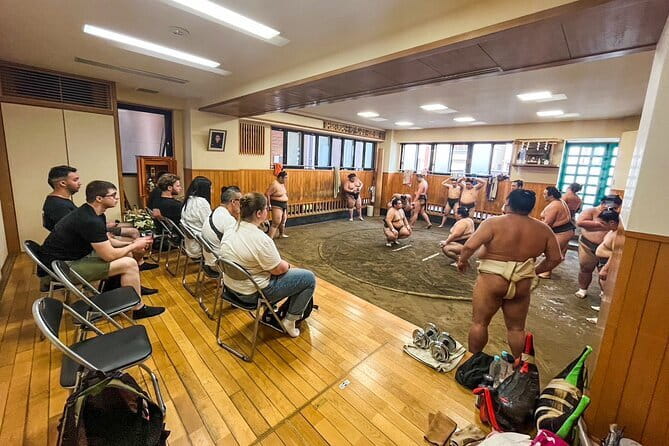
- Ring-side style viewing with seating that’s first-come, first-served once you’re inside
- Guide-led context—expect straightforward explanations as you watch the warmups and practice
- Photo shoot included, but stable policy may affect what’s allowed during actual practice
- No tournament needed—this is a great fix when you’re in Tokyo but not around match days
- Stable etiquette matters: follow the rules or risk being refused entry
Morning sumo practice in Tokyo: why this format works
If you only know sumo from TV broadcasts, you’re missing half the story. In a stable, practice is the point: routines, repetition, and the quiet-to-intense rhythm of training. This is one of the best ways to understand sumo as a sport with structure, not just a spectacle.
What makes this tour especially good value is that it isn’t trying to turn sumo into a gimmick. You go to watch real work—warmups, drills, and practice bouts—while you get guidance on what you’re seeing. That combination tends to produce the biggest “oh wow” moment: the athletes look powerful because they are, but also because they train with purpose.
The guide component matters too. Even if you’re a fan, sumo has layers—stable roles, training focus, and cultural rules—that can feel confusing at first. Having someone with you turns your visit from random viewing into actual understanding.
Other ringside bookings readers scored
- Tokyo: Sumo Show and Dining Experience
★ 4.8 · 2,742 reviews - the SUMO show
★ 5.0 · 1,960 reviews - Tokyo Shinjuku Sumo Show & Experience with Photo
★ 5.0 · 1,750 reviews - Tokyo: Sumo Show and Experience in Shinjuku
★ 4.8 · 1,001 reviews
Getting there: Kiyosumi Shirakawa Station and being early helps
The tour starts at 8:30 am with a meet-up near Kiyosumi Shirakawa Station. From there, your guide takes you to the sumo stable location, so you’re not trying to decode Tokyo station exits on your own. You should plan to arrive a bit early, because the session begins promptly.
Once you reach the stable, seating is first-come, first-served. That means the difference between a good view and a less-than-perfect view can be as simple as being there on time. The tour is capped at 10 people, but inside a stable space can still be tight.
Also, be aware that the group may be divided and assigned to different stables depending on participant numbers. That doesn’t change the core experience—morning practice and guided viewing—but it does mean your exact stable layout and photo rules may vary day to day.
Stop 1 at the sumo stable: what you’ll actually see
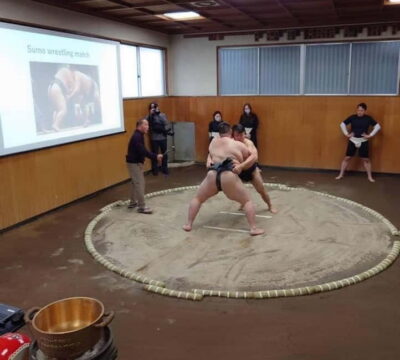
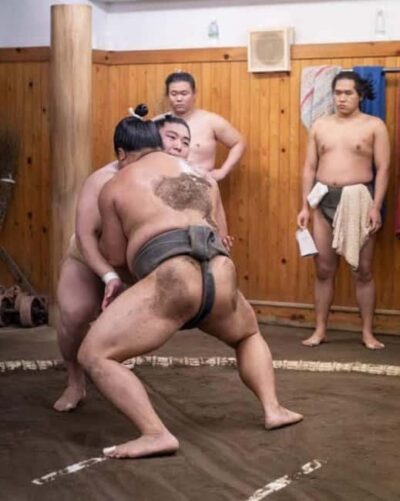
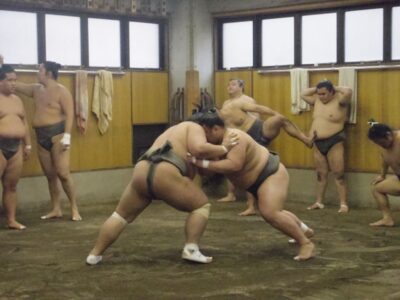
Your main stop is the stable practice session, about 1 hour 30 minutes. This is the portion that makes the tour stand out: you’re not watching from far away, and you’re not just hearing a lecture. You’re watching training take shape in real time.
Here’s what the experience tends to look like in practice:
- Warmups and stretching that get the body ready for intense movement
- Repetitive training exercises that build control and strength
- Practice bouts where the action gets more physical and fast
- Interaction with key stable figures during training time
The reviews highlight how athletic the wrestlers are, even before things get dramatic. Expect a mix of size and skill. Some wrestlers will look enormous, but others are tall or leaner—sumo isn’t just one body type, and practice shows that range.
A big etiquette note: access inside is limited. You’ll need to strictly follow stable rules, and only tatami areas are typically accessible while other parts are off-limits. If you step outside boundaries, you’re not just being rude—you can jeopardize your standing with the stable team.
Photography is another practical point. The tour includes a photo shoot, but photos during the practice depend on the stable’s policy. On some days, taking photos of wrestlers or with them may not be allowed. I’d treat the photo shoot as the main picture moment, not as a guarantee that you can freely photograph the whole practice.
Stop 2 in Kiyosumi Gardens: the calm finish you’ll appreciate
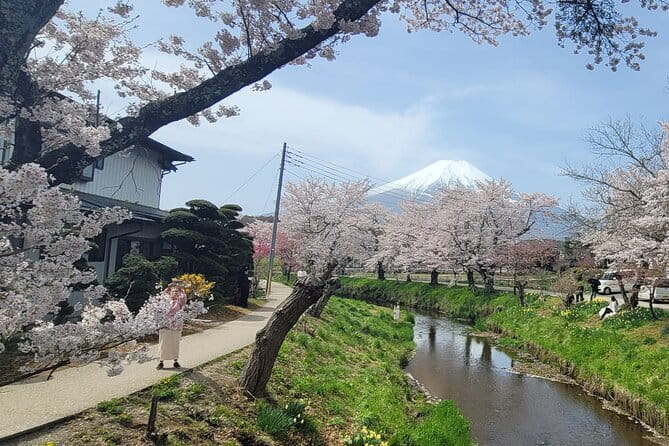
After training, you cool down at Kiyosumi Gardens. This is scheduled for about 30 minutes, and it’s a smart buffer after a high-energy morning. Practice can be physically intense to watch, and the gardens give you a breather to process what you just saw.
This isn’t a “big sightseeing tour” piece. Think of it as a finishing touch—some fresh air, a walk, and a chance to reset before you rejoin Tokyo life. For many people, it also makes the whole morning feel more complete: training in a serious cultural setting, then a softer transition in a peaceful outdoor space.
The guide’s role: getting answers on the spot
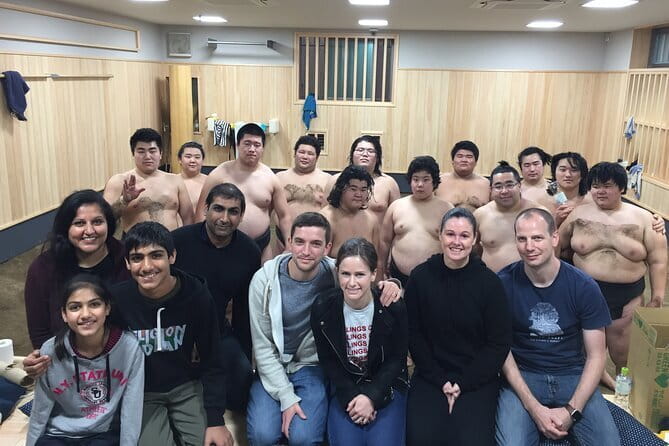
One of the strongest praise signals is consistent: the guide helps you understand sumo in a way that feels immediate. It’s not just facts. It’s context that makes the drills and behavior make sense.
If you’re new to sumo, this matters even more. You can watch a match and learn the basics, sure. But training has more nuance—who leads, what counts as good technique, how repetition builds timing, and why the order of practice is what it is. A good guide keeps you from leaving with only impressions and no understanding.
In the reviews, guide Marie stands out for being passionate and for answering questions in a way that sticks. Even if your guide is someone else, the format is designed for Q&A and explanation. Come with questions like:
- What drills are they repeating, and what skills do those build?
- Why do some movements look similar but feel different in practice?
- What roles do different stable figures have?
Readers also shortlisted these Tokyo bookings:
- Tokyo: Sumo Morning Practice Viewing Tour★ 4.8 · 570 reviews
- Tokyo: Sumo Morning Training Visit★ 4.4 · 370 reviews
- Tokyo: Visit Sumo Morning Practice with English Guide★ 4.7 · 343 reviews
- Tokyo: Sumo Morning Practice Tour at Sumida City★ 4.8 · 308 reviews
- Tokyo Sumo Morning Practice Tour at Stable★ 5.0 · 298 reviews
Photo shoot + ring-side seat: how to plan for pictures
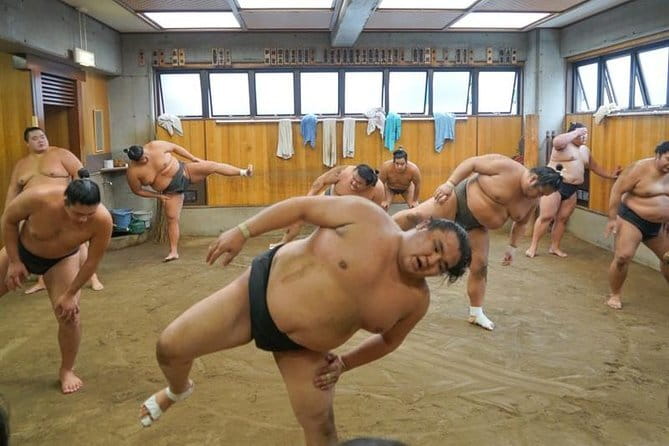
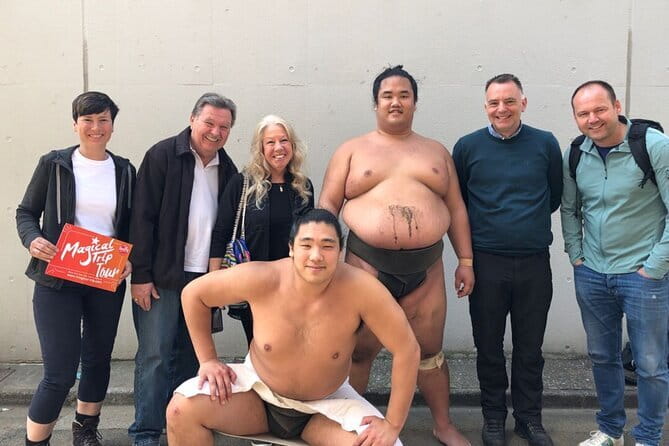
This tour includes a photo shoot with sumo wrestlers, which is a major part of the memory value. You’re not paying extra for a separate photo experience later; it’s built into the activity.
That said, keep your expectations flexible. Stable photography rules can vary. Some stables may restrict photographing wrestlers during practice, or restrict photos with wrestlers. If that happens on your day, the included photo shoot is still your best bet for getting the moment you came for.
For the “ring-side feel,” remember how seating works: inside the stable, seating is first-come, first-served. If you want the best view, be early, follow directions quickly, and don’t waste time once you arrive.
Also, if you’re sensitive about being in a close viewing area, plan for it. You’ll be near the action. That’s part of the point. The wrestlers are intensely focused, so the atmosphere is respectful and calm, not chaotic.
Value check: is $99.10 worth it?
At $99.10 per person for about 2 hours, this tour can feel like a bargain—or like a lot—depending on what you want from Tokyo.
Here’s the value math that matters:
- You get a guided, small-group experience (max 10), not a big bus-style outing
- Admission isn’t a separate fee for attending the morning practice
- You watch real morning training rather than a staged performance
- A photo shoot is included, which can easily add cost in other experiences
Compared with paying for food, transit, or a generic “cultural show,” this tour gives you physical proximity to living tradition. And compared with doing it solo, the biggest advantage is the stable context: you’re not trying to guess etiquette, where to stand, or what you’re looking at.
If you’re a sumo fan, it’s also a smart pick when you’re not in town for tournaments. The training session often gives you a close look at what’s happening between major match days—when wrestlers are building strength and refining technique.
Who should book this Tokyo sumo morning tour
This is ideal if you:
- Love sports and want to see technique, not just theatrics
- Want an authentic cultural experience that feels real and structured
- Are okay following rules and staying respectful inside a traditional training space
- Like guided tours where explanations are part of the package
It can be a less perfect fit if you:
- Want casual sightseeing with lots of freedom to wander
- Hate waiting for instructions or staying within boundaries
- Need guaranteed photo-taking during the entire practice (the policy can limit that)
Age matters too. The tour is available for guests aged 12 and over. Guests under 12 aren’t permitted inside the stable, and if one is found, participation may be denied without a refund. If you’re traveling with kids, this is one of the first things to confirm.
Practical tips so your morning goes smoothly
Tokyo mornings can move fast, and stable schedules can be sensitive. Here’s how to make the experience easier on yourself:
- Use the restroom before the tour begins, since restroom access may not be available during practice
- Dress for the weather. Japan’s temperatures can swing hard, from very hot summers to colder winters
- Bring a calm attitude. Disruptive behavior can get you refused entry without a refund
- Plan to arrive early. The tour starts promptly, and late arrivals may miss the tour entirely
- Wear something you can stand in comfortably. You’ll likely spend time in viewing positions
One more detail worth knowing: the practice session length can vary depending on the wrestlers’ condition and tournament commitments. That can shift the timing slightly, but it’s all part of the reality of working training schedules.
Should you book this sumo morning practice tour?
If you care about sumo as a sport, not a gimmick, I think you should book it. The combination of real morning training, a small group, and a guide who helps you understand what you’re watching is the strongest reason to go. Add the included photo shoot, and it becomes one of those rare experiences that gives both insight and a souvenir-worthy moment.
Book it with the understanding that this is a working stable. You’re there to observe and learn, and rules are part of the experience. If that fits your travel style, this morning will likely stick with you long after Tokyo traffic starts to feel normal again.
FAQ
What time does the Tokyo sumo morning practice tour start?
The tour starts at 8:30 am.
How long is the tour?
It runs for about 2 hours (approx.), including time at the sumo stable and a stop at Kiyosumi Gardens.
Where do I meet the guide?
You meet near 3-chōme-11-1 Kiyosumi, Koto City, Tokyo 135-0024, Japan.
Is there an admission fee for entering the sumo practice?
No. The practice admission ticket is listed as free.
What’s the minimum age for this tour?
This tour is available only to guests aged 12 and over. Guests under 12 are not permitted inside the sumo stable.
Is photography allowed during the practice?
Photography during the practice depends on each sumo stable’s policy. It may or may not be allowed, and taking photos with the wrestlers may be restricted.
How big is the group?
The tour has a maximum of 10 travelers.
Where does the tour end?
The tour ends at Kiyosumi Gardens, and the activity ends back at the meeting point.
If you want, tell me your travel dates and whether you’re a first-time sumo fan or already know the basics, and I’ll suggest the best way to prepare your questions for the guide.
More Tours in Tokyo
- Mt Fuji and Hakone 1-Day Bus Tour Return by Bullet Train
★ 5.0 · 26,383 reviews - 1-Day Tokyo Bus Tour
★ 5.0 · 14,250 reviews - Tokyo: Shinjuku Food Tour (13 Dishes at 4 Local Eateries)
★ 5.0 · 6,603 reviews - Tokyo Mt Fuji 5th St & Hakone Cruise Bus Tour w/Bullet Train
★ 4.4 · 5,024 reviews - Flagship 2-Hours Official Street Go-Kart Tour – Tokyo Bay Shop
★ 5.0 · 4,974 reviews
More Tour Reviews in Tokyo
- Mt Fuji and Hakone 1-Day Bus Tour Return by Bullet Train
★ 5.0 · 26,383 reviews - 1-Day Tokyo Bus Tour
★ 5.0 · 14,250 reviews - Tokyo: teamLab Planets TOKYO Digital Art Museum Entry Ticket
★ 4.6 · 9,779 reviews - Mt Fuji & Hakone Cruise, Drum Show Bullet Train 1 Day from Tokyo
★ 4.0 · 7,413 reviews - Tokyo: Shinjuku Food Tour (13 Dishes at 4 Local Eateries)
★ 5.0 · 6,603 reviews
More Sumo, Ringside and Rated
- Tokyo: Sumo Show and Dining Experience
★ 4.8 · 2,742 reviews - the SUMO show
★ 5.0 · 1,960 reviews - Tokyo Shinjuku Sumo Show & Experience with Photo
★ 5.0 · 1,750 reviews - Tokyo: Sumo Show and Experience in Shinjuku
★ 4.8 · 1,001 reviews - Tokyo Grand Sumo Tournament Viewing Tour with Tickets
★ 5.0 · 692 reviews
Latest Tokyo reviews off our desk



Sumo Tournaments & Shows, compared.
 ★ 4.8Sumo Show and Dining ExperienceFrom $792,742 reviews
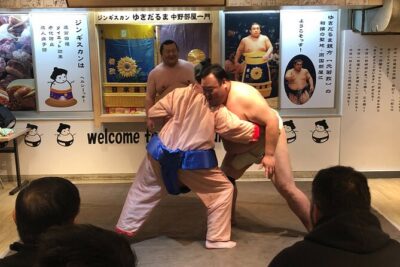 ★ 5.0the SUMO showFrom $891,960 reviews
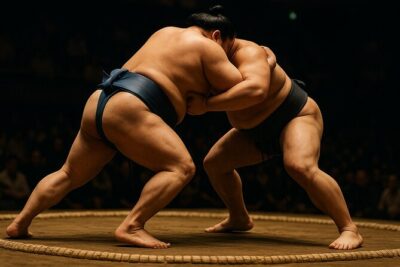 ★ 5.0Tokyo Shinjuku Sumo Show & Experience with PhotoFrom $791,750 reviews
 ★ 4.8Sumo Show and Experience in ShinjukuFrom $691,001 reviews
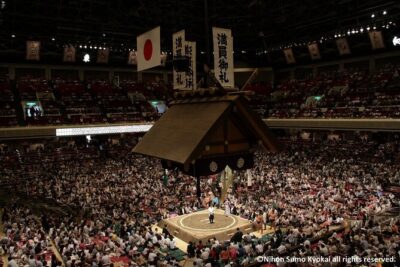 ★ 5.0Tokyo Grand Sumo Tournament Viewing Tour with TicketsFrom $124692 reviews
 ★ 5.0Tokyo Sumo Wrestling Tournament ExperienceFrom $124660 reviews
 ★ 4.7Luxury Sumo Show Experience & Japanese cuisine & DrinkFrom $103577 reviews
 ★ 4.8Sumo Morning Practice Viewing TourFrom $81570 reviews
Browse the lists this tour appears in