
Reviewed · SUMO TOURNAMENTS & SHOWS
Tokyo Sumo Morning Practice: Viewing & Exclusive Interaction
Sumo practice is loud, close, and real. You get real morning training in Sumida, with a built-in chance for photos and an official souvenir banzuke set. I love the way your guide sets the scene first, so you’re not just watching motions—you’re watching ritual, technique, and discipline. The trade-off is the tradition: participation in the ring is limited during the interactive moment.
Because this is practice time (not a tournament), you avoid the usual “wrong week” problem when your trip doesn’t line up with sumo basho dates. And the schedule is designed so you can still enjoy Tokyo after—plus there’s an optional Japanese brunch if you want to keep the morning going. One more thing to consider: you may need patience for quiet, seated watching for up to a couple hours depending on how the training runs.
In This Review
- Key Highlights You Should Know Before You Go
- Why This Sumo Morning Practice Feels More Real Than Match Day
- Entering the Flow: Narihira Park Orientation and Etiquette Basics
- Watching Morning Practice Up Close in Sumida
- Exclusive Wrestler Interaction: Q&A, Photos, and the Ring Moment
- Closing Session With the Banzuke Souvenir Set
- Optional Japanese Brunch: A Smooth Finish to an Early Morning
- Price and Value: Is $95.77 Worth It?
- Who This Sumo Morning Practice Tour Fits Best
- Should You Book Tokyo Sumo Morning Practice in Sumida?
- FAQ
- How long is the Tokyo sumo morning practice tour?
- What’s included in the ticket price?
- Is the tour in English?
- Where do we meet for the tour?
- Do I get time for questions and photos with the wrestlers?
- Can I go into the ring during the interaction?
- Is the Japanese brunch included?
- How big is the group?
- Do I receive a souvenir?
- What if my plans change and I need to cancel?
Key Highlights You Should Know Before You Go
- Narihira Park orientation before you watch so you understand what you’re seeing in the stable
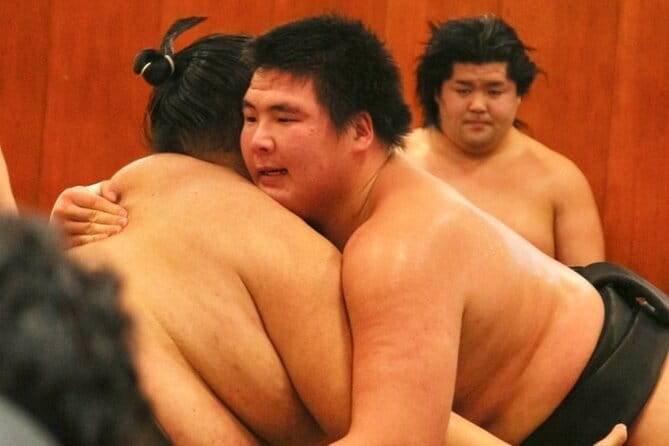
- Up-close practice viewing during a real training session, not a performance
- Exclusive Q&A and photo session with the wrestlers right after practice
- Closing session with an official banzuke in a souvenir folder
- Small-group feel with a maximum of 45 participants
- Optional Japanese brunch afterward if you want an extra local-meal experience
Why This Sumo Morning Practice Feels More Real Than Match Day
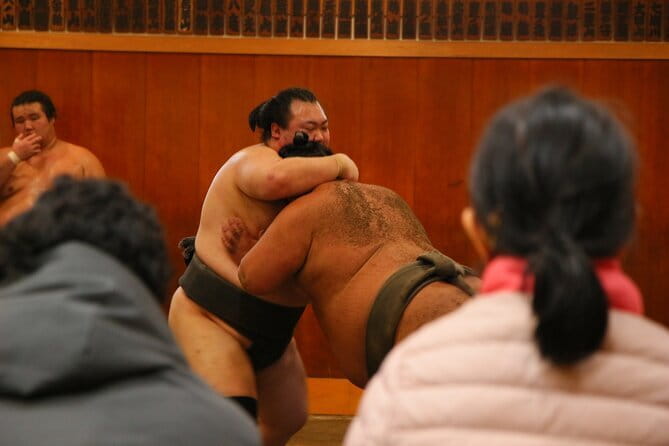
If you’re already excited about sumo, this tour scratches a different itch. Tournament days are dramatic, but they’re also scripted by schedule and crowd energy. Morning practice is about work: warming up, repeating fundamentals, and pushing the body the way you’d expect from athletes who train every day.
What you’ll like most is how close you get. This isn’t “from far away behind glass” sumo. The viewing portion puts you close enough to notice how fast things happen and how physical it is—quick footwork, heavy contact, and the steady rhythm of training.
You’ll also get context. The guide doesn’t treat sumo like a trivia quiz. They explain the rituals and the behind-the-scenes logic so the experience makes sense even if you only know sumo from TV highlights. By the time you’re watching, you’ll be able to track what’s going on instead of guessing.
The one practical caution: the interaction portion isn’t a free-for-all. Traditions still apply, and that affects who can step in during the ring moment. If you’re hoping for that kind of hands-on photo op for everyone, set expectations before you go.
Other ringside bookings readers scored
- Tokyo: Sumo Show and Dining Experience
★ 4.8 · 2,742 reviews - the SUMO show
★ 5.0 · 1,960 reviews - Tokyo Shinjuku Sumo Show & Experience with Photo
★ 5.0 · 1,750 reviews - Tokyo: Sumo Show and Experience in Shinjuku
★ 4.8 · 1,001 reviews
Entering the Flow: Narihira Park Orientation and Etiquette Basics
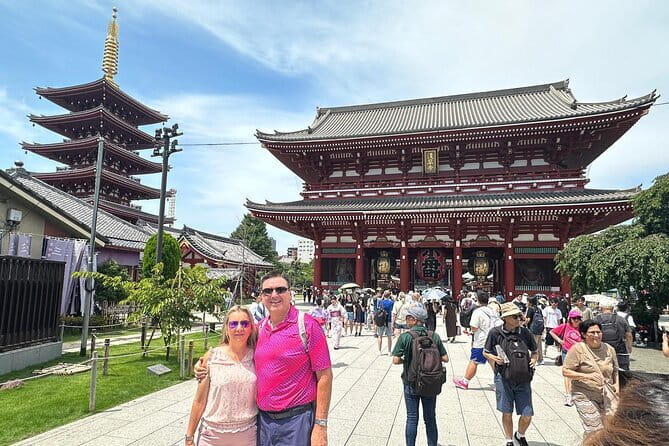
The day starts at Narihira Park in Sumida, near a multipurpose restroom. This matters because it’s not just a random meeting spot—you’ll use this time to get oriented before you head into the stable area.
Your guide provides an insider briefing, with background on the stable’s world: the rituals, the hidden history, and how sumo training actually fits into a wrestler’s life. Even if you’re familiar with the big terms (like rank and tournament talk), the orientation helps you understand the smaller stuff: why certain routines happen, why people move a certain way, and why “being respectful” is part of the sport’s day-to-day culture.
One nice touch is that you’ll get pre-reading material and confirmation details before the morning. Some guides also message you the day before with meeting-point clarity, which is helpful in a city where a tiny street difference can cost you time.
This orientation is also where the guide acts like your translator of behavior. If you’re unsure about what’s appropriate to do with your phone, where to sit, or how to ask questions later, this is the moment you want to absorb those cues. It keeps the whole group calm and lets you enjoy what’s in front of you.
Watching Morning Practice Up Close in Sumida
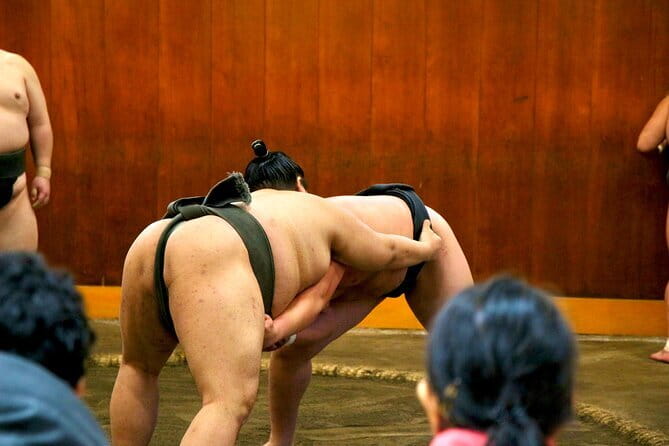
The core of the experience is the practice viewing, lasting about 1.5 hours. This is where you feel the sport’s weight. You’ll see wrestlers work through training sequences—practice bouts, drills, and the kind of repeat-and-refine effort that TV doesn’t show well.
Because it’s morning, the energy is different than what you see in an afternoon arena. Training can look quieter from the outside, but up close it’s intense. You’ll hear impact, feel the pace, and notice how focused each wrestler is between reps.
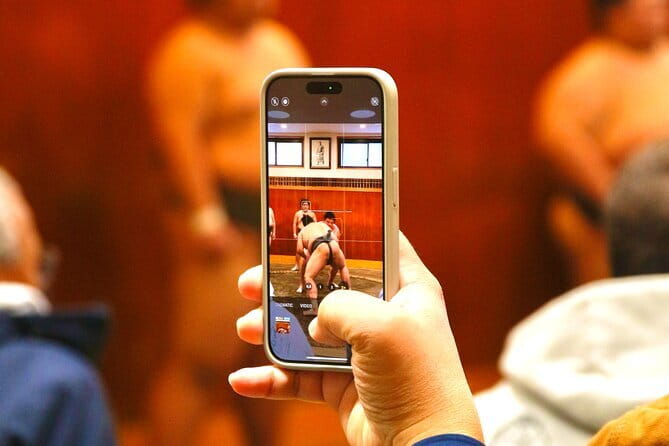
This is also where your orientation pays off. If you know what to look for, you’ll notice not just strength but discipline: posture, timing, and how they reset themselves after each exchange. And if you’re into photography, the closeness makes a real difference. You won’t just capture a costume shot; you’ll capture the athletes doing what they do every morning.
A practical note: sumo practice isn’t designed around your comfort schedule. You’ll likely sit and watch for a while, and you should be ready for a calm, respectful environment. If you’re visiting with kids, or you’re the type who struggles sitting still, this is the part that can test patience.
Exclusive Wrestler Interaction: Q&A, Photos, and the Ring Moment
After practice, the tour shifts from watching to meeting. You get a Q&A and photo session for about 30 minutes. This is one of the most talked-about parts because it’s direct. You’re not just listening to a lecture; you’re interacting.
A guide helps translate and keeps the flow smooth, which is important here. Wrestlers can share stories, and you’ll likely get more meaning out of a conversation than from any single explanation. This is also a good moment to ask practical questions you’d never think to ask from the stands—how training feels, what certain routines mean, and what sumo life is like.
Photos are part of the experience, and they’re a major reason to book this instead of watching the practice from public areas on your own. You’ll have a more structured chance to capture the moment with the wrestlers.
The big consideration is the ring. During the interactive portion, tradition limits who can step into the ring area. One common rule you may run into is that only men are allowed to step into the ring. That doesn’t mean the tour isn’t worth it, but it’s crucial for planning if you were hoping for the same hands-on access for everyone.
Closing Session With the Banzuke Souvenir Set
The tour wraps with a closing session back at the park. This is about 30 minutes, and it’s more than just a goodbye. Your guide presents an official banzuke ranking sheet, delivered in a specially designed souvenir folder as part of the included souvenir set.
For sumo fans, this little piece of paper has more weight than you’d expect. The banzuke represents the official ranking system, and it helps you connect what you saw in training to how sumo is organized across a season. It’s the kind of souvenir that makes you remember the day beyond the photos.
This ending moment is also a chance for extra Q&A. If you still have questions—how rankings work, what practice focuses on at different times, or how stable life runs—this is where you can ask in a less rushed setting.
Readers also shortlisted these Tokyo bookings:
- Tokyo: Sumo Morning Practice Viewing Tour★ 4.8 · 570 reviews
- Tokyo: Sumo Morning Training Visit★ 4.4 · 370 reviews
- Tokyo: Visit Sumo Morning Practice with English Guide★ 4.7 · 343 reviews
- Tokyo: Sumo Morning Practice Tour at Sumida City★ 4.8 · 308 reviews
- Tokyo Sumo Morning Practice Tour at Stable★ 5.0 · 298 reviews
Optional Japanese Brunch: A Smooth Finish to an Early Morning
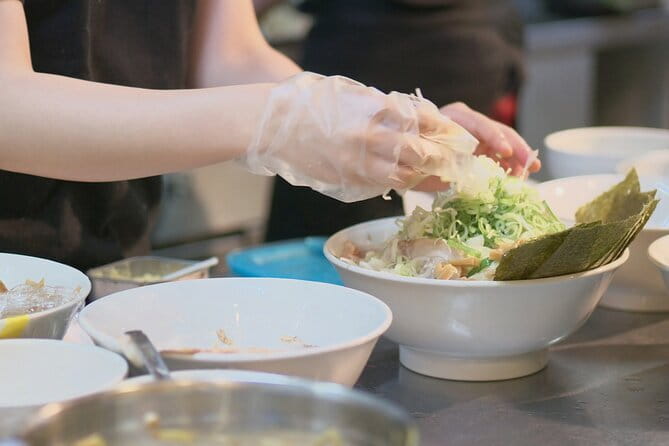
If you want to stretch your morning into a full experience, there’s an optional Japanese brunch after the practice. It’s offered because you’ll likely be hungry, and you’ll probably still be in that sumo mood where a warm meal feels like part of the culture.
Based on how people describe it, the meal is more like a lunch-style set than a Western brunch. Some diners report dishes costing roughly 1,000–2,000 yen depending on what you choose, so it’s not a major splurge, but it’s not free either.
I like the “optional” setup. If you have plans later—shopping, a museum, a Tokyo food mission—you can skip it and keep the day flexible. If you want a guided explanation of what you’re eating, the guides are there to help you make choices and understand different dishes.
Timing matters. This is the kind of tour where adding brunch means your afternoon schedule should be lighter than usual. If you’re catching a train, touring a neighborhood far away, or have a reservation, give yourself breathing room.
Price and Value: Is $95.77 Worth It?
At $95.77 per person, this isn’t the cheapest activity in Tokyo—but it’s also not trying to be. You’re paying for access to a real stable practice setting plus an English-speaking guide, and you’re getting the practice viewing fee included in the price.
You’re also getting something hard to replicate on your own: a structured, close viewing experience plus an interaction window with Q&A and photos. That’s where a big chunk of the value is. If you were simply trying to visit a stable area independently, you’d likely lose the context, lose the controlled flow, and lose the photo and Q&A structure.
That said, value is personal. One realistic consideration is that parts of the experience are short by design—especially Q&A. You might also find that the guide’s main job is translation and behavior guidance rather than delivering a long, deep lecture. If your ideal sumo trip is 100% history lesson time, you may want to pair this with another sumo-related activity later in your day.
Duration is also worth noticing. The tour runs about 2.5 to 3 hours. In practice, the pace can feel slightly different depending on how the morning training flows and how the interaction session is managed. Plan your day as if you’ll be busy for most of the late morning, not just a quick pit stop.
Who This Sumo Morning Practice Tour Fits Best
This tour is a strong match if you want sumo as a lived sport, not a show. You’ll likely enjoy it if you care about tradition, training discipline, and the human side of the wrestlers—the way they answer questions and interact respectfully with visitors.
It also fits families who can handle a quiet, seated viewing environment. Kids often love the closeness and the idea of meeting sumo wrestlers, but the experience isn’t a playground. If your child needs nonstop activity, consider that you may be sitting for a while during practice.
If you’re a solo traveler, this works too. The group format and guide support make it easier to navigate etiquette, questions, and photo moments without stress.
If you’re visiting with someone who really wants ring access for photos or stepping in, be aware of the tradition-based limitation during the ring moment. The rest of the day can still be impressive, but that specific wish might not be fully met.
Should You Book Tokyo Sumo Morning Practice in Sumida?
I’d book it if you want the closest, most personal look at sumo training you can realistically get in Tokyo. The combo of up-close practice viewing, Q&A plus photos, and an official banzuke souvenir makes it more than just a cultural spectacle.
Skip it (or at least lower expectations) if you’re only interested in tournament drama or if you’re hoping for long, detailed historical explanations. And if you’re sensitive to sitting quietly, plan for patience during the viewing window.
If your trip lines up with a morning you can commit to, this tour is one of the best ways to experience sumo on your schedule—not the tournament calendar.
FAQ
How long is the Tokyo sumo morning practice tour?
The tour lasts about 2 hours 30 minutes to 3 hours.
What’s included in the ticket price?
You get an English-speaking guide, admission for the sumo morning practice viewing, and an official sumo souvenir set (banzuke and an original folder).
Is the tour in English?
Yes. The tour includes an English-speaking guide.
Where do we meet for the tour?
You meet at Narihira Park in Sumida City, near the multipurpose restroom. The listed start point address is 2-chōme-3-番 Narihira, Sumida City, Tokyo 130-0002, Japan.
Do I get time for questions and photos with the wrestlers?
Yes. There’s an interaction segment that includes a Q&A and a photo session with the wrestlers.
Can I go into the ring during the interaction?
The tour information indicates that the ring moment follows tradition, and only men are allowed to step in during the interactive portion.
Is the Japanese brunch included?
It’s optional. The tour offers an optional Japanese brunch after the practice.
How big is the group?
The tour has a maximum of 45 travelers.
Do I receive a souvenir?
Yes. You’ll receive an official banzuke (ranking sheet) in a specially designed souvenir folder during the closing session.
What if my plans change and I need to cancel?
You can cancel for free up to 24 hours in advance for a full refund. Cancellation cutoff is based on local experience time.
More Morning in Tokyo
- Tokyo: Sumo Morning Practice Viewing Tour
★ 4.8 · 570 reviews - Tokyo: Sumo Morning Training Visit
★ 4.4 · 370 reviews - Tokyo: Visit Sumo Morning Practice with English Guide
★ 4.7 · 343 reviews - Tokyo: Sumo Morning Practice Tour at Sumida City
★ 4.8 · 308 reviews - Tokyo Sumo Morning Practice Tour at Stable
★ 5.0 · 298 reviews
More Tour Reviews in Tokyo
- Mt Fuji and Hakone 1-Day Bus Tour Return by Bullet Train
★ 5.0 · 26,383 reviews - 1-Day Tokyo Bus Tour
★ 5.0 · 14,250 reviews - Tokyo: teamLab Planets TOKYO Digital Art Museum Entry Ticket
★ 4.6 · 9,779 reviews - Mt Fuji & Hakone Cruise, Drum Show Bullet Train 1 Day from Tokyo
★ 4.0 · 7,413 reviews - Tokyo: Shinjuku Food Tour (13 Dishes at 4 Local Eateries)
★ 5.0 · 6,603 reviews
More Sumo, Ringside and Rated
- Tokyo: Sumo Show and Dining Experience
★ 4.8 · 2,742 reviews - the SUMO show
★ 5.0 · 1,960 reviews - Tokyo Shinjuku Sumo Show & Experience with Photo
★ 5.0 · 1,750 reviews - Tokyo: Sumo Show and Experience in Shinjuku
★ 4.8 · 1,001 reviews - Tokyo Grand Sumo Tournament Viewing Tour with Tickets
★ 5.0 · 692 reviews
Latest Tokyo reviews off our desk






Sumo Tournaments & Shows, compared.
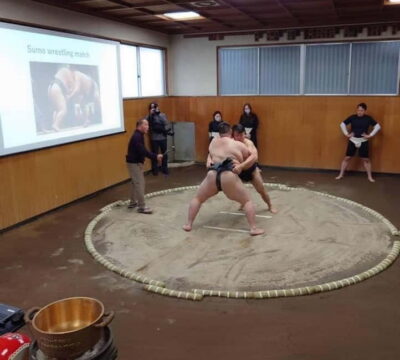 ★ 4.8Sumo Show and Dining ExperienceFrom $792,742 reviews
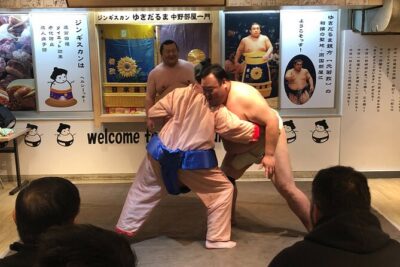 ★ 5.0the SUMO showFrom $891,960 reviews
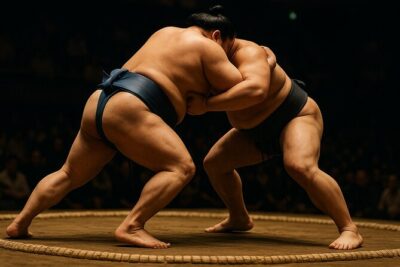 ★ 5.0Tokyo Shinjuku Sumo Show & Experience with PhotoFrom $791,750 reviews
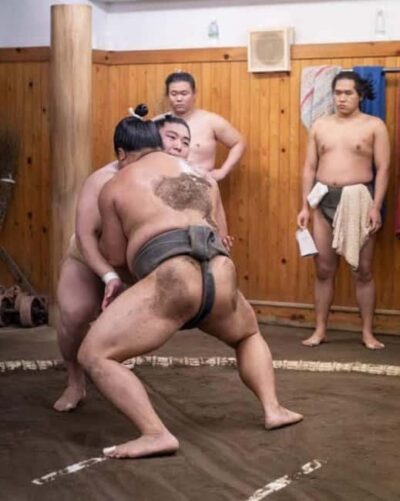 ★ 4.8Sumo Show and Experience in ShinjukuFrom $691,001 reviews
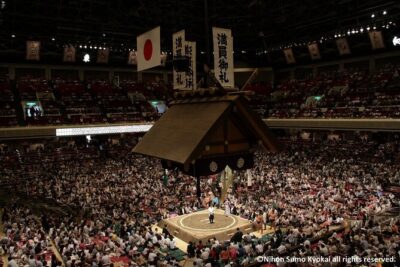 ★ 5.0Tokyo Grand Sumo Tournament Viewing Tour with TicketsFrom $124692 reviews
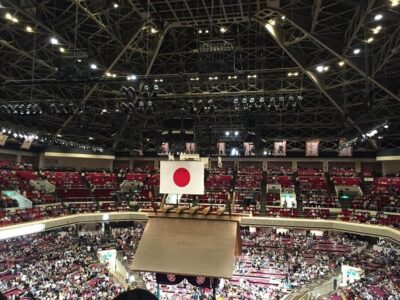 ★ 5.0Tokyo Sumo Wrestling Tournament ExperienceFrom $124660 reviews
 ★ 4.7Luxury Sumo Show Experience & Japanese cuisine & DrinkFrom $103577 reviews
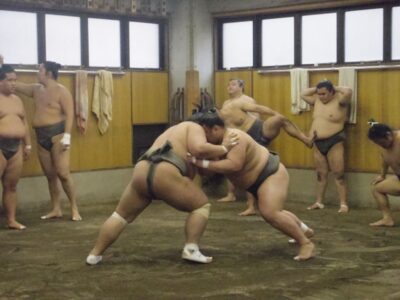 ★ 4.8Sumo Morning Practice Viewing TourFrom $81570 reviews
Browse the lists this tour appears in