
Reviewed · SUMO TOURNAMENTS & SHOWS
Tokyo Sumo Morning Training/ Sumo Practice with Wrestlers
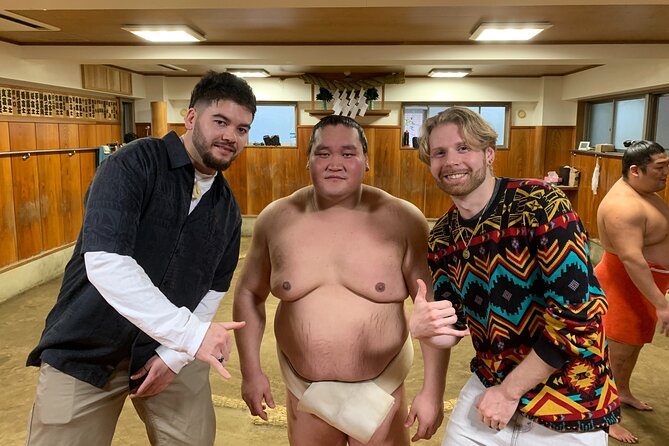
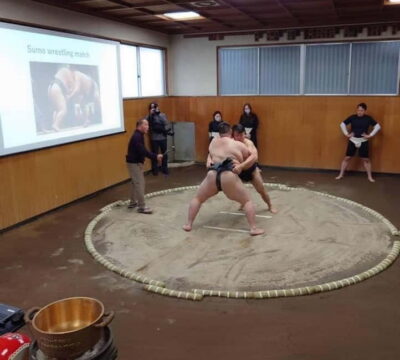
Sumo mornings feel both serious and oddly human. This Tokyo experience gets you into a real training space for sumo practice and gives you a guide who explains what you are seeing, with English commentary included. You also get time to ask questions and, at the end, a photo with a sumo wrestler—small, but it makes the visit stick in your memory.
I like the sense of order and respect. You’re told clearly how to behave, when you can and cannot move, and how to watch without distracting the wrestlers. My only real heads-up is comfort: you may wait outside in chilly or rainy weather, and you might sit on the floor during the practice.
In This Review
- Key points before you go
- What you’re actually buying: a stable visit, not a show
- The morning flow in Tokyo: a quick setup, then careful watching
- Inside the stable: what to expect on the floor mats
- Entry rules that matter: shoes, dohyō access, and where women sit
- Photos and phone behavior: how to capture without breaking rules
- Value check: is $99.10 a fair price for this kind of morning?
- Who should book (and who might skip it)
- Practical prep: make the morning easier on yourself
- Should you book this Tokyo sumo practice tour?
- FAQ
- How long is the Tokyo sumo morning training?
- Where do we meet for the tour?
- Will I receive the exact meeting time and location for my date?
- Can I enter the dohyō (sumo ring)?
- Are chairs available in the stable?
- What are the rules for phones and photography?
- Is eating allowed during the tour?
- Can I leave the stable during the practice?
- Should I worry about the yokozuna being present?
- How does cancellation work?
Key points before you go
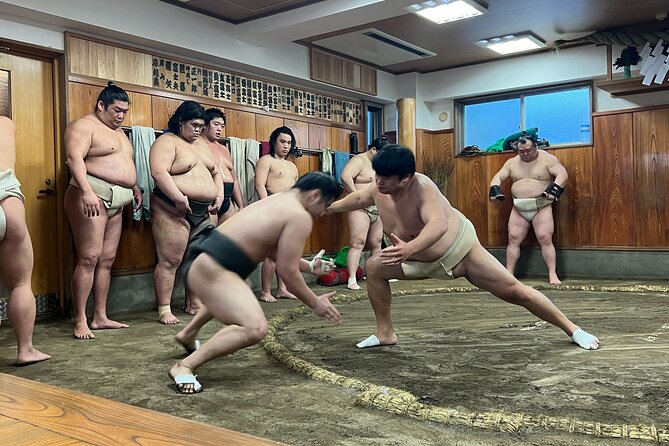
- Real access to a Tokyo sumo stable where you watch the daily practice routine up close
- Guide talk plus English support that helps you understand what is happening as the session unfolds
- A respectful viewing setup with strict rules on silence, seating, and where you look
- Photos with a wrestler after the practice so you leave with more than just memories
- Gender-specific access to the dohyō (women can watch from designated seating; men remove shoes for ring access)
- What you see can vary by day including who is training and how long the practice runs
What you’re actually buying: a stable visit, not a show
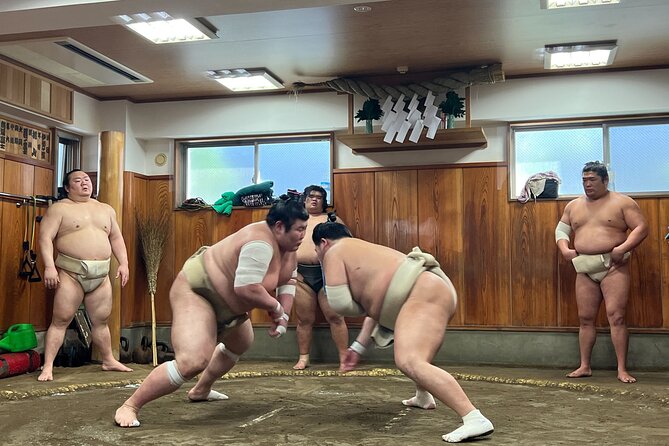
This is a behind-the-scenes sumo experience. Instead of a performance where action is choreographed for an audience, you are observing a training session inside a stable environment. That changes the whole feel. You get to watch the real pacing of practice—how time is structured, how wrestlers move as a group, and how concentrated everyone looks.
The best part for me is the guide context. Sumo can look simple until you watch it long enough to notice the details. With a guide and English commentary via headset, you spend less time guessing and more time seeing what matters: the routine, the discipline, and the seriousness of the training.
Also, the photo element is not just a marketing perk. It’s a neat way to make the day feel like an actual interaction, not a quick glance and out the door.
Other ringside bookings readers scored
- Tokyo: Sumo Show and Dining Experience
★ 4.8 · 2,742 reviews - the SUMO show
★ 5.0 · 1,960 reviews - Tokyo Shinjuku Sumo Show & Experience with Photo
★ 5.0 · 1,750 reviews - Tokyo: Sumo Show and Experience in Shinjuku
★ 4.8 · 1,001 reviews
The morning flow in Tokyo: a quick setup, then careful watching
Your session starts at a fixed meeting point in Sumida City: 1-chōme-2-8 Chitose, Sumida City, Tokyo 130-0025, Japan. It’s designed to be easy to reach by public transportation, and the tour returns back to the same meeting spot.
Timing is built for the morning rhythm. First, you meet your guide and get an explanation of sumo before you head to the stable. Then you enter for the main practice window. The tour duration is listed at about 1 hour overall, with most of that spent inside the stable.
One practical note: the exact time and location for the morning practice can vary by date. After booking, you should receive the meeting details for your specific session. I’d treat the message you get as your source of truth, especially since the stable schedule can affect how things play out.
Inside the stable: what to expect on the floor mats
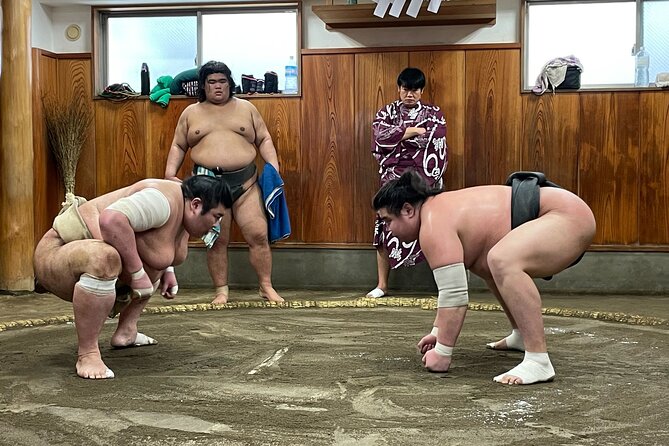
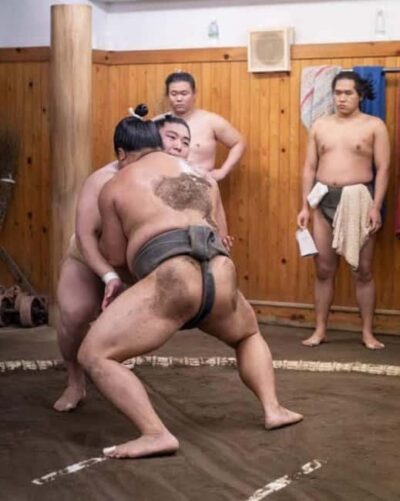
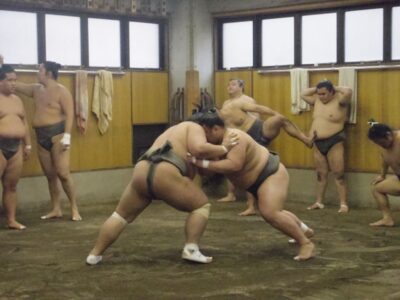
Once you enter, the whole vibe turns quiet and focused. You watch from within the stable area while wrestlers go through their daily routine. The experience is set up so you do not become a distraction. You’re asked to watch respectfully, keep your phone silent, and avoid anything that breaks concentration.
Depending on your day’s schedule, you may get a longer or shorter session than the rough 1-hour estimate. Some dates may end earlier, and when a Grand Tournament is coming up, the stable schedule can shift. So if you’re the type who plans your day to the minute, build in a little flexibility.
Seating is another thing you should mentally prepare for. Some stables may not have chairs, and you might sit on a floor mat. That is fine once you are settled, but it helps to wear clothing that stays comfortable while you sit quietly.
For many people, the emotional payoff is how close you feel to the work. You are not watching from a distance where you only see silhouettes and soundbites. You see posture, intensity, and the kind of focus that makes the sport feel almost ritual-like.
Entry rules that matter: shoes, dohyō access, and where women sit
This part is important because the rules are tied to culture and safety, and they affect your viewing experience.
- Men must remove their shoes before stepping onto the dohyō (the ring).
- Women are welcome, but they are not permitted to enter the dohyō at this facility due to religious and cultural traditions. Women can fully participate from designated seating areas.
- You cannot leave in the middle of the practice and once you step out, you cannot re-enter.
If you’re thinking about the dohyō specifically, plan around the fact that not every participant has identical access. The good news is that you can still watch the practice from the stable area and have the guide help you understand what you are seeing.
Small behavior details also show up in the instructions for a reason. Don’t stretch your legs toward the ring, since showing the soles of your feet is considered impolite. Also, don’t interfere with concentration. It sounds strict, but it’s part of what makes the observation feel respectful rather than chaotic.
Photos and phone behavior: how to capture without breaking rules
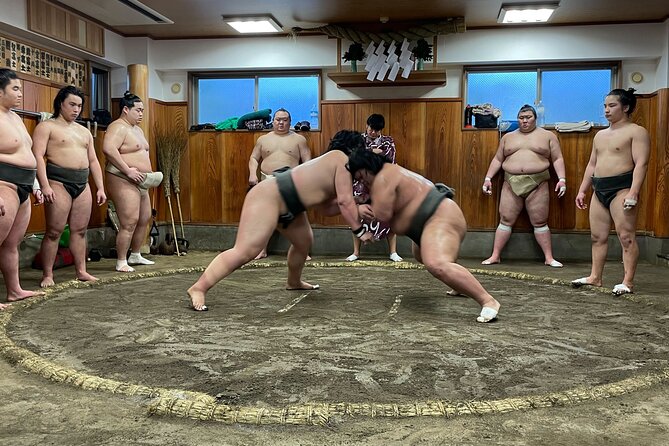
You can take photos, but the rules are clear:
- Photos are allowed without flash or shutter sounds.
- Videos are not allowed.
- Cellphones must be on silent.
This is one of those rare tours where you should actually practice restraint. If you’re used to filming everything, you’ll need to switch modes and focus on watching first. The payoff is you’ll remember more through your eyes, and the experience stays smooth for everyone.
Also, there’s a built-in memory moment at the end: the tour includes a photo with a sumo wrestler. So you do not need to spend the whole session trying to get the perfect shot.
Readers also shortlisted these Tokyo bookings:
- Tokyo: Sumo Morning Practice Viewing Tour★ 4.8 · 570 reviews
- Tokyo: Sumo Morning Training Visit★ 4.4 · 370 reviews
- Tokyo: Visit Sumo Morning Practice with English Guide★ 4.7 · 343 reviews
- Tokyo: Sumo Morning Practice Tour at Sumida City★ 4.8 · 308 reviews
- Tokyo Sumo Morning Practice Tour at Stable★ 5.0 · 298 reviews
Value check: is $99.10 a fair price for this kind of morning?
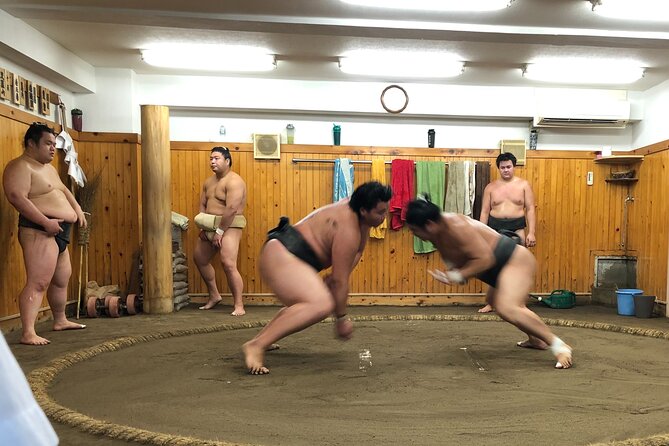
At $99.10 per person, this is not a cheap add-on. The value depends on what you want from your Tokyo trip.
If you love sumo as a sport, this is a strong buy because you are paying for access to a stable training environment, plus guide context, plus the photo at the end. The experience also runs with a small group limit (max 25 travelers), which helps keep the setting controlled.
What can lower perceived value is mismatch in expectations:
- You should expect quiet observation and strict etiquette, not a nonstop, audience-style show.
- The amount of ring action you see can vary by day and stable conditions.
- The practice schedule may shift, and the session might run shorter than the rough estimate.
One thing I appreciate is that the tour is designed around learning and respect, not hype. If you want spectacle, you might feel impatient. If you want understanding, up-close training, and real context, it’s easier to justify the price.
Who should book (and who might skip it)
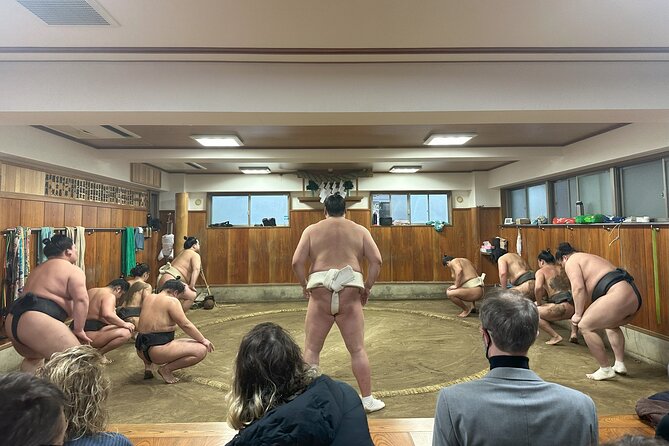
This works best for:
- Sumo fans who want to see how the sport looks when it is not staged.
- First-timers who want a guide to translate what they are watching.
- People who like cultural etiquette and can follow rules without making it a big deal.
It may be less satisfying for you if:
- You want lots of time standing, walking around, or filming.
- You need a comfortable chair for long periods.
- You are counting on seeing a specific top wrestler. The stable is described as one where a yokozuna trains, but it is not guaranteed that the yokozuna will be there on your day.
One more reality check from past experiences: sometimes the stable schedule can change close to start time. So keep an eye on your messages the day of, and don’t assume the day is locked in until you receive the final details.
Practical prep: make the morning easier on yourself
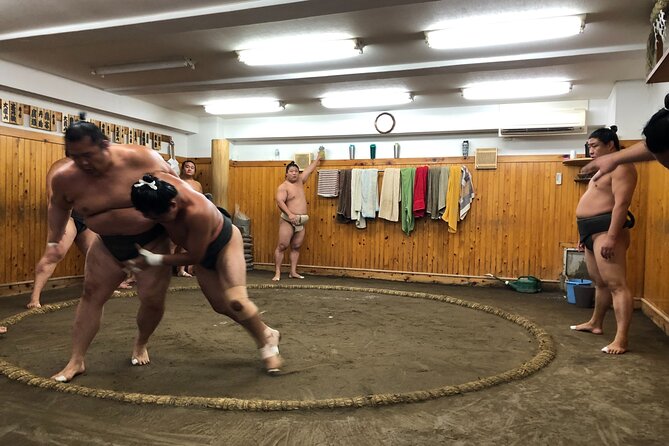
A little planning makes this tour much more enjoyable.
- Wear comfortable clothes you can sit in for a while.
- If you’re visiting in winter or rain season, dress for cold. You may be outside first and you may still feel chilly after you enter.
- Use the restroom before you arrive at the meeting point.
- Bring water and expect that eating is not allowed inside the stable (water and sports drinks are allowed).
- Plan to keep your phone silent and avoid flash. Photos are fine within the rules, and videos are not.
If you show up prepared, you’ll spend your attention on what matters: watching the routine closely and letting the guide help connect it to what sumo actually is.
Should you book this Tokyo sumo practice tour?
I’d book it if you want a real stable morning look at sumo and you enjoy understanding the sport rather than just collecting a quick tourist moment. The guide support, the respectful access, the small group size, and the photo afterward combine into a trip that feels personal and grounded.
I would hesitate if you are shopping for maximum action, or if you struggle with quiet rules, cold waits, or floor seating. Also, if you are traveling with tight timing and can’t adapt to changes in practice length, this may feel a little unpredictable.
Bottom line: treat it like a short cultural appointment at a working training place. If that fits your style, it’s a memorable Tokyo morning.
FAQ
How long is the Tokyo sumo morning training?
It is approximately 1 hour. The exact practice content and timing can vary by day, so the session may be slightly shorter or longer.
Where do we meet for the tour?
The meeting point is 1-chōme-2-8 Chitose, Sumida City, Tokyo 130-0025, Japan, and the activity ends back at the meeting point.
Will I receive the exact meeting time and location for my date?
Yes. The location and time of the morning practice may vary by tour date, and after booking you will be sent the specific details for meeting point and time.
Can I enter the dohyō (sumo ring)?
Men must remove their shoes before stepping onto the dohyō. Women are not permitted to enter the dohyō at this facility, but they can fully participate from designated seating areas.
Are chairs available in the stable?
Some stables may not have chairs, and you may have to sit on the floor mat.
What are the rules for phones and photography?
Cellphones must be on silent. Photos are allowed without flash or shutter sounds. Videos are not allowed.
Is eating allowed during the tour?
Eating is not allowed inside the stable. You are allowed to drink water and sports drinks inside the stable.
Can I leave the stable during the practice?
No. You cannot leave the sumo stable in the middle of the practice, and once you leave, you cannot re-enter.
Should I worry about the yokozuna being present?
The stable is described as one where a yokozuna trains, but it is not known until the morning whether the yokozuna will actually be there.
How does cancellation work?
Free cancellation is available up to 24 hours before the experience start time for a full refund. Canceling less than 24 hours before start time is not refunded.
More Morning in Tokyo
- Tokyo: Sumo Morning Practice Viewing Tour
★ 4.8 · 570 reviews - Tokyo: Sumo Morning Training Visit
★ 4.4 · 370 reviews - Tokyo: Visit Sumo Morning Practice with English Guide
★ 4.7 · 343 reviews - Tokyo: Sumo Morning Practice Tour at Sumida City
★ 4.8 · 308 reviews - Tokyo Sumo Morning Practice Tour at Stable
★ 5.0 · 298 reviews
More Tour Reviews in Tokyo
- Mt Fuji and Hakone 1-Day Bus Tour Return by Bullet Train
★ 5.0 · 26,383 reviews - 1-Day Tokyo Bus Tour
★ 5.0 · 14,250 reviews - Tokyo: teamLab Planets TOKYO Digital Art Museum Entry Ticket
★ 4.6 · 9,779 reviews - Mt Fuji & Hakone Cruise, Drum Show Bullet Train 1 Day from Tokyo
★ 4.0 · 7,413 reviews - Tokyo: Shinjuku Food Tour (13 Dishes at 4 Local Eateries)
★ 5.0 · 6,603 reviews
More Sumo, Ringside and Rated
- Tokyo: Sumo Show and Dining Experience
★ 4.8 · 2,742 reviews - the SUMO show
★ 5.0 · 1,960 reviews - Tokyo Shinjuku Sumo Show & Experience with Photo
★ 5.0 · 1,750 reviews - Tokyo: Sumo Show and Experience in Shinjuku
★ 4.8 · 1,001 reviews - Tokyo Grand Sumo Tournament Viewing Tour with Tickets
★ 5.0 · 692 reviews
Latest Tokyo reviews off our desk



Sumo Tournaments & Shows, compared.
 ★ 4.8Sumo Show and Dining ExperienceFrom $792,742 reviews
 ★ 5.0the SUMO showFrom $891,960 reviews
 ★ 5.0Tokyo Shinjuku Sumo Show & Experience with PhotoFrom $791,750 reviews
 ★ 4.8Sumo Show and Experience in ShinjukuFrom $691,001 reviews
 ★ 5.0Tokyo Grand Sumo Tournament Viewing Tour with TicketsFrom $124692 reviews
 ★ 5.0Tokyo Sumo Wrestling Tournament ExperienceFrom $124660 reviews
 ★ 4.7Luxury Sumo Show Experience & Japanese cuisine & DrinkFrom $103577 reviews
 ★ 4.8Sumo Morning Practice Viewing TourFrom $81570 reviews
Browse the lists this tour appears in