
Reviewed · TEA CEREMONY & MATCHA
Tokyo Sweets Tour: Hidden Gems & Matcha at an Old Tea House
Tokyo sweet plans can get crowded fast, so this route is a smarter way in. You start in a quieter Tokyo neighborhood, then work through a string of dessert stops that feel local rather than theme-park. Two things I like a lot are the pace (about 3 hours with a small group) and the ending at a 100+ year-old matcha shop where you sit on tatami and slow down with the tea.
You’ll also get a guide who is more than just a ticket-holder. In particular, the English-speaking guide Soren (also a baker) shares practical, behind-the-counter details about what you’re eating and why each place does it that way. One consideration: this is a sweets tour, so if you prefer savory food or big sit-down meals, you might want to pair it with a fuller dinner later.
In This Review
- Why This Tokyo Sweets Tour Feels Different Than a Typical Food Walk
- Key Stops That Make This Tour Worth Your Time
- Jiyugaoka: Starting in a Quiet Neighborhood Instead of the Usual Traps
- The First Sweet Hit: Fluffy Japanese-Style Pancakes
- Korean Bakery Stop: Asian Treats in a Cozy Setting
- The Donut Shop Stop: Japanese-Style Donuts with Real Variety
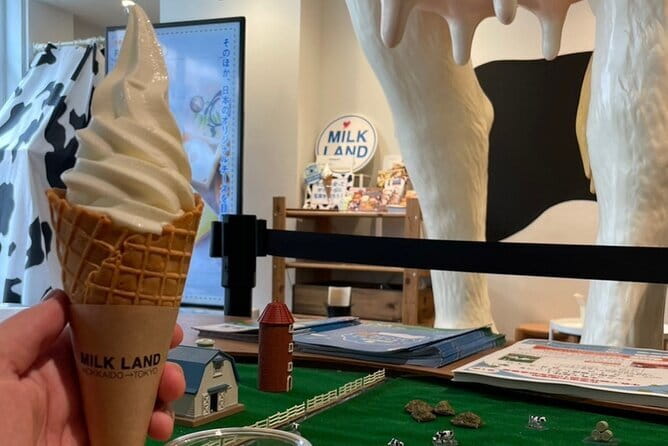
- Hokkaido Ice Cream: Why Milk Changes Everything
- Mont Blanc Patisserie: A Classic Style You Can Actually Compare
- The Grand Finale: Matcha at a Historic Tea House on Tatami
- Price and Value: Is $109 Reasonable for 3 Hours of Sweets?
- What the Tour Day Feels Like (And How to Prepare)
- Who Should Book This Tour (And Who Might Skip It)
- Should You Book the Tokyo Sweets Tour?
- FAQ
- Where does the tour start?
- What time does the tour begin?
- How long is the Tokyo sweets tour?
- What is the group size limit?
- Is the tour ticket digital?
- What’s included in the price?
- Where does the tour end?
- Do I need good weather for this to run?
- Is confirmation provided after booking?
Why This Tokyo Sweets Tour Feels Different Than a Typical Food Walk
This tour is built like a dessert circuit, not a long list of random stops. You move efficiently through five sweet styles that show how broad Japan’s pastry culture can be: fluffy pancakes, bakery snacks from a Korean shop, Japanese-style donuts, Hokkaido dairy ice cream, and a Mont Blanc patisserie. Then you close with matcha in an old Japanese building, which turns the whole thing from snacks into a small food-and-culture experience.
The group size matters. With a maximum of 6 travelers, you’re less likely to feel rushed, and it’s easier to ask questions (especially if you’re curious about ingredients like matcha quality or why certain sweets taste different). The tour also runs from 10:30 am and uses a mobile ticket, which keeps the start simple.
Key Stops That Make This Tour Worth Your Time
- Jiyugaoka first: a lower-key neighborhood that sets the mood before the sugar.
- A baker-turned guide (Soren): you get practical info, not just read-outs.
- Donuts with variety: a wide assortment at the Japanese-style donut shop.
- Hokkaido ice cream: extra creamy, sweet flavor tied to Hokkaido milk.
- Mont Blanc patisserie: a classic-style Japanese dessert built for lovers of chestnut-and-cream profiles.
- Matcha on tatami: finish in a historic tea space with over 100 years behind it.
More tea rooms our readers rated
- Matcha Making Class in Tokyo with Authentic Japanese Sweets Set
★ 5.0 · 744 reviews - Tokyo: Traditional Tea Ceremony with a Tea Master
★ 5.0 · 528 reviews - Tokyo: Matcha Making Experience with Mochi Sweets in Asakusa
★ 4.9 · 388 reviews - Tokyo: Matcha and Kimono Experience
★ 4.7 · 219 reviews
Jiyugaoka: Starting in a Quiet Neighborhood Instead of the Usual Traps
Your tour starts at Excelsior Caffé Jiyugaoka-ekimae, in Jiyugaoka (Meguro City). That’s a big deal because the neighborhood itself does half the work of making the day feel pleasant. Jiyugaoka is described as charming and lesser-known, with streets that don’t feel overloaded with tourists. That means you get an everyday-feeling walk while you build appetite.
Also, starting in the morning-ish slot (10:30 am) helps. You’re not fighting for table space after a late lunch, and you’re still hungry enough to taste each stop instead of “sampling with regret.” If you’re the type who likes to wander a few blocks before and after a food tour, this starting point is a good base to do that.
The First Sweet Hit: Fluffy Japanese-Style Pancakes
The tour kicks off with Japanese-style pancakes that are described as fluffier and sweeter than the typical version you might see elsewhere. This is a smart opening choice because pancakes act like a reset button: you get something familiar enough to understand immediately, but the texture difference tells you you’re in the Japanese execution.
What I’d watch for here is timing. These tours move, so you’ll want to eat your pancake while it’s at its best rather than saving bites for later. Since the tour includes brunch and snacks, this first stop is doing more than a “taste”—it’s building your base so the later sweets don’t feel like an overload.
Korean Bakery Stop: Asian Treats in a Cozy Setting
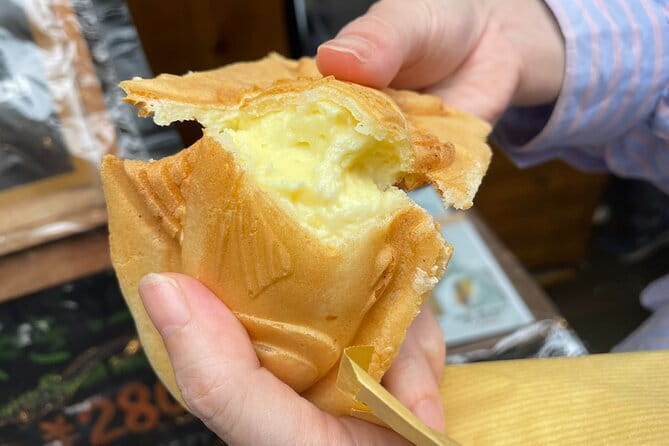
After pancakes, you head to a cozy Korean bakery and try a variety of Asian treats. This is one of the reasons the tour feels fun instead of repetitive. Even if you love Japanese desserts, adding Korean-style pastries gives you different flavors and textures in the same morning.
In practice, bakeries like this tend to offer sweets that vary in sweetness level and texture—from soft and creamy to crisp and layered. That variety is what keeps you paying attention while your sugar levels rise. It’s also a good moment to ask Soren questions about what you’re tasting, since the guide is known for connecting the dots between ingredients and how the shop approaches its desserts.
The Donut Shop Stop: Japanese-Style Donuts with Real Variety
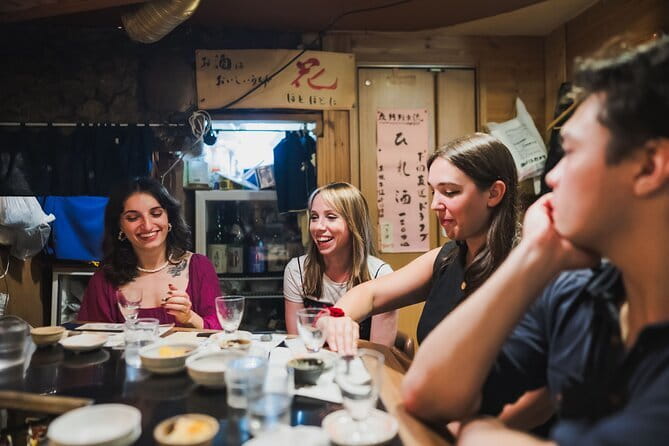
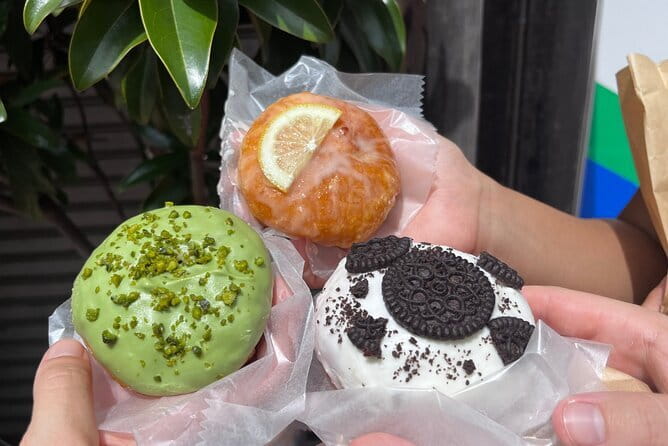
Next comes a popular donut shop for Japanese-style donuts. One of the reviews singled out this stop as a favorite because there’s a wide assortment of sweet treats, including flavors that are described as unique compared with what you might find in Canada.
This matters because Japanese donuts often feel like more than just fried dough with frosting. You’ll likely notice differences in sweetness, lightness, and topping style. This is also a great stop for pacing: choose something you want to enjoy slowly rather than grabbing the most sugary option just because it looks dramatic. The goal is to keep each taste distinct as the tour continues.
Readers also shortlisted these Tokyo bookings:
- Matcha Making Class in Tokyo with Authentic Japanese Sweets Set★ 5.0 · 744 reviews
- Tokyo: Matcha Making Experience with Mochi Sweets in Asakusa★ 4.9 · 388 reviews
- Make Traditional Nerikiri Sweets & Matcha experience in Shibuya★ 5.0 · 130 reviews
- Private Mochi Sweets Making class near Shibuya area★ 5.0 · 93 reviews
- Japanese Traditional Sweets making and Tea Ceremony★ 4.7 · 50 reviews
Hokkaido Ice Cream: Why Milk Changes Everything
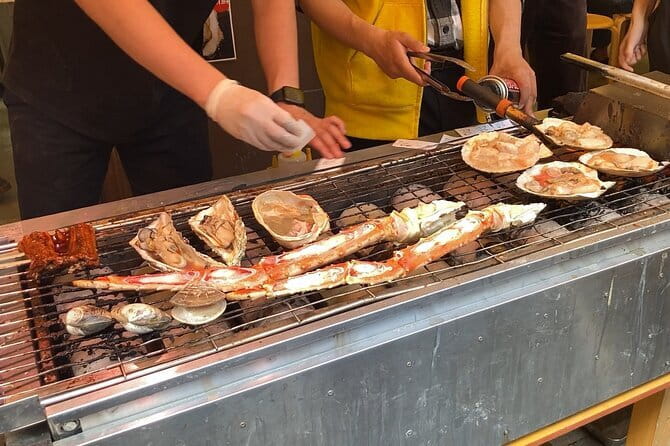
Then you move into Hokkaido ice cream, known for extra creaminess and a sweet flavor tied to Hokkaido milk. If you’ve had ice cream elsewhere, you probably know that “creaminess” can be marketing—or it can be real. Here, the emphasis is on the dairy source, and that’s a useful detail because milk quality affects body, finish, and how sweet the dessert tastes without needing to go overboard.
This stop also balances the tour’s heavier pastry moments. Ice cream cools you down between richer bites and gives your palate a clean reset. It’s a good chance to eat something slightly slower, since the texture is part of the pleasure.
Mont Blanc Patisserie: A Classic Style You Can Actually Compare
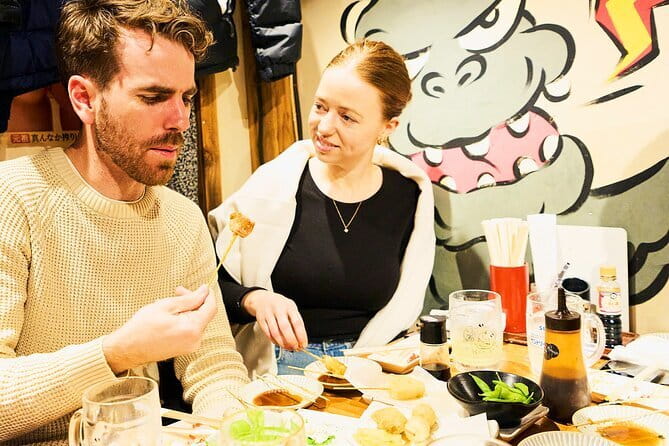
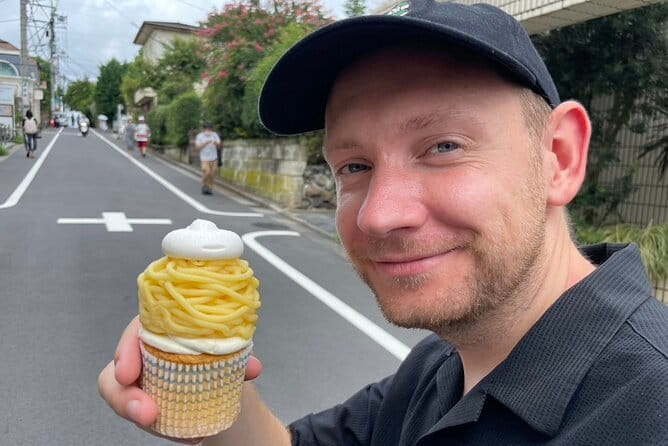
After ice cream, you taste a Japanese patisserie called Mont Blanc. Mont Blanc desserts often center on chestnut flavor and cream-based richness, and this is the type of stop that makes the tour feel like more than just snack tourism.
The practical value here is comparison. By the time you reach Mont Blanc, you’ve already had fluffy pancakes, bakery sweets, donuts, and ice cream. So when you try Mont Blanc, you’re not just tasting one dessert—you’re mapping the tour’s overall flavor theme: sweetness plus texture, with a final emphasis on a more refined patisserie style.
The Grand Finale: Matcha at a Historic Tea House on Tatami
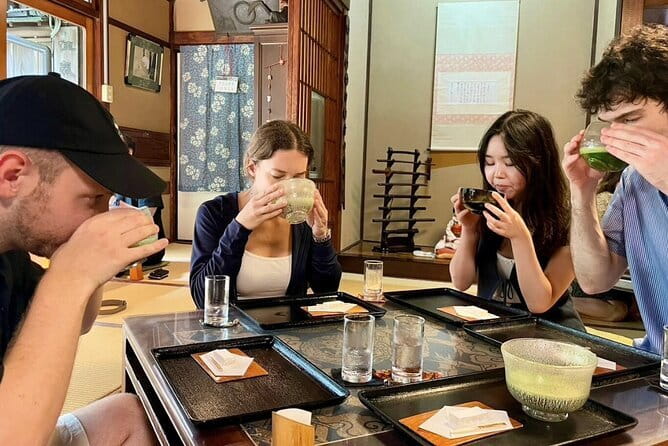
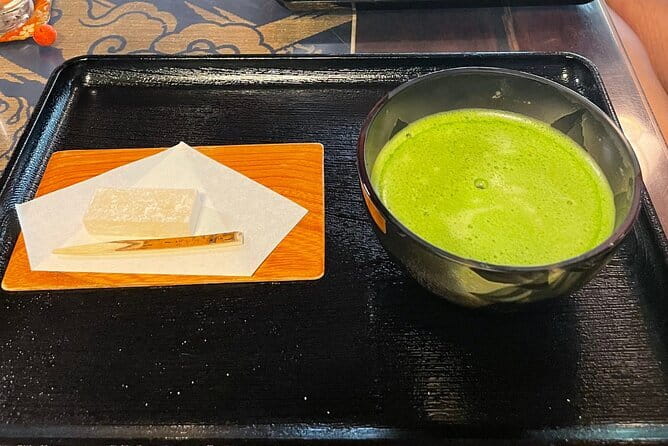
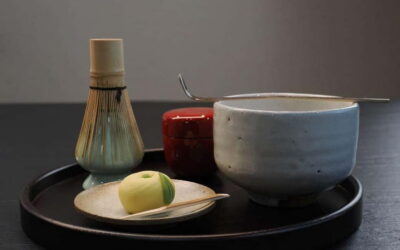
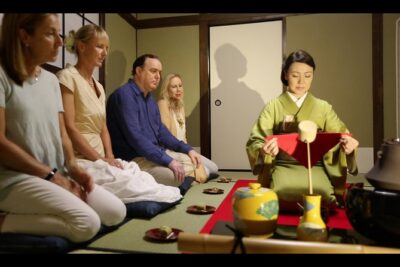
The tour ends at a traditional matcha shop in a historic Japanese building over one hundred years old. You sit on tatami mats and enjoy authentic matcha, which is a very different rhythm from earlier stops. It’s not just dessert anymore; it’s closure.
I like this kind of ending because matcha is a flavor that can cut through sweetness. It also gives you a cultural landing point: tatami seating and the historic setting make the tea feel intentional, not rushed. If you’re the type who tends to remember food by how it felt, this is the stop that usually sticks because it changes pace and atmosphere.
Price and Value: Is $109 Reasonable for 3 Hours of Sweets?
The tour costs $109 for about 3 hours and includes coffee and/or tea, brunch, snacks, and an English-speaking guide. There’s also a mobile ticket, which keeps the start low-stress.
Here’s the value angle: sweets tours can either be bargain-friendly or full of “watch us eat” pricing. In the reviews, the tastings are described as reasonably priced, and the overall experience feels like it delivers a lot of different dessert styles rather than repeating one shop all day. With a max group size of 6, you’re also paying for attention—Soren is described as entertaining and well-versed in English, plus he provides insider tips from working as a baker.
If you love pastries, donuts, ice cream, and matcha, the price-to-variety ratio looks strong. If you only like one or two dessert categories, you might end up wishing you could swap stops for something more tailored.
What the Tour Day Feels Like (And How to Prepare)
A sweets tour like this works best if you treat it like a planned tasting session, not a casual snack stroll. You’ll want to arrive on time for the 10:30 am start so you don’t feel rushed through the first pancake stop. If you’re sensitive to dairy or very specific about ingredients, you should ask questions early—your guide is there for that.
Also, since the tour ends back at the meeting point, you don’t need to stress about navigating the last stretch. You can plan an easy next activity afterward, ideally something that isn’t too intense. Your feet will be happier if you schedule a light walk or a café stop next.
Who Should Book This Tour (And Who Might Skip It)
This tour is a great match if you:
- Want a relaxed, small-group food walk with an English-speaking guide
- Love trying different dessert styles in one morning
- Like matcha and old-school Japanese atmospheres, especially the tatami tea-house setting
- Enjoy hearing practical details from someone who works with food professionally (Soren’s baker perspective)
You might skip it if:
- You don’t enjoy sweets as a main focus
- You want a long sit-down meal instead of tasting multiple items
- You need a totally customized menu (this one follows a set route)
Should You Book the Tokyo Sweets Tour?
I think you should book it if your ideal Tokyo morning includes variety, friendly guiding, and a memorable ending at a historic matcha shop. The small group size, the specific stop mix (pancakes, Korean bakery treats, Japanese donuts, Hokkaido ice cream, Mont Blanc, then matcha on tatami), and the baker-led insider explanations create a tour that feels intentional.
If you’re on the fence, do this quick check: are you genuinely excited about at least three of these categories—pancakes, donuts, ice cream, Mont Blanc, and matcha? If yes, this is an easy “put it on your plan” choice. If you’re only excited about one or two, you may get more enjoyment by picking a single dessert neighborhood on your own.
FAQ
Where does the tour start?
It starts at Excelsior Caffé Jiyugaoka-ekimae in Jiyugaoka, Meguro City, Tokyo.
What time does the tour begin?
The start time is 10:30 am.
How long is the Tokyo sweets tour?
It runs for about 3 hours.
What is the group size limit?
The tour has a maximum of 6 travelers.
Is the tour ticket digital?
Yes, it uses a mobile ticket.
What’s included in the price?
Coffee and/or tea, brunch, snacks, and an English-speaking guide are included.
Where does the tour end?
The activity ends back at the meeting point.
Do I need good weather for this to run?
Yes, it requires good weather. If it’s canceled due to poor weather, you’ll be offered a different date or a full refund.
Is confirmation provided after booking?
Confirmation is received at the time of booking.
More Tours in Tokyo
- Mt Fuji and Hakone 1-Day Bus Tour Return by Bullet Train
★ 5.0 · 26,383 reviews - 1-Day Tokyo Bus Tour
★ 5.0 · 14,250 reviews - Tokyo: Shinjuku Food Tour (13 Dishes at 4 Local Eateries)
★ 5.0 · 6,603 reviews - Tokyo Mt Fuji 5th St & Hakone Cruise Bus Tour w/Bullet Train
★ 4.4 · 5,024 reviews - Flagship 2-Hours Official Street Go-Kart Tour – Tokyo Bay Shop
★ 5.0 · 4,974 reviews
More Tour Reviews in Tokyo
- Mt Fuji and Hakone 1-Day Bus Tour Return by Bullet Train
★ 5.0 · 26,383 reviews - 1-Day Tokyo Bus Tour
★ 5.0 · 14,250 reviews - Tokyo: teamLab Planets TOKYO Digital Art Museum Entry Ticket
★ 4.6 · 9,779 reviews - Mt Fuji & Hakone Cruise, Drum Show Bullet Train 1 Day from Tokyo
★ 4.0 · 7,413 reviews - Tokyo: Shinjuku Food Tour (13 Dishes at 4 Local Eateries)
★ 5.0 · 6,603 reviews
More Tea and Matcha Rooms
- Matcha Making Class in Tokyo with Authentic Japanese Sweets Set
★ 5.0 · 744 reviews - Tokyo: Traditional Tea Ceremony with a Tea Master
★ 5.0 · 528 reviews - Tokyo: Matcha Making Experience with Mochi Sweets in Asakusa
★ 4.9 · 388 reviews - Tokyo: Matcha and Kimono Experience
★ 4.7 · 219 reviews - Tea Ceremony Workshop in Tokyo by the Experienced Instrucor
★ 5.0 · 189 reviews
Latest Tokyo reviews off our desk




Tea Ceremony & Matcha, compared.
 ★ 5.0Matcha Making Class in Tokyo with Authentic Japanese Sweets SetFrom $21744 reviews
 ★ 5.0Traditional Tea Ceremony with a Tea MasterFrom $38528 reviews
 ★ 4.9Matcha Making Experience with Mochi Sweets in AsakusaFrom $22388 reviews
 ★ 4.7Matcha and Kimono ExperienceFrom $57219 reviews
 ★ 5.0Tea Ceremony Workshop in Tokyo by the Experienced InstrucorFrom $38189 reviews
 ★ 4.9Asakusa Kimono Dressing and Matcha ExperienceFrom $56173 reviews
 ★ 4.9Asakusa: Kimono Tea Ceremony with Matcha and SweetFrom $66153 reviews
 ★ 5.0Make Traditional Nerikiri Sweets & Matcha experience in ShibuyaFrom $60130 reviews
Browse the lists this tour appears in