
Reviewed · TEA CEREMONY & MATCHA
Tokyo: Tea Ceremony & Japanese Sweets Making
Tokyo’s tea ceremony can feel like theater. Here you get the real calm plus the hands-on part: you’ll learn matcha making from a tea master with 10+ years of experience, then prepare and taste your own ceremonial matcha alongside a Japanese sweet you design. One thing to consider: this is a 1-hour format, so you’re not aiming for a long, slow multi-course ceremony, even though the moment-to-moment guidance is very thorough.
What makes this experience practical is the structure. You’ll watch an Otemae demonstration, get guided step-by-step in clear English, and then do it yourself. The group stays small (max 10), so you’re not shouting over a crowd, and the pace fits people who want something authentic without burning an entire afternoon.
If you’re expecting a huge walking tour, this isn’t that. It’s a focused workshop experience, starting and ending back at the same meeting point in Bunkyo (Hakusan area).
In This Review
- Key Highlights You Can Count On
- Matcha and Japanese Sweets in One Calm Hour
- Where the Workshop Starts in Bunkyo (Hakusan)
- The Tea Ceremony Flow: Watch Otemae, Then Do It
- Brew-Your-Own Matcha: What You’ll Learn With Your Hands
- Designing and Making Seasonal Japanese Sweets
- Small Group Coaching Makes the Difference
- Price and Value: Is $32.58 Worth It?
- Who Should Book This Matcha and Sweets Workshop
- Quick Logistics: Timing, Ticket, and Getting There
- Should You Book This Tokyo Tea Ceremony and Japanese Sweets Class?
- FAQ
- How long is the Tokyo tea ceremony and sweets making experience?
- How many people are in the group?
- Is this class guided in English?
- Where do I meet, and where does it end?
- Do I get a mobile ticket?
- Is there confirmation after I book?
- What is the cancellation policy?
Key Highlights You Can Count On
- Brew your own matcha with instruction, not just observation
- Otemae demonstration explained in clear English
- Seasonal Japanese sweets making with you designing the finished sweet
- Small group size (maximum 10) for easier coaching
- Tea master experience backed by 10+ years of practice
- Mobile ticket and confirmation at booking
Matcha and Japanese Sweets in One Calm Hour
This class is built for a specific kind of traveler: the one who wants authentic Japanese ritual, but also wants to touch, mix, and try. In many Tokyo experiences, you either watch or you snack. Here, you do both in one compact session.
You’ll spend about an hour learning the flow of a traditional tea ceremony. Then you switch from watching to making. That shift matters. You’ll leave with the confidence to understand what you’re seeing the next time you spot a tea ceremony in Tokyo, even if you don’t plan to join one again right away.
The best part for me is that the experience stays calm. One of the reviews you’ll see people mention is how peaceful the ceremony felt, even though it’s interactive. That balance is hard to find: some classes feel tense or rushed, but this one is guided in clear English with a friendly teaching approach.
More tea rooms our readers rated
- Matcha Making Class in Tokyo with Authentic Japanese Sweets Set
★ 5.0 · 744 reviews - Tokyo: Traditional Tea Ceremony with a Tea Master
★ 5.0 · 528 reviews - Tokyo: Matcha Making Experience with Mochi Sweets in Asakusa
★ 4.9 · 388 reviews - Tokyo: Matcha and Kimono Experience
★ 4.7 · 219 reviews
Where the Workshop Starts in Bunkyo (Hakusan)
The meeting point is in Bunkyo City, in the Hakusan area. You’ll start at:
文京区白山のダイエット和食付きパーソナルトレーニングジム VaLerio LuanaJapan
113-0001 Tokyo, Bunkyo City, Hakusan, 1-chōme 2617 フィル・パーク 白山ヒルズ 2階
It ends back at the same place. That’s convenient if you’re using a tight itinerary day and don’t want to figure out a second location at the end.
Two practical notes based on what’s provided:
- It’s near public transportation, so you won’t feel trapped by location.
- You’ll get a mobile ticket, which makes last-minute checking easier on your phone.
If you like to plan ahead, I suggest arriving a little early. Even though the tour runs for about an hour, you’ll feel more relaxed when you’re not doing a frantic sprint for the first instruction.
The Tea Ceremony Flow: Watch Otemae, Then Do It
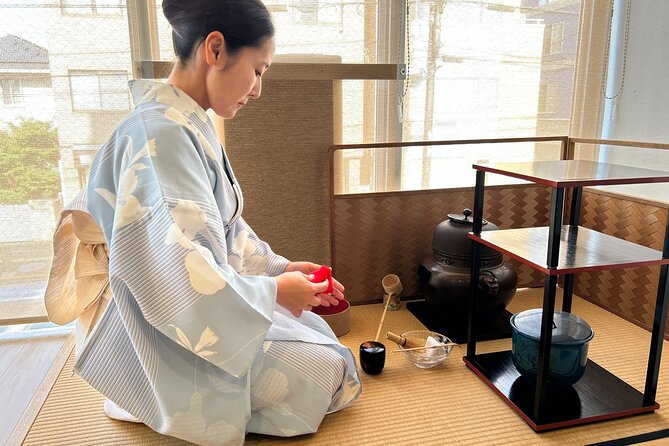
Most people come for matcha, but the ceremony structure is what gives matcha its meaning. You’ll first watch the Otemae demonstration. That’s the traditional sequence of actions around serving and preparing tea.
Why this matters for you: watching makes the tools and movements make sense. When you later start preparing your own matcha, you’re not just copying steps—you’re following a ritual with purpose. And because the host guides you in clear English, you’re less likely to feel lost when you see details like the order of actions or the pacing of the procedure.
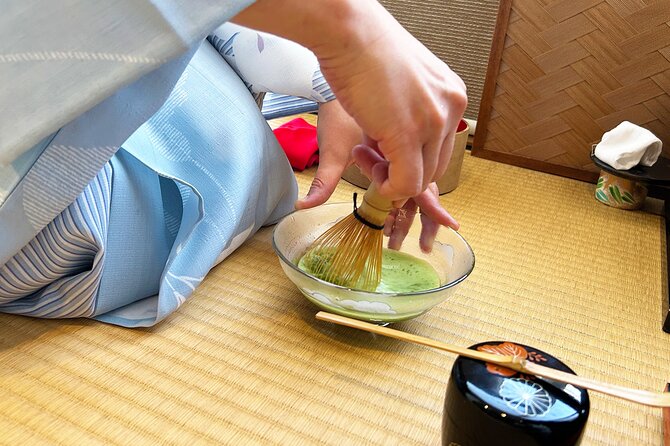
After the demonstration, the guidance turns hands-on. You’ll prepare matcha yourself before tasting it. That’s where a lot of value lives. The workshop format means you get to connect the look of the ceremony to the flavor and texture of what you’re making.
One consideration: since it’s a 1-hour experience, the teaching has to be efficient. You’ll get the main ideas and the steps you need, but don’t plan on a deep, hour-long study of every tea utensil.
Brew-Your-Own Matcha: What You’ll Learn With Your Hands
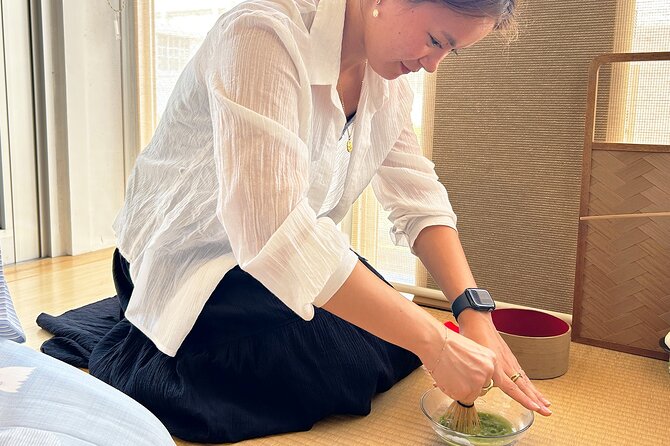
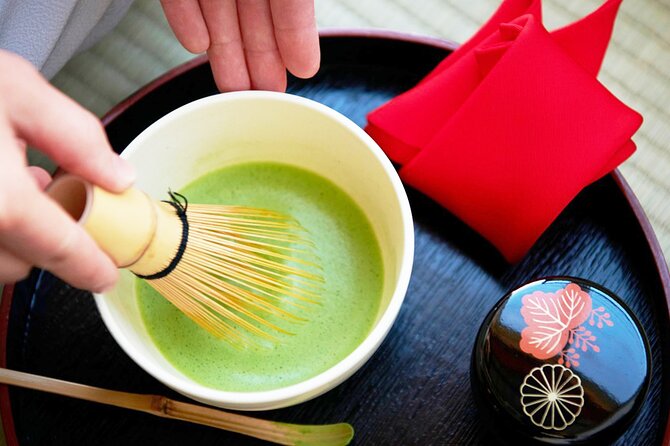
Here’s the core of the experience: you’ll brew your own matcha. Learning how to prepare matcha changes everything about how you judge it later. Store-bought matcha can be good, but ceremonial preparation is a different league in texture and balance.
You’ll learn from a tea master with 10+ years of experience, and the class is guided by an expert host in English. That combination is useful. The tea master provides the craft, and the English guidance helps you translate the steps into something you can actually repeat.
In a practical sense, you should expect to:
- follow instructions for mixing/preparing the matcha properly
- focus on the steps enough to get a tea you can enjoy, not just an Instagram photo
- taste what you made and understand what you might adjust next time
This is the kind of activity that works even if you don’t know anything about matcha. You’re not being tested. You’re being coached.
Also, the reviews strongly point to the matcha being a highlight. If you like the idea of leaving with both a sweet treat and a skill, this part is why the class earns a high rating.
Designing and Making Seasonal Japanese Sweets
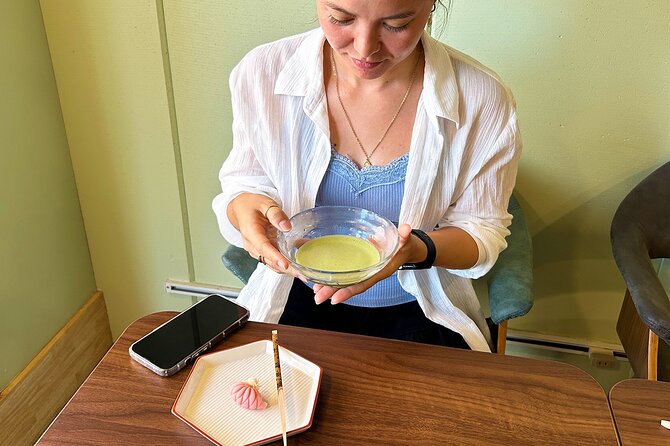
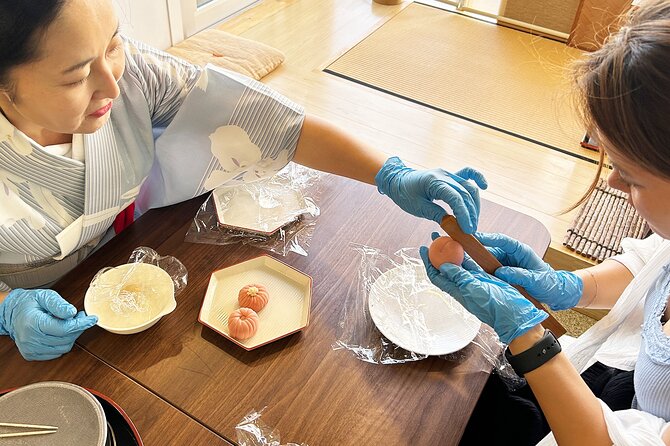
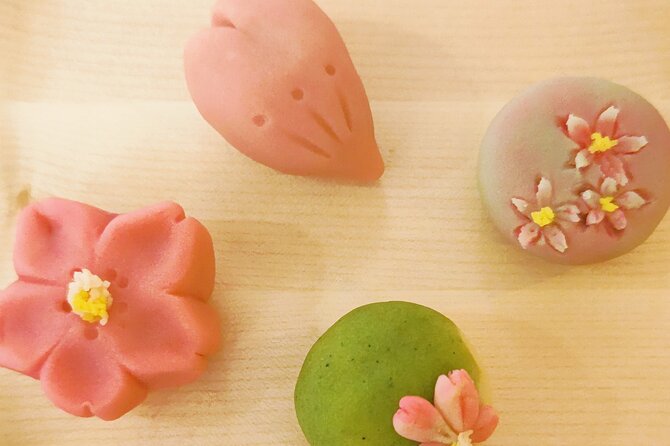
The tea ceremony is the mood, but the sweets are the payoff. After you learn the tea-making process, you’ll craft seasonal Japanese sweets yourself, including designing your own final sweet.
That word—design—matters. Some classes have a fixed sweet where you just watch assembly. Here, you’re actively making something that reflects the session’s seasonal concept. That makes the sweet feel more like part of the ritual instead of a side snack.
Why this is valuable: it turns the workshop into a multi-sensory experience. Matcha is one set of flavors and textures; Japanese sweets bring sweetness and often a softer, more refined profile. Together, they show you why tea culture isn’t only about the drink.
One more practical tip: if you have dietary restrictions, check before booking. The only details provided here are about seasonal Japanese sweets and that you’ll craft them during the hour. There isn’t any stated option info in what you shared, so you’ll want to confirm what’s possible if you’re careful about ingredients.
Based on the feedback you’re seeing summarized, the matcha and dessert pairing is a big reason people recommend this experience. You get both the calm ceremony and the fun “I made that” ending.
Readers also shortlisted these Tokyo bookings:
- Matcha Making Class in Tokyo with Authentic Japanese Sweets Set★ 5.0 · 744 reviews
- Tokyo: Matcha Making Experience with Mochi Sweets in Asakusa★ 4.9 · 388 reviews
- Make Traditional Nerikiri Sweets & Matcha experience in Shibuya★ 5.0 · 130 reviews
- Private Mochi Sweets Making class near Shibuya area★ 5.0 · 93 reviews
- Japanese Traditional Sweets making and Tea Ceremony★ 4.7 · 50 reviews
Small Group Coaching Makes the Difference
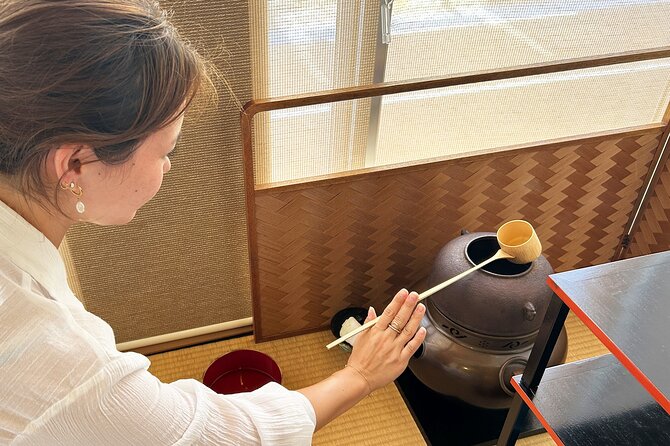
This class caps at 10 travelers. In a workshop, that number is not just trivia. It affects the whole vibe.
With a small group:
- the host can actually guide you through the steps
- it’s easier to ask simple questions and get an immediate correction
- the atmosphere stays peaceful instead of chaotic
- you spend less time waiting and more time doing
If you’ve ever done a large group class where you’re mostly a spectator, you’ll feel the difference here. The hands-on matcha brewing and sweet making are the main events, and the group size supports that.
The session also includes instruction in clear English, which is a big deal for people who want to understand what they’re doing. You don’t need Japanese language skills to get value.
Price and Value: Is $32.58 Worth It?
At $32.58 per person, this isn’t an expensive splurge, especially for Tokyo. But the real question is whether you get enough to justify it.
Here’s what you’re getting for the price, based on the details provided:
- a tea master-led experience with matcha making
- an Otemae demonstration
- you actively prepare and taste the matcha
- you craft a seasonal Japanese sweet you design
- clear English guidance
- a small group (max 10)
- total time is about 1 hour
For comparison, many Tokyo activities that are only watching or only eating cost similar money. This one includes both the ceremony and the making. You’re not just sampling; you’re learning actions you can understand and repeat later.
Two value notes to keep your expectations aligned:
- It’s short, so you won’t get a long, immersive training session.
- You’ll likely remember it most if you enjoy practical food experiences (mixing, shaping, tasting) rather than purely observational cultural stops.
If you want a half-day cultural activity with a tangible outcome, this class hits a sweet spot.
Who Should Book This Matcha and Sweets Workshop
This tour is a great fit if you:
- want a hands-on food/culture class in Tokyo that stays focused
- enjoy small-group experiences and guided instruction
- like matcha, Japanese sweets, or both
- want something you can fit into a busy day without losing half the day to transit
It’s also a good choice if you’re traveling with someone who likes quiet, structured activities. The ceremony vibe can be peaceful, and the experience is guided clearly. It’s not an all-day “wander and hope you get it” type of cultural outing.
If you’re the type who needs a long narration or a long itinerary of multiple stops, you might prefer something broader. This one is a single-session workshop. That focus is the point.
Quick Logistics: Timing, Ticket, and Getting There
The duration is listed as about 1 hour. The activity returns to the meeting point, so you can plan your next stop nearby without stress.
You’ll receive confirmation at booking, and the ticket is mobile. That’s convenient if you prefer to travel light and keep details on your phone.
Because it’s near public transportation, you can usually slot it into a day without needing a car. Still, if you’re visiting Tokyo and you like buffer time, I’d plan to arrive a few minutes early just to settle in.
Should You Book This Tokyo Tea Ceremony and Japanese Sweets Class?
If you want an experience that’s calm, interactive, and genuinely food-focused, I think you should book it. The combination of matcha brewing plus designing seasonal sweets makes the hour feel complete. And the small group size helps keep it peaceful, which is exactly what you want from a tea ceremony.
Skip it only if you’re looking for a long, sightseeing-heavy tour or if you’re mainly interested in watching rather than making. Since this is a workshop format with a short time window, it rewards hands-on curiosity more than passive sightseeing.
FAQ
How long is the Tokyo tea ceremony and sweets making experience?
It’s approximately 1 hour.
How many people are in the group?
The experience has a maximum of 10 travelers.
Is this class guided in English?
Yes, you’ll be guided in clear English by an expert host.
Where do I meet, and where does it end?
You’ll start at 文京区白山のダイエット和食付きパーソナルトレーニングジム VaLerio LuanaJapan in Bunkyo City, Hakusan, and the activity ends back at the meeting point.
Do I get a mobile ticket?
Yes, this activity uses a mobile ticket.
Is there confirmation after I book?
Yes, confirmation is received at the time of booking.
What is the cancellation policy?
Free cancellation is available. You can cancel up to 24 hours in advance for a full refund, based on the local time of the experience.
More Dessert Tours in Tokyo
- Matcha Making Class in Tokyo with Authentic Japanese Sweets Set
★ 5.0 · 744 reviews - Tokyo: Matcha Making Experience with Mochi Sweets in Asakusa
★ 4.9 · 388 reviews - Make Traditional Nerikiri Sweets & Matcha experience in Shibuya
★ 5.0 · 130 reviews - Private Mochi Sweets Making class near Shibuya area
★ 5.0 · 93 reviews - Japanese Traditional Sweets making and Tea Ceremony
★ 4.7 · 50 reviews
More Tour Reviews in Tokyo
- Mt Fuji and Hakone 1-Day Bus Tour Return by Bullet Train
★ 5.0 · 26,383 reviews - 1-Day Tokyo Bus Tour
★ 5.0 · 14,250 reviews - Tokyo: teamLab Planets TOKYO Digital Art Museum Entry Ticket
★ 4.6 · 9,779 reviews - Mt Fuji & Hakone Cruise, Drum Show Bullet Train 1 Day from Tokyo
★ 4.0 · 7,413 reviews - Tokyo: Shinjuku Food Tour (13 Dishes at 4 Local Eateries)
★ 5.0 · 6,603 reviews
More Tea and Matcha Rooms
- Matcha Making Class in Tokyo with Authentic Japanese Sweets Set
★ 5.0 · 744 reviews - Tokyo: Traditional Tea Ceremony with a Tea Master
★ 5.0 · 528 reviews - Tokyo: Matcha Making Experience with Mochi Sweets in Asakusa
★ 4.9 · 388 reviews - Tokyo: Matcha and Kimono Experience
★ 4.7 · 219 reviews - Tea Ceremony Workshop in Tokyo by the Experienced Instrucor
★ 5.0 · 189 reviews
Latest Tokyo reviews off our desk






Tea Ceremony & Matcha, compared.
 ★ 5.0Matcha Making Class in Tokyo with Authentic Japanese Sweets SetFrom $21744 reviews
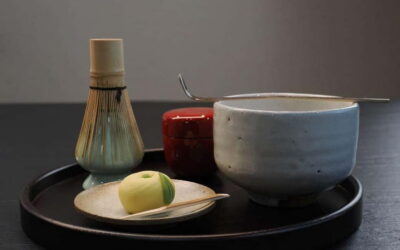 ★ 5.0Traditional Tea Ceremony with a Tea MasterFrom $38528 reviews
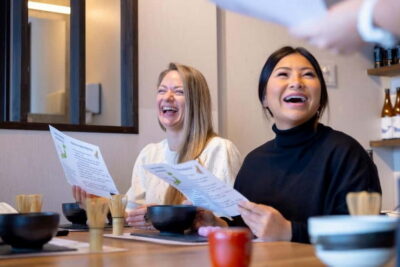 ★ 4.9Matcha Making Experience with Mochi Sweets in AsakusaFrom $22388 reviews
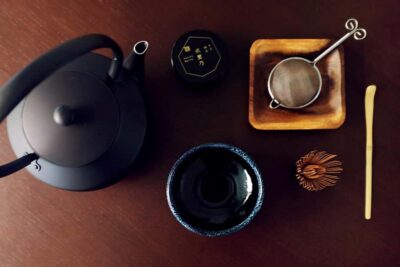 ★ 4.7Matcha and Kimono ExperienceFrom $57219 reviews
 ★ 5.0Tea Ceremony Workshop in Tokyo by the Experienced InstrucorFrom $38189 reviews
 ★ 4.9Asakusa Kimono Dressing and Matcha ExperienceFrom $56173 reviews
 ★ 4.9Asakusa: Kimono Tea Ceremony with Matcha and SweetFrom $66153 reviews
 ★ 5.0Make Traditional Nerikiri Sweets & Matcha experience in ShibuyaFrom $60130 reviews
Browse the lists this tour appears in