
Reviewed · TEA CEREMONY & MATCHA
Tokyo Traditional Tea Ceremony with a Japanese Tea Master
A one-hour tea class feels surprisingly special. In Bunkyo, you’ll taste multiple Japanese teas, including gyokuro sencha and matcha, then make your own matcha with a tea master. I like that it’s hands-on (not just watching) and that you get a real sense of how different teas taste and brew. One thing to consider: this is more of a lesson and tasting than a long, formal, floor-style ceremony.
You’ll meet in a simple tea-room setup just across from Tokyo University, which makes it easy to plug into a day of sightseeing. The small group size (max 12) means you’ll have room to ask questions, and you’ll leave with both a completion certificate and a group photo. If you expected a full “movie version” tea ceremony, adjust your expectations and aim for practical tea education instead.
In This Review
- Key highlights to know before you go
- A one-hour tea master lesson next to Tokyo University
- What you actually get for $33.03
- Your tea journey: wakocha, gyokuro sencha, matcha, genmaicha
- Start with wakocha and cake
- Move to gyokuro sencha and wagashi
- Whisk your own matcha with a tea master
- Finish with genmaicha for a calm landing
- Learning to whisk matcha: what to focus on
- The room, the group size, and why you’ll ask questions
- What the tea tastings teach you about Japanese culture
- Souvenirs that make sense: certificate and group photo
- Who should book this tea ceremony workshop?
- My bottom line: should you book it?
- FAQ
- How long does the tea ceremony experience take?
- Where do I meet, and where does it end?
- How big is the group?
- What teas will I taste during the class?
- Do I actually make matcha, or is it only a tasting?
- What food is included?
- What do I take home?
- Is transportation provided to the tea room?
- What’s the cancellation window?
Key highlights to know before you go
- Wakocha + tea cake to start: a refreshing opening paired with something sweet
- Gyokuro sencha tasting: highest-grade green tea, brewed and discussed
- Wagashi from Ougiya: seasonal sweets paired with the tea tasting
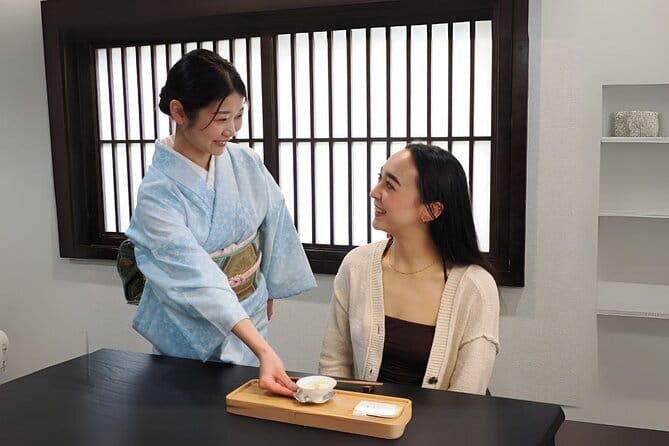
- Hands-on matcha making: you whisk and learn the practical process
- Genmaicha finale: roasted-rice green tea to finish on a comforting note
- Certificate + group photo: easy souvenirs that don’t feel cheesy
A one-hour tea master lesson next to Tokyo University
This experience takes place in Tokyo’s Bunkyo area, meeting at OCHARU6-chōme-2-10 Hongō. The location is convenient, too: it’s near public transportation and right by Tokyo University. That matters because tea ceremonies are one of those activities where you want your schedule to behave. When the meeting point is straightforward, you spend less time herding yourself through stations and more time actually enjoying the class.
The timing is also friendly. Plan on about an hour. That’s short enough for a first-time tea experience, but long enough to taste several teas and still get your hands involved with matcha.
More tea rooms our readers rated
- Matcha Making Class in Tokyo with Authentic Japanese Sweets Set
★ 5.0 · 744 reviews - Tokyo: Traditional Tea Ceremony with a Tea Master
★ 5.0 · 528 reviews - Tokyo: Matcha Making Experience with Mochi Sweets in Asakusa
★ 4.9 · 388 reviews - Tokyo: Matcha and Kimono Experience
★ 4.7 · 219 reviews
What you actually get for $33.03
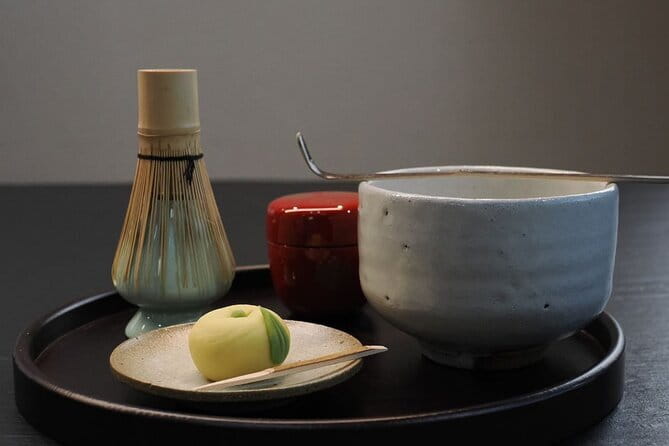
At $33.03 per person, you’re paying for three things: tea education, guided preparation, and tasting multiple cups in a tea-room setting. This isn’t just one drink. You start with a black tea (wakocha) and a cake, then move through a green tea tasting with seasonal wagashi, then get your own matcha practice, and end with genmaicha.
For many Tokyo activities, the price is driven by convenience or “just being there.” Here, the value is in skills you can repeat later—like how the brewing and serving approach changes the taste. You’ll also get a souvenir photo with your group and a certificate of completion, which turns the experience into something you can remember without hunting for a specialty store afterward.
Your tea journey: wakocha, gyokuro sencha, matcha, genmaicha
The flow is simple, and that’s a good thing. You don’t need to know anything about tea before you start. The room runs like a guided tasting sequence, and each cup sets up the next step.
Start with wakocha and cake
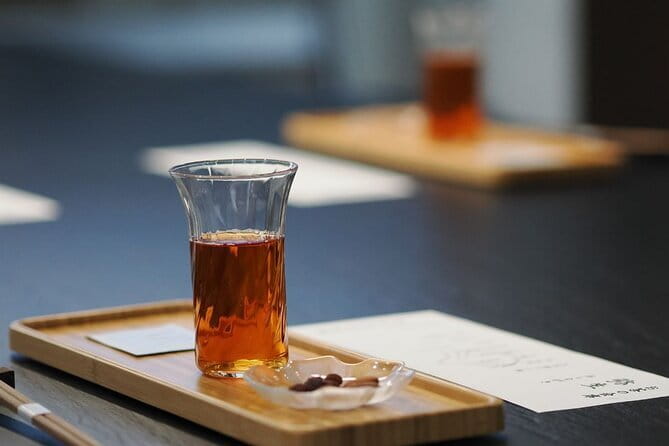
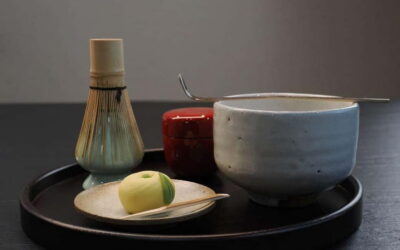
You begin with wakocha, a Japanese black tea from Shizuoka, served with a tea cake. Expect this first cup to be more fruity and floral than the green teas you’ll taste later. It’s a smart warm-up because it wakes up your palate without overwhelming you.
A practical tip: if you’re the type who usually powers through sightseeing meals, slow down here. The cake and tea aren’t just extras—they’re part of training your sense of sweetness, aroma, and aftertaste.
Move to gyokuro sencha and wagashi
Next comes the tasting of gyokuro sencha, described as a highest-grade green tea. You’ll taste the tea leaves and also enjoy seasonal wagashi sweets from Ougiya, a confectioner known for making these treats for generations.
Why this part matters: gyokuro is often where beginners start to understand that “green tea” isn’t one flavor. It’s a category with big differences. The room’s explanations help you connect taste to brewing approach and tea quality, instead of treating each cup as random.
Potential consideration: tea and wagashi pairing can be subtle. If you’re expecting bold, instantly obvious flavors every second, give yourself a minute. You’re learning a language, not chasing a sugar rush.
- Mt Fuji and Hakone 1-Day Bus Tour Return by Bullet Train★ 5.0 · 26,383 reviews
- 1-Day Tokyo Bus Tour★ 5.0 · 14,250 reviews
- Tokyo: teamLab Planets TOKYO Digital Art Museum Entry Ticket★ 4.6 · 9,779 reviews
- Mt Fuji & Hakone Cruise, Drum Show Bullet Train 1 Day from Tokyo★ 4.0 · 7,413 reviews
- Tokyo: Shinjuku Food Tour (13 Dishes at 4 Local Eateries)★ 5.0 · 6,603 reviews
Whisk your own matcha with a tea master
Then the workshop hits its best part: you make matcha yourself. Under guidance, you’ll use traditional tools and whisk your own matcha, then enjoy it afterward.
This is the moment that turns a tasting into a skill. Matcha isn’t hard, but it does require technique. The guidance helps you understand what you’re doing and what changes when the whisking is correct.
If you like being hands-on—grabbing tools, trying steps, asking questions—you’ll probably leave with something you can repeat at home or order with more confidence later in Tokyo.
Finish with genmaicha for a calm landing
You wrap up with a soothing cup of genmaicha, a blend of sencha and roasted rice from Niigata Prefecture. It’s a comforting finale that makes sense after the earlier green-tea tasting and the matcha whisking.
This last cup is also a helpful way to reset. Roasted rice adds a warm, toasty note, which can smooth out the sharper edge some people feel with stronger green teas.
Learning to whisk matcha: what to focus on
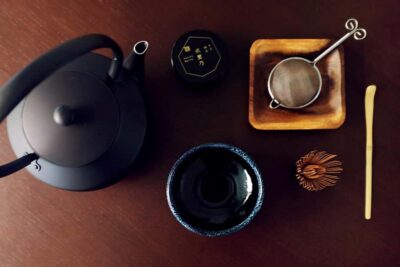
Matcha making can sound ceremonial, but the real learning goal here is practical: you’re learning how to prepare matcha in a way that produces a balanced drink. The class uses traditional tools, so you’ll get a feel for the process rather than just hearing a description.
What I like about this segment is that it’s guided, not sink-or-swim. You’re not left guessing how thin the mixture should be or how long to whisk. The tea master shows you, then you do it, then you drink what you made.
Here are a few things you can pay attention to while you whisk:
- Your texture as you whisk (it’s part of how you judge progress)
- The aroma when the matcha is properly mixed
- How the taste feels once you sip slowly instead of chugging
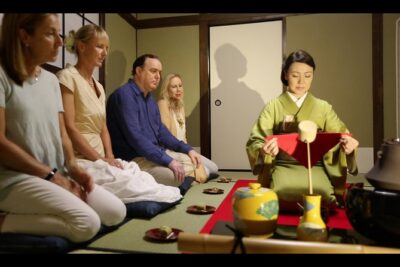
One note based on how people described the experience: don’t come in expecting a long, silent, floor-style performance. This is focused on teaching you how matcha works and how to make it.
The room, the group size, and why you’ll ask questions
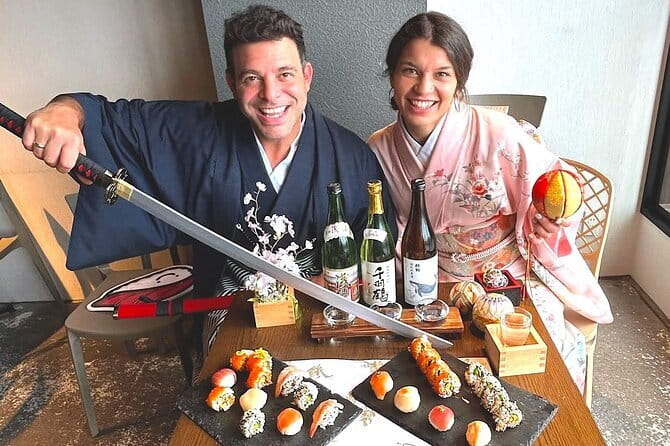
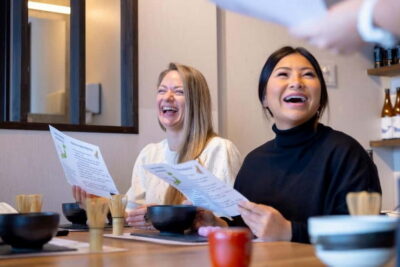
Small group sizes (up to 12 people) make a difference. In bigger groups, a guide can only answer quick questions. Here, you’ll likely get actual dialogue—about brewing temperature, tea characteristics, and how you should think about tasting.
Also, the location helps keep the day easy. Meeting near Tokyo University means you can combine the tea class with Bunkyo sightseeing without building your itinerary around one hard-to-reach appointment.
One thing to consider: language support can vary by session. Some people reported reading explanations on a screen when the lead spoke less English than expected. If you’re very language-dependent, it’s worth mentally preparing for a mix of instruction styles and visuals.
What the tea tastings teach you about Japanese culture
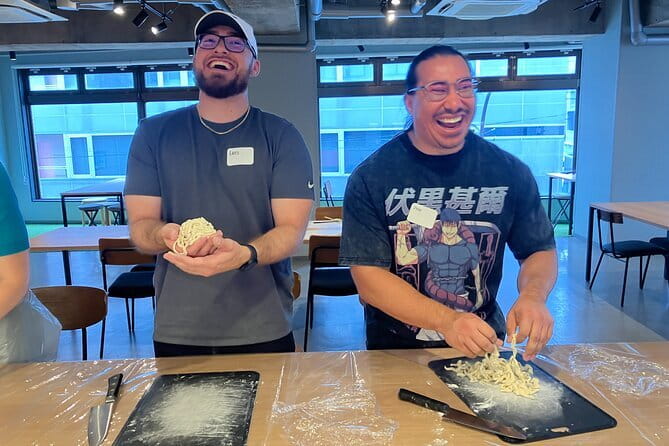
This experience is called a traditional tea ceremony, but the real value is cultural context plus practical tasting. You’ll learn significance in how Japanese tea is presented: how each tea type signals different seasons, qualities, and preferences.
Even if you don’t speak Japanese, the sequence teaches you a simple idea: tea isn’t one drink—it’s a system. Black tea (wakocha), premium green tea (gyokuro sencha), whisked powdered tea (matcha), and roasted-rice green tea (genmaicha) each bring a different “mood” to the cup.
That makes the class useful beyond the tea room. When you later see matcha on menus or different green teas at shops, you’ll understand what questions to ask:
- Is it premium and brewed accordingly?
- Is it steamed and handled differently?
- Is it blended for roasting or sweetness?
Souvenirs that make sense: certificate and group photo
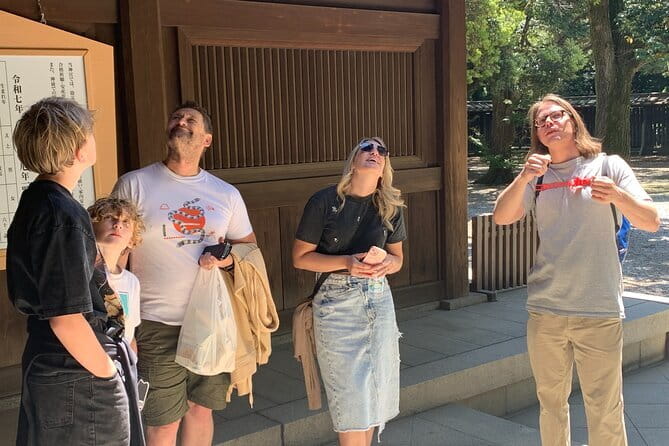
The photo and certificate are included, and that’s a win. Some tours give you something you don’t really care about. Here, a completion certificate feels natural because you’re learning a skill. The group photo is also practical—it’s a quick way to capture the day without waiting for the perfect selfie moment.
If you’re traveling with family or friends, the photo can become a shared memory that’s easy to look back on later, especially since the experience itself is hands-on and a bit different from standard sightseeing.
Who should book this tea ceremony workshop?
This is a great fit if you want:
- A short, guided class that teaches you how Japanese tea works
- Hands-on matcha making rather than just watching
- A calm, structured activity in Bunkyo near major sights
- Multiple tastings that let you compare flavors in one sitting
You might look for something else if you want:
- A long, highly formal, silent ceremony where you sit on the floor the entire time
- A fully English-led lecture with no reliance on visuals or screens
It’s also well-suited for first-time visitors. You don’t need tea knowledge. You’re guided through the cups step by step.
My bottom line: should you book it?
Yes, I’d recommend booking this if you want a practical introduction to Japanese tea culture in a short time. The hands-on matcha workshop, the multiple cups (wakocha, gyokuro sencha, matcha, genmaicha), and the included certificate and group photo give you real value for the price. The small group size also makes the experience more personal than many casual tastings.
Just go in with the right expectation: this is instruction plus tasting, not a long “geisha-in-a-vacuum” performance. If you want to learn what you’re drinking and how to make matcha, it’s a solid use of an hour in Tokyo.
FAQ
How long does the tea ceremony experience take?
It lasts about 1 hour.
Where do I meet, and where does it end?
You meet at OCHARU6-chōme-2-10 Hongō, Bunkyo City, Tokyo 113-0033, Japan, and the activity ends back at the meeting point.
How big is the group?
The experience has a maximum of 12 travelers.
What teas will I taste during the class?
You’ll taste wakocha, sencha (gyokuro sencha), matcha that you make, and a genmaicha finale.
Do I actually make matcha, or is it only a tasting?
You make matcha during the session. The class includes a matcha making session under a tea master’s guidance.
What food is included?
A welcome tea and cake are included, and you’ll also have seasonal wagashi sweets during the tea tasting.
What do I take home?
You receive a certificate of completion and a group photo.
Is transportation provided to the tea room?
No. Travel to and from the Ocharu Tea Ceremony Room is not included.
What’s the cancellation window?
Free cancellation is offered up to 24 hours in advance for a full refund. If you cancel within 24 hours of the start time, the amount paid is not refunded.
More Tour Reviews in Tokyo
- Mt Fuji and Hakone 1-Day Bus Tour Return by Bullet Train
★ 5.0 · 26,383 reviews - 1-Day Tokyo Bus Tour
★ 5.0 · 14,250 reviews - Tokyo: teamLab Planets TOKYO Digital Art Museum Entry Ticket
★ 4.6 · 9,779 reviews - Mt Fuji & Hakone Cruise, Drum Show Bullet Train 1 Day from Tokyo
★ 4.0 · 7,413 reviews - Tokyo: Shinjuku Food Tour (13 Dishes at 4 Local Eateries)
★ 5.0 · 6,603 reviews
More Tea and Matcha Rooms
- Matcha Making Class in Tokyo with Authentic Japanese Sweets Set
★ 5.0 · 744 reviews - Tokyo: Traditional Tea Ceremony with a Tea Master
★ 5.0 · 528 reviews - Tokyo: Matcha Making Experience with Mochi Sweets in Asakusa
★ 4.9 · 388 reviews - Tokyo: Matcha and Kimono Experience
★ 4.7 · 219 reviews - Tea Ceremony Workshop in Tokyo by the Experienced Instrucor
★ 5.0 · 189 reviews
Latest Tokyo reviews off our desk


Tea Ceremony & Matcha, compared.
 ★ 5.0Matcha Making Class in Tokyo with Authentic Japanese Sweets SetFrom $21744 reviews
 ★ 5.0Traditional Tea Ceremony with a Tea MasterFrom $38528 reviews
 ★ 4.9Matcha Making Experience with Mochi Sweets in AsakusaFrom $22388 reviews
 ★ 4.7Matcha and Kimono ExperienceFrom $57219 reviews
 ★ 5.0Tea Ceremony Workshop in Tokyo by the Experienced InstrucorFrom $38189 reviews
 ★ 4.9Asakusa Kimono Dressing and Matcha ExperienceFrom $56173 reviews
 ★ 4.9Asakusa: Kimono Tea Ceremony with Matcha and SweetFrom $66153 reviews
 ★ 5.0Make Traditional Nerikiri Sweets & Matcha experience in ShibuyaFrom $60130 reviews
Browse the lists this tour appears in