
Reviewed · TEA CEREMONY & MATCHA
Tokyo:Genuine Tea Ceremony, Kimono Dressing, and Photography
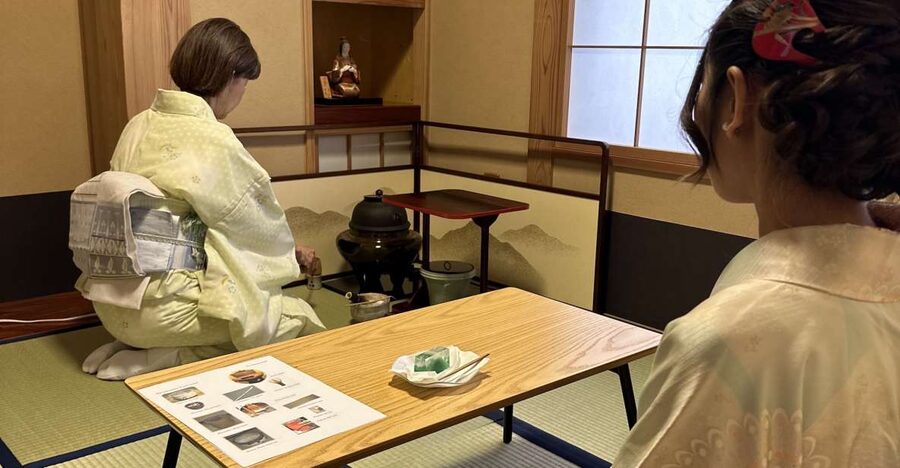
Matcha feels different in a silk kimono. This hands-on tea ceremony pairs Yukata or Kimono dressing with up-close matcha instruction and plenty of photo time at a nearby shrine and tea room. You’ll also get a walk with an upcycled umbrella and guidance on how to move and behave in traditional settings.
What I like most is the combination of watching an expert and then trying it yourself, not just sipping. I also love how Sayoko and the teaching team explain tea steps with real ceremony etiquette, including how to pray properly at a Shinto shrine. A calm, respectful pace keeps it from feeling like a rushed photo stop.
One thing to consider: you must choose your kimono (over 50 options) by the day before the tour, and if you bring anyone who’s accompanying you, they’re charged too even if they don’t wear the outfit. It’s still worth it, but plan your group and timing carefully.
In This Review
- Key Highlights You’ll Actually Feel
- A 2.5-Hour Matcha + Kimono Day in Tokyo
- Choosing Your Silk Kimono or Summer Yukata
- How the Tea Ceremony Teaching Really Works
- Shrine Etiquette and Photo Time That Doesn’t Feel Like Chaos
- The Walk With an Upcycled Umbrella (And Real Manners)
- Value and Price: Why $115 Can Make Sense
- Timing, Weather, and What to Bring
- Who This Tour Fits Best
- Should You Book This Tea Ceremony and Kimono Session?
- FAQ
- How long is the Tokyo tea ceremony and kimono experience?
- What is included in the price?
- Do you offer help if I can’t sit on the floor for long?
- Can I get professional photos or hair and makeup?
- What language is the instruction?
- When do I need to choose my kimono or yukata?
- Does the tour happen in bad weather?
- How many people are in the group?
Key Highlights You’ll Actually Feel
- 50+ yukata and kimono choices with summer yukata and winter silk kimono options
- Watch tea made up close, then make matcha yourself during the ceremony
- Shrine etiquette coaching plus dedicated photo time in a local shrine setting
- Small group (max 3) for quieter, more personal teaching
- Support for leg comfort with tables/chairs available if floor sitting is an issue
- Photo included using an iPhone 14 Pro, with an optional upgrade for professional photo work
A 2.5-Hour Matcha + Kimono Day in Tokyo
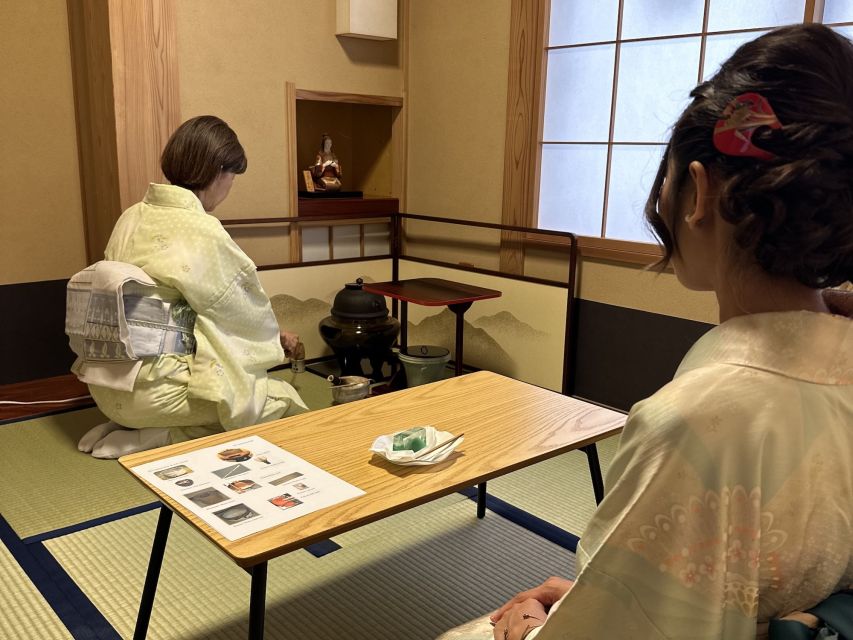
This is the kind of experience that changes your pace. In just about 2.5 hours, you’ll go from learning the mood and movements of tea to wearing traditional clothing and photographing that look where it belongs.
The best part is that it isn’t only about costume or only about tea. You’ll get a full mini-ritual: matcha preparation, sweets, ceremony steps, and then the shrine visit where etiquette matters as much as the pictures.
And because the group is capped at three participants, you’re less likely to feel like you’re waiting your turn for explanations. That matters when you’re learning hand motions, posture, and what to do during prayers.
More tea rooms our readers rated
- Matcha Making Class in Tokyo with Authentic Japanese Sweets Set
★ 5.0 · 744 reviews - Tokyo: Traditional Tea Ceremony with a Tea Master
★ 5.0 · 528 reviews - Tokyo: Matcha Making Experience with Mochi Sweets in Asakusa
★ 4.9 · 388 reviews - Tokyo: Matcha and Kimono Experience
★ 4.7 · 219 reviews
Choosing Your Silk Kimono or Summer Yukata
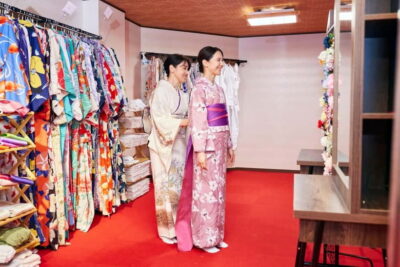
You don’t show up and randomly pick a garment on the spot. You’ll choose your outfit in advance, and you’ll be asked to respond to messages from the host team via Getyourguide or WhatsApp within about 12 hours after booking.
AKIZAKURA provides authentic silk kimonos made in the traditional way, plus many yukata options. In summer it’s yukata (cotton), and in winter it’s kimono—so the look matches the season instead of feeling like a costume mismatch.
If leg comfort is a concern, they can provide a table and chairs to help you avoid pain from floor sitting. That small detail is a big deal in a ceremony where posture and calm matter, not just “standing there in a robe.”
One more practical point: every person accompanying the tour is charged, even if they don’t wear a kimono. If you’re bringing friends who want to watch from the sidelines, make sure they’re included in the booking.
How the Tea Ceremony Teaching Really Works
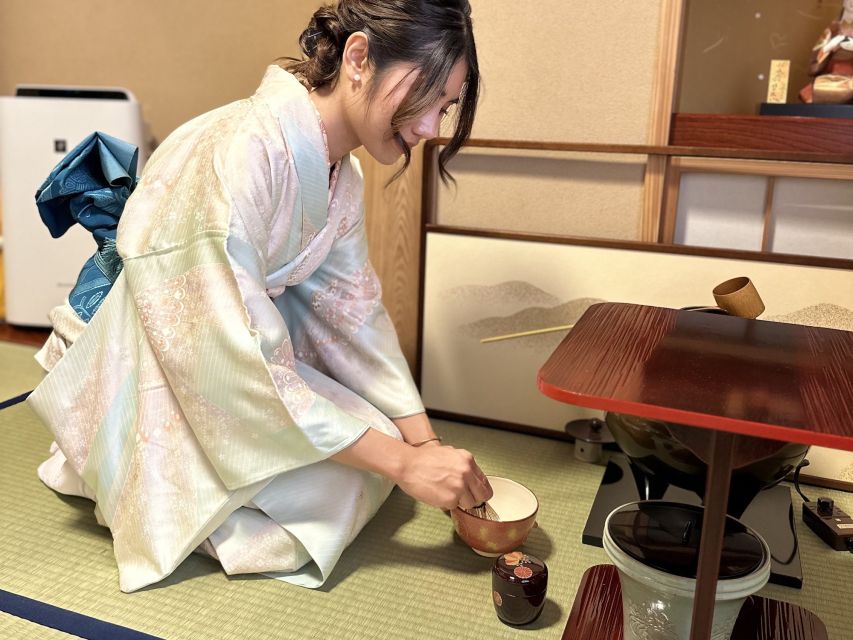
The ceremony is built around more than flavor. Matcha is the headline, but you’re also learning the rhythm—how to handle utensils, how to move slowly, and how to show respect through behavior.
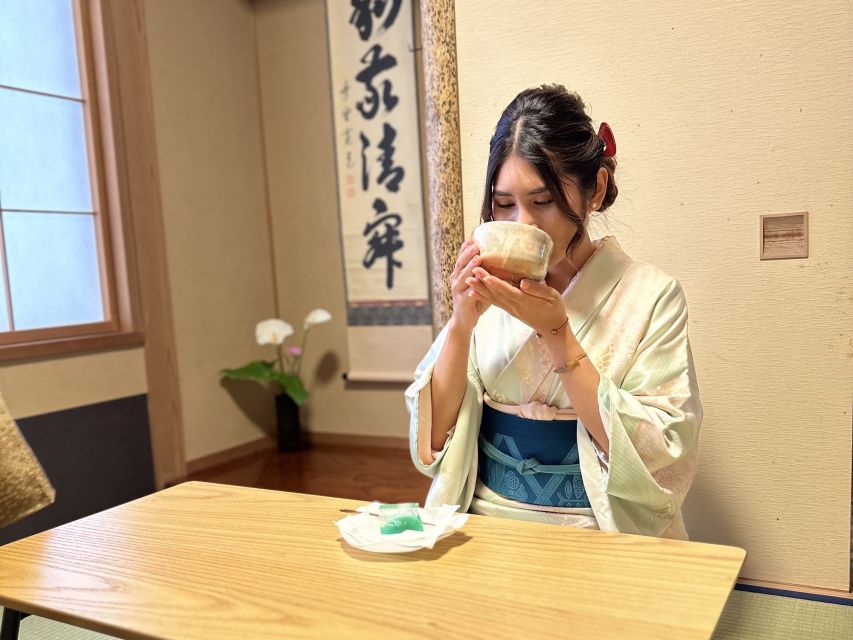
You’ll see the instructor make matcha step-by-step up close, then you’ll get a chance to make your own. That hands-on moment is where it clicks. Tea making is surprisingly precise, and doing it yourself turns a concept into muscle memory.
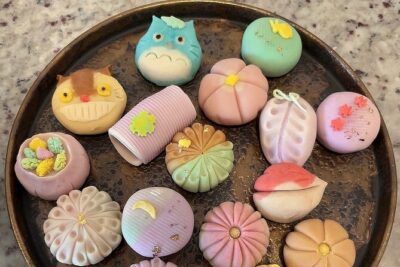
You’ll also enjoy matcha green tea and tea sweets during the experience. So even if you’re not a matcha super-fan, you’re tasting the ceremony, not just watching a performance.
I like that you get both: professionally prepared matcha and your own version. It makes the experience more forgiving, because even if your whisking isn’t perfect yet, you still get to enjoy the real thing.
Shrine Etiquette and Photo Time That Doesn’t Feel Like Chaos
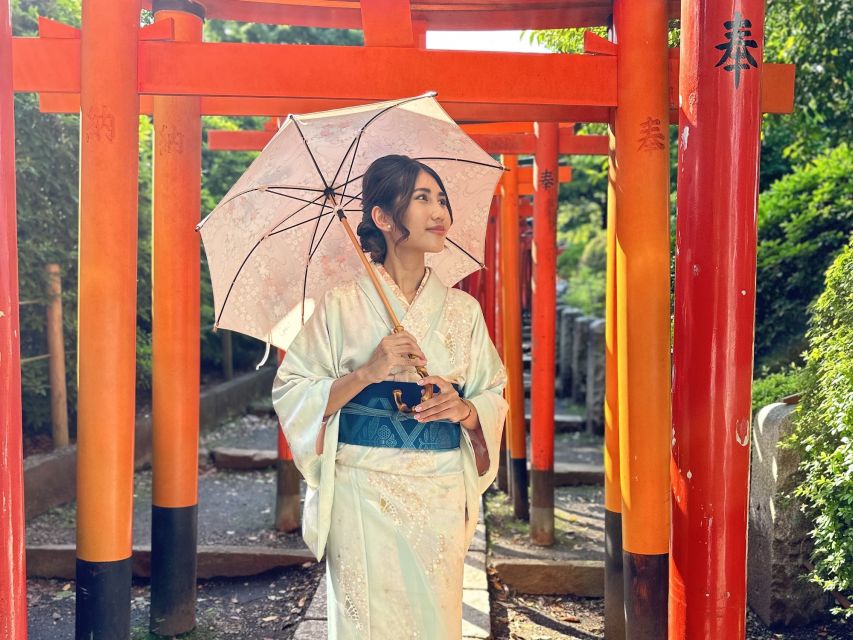
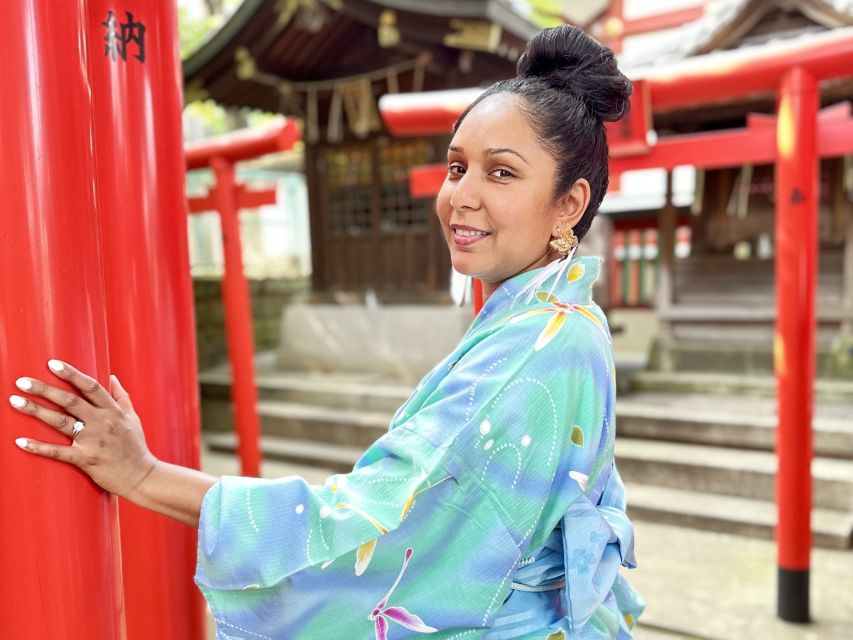
The shrine stop is not just for scenery. You’ll get coaching on proper behavior, including how to pray in a Shinto shrine setting. This is one of the most highly praised parts of the experience, and for good reason: it turns the photo moment into something respectful.
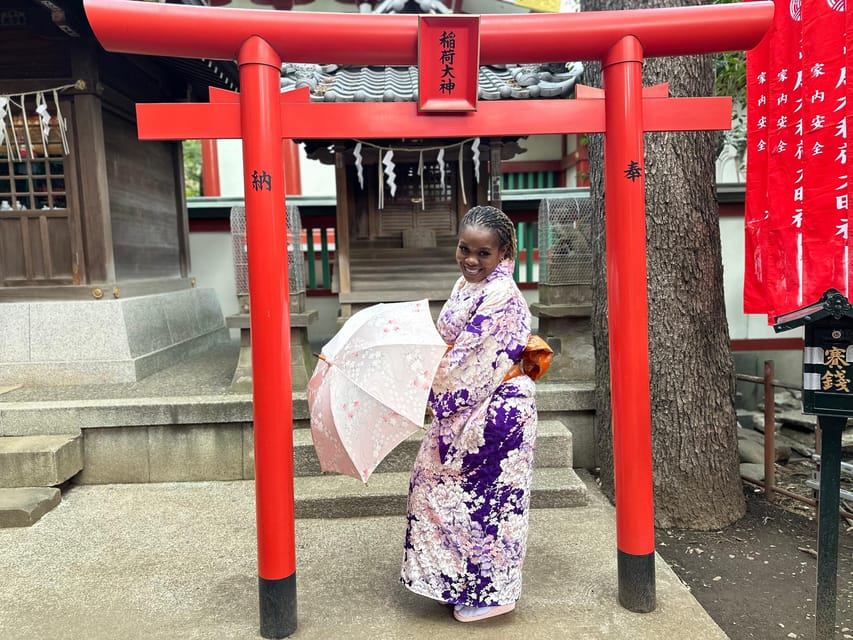
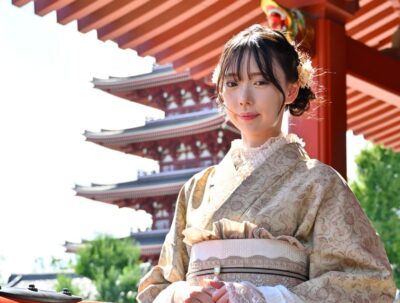
You’ll take commemorative photos in both the shrine and the tea room. The host team helps you with positioning, and Sayoko is noted in the experience for taking great photos while you’re wearing kimono.
They also teach walking and sitting mannerisms during the walk—things you would never guess from a general travel guide. That’s why the photos come out looking intentional instead of awkward.
Photo notes that help you plan:
- Included photos are shot on an iPhone 14 Pro
- If you want a higher-end professional shoot, it’s available for an additional fee
- If it rains, you’ll get a plastic umbrella, so you can still get your shrine photos
The Walk With an Upcycled Umbrella (And Real Manners)
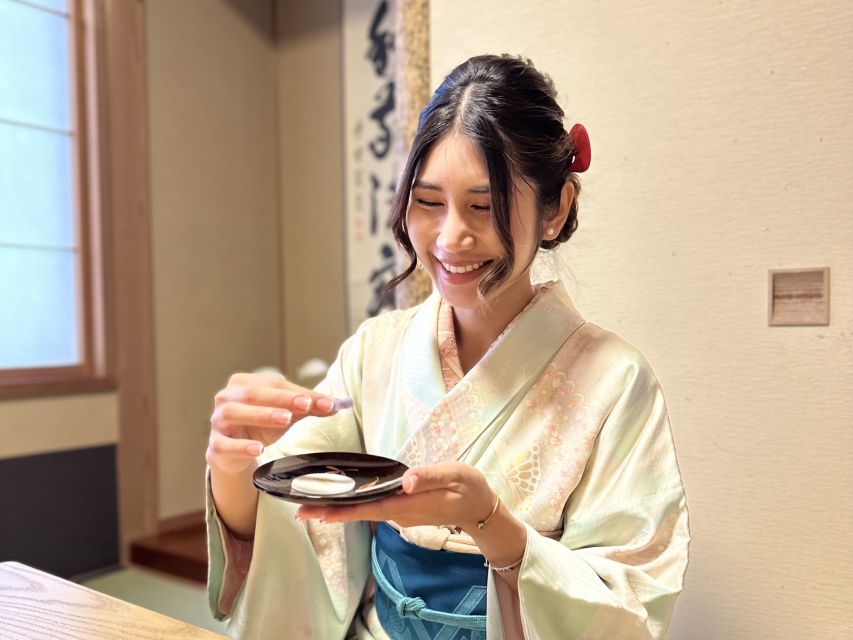
Between the ceremony and the shrine time, there’s a short walk that adds a lot of flavor to the day. You’ll stroll dressed in yukata or kimono together with AKIZAKURA’s Kimono Upcycling Umbrella.
This is where you learn small, visible things: how to walk gracefully in traditional clothing, how to sit down properly, and how to act in a way that fits the setting. It might sound fussy, but it’s the difference between wearing kimono and actually living the moment.
If you like details, you’ll appreciate this part. The host team doesn’t treat manners like a lecture. They guide you step-by-step so you can copy the motions and feel comfortable.
More kimono shoots, compared
- Tokyo: Kimono Dressing, Walking, and Photography Session★ 4.9 · 427 reviews
- Let’s make kimono !(Kimono is a gift for you★ 5.0 · 252 reviews
- Tokyo: Matcha and Kimono Experience★ 4.7 · 219 reviews
- Tokyo: Asakusa Kimono Dressing and Matcha Experience★ 4.9 · 173 reviews
- Asakusa: Kimono Tea Ceremony with Matcha and Sweet★ 4.9 · 153 reviews
Value and Price: Why $115 Can Make Sense
At $115 per person for about 2.5 hours, you’re paying for three things that don’t scale down easily:
- Guided instruction from a tea ceremony teacher
- Kimono/yukata dressing with obi and accessories
- Photo time and coaching in a shrine context
The included package covers matcha, sweets, outfit support, and the umbrella. On top of that, you get photography via iPhone 14 Pro (and you can upgrade if you want).
Is it a bargain? If you compare it to a self-guided “wear kimono and take photos” session, it can look pricey. But tea ceremony teaching is specialized work, and the shrine etiquette coaching is the kind of value that’s hard to reproduce on your own.
Also, the small group size (max 3) matters for value. It keeps your questions answerable and your learning time from feeling rushed.
Timing, Weather, and What to Bring
This experience runs rain or shine. They’ll provide a plastic umbrella if needed, and you can still expect shrine photos, just with a weather-friendly plan.
Since the tour takes place at scheduled starting times (you’ll see the available times when booking), it helps to plan around a morning or afternoon window when you can relax afterward. You’ll be in traditional clothing, so treat it like an event day, not a quick stop.
What you should bring is mostly about comfort:
- wear shoes you can change out of easily (kimono dressing usually involves adjustments)
- plan to be present and calm during the ceremony steps
- if you’re sensitive to cold in winter, consider how you’ll handle kimono layering, since the outfit itself is part of the ritual
Who This Tour Fits Best
This is best for you if:
- you want more than a photo opportunity and actually want to learn tea-making
- you care about etiquette and respectful behavior in shrine spaces
- you’d enjoy a small group with patient, hands-on coaching
- you like dressing experiences but want them to connect to real cultural context
It may not be ideal if:
- you want a completely casual, low-structure activity (this is guided and intentional)
- you hate having to plan your kimono choice by the day before
- you’re traveling with people who only want to watch but aren’t willing to book for the group charge
Should You Book This Tea Ceremony and Kimono Session?
If you’re aiming for an experience that feels personal, not staged, I’d book it. The standout combination is matcha instruction + real kimono dressing + shrine etiquette coaching, all in a small group with photos included.
The decision comes down to one question: do you want to learn and participate, or just look? If you want to participate, this experience is built for you.
If you like, tell me your travel month and whether you prefer yukata or kimono vibes, and I’ll suggest the best way to time it with your day in Tokyo.
FAQ
How long is the Tokyo tea ceremony and kimono experience?
It lasts 2.5 hours.
What is included in the price?
The experience includes matcha green tea and tea sweets, kimono/yukata clothing with obi and accessories, a Kimono Upcycling Umbrella, shooting with an iPhone 14 Pro, and a plastic umbrella if it rains.
Do you offer help if I can’t sit on the floor for long?
Yes. If you need it, they can provide a table, chairs, and other equipment to avoid leg pain from sitting on the floor.
Can I get professional photos or hair and makeup?
A professional photographer’s shoot is available for an additional fee. Professional hair and makeup services are also available for an additional fee.
What language is the instruction?
The instructor speaks English and Japanese.
When do I need to choose my kimono or yukata?
You must choose your kimono to wear on the day by the day before the tour. After booking, you’ll receive a message to help you choose, and you should reply after checking.
Does the tour happen in bad weather?
Yes. The experience takes place rain or shine.
How many people are in the group?
It’s a small group limited to 3 participants.
More Tour Reviews in Tokyo
- Mt Fuji and Hakone 1-Day Bus Tour Return by Bullet Train
★ 5.0 · 26,383 reviews - 1-Day Tokyo Bus Tour
★ 5.0 · 14,250 reviews - Tokyo: teamLab Planets TOKYO Digital Art Museum Entry Ticket
★ 4.6 · 9,779 reviews - Mt Fuji & Hakone Cruise, Drum Show Bullet Train 1 Day from Tokyo
★ 4.0 · 7,413 reviews - Tokyo: Shinjuku Food Tour (13 Dishes at 4 Local Eateries)
★ 5.0 · 6,603 reviews
More Kimono Photo Shoots
- Tokyo: Kimono Dressing, Walking, and Photography Session
★ 4.9 · 427 reviews - Let’s make kimono !(Kimono is a gift for you
★ 5.0 · 252 reviews - Tokyo: Matcha and Kimono Experience
★ 4.7 · 219 reviews - Tokyo: Asakusa Kimono Dressing and Matcha Experience
★ 4.9 · 173 reviews - Asakusa: Kimono Tea Ceremony with Matcha and Sweet
★ 4.9 · 153 reviews
More Tea and Matcha Rooms
- Matcha Making Class in Tokyo with Authentic Japanese Sweets Set
★ 5.0 · 744 reviews - Tokyo: Traditional Tea Ceremony with a Tea Master
★ 5.0 · 528 reviews - Tokyo: Matcha Making Experience with Mochi Sweets in Asakusa
★ 4.9 · 388 reviews - Tokyo: Matcha and Kimono Experience
★ 4.7 · 219 reviews - Tea Ceremony Workshop in Tokyo by the Experienced Instrucor
★ 5.0 · 189 reviews
Latest Tokyo reviews off our desk






Tea Ceremony & Matcha, compared.
 ★ 5.0Matcha Making Class in Tokyo with Authentic Japanese Sweets SetFrom $21744 reviews
 ★ 5.0Traditional Tea Ceremony with a Tea MasterFrom $38528 reviews
 ★ 4.9Matcha Making Experience with Mochi Sweets in AsakusaFrom $22388 reviews
 ★ 4.7Matcha and Kimono ExperienceFrom $57219 reviews
 ★ 5.0Tea Ceremony Workshop in Tokyo by the Experienced InstrucorFrom $38189 reviews
 ★ 4.9Asakusa Kimono Dressing and Matcha ExperienceFrom $56173 reviews
 ★ 4.9Asakusa: Kimono Tea Ceremony with Matcha and SweetFrom $66153 reviews
 ★ 5.0Make Traditional Nerikiri Sweets & Matcha experience in ShibuyaFrom $60130 reviews
Browse the lists this tour appears in