
Reviewed · SAMURAI & NINJA CLASSES
Tokyo:Samurai sword and archery class from a samurai descendant
Slashing targets sounds easy until you try it. This 2.5-hour class takes you to a real dojo just outside Tokyo for samurai sword and archery training that’s treated like serious practice, not a show. You’ll get a short lecture on swords and samurai life, then you’ll move into technique training with mock blades, sparring, and test cutting.
What I like most is the small-group attention and the way instruction stays clear step-by-step while still pushing you. I also like that you’re not only learning history—you’re practicing Iai and Gekken patterns, then firing a bow with real equipment.
One consideration: this is physically demanding. You should expect effort, and you’ll likely feel it later—plus the dojo is in Machida, so plan transit time from central Tokyo.
In This Review
- Key things to know before you go
- Training at a Machida dojo: what to expect when you arrive
- Kata, samurai context, and katana basics before you swing
- Iai with a mock sword: learning how to handle and swing safely
- Gekken sparring and timing: defense, offense, and realistic practice
- Moving slashes and sparring pressure: why the slashing targets feel hard
- Blade-line check and test cutting: the moment of truth
- Archery like the samurai: using a real bow and arrow
- Toyama-ryu 7th grade live demonstration: seeing difficult technique up close
- Price and value in Tokyo: what $198.20 buys you
- Logistics that actually matter: mobile ticket, travel time, and weather
- Who should book this class (and who might not)
- Should you book this samurai sword and archery class in Tokyo?
- FAQ
- How long is the class?
- What is the price per person?
- How many people are in the group?
- Where does the experience start?
- What’s included in the class?
- What is not included?
- What lessons and activities are included?
- Do I need good weather?
- Do I need to bring my own gear?
- What’s the cancellation policy?
Key things to know before you go
- Small group, up to 15: enough space to learn without feeling lost in a crowd.
- Two core lessons: Iai and Gekken: handling and timing are taught in a structured way.
- Moving slashes + sparring: you practice slashing while moving, then test defense/offense timing with a moch sword.
- Blade-line check and test cutting: you’ll try a mock check of your cut line and then cut in a controlled setup.
- Real bow and arrow practice: you train the samurai weapon beyond a “try it once” moment.
- Toyama-ryu 7th grade live demonstration: you see a range of difficult techniques during a session that’s not treated like entertainment.
Training at a Machida dojo: what to expect when you arrive
This class meets at 3-chōme-14-14 Haramachida in Machida, which is outside the center of Tokyo. I like that the location points you away from the usual “photo stops.” When you arrive, you get a short lecture, then you change into traditional training wear before the serious stuff starts.
The session stays structured. There’s very little “dead time,” so you’re not waiting around while someone else does all the work. With a maximum group size of 15, you’re more likely to get personal corrections—exactly what you want when your sword-hand basics are still wobbly.
Also note the practical clothing detail: the provider asks you to share your height and weight because they prepare training clothes for the class. That’s one of those small touches that makes the experience feel run like a real dojo, not a casual workshop.
More blade-and-dojo sessions, reviewed
- Tokyo: Samurai Ninja Museum Guided tour and Experience
★ 4.6 · 1,010 reviews - Tokyo: Samurai Sword & Archery Class from Samurai Descendant
★ 5.0 · 603 reviews - Best Samurai Experience in Tokyo
★ 5.0 · 458 reviews - Ninja Experience (Family Friendly) at Samurai Ninja Museum TOKYO
★ 5.0 · 441 reviews
Kata, samurai context, and katana basics before you swing
Before you pick up anything, you start with a lecture about Japanese swords and what makes katana technique more than just “waving a blade.” You’ll learn about sword handling and the different moves used in training, and you’ll also get a chance to see how the approach connects to samurai culture.
Kata (slashing forms) matters here. You’re not just learning a random trick. You’ll go through structured slashing patterns—then you’ll carry those ideas into partner work and cutting practice. That flow is one reason the class earns such strong ratings: it builds competence before it asks you to perform under pressure.
If you’re a history fan, this is also the part where the instructor frames why the sword mattered, including references to how the bow fit into samurai life. The goal is to give you context you can feel while you practice, not just facts to memorize.
Iai with a mock sword: learning how to handle and swing safely
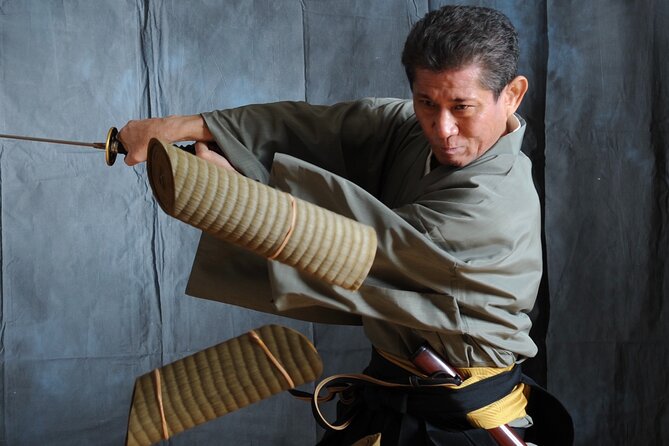
The Iai portion focuses on handling the mock sword and practicing correct motion. Iai is about control—how you move your body, how the blade travels, and how you keep technique consistent.
You’ll practice swinging with a mock sword, and the instruction is done with safety front and center. I’ve seen plenty of “sword experiences” where safety is an afterthought. Here, it’s part of the teaching. The instructor (Yoshioki Sumida) is described as very patient and encouraging, and the class emphasizes safe movement so you can actually learn instead of just being careful.
This is also where beginners often realize something important: sword technique isn’t just arm strength. It’s stance, timing, and the way your whole body lines up. If you think you can fake it for 30 minutes and then start cutting, the Iai segment will correct that idea fast—in a good way.
Gekken sparring and timing: defense, offense, and realistic practice
After Iai basics, you move into Gekken. This part teaches the timing of attack and defense, then gets you into sparring with a moch sword (training sword). This is where the experience shifts from solo technique to partner interaction.
Two things make this section valuable:
1) You learn what timing feels like when someone answers you.
2) You get coached into staying controlled while your adrenaline rises.
The class design matters: you’re not thrown straight into chaos. You practice the logic of offense and defense, then you try it against a real partner while still using training equipment. In the review feedback, people consistently mention the instructor watching carefully for safe form and helping you adjust rather than just telling you to try harder.
Also, you can expect encouragement while still being held to standards. One review notes that they warned the group their bodies would ache for days afterward if all goes well. Translation: this isn’t a gentle “tourist swing.” It’s training.
Moving slashes and sparring pressure: why the slashing targets feel hard
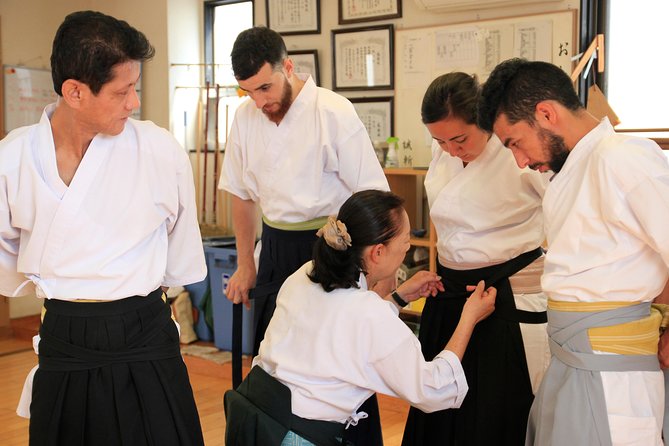
One of the best-described parts of the class is slashing multiple targets while moving. That’s harder than most people expect. Standing still and making a clean cut is one thing. Moving your feet, keeping balance, and controlling the blade path at the same time is a different skill.
I like that the class explicitly tells you to experience the difficulty. This is where you stop thinking of the sword as something you can just pick up and enjoy. It becomes a discipline. And honestly, that’s the point.
You’ll also do structured practice that helps you understand mechanics—how to keep your body aligned, how to hit with control, and how to avoid sloppy cuts that break technique. If you’ve never trained a martial art, this section is a reality check. If you have trained, you’ll appreciate the dojo-style structure.
Readers also shortlisted these Tokyo bookings:
- Sushi Making Tokyo Roll and Authentic Japanese Sushi Class★ 5.0 · 3,971 reviews
- Tokyo: Roll and Authentic Sushi Making Class in Asakusa★ 4.9 · 1,957 reviews
- Tokyo Shinjuku Chopsticks Making Class★ 5.0 · 1,763 reviews
- Tokyo: Sushi Making Class in a Happi Coat near a Famous Spot★ 4.9 · 1,377 reviews
- Chopstick Making Workshop in Ginza★ 4.8 · 1,366 reviews
Blade-line check and test cutting: the moment of truth
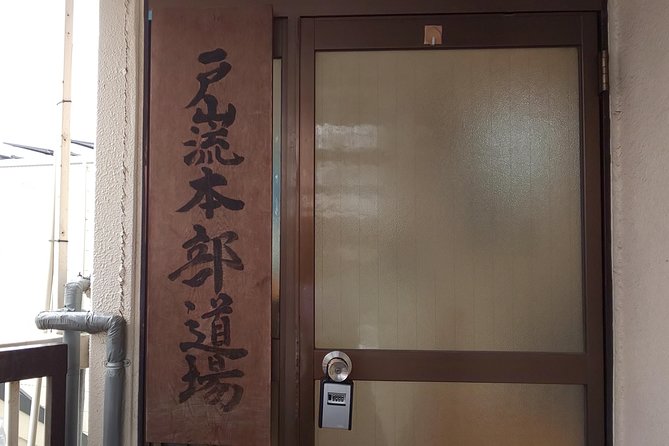
The class includes an activity where you check the blade line with a mock sword. That’s important because a good cut isn’t only about force; it’s about the path and alignment of the blade.
Then comes the test cutting. You’ll try cutting in a controlled way, guided by the instructor. Based on descriptions from the class experience, this can include cutting targets such as tatami mats in the test setup. Even if you’re not sure what you’ll cut that day, you can rely on the fact that the class wants you to feel what a correct technique produces.
The biggest value here is feedback. When you practice on targets, you learn faster. You also leave with a clearer sense of your own strengths and weak points—because the cut itself becomes the instructor’s mirror.
Archery like the samurai: using a real bow and arrow
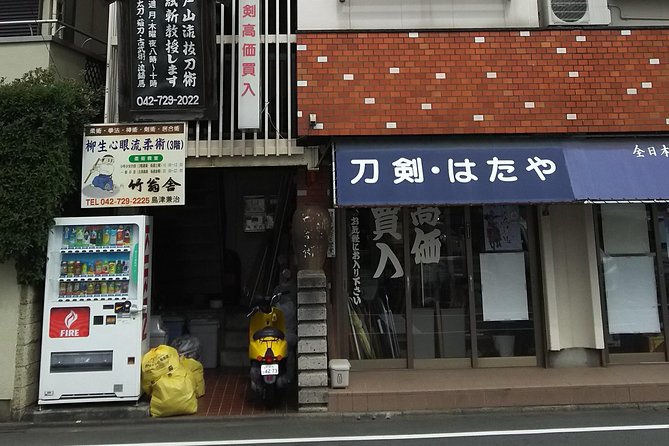
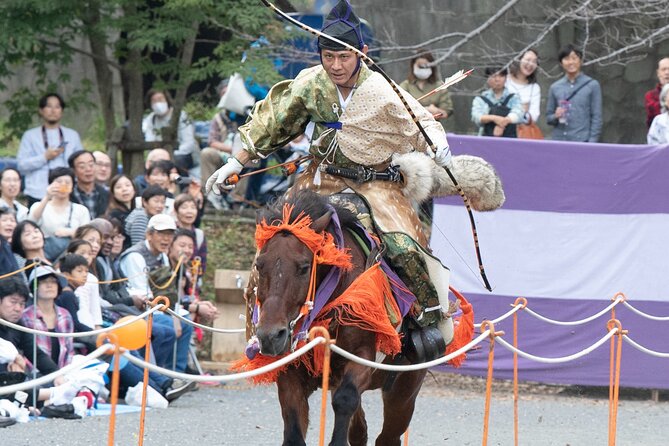
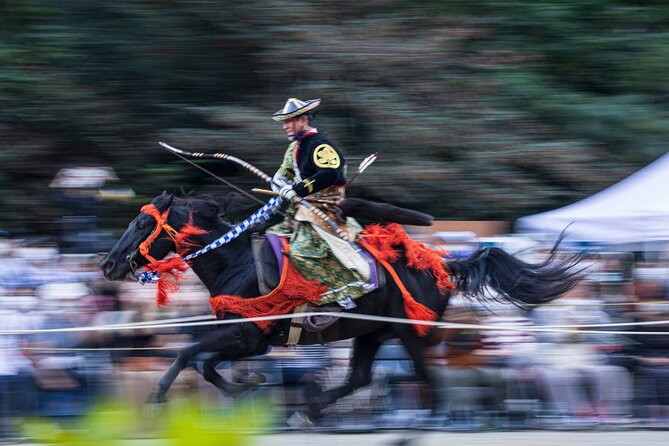
After the sword work, you practice archery. This is a key part of the “why this class is worth your time” story: the bow wasn’t a side activity. It was one of the samurai’s main weapons, and the class treats it that way.
You’ll try the bow, and you’re provided with practice real bow and arrow equipment. That matters for value—shooting is different when you’re using the real gear rather than a prop. You also get a chance to understand the stance and motion behind effective shooting, not just fire a few arrows mindlessly.
If sword technique already challenged your balance and timing, archery will challenge your focus. You’re likely to feel your arms and posture in new ways. The instruction style also aims to keep you improving without rushing you.
Toyama-ryu 7th grade live demonstration: seeing difficult technique up close
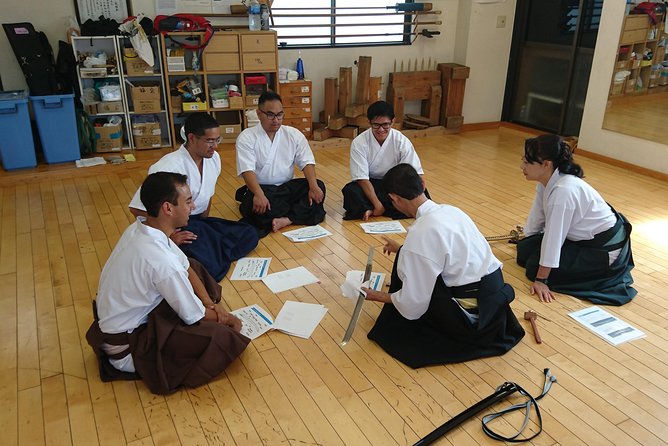
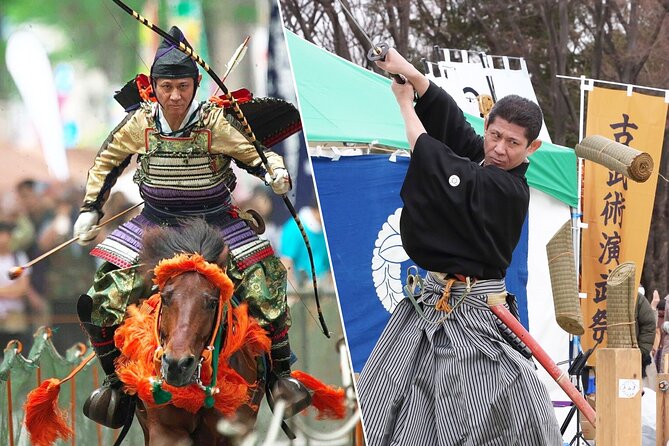
During the session, you get a live demonstration of Toyama-ryu techniques from the 7th grade level. The class is described as not being “entertainment,” and that shows here: you’re seeing a range of difficult techniques, taught and demonstrated with seriousness.
This part is valuable even if you’re a beginner. You don’t need to understand every detail to notice what the training is actually for: control, precision, and disciplined movement patterns. It also helps you understand why the instructor keeps returning to fundamentals before speed or showmanship.
The provider is 戸山流備前会 / Toyama-Ryu BIZENKAI, tied to the Toyama-ryu tradition. So this isn’t a generic “samurai theme” event. It’s structured around a specific school style.
Price and value in Tokyo: what $198.20 buys you
The price is $198.20 per person for about 2 hours 30 minutes. On paper, that can sound steep compared to casual activities. But in practice, it’s closer to a “real training session cost” than a typical tourist workshop.
Here’s why it feels like solid value:
- You get all training uniform and equipment during class.
- You practice both sword work and archery, including real bow and arrow practice.
- The group stays small (up to 15), and safety plus coaching are part of the structure.
A small potential cost note: facility charter fees are not included. If the venue charges those, that’s something you’d want to understand ahead of time. Also, if you want the facility exclusively, you’d need to contact the provider.
If you’re comparing against “katana photo + quick demo” experiences, this one costs more because it includes time-on-skill, not just time-on-stage. And the reviews lean heavily toward the experience feeling genuine because it’s treated like training.
Logistics that actually matter: mobile ticket, travel time, and weather
You’ll receive a mobile ticket, which simplifies day-of check-in. Getting to Machida can be the only real friction point. If you’re staying in central Tokyo, I’d plan extra time so you don’t arrive stressed. One review even notes a longer train ride and still calls it worth it, which tells you the travel time is manageable—but it’s not a walk-in-from-Shinjuku kind of activity.
Weather also matters. The experience requires good weather, and if it’s canceled due to poor weather, you’re offered a different date or a full refund. That’s worth noting because archery and cutting activities are harder to manage in bad conditions.
Finally, bring a calm mindset. This is strength training in martial-arts form. You’re going to concentrate, move, and repeat. If you treat it like a casual punch-list item, it’ll feel frustrating.
Who should book this class (and who might not)
This class is a great fit if you want something authentic and skills-based. It’s especially appealing if you:
- like hands-on learning that doesn’t feel like a tourist gimmick
- want real practice with both sword and archery
- enjoy structured coaching and improving your technique
You might want to think twice if you:
- expect a fully “sit and watch” style lesson
- hate physical effort or aren’t ready for soreness
- want only gentle, low-skill experiences
The good news: most travelers can participate. That said, the class is still training, so show up ready to work, listen, and ask questions when you don’t understand a motion.
Should you book this samurai sword and archery class in Tokyo?
Book it if you’re the type of traveler who loves learning by doing. The mix of Iai, Gekken sparring, moving slashes, blade-line checking, test cutting, and real bow-and-arrow practice is rare in Tokyo. Add in the small-group format and the fact that safety and technique are taught with seriousness, and you get an experience that feels like it has standards.
Skip it if you want a lightweight “try it for fun” session. This dojo asks for focus and effort, and you leave tired with your legs and shoulders feeling it.
If you can handle that, this is one of the more memorable ways to understand samurai culture: not through souvenirs, but through the mechanics of how the sword and bow are actually trained.
FAQ
How long is the class?
It runs for about 2 hours 30 minutes.
What is the price per person?
The price is $198.20 per person.
How many people are in the group?
The class has a maximum of 15 travelers.
Where does the experience start?
It starts at 3-chōme-14-14 Haramachida, Machida, Tokyo 194-0013, Japan.
What’s included in the class?
You’re provided with training wear plus practice swords/bokken, and you also use real bow and arrow equipment during class.
What is not included?
Facility charter fees are not included.
What lessons and activities are included?
You’ll receive a lecture, change into training clothes, learn Iai and handling with a mock sword, practice Gekken timing and spar with a moch sword, check the blade line with a mock sword, try test cutting, and try bow practice with real equipment.
Do I need good weather?
Yes. The experience requires good weather, and if it’s canceled due to poor weather, you’ll be offered a different date or a full refund.
Do I need to bring my own gear?
No—training uniform and equipment are provided, but you should let the provider know your height and weight since they prepare clothes for the lesson.
What’s the cancellation policy?
You can cancel for a full refund up to 24 hours in advance of the experience’s start time. If you cancel less than 24 hours before, the amount paid is not refunded.
More Workshops in Tokyo
- Sushi Making Tokyo Roll and Authentic Japanese Sushi Class
★ 5.0 · 3,971 reviews - Tokyo: Roll and Authentic Sushi Making Class in Asakusa
★ 4.9 · 1,957 reviews - Tokyo Shinjuku Chopsticks Making Class
★ 5.0 · 1,763 reviews - Tokyo: Sushi Making Class in a Happi Coat near a Famous Spot
★ 4.9 · 1,377 reviews - Chopstick Making Workshop in Ginza
★ 4.8 · 1,366 reviews
More Tour Reviews in Tokyo
- Mt Fuji and Hakone 1-Day Bus Tour Return by Bullet Train
★ 5.0 · 26,383 reviews - 1-Day Tokyo Bus Tour
★ 5.0 · 14,250 reviews - Tokyo: teamLab Planets TOKYO Digital Art Museum Entry Ticket
★ 4.6 · 9,779 reviews - Mt Fuji & Hakone Cruise, Drum Show Bullet Train 1 Day from Tokyo
★ 4.0 · 7,413 reviews - Tokyo: Shinjuku Food Tour (13 Dishes at 4 Local Eateries)
★ 5.0 · 6,603 reviews
More Samurai and Ninja Sessions
- Tokyo: Samurai Ninja Museum Guided tour and Experience
★ 4.6 · 1,010 reviews - Tokyo: Samurai Sword & Archery Class from Samurai Descendant
★ 5.0 · 603 reviews - Best Samurai Experience in Tokyo
★ 5.0 · 458 reviews - Ninja Experience (Family Friendly) at Samurai Ninja Museum TOKYO
★ 5.0 · 441 reviews - Tokyo: Samurai Entertainment Night Show in Kanda Shrine
★ 4.6 · 417 reviews
Latest Tokyo reviews off our desk






Samurai & Ninja Classes, compared.
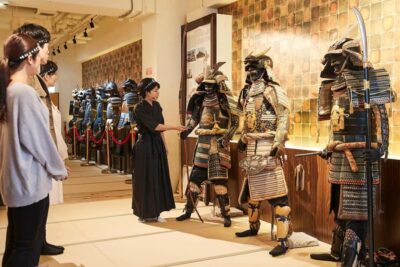 ★ 4.6Samurai Ninja Museum Guided tour and ExperienceFrom $271,010 reviews
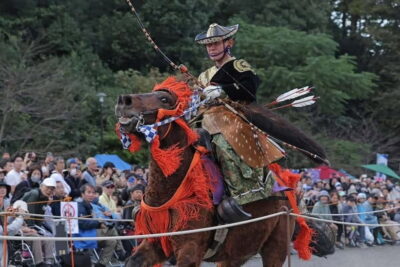 ★ 5.0Samurai Sword & Archery Class from Samurai DescendantFrom $193603 reviews
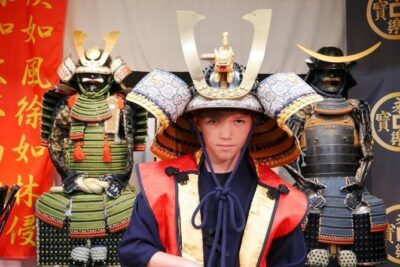 ★ 5.0Best Samurai Experience in TokyoFrom $65458 reviews
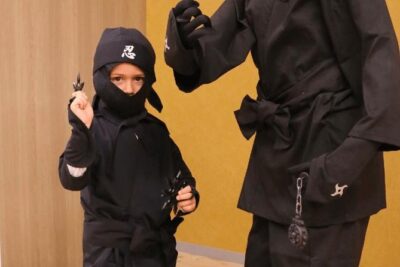 ★ 5.0Ninja Experience (Family Friendly) at Samurai Ninja Museum TOKYOFrom $47441 reviews
 ★ 4.6Samurai Entertainment Night Show in Kanda ShrineFrom $41417 reviews
 ★ 4.2Ninja Kabuki PerformanceFrom $29330 reviews
 ★ 5.0Tokyo Sword Experience – includes Museum Ticket/Ninja ExperienceFrom $84314 reviews
 ★ 4.8Samurai Ninja Museum Asakusa: Samurai Sword Lesson & TourFrom $63306 reviews
Browse the lists this tour appears in