
Reviewed · TEA CEREMONY & MATCHA
Tokyo:Tea ceremony experience at Komaba Warakuan
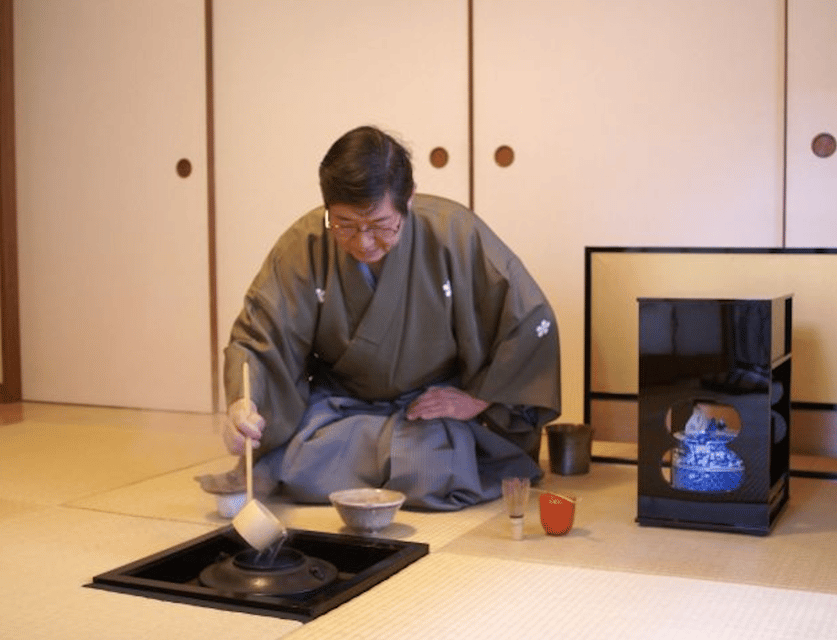
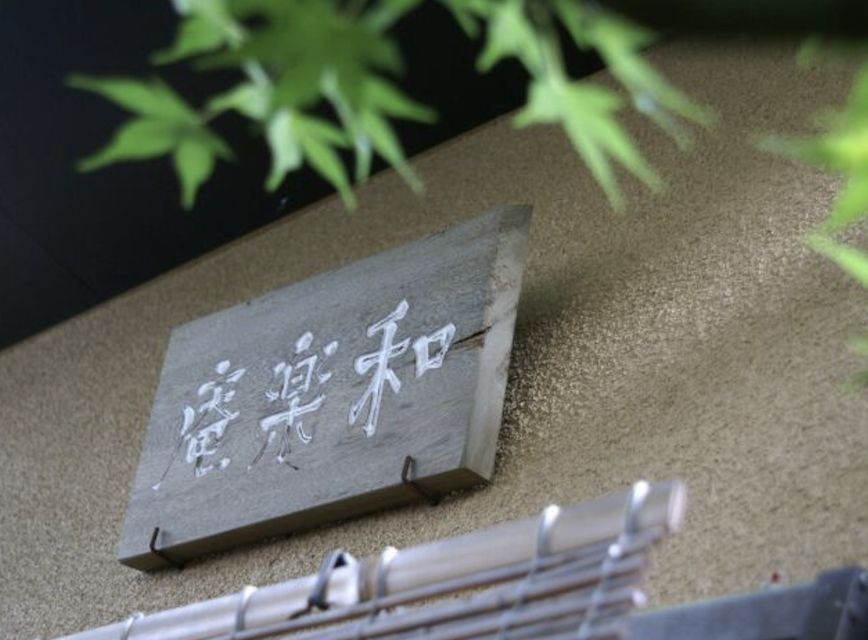
Tea, but in a real school setting. Komaba Warakuan is a beginner-friendly tea ceremony experience in Tokyo that feels tied to daily practice, not performance. You’ll learn the basics from a Japanese instructor, choose between Rich tea or Light tea seating styles, and get served Japanese tea with traditional sweets.
I love the way the lesson is paced for first-timers, with clear instruction on how to make tea. I also like the built-in personality choice: Rich tea is for quiet focus, while Light tea encourages brighter conversation and a more open mood. One thing to consider: finding the location can be tricky, so I’d plan extra time and double-check directions before you go.
In This Review
- Key highlights worth planning for
- Komaba Warakuan: a school tied to Enshu and the Tokugawa world
- Rich tea vs Light tea: picking your seat changes the mood
- The 90-minute flow: what happens from arrival to tea room
- 1) Welcome and explanation of the process
- 2) Change into tabi socks and head to the tea room
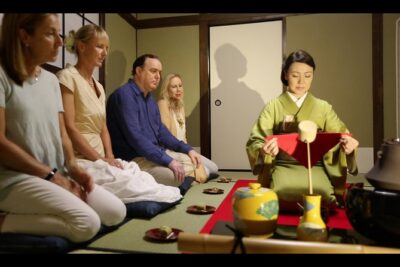
- 3) Hands-on tea lesson with a guided setup
- Tea and sweets: why the food part isn’t an afterthought
- What it feels like in a small group of four
- Price and value: is $56 fair for Tokyo?
- Finding Komaba Warakuan: a small planning tip that saves frustration
- Who should book this tea ceremony lesson
- Should you book Komaba Warakuan tea ceremony?
- FAQ
- FAQ
- How long is the tea ceremony experience at Komaba Warakuan?
- Where is Komaba Warakuan located?
- How much does it cost?
- Can I choose between Rich tea and Light tea?
- Is the group size small?
- Is there an instructor, and what language is used?
- What is included in the experience?
- Are tabi socks and tools provided?
- Can I get a refund if plans change?
Key highlights worth planning for
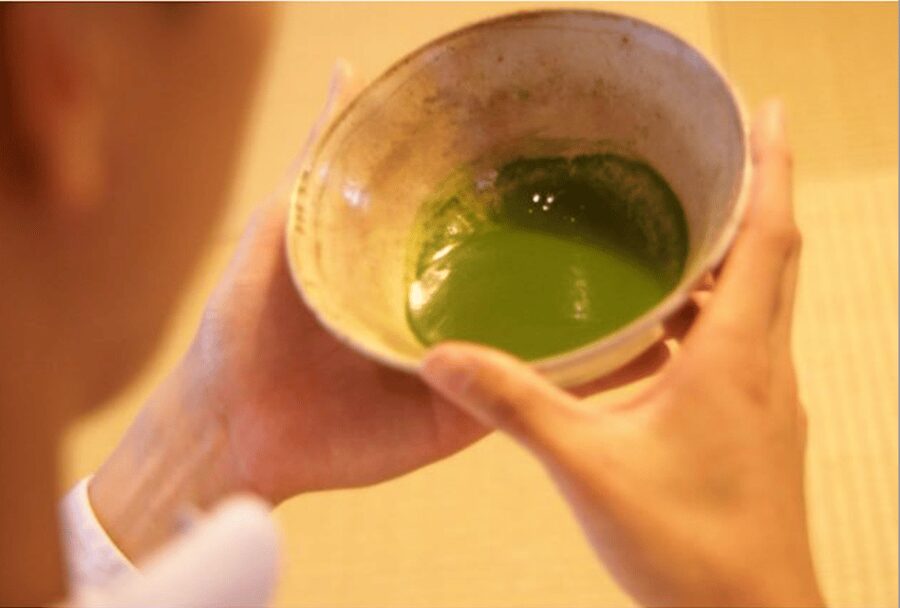
- Choose your ceremony vibe: Rich tea for quiet focus, Light tea for brighter, more talk-friendly energy
- Small group (max 4 participants): more attention, less waiting, and a calmer pace
- You’ll learn to make tea, not just watch: instruction includes hands-on practice
- Historical setting: Komaba Warakuan was tied to the Kobori Enshu school and taught a tea connection to the third Tokugawa shogun
- You’ll handle the tools: the experience includes items like folding fan and paper-toothpick type tools, provided for your lesson
- Traditional sweets are part of the experience: you’ll taste along with the tea
Komaba Warakuan: a school tied to Enshu and the Tokugawa world
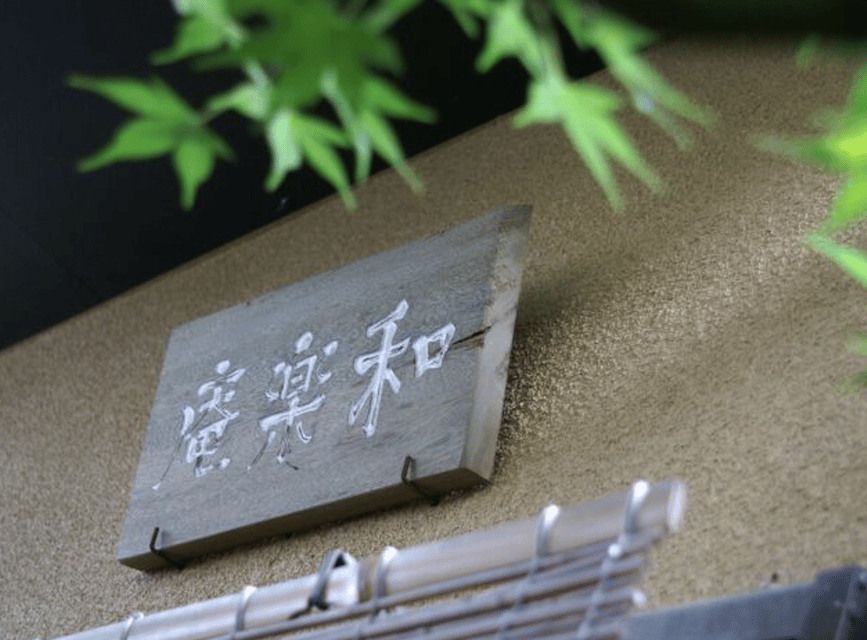
Komaba Warakuan isn’t set up like a stage. It’s described as a school with a long teaching tradition that helped shape the Kobori Enshu tea tradition, and it also supported tea instruction connected to the third Tokugawa shogun. That matters because it changes the feel. Instead of treating tea ceremony as a single event, you’re stepping into a place where the culture is learned through repetition and etiquette.
The experience is designed for beginners, which is a big deal in a country where tea ceremony can sometimes feel intimidating. Here, the goal is understanding the flow and the meaning behind the steps, even if you’ve never held a whisk (or sat in seiza) before.
Also, since the instructor is Japanese and the experience is taught in Japanese, you’ll get the most out of it if you’re open to following demonstrations and explanations. If your Japanese is limited, a translation app can help you catch the key parts.
More tea rooms our readers rated
- Matcha Making Class in Tokyo with Authentic Japanese Sweets Set
★ 5.0 · 744 reviews - Tokyo: Traditional Tea Ceremony with a Tea Master
★ 5.0 · 528 reviews - Tokyo: Matcha Making Experience with Mochi Sweets in Asakusa
★ 4.9 · 388 reviews - Tokyo: Matcha and Kimono Experience
★ 4.7 · 219 reviews
Rich tea vs Light tea: picking your seat changes the mood
One of the smartest parts of this experience is that you can choose between two plans: Rich tea or Light tea.
- Rich tea is described as a hidden seat. The tone is quiet and inward. If you like calm activities, slow movements, and being fully present, this option fits. Think: fewer distractions, more focus on the tea-making and the rhythm of the steps.
- Light tea is described as the seat of the sun. It comes with brighter energy and more lively conversation. If you’re on a trip with friends or you just want the ceremony to feel friendly and social while still respectful, this is the better match.
Either way, you still learn how the tea is made and you still sit in a traditional setting with sweets. The difference is how you’ll feel during the experience. I like the idea that your personality gets built into the plan, not added later.
The 90-minute flow: what happens from arrival to tea room
The ceremony runs about 90 minutes to 2 hours, so it’s long enough to learn and practice, but short enough that you won’t feel worn out afterward. You’ll also be in a small group limited to 4 participants, which keeps the pace comfortable.
Here’s the order you can expect:
1) Welcome and explanation of the process
When you arrive, you’ll get an explanation of the flow first. This is useful because tea ceremony involves sequence: gestures, tools, and etiquette all connect. If you know what comes next, you’ll move with less guesswork and more confidence.
2) Change into tabi socks and head to the tea room
Next, you’ll switch into tabi socks right away. The experience provides tabi socks, and you can bring your own if you prefer. Then you’ll lead to the tea room through the open ground.
Why this matters: the sock change is part of the ceremony mindset. It’s not just practical; it cues you that you’re stepping into a space that expects quiet, careful behavior.
- Tokyo: Shinjuku Food Tour (13 Dishes at 4 Local Eateries)★ 5.0 · 6,603 reviews
- Tokyo Mt Fuji 5th St & Hakone Cruise Bus Tour w/Bullet Train★ 4.4 · 5,024 reviews
- Flagship 2-Hours Official Street Go-Kart Tour – Tokyo Bay Shop★ 5.0 · 4,974 reviews
- From Tokyo: Mount Fuji Full-Day Sightseeing Trip★ 4.5 · 4,970 reviews
- Tokyo: Hop-On Hop-Off Sightseeing Bus Ticket★ 3.9 · 4,207 reviews
3) Hands-on tea lesson with a guided setup
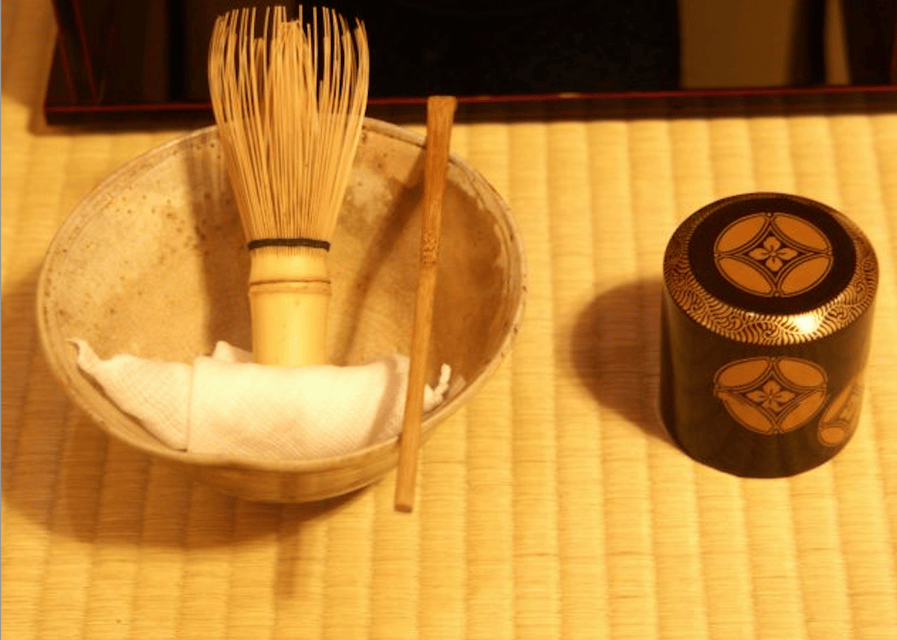
After you’re seated, the instructor teaches you how to make the tea carefully. You’ll also be given tools like fukusa scissors (described as including items such as a folding fan, paper, and a toothpick-type tool). If you have your own related items, you’re welcome to bring them, but you’re not expected to have anything.
This hands-on part is where the experience becomes more than a photo stop. When you’re doing the steps yourself, you’ll understand why the movements are slow and controlled. You’re learning the logic of the ritual.
Tea and sweets: why the food part isn’t an afterthought
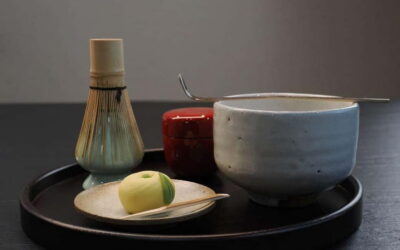
The experience includes Japanese tea and traditional sweets as part of every course. That combination is practical and cultural. The sweets help balance the taste and texture experience, and they also give you a moment to slow down before tea.
I like that the sweets are included in the same structured flow as the tea-making lesson. It keeps the experience from feeling like two separate activities stitched together. Instead, you get a unified ritual where you taste, learn, and then taste again as the steps move forward.
And because the tea ceremony involves attention to scent, temperature, and the way you hold tools, eating something sweet beforehand can make the whole process feel more grounded. You’re not just watching a demonstration while your stomach worries.
What it feels like in a small group of four
With up to 4 participants, the experience tends to stay personal. The lesson can adjust to the pace of the group, and you’re less likely to feel rushed.
From the feedback people shared, the instruction style tends to work for both adults and younger visitors. One example included a 14-year-old and an 11-year-old who found it educational and relaxing. That doesn’t mean it’s a kids’ class, but it does suggest that beginners can handle it if the instructor is guiding clearly.
It also helps that the group stays small, because tea ceremony etiquette is easiest to learn when you can watch closely and then try again without a crowd behind you.
Price and value: is $56 fair for Tokyo?
At $56 per person for about 90 minutes to 2 hours, you’re paying for a guided, hands-on lesson in a traditional setting, plus Japanese tea and sweets. The price also includes tax (and the experience fee is bundled in).
Here’s how I’d judge the value:
- If you want a tea ceremony that teaches you how to do the steps, this price can feel reasonable. You’re not just paying for entry into a room; you’re paying for instruction, tools, and the structured flow.
- If your main goal is a quick taste with minimal explanation, you might question the cost. One participant noted the pricing felt high compared with the average they expected.
My take: treat it like a lesson, not a simple attraction. In Tokyo, you often pay for quality instruction and a small-group format. The max-4 setup can justify the cost if you care about learning rather than collecting a memory.
Finding Komaba Warakuan: a small planning tip that saves frustration
Some people reported difficulty finding the place. That’s a common issue with experiences that happen in quieter school-like locations rather than right on a major street.
So do this:
- Arrive with enough buffer time.
- Use your map app and save the address carefully.
- If you’re unsure, consider reaching out through the booking channel ahead of time with a short message asking for the clearest walking directions you can get.
It’s not about being stressed. It’s about making sure you’re not arriving late when you’ll want to focus on changing into tabi socks and settling in.
Who should book this tea ceremony lesson
This experience fits best if you:
- Want a beginner-friendly tea ceremony where you learn the steps
- Prefer a quieter, structured activity over a fast sightseeing stop
- Like small-group settings where you get attention and can ask questions through the flow
- Want the option to choose Rich tea (quiet focus) or Light tea (brighter interaction)
- Appreciate cultural context, especially the school connection to Kobori Enshu and Tokugawa-era tea instruction
It may be less satisfying if you mainly want an English-heavy talk or a completely self-guided visit, because the instruction language is Japanese.
Should you book Komaba Warakuan tea ceremony?
I’d book it if you want a calm, well-taught introduction to tea ceremony, with a real sense of place and a small-group pace. The Rich vs Light choice is genuinely useful because it lets you pick the vibe before you sit down. And the hands-on teaching turns it from a show into a skill you can remember.
Skip it only if you strongly prefer English instruction throughout, or if you’re traveling with a very strict schedule and can’t spare time to get to a location that some people find hard to pinpoint.
FAQ
FAQ
How long is the tea ceremony experience at Komaba Warakuan?
It lasts 90 minutes to 2 hours. Exact starting times depend on availability.
Where is Komaba Warakuan located?
The experience is in Honshu, Japan.
How much does it cost?
The price is $56 per person.
Can I choose between Rich tea and Light tea?
Yes. You can choose between Rich tea or Light tea, which also changes the seating style and the tone of the experience.
Is the group size small?
Yes. It’s a small group limited to 4 participants.
Is there an instructor, and what language is used?
There is a Japanese instructor, and the experience is taught in Japanese.
What is included in the experience?
The experience fee includes Japanese tea and traditional sweets, plus the instructor-led lesson. Tax is included in the price.
Are tabi socks and tools provided?
Tabi socks are provided, and you can also bring your own. Tools for the lesson, including fukusa scissors (described as including items like a folding fan, paper, and a toothpick-type tool), are provided.
Can I get a refund if plans change?
Yes. You can cancel up to 3 days in advance for a full refund.
More Tour Reviews in Tokyo
- Mt Fuji and Hakone 1-Day Bus Tour Return by Bullet Train
★ 5.0 · 26,383 reviews - 1-Day Tokyo Bus Tour
★ 5.0 · 14,250 reviews - Tokyo: teamLab Planets TOKYO Digital Art Museum Entry Ticket
★ 4.6 · 9,779 reviews - Mt Fuji & Hakone Cruise, Drum Show Bullet Train 1 Day from Tokyo
★ 4.0 · 7,413 reviews - Tokyo: Shinjuku Food Tour (13 Dishes at 4 Local Eateries)
★ 5.0 · 6,603 reviews
More Tea and Matcha Rooms
- Matcha Making Class in Tokyo with Authentic Japanese Sweets Set
★ 5.0 · 744 reviews - Tokyo: Traditional Tea Ceremony with a Tea Master
★ 5.0 · 528 reviews - Tokyo: Matcha Making Experience with Mochi Sweets in Asakusa
★ 4.9 · 388 reviews - Tokyo: Matcha and Kimono Experience
★ 4.7 · 219 reviews - Tea Ceremony Workshop in Tokyo by the Experienced Instrucor
★ 5.0 · 189 reviews
Latest Tokyo reviews off our desk






Tea Ceremony & Matcha, compared.
 ★ 5.0Matcha Making Class in Tokyo with Authentic Japanese Sweets SetFrom $21744 reviews
 ★ 5.0Traditional Tea Ceremony with a Tea MasterFrom $38528 reviews
 ★ 4.9Matcha Making Experience with Mochi Sweets in AsakusaFrom $22388 reviews
 ★ 4.7Matcha and Kimono ExperienceFrom $57219 reviews
 ★ 5.0Tea Ceremony Workshop in Tokyo by the Experienced InstrucorFrom $38189 reviews
 ★ 4.9Asakusa Kimono Dressing and Matcha ExperienceFrom $56173 reviews
 ★ 4.9Asakusa: Kimono Tea Ceremony with Matcha and SweetFrom $66153 reviews
 ★ 5.0Make Traditional Nerikiri Sweets & Matcha experience in ShibuyaFrom $60130 reviews
Browse the lists this tour appears in