
Reviewed · CRAFT & ARTISAN WORKSHOPS
Traditional Japanese Kumihimo Artform Experience
Braiding art feels oddly calming. At DOMYO in Kagurazaka, you get hands-on kumihimo plus a real studio museum look at how the craft evolved. You’ll watch tools and techniques tied to Edo-period research, then make a bracelet or strap you can actually wear after.
Two things I really like: the way the class uses real production tools and historical pieces, and the instructor style that keeps it beginner-friendly without feeling watered down. If you’re curious about what makes kumihimo structures tick, you’ll get the design meaning, not just the steps.
One possible drawback: the workshop is about one finished item in roughly two hours, so if you want a more complex pattern from the start, the time may limit how ambitious your design choices feel.
In This Review
- Key highlights you’ll care about
- Kumihimo in Tokyo: a studio museum you can actually try
- Why DOMYO’s archive and museum pieces matter
- The 2-hour flow: history, tools, demos, then your braid
- 1) Start at the DOMYO studio in Kagurazaka
- 2) Museum viewing: restoration archive and production tools
- 3) Demonstrations: tools in motion
- 4) Hands-on braiding: make your bracelet or strap
- 5) Finished piece and take-home time
- What you’ll make: a wearable souvenir with design meaning
- Instructor style and small group pace
- Price and value: $54.79 for museum + hands-on
- Where it fits in your Tokyo plan (and how long to budget)
- Who should book this kumihimo class
- Should you book DOMYO’s kumihimo experience?
- FAQ
- FAQ
- How long is the Kumihimo experience by DOMYO?
- Where is the meeting point?
- Is the ticket mobile?
- How big are the groups?
- What do I make during the workshop?
- Does the instructor speak English?
- Do I need any experience with kumihimo?
- How far in advance should I book?
- What is the cancellation policy?
- When will I receive confirmation after booking?
Key highlights you’ll care about
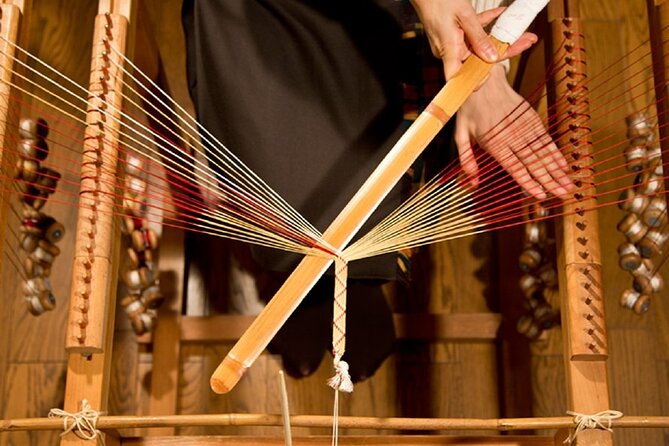
- DOMYO’s studio museum format: you’re not just doing a craft; you’re seeing the tools, archives, and technique lineage.
- Edo to Meiji context: learn how samurai-era research and later scholarship shaped historical kumihimo.
- Hands-on braid-making: leave with an original bracelet or strap made by you.
- Small group size: the experience caps at 8 people, which helps with questions and pace.
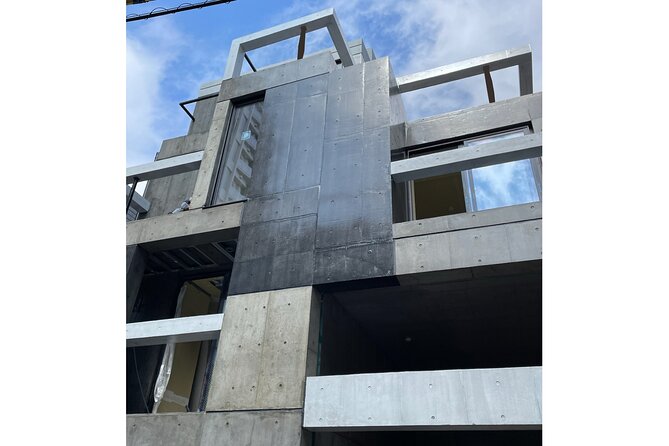
- Old and new on the same walls: see collaborations that connect kumihimo to contemporary fashion, art, and architecture.
- English instruction that actually clicks: the instructor’s communication is described as very clear and patient.
Kumihimo in Tokyo: a studio museum you can actually try
Tokyo has plenty of craft shops, but kumihimo is different. This experience is built around a studio museum inside DOMYO, so you don’t only learn the method—you also see where it came from and why the designs are shaped the way they are.
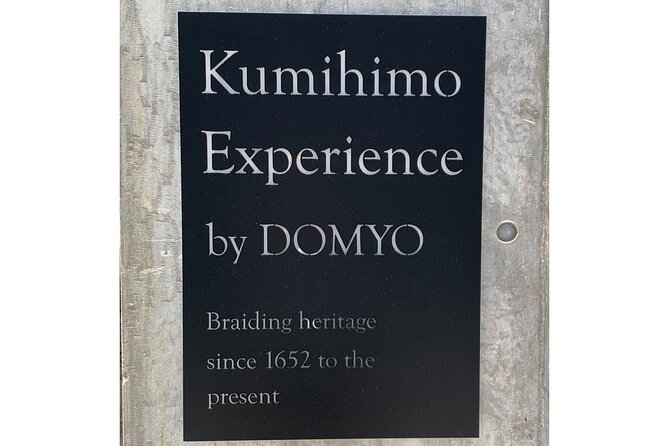
DOMYO 組紐 traces back to 1652 in the Edo period. The studio’s work follows a research tradition connected to samurai study, and it continues through Meiji-era interest in historical kumihimo.
I like this approach because it turns kumihimo from a pretty texture into something you can read. You’ll understand how the structure behaves, and how the design choices relate to function and meaning.
More hands-on studios our readers booked
- Tokyo Shinjuku Chopsticks Making Class
★ 5.0 · 1,763 reviews - Chopstick Making Workshop in Ginza
★ 4.8 · 1,366 reviews - Kintsugi Experience: Art of Golden Joinery in Tokyo
★ 5.0 · 467 reviews - Tokyo Chopstick Making Workshop with Artisan
★ 5.0 · 466 reviews
Why DOMYO’s archive and museum pieces matter
The big value here is the museum side, because it’s not generic decoration. DOMYO’s restoration archive of cultural properties helps you trace the historical development of Japanese kumihimo, step by step.
You’ll be able to see tools used in current production alongside historical examples. That matters for your brain while you learn—because you can connect what you’re doing at the desk with how craftsmen actually work.
The museum also frames the designs structurally. Instead of treating patterns as magic, you get explanations about the structural characteristics of kumihimo and the meaning of the design. That’s the difference between making a braid and learning kumihimo.
There’s also an exhibition element that spans old and new kumihimo. You can view collaborative works connected to people active in contemporary fashion, art, and architecture. It’s a smart reminder that traditional technique can live in modern design, too.
The 2-hour flow: history, tools, demos, then your braid
This experience runs about 2 hours, and it ends back at the meeting point in Kagurazaka. The whole thing is designed to move from context to craft-making without wasting time.
Here’s the practical flow you can expect.
1) Start at the DOMYO studio in Kagurazaka
You meet at Kumihimo Experience by DOMYO, 6-chōme-75 Kagurazaka, Shinjuku City. The studio is near public transportation, so it’s usually a straightforward stop to add to a Shinjuku day.
The first minutes are about getting oriented: what kumihimo is, what you’ll make, and how the tools will work in your hands.
2) Museum viewing: restoration archive and production tools
Next comes the museum viewing portion. You’ll see how the restoration archive helps show the evolution of kumihimo over time.
This is where I’d slow down mentally. Look closely at the tools and the historical pieces, because the same logic that guided those earlier designs shows up when you start braiding.
You’ll also get explanations that connect structure to outcome. That helps you troubleshoot while you’re working, because you’ll know what you’re trying to achieve and why.
- Tokyo: Shinjuku Food Tour (13 Dishes at 4 Local Eateries)★ 5.0 · 6,603 reviews
- Tokyo Mt Fuji 5th St & Hakone Cruise Bus Tour w/Bullet Train★ 4.4 · 5,024 reviews
- Flagship 2-Hours Official Street Go-Kart Tour – Tokyo Bay Shop★ 5.0 · 4,974 reviews
- From Tokyo: Mount Fuji Full-Day Sightseeing Trip★ 4.5 · 4,970 reviews
- Tokyo: Hop-On Hop-Off Sightseeing Bus Ticket★ 3.9 · 4,207 reviews
3) Demonstrations: tools in motion
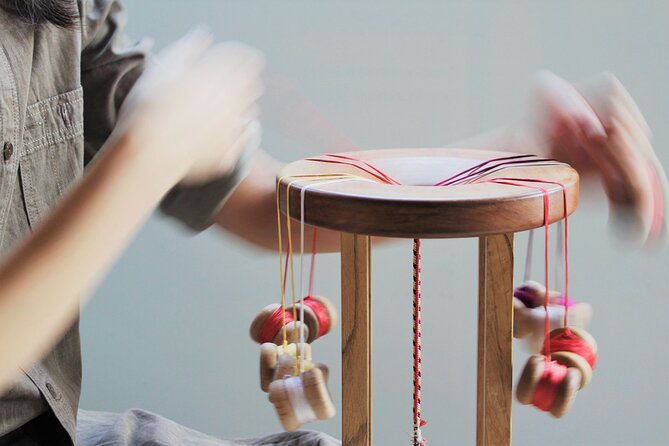
After the museum context, you’ll see demonstrations that show how the technique is applied. This part is especially useful if you’ve never done anything like this.
Demonstrations also show the rhythm of the process. Kumihimo can feel technical, but it’s really about consistent handling and pattern logic, not brute force.
4) Hands-on braiding: make your bracelet or strap
Then you move to your own braiding session. You’ll create an original bracelet or strap, and the instructions are built for people with no prior experience.
The instructor support is a big reason this class works. People describe the instructor as patient, with clear English. If you get stuck, you’re not left to guess.
You’ll learn how to read the structure as you go, so the braid starts to look like something intentional rather than random weaving.
5) Finished piece and take-home time
By the end, you’ll have your own completed bracelet or strap. You take it home as a souvenir that you made yourself, not just something you bought.
And yes, you may want to come back for another design once you understand the technique. The workshop format makes it easy to imagine a second try.
What you’ll make: a wearable souvenir with design meaning
You’ll leave with an original bracelet or strap. That’s a practical choice in a Tokyo souvenir context, because it’s easy to wear, easy to gift, and easy to keep track of after you fly home.
What makes the piece more than a trinket is the design context. Since you learn about structural characteristics and the meaning of the design, the braid feels like a small, logical artifact rather than just a pretty object.
One note to set expectations: because the class is about two hours, your finished item is probably closer to a solid first project than a marathon piece. If you hoped for a very complex pattern from the start, the time window may shape how ambitious your result feels.
Instructor style and small group pace
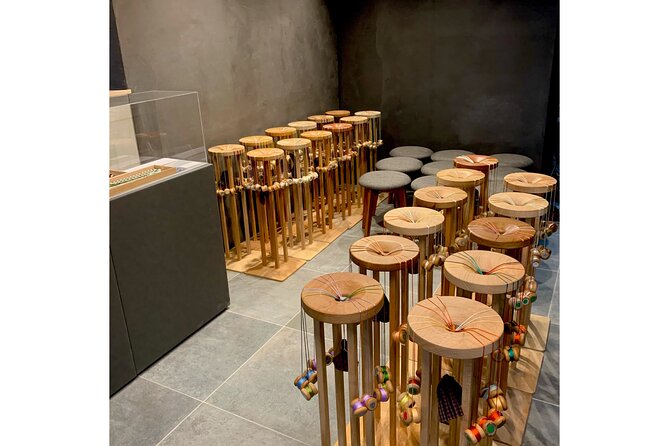
This workshop caps at 8 travelers, which keeps the room calm and workable. Small-group craft classes matter because you need quick help when your hands don’t match your brain yet.
In this case, the instruction quality is repeatedly praised. The instructor’s English is described as very understandable, and the teaching is described as patient—exactly what you want when the technique is new.
There’s also a vibe shift that happens in good craft classes: once the pattern logic clicks, the work becomes oddly relaxing. Even people who start nervous tend to settle into a steady rhythm.
Price and value: $54.79 for museum + hands-on
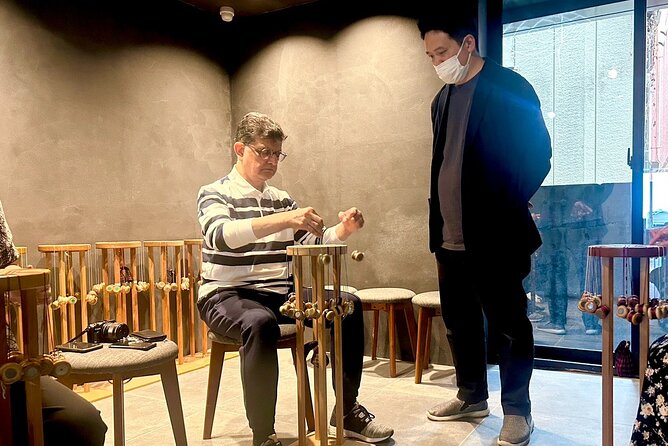
The price is $54.79 per person for about 2 hours, and the experience includes more than a basic craft session. You’re paying for three things at once:
1) museum-style access to the studio archive and historical context,
2) instruction plus demonstrations using the tools tied to real production, and
3) your finished bracelet or strap that you take home.
I see this as decent value for Tokyo because you’re not only buying a souvenir. You’re buying an explanation of how the craft evolved, plus the chance to reproduce the technique with your own hands.
It also tends to book ahead. On average, it’s reserved about 47 days in advance, so if a specific day matters, try not to leave it as a last-minute decision.
Where it fits in your Tokyo plan (and how long to budget)
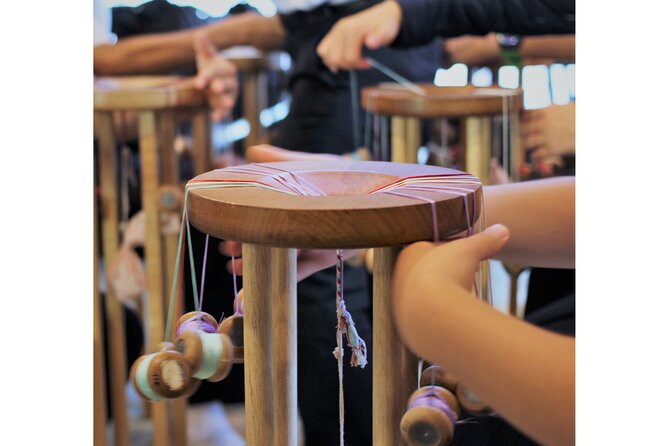
The meeting point is in Shinjuku’s Kagurazaka area, which is convenient if you’re already doing Shinjuku neighborhoods. The studio is near public transportation, so you can usually route it without too much hassle.
Schedule it when you want a break from walking-heavy sightseeing. The format is seated and focused, and the pace is designed for learning.
Also, because it ends where it starts, you don’t need to plan an extra transfer right afterward. It’s a clean block of time in your day.
Who should book this kumihimo class
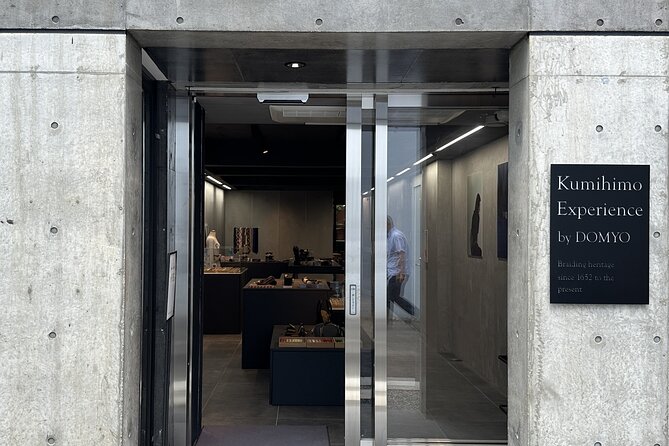
Book it if you want kumihimo in a way that feels real, not staged. This is a great match for people who like traditional crafts, enjoy museum learning, and want a hands-on output that’s actually usable.
It’s also a good fit for couples or anyone who enjoys learning side-by-side. With a small cap of 8, you’re not swallowed by a huge group.
You might consider skipping or adjusting expectations if you only want a very fast tourist activity. This experience is technical in a gentle way, and the museum portion is part of the value.
Should you book DOMYO’s kumihimo experience?
If you care about technique and context, I’d say yes. The combination of an Edo-to-Meiji studio museum approach, real production tools, and patient instruction makes this more satisfying than a typical craft stop.
If you’re the type who learns best by doing—then checking your understanding against what you saw in the museum—this format fits your brain nicely. You’ll leave with a bracelet or strap you made, and you’ll understand what you made, not just how to repeat it once.
If you’d rather only watch and not touch, the workshop format may feel too hands-on. But if you’re willing to get your hands into the process, this is one of the most grounded ways to experience kumihimo in Tokyo.
FAQ
FAQ
How long is the Kumihimo experience by DOMYO?
It lasts about 2 hours.
Where is the meeting point?
You’ll meet at Kumihimo Experience by DOMYO, 6-chōme-75 Kagurazaka, Shinjuku City, Tokyo 162-0825, Japan.
Is the ticket mobile?
Yes, the experience uses a mobile ticket.
How big are the groups?
The class has a maximum of 8 travelers.
What do I make during the workshop?
You’ll make an original bracelet or strap, and you take your finished item home.
Does the instructor speak English?
The instruction is described as very understandable in English.
Do I need any experience with kumihimo?
No. Most people can participate, and the class is set up so beginners can finish a braid.
How far in advance should I book?
It’s commonly booked about 47 days in advance on average, so planning ahead helps you get the slot you want.
What is the cancellation policy?
You can cancel for a full refund up to 24 hours in advance of the experience start time. After that point, the amount paid isn’t refunded.
When will I receive confirmation after booking?
Confirmation is received within 48 hours of booking, subject to availability.
More Tour Reviews in Tokyo
- Mt Fuji and Hakone 1-Day Bus Tour Return by Bullet Train
★ 5.0 · 26,383 reviews - 1-Day Tokyo Bus Tour
★ 5.0 · 14,250 reviews - Tokyo: teamLab Planets TOKYO Digital Art Museum Entry Ticket
★ 4.6 · 9,779 reviews - Mt Fuji & Hakone Cruise, Drum Show Bullet Train 1 Day from Tokyo
★ 4.0 · 7,413 reviews - Tokyo: Shinjuku Food Tour (13 Dishes at 4 Local Eateries)
★ 5.0 · 6,603 reviews
More Artisan Workshops in Tokyo
- Tokyo Shinjuku Chopsticks Making Class
★ 5.0 · 1,763 reviews - Chopstick Making Workshop in Ginza
★ 4.8 · 1,366 reviews - Kintsugi Experience: Art of Golden Joinery in Tokyo
★ 5.0 · 467 reviews - Tokyo Chopstick Making Workshop with Artisan
★ 5.0 · 466 reviews - Tokyo: Shinjuku Chopstick Making Class
★ 4.9 · 440 reviews
Latest Tokyo reviews off our desk




Craft & Artisan Workshops, compared.
 ★ 5.0Tokyo Shinjuku Chopsticks Making ClassFrom $201,763 reviews
 ★ 4.8Chopstick Making Workshop in GinzaFrom $251,366 reviews
 ★ 5.0Kintsugi Experience: Art of Golden Joinery in TokyoFrom $59467 reviews
 ★ 5.0Tokyo Chopstick Making Workshop with ArtisanFrom $26466 reviews
 ★ 5.0Authentic Pure Gold Kintsugi Workshop with Master Taku in TokyoFrom $142217 reviews
 ★ 5.0Calligraphy on Kanji Fan & Scroll with DrinkFrom $53210 reviews
Browse the lists this tour appears in