
Reviewed · KAMAKURA DAY TRIPS
Yokohama/Kamakura Private Tour by Car- English speaking Driver
A private car turns Tokyo into a side trip. You’ll hop between ancient Kamakura and Yokohama’s biggest Chinese-food area with hotel pickup, English guidance, and time for photos that don’t stall the group.
What I like most is the relaxed rhythm. You’re not rushing from platform to platform, and your driver helps keep the day flowing at a pace that fits your questions and photo stops. I also like the private format for a small group of up to four, which makes the temples and shopping feel more personal than a bus tour.
One thing to plan for: several stops have admission fees that aren’t included, and if the day runs past 10 hours, overtime costs kick in. If you tend to linger, think about where you might speed up—or enjoy the slow pace and accept the extra hour risk.
In This Review
- Key points before you go
- A private day from Tokyo: what this format actually buys you
- Yokohama Chinatown: walking through a food universe on your own timeline
- Minato Mirai 21: modern Yokohama with an easy, low-pressure stroll
- Sankeien Gardens: classic garden design plus historic buildings
- Hasedera Temple: the Kannon statue and a temple garden you can actually enjoy
- Kotoku-in Great Buddha: the photo you came for, plus real scale
- Hokoku-ji Temple: a peaceful hillside walk with jasmine and cherry trees
- Timing that works: how the 8–10 hours tends to feel in real life
- Price and value: $470.31 per group up to four
- Who this tour fits best (and who might want something else)
- Should you book this Yokohama/Kamakura private tour?
- FAQ
- How long is the Yokohama and Kamakura private tour?
- How many people can be in the group?
- Do you get hotel pickup?
- Is the tour driver English-speaking?
- Are admissions included for all stops?
- What happens if the tour runs longer than 10 hours?
- What should I know about the weather?
Key points before you go
- Hotel pickup in an air-conditioned private car saves you from train logistics and lugging bags
- Photo stops without holding others means you can get shots without a silent race to the next stop
- Kamakura temples in a smart order strings together the Great Buddha and two classic garden-and-hillside visits
- Chinatown and Minato Mirai are free entries, so your wallet mainly feels admissions at the temples and garden
- English-speaking driver-style guidance helps you understand what you’re seeing while driving between areas
- Time limits matter: the tour runs about 8–10 hours, with overtime charged after 10
A private day from Tokyo: what this format actually buys you
This tour is built around one big idea: you shouldn’t spend your vacation figuring out transit transfers. With pickup offered and a private air-conditioned vehicle, you start your day already in motion, not hunting platforms.
The second payoff is attention. Instead of following a script, you can ask questions and shape the pacing around what you care about—temple details, garden strolls, or simply having time to walk through Chinatown without feeling herded.
And yes, it’s practical. Your driver handles driving, parking, and the toll pieces that can turn a day into paperwork. That leaves you to focus on the fun parts: sights, photos, and meals.
Coast-and-Buddha days near Kamakura, rated
- Tokyo: Mt. Fuji, Kamakura, Big Buddha, & Lake Ashi Day Trip
★ 4.5 · 867 reviews - Tokyo:Sea of Mount Fuji, Hakone Ropeway, Ōwakudani, Enoshima
★ 4.9 · 84 reviews - Kamakura 8 hr Private Walking Tour with Licensed Guide from Tokyo
★ 5.0 · 80 reviews - Tokyo: Kamakura & Enoshima Day Tour with Pickup & Train Ride
★ 4.1 · 61 reviews
Yokohama Chinatown: walking through a food universe on your own timeline
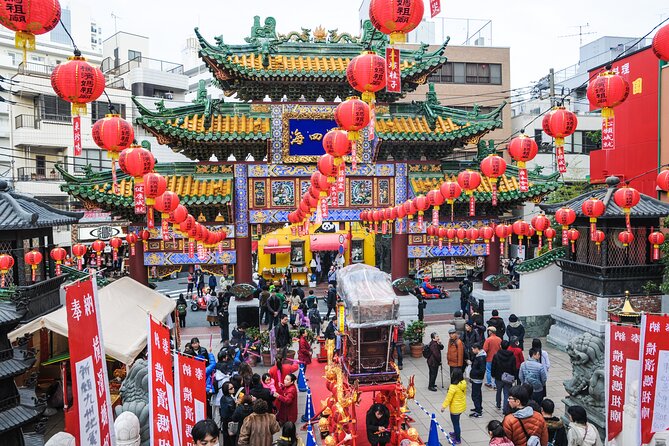
Yokohama Chinatown is Japan’s largest, with hundreds of shops and restaurants spread across about 250,000 square meters. It’s also known for being a major Chinese-food destination, with claim-to-fame energy that you can feel the moment you step into the streets.
You get about an hour here, and that’s enough if you treat it like a walking neighborhood, not a checklist. Think: wander, pick a snack or a meal, and let your eyes do the work—signs, shop displays, and the little side alleys can be part of the experience.
The main consideration is that Chinatown is dense. If you hate crowds or you need lots of space for mobility, this is the stop where you’ll feel it the most. If crowds don’t bother you, this is a great place to slow down and snack your way through.
Minato Mirai 21: modern Yokohama with an easy, low-pressure stroll
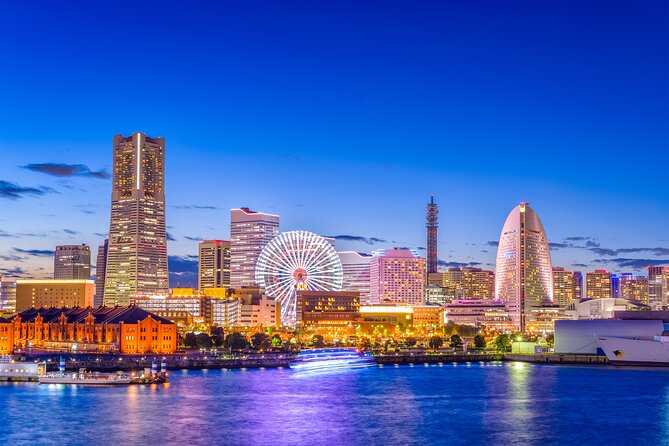
After the Chinatown energy, Minato Mirai 21 gives you a calmer reset. This seaside district’s name translates roughly as harbor of the future, and it’s the kind of central Yokohama area filled with big modern buildings, including the Landmark Tower.
You’ll spend about an hour, and you can use it however you like: photo views of the waterfront, a casual stroll, or just a breather before Kamakura’s temple walking begins.
This stop also works as a buffer for timing. If you’re running behind, Minato Mirai is simple to enjoy without deep planning. If you’re right on time, you’ll still get a satisfying slice of Yokohama’s contrast to older Japan.
Sankeien Gardens: classic garden design plus historic buildings
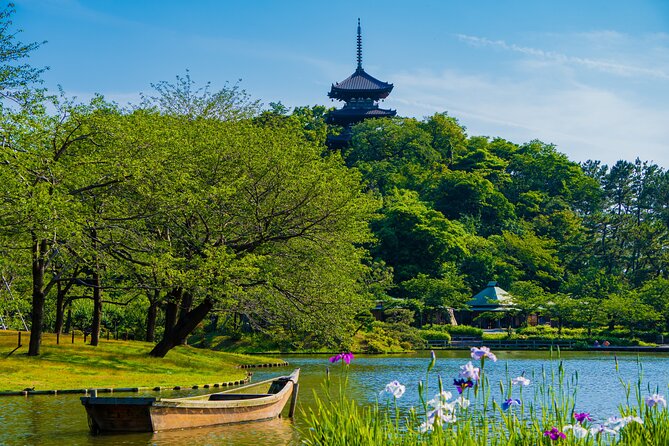
Sankeien Gardens is the kind of place where you can feel your pace slow—on purpose. The garden covers about 175,000 square meters and is known for seasonal beauty. Even if you visit outside peak season, the scale and layout help you see how Japanese garden design guides footsteps.
You’ll have about an hour here. That’s enough for a proper loop and time to stop when something catches your eye—especially the historical houses and buildings inside the grounds, which are recognized for cultural significance.
One practical note: this stop’s admission isn’t included. Plan for an extra ticket cost here, and consider what season you’re visiting. If you’re going for photography, Sankeien can be a strong use of your limited time because you’re not stuck in a line—you’re walking at your own speed.
Hasedera Temple: the Kannon statue and a temple garden you can actually enjoy
Hasedera Temple dates back to the eighth century, which is long enough to give the site weight. The headline attraction is a giant Kannon statue—the goddess of mercy—so you’re not just touring buildings; you’re meeting a major icon.
You’ll get about an hour. In that window, you can do two things well: enjoy the grounds, and take time for the temple garden aspect without it feeling like a sprint.
This is also another stop where admission isn’t included, so your budget will likely land here along with the other temple tickets. If you like atmosphere over just photos, this one is worth your attention because the garden setting helps the visit feel more human and less transactional.
The harbour city next door, reviewed
- Narita Airport: One Way Private Transfer to Tokyo|Yokohama Hotels★ 4.5 · 69 reviews
- Tokyo/Yokohama: Mt. Fuji and Hakone Private Day Tour★ 5.0 · 64 reviews
- Tokyo: Private One-Way Transfers to/from Yokohama Port★ 4.5 · 50 reviews
- Private Car Tour to see Highlights of Kamakura, Enoshima, Yokohama from Tokyo★ 5.0 · 48 reviews
- Haneda Airport: One Way Private Transfer to Tokyo|Yokohama Hotels★ 4.0 · 28 reviews
Kotoku-in Great Buddha: the photo you came for, plus real scale
Kotoku-in is where Kamakura becomes unmistakably Kamakura. The Great Buddha here is a national treasure—about 37 feet tall—and it’s a massive bronze statue of Amitabha Buddha.
You’ll have around two hours, and that extra time matters. The Great Buddha is the obvious reason to come, but the real value is the opportunity to experience the place from different angles and take your time with photos. If you rush, you’ll just get a picture. If you slow down, you’ll notice the sense of scale and the calm around it.
Admission isn’t included, so factor this ticket cost into your planning. Also remember that this stop is popular. Even with a private car, you can still hit peak-hour crowds. Two hours gives you room to settle in rather than constantly moving.
Hokoku-ji Temple: a peaceful hillside walk with jasmine and cherry trees
Hokoku-ji offers a different feeling than the big landmark moments. Founded in 1334, it sits in the hills east of the city, and the grounds are known for a peaceful walk. The site is associated with jasmine and cherry trees, so depending on season, the sensory payoff can be excellent.
You’ll also get about two hours here. That’s enough time to walk without panic, pause when you want, and take in the hillside setting.
Admission isn’t included, so again: build a little budget buffer for the temple set. If you’re the type who likes gardens, walking paths, and quieter corners, Hokoku-ji is the stop that can make the whole day feel like a journey, not a transfer.
Timing that works: how the 8–10 hours tends to feel in real life
This tour runs about 8 to 10 hours. The sightseeing blocks are structured—Chinatown and Minato Mirai around one hour each, Sankeien about one hour, Hasedera about one hour, and the Kamakura temple highlights (Kotoku-in and Hokoku-ji) around two hours each.
For you, the key is how it translates to mood. By grouping the modern Yokohama stops up top and saving the most walking-heavy temple time for later, you avoid the worst kind of exhaustion. You still walk, but you’re not spending the whole day commuting and sprinting.
Two more practical points:
- Photo stops are planned, not squeezed in at the last second. That matters because good photos often mean stopping twice: once to find the angle, once to reset your feet.
- Overtime is charged after 10 hours. If you know you’ll want extra time in shops or gardens, decide where you’ll spend the extra minutes before you’re at the edge of the time limit.
Price and value: $470.31 per group up to four
At $470.31 per group (up to four people), this tour can be a strong value when you compare it to paying separately for taxis plus paid entrance tickets you still might not time well. The included items—private English-speaking driver, private air-conditioned vehicle, fuel surcharge, parking fees, and toll fees—remove a lot of the annoying add-ons.
Here’s the honest math: the big line item you’re still paying out of pocket is admissions. Chinatown and Minato Mirai are free to enter, but Sankeien and the Kamakura temples aren’t included. So you’ll likely spend the most on tickets in the garden-and-temple portion.
Where the money feels justified is time and stress. Two major areas (Kamakura and Yokohama) in one day can be tricky to piece together without a plan. This format hands you the plan, then gives you enough flexibility to enjoy it instead of just surviving it.
Who this tour fits best (and who might want something else)
This is ideal if you:
- Want temples without transit headaches
- Are traveling with a small group (up to four) and prefer a private vehicle
- Care about a paced day with English explanations between stops
- Want an easy win on Yokohama by combining Chinatown and Minato Mirai
It might be less ideal if you’re on a strict budget and don’t want to add temple admission tickets. It also may feel tight if you like extremely long stays at each stop, because the itinerary is designed to keep the day moving.
Should you book this Yokohama/Kamakura private tour?
I’d book it if you want a high-quality day with low friction: hotel pickup, a comfortable car, English guidance, and a route that balances iconic sights with real walking time. The standout value is the pacing—especially the chance to stop for photos and not feel like you’re holding everyone hostage.
I wouldn’t book it if your priority is spending zero on admissions or if you plan to stay past 10 hours without a backup plan. In that case, consider a lighter day, because the overtime fee is a real cost lever.
If you land somewhere in the middle—wanting the big hits plus a calm rhythm—this one is built for you.
FAQ
How long is the Yokohama and Kamakura private tour?
It runs about 8 to 10 hours.
How many people can be in the group?
It’s a private tour for your group, up to 4 people.
Do you get hotel pickup?
Yes, pickup is offered.
Is the tour driver English-speaking?
Yes, you’ll have a private English-speaking driver.
Are admissions included for all stops?
No. Some places (like Yokohama Chinatown and Yokohama Minato Mirai 21) are free, while others (such as Sankeien Gardens and the Kamakura temples) are not included.
What happens if the tour runs longer than 10 hours?
You’ll be charged 5,000 JPY per hour of overtime after 10 hours.
What should I know about the weather?
This experience requires good weather. If it’s canceled due to poor weather, you’ll be offered a different date or a full refund.
More Tour Reviews in Tokyo
- Mt Fuji and Hakone 1-Day Bus Tour Return by Bullet Train
★ 5.0 · 26,383 reviews - 1-Day Tokyo Bus Tour
★ 5.0 · 14,250 reviews - Tokyo: teamLab Planets TOKYO Digital Art Museum Entry Ticket
★ 4.6 · 9,779 reviews - Mt Fuji & Hakone Cruise, Drum Show Bullet Train 1 Day from Tokyo
★ 4.0 · 7,413 reviews - Tokyo: Shinjuku Food Tour (13 Dishes at 4 Local Eateries)
★ 5.0 · 6,603 reviews
The Harbour City Next Door, Rated
- Narita Airport: One Way Private Transfer to Tokyo|Yokohama Hotels
★ 4.5 · 69 reviews - Tokyo/Yokohama: Mt. Fuji and Hakone Private Day Tour
★ 5.0 · 64 reviews - Tokyo: Private One-Way Transfers to/from Yokohama Port
★ 4.5 · 50 reviews - Private Car Tour to see Highlights of Kamakura, Enoshima, Yokohama from Tokyo
★ 5.0 · 48 reviews - Private Kamakura plus Yokohama Tour – English Speaking Driver
★ 4.5 · 28 reviews
More Kamakura and Enoshima Days
- Tokyo: Mt. Fuji, Kamakura, Big Buddha, & Lake Ashi Day Trip
★ 4.5 · 867 reviews - Tokyo:Sea of Mount Fuji, Hakone Ropeway, Ōwakudani, Enoshima
★ 4.9 · 84 reviews - Kamakura 8 hr Private Walking Tour with Licensed Guide from Tokyo
★ 5.0 · 80 reviews - Tokyo: Kamakura & Enoshima Day Tour with Pickup & Train Ride
★ 4.1 · 61 reviews - Kamakura Private & Customizable Tour – All-in-One Experience
★ 5.0 · 49 reviews
Latest Tokyo reviews off our desk

Kamakura Day Trips, compared.
 ★ 4.5Kamakura & Enoshima Day Trip including Temple TicketsFrom $581,375 reviews
 ★ 4.5Mt. Fuji, Kamakura, Big Buddha, & Lake Ashi Day TripFrom $49867 reviews
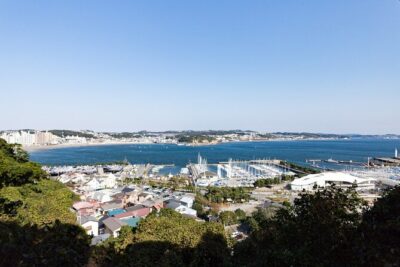 ★ 4.5From Tokyo: Kamakura & Enoshima 1-Day Bus TourFrom $66189 reviews
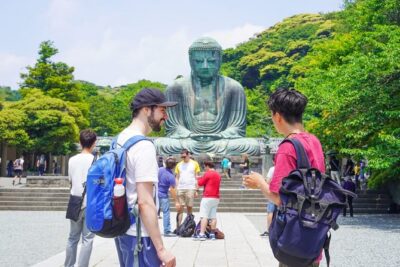 ★ 5.0Kamakura Historical Walking Tour with the Great BuddhaFrom $98129 reviews
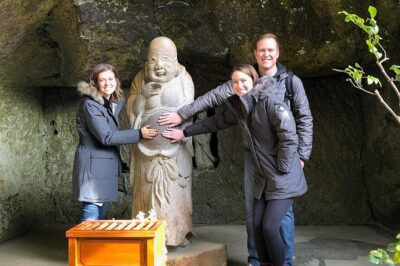 ★ 5.0Kamakura Private Tour: Temples, Nature, and the Great BuddhaFrom $98121 reviews
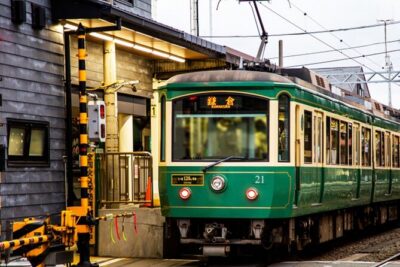 ★ 5.0Kamakura Walking Tour – The City of ShogunFrom $35100 reviews
 ★ 4.9Sea of Mount Fuji, Hakone Ropeway, Ōwakudani, EnoshimaFrom $5084 reviews
 ★ 5.0Kamakura 8 hr Private Walking Tour with Licensed Guide from TokyoFrom $20180 reviews
Browse the lists this tour appears in