
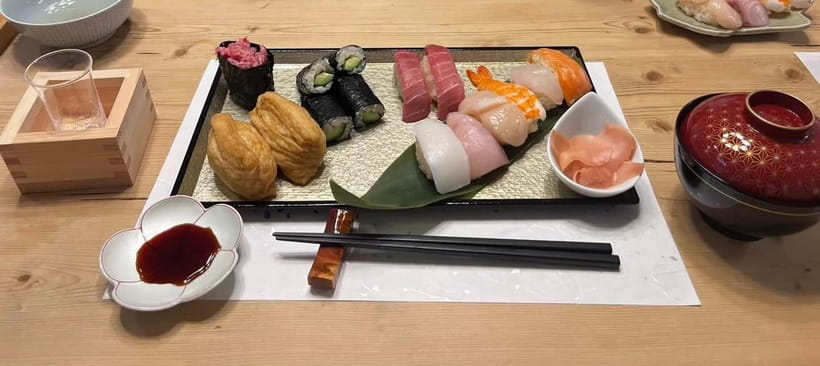
Reviewed · COOKING CLASSES
AKEMI’s SUSHiKiTCHEN: A fun sushi cooking lesson in Tokyo
Cooking sushi at a Japanese home changes everything. In Akemi Castellano’s kitchen, you learn sushi technique step by step, starting with the rice you’ll use for hand-pressed and rolled bites.
What I like most is the relaxed, at-home feel, which makes it easier to ask questions and really focus on the craft. You also get context on Japanese food culture and the history of sushi as you cook.
One drawback to know up front: they can’t accommodate food or animal allergies, so this isn’t the right fit if you need allergy-friendly handling.
In This Review
- Key highlights to look for
- A Tokyo Home Kitchen, Not a Factory Lesson
- What You’ll Cook: Inari, Gunkan, Maki, and Nigiri
- Nigiri-zushi (hand-pressed sushi)
- Maki-sushi (rolled sushi)
- Gunkan (battleship sushi)
- Inari (fried tofu pockets)
- Vinegar Rice and Fish Prep: The Skill Behind Sushi
- How the 3-Hour Flow Works and What You’ll Eat
- Price and Value for a 3-Hour Hands-On Class
- Getting There from Shinjuku and Shibuya Without Stress
- Who Should Book, and Who Should Skip It
- Should You Book Akemi’s SushiKiTCHEN?
- FAQ
- How long is the sushi cooking lesson?
- What sushi types will I learn to make?
- Is the group size small?
- Do you offer a vegetarian option?
- Can you accommodate allergies?
- Where is the meeting point?
Key highlights to look for
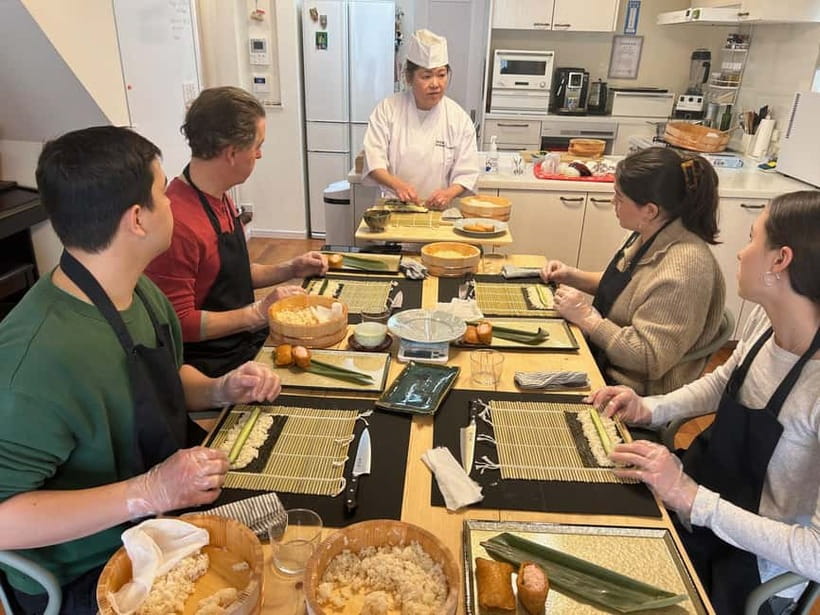
- A small group of up to 6 keeps the class personal and the instruction clear.
- Vinegar rice first gives you the base you’ll use for every style you make.
- Four sushi types: Inari, Gunkan (battleship), Maki, and Nigiri.
- Fish preparation is shown, not just assumed, so you understand what’s behind the plate.
- You eat what you make for lunch or dinner, plus sake and dessert.
- English and Japanese instruction with a friendly team including Dan.
A Tokyo Home Kitchen, Not a Factory Lesson
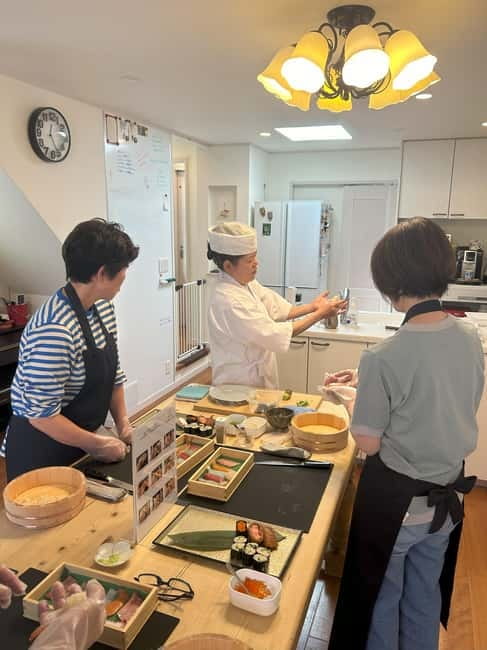
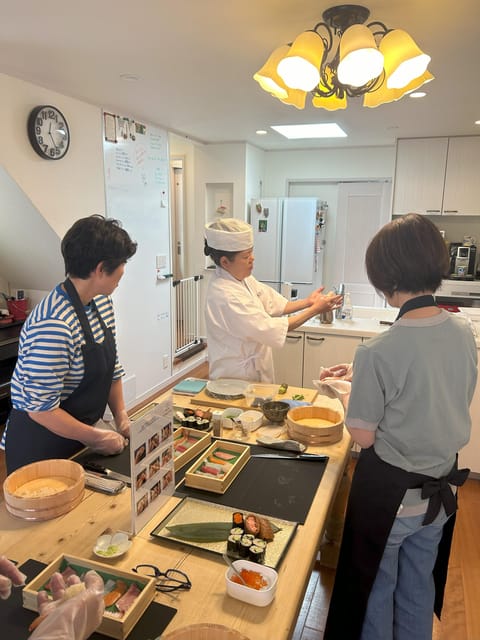
Akemi’s SUSHiKiTCHEN is designed around a simple idea: you learn sushi by cooking it, in a real home setting, not in a loud, industrial demo room. The pace feels comfortable, and the small group size means you’re not watching from the sidelines.
The big benefit for you is confidence. Sushi looks fussy from the outside, but when you’re pressing rice, shaping rice for gunkan, and rolling maki yourself, technique stops being a mystery. And because the class includes both instruction and a sit-down meal at the end, the food has a purpose beyond taking photos.
This is also where the cultural piece lands. You’re not only making bites; you’re learning why sushi developed the way it did and what Japanese diners expect from rice, topping, and texture.
Readers also shortlisted these Tokyo bookings:
- Ramen & Gyoza Cooking Class in Tokyo with Local Supermarket Visit
★ 5.0 · 823 reviews - Tokyo: Easy Ramen Cooking Experience in Kabukicho, Shinjuku
★ 4.6 · 321 reviews - Ramen and Sushi Cooking Class with Sake Pairing Set in Tokyo
★ 5.0 · 291 reviews - Tokyo: Wagyu and 7 Japanese Dishes Cooking Class
★ 4.9 · 273 reviews
What You’ll Cook: Inari, Gunkan, Maki, and Nigiri
You’ll make four distinct sushi styles, and that variety is the point. Each one teaches a different “problem” sushi solves: seasoning and structure for rice, shape and hold for toppings, and neat folding for rolls.
Nigiri-zushi (hand-pressed sushi)
Nigiri is all about balance: a compact mound of vinegar rice topped with neta (the seafood component). You’ll learn how hand-pressed sushi should feel—firm enough to hold, but not smashed. When you understand the rice shape, everything else becomes easier.
Maki-sushi (rolled sushi)
Maki is the “precision” segment. Rolling forces you to think about even spread and clean edges, so your sushi stays together when you slice it. It also gives you a feel for portion size, which is a huge difference between making sushi at home and ordering it.
Gunkan (battleship sushi)
Gunkan sushi is shaped like a boat—or, as the name suggests, a battleship. You’ll learn how rice is formed to hold the topping, so your seafood component sits in place rather than sliding off. It’s a great technique lesson because it’s all about structure.
Readers also shortlisted these Tokyo bookings:
- Sushi Making Tokyo Roll and Authentic Japanese Sushi Class★ 5.0 · 3,971 reviews
- Tokyo: Roll and Authentic Sushi Making Class in Asakusa★ 4.9 · 1,957 reviews
- Tokyo Shinjuku Chopsticks Making Class★ 5.0 · 1,763 reviews
- Tokyo: Sushi Making Class in a Happi Coat near a Famous Spot★ 4.9 · 1,377 reviews
- Chopstick Making Workshop in Ginza★ 4.8 · 1,366 reviews
Inari (fried tofu pockets)
Inari uses fried tofu pockets filled with seasoned rice. Even if you’re new to sushi, inari helps you understand that sushi culture includes more than raw fish. It’s also where vegetarian options can be especially satisfying, since tofu is a natural fit.
A practical note: there’s no choosing from a menu. It’s a set lesson, so you’ll be making these four types as part of the program.
Vinegar Rice and Fish Prep: The Skill Behind Sushi
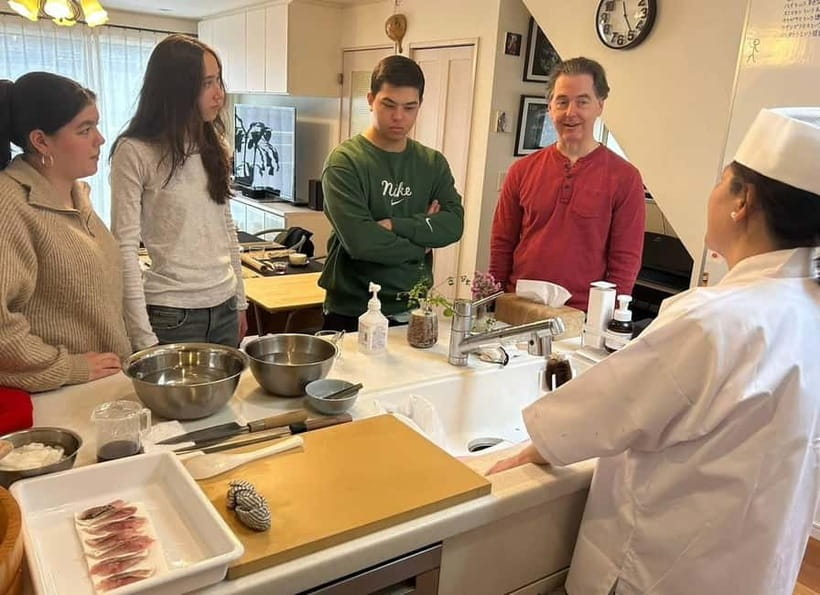
If sushi has a “secret,” it’s the rice. This class starts there, with instruction on how to make vinegar rice—how it should smell, how it should cool, and how you handle it once it’s ready. If your rice is right, the rest of the sushi becomes much more forgiving.
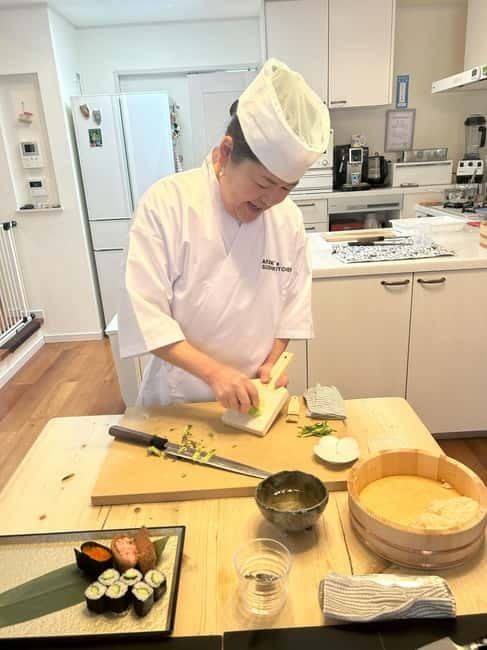
You’ll also get a demonstration on how fish is prepared for sushi. That matters because it explains what you usually don’t see when you order at a counter. Understanding prep routines helps you appreciate sushi as craft work, not just a plate of seafood.
From a learning standpoint, this approach is smart. Instead of teaching you four recipes in isolation, the lesson connects everything to the foundation: vinegar rice, careful handling, and the logic of each sushi type.
How the 3-Hour Flow Works and What You’ll Eat
The lesson runs for about 3 hours, and it’s built to finish with the meal you cook. You’ll start with guidance on vinegar rice, then move through making nigiri, maki, gunkan, and inari. Expect instruction to be hands-on—shaping rice and assembling your sushi as you go.
At the end, you’ll sit down for a sushi lunch or dinner that comes from your own work. Adults are offered sake, and dessert rounds out the experience.
Two details make this more enjoyable for you:
- You’re not just learning technique; you’re eating it right away.
- The meal is part of the learning loop, so you can compare what you made to what sushi should taste like.
There’s also support for different food preferences. A vegetarian option is available, and you should indicate that when you place your order. One thing to watch: the class is still structured around the set sushi types, so vegetarian needs are handled within that framework.
Price and Value for a 3-Hour Hands-On Class
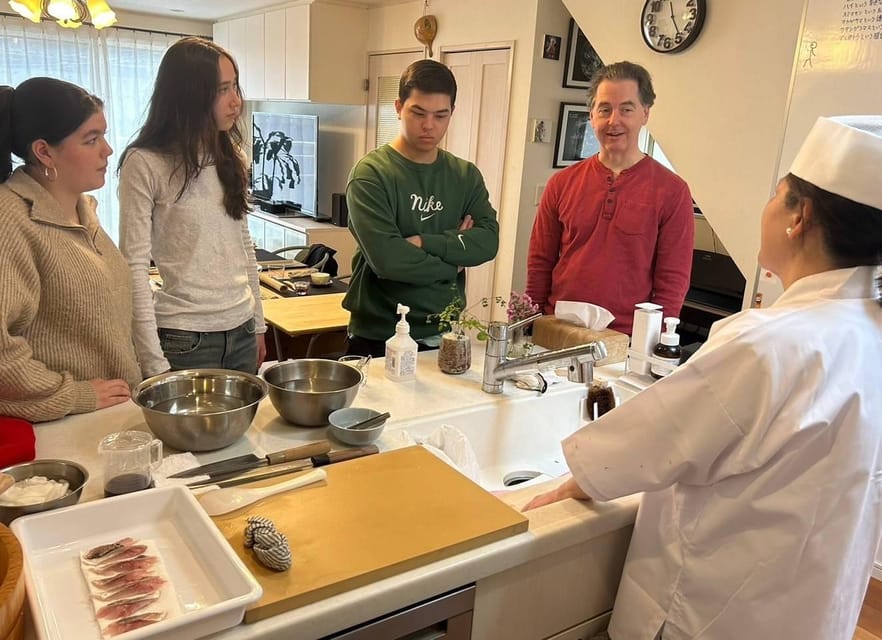
At $103 per person for three hours, you’re paying for more than a cooking activity. You’re paying for:
- a trained instructor-led experience (Akemi Castellano),
- small-group attention (limited to 6 participants),
- ingredients and sushi components,
- a fish prep demonstration,
- and the meal you produce—plus sake and dessert.
Compared to a typical food tour, this is higher-touch. You get time at the cutting board and the rice bowl, not just tasting samples. Compared to a cooking class that ends with snacks, the meal here is substantial because you eat your own sushi at the end.
Is it “cheap”? No. But if you’re serious about sushi, the value comes from the skill transfer. You’ll leave with a clear process for vinegar rice and the mechanics of four classic sushi formats—skills you can actually repeat later at home.
Getting There from Shinjuku and Shibuya Without Stress
Location is a real strength here. The house is described as easy to reach from Shinjuku and Shibuya, two of Tokyo’s biggest hub areas.
How people handle the meeting works like this:
- Many find the house on their own using Google Maps.
- If you prefer, they can meet you at the nearest train station and walk you in.
That flexibility matters in Tokyo, where stations can be maze-like and addresses sometimes feel vague. If you want less hassle, choose the station meeting option.
If you’re planning your day, give yourself a little buffer for a short neighborhood walk. A calm approach makes the start of the lesson smoother, and it helps you arrive ready to cook.
Who Should Book, and Who Should Skip It
This class is ideal if you want sushi technique plus Japanese food culture in one session, in a calm home environment. The instruction is offered in English and Japanese, and the vibe is friendly rather than stiff or overly formal.
You’ll especially enjoy it if:
- you like sushi enough to want a real process, not just a tasting,
- you enjoy cooking and don’t mind a hands-on class format,
- you want a small group experience with focused help.
But it’s not a match for everyone. The big limit is allergies. The experience cannot accommodate customers with food or animal allergies, and you should let them know about allergies beforehand. Also, it’s not suitable for children under 10 years, so families with younger kids will need another option.
Finally, remember that you won’t pick the exact sushi you make. The class includes four types, and the lesson follows that set structure.
Should You Book Akemi’s SushiKiTCHEN?
If your goal is to come away with technique—especially vinegar rice plus nigiri, maki, gunkan, and inari—then yes, this is worth booking. The small group size and the fact that you eat what you make turn it into a memorable meal and a practical skill lesson.
Skip it if allergies are part of your planning, or if you need maximum menu choice in advance. Also, if you’re looking for a quick photo stop rather than cooking, this will feel like work—in the best way for people who like learning.
For the right traveler, Akemi Castellano’s class hits a sweet spot: culture, craft, and a satisfying lunch or dinner in a genuine home setting.
FAQ
How long is the sushi cooking lesson?
The lesson lasts 3 hours.
What sushi types will I learn to make?
You’ll learn to make Nigiri-zushi, Maki-sushi, Gunkan (battleship), and Inari.
Is the group size small?
Yes. The experience is limited to a small group of up to 6 participants.
Do you offer a vegetarian option?
Yes. There is a vegetarian option, and you should indicate your preference when you place your order.
Can you accommodate allergies?
No. They cannot accommodate customers with food or animal allergies, but if you have allergies, you should let them know beforehand.
Where is the meeting point?
Many people find the house on their own using Google Maps, but you can request to be met at the nearest train station instead. Let them know your preference.
More Workshops in Tokyo
- Sushi Making Tokyo Roll and Authentic Japanese Sushi Class
★ 5.0 · 3,971 reviews - Tokyo: Roll and Authentic Sushi Making Class in Asakusa
★ 4.9 · 1,957 reviews - Tokyo Shinjuku Chopsticks Making Class
★ 5.0 · 1,763 reviews - Tokyo: Sushi Making Class in a Happi Coat near a Famous Spot
★ 4.9 · 1,377 reviews - Chopstick Making Workshop in Ginza
★ 4.8 · 1,366 reviews
More Cooking Classes in Tokyo
- Ramen & Gyoza Cooking Class in Tokyo with Local Supermarket Visit
★ 5.0 · 823 reviews - Tokyo: Easy Ramen Cooking Experience in Kabukicho, Shinjuku
★ 4.6 · 321 reviews - Ramen and Sushi Cooking Class with Sake Pairing Set in Tokyo
★ 5.0 · 291 reviews - Tokyo: Wagyu and 7 Japanese Dishes Cooking Class
★ 4.9 · 273 reviews - Tokyo Washoku 4-hour Cooking Class: From Market to Table
★ 5.0 · 253 reviews
More Tour Reviews in Tokyo
- Mt Fuji and Hakone 1-Day Bus Tour Return by Bullet Train
★ 5.0 · 26,383 reviews - 1-Day Tokyo Bus Tour
★ 5.0 · 14,250 reviews - Tokyo: teamLab Planets TOKYO Digital Art Museum Entry Ticket
★ 4.6 · 9,779 reviews - Mt Fuji & Hakone Cruise, Drum Show Bullet Train 1 Day from Tokyo
★ 4.0 · 7,413 reviews - Tokyo: Shinjuku Food Tour (13 Dishes at 4 Local Eateries)
★ 5.0 · 6,603 reviews
Latest Tokyo reviews off our desk






Cooking Classes, compared.
 ★ 5.0Ramen & Gyoza Cooking Class in Tokyo with Local Supermarket VisitFrom $122823 reviews
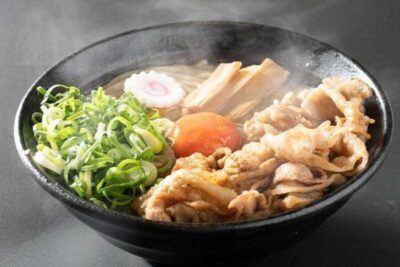 ★ 4.6Easy Ramen Cooking Experience in Kabukicho, ShinjukuFrom $29321 reviews
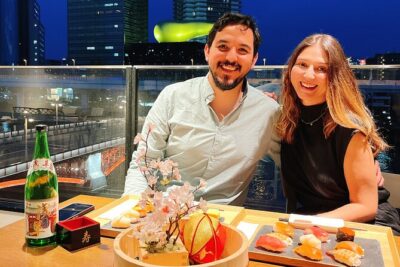 ★ 5.0Ramen and Sushi Cooking Class with Sake Pairing Set in TokyoFrom $79291 reviews
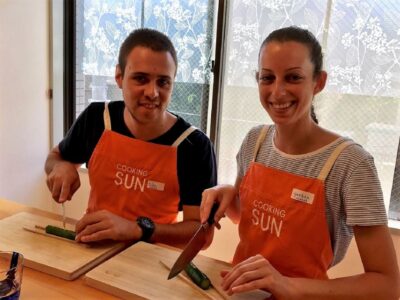 ★ 4.9Wagyu and 7 Japanese Dishes Cooking ClassFrom $67273 reviews
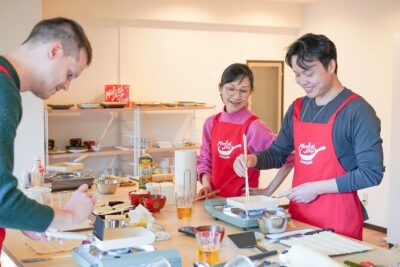 ★ 5.0Tokyo Washoku 4-hour Cooking Class: From Market to TableFrom $79253 reviews
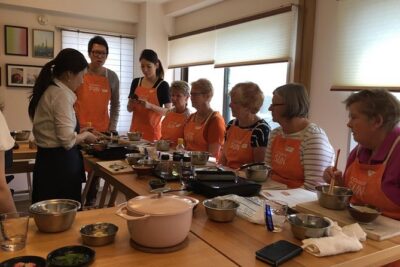 ★ 5.0Small-Group Wagyu Beef and 7 Japanese Dishes Tokyo Cooking ClassFrom $72190 reviews
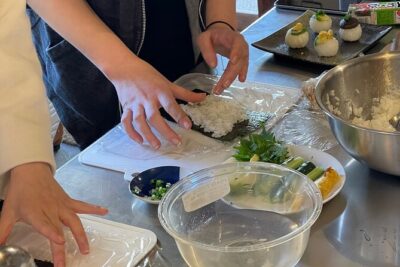 ★ 5.0Private Home Cooking in Yanaka – Local Flavors in a Warm SettingFrom $122173 reviews
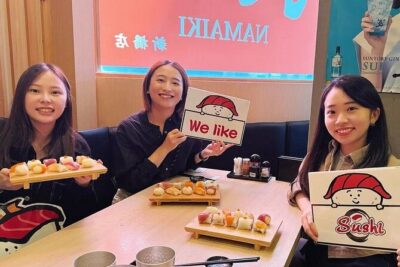 ★ 5.0Tokyo Sushi Making Experience & Japanese Cooking ClassFrom $59150 reviews
Browse the lists this tour appears in