
Reviewed · ASAKUSA & SENSOJI TOURS
Asakusa Kimono Photography Tour
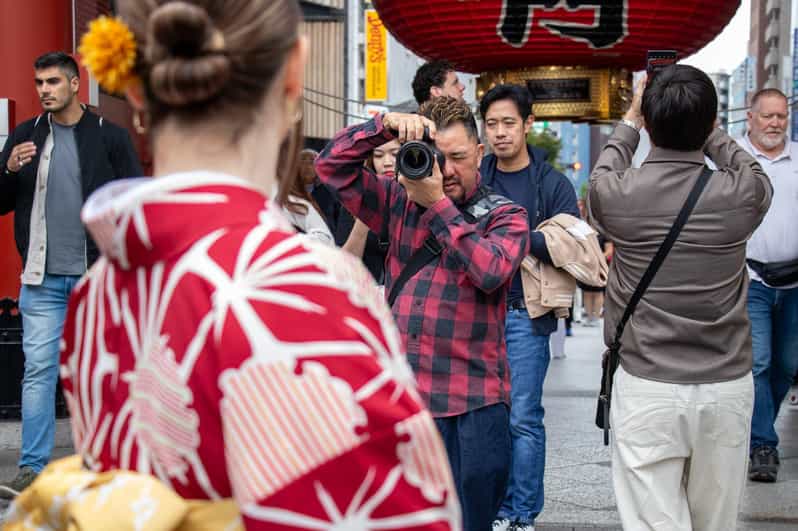
Wearing a kimono changes how you see Asakusa. This tour pairs kimono or yukata styling with a local photographer-guide, so your photos feel genuinely Japanese without the stress. You start at 1:30 PM to catch calmer streets and great angles before the area gets busier later.
I especially like the hands-on photo guidance. Your guide helps with poses, and you also learn about what you’re seeing as you walk, which makes each stop more than a quick snapshot. The included photo set is a smart bonus too: you get both raw and edited images, plus instructions for making the most of them.
One thing to consider: at $122 per person, it’s best for people who want the whole package—wardrobe + coaching + guided route—rather than those who just want to stroll on their own and shoot casually.
In This Review
- Key things I’d put on your mental checklist
- 1:30 PM in Asakusa: why the timing really matters
- Meeting point at Seven-Eleven (Tobu Asakusa Station-mae): simple and fast
- Choosing your kimono (and getting dressed without stress)
- Walking photo stops: highlights plus calmer lanes
- The guide matters: photo coaching that works for shy people and families
- Raw and edited photos: what you get for $122
- Price and value: where the $122 makes sense (and where it might not)
- Who should book this Asakusa kimono photography tour
- Should you book? My practical take
- FAQ
- Where is the meeting point?
- What time does the tour start?
- How long is the tour?
- What’s included in the price?
- Are raw photos included or only edited photos?
- Is food or drinks included?
- Are kimonos available for children?
- Is this tour offered in English?
Key things I’d put on your mental checklist
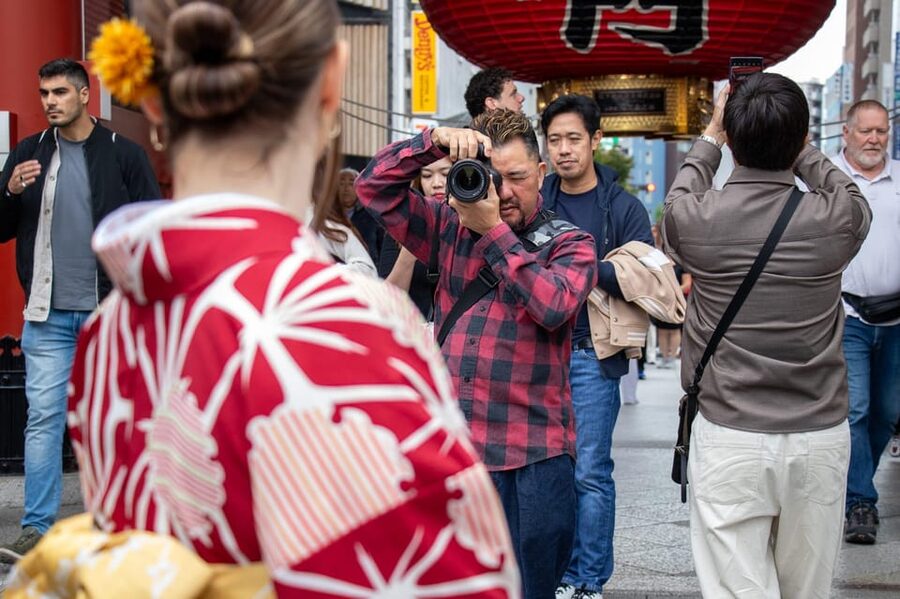
- 1:30 PM timing for fewer crowds so you can photograph the area without constant rerouting around people
- Kimono rental plus dressing help (including hairstyle and accessories for women) so you don’t fumble your first outfit
- English guide who also shoots which keeps the experience smooth and gives you direct feedback as you pose
- Raw and edited photos provided so you’re not stuck waiting for just one final product
- Families and shy participants fit in well with patient coaching, including help for children
- Children’s kimono availability (ages 3–10) with clear rules for older kids
1:30 PM in Asakusa: why the timing really matters
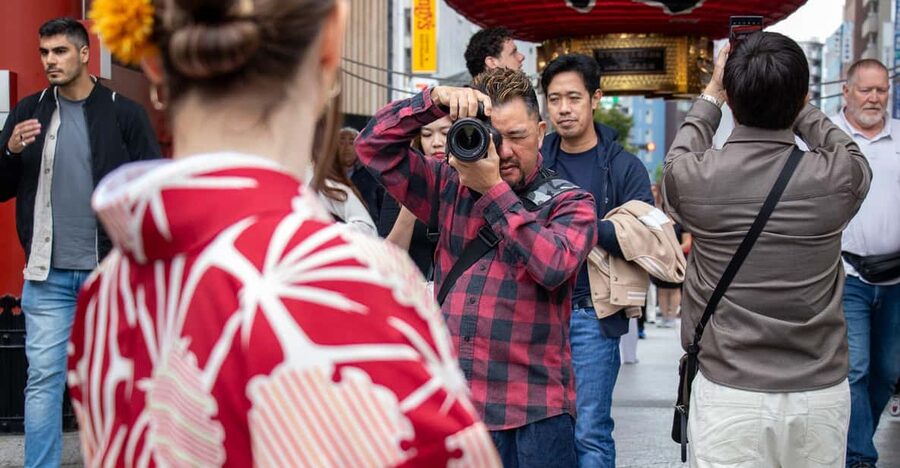
Asakusa is the kind of place where your photos can swing wildly depending on when you go. This tour starts at 1:30 PM, which is a practical sweet spot: you get the feel of historic Tokyo without spending the whole session dodging crowds. You’re still close enough to daylight hours to get flattering light on faces and fabric texture.
The route is built around that timing. You’ll be walking and stopping for photos as you move through the area, then ending back at the same easy landmark meeting point. If you’ve tried taking your own photos in a crowded temple-street zone, you already know the problem: you end up with half-body shots, blurred backgrounds, and constant people crossing the frame. Starting earlier in the day than peak evening hours helps reduce that frustration.
There’s also a comfort benefit. When the streets feel less packed, you can actually pay attention while you’re being guided. That matters because the tour isn’t only about photos—it includes history and context, which makes it easier to enjoy the experience (and not just manage camera settings).
More temple mornings in old Asakusa
- Tokyo: Japanese Dance Cabaret Theater Asakusa-Kaguwa Ticket
★ 4.8 · 2,270 reviews - Tokyo: Meiji Shrine, Asakusa, Skytree Bus Tour and Cruise
★ 4.7 · 1,986 reviews - Tokyo: Roll and Authentic Sushi Making Class in Asakusa
★ 4.9 · 1,957 reviews - Tokyo: Asakusa Walking Tour with Sensoji Temple Visit
★ 4.8 · 1,583 reviews
Meeting point at Seven-Eleven (Tobu Asakusa Station-mae): simple and fast
Your meeting spot is in front of a Seven-Eleven at Tobu Asakusa Station-mae. It’s very easy to find because you can anchor yourself to transit rather than guessing your way through side streets. The tour guide will be holding a red/orange sign that says MagicalTrip.
This matters more than it sounds. Asakusa has lots of narrow lanes and small storefronts, and arriving late can throw off your whole photo schedule—especially when kimono dressing time is involved. A clearly defined meeting point helps you get started on time and keeps the day feeling organized instead of rushed.
If you’re using public transit, you’re also close from both the Tobu Line and the Ginza Line exits listed for the area. That means you can plan your route without stress: get to Asakusa, step out near the station, and look for the sign.
Choosing your kimono (and getting dressed without stress)
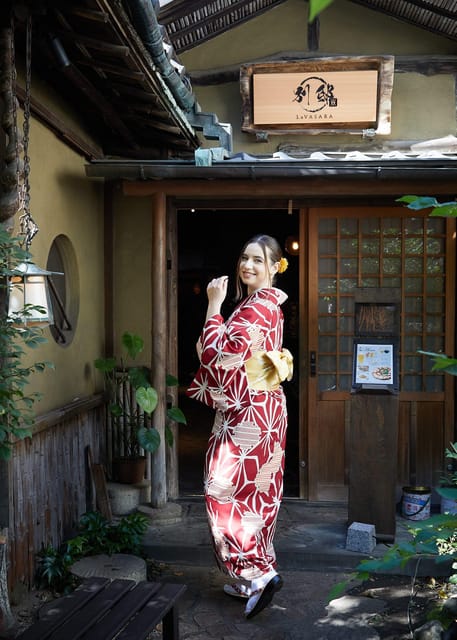
One of the best parts of this tour is that it doesn’t treat kimono as a “walk-in and figure it out” activity. You’re guided through dressing assistance, so you’re not standing awkwardly in public while adjusting sleeves and trying to prevent the obi from slipping.
You can choose your preferred kimono or yukata, which is a big deal for photos. Fabric color and pattern can change the mood of your pictures: a brighter outfit reads playful, while darker tones often photograph with a more classic, timeless look. Since you also get help with accessories, your outfit shows up complete in the frame rather than looking half-done.
For women, the tour includes hairstyle and accessories. That’s not just for looks. It also helps you relax, because your guide has thought through the small details that affect how you appear in pictures—hair movement, hair lines, and how accessories sit under the collar area.
Kids are supported too: there are kimonos available for children aged 3 to 10. Children above that age are treated as adults, so it’s worth thinking about sizing expectations for older kids before you go.
Etiquette is covered as well. You’ll receive tips on kimono etiquette, which helps you feel more confident walking and posing like you belong there.
Walking photo stops: highlights plus calmer lanes
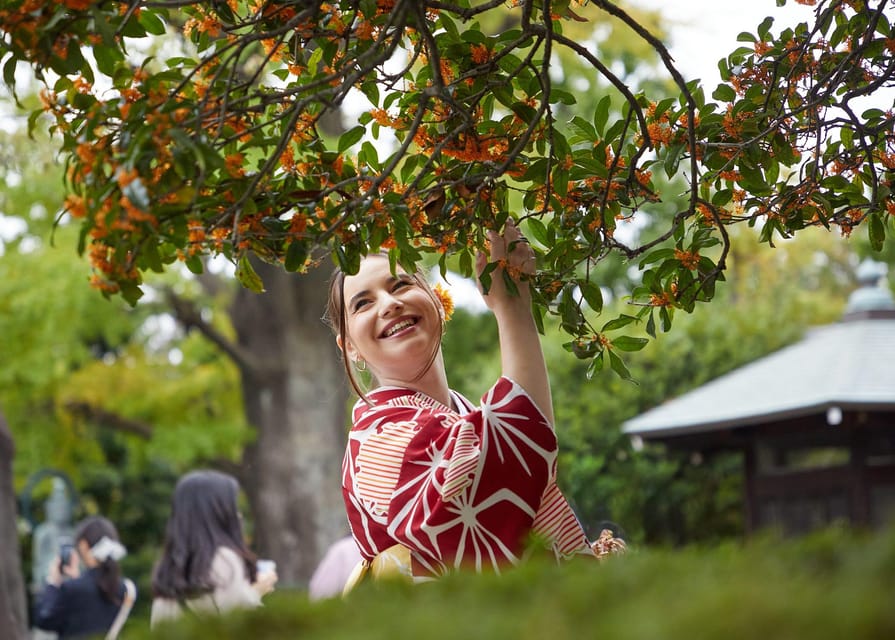
This is a walking photo session, not a sit-down workshop. The structure is straightforward: you start at the meeting point, visit a series of photo stops while your guide directs the shoot and shares context, then you return to the same starting location at the end.
The tour focuses on Asakusa highlights and also includes lesser-known areas—places where you can sometimes get shots with fewer people in the frame. That blend is what makes the experience feel real. If you only photograph the biggest, most obvious spots, your photos can look like everyone else’s. If you only photograph side streets, you might miss the landmarks that define the neighborhood.
The guide works like a translator and a photographer at the same time. They’re helping you understand what you’re looking at as you move through the streets, so you’re not just posing in random locations. You also get help choosing angles and positions that work with kimono proportions—kimono are not like regular clothes, and the guidance helps you get natural posture rather than stiff, unsure stances.
One small drawback to consider: walking is part of the package. If you’re expecting a fully seated experience or minimal movement, this tour is more active than that.
The guide matters: photo coaching that works for shy people and families
What really jumps out from the experience is the human side of the guidance. The English-speaking photographer-guide model is what makes the tour flow. You’re not switching between a wardrobe assistant and a separate tour guide and then trying to interpret photo instructions on your own. One person handles the shooting, the route, and the explanations.
In particular, Gota Murakami comes up in positive feedback for exactly the things you want: clear photo direction, good energy, and genuine kindness. People mention that even if you’re shy, you won’t feel put on the spot. That’s huge, because kimono photos can feel intimidating when you’re worried about looking awkward or doing something wrong.
There’s also a strong family-friendly tone. A parent described how Gota engaged their boys and made them enjoy the experience. That tells you the coaching style isn’t only for adults who love photos. It’s built to keep kids moving, involved, and comfortable—while still getting you good images.
Guides also help with practical posing. Instead of you standing there wondering what to do with your hands, you get ideas and prompts. That reduces the awkward “I’m not a model” feeling fast.
If you’re traveling solo, this approach still works well. You’re not alone in the process. A guide talking you through poses and etiquette makes it feel easier to interact, even if you’re quiet at first.
More kimono shoots, compared
- Tokyo: Kimono Dressing, Walking, and Photography Session★ 4.9 · 427 reviews
- Let’s make kimono !(Kimono is a gift for you★ 5.0 · 252 reviews
- Tokyo: Matcha and Kimono Experience★ 4.7 · 219 reviews
- Tokyo: Asakusa Kimono Dressing and Matcha Experience★ 4.9 · 173 reviews
- Asakusa: Kimono Tea Ceremony with Matcha and Sweet★ 4.9 · 153 reviews
Raw and edited photos: what you get for $122
You’re not just borrowing a kimono and hoping the shots come out. The package includes raw and edited photos, plus instructions. That’s valuable because it covers two common pain points:
1) Raw photos give you options. If the edited set includes a couple of shots where timing or light wasn’t perfect, you still have the originals to work with.
2) Edited photos give you instant “ready to share” results. You don’t need to wait for a personal workflow to post something that looks polished.
The instructions are also a quiet but smart inclusion. When you receive photos from a guided shoot, it helps to know how to view and use them—especially if you want to pick favorites or organize your files quickly.
If you’re comparing this to a self-guided kimono rental, the difference is the photography side. Here, you’re paying for the route, the direction, and the photo output, not just the clothing.
Price and value: where the $122 makes sense (and where it might not)
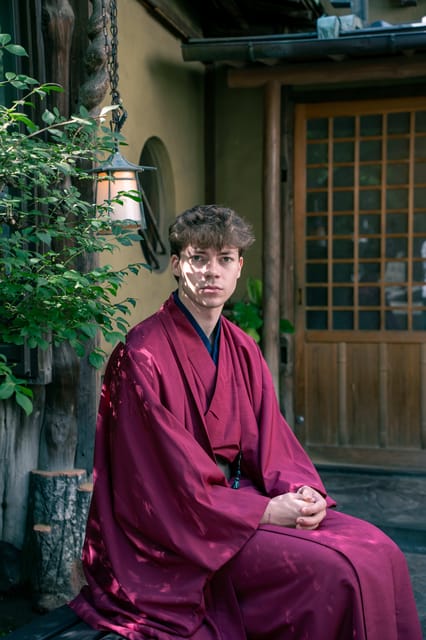
At $122 per person for 150 minutes, you’re paying for more than kimono rental. You’re also paying for:
- the English-speaking guide who doubles as a photographer
- the time spent planning and directing shots
- the editing work that turns usable photos into finished images
- wardrobe dressing help, including details like hairstyle and accessories for women
If your goal is “take a few pictures in a kimono,” you could probably do it cheaper on your own. But you’d likely lose the coaching, the more thought-out route, and the photo result. In other words, you’d trade money for time and stress.
This price is more reasonable if:
- you want confident posing help (especially if you’re shy with cameras)
- you want both raw and edited photos
- you care about not spending your entire session fighting crowds and composition
- you’re traveling with kids and want an adult to handle the pacing
If you’re the type who loves walking and photographing independently, you might find this less necessary. But if you want a guide to handle the details and help you get photos you’ll actually keep, the cost feels more aligned with the outcome.
Who should book this Asakusa kimono photography tour
This experience fits best when you want a guided, photo-first version of Asakusa culture. It’s a strong choice for:
- couples who want “Tokyo memories” that look like a set, not random selfies
- families who want a structured activity that keeps children engaged
- solo travelers who want help posing and etiquette without feeling awkward
- people who care about kimono details and want dressing support
- anyone who wants English explanations while walking through the neighborhood
It’s less ideal if your priority is shopping, eating, or lingering without moving. Food and drinks are not included, so plan to handle meals on your own before or after.
Should you book? My practical take
Yes, I’d book this if you want the full package: kimono styling + guided photo coaching + a photo set that includes raw and edited images. The timing helps you avoid the worst crowd chaos, and the guide approach seems to work well for different comfort levels, including shy participants and kids.
I’d think twice only if you’re trying to keep the budget tight or you prefer fully independent wandering where you decide every stop and pose. In that case, you might spend less, but you’ll also miss what you’re paying for here: direction, planning, and consistent photo results.
If you’re on the fence, this is the kind of tour where the value shows up in the photos themselves. When the guidance is good, you don’t just end up with pictures—you end up with images that feel like you really belonged in the moment.
FAQ
Where is the meeting point?
Meet in front of the Seven-Eleven convenience store at Tobu Asakusa Station-mae.
What time does the tour start?
The tour starts at 1:30 PM.
How long is the tour?
The duration is 150 minutes.
What’s included in the price?
You get kimono rental, an English-speaking local guide, raw and edited photos, and instructions.
Are raw photos included or only edited photos?
Both raw and edited photos are included.
Is food or drinks included?
No. Food and drinks are not included.
Are kimonos available for children?
Yes. Kimonos are available for children aged 3 to 10. Children above this age are treated as adults.
Is this tour offered in English?
Yes, the tour guide speaks English.
More Tour Reviews in Tokyo
- Mt Fuji and Hakone 1-Day Bus Tour Return by Bullet Train
★ 5.0 · 26,383 reviews - 1-Day Tokyo Bus Tour
★ 5.0 · 14,250 reviews - Tokyo: teamLab Planets TOKYO Digital Art Museum Entry Ticket
★ 4.6 · 9,779 reviews - Mt Fuji & Hakone Cruise, Drum Show Bullet Train 1 Day from Tokyo
★ 4.0 · 7,413 reviews - Tokyo: Shinjuku Food Tour (13 Dishes at 4 Local Eateries)
★ 5.0 · 6,603 reviews
More Kimono Photo Shoots
- Tokyo: Kimono Dressing, Walking, and Photography Session
★ 4.9 · 427 reviews - Let’s make kimono !(Kimono is a gift for you
★ 5.0 · 252 reviews - Tokyo: Matcha and Kimono Experience
★ 4.7 · 219 reviews - Tokyo: Asakusa Kimono Dressing and Matcha Experience
★ 4.9 · 173 reviews - Asakusa: Kimono Tea Ceremony with Matcha and Sweet
★ 4.9 · 153 reviews
More Mornings in Old Asakusa
- Tokyo: Japanese Dance Cabaret Theater Asakusa-Kaguwa Ticket
★ 4.8 · 2,270 reviews - Tokyo: Meiji Shrine, Asakusa, Skytree Bus Tour and Cruise
★ 4.7 · 1,986 reviews - Tokyo: Roll and Authentic Sushi Making Class in Asakusa
★ 4.9 · 1,957 reviews - Tokyo: Asakusa Walking Tour with Sensoji Temple Visit
★ 4.8 · 1,583 reviews - Tokyo Asakusa Rickshaw Tour
★ 5.0 · 1,375 reviews
Latest Tokyo reviews off our desk






Asakusa & Sensoji Tours, compared.
 ★ 4.8Japanese Dance Cabaret Theater Asakusa-Kaguwa TicketFrom $492,270 reviews
 ★ 4.7Meiji Shrine, Asakusa, Skytree Bus Tour and CruiseFrom $1221,986 reviews
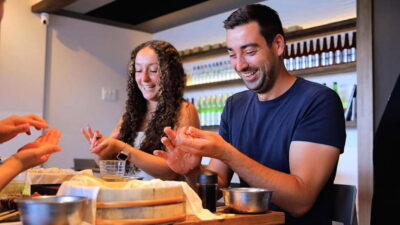 ★ 4.9Roll and Authentic Sushi Making Class in AsakusaFrom $581,957 reviews
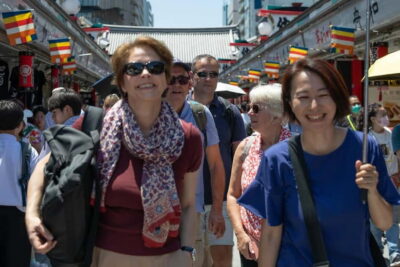 ★ 4.8Asakusa Walking Tour with Sensoji Temple VisitFrom $221,583 reviews
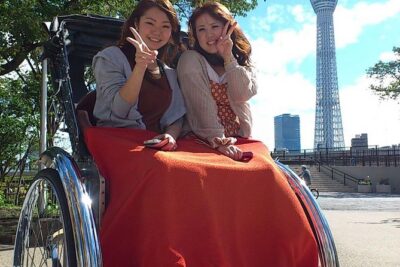 ★ 5.0Tokyo Asakusa Rickshaw TourFrom $421,375 reviews
 ★ 4.5Tokyo Panoramic 1 Day: Meiji Shrine, Asakusa, Odaiba and SKYTREE®From $851,222 reviews
 ★ 5.0Tokyo Go Kart: Asakusa, Skytree, and Akihabara **IDP MUST**From $99988 reviews
 ★ 4.7Asakusa, Skytree & Akhihabara Go-Kart City ExperienceFrom $96761 reviews
Browse the lists this tour appears in