
Reviewed · KAMAKURA DAY TRIPS
First time in Kamakura? Enjoy a Tour of All Must-sees!
Kamakura in one day is doable. This private 7.5-hour tour packs the key shrine-and-temple stops (including Komachi Street) into a smooth plan, with a guide who can answer questions as you go. I like that it is built for first timers, so you spend less time figuring out what’s next and more time actually seeing. One thing to plan for: you will walk a lot, and entrance fees and most meals are on you.
What makes this tour click is the combination of big-name sights and “why it matters” context. You’ll hit the power-spot Tsurugaoka Hachimangu Shrine, then shift into quieter, scenic temple grounds like Hase-dera’s seasonal flowers and the bamboo-photo vibe at Hokoku-ji. You’ll also get real local food pointers around Komachi Street from your guide, which is a big deal when you only have a day. And because it’s private, guides like Akira and Yoshi can adapt when plans change, including when train timing goes sideways.
In This Review
- Key highlights worth aiming for
- Why this private Kamakura classics tour works so well for first timers
- Your day plan: 7.5 hours of walking, not rushing
- Stop-by-stop: what to expect and why each place is worth your time
- Jomyo-ji Temple: matcha and a garden that slows your brain down
- Hokoku-ji Temple: bamboo forest photos when conditions are right
- Komachi Street: the day’s food-and-souvenir backbone
- Tsurugaoka Hachimangu Shrine: power-spot energy and the Kamakura era connection
- Meigetsuin (Hydrangea Temple): the round window garden moment
- Kotoku-in (Great Buddha of Kamakura): see it from multiple perspectives
- Hasedera Temple: Flower Temple grounds across four seasons
- How the guide makes a difference (Akira, Yoshi, and Rumi-style moments)
- Budget reality: what the $143.71 price covers (and what it doesn’t)
- What food feels like on this route (Komachi Street + guide tips)
- Weather and route changes: don’t panic, just stay flexible
- Who should book this tour, and who should not
- Should you book this private Kamakura day?
- FAQ
- How long is the Kamakura tour?
- Where does the tour start?
- What time does the tour begin?
- Is this a private tour?
- Are entrance fees included?
- About how much should I budget for on-site costs?
- Do I need cash?
- Can I cancel for a full refund?
Key highlights worth aiming for
- Private guide attention: you ask, they answer, and they adjust if your pace changes
- Komachi Street focus: real shopping + local bites between station and Tsurugaoka Hachimangu
- Great Buddha timing: Kotoku-in gives you the Kamakura Daibutsu experience in a single stop
- Garden stops that feel different: matcha views at Jomyo-ji, hydrangeas at Meigetsuin, flowers at Hase-dera
- Photo-friendly temple contrast: bamboo at Hokoku-ji when conditions allow
- Cash is practical: some stops may not take credit cards, so plan ahead
Why this private Kamakura classics tour works so well for first timers
Kamakura has a lot going on, and a DIY day can turn into a sprint. The value here is that you get a clear order of sights and a guide to keep you from wasting time guessing between temples, shrines, and snack stops.
For me, the biggest win is how private changes the feel of the day. Guides in this program have a track record of being ready with a printed itinerary on arrival (I’ve heard this directly), and they can flex when you need it. That matters because temple days depend on foot traffic, weather, and how long you linger.
Also, this tour is tuned for the big-hits list you actually want. You’ll go beyond one shrine and one temple and see how Kamakura’s spirituality, gardens, and famous statues connect in real geography.
Coast-and-Buddha days near Kamakura, rated
- Tokyo: Kamakura & Enoshima Day Trip including Temple Tickets
★ 4.5 · 1,375 reviews - From Tokyo: Kamakura & Enoshima 1-Day Bus Tour
★ 4.5 · 189 reviews - Kamakura Historical Walking Tour with the Great Buddha
★ 5.0 · 129 reviews - Kamakura Private Tour: Temples, Nature, and the Great Buddha
★ 5.0 · 121 reviews
Your day plan: 7.5 hours of walking, not rushing
This experience runs about 7 hours 30 minutes and starts at 9:00 am at Kamakura Station (1-chōme-1-15 Onarimachi). It ends back at the meeting point, so you’re not hunting down a second transit puzzle.
Comfort matters. The day includes multiple temple grounds and a long stretch of walking from Komachi Street into the shrine-temple cluster. The tour’s guidance is straightforward: wear comfortable clothing and come ready to move.
There is no pick-up or drop-off service, and the tour does not include a private van. In plain terms, you are going to do this one on your own feet, using public transit and walking in the main sight area.
Stop-by-stop: what to expect and why each place is worth your time
Jomyo-ji Temple: matcha and a garden that slows your brain down
Your first stop is Jomyo-ji Temple, about 40 minutes. This is a temple where you can enjoy delicious matcha while watching a beautiful Japanese garden.
The reason I like this first: it gives you an easy landing. After arriving and meeting your guide, you’re not dropped straight into crowds. You get a calm start, then you build momentum toward the busier landmarks.
Plan tip: admission is not included here, so budget time and money for that. Also, go in with the mindset of watching the garden details, not just snapping photos.
Hokoku-ji Temple: bamboo forest photos when conditions are right
Next is Hokoku-ji Temple (around 20 minutes). The headline is its bamboo forests—about 2,000 bamboo stalks—and it’s a popular photo stop when it is possible to take overwhelmingly beautiful photos.
If your camera batteries are strong and your patience is decent, this is a great stop. The bamboo walkway effect is real: it’s visually different from the more open shrine areas.
Practical note: admission is not included, and this stop is short. That means you should decide early: are you here for quick photos, or do you want a slightly slower look? Your guide can help you hit the right angles quickly.
- Kamakura: Private Guided Walking Tour with Local Guide★ 4.8 · 60 reviews
- Kamakura 4hr Private Trip with Government-Licensed Guide★ 5.0 · 58 reviews
- Kamakura Rickshaw Tour★ 5.0 · 53 reviews
- From Tokyo: Kamakura Full Day Tour with a Local Expert Guide★ 4.6 · 43 reviews
- When Emperors Reigned and Shoguns Ruled★ 5.0 · 43 reviews
Komachi Street: the day’s food-and-souvenir backbone
Then you’ll reach Kamakura Komachidori (Komachi Street) for about 1 hour. This street runs from Kamakura Station to Tsurugaoka Hachimangu and is packed with restaurants and souvenir shops.
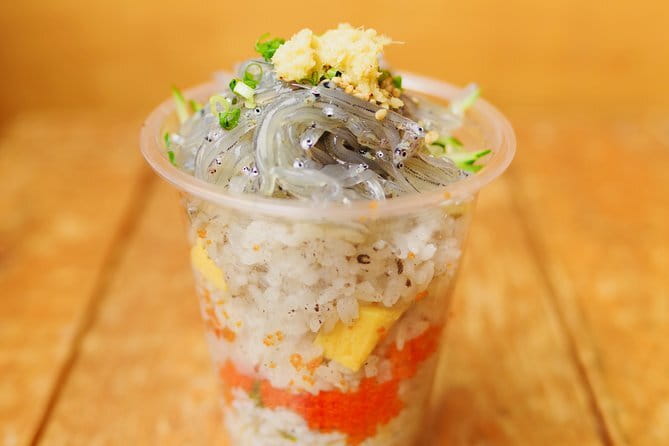
Here’s what makes it more than a tourist strip: this is where you find local foods that you can only eat in Kamakura, and some items that you can’t necessarily buy elsewhere. Your guide also shares top local eating spots, which is handy because menus can be overwhelming when you’re hungry and moving.
One consideration: it can be busy and shop-focused. If you hate crowds, you’ll still enjoy Komachi Street, but it helps to have a plan—pick one snack mission, then browse.
Tsurugaoka Hachimangu Shrine: power-spot energy and the Kamakura era connection
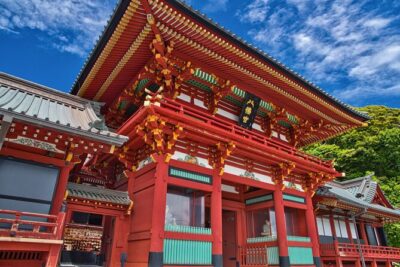
After Komachi Street, you’ll visit Tsurugaoka Hachimangu Shrine for about 45 minutes. This shrine has history over 1000 years, and it’s known as a power spot.
A key detail is the link to Genji, who ruled Japan during the Kamakura era. That context matters. It helps you understand why this shrine sits at the center of the Kamakura story, not just as another stop on a checklist.
Admission is free here, which is great value. Give yourself time to slow down near the key shrine areas, because the sights here reward a less-rushed pace.
Meigetsuin (Hydrangea Temple): the round window garden moment
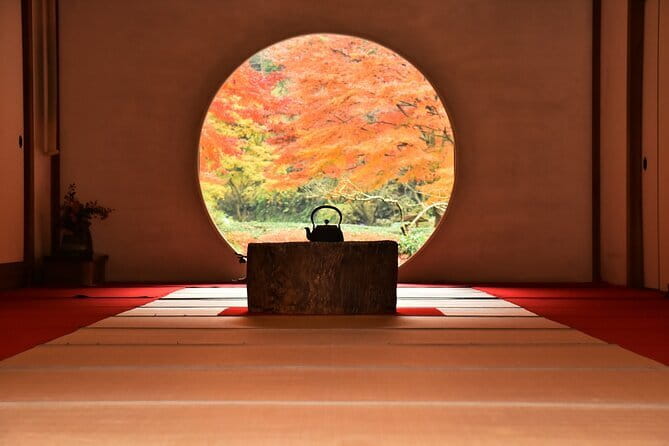
Next comes Meigetsuin, about 30 minutes. It’s famous for one room with a large round window where you can see the garden outside while you sit with quiet focus.
The garden vibe is the point, and it’s also described as feeling harmonious with nature and silence. Even if you’re not traveling for hydrangeas specifically, this stop is one of the more reflective breaks in the day.
Admission is not included, so factor that into your on-site budget. Also, if you’re visiting outside peak hydrangea season, don’t worry—this temple’s layout and viewpoints still make sense.
Kotoku-in (Great Buddha of Kamakura): see it from multiple perspectives
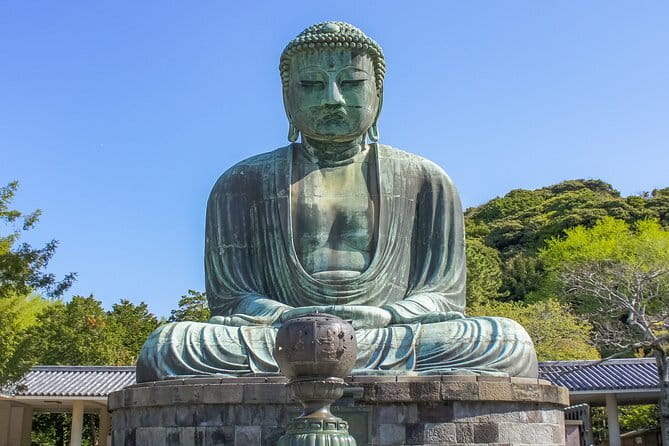
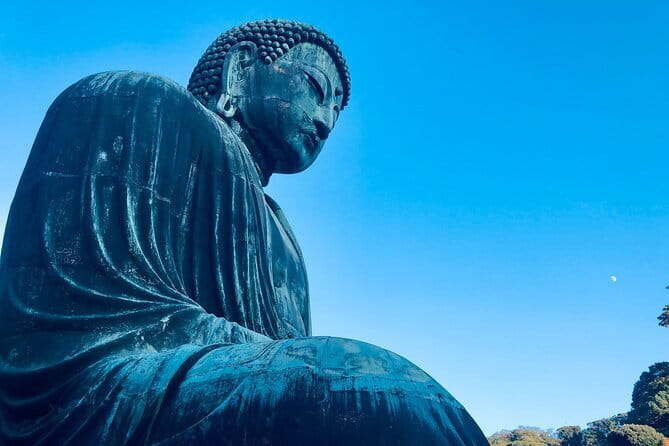
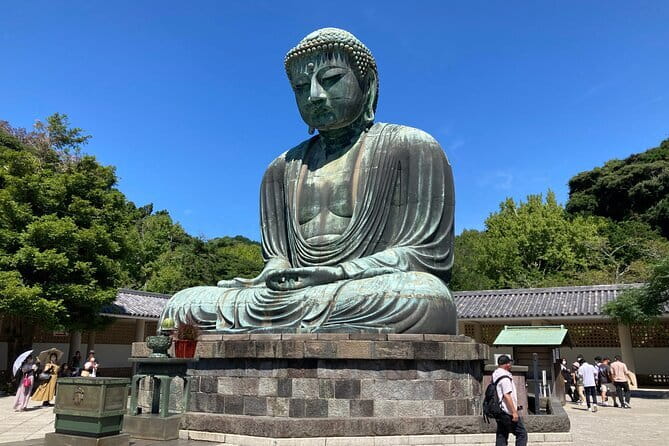
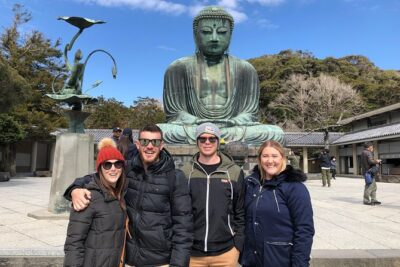
Your most iconic-photo stop is Kotoku-in, the Great Buddha of Kamakura. You’ll have about 35 minutes here, and the giant Buddha statue—Kamakura Daibutsu—is more than 11 meters tall.
One of the best details is that you can even go inside the statue. That turns the visit from just seeing something big into a more physical, memorable experience.
Admission is not included here, but it’s part of what makes the day “worth it.” If you love famous monuments, this stop will likely be a highlight.
Hasedera Temple: Flower Temple grounds across four seasons
The final temple stop is Hasedera Temple, about 45 minutes. It’s also called the Flower Temple because you can enjoy plants of all four seasons.
The grounds are large, and you’ll climb and walk through multiple viewing spots. This is the stop where your shoes and pace matter most. If you like gardens but want less effort, you may need to choose which viewpoints to prioritize.
Admission is not included. Come ready for the fact that Hasedera is more “walk and notice” than “stand and look.”
How the guide makes a difference (Akira, Yoshi, and Rumi-style moments)
This tour’s quality isn’t only in the sights. It shows in how the guide runs the day.
I’ve seen several guides highlighted for having strong command of Kamakura’s temple and shrine context. Akira has been praised for vast knowledge and for answering questions well, plus making special accommodations for unique travel situations. Yoshi has been praised for being flexible and for carrying a printed itinerary, and also for being patient when a train delay threw off timing.
Rumi is another guide name tied to a calm, learn-while-you-walk style. In one experience, the tour pace was adjusted because walking got tiring, and the group still ended up enjoying Meigetsuin and the Great Buddha.
So what should you expect? A guide who can:
- keep your day organized so you don’t waste time retracing steps
- explain what you’re looking at, not just announce where you are
- adjust pacing when someone needs slower walking
If you want that kind of support for a first Kamakura day, this is the right format.
Budget reality: what the $143.71 price covers (and what it doesn’t)
The listed price is $143.71 per person, and it’s booked about 33 days in advance on average. That price is not just “a guide standing nearby.” It includes the tour guide, the private tour setup, and necessary expenses for the guide.
What you should budget on top is estimated around 5,300 JPY per person. The breakdown given is:
- transportation: 900 JPY
- admission fees: 2,650 JPY
- meal costs: 1,000 JPY
- optional experience costs: 660 JPY
Important practical note: the tour info also says that all transportation costs, entrance fees, food and drink costs, etc. incurred at visited spots are borne by you. Some places may not accept credit cards, so you should bring cash even if you like going card-only.
My advice: treat the $143.71 as the guided structure, then plan to spend the on-site totals for temples, snacks, and any optional add-ons you choose.
What food feels like on this route (Komachi Street + guide tips)

Kamakura is famous for snacks and small bites, and this tour gives you time to do it without turning the day into a food quest. Komachi Street is your main food moment, with about 1 hour there, plus guidance from your guide on good local eating spots.
If you’re doing this as a first visit, you’ll appreciate the shortcuts. Food decisions take energy, and you only have so much energy before you’re tired from temples and walking. Having a guide point you toward solid choices removes guesswork.
Simple strategy: pick one sweet or snack, one savory item, and do souvenir browsing after you’ve eaten. That keeps Komachi Street fun instead of exhausting.
Weather and route changes: don’t panic, just stay flexible
Bad weather can change how the day runs. The tour notes that transportation, destinations, and routes might be altered if conditions are poor. Some spots might also be swapped if a location is temporarily closed.
That doesn’t mean you lose the experience. It means the guide keeps the day running efficiently while still hitting the core Kamakura themes.
If you’re the kind of person who hates surprises, plan for a bit of flexibility. If you’re okay with a small reroute, you’ll probably find it reassuring rather than annoying.
Who should book this tour, and who should not
This fits best if you:
- are in Kamakura for the first time and want major sights without planning stress
- prefer a private pace, with time for questions and adjustments
- want both temple culture and a real look at Komachi Street food
It might feel less ideal if you:
- want a self-guided day with total freedom and zero structure
- hate walking long stretches and climbing temple grounds
- hate using cash, since some stops may not take credit cards
If you’re trying to squeeze Kamakura into a tight schedule, this tour is a strong way to do it. If you have multiple days, you might enjoy splitting these sights and going deeper on your own.
Should you book this private Kamakura day?
I’d book this if you want a well-organized first-timer Kamakura hit with a guide who can explain what you’re seeing and steer you toward good food. The value improves because you get the major landmarks—Jomyo-ji garden time, Hokoku-ji bamboo photos, Komachi Street, Tsurugaoka Hachimangu, Meigetsuin’s round-window garden view, Kotoku-in’s Great Buddha, and Hasedera’s Flower Temple grounds—within one day.
On the flip side, keep your expectations realistic. Admissions and meals add up, the day includes lots of walking, and you’ll need cash for some locations. If that sounds fine, you’re set for a memorable, very efficient Kamakura experience.
FAQ
How long is the Kamakura tour?
The tour runs about 7 hours 30 minutes.
Where does the tour start?
It starts at Kamakura Station, 1-chōme-1-15 Onarimachi, Kamakura, Kanagawa 248-0012, Japan.
What time does the tour begin?
The start time is 9:00 am.
Is this a private tour?
Yes. It is a private tour, and only your group participates.
Are entrance fees included?
No. Entrance tickets are not included at several stops, and the tour information says entrance fees and other costs at visited spots are borne by the customer.
About how much should I budget for on-site costs?
The estimated costs shared are 5,300 JPY per person, broken down into transportation (900 JPY), admission fees (2,650 JPY), and meal costs (1,000 JPY), plus optional experience costs (660 JPY).
Do I need cash?
Yes. Some spots do not accept credit cards, so bring cash.
Can I cancel for a full refund?
Yes. You can cancel up to 24 hours in advance of the experience start time for a full refund.
More Tours in Kamakura
- From Tokyo: Kamakura & Enoshima 1-Day Bus Tour
★ 4.5 · 189 reviews - Kamakura Historical Walking Tour with the Great Buddha
★ 5.0 · 129 reviews - Kamakura Private Tour: Temples, Nature, and the Great Buddha
★ 5.0 · 121 reviews - Kamakura Walking Tour – The City of Shogun
★ 5.0 · 100 reviews - Kamakura: Private Guided Walking Tour with Local Guide
★ 4.8 · 60 reviews
More Tour Reviews in Kamakura
- Tokyo: Kamakura & Enoshima Day Trip including Temple Tickets
★ 4.5 · 1,375 reviews - From Tokyo: Kamakura & Enoshima 1-Day Bus Tour
★ 4.5 · 189 reviews - Kamakura Historical Walking Tour with the Great Buddha
★ 5.0 · 129 reviews - Kamakura Private Tour: Temples, Nature, and the Great Buddha
★ 5.0 · 121 reviews - Kamakura Walking Tour – The City of Shogun
★ 5.0 · 100 reviews
More Kamakura and Enoshima Days
- Tokyo: Kamakura & Enoshima Day Trip including Temple Tickets
★ 4.5 · 1,375 reviews - From Tokyo: Kamakura & Enoshima 1-Day Bus Tour
★ 4.5 · 189 reviews - Kamakura Historical Walking Tour with the Great Buddha
★ 5.0 · 129 reviews - Kamakura Private Tour: Temples, Nature, and the Great Buddha
★ 5.0 · 121 reviews - Kamakura Walking Tour – The City of Shogun
★ 5.0 · 100 reviews
Latest Kamakura reviews off our desk

Kamakura Day Trips, compared.
 ★ 4.5Kamakura & Enoshima Day Trip including Temple TicketsFrom $581,375 reviews
 ★ 4.5Mt. Fuji, Kamakura, Big Buddha, & Lake Ashi Day TripFrom $49867 reviews
 ★ 4.5From Tokyo: Kamakura & Enoshima 1-Day Bus TourFrom $66189 reviews
 ★ 5.0Kamakura Historical Walking Tour with the Great BuddhaFrom $98129 reviews
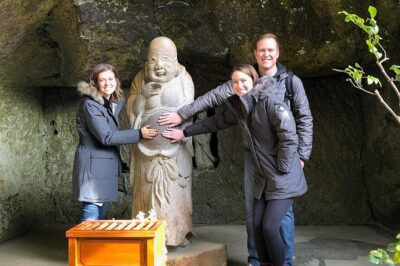 ★ 5.0Kamakura Private Tour: Temples, Nature, and the Great BuddhaFrom $98121 reviews
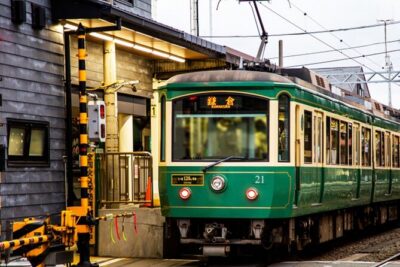 ★ 5.0Kamakura Walking Tour – The City of ShogunFrom $35100 reviews
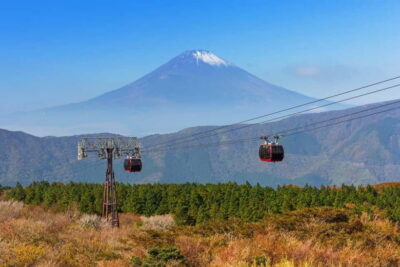 ★ 4.9Sea of Mount Fuji, Hakone Ropeway, Ōwakudani, EnoshimaFrom $5084 reviews
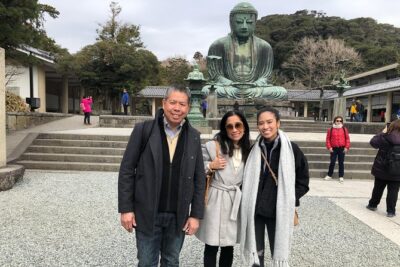 ★ 5.0Kamakura 8 hr Private Walking Tour with Licensed Guide from TokyoFrom $20180 reviews
Browse the lists this tour appears in