
Reviewed · MEIJI SHRINE TOURS
Harajuku Meiji Shrine Walking Tour in Tokyo
Harajuku moves fast, and this tour gives you a calmer route. In about 2 hours, you’ll pair the mood change from Meiji Jingu to Takeshita Street, with a guide laying out what to notice (and what to ignore) as you go. I like that this is small-group and stays relaxed enough for questions, and I also like that the walk includes admission so you’re not doing ticket math mid-trip.
One thing to consider: the stops are timed, so if you want extra time shopping along Takeshita Street, you may feel a little rushed unless you plan a longer free wander afterward.
In This Review
- Key points before you go
- Why this Harajuku and Meiji route works in Tokyo
- Meiji Jingu Shrine: torii gates, a 70-hectare reset, and shrine etiquette
- Takeshita Street: 400 meters of youth culture without getting lost
- Omotesando: designer storefronts and modern architecture after the street party
- Guides, group size, and the pace that keeps it fun
- Price and value: why $25 feels fair for this route
- Logistics that actually matter: meeting point, mobile ticket, and walk comfort
- Who this tour suits best (and who might want a different plan)
- Should you book this Harajuku Meiji Shrine walking tour?
- FAQ
- FAQ
- How long is the Harajuku Meiji Shrine Walking Tour?
- What stops are included on the route?
- Is admission included?
- What is the group size?
- Where do I meet the guide?
- Where does the tour end?
- Do I get a mobile ticket?
- What if I need to cancel?
- Is the tour suitable for most travelers, and are service animals allowed?
Key points before you go
- Small group, max 15 people: makes the walk feel personal instead of herding cats.
- Meiji Jingu included: you’re guided through the shrine area, with admission handled.
- Takeshita Street at walking speed: you see the iconic 400-meter stretch without spending the whole time stuck in the crowd.
- Omotesando adds architecture and contrast: a stylish break after the youth-fashion energy.
- Mobile ticket: less hassle on arrival.
- Guides with real Tokyo know-how: names like Miyu and Hiroko show up in the experience pattern, and they’re praised for clear pacing and strong explanations.
Why this Harajuku and Meiji route works in Tokyo
Tokyo can be a lot, especially in Harajuku where foot traffic and neon energy can overwhelm your plans. This tour is built for first-time navigation: instead of you hunting for the “right” entrances or best photo angles, a guide keeps the route moving and points you toward the highlights.
I also like the contrast this route creates. You start in a place designed for quiet—Meiji Jingu’s torii gates and forest-like approach—then you shift into Harajuku’s fashion and street culture on Takeshita Street. Then you land on Omotesando, known for designer storefronts and standout modern buildings. That rhythm helps your brain process Tokyo instead of just absorbing it.
And since the group is capped at 15, you’re more likely to actually hear the guide and ask questions. That matters in shrines and crowded shopping streets, where small guidance can save you from awkward moments or wasted time.
More quiet hours at Meiji Shrine
- Tokyo: Meiji Shrine, Asakusa, Skytree Bus Tour and Cruise
★ 4.7 · 1,986 reviews - Tokyo Panoramic 1 Day: Meiji Shrine, Asakusa, Odaiba and SKYTREE®
★ 4.5 · 1,222 reviews - Tokyo: Meiji Shrine Walking Tour — Shinto & Imperial System
★ 4.9 · 266 reviews - Tokyo: Meiji Jingu Shrine and Shinto Culture Walking Tour
★ 5.0 · 245 reviews
Meiji Jingu Shrine: torii gates, a 70-hectare reset, and shrine etiquette
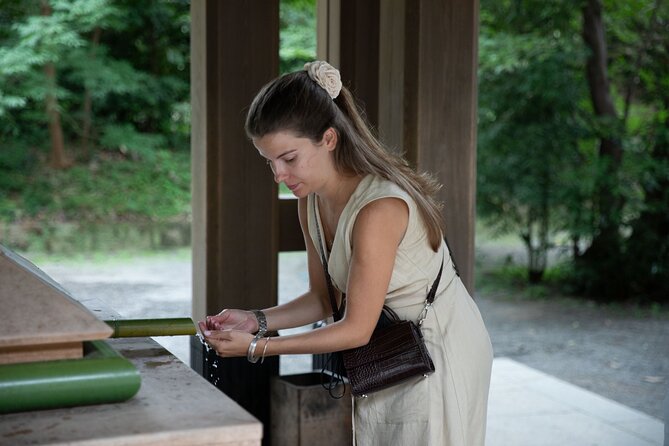
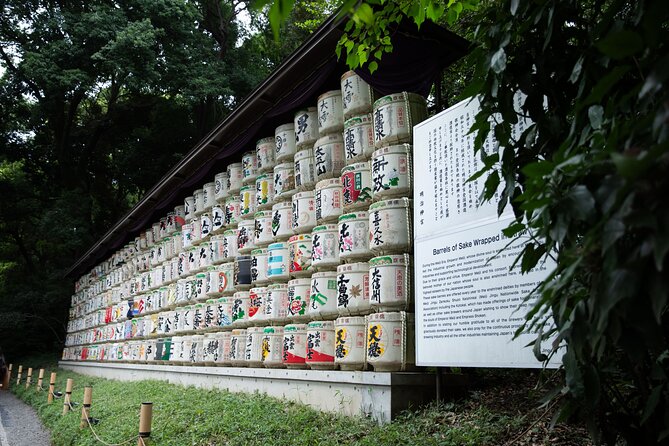
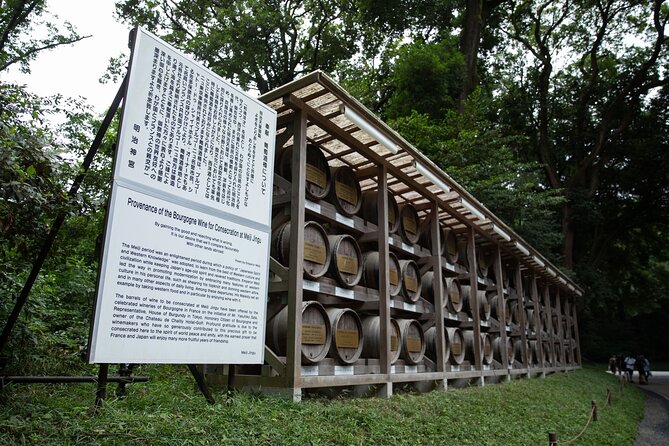
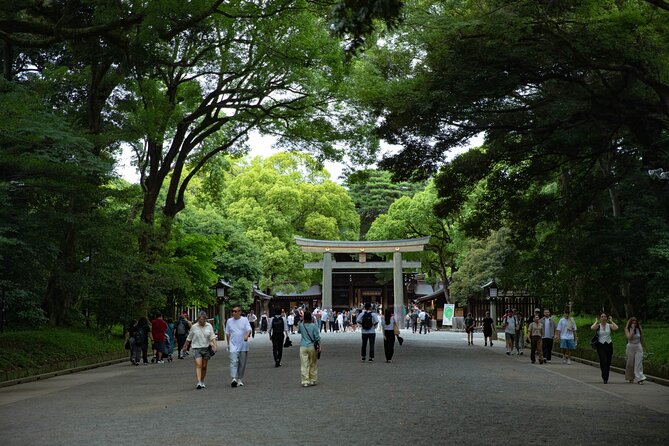
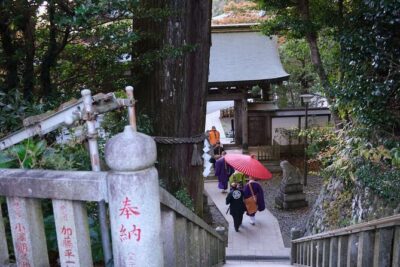
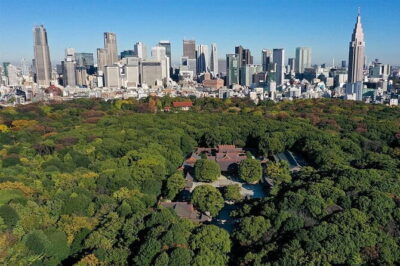
Meiji Jingu is the “slow down” stop, and it’s a smart anchor for this day. The walk leads you through towering torii gates and along a tree-lined path into a large, forested area—about 70 hectares. The scale alone changes your senses; the city noise drops away quickly.
This is also where the guide element pays off. If it’s your first shrine visit in Japan, you’ll want more than a photo spot. One guide pattern (Hiroko is specifically mentioned) is that the explanations cover religion and shrine etiquette in a practical way—how to behave respectfully so you’re not guessing in the moment.
Time matters here. You’ll spend around 40 minutes at Meiji Jingu, which is enough to enter, walk the main approach, and learn what you’re looking at without turning it into a half-day project. If you’re the type who likes to read every sign, you might wish it lasted longer, but the pacing is designed to keep you flowing to the next two stops.
Practical tip: wear shoes you can walk in comfortably. The shrine approach is scenic, but it’s still walking on footpaths and through landscaped areas.
Takeshita Street: 400 meters of youth culture without getting lost
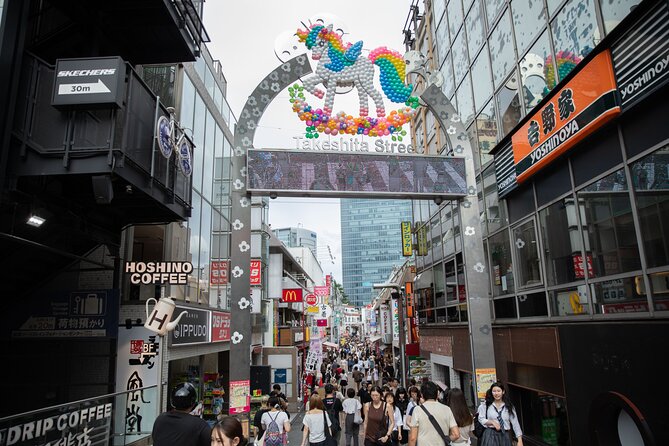
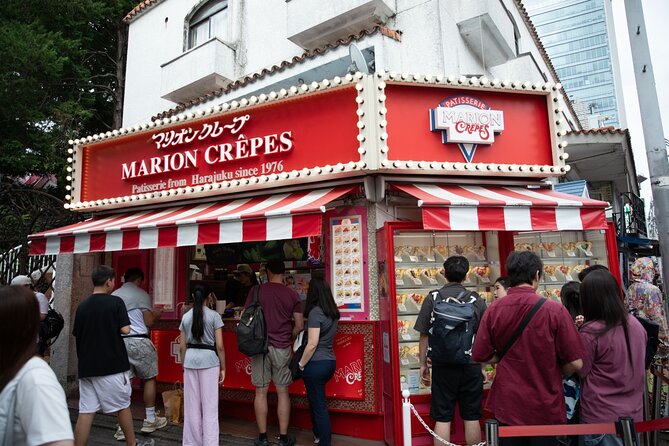
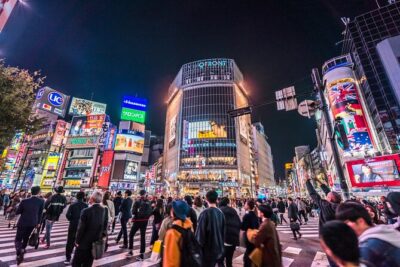
Then the tour snaps into Harajuku mode: Takeshita Street, a narrow pedestrian lane about 400 meters long. This is the place people picture when they think of Harajuku—color, accessories, trendy shops, and a steady stream of visitors.
The benefit of having a guide here is simple: you don’t need to decide what’s worth your attention while you’re navigating crowd flow. A good guide helps you focus on the “best bits” and gives context for what you’re seeing, which turns the street from random storefronts into something you can actually understand.
You’ll have about 30 minutes here. That’s long enough to feel the vibe and walk the length of the lane, but it’s not a full shopping marathon. If you’re hoping for multiple outfit purchases or a deep browsing session, you’ll likely do best treating this as a highlight stop—and then spending extra time on your own afterward.
One small reality check: Takeshita Street can be busy, so plan for slower moments. The tour keeps it moving, but your pace may still feel influenced by the crowd.
Omotesando: designer storefronts and modern architecture after the street party
After Takeshita Street, Omotesando feels like a clean breath. It’s often described as the Champs-Élysées of Tokyo, and you’ll see why when you reach a wider, tree-lined avenue with stylish shops and striking modern architecture.
This stop is shorter—about 20 minutes—but it’s a great way to widen your view of Harajuku beyond street fashion. You get a chance to notice the broader city planning and architectural style, and it helps break up the day so it doesn’t feel like nonstop people-watching.
I like how the tour builds this in. Doing shrine first, then youth street culture, then a more design-focused avenue gives you three different “Tokyo lenses” instead of just one neighborhood vibe.
If you’re a photo person, this is where you’ll usually catch your best angles. The street width and architecture make it easier to frame shots without getting swallowed by the crowd.
Guides, group size, and the pace that keeps it fun
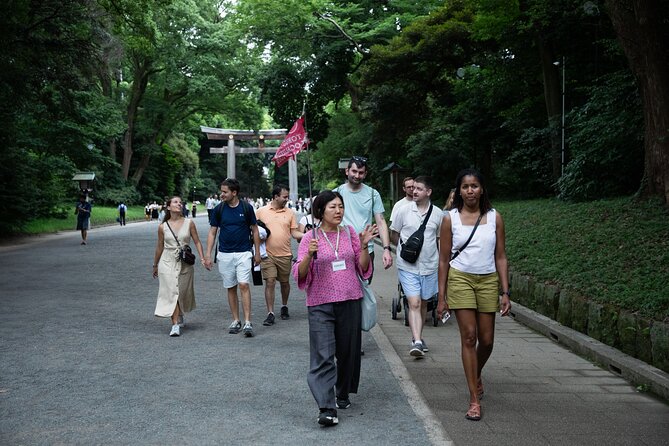
The best thing about a walking tour is whether it feels like a lesson or a conversation. Here, you’re dealing with a small group size—maximum 15 travelers—which usually makes the whole experience more manageable. You can ask questions, and you’re less likely to feel pushed along without explanations.
The guide names that show up in the experience pattern—Miyu and Hiroko—both point to a focus on clarity and pacing. Miyu is described as friendly and good at explaining history and Japanese culture without droning on, and Hiroko is praised for making the first shrine visit easier with solid etiquette guidance. That’s exactly what you want on this route: not a lecture, but understandable context.
Duration also helps you trust the flow. With an approx 2-hour run, you get three major areas covered without exhausting yourself. It’s also a useful way to start your Tokyo stay, since it can give you bearings quickly for the days that follow.
Readers also shortlisted these Tokyo bookings:
- Tokyo Tsukiji Fish Market Food and Culture Walking Tour★ 5.0 · 3,184 reviews
- Tokyo: Imperial Palace and Shogun Historical Walking Tour★ 5.0 · 2,251 reviews
- Tokyo: Shinjuku Local Bar and Izakaya Guided Walking Tour★ 4.9 · 1,794 reviews
- Tokyo: Tsukiji Fish Market Food and Walking tour★ 5.0 · 1,724 reviews
- Tokyo: Asakusa Walking Tour with Sensoji Temple Visit★ 4.8 · 1,583 reviews
Price and value: why $25 feels fair for this route
The price is $25 per person, and the value comes from what you’re buying. You’re paying for guided routing, time-saving planning, and the fact that admission fees are included along the way.
Also, both key attraction stops you’re going to are free to enter on the experience details (Meiji Jingu and the walking stops). So if you’re trying to keep costs down while still getting interpretation, this tour fits well.
Here’s how I think about value in Tokyo: a guided walk can save you the time you’d spend researching on your phone, especially in areas where signage is limited or you’re not sure what “proper” behavior looks like at a shrine. If that’s your style—learn as you go—this $25 is a practical trade.
And because it’s a small group, you’re less likely to feel like you’re paying for noise. The high satisfaction signal matters too: the experience shows a 5/5 rating with 100% recommended across 61 reviews. That doesn’t guarantee you’ll love it, but it does suggest the guide quality and pacing are consistently strong.
Logistics that actually matter: meeting point, mobile ticket, and walk comfort
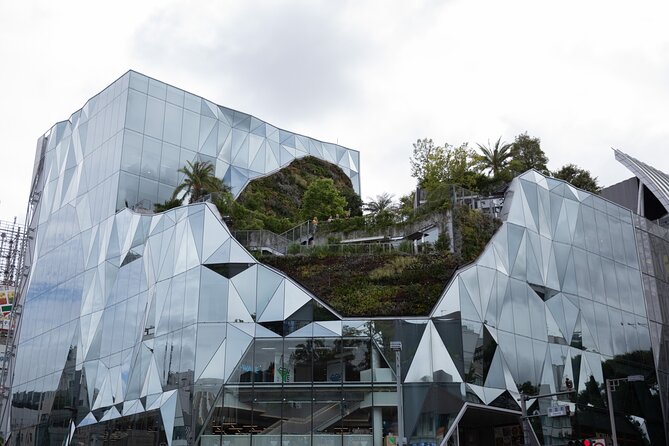
You’ll start at Harajuku Station, listed as 1 Chome-18 Jingumae, Shibuya, Tokyo. The tour ends at Tokyu Plaza Harajuku HARAKADO (inside the mall area). Since the end point is a mall, it’s a convenient place to regroup and head back out on public transit.
A mobile ticket is provided, which is helpful if you want to keep your hands free while walking and taking photos. The experience also notes it’s near public transportation, so you should be able to connect easily to the rest of your Tokyo plans.
Comfort is the unglamorous part of enjoying a walking tour. You’ll cover multiple neighborhoods on foot, so bring comfortable walking shoes and keep your day bag light. If you’re visiting in warmer weather, plan for water and sun protection, since Takeshita Street is pedestrian-only and can feel more enclosed than open roads.
The experience also notes service animals are allowed, and most travelers can participate, which is a good baseline if you’re unsure about fit.
Who this tour suits best (and who might want a different plan)
This tour is ideal if you want an organized way to see major Harajuku highlights without turning your trip into a research project. It’s especially good for first-timers who want context for shrine visits and who’d rather ask a guide than guess on etiquette.
It also suits families and mixed-age groups because the structure is time-based and the guide explanations are described as well-paced rather than long-winded. If you’re traveling with someone who gets impatient with slow stops, the set timing helps keep energy up.
Who might not love it? If you’re the kind of shopper who wants to linger for an hour in Takeshita Street or browse Omotesando storefronts without moving on, the timed stops may feel limiting. In that case, consider using this tour as your “orientation” day, then building in extra free time right after.
Should you book this Harajuku Meiji Shrine walking tour?
If you want a smart, efficient Harajuku day with context—shrine etiquette at Meiji Jingu, street-culture orientation on Takeshita Street, and a design-and-architecture break on Omotesando—this is a strong pick. The combination of small-group size, a clear route, and admission included makes it feel like a tidy value package.
Book it if:
- you want help interpreting what you see without doing research on your phone
- you prefer a manageable 2-hour commitment
- you like learning while walking, with room for questions
Skip it or consider a different option if:
- you need lots of uninterrupted shopping time
- you plan to spend most of your day exploring street stalls one by one
FAQ
FAQ
How long is the Harajuku Meiji Shrine Walking Tour?
It’s about 2 hours (approximately).
What stops are included on the route?
The tour includes Meiji Jingu Shrine, Takeshita Street, and Omotesando.
Is admission included?
Yes. The experience includes the admission fee, and the listed admission ticket information for the main stop is free.
What is the group size?
The tour has a maximum of 15 travelers.
Where do I meet the guide?
The start point is Harajuku Station, listed at 1 Chome-18 Jingumae, Shibuya, Tokyo 150-0001, Japan.
Where does the tour end?
The tour ends at Tokyu Plaza Harajuku HARAKADO in Tokyo, Shibuya, Jingūmae, 6-chōme3121 inside Tokyu Plaza Harajuku.
Do I get a mobile ticket?
Yes, the tour uses a mobile ticket.
What if I need to cancel?
You can cancel for free up to 24 hours in advance for a full refund. Canceling less than 24 hours before start time isn’t refundable.
Is the tour suitable for most travelers, and are service animals allowed?
Most travelers can participate, and service animals are allowed.
If you tell me your travel dates and whether you want more shopping time or more photography, I can suggest how to pair this with nearby Tokyo stops before or after.
More Tours in Tokyo
- Mt Fuji and Hakone 1-Day Bus Tour Return by Bullet Train
★ 5.0 · 26,383 reviews - 1-Day Tokyo Bus Tour
★ 5.0 · 14,250 reviews - Tokyo: Shinjuku Food Tour (13 Dishes at 4 Local Eateries)
★ 5.0 · 6,603 reviews - Tokyo Mt Fuji 5th St & Hakone Cruise Bus Tour w/Bullet Train
★ 4.4 · 5,024 reviews - Flagship 2-Hours Official Street Go-Kart Tour – Tokyo Bay Shop
★ 5.0 · 4,974 reviews
More Tour Reviews in Tokyo
- Mt Fuji and Hakone 1-Day Bus Tour Return by Bullet Train
★ 5.0 · 26,383 reviews - 1-Day Tokyo Bus Tour
★ 5.0 · 14,250 reviews - Tokyo: teamLab Planets TOKYO Digital Art Museum Entry Ticket
★ 4.6 · 9,779 reviews - Mt Fuji & Hakone Cruise, Drum Show Bullet Train 1 Day from Tokyo
★ 4.0 · 7,413 reviews - Tokyo: Shinjuku Food Tour (13 Dishes at 4 Local Eateries)
★ 5.0 · 6,603 reviews
More Meiji Shrine Hours, Rated
- Tokyo: Meiji Shrine, Asakusa, Skytree Bus Tour and Cruise
★ 4.7 · 1,986 reviews - Tokyo Panoramic 1 Day: Meiji Shrine, Asakusa, Odaiba and SKYTREE®
★ 4.5 · 1,222 reviews - Tokyo: Meiji Shrine Walking Tour — Shinto & Imperial System
★ 4.9 · 266 reviews - Tokyo: Meiji Jingu Shrine and Shinto Culture Walking Tour
★ 5.0 · 245 reviews - Tokyo: Meiji Shrine and Shinto Culture Walking Tour
★ 5.0 · 225 reviews
Latest Tokyo reviews off our desk



Meiji Shrine Tours, compared.
 ★ 4.7Meiji Shrine, Asakusa, Skytree Bus Tour and CruiseFrom $1221,986 reviews
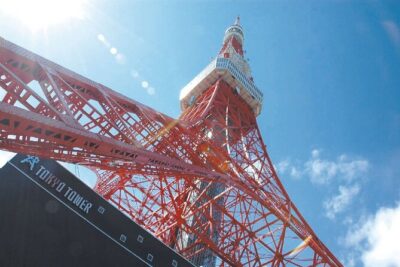 ★ 4.5Tokyo Panoramic 1 Day: Meiji Shrine, Asakusa, Odaiba and SKYTREE®From $851,222 reviews
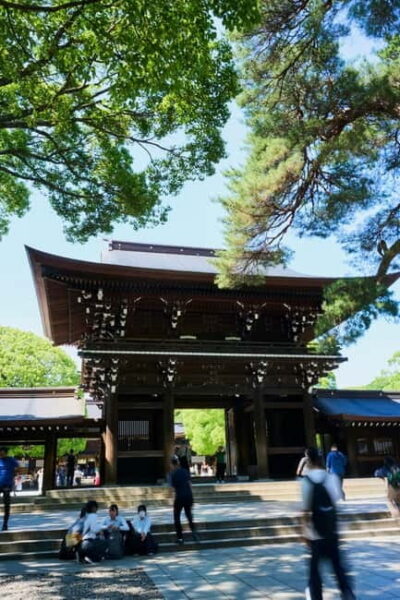 ★ 4.9Meiji Shrine Walking Tour — Shinto & Imperial SystemFrom $23266 reviews
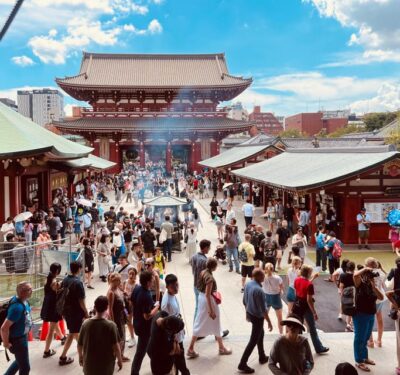 ★ 5.0Meiji Jingu Shrine and Shinto Culture Walking TourFrom $19245 reviews
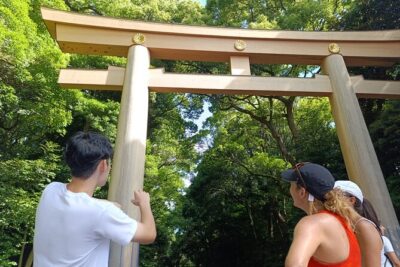 ★ 5.0Meiji Shrine and Shinto Culture Walking TourFrom $18225 reviews
 ★ 5.0Meiji Shrine Walking Tour — Shintoism & Imperial SystemFrom $21209 reviews
 ★ 5.0Tokyo Morning Tour: Asakusa, Meiji Shrine and Tsukiji Fish MarketFrom $157128 reviews
 ★ 5.0Tokyo Morning Tour : Meiji Shrine, Asakusa and Fish MarketFrom $72102 reviews
Browse the lists this tour appears in