
Reviewed · KAMAKURA DAY TRIPS
Historic Kamakura: Temples, Shrines and Street Food Private Walking Tour
Kamakura hits different when you walk it with a guide. This private 6-hour tour blends temples and shrines with real street food time on Komachi dori. I like that you get guided context at each site, plus food and drinks included so you can focus on the day instead of budgeting every stop. Guides such as Simon and Chuck also seem to set a calm pace and help you fit sightseeing to your group.
One thing to think about: this is a walking plan with moderate fitness needed, and you’ll be on your feet through multiple temple approaches and viewpoints. If you’re sensitive to steep bits, plan on slower movement and comfortable shoes.
In This Review
- Key Highlights You’ll Care About
- Why Kamakura Works as a 6-Hour Day Trip
- Starting at Kita-Kamakura and Walking into the Right Flow
- Engaku-ji: Busudan Hall, Wooden Buddha, and Tengu Views
- Tsurugaoka Hachimangu Shrine and the Museum of Treasures
- Komachi dori Street Food Lunch: How to Eat Like You Mean It
- Hokoku-ji Bamboo Temple: Cool Air, Green Tea, and a Slow Reset
- Daibutsukiritoshi and the Great Buddha of Kamakura
- Price and Value: What $220.22 Buys You
- Guides Make the Day: Simon and Chuck’s Pace
- Weather, Pace, and Practical Tips for Comfortable Walking
- Should You Book This Private Kamakura Walking Tour?
- FAQ
- How long is the Kamakura temples, shrines and street food private walking tour?
- What is the meeting point for the tour?
- What is the start time?
- Where does the tour end?
- Is this tour private?
- What’s included in the price?
- Are transportation costs included?
- What should I expect in terms of walking and fitness level?
- Do I need a mobile ticket?
- What happens if the weather is bad?
- Can I cancel for a full refund?
Key Highlights You’ll Care About
- Private pacing so you can slow down for photos and details without a big group squeeze
- Food and drink included, including lunch and snacks, plus alcoholic beverages and bottled water
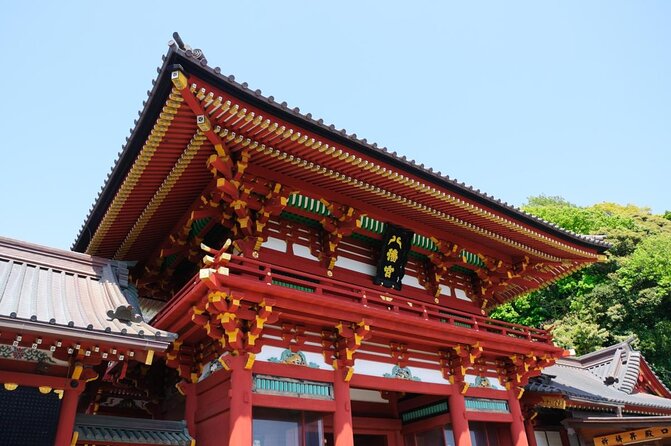
- Temples plus street life: Engaku-ji, Hokoku-ji bamboo temple, and the Komachi dori food strip
- Tea in a bamboo setting that feels like a reset button between big sightseeing moments
- Major Kamakura landmarks including Tsurugaoka Hachimangu and the Great Buddha area
Why Kamakura Works as a 6-Hour Day Trip
Kamakura is one of Japan’s easiest “slow history” escapes from Tokyo. The vibe is less about one mega-attraction and more about lots of meaningful stops within a walkable day. If you like temples, gardens, and old streets, you’ll get a satisfying mix without rushing yourself through dozens of bus rides.
This tour is set up around about 6 hours, which is long enough to feel like a day out, but short enough to keep your energy for eating on Komachi dori. And because the tour is private, you’re not stuck matching your pace to a tour-bus herd.
The big value move here is that it’s not just sightseeing. Food is part of the route, so your time feels balanced: cool shade at a temple, then warm snacks on a street full of choices.
Coast-and-Buddha days near Kamakura, rated
- Tokyo: Mt. Fuji, Kamakura, Big Buddha, & Lake Ashi Day Trip
★ 4.5 · 867 reviews - Tokyo:Sea of Mount Fuji, Hakone Ropeway, Ōwakudani, Enoshima
★ 4.9 · 84 reviews - Kamakura 8 hr Private Walking Tour with Licensed Guide from Tokyo
★ 5.0 · 80 reviews - Tokyo: Kamakura & Enoshima Day Tour with Pickup & Train Ride
★ 4.1 · 61 reviews
Starting at Kita-Kamakura and Walking into the Right Flow
You start at Kita-Kamakura Station at 9:00 am, then finish at Kamakura Station. That end point matters because it keeps the return ride straightforward once you’re done. The tour also says it’s near public transportation, so you should have multiple options to reach the start depending on what you’re staying near.
The format is a private walking tour, meaning only your group participates. In practice, that usually gives you two perks: fewer schedule surprises and more flexibility if someone in your group wants extra minutes at a viewpoint.
You’ll also want to plan for moderate walking. You’re visiting temple grounds that can include steps and slopes, plus a few short transit stretches between stops. Comfortable shoes aren’t a nice-to-have here; they’re the whole game.
Engaku-ji: Busudan Hall, Wooden Buddha, and Tengu Views
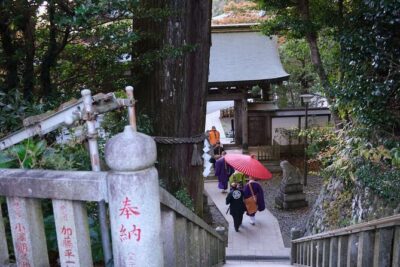
Engaku-ji is the kind of temple stop that makes Kamakura feel real and lived-in. You’ll spend about 45 minutes at the Engaku-ji complex, including the Busudan hall. This hall is known for housing a wooden statue of Buddha, and that detail alone gives you something more specific than the usual big-name postcard.
What I like most is the way the site rewards movement. There are slopes behind the temple where you can climb for fantastic views. If you enjoy looking past the main buildings to see how the whole place sits in its setting, this part is worth the effort.
You’ll also spot tengu statues along the way. Tengu are a big theme in Japanese folklore and temple art, and they’re the kind of visual clue that helps you connect the spiritual space to the culture around it. Even if you’ve never studied the symbolism, your guide can point out what you’re seeing so it doesn’t feel random.
A practical note: if you have limited mobility, this is the stop where you’ll want to manage expectations. The main courtyard is one thing; the climb behind the temple is another. Still, you’ll be able to adjust your pace with your guide.
Tsurugaoka Hachimangu Shrine and the Museum of Treasures
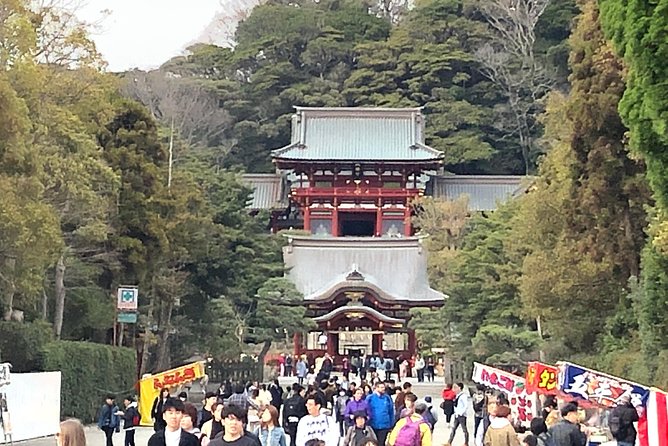
After Engaku-ji, the tour turns to Tsurugaoka Hachimangu, Kamakura’s most important Shinto shrine. You get about 30 minutes here, with time to see the main hall and the torii gates that frame the approach. These gates aren’t just decorative. In shrine architecture, they help you understand the idea of moving from everyday space toward sacred space.
There’s also a small museum of treasures included in the stop. Even though it’s not described as huge, it adds depth. Instead of only walking through outdoor scenery, you get context for objects and traditions connected to the shrine.
If you’re someone who likes a clear structure—see the key buildings, then add a bit of interpretive context—this stop hits that pattern well. It also gives you a change of scenery before the tour shifts into street-food time.
Komachi dori Street Food Lunch: How to Eat Like You Mean It
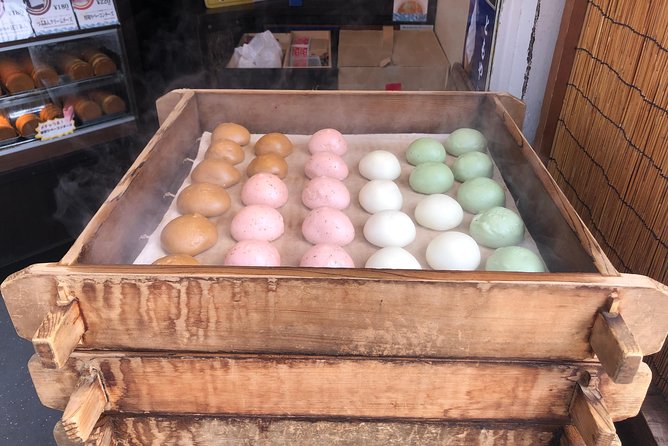
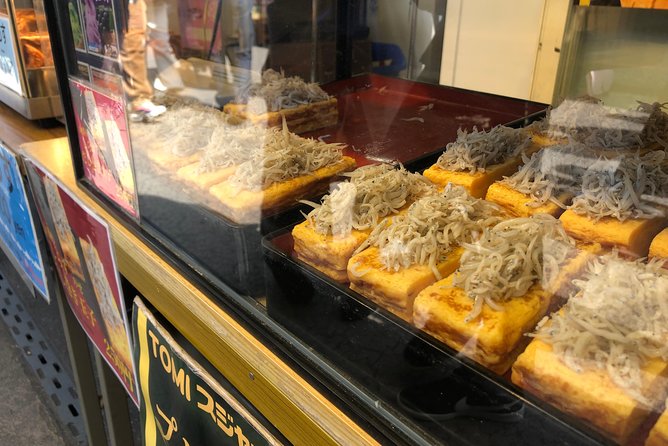
Then you hit Komachi dori, the famous Kamakura street lined with eateries and snack stalls. This is your lunch and sampling time, about an hour. The advantage of going here with a guide is simple: you don’t have to guess what’s good, what’s typical, and what you’ll actually want to eat.
Your lunch is structured as sampling a variety of delicious street food. That matters because Komachi dori offers so many options that indecision can eat your whole hour. With a guide directing you, you’re more likely to taste a range rather than locking into just one sugary or fried choice.
The tour also includes snacks and drinks throughout the day, so Komachi dori doesn’t have to be the only food focus. Still, it’s the moment when the street energy really lands. You’ll be walking among stalls, smelling what’s cooking, and picking up small tastes as you go.
One more reason I like this stop: it balances the religious sites. Temples and shrines can pull you inward. Komachi dori pulls you out again—people-watching, eating, and soaking up the everyday Kamakura rhythm.
Readers also shortlisted these Tokyo bookings:
- Tokyo Tsukiji Fish Market Food and Culture Walking Tour★ 5.0 · 3,184 reviews
- Tokyo: Imperial Palace and Shogun Historical Walking Tour★ 5.0 · 2,251 reviews
- Tokyo: Shinjuku Local Bar and Izakaya Guided Walking Tour★ 4.9 · 1,794 reviews
- Tokyo: Tsukiji Fish Market Food and Walking tour★ 5.0 · 1,724 reviews
- Tokyo: Asakusa Walking Tour with Sensoji Temple Visit★ 4.8 · 1,583 reviews
Hokoku-ji Bamboo Temple: Cool Air, Green Tea, and a Slow Reset
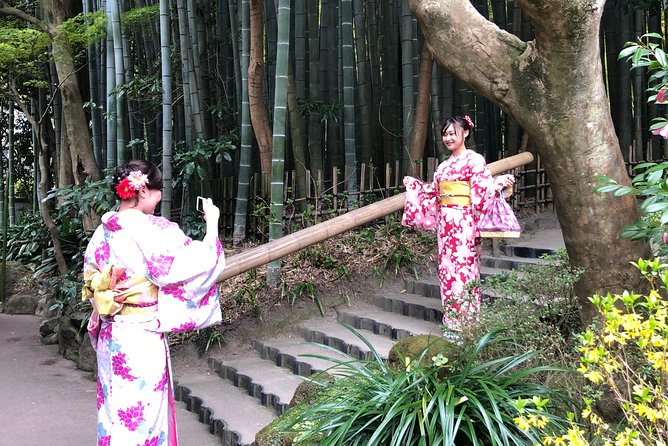
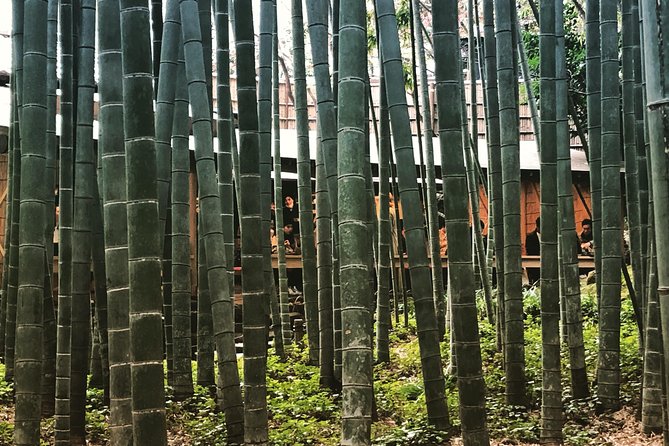
Next is Hokoku-ji, often called the bamboo temple. You’ll spend about an hour here, and the big draw is the bamboo grove atmosphere. This is the stop where you feel a change in temperature and sound—less city, more calm.
You also get a traditional cup of green tea at a tea house within the bamboo area. That tea moment is valuable because it’s not an afterthought. It gives you a pause right when your senses have shifted from street smells to plant-scent calm.
If you care about photography, this is where you can get visual variety without leaving the grounds. Bamboo creates repeating shapes and shadows that look different as you move. And since your guide is helping you pace the time, you’re less likely to rush past the best angles.
Potential drawback: if you arrive expecting a huge, spread-out “show garden,” temper that. It’s about the grove experience and the tea pause rather than a checklist of many separate exhibits. Still, for a walking day tour, it’s a smart, restful block.
Daibutsukiritoshi and the Great Buddha of Kamakura
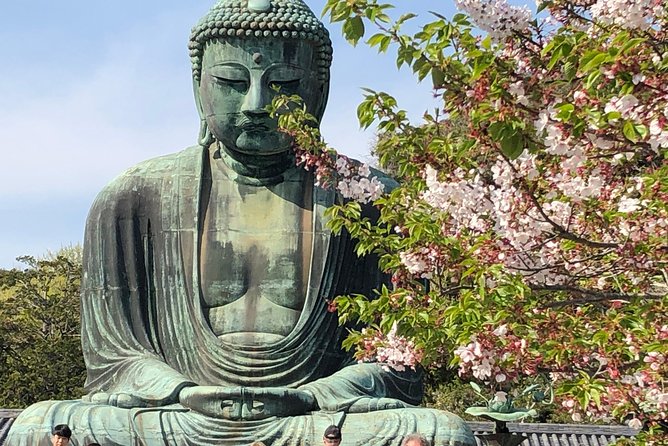
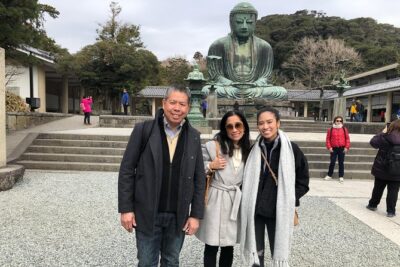
The tour ends with a look at the Great Buddha of Kamakura, in the Daibutsukiritoshi area. You’ll have about 30 minutes here, with admission included.
This is described as Japan’s second largest bronze Buddha, and that’s the kind of scale that grabs you even if you’ve seen other famous Buddhas around the country. What I like about ending here is that it gives you a visual anchor for the day—after all the smaller buildings, gates, and garden scenes, you finish on a monumental form that you can’t ignore.
Because this stop is time-limited, it helps to know what you want from it. If you like wide views, focus on getting your photos and impressions quickly. If you want quiet moments, your guide will likely help you pick where to stand and when to move so you don’t feel crowded.
Price and Value: What $220.22 Buys You
The price is $220.22 per person, and the tour includes entrance fees, guided tour, lunch, snacks, and bottled water plus soda/pop. Alcoholic beverages are included too, which is a real cost saver if you plan to have drinks during the day.
Now, here’s where the value math gets interesting. You’re paying for three things working together:
1) A guided route through multiple major stops
2) Admissions bundled across several sites
3) Food and drinks handled for you
If you tried to do this on your own, you’d still spend time figuring out how to connect the religious sites, where to eat on Komachi dori, and how to avoid wasting the lunch window deciding. With this tour, you buy back decision fatigue.
The tour also notes group discounts, which can make a private tour feel less “exclusive” and more like good planning. And since it’s private, you’re not splitting attention with strangers the way many group tours do.
At the same time, this isn’t the cheapest way to reach Kamakura. If you’re the type who likes to wander with zero structure, you might prefer a self-guided route. But if you want that mix—temples plus tea plus street-food sampling—without logistics friction, the price starts to make sense fast.
Guides Make the Day: Simon and Chuck’s Pace
The supplied feedback highlights something important: the guides know how to keep the day fun without turning it into a sprint. Simon and Chuck are both named, and the consistent theme is personable service plus good timing—moving along when it’s best, and slowing down when it helps.
One of the strongest values of a guided day like this is the human touch. For example, a guide can help you pick food instead of staring at menus until you lose your appetite. They can also help you manage the day around family needs. That kind of attention is hard to replicate when you’re traveling on your own.
If your travel style is “I want the meaning, but I also want fun,” this tour format usually fits well.
Weather, Pace, and Practical Tips for Comfortable Walking
This experience requires good weather. That’s sensible because a walking route through temples and street food areas depends on visibility and comfort. If rain shows up, the tour may shift dates or offer a full refund, so you’ll want to keep an eye on forecasts once you book.
In terms of effort, the tour asks for moderate physical fitness. You’re not training for a hike, but you should expect temple slopes and a bit of walking between sites. Bring layers: temple areas can feel cooler than streets, and bamboo groves can feel cooler still.
Also, plan your hydration. The tour includes bottled water, which helps. Still, it’s smart to pace your drinking, especially if you’re sampling alcohol or sugary drinks at the street food stop.
For your shoes: choose something with grip. Stone paths and temple approaches can get slick if it’s misty.
Should You Book This Private Kamakura Walking Tour?
Book it if you want a guided, balanced day: major temple and shrine highlights, a bamboo grove tea break, and a real lunch built around Komachi dori street food. This is ideal for first-time visitors to Kamakura who don’t want to spend half their day figuring things out.
I’d especially recommend it if:
- You like history but also want time to eat and relax
- You prefer a calm pace with an experienced guide directing the day
- You want food and admissions bundled so you don’t track every small cost
Skip it (or consider a self-guided plan) if:
- Your group hates walking and slopes
- You already know Kamakura well and want full freedom with no schedule
- You’re aiming for a super low budget and won’t value the included meals and admissions
FAQ
How long is the Kamakura temples, shrines and street food private walking tour?
It lasts about 6 hours.
What is the meeting point for the tour?
The tour starts at Kita-Kamakura Station.
What is the start time?
The tour starts at 9:00 am.
Where does the tour end?
It ends at Kamakura Station.
Is this tour private?
Yes. It’s a private tour/activity, so only your group participates.
What’s included in the price?
Entrance fees, guided tour, lunch, snacks, bottled water, soda/pop, and alcoholic beverages are included.
Are transportation costs included?
No. Transportation costs are not included.
What should I expect in terms of walking and fitness level?
The tour says travelers should have a moderate physical fitness level.
Do I need a mobile ticket?
Yes. The tour includes a mobile ticket.
What happens if the weather is bad?
The experience requires good weather. If it’s canceled due to poor weather, you’ll be offered a different date or a full refund.
Can I cancel for a full refund?
Yes, cancellation is free. You can cancel up to 24 hours in advance for a full refund, and changes within 24 hours aren’t accepted.
More Tours in Tokyo
- Mt Fuji and Hakone 1-Day Bus Tour Return by Bullet Train
★ 5.0 · 26,383 reviews - 1-Day Tokyo Bus Tour
★ 5.0 · 14,250 reviews - Tokyo: Shinjuku Food Tour (13 Dishes at 4 Local Eateries)
★ 5.0 · 6,603 reviews - Tokyo Mt Fuji 5th St & Hakone Cruise Bus Tour w/Bullet Train
★ 4.4 · 5,024 reviews - Flagship 2-Hours Official Street Go-Kart Tour – Tokyo Bay Shop
★ 5.0 · 4,974 reviews
More Tour Reviews in Tokyo
- Mt Fuji and Hakone 1-Day Bus Tour Return by Bullet Train
★ 5.0 · 26,383 reviews - 1-Day Tokyo Bus Tour
★ 5.0 · 14,250 reviews - Tokyo: teamLab Planets TOKYO Digital Art Museum Entry Ticket
★ 4.6 · 9,779 reviews - Mt Fuji & Hakone Cruise, Drum Show Bullet Train 1 Day from Tokyo
★ 4.0 · 7,413 reviews - Tokyo: Shinjuku Food Tour (13 Dishes at 4 Local Eateries)
★ 5.0 · 6,603 reviews
More Kamakura and Enoshima Days
- Tokyo: Mt. Fuji, Kamakura, Big Buddha, & Lake Ashi Day Trip
★ 4.5 · 867 reviews - Tokyo:Sea of Mount Fuji, Hakone Ropeway, Ōwakudani, Enoshima
★ 4.9 · 84 reviews - Kamakura 8 hr Private Walking Tour with Licensed Guide from Tokyo
★ 5.0 · 80 reviews - Tokyo: Kamakura & Enoshima Day Tour with Pickup & Train Ride
★ 4.1 · 61 reviews - Kamakura Private & Customizable Tour – All-in-One Experience
★ 5.0 · 49 reviews
Latest Tokyo reviews off our desk

Kamakura Day Trips, compared.
 ★ 4.5Kamakura & Enoshima Day Trip including Temple TicketsFrom $581,375 reviews
 ★ 4.5Mt. Fuji, Kamakura, Big Buddha, & Lake Ashi Day TripFrom $49867 reviews
 ★ 4.5From Tokyo: Kamakura & Enoshima 1-Day Bus TourFrom $66189 reviews
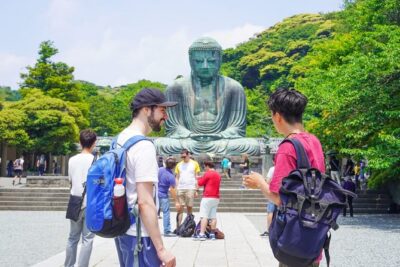 ★ 5.0Kamakura Historical Walking Tour with the Great BuddhaFrom $98129 reviews
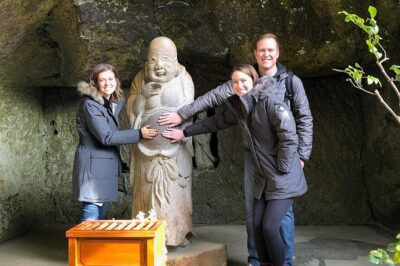 ★ 5.0Kamakura Private Tour: Temples, Nature, and the Great BuddhaFrom $98121 reviews
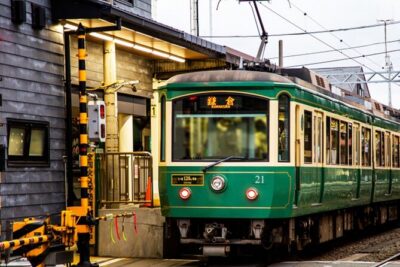 ★ 5.0Kamakura Walking Tour – The City of ShogunFrom $35100 reviews
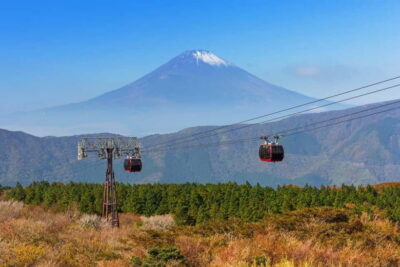 ★ 4.9Sea of Mount Fuji, Hakone Ropeway, Ōwakudani, EnoshimaFrom $5084 reviews
 ★ 5.0Kamakura 8 hr Private Walking Tour with Licensed Guide from TokyoFrom $20180 reviews
Browse the lists this tour appears in