
Reviewed · COOKING CLASSES
Japanese Cooking and Udon Making Class in Tokyo with Masako
Tokyo feels more real when you cook. This Japanese cooking and udon noodle-making class with Masako is hands-on in her home kitchen, and it ends with a take-home souvenir: your name written in Kanji calligraphy. I love the no-stress ingredient setup (everything is included, no shopping run), and I also love the way the teaching stays practical and easy to repeat later. One drawback to consider: Masako does not accept children, and with her limited English you should expect a translator during the experience.
You’ll also spend your time in a normal neighborhood home setting in Adachi’s Senju area, not a studio. The price is $142 per person for about 2 hours 30 minutes, and the value comes from getting real technique coaching, a full multi-course meal with drinks, and personal cultural touches like calligraphy.
In This Review
- Key points to know before you go
- A Tokyo Home Kitchen With Masako’s Calligraphy Name Tag
- What You’ll Cook: Udons, Tamagoyaki, Tempura (Plus Your Menu Choice)
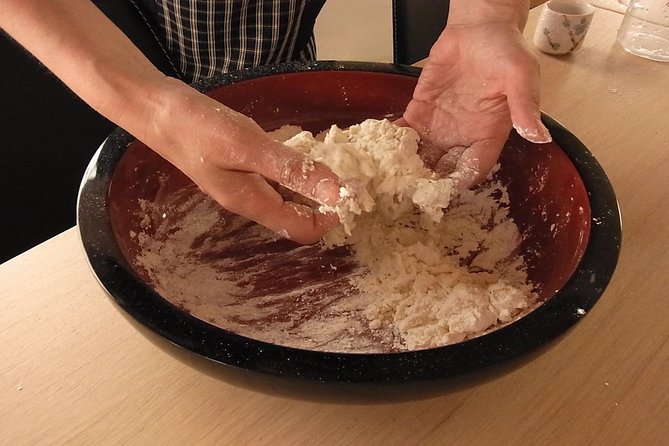
- The Udon-Making Flow: Knead, Rest, Cut, Cook
- Tamagoyaki (Japanese Omelet) Skills You’ll Actually Use Later
- Tempura Lessons: Frying Technique and Texture Control
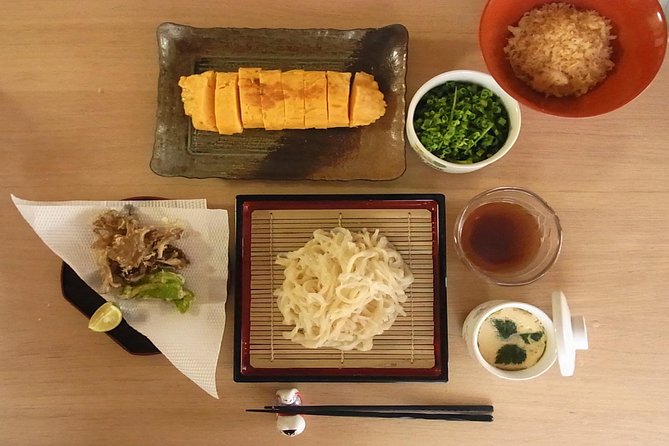
- The Meal and Drinks: Eating Your Work (and Your Name on Paper)
- Where to Meet in Senju (Adachi City) and How to Plan Your Timing
- Language, Safety Rules, and Expectations About Comfort
- Price and Value: Why $142 Can Make Sense in Tokyo
- Who Should Book Masako’s Cooking and Udon Class
- Should You Book It?
- FAQ
- How long is the Japanese cooking and udon making class?
- Is this class private?
- What dishes will I make?
- Do I need to shop for ingredients?
- Is a translator provided since Masako’s English is limited?
- What’s included in the price?
- Are children allowed?
- Where do I meet the host?
- What is the cancellation policy?
Key points to know before you go
- Private group, one-to-one-style help: Only your group participates, and Masako guides you step by step.
- Everything is provided: No ingredient hunting, plus teaching happens in a real home kitchen.
- Kanji calligraphy keepsake included: You’ll be welcomed with green tea and get your name written in Kanji.
- Udon from scratch is the main event: Expect kneading, resting, cutting, and cooking noodles and soup elements.
- You can pick your menu ahead: Masako offers four menu choices—message your preference.
- English support is built in: A translator is present since Masako speaks limited English.
A Tokyo Home Kitchen With Masako’s Calligraphy Name Tag
This class starts the way you want a cooking experience to start: with warmth and context, not rushing. You’re welcomed with a cup of green tea, then Masako writes your name in Kanji. She’s a qualified calligraphy professional, so even if you’re not a calligraphy person, you get something you’ll remember and use later.
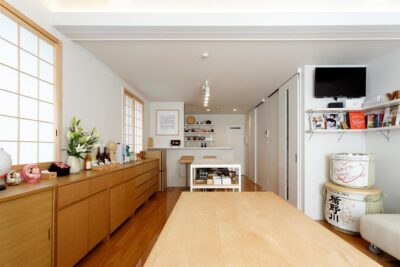
The home setting matters more than you might think. Tokyo is full of great food, but it’s rare to see how someone’s everyday kitchen workflow actually works—where ingredients sit, how tools are used, and how tasks fit together during a real meal prep. Here, you’re learning in that same rhythm.
The biggest benefit is that the class is built around repeatable skills. The focus is on easy-to-prepare techniques you can bring back home, including hands-on dough work like the best way to knead.
Readers also shortlisted these Tokyo bookings:
- Ramen & Gyoza Cooking Class in Tokyo with Local Supermarket Visit
★ 5.0 · 823 reviews - Tokyo: Easy Ramen Cooking Experience in Kabukicho, Shinjuku
★ 4.6 · 321 reviews - Ramen and Sushi Cooking Class with Sake Pairing Set in Tokyo
★ 5.0 · 291 reviews - Tokyo: Wagyu and 7 Japanese Dishes Cooking Class
★ 4.9 · 273 reviews
What You’ll Cook: Udons, Tamagoyaki, Tempura (Plus Your Menu Choice)
Before you arrive, Masako offers four menu choices for the meal. You’ll send her a message stating which menu you want, which gives you a level of control—especially helpful if you have dietary preferences you want to accommodate.
From the menu examples guests highlight, you can expect a core set of Japanese classics, usually including:
- Udon noodle making (from dough to finished noodles)
- Tamagoyaki or a Japanese omelet style dish (guests often mention rolling and also flavors like miso and sugar)
- Tempura (often vegetables and shrimp)
Not every menu has the exact same components, because you’re choosing from four options. But the structure stays consistent: you learn, you cook, and then you eat what you make.
If you’re the kind of person who likes planning ahead, this menu choice is a smart perk. You’re not stuck with a surprise set of dishes that might not match your tastes.
The Udon-Making Flow: Knead, Rest, Cut, Cook
Udon is where this class earns its name. The teaching centers on getting the dough right, and that’s not just a cute activity—it’s the difference between chewy noodles you love and noodles that feel off.
Here’s what you should expect in the udon process:
- Kneading techniques: You’ll work the dough and learn what to look for as you knead. Guests specifically mention the class covering tips tied to kneading, including practical guidance on water ratios and flour choices or mixing if needed.
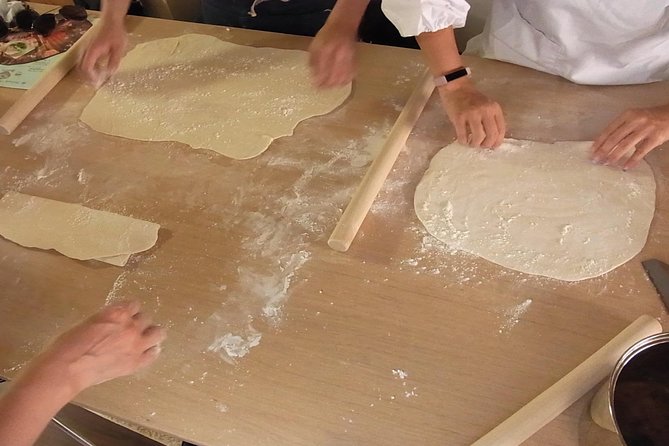
- Resting time: Dough doesn’t become noodles instantly. You’ll see the importance of resting before cutting, which helps with texture.
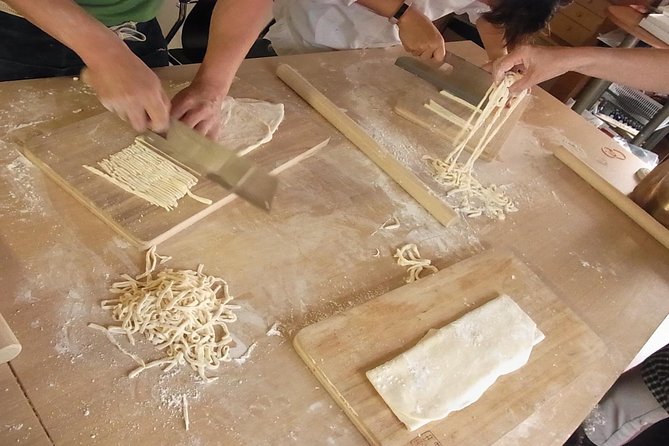
- Flattening and cutting: Once the dough is ready, you’ll cut it into noodle shapes. This is where you feel how much control you have over your final result.
- Cooking the noodles and serving: The class wraps up the noodle part as part of the meal, so you don’t end up just “working in a production line.” You also eat.
If you’ve ever tried homemade noodles at home and wondered why they never quite match your favorite restaurant bowl, the key is learning the process—and this class focuses on it. The teaching emphasizes small technique points you can actually repeat later.
One consideration: udon making is hands-on. Even if you don’t consider yourself a confident cook, you’ll still do the work, and the class is designed so you don’t need cooking experience. Just come ready to get a little involved.
Tamagoyaki (Japanese Omelet) Skills You’ll Actually Use Later
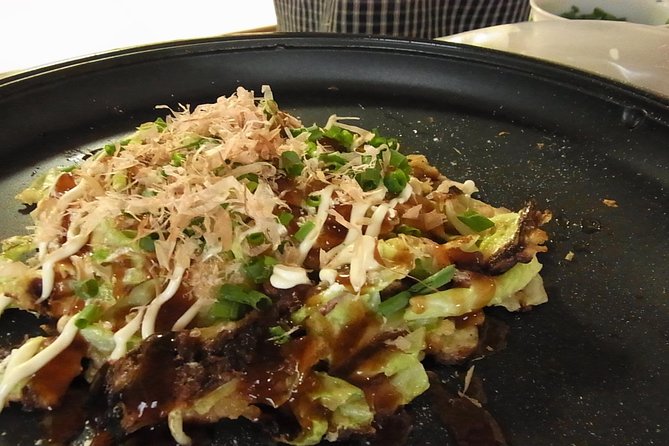
The tamagoyaki component is one of the most fun parts of the evening. Rolling an omelet sounds simple, until you try it. Here you get instruction that’s designed for real kitchens, not just a demo.
You should expect to learn the basics of:
- Egg preparation and seasonings: Guests mention versions with a sweet-savory mix, including sugar and miso.
- Heat control and rolling technique: You practice the steps that help you get clean layers and a cohesive roll, rather than scrambled chaos.
- Personal participation: People often get to make their own portion, so you leave with a mental checklist you can follow again at home.
What makes this valuable is that it’s not only about the finished food. You learn how to manage the process—timing, texture, and rolling—so you can scale the method up or down later with your own ingredients.
Tempura Lessons: Frying Technique and Texture Control
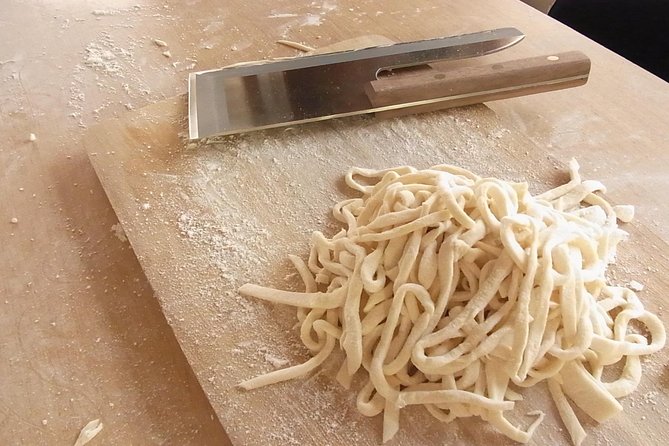
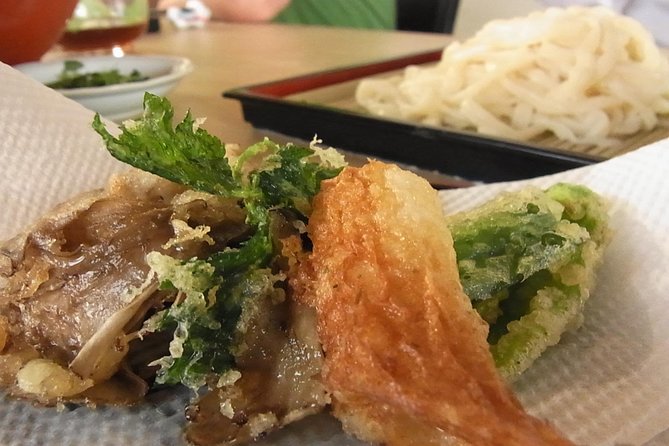
Tempura is where Japanese home cooking gets seriously practical. It’s easy to think tempura is just about frying, but good tempura is about texture and timing—plus not turning the batter into a sad, heavy coating.
In this class, tempura typically means:
- Frying vegetables and shrimp (often mentioned as part of the menu experience)
- Learning frying tips and trade tricks that help keep tempura crisp
Because you’re not only watching, you’re working through the steps. That matters. When you fry something yourself, you immediately understand where things can go wrong—oil temperature, batter thickness, and how quickly the result changes.
And since you’ll be eating what you make, you get instant feedback. If your tempura was a little darker or a bit softer than you hoped, you’ll know exactly what part of the process to adjust next time.
Readers also shortlisted these Tokyo bookings:
- Sushi Making Tokyo Roll and Authentic Japanese Sushi Class★ 5.0 · 3,971 reviews
- Tokyo: Roll and Authentic Sushi Making Class in Asakusa★ 4.9 · 1,957 reviews
- Tokyo Shinjuku Chopsticks Making Class★ 5.0 · 1,763 reviews
- Tokyo: Sushi Making Class in a Happi Coat near a Famous Spot★ 4.9 · 1,377 reviews
- Chopstick Making Workshop in Ginza★ 4.8 · 1,366 reviews
The Meal and Drinks: Eating Your Work (and Your Name on Paper)
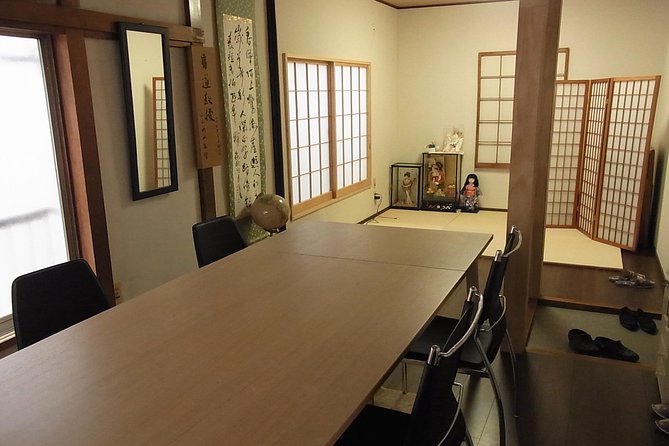
This is a “cook and then eat” format, which is exactly what I want from a cooking class. You’re not left standing around with a plate that feels like an afterthought. Instead, your meal includes what you create during the session.
You’ll also be offered alcoholic beverages. Guests mention sake specifically, so if you’re a sake fan, this is a good sign. Either way, the drinks add a relaxed vibe to the whole evening.
Then comes one of the most memorable finale moments: Masako’s calligraphy. You’re not just getting a photo moment. You get a personal keepsake—your name written in Kanji. Some guests also mention extra thoughtful items like handcrafted calligraphy pieces and small gifts connected to the day’s atmosphere, including practical comfort like umbrellas when weather was rough.
Those little touches are more than sweet. They reinforce the point of the class: you’re visiting someone’s life for a few hours, not just collecting a “thing” for your trip.
Where to Meet in Senju (Adachi City) and How to Plan Your Timing
The meeting point is in Tokyo, Adachi City, Senju, at 4-chōme 27-5 (長円寺). The activity ends back at the meeting point, so plan on arriving and returning on your own.
Two practical notes:
- It’s marked as near public transportation, which helps if you’re building an evening schedule around other plans.
- There’s no hotel pick-up or drop-off, so you’ll want a simple route from your base. If you hate last-minute navigating, give yourself a buffer day-of for train exits and walking.
Duration is about 2 hours 30 minutes, so treat it like a complete evening meal plan. You’ll be eating, including multiple dishes, so it’s smart to arrive hungry and let the class handle the rest.
Language, Safety Rules, and Expectations About Comfort
Masako speaks limited English, and a translator will be present. That setup is important because it means you’ll be able to ask questions and actually understand what you’re doing, not just copy movements.
Also, Masako does not accept children for safety reasons. This is a real factor if you’re traveling as a family. Plan accordingly.
Comfort-wise, this class is active. You’ll knead dough, handle ingredients, and do cooking steps. You don’t need to be an expert, but you should be ready to work with your hands and stay focused for the full session.
Price and Value: Why $142 Can Make Sense in Tokyo
At $142 per person for about 2.5 hours, this isn’t a budget activity. But it often feels fair because you’re paying for a bundle of things that are hard to recreate on your own.
Here’s what the price is really covering:
- Private, home-based instruction with one-to-one-style help
- Ingredients are included, so you’re not paying for a market run or spending time shopping
- Alcoholic beverages are included
- Cultural keepsakes are included (Kanji name calligraphy)
- No extra fees surprise you since fees and taxes are included
The value is strongest if you’re the type of traveler who wants one great meal plus real technique coaching. If you just want to eat Japanese food, Tokyo has plenty of affordable options. But if you want to learn how—especially udon dough work and rolling tamagoyaki—this is where the money tends to feel like it went into actual skill.
Who Should Book Masako’s Cooking and Udon Class
This class is a great fit if you:
- Want an authentic home-kitchen experience rather than a commercial food court setup
- Like interactive lessons, especially dough work and frying technique
- Care about leaving with something tangible, like your Kanji name
- Prefer a structured lesson with menu choices tailored to your interests
It might not be for you if:
- You’re traveling with children, since Masako does not accept them
- You want a passive, watch-only experience. This is hands-on by design.
- Your schedule can’t handle a 2.5-hour block with travel to Senju and back.
If you want one Tokyo activity that feels personal and useful after you return home, this one tends to hit that goal.
Should You Book It?
I’d book Masako’s class if you want more than a meal—you want techniques you can actually repeat, plus a real welcome that includes green tea and Kanji calligraphy. The setting in Adachi’s Senju home kitchen makes it feel local, and the structure keeps it practical: you cook, you eat, and you leave with a souvenir that’s tied to you.
If you’re comfortable joining a hands-on cooking session, pick your menu in advance, and come hungry, you’ll likely find this is one of the most satisfying evenings you can spend in Tokyo.
FAQ
How long is the Japanese cooking and udon making class?
It runs for about 2 hours 30 minutes.
Is this class private?
Yes. Only your group will participate.
What dishes will I make?
Masako offers four menu choices, and the class commonly includes udon noodles plus Japanese classics such as tamagoyaki and tempura, depending on the menu you select.
Do I need to shop for ingredients?
No. Everything is included, and you do not need to shop for ingredients.
Is a translator provided since Masako’s English is limited?
Yes. A translator will be present during the experience.
What’s included in the price?
The class with Masako, alcoholic beverages, and all fees and taxes are included.
Are children allowed?
No. Masako does not accept children for safety reasons.
Where do I meet the host?
The meeting point is in Tokyo, Adachi City, Senju, at 4-chōme 27-5 (長円寺). The activity ends back at the meeting point.
What is the cancellation policy?
Free cancellation is available up to 24 hours before the experience start time for a full refund. If you cancel less than 24 hours before, the amount you paid is not refunded.
More Workshops in Tokyo
- Sushi Making Tokyo Roll and Authentic Japanese Sushi Class
★ 5.0 · 3,971 reviews - Tokyo: Roll and Authentic Sushi Making Class in Asakusa
★ 4.9 · 1,957 reviews - Tokyo Shinjuku Chopsticks Making Class
★ 5.0 · 1,763 reviews - Tokyo: Sushi Making Class in a Happi Coat near a Famous Spot
★ 4.9 · 1,377 reviews - Chopstick Making Workshop in Ginza
★ 4.8 · 1,366 reviews
More Cooking Classes in Tokyo
- Ramen & Gyoza Cooking Class in Tokyo with Local Supermarket Visit
★ 5.0 · 823 reviews - Tokyo: Easy Ramen Cooking Experience in Kabukicho, Shinjuku
★ 4.6 · 321 reviews - Ramen and Sushi Cooking Class with Sake Pairing Set in Tokyo
★ 5.0 · 291 reviews - Tokyo: Wagyu and 7 Japanese Dishes Cooking Class
★ 4.9 · 273 reviews - Tokyo Washoku 4-hour Cooking Class: From Market to Table
★ 5.0 · 253 reviews
More Tour Reviews in Tokyo
- Mt Fuji and Hakone 1-Day Bus Tour Return by Bullet Train
★ 5.0 · 26,383 reviews - 1-Day Tokyo Bus Tour
★ 5.0 · 14,250 reviews - Tokyo: teamLab Planets TOKYO Digital Art Museum Entry Ticket
★ 4.6 · 9,779 reviews - Mt Fuji & Hakone Cruise, Drum Show Bullet Train 1 Day from Tokyo
★ 4.0 · 7,413 reviews - Tokyo: Shinjuku Food Tour (13 Dishes at 4 Local Eateries)
★ 5.0 · 6,603 reviews
Latest Tokyo reviews off our desk






Cooking Classes, compared.
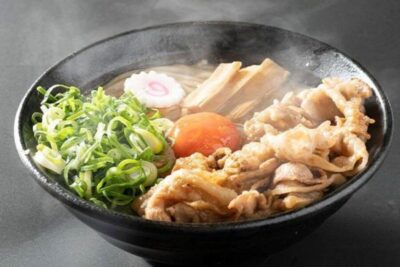
 ★ 5.0Ramen & Gyoza Cooking Class in Tokyo with Local Supermarket VisitFrom $122823 reviews
 ★ 4.6Easy Ramen Cooking Experience in Kabukicho, ShinjukuFrom $29321 reviews
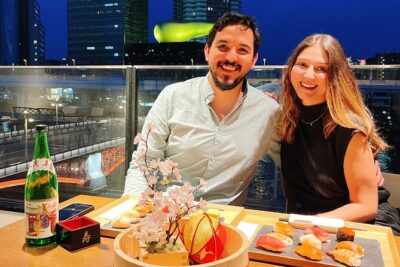 ★ 5.0Ramen and Sushi Cooking Class with Sake Pairing Set in TokyoFrom $79291 reviews
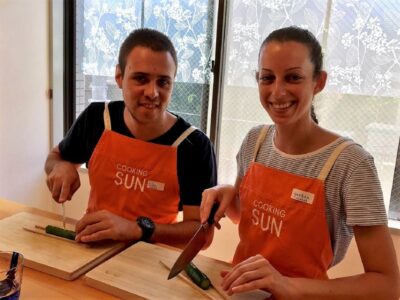 ★ 4.9Wagyu and 7 Japanese Dishes Cooking ClassFrom $67273 reviews
 ★ 5.0Tokyo Washoku 4-hour Cooking Class: From Market to TableFrom $79253 reviews
 ★ 5.0Small-Group Wagyu Beef and 7 Japanese Dishes Tokyo Cooking ClassFrom $72190 reviews
 ★ 5.0Private Home Cooking in Yanaka – Local Flavors in a Warm SettingFrom $122173 reviews
 ★ 5.0Tokyo Sushi Making Experience & Japanese Cooking ClassFrom $59150 reviews
Browse the lists this tour appears in