
Reviewed · COOKING CLASSES
Japanese Cooking Class for Vegans
Tokyo, but home-kitchen style. In Shinagawa, you step into a private Japanese cooking class where Miwa adapts recipes around vegan and vegetarian ingredients, and you talk face-to-face while you cook. I especially like the one-on-one feel and the fact that the class can fit different comfort levels with Japanese ingredients.
I also like the meal planning side: you’re not just making one dish, you’re aiming for a full vegan or vegetarian lunch with multiple courses. One thing to consider is logistics: transportation isn’t included, so you’ll want a clear plan for reaching Musashikoyama Station (Tokyu Meguro Line) on your own.
In This Review
- Key highlights to know before you go
- A private vegan lunch in Shinagawa: why this class feels local
- Meet at Musashikoyama Station and step into a real neighborhood rhythm
- What you’ll cook: vegan sushi plates, tofu courses, and comfort-food dishes
- A practical note on dietary tailoring
- How Miwa teaches: step-by-step confidence and ingredient know-how
- The 3-course lunch: what “fresh and healthy” really looks like
- Price and value: what $705.86 buys you (and what to check)
- Family-friendly private cooking: a good option if kids want in
- Logistics you’ll want to plan: timing, meeting point, and pacing
- Should you book this vegan Japanese cooking class?
- FAQ
- Where does the class meet?
- How long is the cooking class?
- Is this experience private?
- What’s included in the price?
- Does the class offer vegan options?
- Can the menu be customized?
- Is transportation included?
- Is the class family-friendly?
- What’s the cancellation rule?
- Final recommendation: who will love this most
Key highlights to know before you go
- A private class with real conversation so you can ask questions and get recipe tweaks on the fly
- Vegan and vegetarian versions of Japanese classics including sushi plates, tofu courses, and home-style dishes
- A full 3-course lunch you eat right after cooking while everything is fresh
- Family-friendly setup with a vegan kids plate option and kid-focused attention when requested
- Hands-on teaching with step-by-step guidance plus explanations of ingredients and how to find them
- A straightforward meeting point at Musashikoyama Station (Tokyu Meguro Line)
A private vegan lunch in Shinagawa: why this class feels local
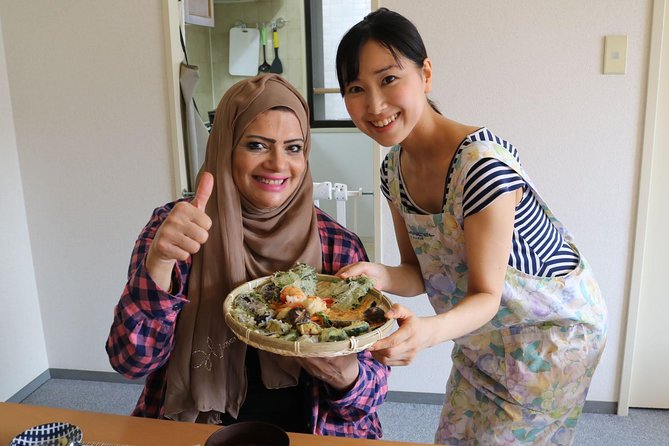
This class works because it’s not about showing you Tokyo from a bus window. You go somewhere more personal: a local home in Shinagawa, with a host who can shape the lesson around how you eat.
The focus is Japanese food, but adapted. You’ll practice techniques and flavors that still feel Japanese, just built with vegetarian or vegan ingredients. If you’ve ever wondered how sushi, tofu, or Japanese comfort food can make sense without fish or meat, this is the place to get answers you can actually cook with.
Readers also shortlisted these Tokyo bookings:
- Ramen & Gyoza Cooking Class in Tokyo with Local Supermarket Visit
★ 5.0 · 823 reviews - Tokyo: Easy Ramen Cooking Experience in Kabukicho, Shinjuku
★ 4.6 · 321 reviews - Ramen and Sushi Cooking Class with Sake Pairing Set in Tokyo
★ 5.0 · 291 reviews - Tokyo: Wagyu and 7 Japanese Dishes Cooking Class
★ 4.9 · 273 reviews
Meet at Musashikoyama Station and step into a real neighborhood rhythm
Your starting point is Musashikoyama Station on the Tokyu Meguro Line. That’s helpful because you’re not crisscrossing the city for a hard-to-find meeting spot. You’ll use your own transport to get there, but once you arrive, things feel smooth.
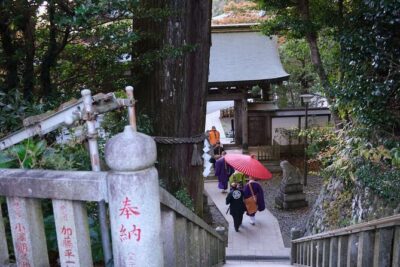
The area around Musashikoyama is known for a long shopping arcade, and that matters for the vibe. Even if you’re spending most of your time in the kitchen, you’ll be in a real local rhythm instead of a tourist strip.
What you’ll cook: vegan sushi plates, tofu courses, and comfort-food dishes
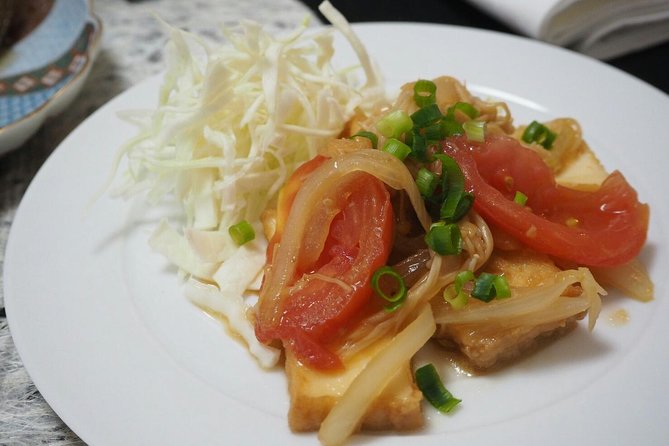
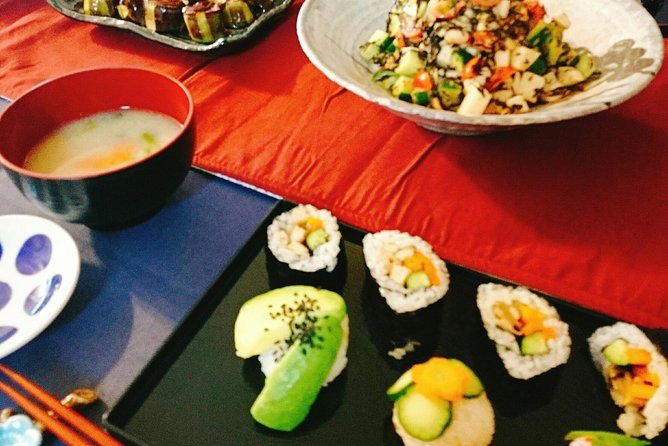
You can expect a menu from a few common formats, and Miwa can customize based on what you want. The class options listed include vegan sushi plates, vegan Japanese home-made dishes, a vegan kids plate, and a vegan tofu course.
That variety is smart. Sushi plates are the kind of dish that teach you presentation and balance, even without fish. Tofu courses help you understand how tofu behaves in Japanese cooking, not just as a bland substitute. Home-style dishes are where Japanese flavors really show up, because you learn how sauces, simmering, and seasoning work together.
If you have specific goals, you’re not stuck with a fixed syllabus. The class is described as customizable for vegan and vegetarian needs, and it can also adapt for other preferences if requested. That flexibility is a big deal in Japan, where ingredients and stock choices can vary from household to household.
A practical note on dietary tailoring
This experience is built for vegan or vegetarian ingredients. If you have additional preferences (like avoiding certain textures or keeping dishes mild), you can ask, and the class is designed to adjust. In a private setting, that’s much easier than joining a group class where everyone has to eat the same thing.
How Miwa teaches: step-by-step confidence and ingredient know-how
Cooking lessons are only useful if you can repeat them later. The teaching style here is built to get you from confusion to competence, without rushing.
Miwa’s process is explained clearly: she starts by walking you through what you’ll make and the ingredients, then moves you through prep and cooking step by step. You also learn what the ingredients are doing, not just when to add them. A lot of people love this because it turns Japanese food from a menu item into something you can understand.
Another thing I like in this setup is shared responsibility. You’re not just watching. Each person is given roles during the cooking process, which helps you stay focused and actually learn the movements, not just the recipe.
And yes, you’ll talk. One of the best parts of private teaching is the ability to ask why. If something seems unfamiliar, you can ask directly and get an answer tied to the dish you’re making.
Readers also shortlisted these Tokyo bookings:
- Sushi Making Tokyo Roll and Authentic Japanese Sushi Class★ 5.0 · 3,971 reviews
- Tokyo: Roll and Authentic Sushi Making Class in Asakusa★ 4.9 · 1,957 reviews
- Tokyo Shinjuku Chopsticks Making Class★ 5.0 · 1,763 reviews
- Tokyo: Sushi Making Class in a Happi Coat near a Famous Spot★ 4.9 · 1,377 reviews
- Chopstick Making Workshop in Ginza★ 4.8 · 1,366 reviews
The 3-course lunch: what “fresh and healthy” really looks like
After cooking, you sit down and eat the lunch you made together. The package includes a full 3-course lunch plus food tasting, so you’re not leaving hungry or switching to a restaurant plan.
When this is done well, a vegan meal in Japan feels both satisfying and light. You’ll likely see how balance shows up through sauces, seasoning, and texture. Instead of heavy substitutions, Japanese cooking tends to use structure: tofu, rice, vegetables, and carefully flavored broths or seasonings.
The “tasting” piece matters because it helps you learn flavor progression. If you only taste at the end, you miss how seasoning changes from one step to the next. Here, you get more checkpoints, which makes it easier to replicate the results later.
Price and value: what $705.86 buys you (and what to check)
The price is $705.86 per person for a class running about 3 hours. That sounds steep until you break down what’s included: it’s a private tour/activity, and it includes lunch (3 courses) and food tasting.
So you’re paying for three things at once:
1) a private, diet-tailored cooking lesson,
2) a full meal you eat right away,
3) guided instruction that aims to make you confident, not just fed.
What you’re not getting is transportation. Since meeting is at Musashikoyama Station, you should treat it like a focused class with your own travel time planned in.
In terms of value, this is best when you want hands-on learning. If you’re just chasing a one-time photo-op, you’d likely get less out of it. But if you want the ability to cook Japanese vegan food at home, the private instruction and the step-by-step guidance are where the money turns into something useful.
Family-friendly private cooking: a good option if kids want in
This class is described as welcoming for families, and it includes a vegan kids plate option. That’s a practical detail, because kid-friendly food in Japan can be its own challenge when you’re also dealing with vegan ingredients.
Private format helps here. You can ask for adjustments so the class feels manageable for kids, and you won’t be stuck with a rushed group pace. If your child is curious about food and enjoys hands-on tasks, this can turn into a memorable activity instead of a long day sitting still.
Just note the basic rule: children must be accompanied by an adult, which makes sense in a home-kitchen setting.
Logistics you’ll want to plan: timing, meeting point, and pacing
The start time is 10:30 am, with an approximate duration of 3 hours (and classes are noted as 2 to 3 hours). That puts you in a good slot for lunch, which is exactly what happens.
The meeting address is 3-chōme-4-9 Koyama, Shinagawa City, Tokyo 142-0062, Japan, and it ends back at the meeting point. That means you should plan your next stop around returning to the same area.
Also, since transportation isn’t included, you’ll want to build a little buffer for train navigation and a calm arrival. If you’re arriving from central Tokyo, the Tokyu Meguro Line route can be easy, but don’t cut it too close.
Should you book this vegan Japanese cooking class?
Book it if you want private, hands-on instruction in Japanese vegan cooking and you like the idea of eating what you make while it’s still fresh. The combination of recipe customization and step-by-step teaching is the real draw, especially if you’re serious about learning flavors and techniques you can repeat later.
Skip or compare if you’re mainly looking for a tour with a lot of sightseeing. This is a food-first experience, and the value is tied to cooking and eating together, not walking around Tokyo.
If your goal is confidence in vegan Japanese home cooking, this is a strong choice.
FAQ
Where does the class meet?
The class meets at Musashikoyama Station (Tokyu Meguro Line). The address is 3-chōme-4-9 Koyama, Shinagawa City, Tokyo 142-0062, Japan.
How long is the cooking class?
It runs for about 3 hours, with a note that classes are typically 2 to 3 hours.
Is this experience private?
Yes. It’s a private tour/activity, and only your group participates.
What’s included in the price?
You get a 3-course lunch and food tasting.
Does the class offer vegan options?
Yes. The class is offered with vegan and vegetarian ingredients, and it can be customized for vegan and vegetarian needs.
Can the menu be customized?
Yes. The recipe can be customized for vegan and vegetarian preferences, and it can also be tailored for other preferences upon request.
Is transportation included?
No. Transportation to and from attractions is not included.
Is the class family-friendly?
Yes. It’s described as welcoming for families, and there is a vegan kids plate option. Children must be accompanied by an adult.
What’s the cancellation rule?
Free cancellation is available up to 24 hours in advance of the experience start time for a full refund.
Final recommendation: who will love this most
If you want a focused, practical way to learn Japanese vegan cooking, this class hits the mark. It’s private, it’s hands-on, and you leave with a meal you helped create plus the know-how to make similar dishes again at home.
More Workshops in Tokyo
- Sushi Making Tokyo Roll and Authentic Japanese Sushi Class
★ 5.0 · 3,971 reviews - Tokyo: Roll and Authentic Sushi Making Class in Asakusa
★ 4.9 · 1,957 reviews - Tokyo Shinjuku Chopsticks Making Class
★ 5.0 · 1,763 reviews - Tokyo: Sushi Making Class in a Happi Coat near a Famous Spot
★ 4.9 · 1,377 reviews - Chopstick Making Workshop in Ginza
★ 4.8 · 1,366 reviews
More Cooking Classes in Tokyo
- Ramen & Gyoza Cooking Class in Tokyo with Local Supermarket Visit
★ 5.0 · 823 reviews - Tokyo: Easy Ramen Cooking Experience in Kabukicho, Shinjuku
★ 4.6 · 321 reviews - Ramen and Sushi Cooking Class with Sake Pairing Set in Tokyo
★ 5.0 · 291 reviews - Tokyo: Wagyu and 7 Japanese Dishes Cooking Class
★ 4.9 · 273 reviews - Tokyo Washoku 4-hour Cooking Class: From Market to Table
★ 5.0 · 253 reviews
More Tour Reviews in Tokyo
- Mt Fuji and Hakone 1-Day Bus Tour Return by Bullet Train
★ 5.0 · 26,383 reviews - 1-Day Tokyo Bus Tour
★ 5.0 · 14,250 reviews - Tokyo: teamLab Planets TOKYO Digital Art Museum Entry Ticket
★ 4.6 · 9,779 reviews - Mt Fuji & Hakone Cruise, Drum Show Bullet Train 1 Day from Tokyo
★ 4.0 · 7,413 reviews - Tokyo: Shinjuku Food Tour (13 Dishes at 4 Local Eateries)
★ 5.0 · 6,603 reviews
Latest Tokyo reviews off our desk




Cooking Classes, compared.
 ★ 5.0Ramen & Gyoza Cooking Class in Tokyo with Local Supermarket VisitFrom $122823 reviews
 ★ 4.6Easy Ramen Cooking Experience in Kabukicho, ShinjukuFrom $29321 reviews
 ★ 5.0Ramen and Sushi Cooking Class with Sake Pairing Set in TokyoFrom $79291 reviews
 ★ 4.9Wagyu and 7 Japanese Dishes Cooking ClassFrom $67273 reviews
 ★ 5.0Tokyo Washoku 4-hour Cooking Class: From Market to TableFrom $79253 reviews
 ★ 5.0Small-Group Wagyu Beef and 7 Japanese Dishes Tokyo Cooking ClassFrom $72190 reviews
 ★ 5.0Private Home Cooking in Yanaka – Local Flavors in a Warm SettingFrom $122173 reviews
 ★ 5.0Tokyo Sushi Making Experience & Japanese Cooking ClassFrom $59150 reviews
Browse the lists this tour appears in